
Description
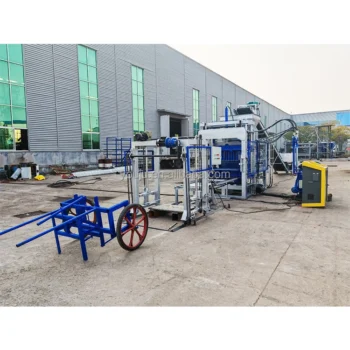
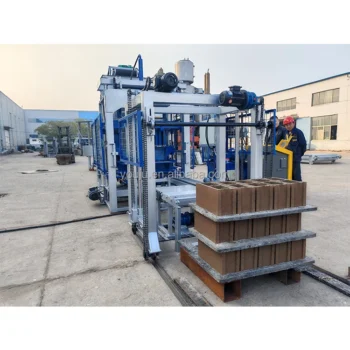
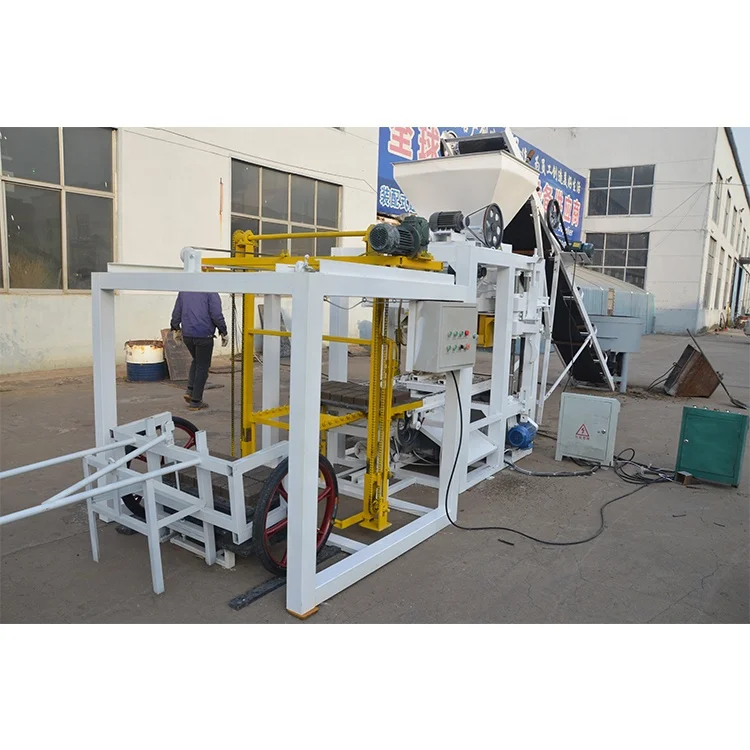
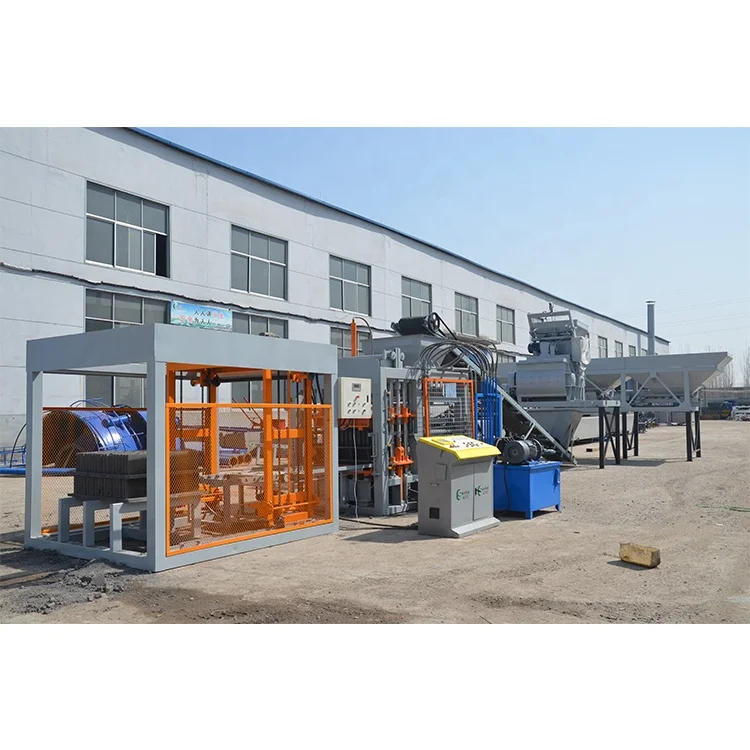
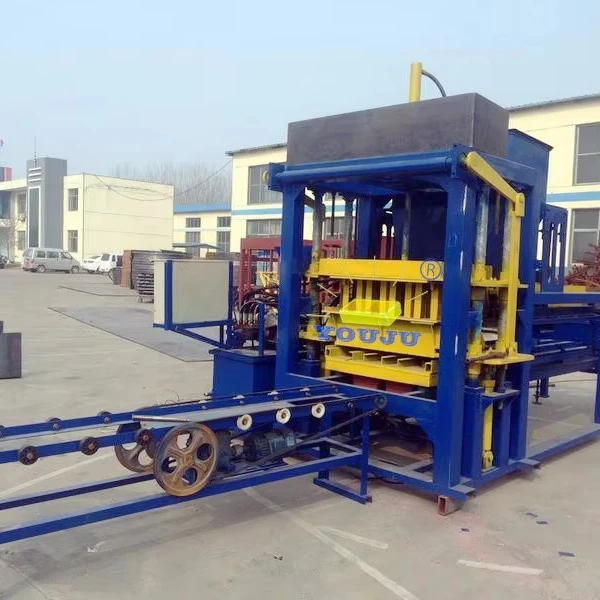
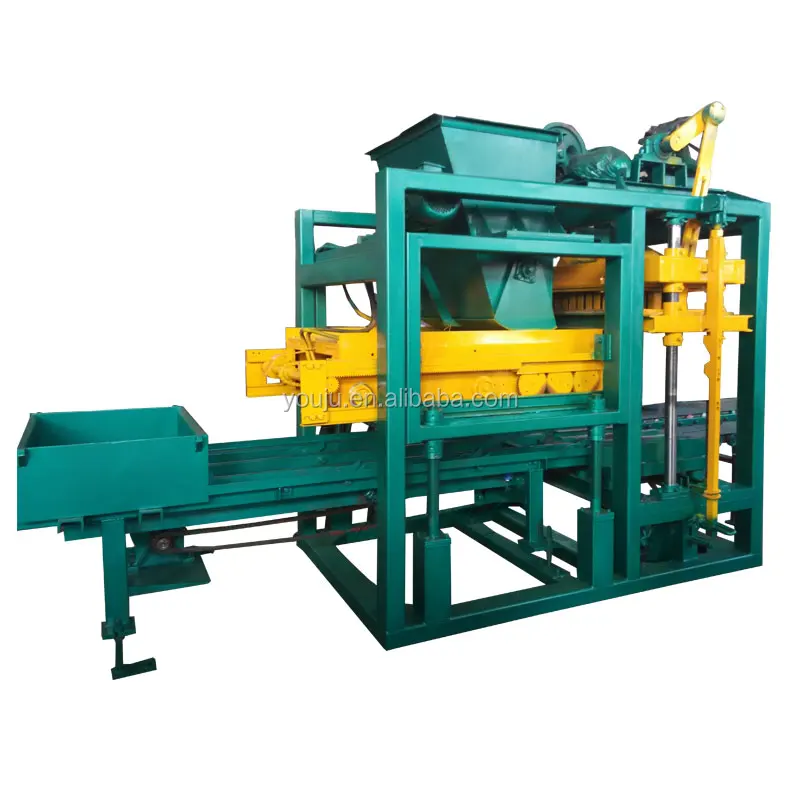
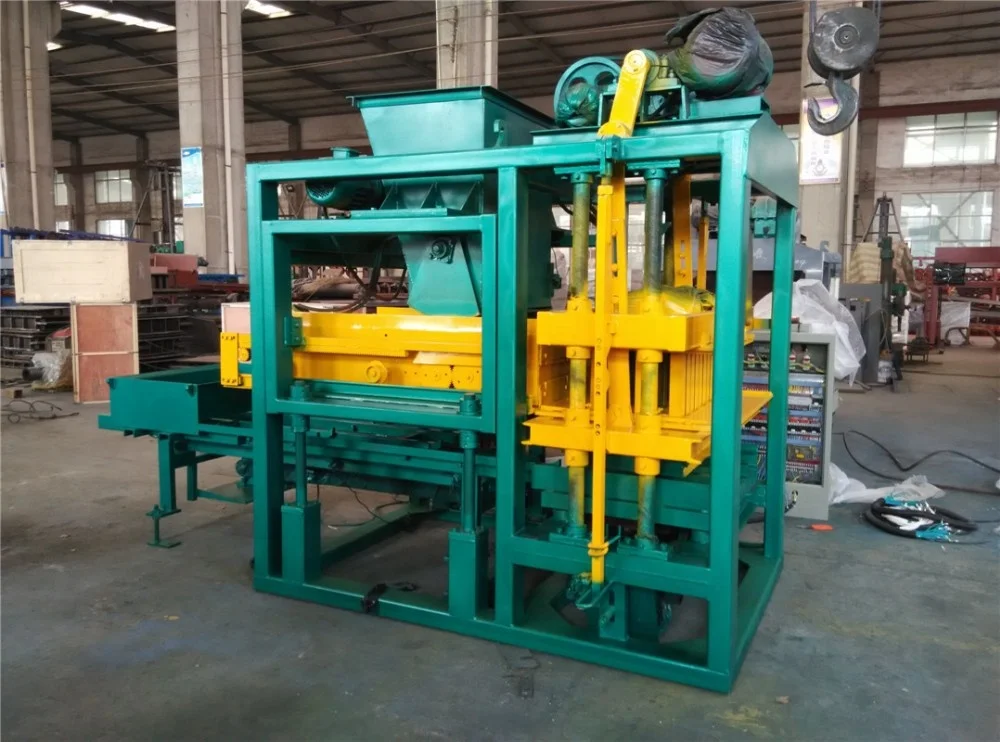
Matched system specification — Every QTJ4-25 block making machine ships with the mould, pallet and handling parameters set to the buyer’s actual block format and local mix, rather than a catalogue default that fails on site.
Technical Specifications
| Parameter | Value |
|---|---|
| Model | QTJ4-25 |
| Product Type | Stationary Block Making Machine |
| Rated Power | 17.9 kW |
| Voltage & Frequency | Configurable to site supply (to be confirmed before production) |
| Control System | Semi-automatic operation |
| Overall Dimensions (L×W×H) | 6400 × 1500 × 2700 mm |
| Net Weight | 2500 kg |
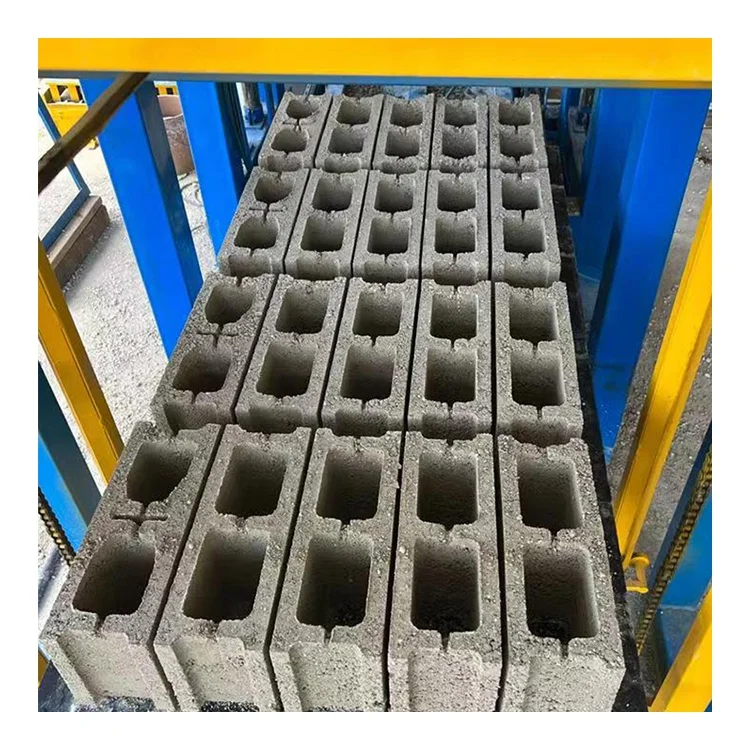
| Output Capacity | 960 pcs/h / 7680 pcs/day based on 400×200×200 mm hollow block (4 pcs/mould) |
| Moulding Cycle | 25 s |
| Vibration Frequency | 2800 r/min |
| Vibration Force | 60 kN |
| Pallet Size | 850 × 550 × 20 mm |
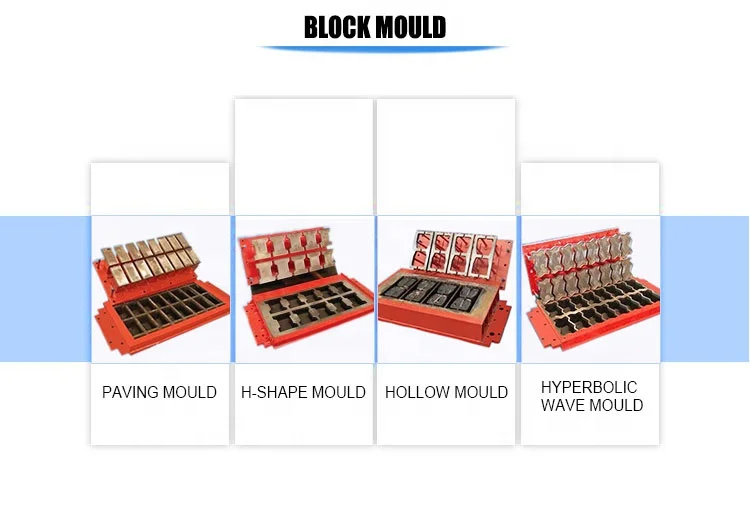
| Mould Format Options | Hollow, solid, paver, curbstone (8/6/5/4 inch sizes available) |
| Automation Level | Semi-automatic |
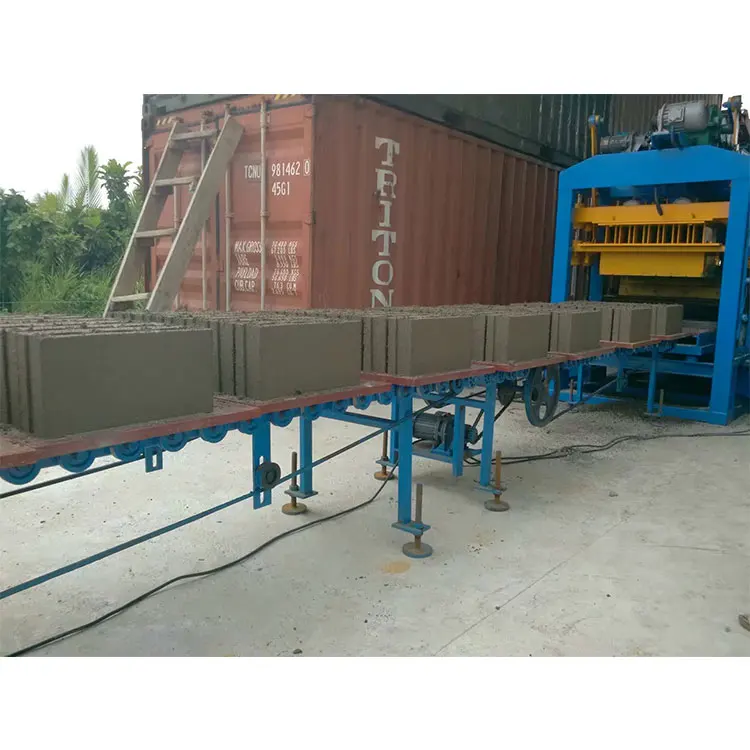
| Stacking Method | Manual (bricks placed on pallet, moved by trolley to drying area) |
| Configuration Included | Host machine (1 set), block mould (1 set), JQ350 mixer |
| Hydraulic Station | Equipped (pressure rating to be confirmed against mix design) |
Application Suitability
| Application | Material or Output |
|---|---|
| Hollow block production for wall construction | Crushed stone, sand, cement, fly ash aggregate mixes |
| Solid load-bearing block manufacturing | Dense aggregate with cement binder |
| Paving block and interlocking paver runs | Fine sand and cement with pigment additives |
| Kerbstone and curb production | Coarse aggregate with high cement content |
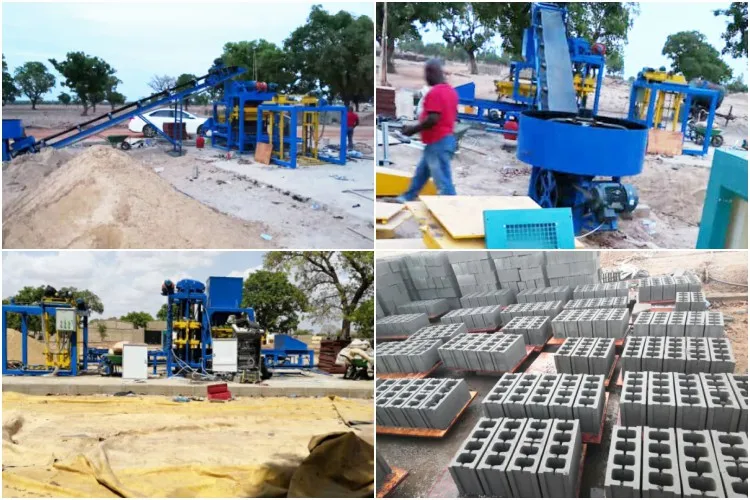
| On-site contractor block production | Locally sourced sand, laterite or red soil blends |
| First plant setup for entrepreneurs | Standard concrete mixes with regional aggregate |
What "960 Pieces per Hour" Actually Means for Your Block Format
The output figure only holds true when the block format, mould cavity count and cycle time are all stated together — anything less is a guess.
I have watched buyers commit to a QTJ4-25 block making machine based on a headline capacity number, then arrive on site to find their target format runs at a different pace entirely. The 960 pcs/h rating assumes a 400×200×200 mm hollow block with four cavities per mould and a 25-second cycle. Switch to a smaller solid block or a paver with a different cavity layout, and the hourly count shifts — sometimes substantially. This is the single most common reason buyers feel misled after commissioning [NEED_CITE: common causes of buyer dissatisfaction in block machinery procurement]. The fix is simple: state the target format up front, and the capacity calculation follows honestly.
Mould-to-Format Matching Before the Order Ships
The QTJ4-25 block making machine accepts a single mould at a time, swapped across hollow, solid, paver and curbstone formats. Each format carries its own cavity count and compaction profile, which means the vibration force of 60 kN at 2800 r/min must be tuned to the specific block geometry and the buyer’s local aggregate. A laterite-heavy mix in West Africa demands different vibration settings than a crushed basalt mix in East Africa. We set these parameters against a sample of the buyer’s raw material before the machine leaves the factory.
Pallet Sizing Against the Curing Yard You Already Have
The standard 850 × 550 × 20 mm pallet is the interface between the press and the curing area. If the buyer’s existing forklift tines, curing racks or drying yard spacing were designed around a different pallet dimension, every pallet becomes a handling problem from day one. We confirm pallet material — fiberglass or a local wood alternative — and the recommended quantity based on the curing cycle length and local climate before finalising the QTJ4-25 block making machine configuration [NEED_CITE: pallet handling best practices in concrete block production].
Reading the Specs That Actually Shape Daily Output
The 17.9 kW rated power covers the host machine, vibration motors and the JQ350 mixer running together. On sites where the supply is shared with other equipment, voltage drop under load can shorten the effective vibration stroke, producing blocks with lower density on the far side of the curing yard. The 25-second moulding cycle is verified on the 400×200×200 mm hollow block format; denser paver formats typically require a longer compaction phase to achieve the target strength. The 2500 kg net weight provides the mass needed to absorb vibration recoil without frame walking, but the foundation must still be level and cured concrete to prevent long-term misalignment. Semi-automatic operation means the operator loads the pallet and triggers the cycle manually — labour cost stays predictable, but daily throughput depends on how fast pallets move to and from the drying area.
The Cost of Skipping the Mix Design Conversation
When vibration force and hydraulic pressure are set to a default rather than the buyer’s actual aggregate, the first sign of trouble is cracking during demoulding or low compressive strength at the curing stage. I spent two weeks on a site in Ghana re-tuning a machine that had been shipped with standard sand parameters — the buyer was running local red soil, and every block split under its own weight when the pallet tilted. The downtime, wasted cement and reputational damage with the buyer’s own customers far exceeded what a pre-shipment material test would have cost [NEED_CITE: impact of aggregate variability on block compressive strength].
Why Buyers Specify Their QTJ4-25 Through This Channel
Block machinery is the sole focus here, so the machine, mould, pallet and handling equipment are specified as one matched system rather than assembled from separate suppliers. The configuration is set against the buyer’s actual mix design and target block format, not a catalogue default. Mould design covers the formats the buyer’s market actually sells, including custom drawings when standard sizes do not fit. The semi-automatic layout allows a buyer to start with manual pallet handling and add automation stations later as volume grows. Installation support includes operator training so the crew understands mould change procedure and daily maintenance from the first shift.
Documentation & Verification
- Line layout with capacity calculation stating the block format assumed for every output figure
- Mould drawing and format list confirming included and optional block dimensions
- Pallet specification matched to curing area dimensions and forklift type
- Voltage, frequency and control display language confirmed in writing before production
- Factory test record run on buyer-specified block format before dispatch
- Operation and maintenance manual with wear parts and mould replacement list
Installation, Commissioning & Support
- Level cured-concrete foundation required to support the 2500 kg frame and vibration recoil
- Dedicated electrical circuit sized for the 17.9 kW total draw including the JQ350 mixer
- Host machine and mixer shipped separately and assembled on site with alignment check
- First-run commissioning includes vibration frequency and cycle timing adjustment to local aggregate
- Operator training covers mould swap procedure, pallet loading sequence and daily greasing points
- Wear parts list provided with recommended reorder intervals for vibration springs and hydraulic seals
What to Include in Your First Inquiry
To size the QTJ4-25 block making machine correctly, share the target block format and dimensions you plan to sell, the daily output you need for that specific format, and a description or sample of your local raw material. Confirm your site voltage, frequency and the control language your operators read. If you already have a curing yard and forklift, send the pallet dimensions and rack spacing so the pallet spec aligns from day one.
Frequently Asked Questions
Q: How is the 7,680 pcs/day figure calculated, and what does output look like for other block formats?
A: The 7,680 figure assumes an eight-hour shift running the 400×200×200 mm hollow block at four pieces per mould with a 25-second cycle. Other formats have different cavity counts and may require longer compaction, so daily output changes. We provide a format-by-format capacity sheet with your quotation so you can plan against the blocks you actually sell.
Q: Which pallet material and quantity do I need based on my curing yard and climate?
A: Fiberglass pallets handle high humidity and long curing cycles without warping, while treated wood alternatives suit drier climates and shorter rotations. The quantity depends on how many days blocks stay on the rack before sale. We calculate the recommended pallet count against your curing timeline and local conditions before the order ships.
Q: How long does a mould change take on the QTJ4-25, and what tools are required?
A: A trained operator can swap a single mould using standard hand tools within a typical shift break. The exact time depends on the format being removed and installed. We include a step-by-step mould change guide in the operation manual and cover the procedure during on-site commissioning training.
Q: Will the vibration force and pressure be matched to my local aggregate and mix design?
A: Yes. We ask for a raw material sample or detailed aggregate description before finalising the machine settings. The 60 kN vibration force and hydraulic pressure are adjusted to produce consistent block density with your specific mix, preventing cracking and strength failures that occur when default parameters are applied to unfamiliar materials.
Q: What voltage, frequency and control language will be confirmed before the machine ships?
A: We confirm your site voltage and frequency in writing before production begins, and the control display language is set to match your operators. This prevents commissioning delays that happen when electrical specifications are assumed rather than verified against the local grid standard [NEED_CITE: voltage and frequency standards by export market].