Description
Mould-Matched Capacity — every QT7-15 output figure is calculated against the buyer’s specific block format and local aggregate, not a generic catalogue claim.
Technical Specifications
| Parameter | Value |
|---|---|
| Model | QT7-15 |
| Product Type | Concrete Block Making Machine |
| Pallet Size | 1150×700 mm |
| Molding Cycle | 15–20 s (basis to be confirmed by block format and material) |
| Vibration Force | 100 kN |
| Vibration Frequency | 0–60 Hz, adjustable |
| Vibration Form | Platform Vibration |
| Overall Power | 45 kW |
| Total Mass | 8 T |
| Demolding Method | Hydraulic |
| Control System | PLC with touch screen |
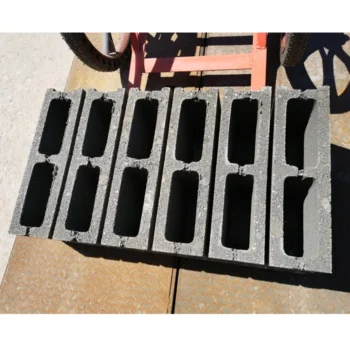
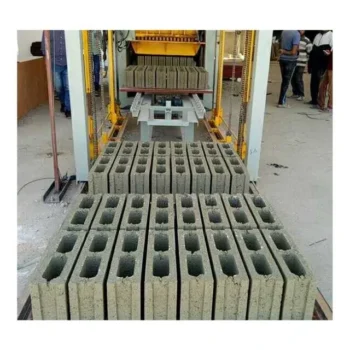
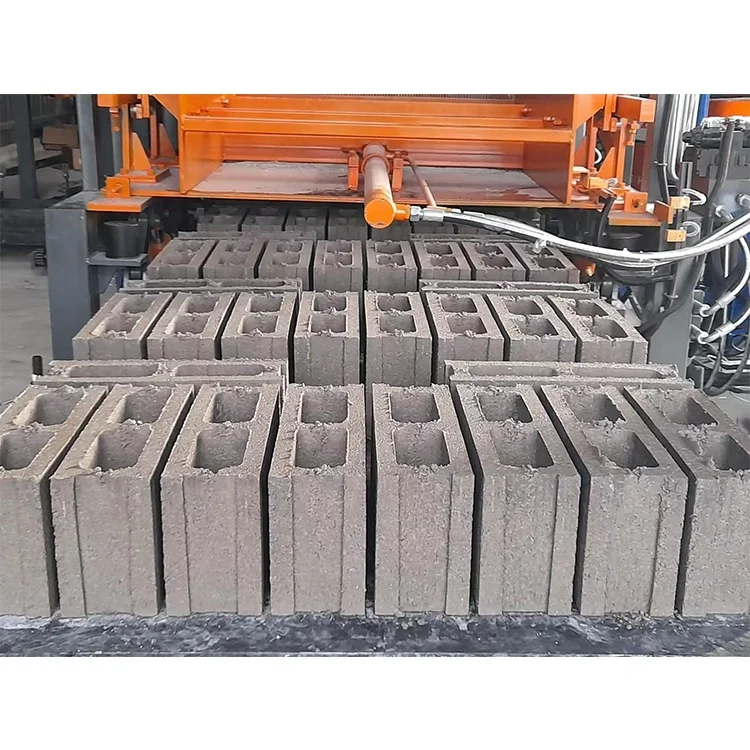
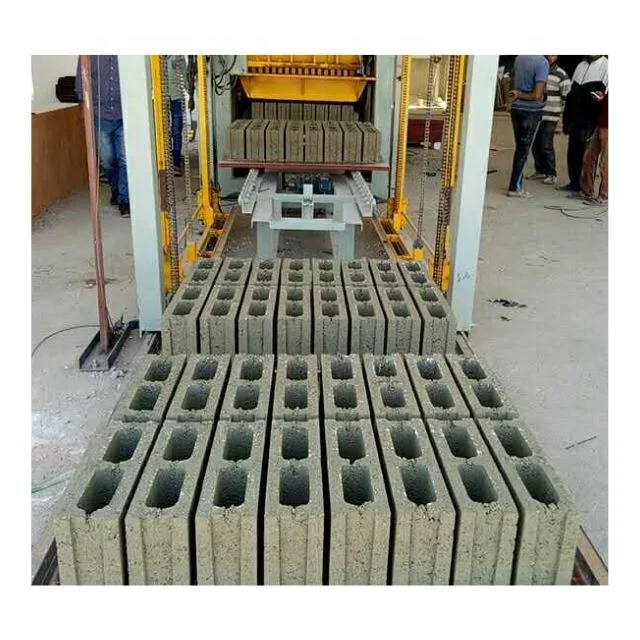
| Output — Hollow Block 400×200×200 mm | 1,260–1,680 pcs/h (7 pcs/cycle, basis: stated format) |
| Output — Hollow Block 400×150×200 mm | 1,440–1,920 pcs/h (8 pcs/cycle, basis: stated format) |
| Output — Rectangular Paver 200×100×60 mm | 3,888–4,860 pcs/h (27 pcs/cycle, basis: stated format) |
| Mould Change System | Simple mould replacement |
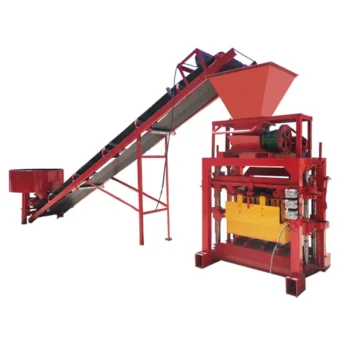
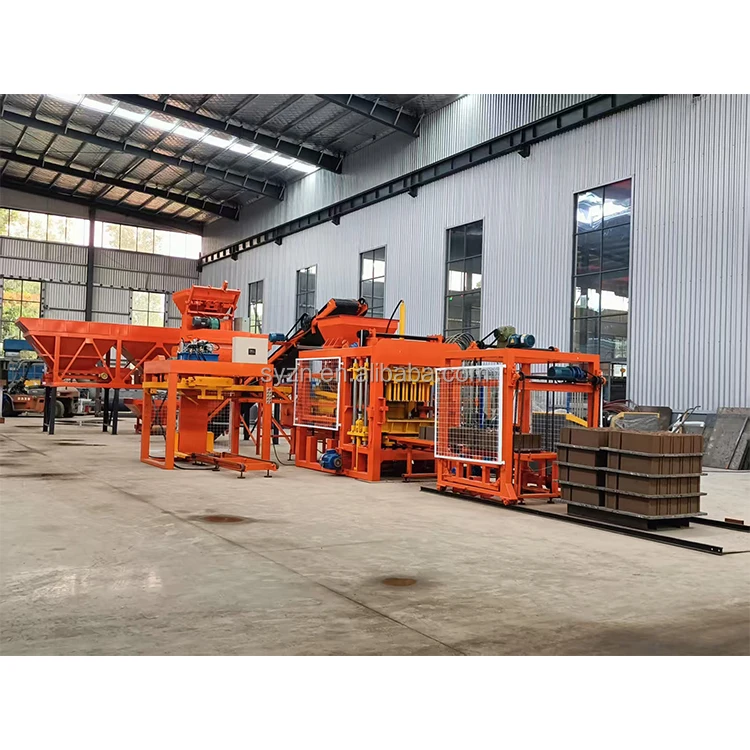
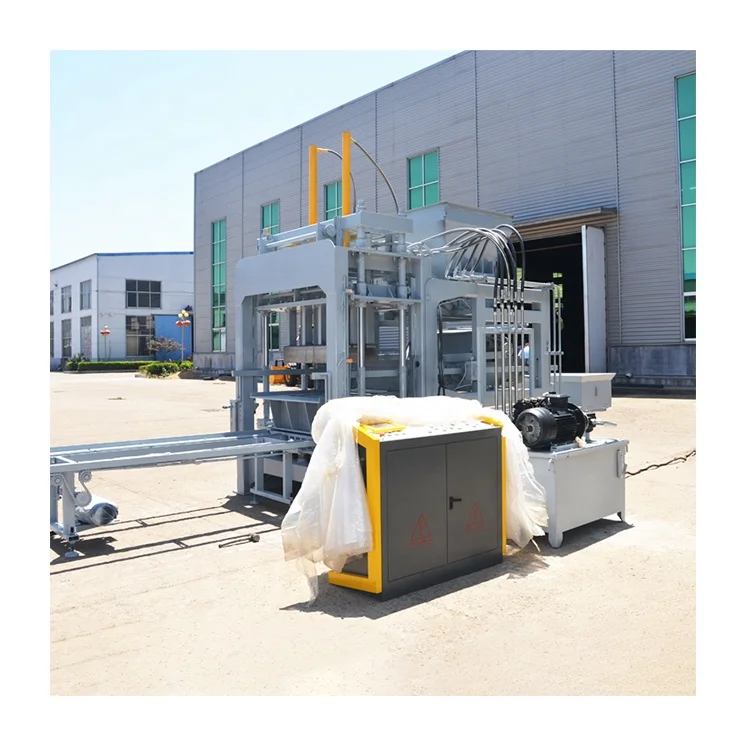
| Standard Components | Pallet feed machine, block making machine, storage hopper, conveyor, hydraulic unit, PLC cabinet |
| Fault Diagnosis | Remote control and fault diagnosis supported |
Application Suitability
| Application | Material or Output |
|---|---|
| Hollow block production | Crushed stone, river sand, cement, fly ash blends for 400×200×200 mm and 400×150×200 mm formats |
| Solid block production | Dense aggregate mixes for load-bearing wall blocks |
| Paving block production | Fine aggregate and cement for 200×100×60 mm rectangular pavers and interlocking formats |
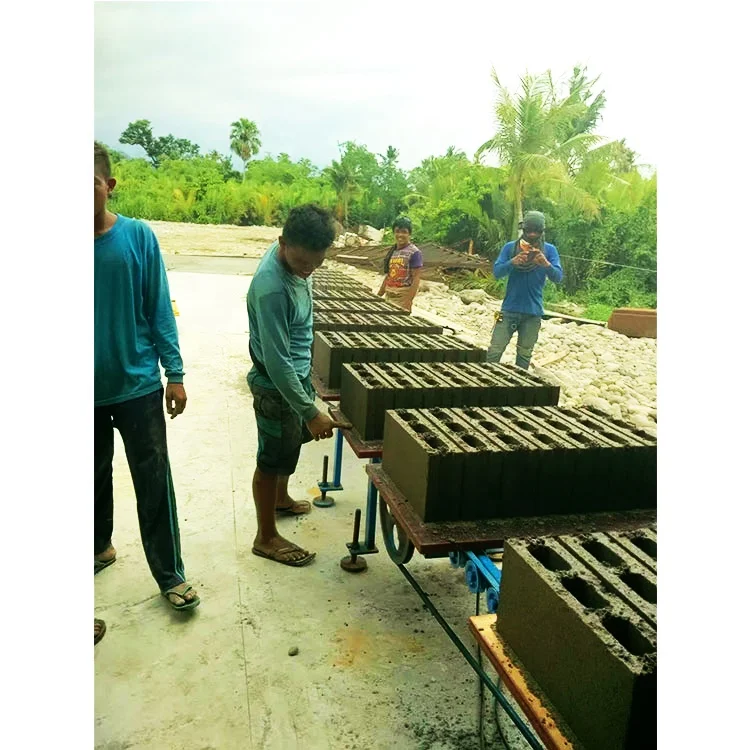
| On-site construction block making | Local sand, gravel, and cement for housing and development project blocks |
| Concrete product plant expansion | Multiple block and paver formats added to an existing production range |
What "1,680 Blocks per Hour" Actually Means on the QT7-15 Concrete Block Making Machine
Capacity only matters when tied to a specific block format, mould layout, and cycle time.
Too many quotations list a single hourly number without revealing that it assumes a lightweight hollow block with optimal aggregate. When the same machine runs a denser mix or a taller format, the cycle extends and daily output drops. I once saw a buyer in South Asia receive a QT7-15 concrete block making machine rated at a catalogue capacity, only to find that local river sand with high clay content forced longer vibration times, cutting real daily output nearly in half. That mismatch is why every capacity figure here is tied to a stated block size [NEED_CITE: concrete block cycle time variation by aggregate and format].
Matching Vibration Force to Your Local Aggregate
The QT7-15 delivers 100 kN of vibration force through platform vibration, with frequency adjustable from 0 to 60 Hz. This range allows the operator to dial in the energy needed for different mix designs — finer materials require higher frequency and lower amplitude, while coarse crushed aggregate demands more force to achieve full compaction. The hydraulic demolding system works in tandem with vibration to ensure consistent block density without cracking green blocks during extraction. Getting this balance right is the difference between blocks that meet compressive strength targets and batches that crumble at the curing rack.
Mould Flexibility and What It Costs to Change Formats
Seven moulds per cycle for 400×200×200 mm hollow blocks, eight for 400×150×200 mm, and twenty-seven for 200×100×60 mm pavers — each layout changes the cycle time and the hourly output accordingly. The simple mould replacement system on the QT7-15 concrete block making machine is designed so that a trained operator can swap formats without a full shift of downtime. If the buyer’s market demands frequent format changes, the realistic daily throughput must account for these changeover windows [NEED_CITE: block plant format changeover time impact on daily output].
Reading the Specs That Actually Determine Output
The 1150×700 mm pallet size governs how many blocks fit per cycle and must align with the curing racks and forklifts already on site. The 45 kW overall power rating covers the hydraulic unit, vibration motors, conveyor, and PLC cabinet running simultaneously — undersized site transformers cause voltage drops that disrupt PLC logic. The PLC with touch screen interface stores process parameters per mould, so switching from hollow blocks to pavers recalls the correct vibration frequency, pressure, and cycle duration without manual guesswork. Block density is ultimately a function of hydraulic pressure and vibration force combined; neither alone produces consistent strength across different aggregate blends [NEED_CITE: hydraulic pressure and vibration force relationship in block compaction].
The Hidden Cost of Skipping Mix Design Verification
When a machine arrives configured for a standard gravel mix but the buyer’s cheapest local aggregate is high-clay river sand, the vibration time must increase to achieve adequate compaction. Longer cycles mean fewer blocks per hour, and the original capacity calculation no longer applies. Pallet handling bottlenecks compound the problem — if stacking and curing are done manually while the press waits, the line’s effective output drops further. Voltage mismatches discovered after arrival delay commissioning while transformers are sourced locally [NEED_CITE: voltage and frequency standards by export market].
Why Technical Buyers Source This Machine Here
The QT7-15 is specified against the buyer’s actual block format and local raw material, not a default catalogue setting. Mould design covers the formats the buyer’s market sells, with custom drawings available for non-standard sizes. The 1150×700 mm pallet is confirmed against the buyer’s curing area and handling equipment before production. Automation level is selectable, so a buyer can begin with semi-automatic pallet handling and add automatic stacking later. Remote fault diagnosis through the PLC system reduces downtime when on-site technical support is not immediately available.
Documentation & Verification
- Line layout showing capacity calculated per block format and cycle time
- Mould drawing and format list matching buyer’s local market products
- Pallet specification sheet aligned with curing rack dimensions and forklift capacity
- Voltage, frequency, and PLC display language confirmation before production
- Factory test record run on buyer’s specified block format before dispatch
- Operation and maintenance manual with wear parts and mould replacement schedule
Installation, Commissioning & Support
- Foundation plan based on the QT7-15’s 8 T mass and 45 kW power requirement
- Dedicated electrical circuit sized for 45 kW with voltage and frequency confirmed pre-shipment
- Machine arrives with hydraulic unit, PLC cabinet, and conveyor dismantled for container loading
- On-site commissioning includes cycle time calibration against buyer’s actual mix design
- Operator training covers PLC format switching, mould changes, and daily maintenance routines
- Wear parts list with hydraulic seals and mould liner replacement intervals provided
Sizing the QT7-15 to Your Plant
To confirm whether the QT7-15 concrete block making machine fits your production line, share the block formats your market demands, the daily volume you need per format, and samples or analysis of your local aggregate and sand. Include your site’s voltage, frequency, and preferred PLC display language so that electrical and control systems are built correctly before the machine leaves the factory.
Frequently Asked Questions
Q: How is the QT7-15 capacity verified, and what block format does each output figure assume?
A: Every capacity figure is tied to a specific block size and mould layout — 1,260–1,680 pieces per hour assumes 400×200×200 mm hollow blocks at 7 per cycle, while paver output assumes 27 per cycle of 200×100×60 mm. Real output also depends on your mix design and aggregate.
Q: What mould formats are available, and how long does a mould change take?
A: Standard moulds cover hollow blocks in 400×200×200 mm and 400×150×200 mm, plus 200×100×60 mm rectangular pavers. Custom moulds are available from buyer drawings. The simple replacement system lets a trained operator change formats within a single shift.
Q: How is the 1150×700 mm pallet size matched to my curing area and forklift?
A: Pallet dimensions are confirmed against your existing curing racks and forklift capacity before production. If your handling equipment differs, the pallet size is reviewed to ensure smooth transfer from press to curing without manual intervention.
Q: What PLC language options and voltage configurations are confirmed before shipment?
A: Voltage, frequency, and PLC touch screen display language are confirmed during the ordering process so the electrical system and control interface match your site conditions. This avoids commissioning delays caused by mismatched transformers or unreadable menus.
Q: How is vibration force and hydraulic pressure matched to my local aggregate and mix design?
A: The 100 kN vibration force and adjustable 0–60 Hz frequency are set during commissioning based on your actual mix. Coarse aggregate needs more force; fine or high-clay materials need longer vibration at adjusted frequency to reach target block density and strength.