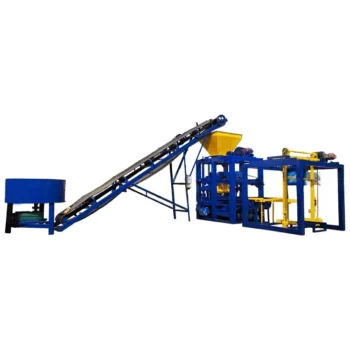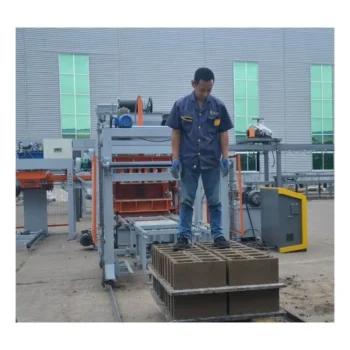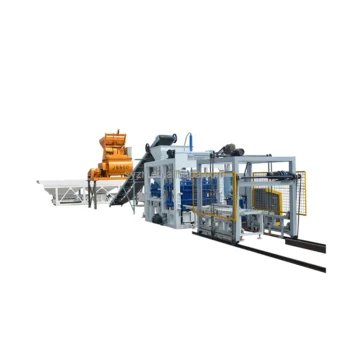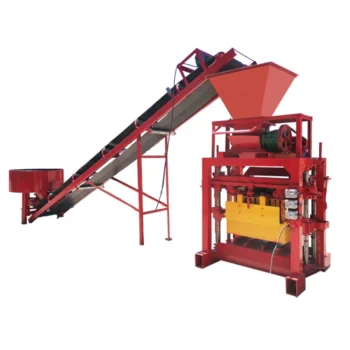



Description
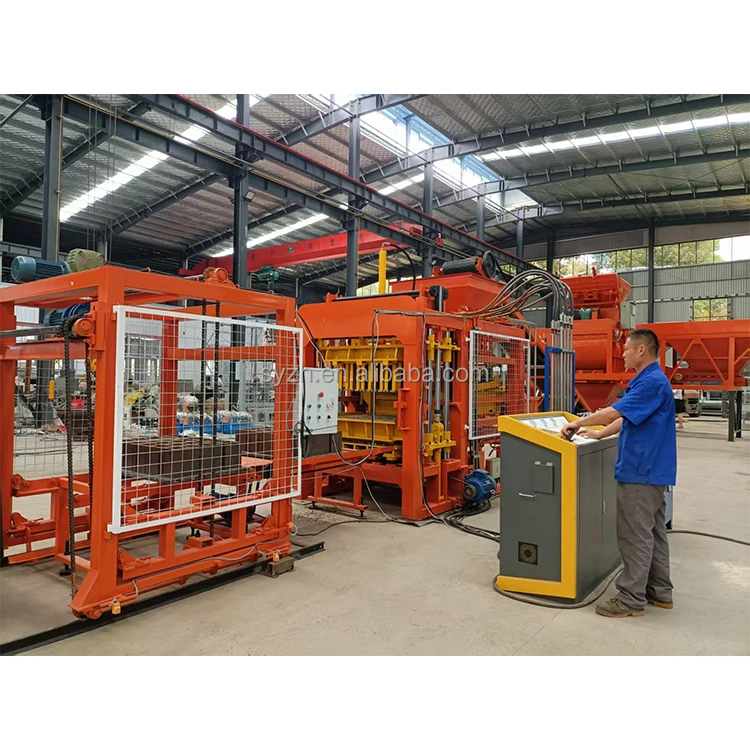
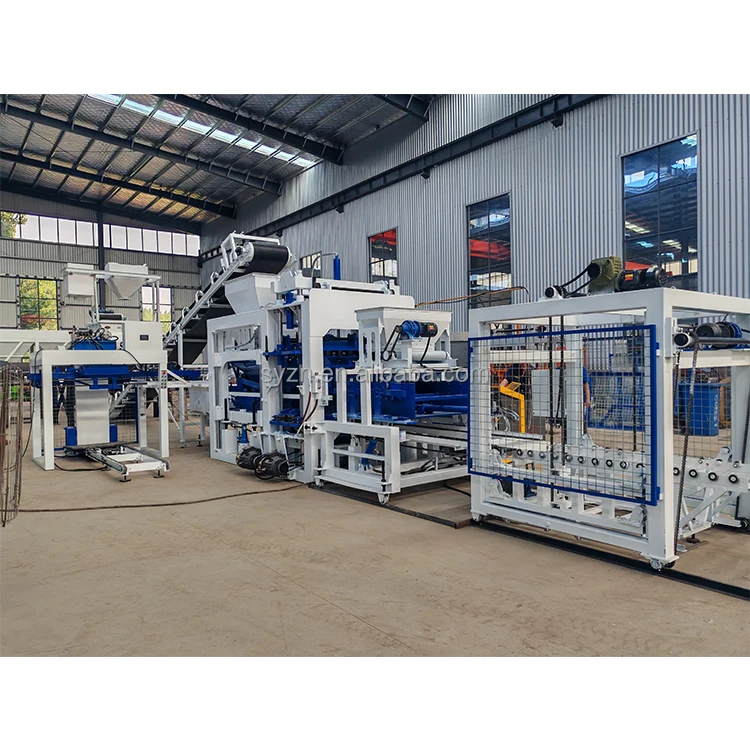
Mould-Driven Configuration — every QT5-15 block machine is specified against your target block format, local aggregate sample, and curing logistics, not a default catalogue line.
Technical Specifications
| Parameter | Value |
|---|---|
| Model | QT5-15 |
| Product Type | Fully Automatic Concrete Block Making Machine |
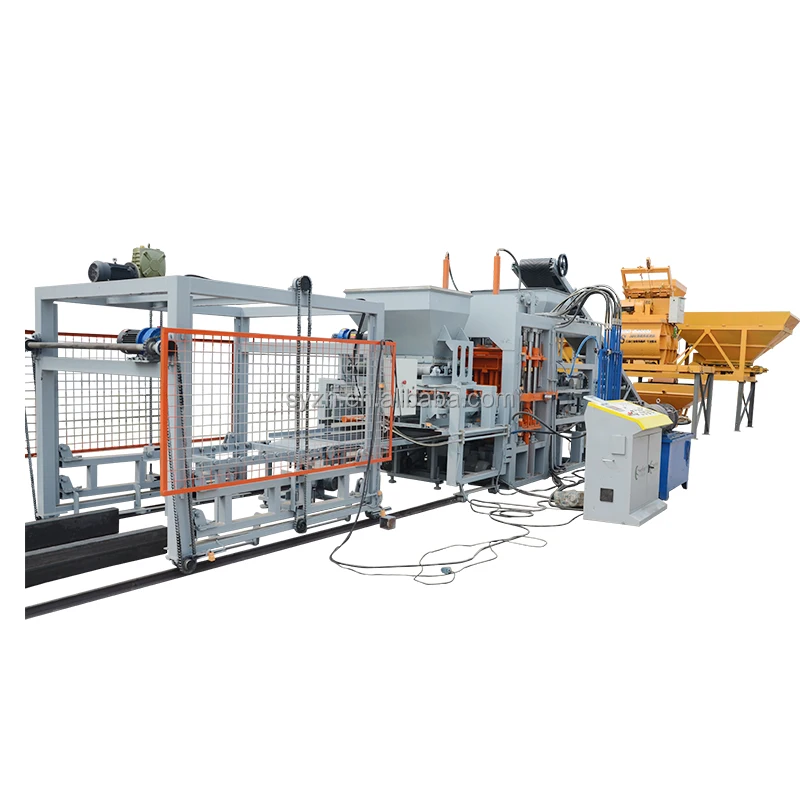
| Overall Dimensions (L×W×H) | 7400×1950×2800 mm |
| Total Mass | 5000 kg |
| Overall Power | 32 kW |
| Vibration Form | Platform Vibration |
| Vibration Force | 80 kN |
| Vibration Frequency | 0–60 Hz |
| Moulding Mode | Automatic loading, vibration moulding |
| Demolding Method | Hydraulic |
| Pallet Size | 1100×550 mm |
| Molding Cycle | 15–20 s (basis not stated in source — confirm block format / material / thickness) |
| Control System | PLC with touch screen interface |
| Hydraulic System | Independent integrated hydraulic station |
| Automation Level | Fully automatic (pallet feeding, material feeding, vibrating, demolding) |
| Raw Material Compatibility | Fly ash (up to 70%), slag, gangue, sand, crushed stone, cement, water |
| Block Compressive Strength | >15 MPa |
| Factory Area Required | 1000 m² |
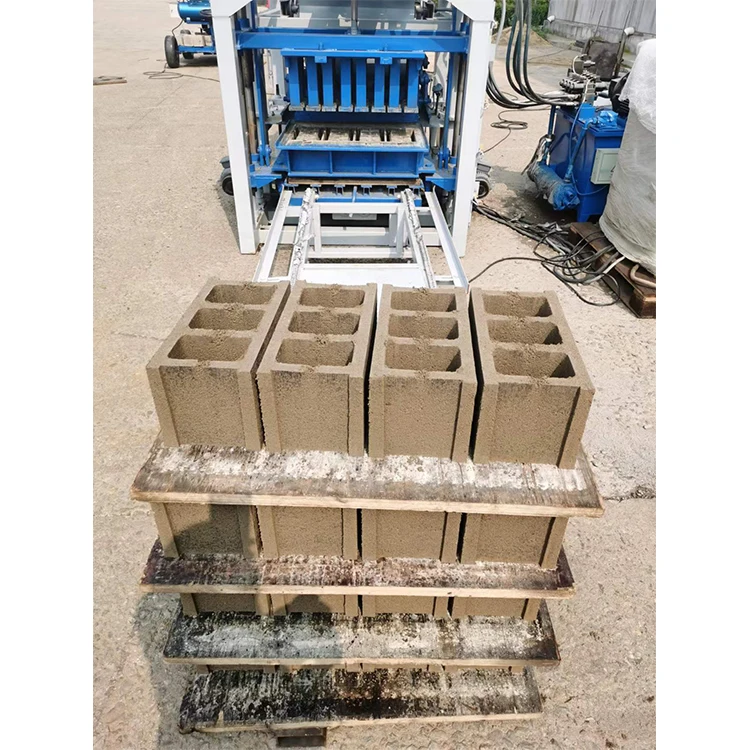
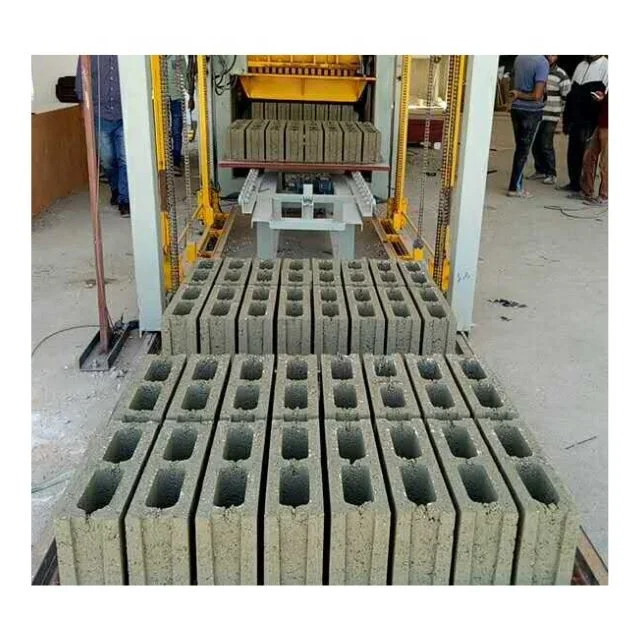
| Output: Hollow Block 400×200×200 mm | 900–1200 pcs/h, 7200–9600 pcs/8hr (5 pcs/mould, 15–20 s cycle) |
| Output: Hollow Block 400×150×200 mm | 1080–1440 pcs/h, 8640–11520 pcs/8hr (6 pcs/mould, 15–20 s cycle) |
| Output: Solid Brick 240×115×53 mm | 5760–7680 pcs/h, 46080–61440 pcs/8hr (32 pcs/mould, 15–20 s cycle) |
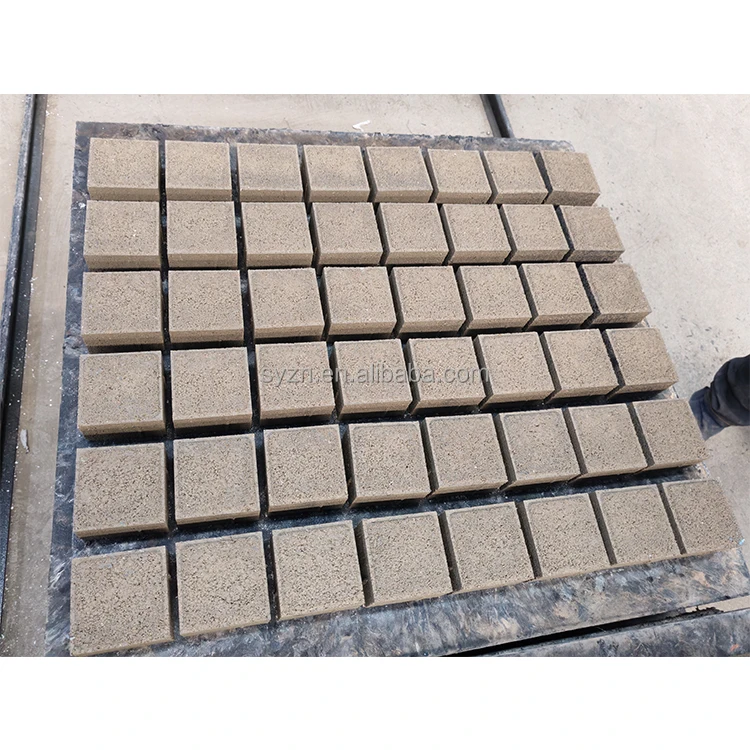
| Output: Rectangular Paver 200×100×60 mm | 3600–4500 pcs/h, 28800–36000 pcs/8hr (25 pcs/mould, 20–25 s cycle) |
| Output: Zigzag Paver 225×112.5×60 mm | 2304–2880 pcs/h, 18432–23040 pcs/8hr (16 pcs/mould, 20–25 s cycle) |
| Warranty | 1 year for whole machine (excluding spare parts) |
Application Suitability
| Application | Material or Output |
|---|---|
| Hollow block production for building walls | Crushed stone, sand, cement, water; fly ash or slag as partial replacement |
| Solid brick production for masonry | Sand, cement, fine aggregate; high-compression hydraulic demolding |
| Rectangular paving block production | Coarse aggregate, cement; 25 pcs/mould on 1100×550 mm pallet |
| Interlocking/zigzag paver production | Graded aggregate, cement; 16 pcs/mould, 20–25 s cycle |
| Industrial residue utilization | Fly ash (up to 70%), slag, gangue blended with cement binder |
What "9600 Blocks per Shift" Actually Means for the QT5-15 Block Machine Specifications
That number only holds when the mould, cycle time, and block format all match the stated premise.
I once watched a buyer in West Africa unpack a block machine rated for a comfortable daily output, only to discover the figure assumed a clean river sand mix he could not source locally. His local laterite carried high clay content, which doubled the vibration time needed for proper compaction. Real output dropped to less than half the brochure claim, and no amount of operator adjustment could close the gap. When you review QT5-15 block machine specifications, every capacity figure in the table above states the exact block format, mould cavity count, and cycle range it assumes [NEED_CITE: block machine capacity testing standards by format]. If your target product differs from those premises, the cycle must be recalculated against your actual mix design.
Matching the Press to the Block You Actually Sell
A plant that runs hollow blocks nine months a year and switches to pavers for the dry season needs a machine where the vibration force and hydraulic pressure can be adjusted between formats, not locked at a single compromise setting. The QT5-15 uses platform vibration rated at 80 kN with a frequency range of 0–60 Hz, adjustable through the PLC. This range lets the operator dial in compaction for a lightweight hollow block mix or a dense paver aggregate without swapping out mechanical components. The how to choose concrete block machine question starts with the format your market actually buys, not the format the brochure happens to feature.
Why Pallet Size Decides More Than the Press Does
The QT5-15 runs on 1100×550 mm pallets. That dimension dictates how many wet blocks leave the press per cycle, how they stack in the curing area, and whether your existing forklift can handle the loaded pallet without modification. A buyer who orders a machine without confirming pallet compatibility often finds that curing racks must be rebuilt or a new forklift purchased before the first shift runs [NEED_CITE: pallet handling logistics in block plant layout]. We state the pallet size upfront so you can cross-check it against your current curing yard dimensions and handling equipment before the order goes to production.
Reading the Specs That Matter on the Shop Floor
The 32 kW overall power rating covers the hydraulic pump, vibration motor, and material feed system running together. In a region where voltage dips are common, that total draw must be matched with a dedicated supply circuit to prevent the PLC from faulting mid-cycle. The independent integrated hydraulic station sits apart from the vibration platform, which keeps hydraulic seals away from the constant shock loading that shortens their service life. With the quick mould replacement system, a format change from hollow block to paver can be completed within a single shift break, keeping the machine available for production rather than tied up in changeover. The PLC touch screen interface stores cycle parameters per mould, so the operator recalls a saved recipe instead of rebuilding timing from scratch each time.
The Cost of Skipping the Mix Design Conversation
A machine configured for clean quartz sand will struggle with volcanic scoria or high-silt river gravel, producing blocks that crack during curing or fail compressive strength tests at the construction site. The vibration force and cycle time must be matched to the density and abrasiveness of the actual aggregate available within hauling distance of your plant. When that step is skipped, the buyer ends up importing costly sand from another region or accepting a rejection rate that erodes margin [NEED_CITE: aggregate quality impact on block compressive strength]. The QT5-15 accepts fly ash up to 70% alongside slag, gangue, sand, and crushed stone, but the exact ratio and cycle tuning must be set against your specific material sample.
Why Buyers Specify the QT5-15 With Us
Block machinery is our single focus, so the press, mould, pallet, and handling equipment are specified as one matched system rather than sourced from separate suppliers. We configure the QT5-15 against your actual mix design, local aggregate sample, and target block format, not a default catalogue setting. Mould design covers the formats your market sells, including custom drawings when standard cavities do not match your dimension requirements. The automation level is selectable, allowing a buyer to begin with semi-automatic pallet handling and add automatic stacking later as volume grows. Installation support includes operator training on the PLC interface and mould change procedure, so your crew is producing saleable blocks before the commissioning team departs.
Documentation & Verification
- Line layout and capacity calculation stating the block format and mould count assumed for each output figure
- Mould drawing and format list confirming which block dimensions the quoted cavities produce
- Pallet specification sheet covering size, material, and load rating matched to your curing area
- Voltage, frequency, and PLC display language confirmation recorded before production begins
- Factory test record run on your specified block format before the machine is dismantled for shipment
Installation, Commissioning & Support
- Foundation plan provided for the 7400×1950 mm footprint, specifying concrete pad thickness and anchor bolt positions
- Dedicated 32 kW circuit with correct voltage and frequency confirmed before the electrical cabinet is wired
- Machine shipped in modular sections for container loading, reassembled on-site with alignment checks
- First-run commissioning includes cycle timing adjustment to your local aggregate and target compressive strength
- Operator training covers PLC parameter recall, mould change procedure, and daily hydraulic inspection points
- Wear parts list and mould maintenance schedule provided with recommended reorder intervals
Before You Request a Quotation
Tell us which block format your market buys most — hollow, solid, paver, or a combination — and the daily volume you need to hit. Share a photo and sieve analysis of the aggregate you can source locally, along with the voltage and frequency at your site. If you already have curing racks or a forklift in place, send the dimensions so we can confirm pallet compatibility before the QT5-15 goes into build.
Frequently Asked Questions
Q: How is capacity verified per block format, and what does each figure assume?
A: Every output figure in our table states the exact block dimensions, mould cavity count, and cycle time range it assumes. For instance, the hollow block capacity of 7200–9600 pcs/8hr is based on 400×200×200 mm blocks at 5 cavities per mould and a 15–20 s cycle. If your target format differs, we recalculate against your specific product.
Q: How do you match vibration force and hydraulic pressure to my local aggregate?
A: We request a sample and sieve analysis of your locally available aggregate before finalizing the machine setup. The 80 kN vibration force and adjustable 0–60 Hz frequency are then tuned during commissioning to achieve the target compressive strength with your actual mix, not a laboratory reference material.
Q: What pallet size does the QT5-15 require, and why does it matter?
A: The machine uses 1100×550 mm pallets. This dimension determines how many blocks exit per cycle, how pallets stack in the curing yard, and whether your existing forklift can handle loaded pallets. We confirm pallet compatibility with your curing area and handling equipment before the order enters production.
Q: How long does a mould change take on this machine?
A: The QT5-15 is equipped with a quick mould replacement system designed so a trained operator can swap from one format to another within a single shift break. The PLC stores cycle parameters per mould, so timing settings are recalled rather than rebuilt manually each time.