
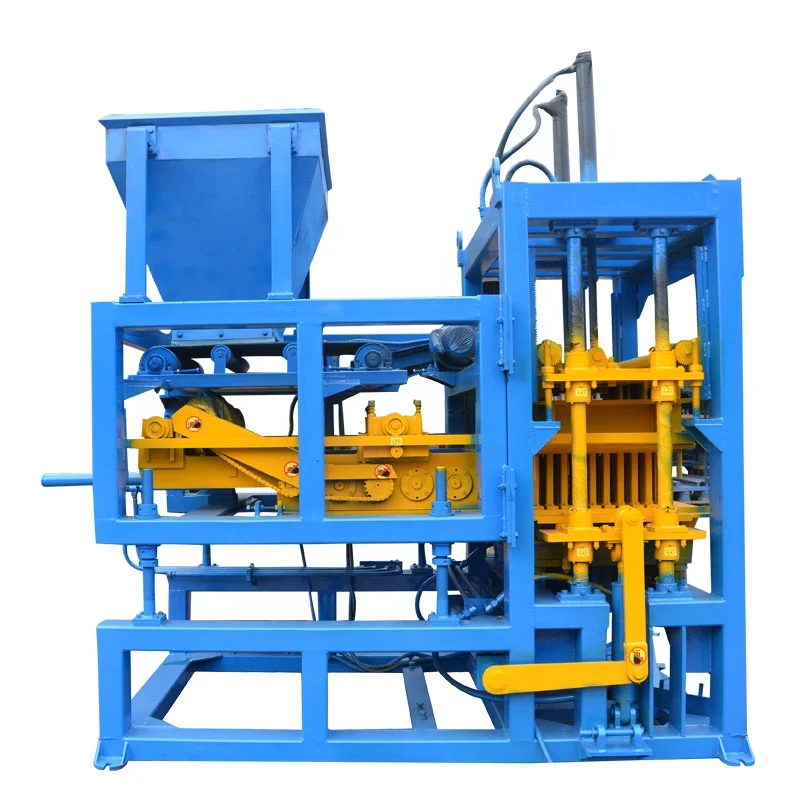
Description
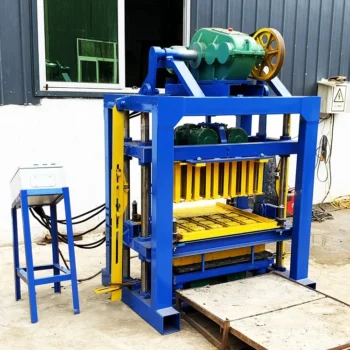
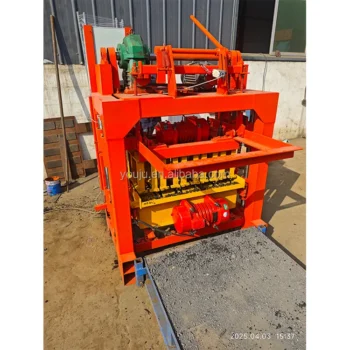
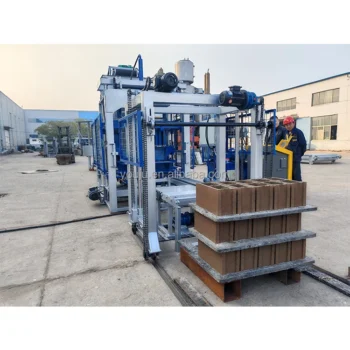
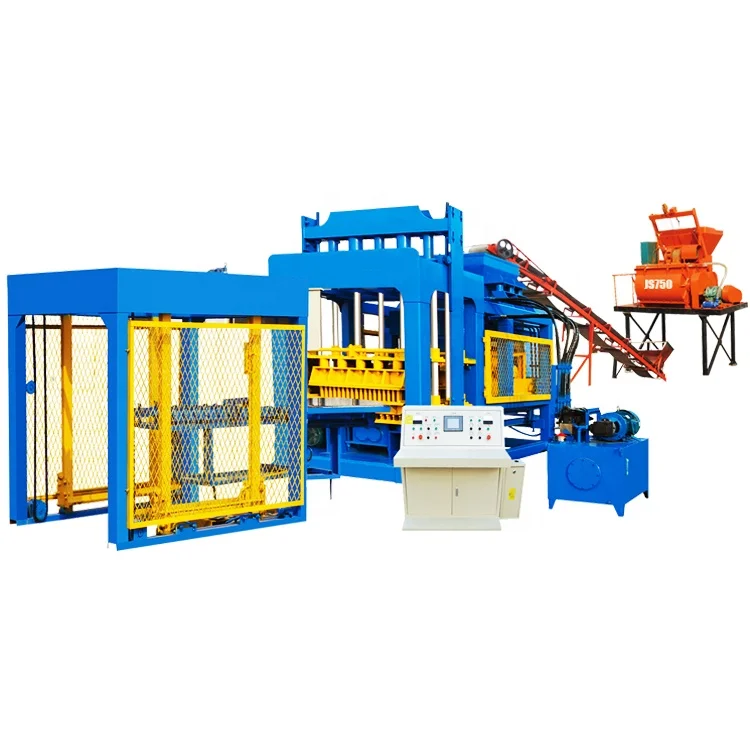
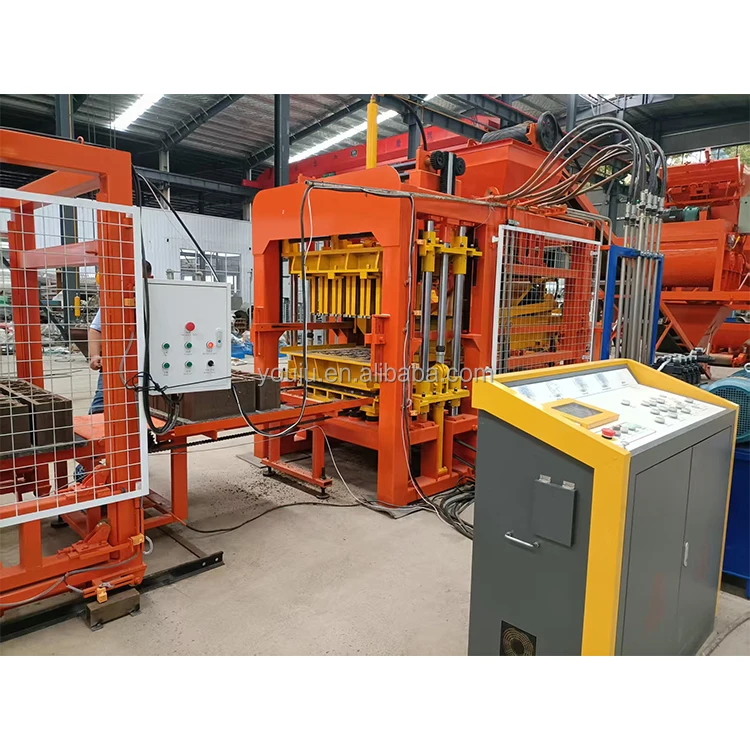
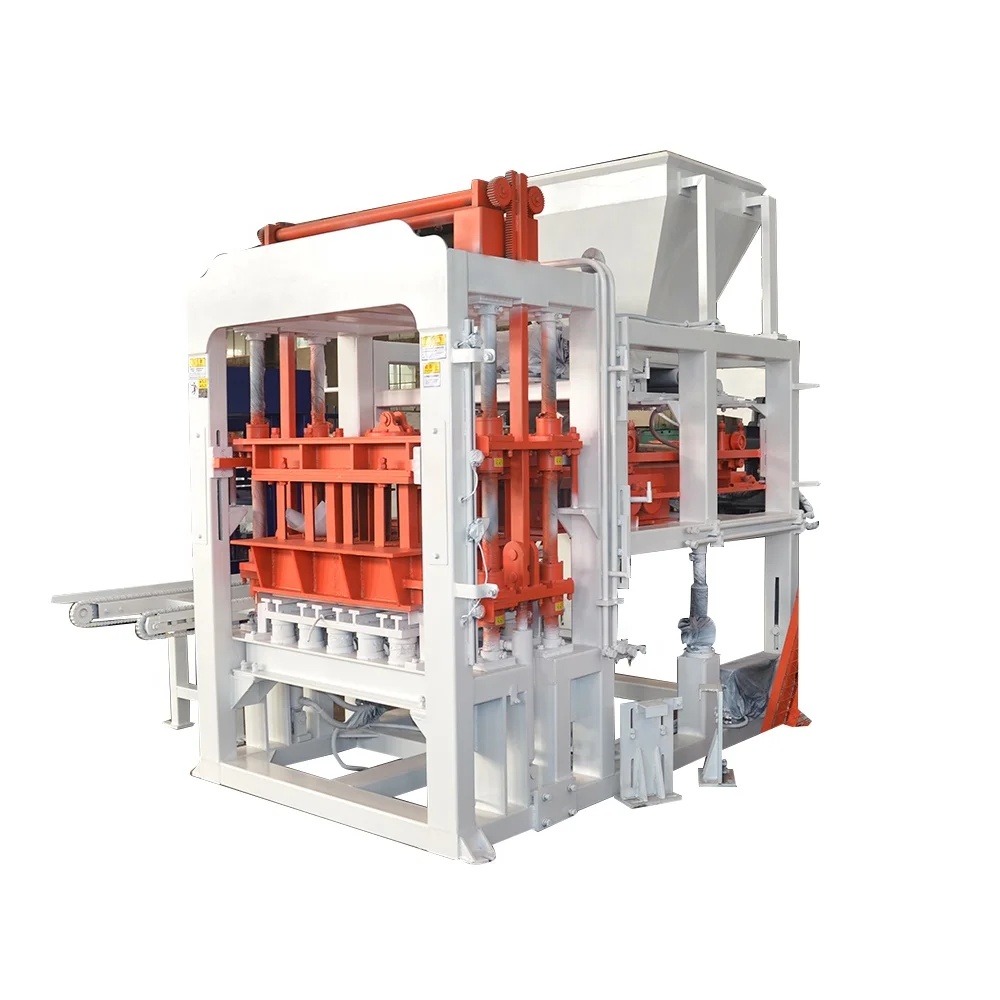
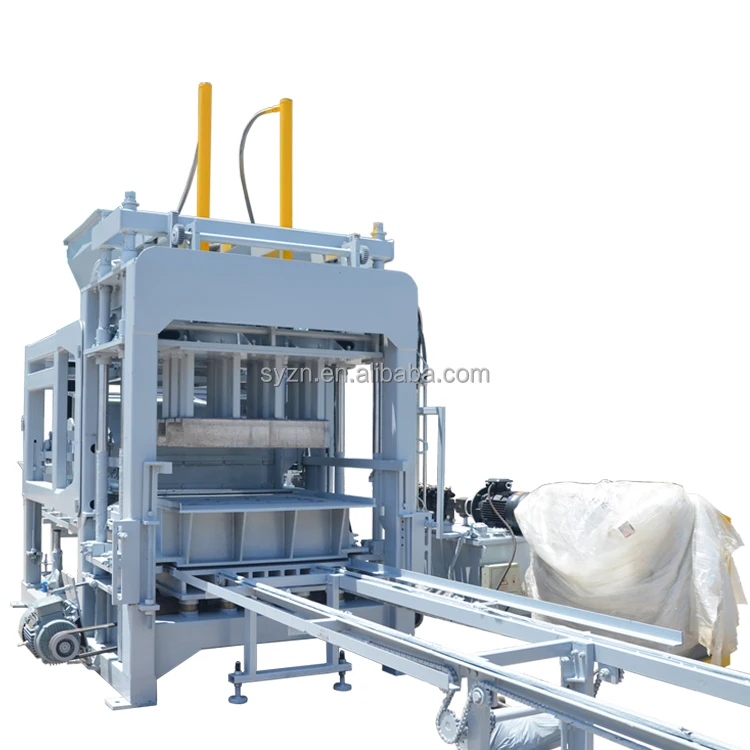
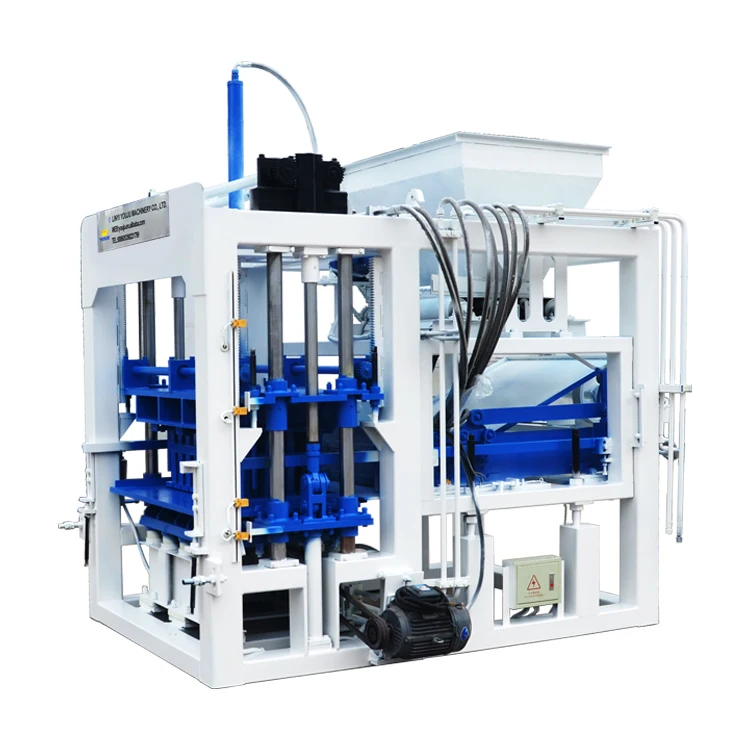
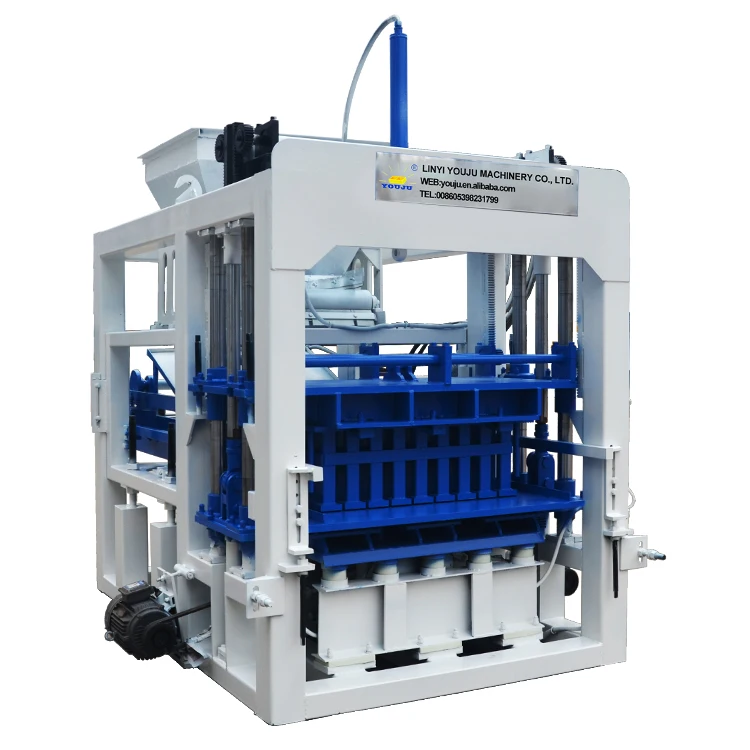
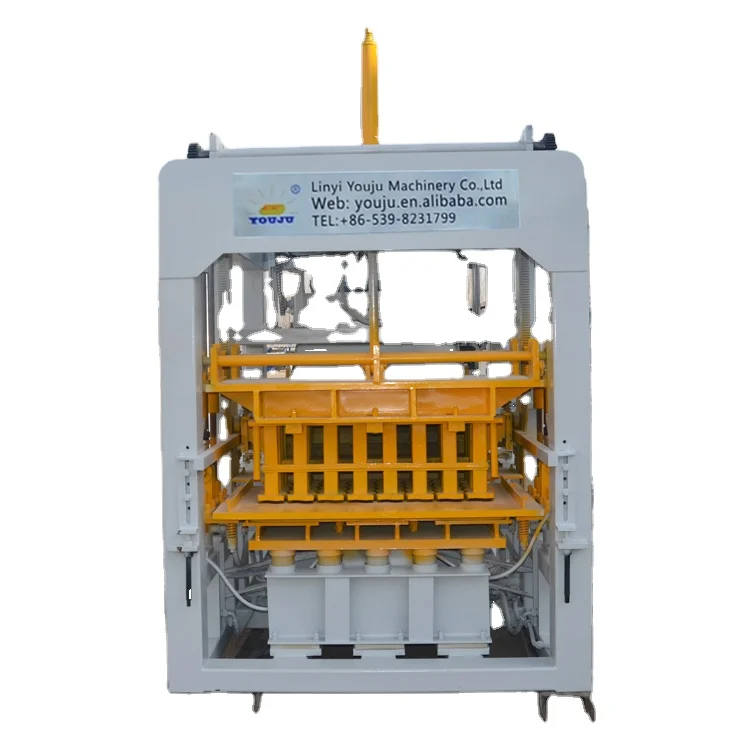
Single-Focus Block Machinery Sourcing — QT5-15 machine, mould, pallet and control are specified as one matched system, not assembled from separate catalogues.
Technical Specifications
| Parameter | Value |
|---|---|
| Model | QT5-15 |
| Product Type | Automatic Concrete Block Making Machine |
| Overall Dimensions (L×W×H) | 7400×1950×2800 mm |
| Net Weight | 6 T |
| Rated Hydraulic Pressure | 21 MPa |
| Main Vibration Form | Hydraulic platform vibration |
| Vibrating Frequency | 2800–4500 rolls/minute |
| Cycle Time | 15–20 seconds (basis to be confirmed per block format and material) |
| Motors Power | 26.5 kW |
| Pallet Size | 1100×550 mm |
| Voltage | According to buyer needs (confirm specific voltage & frequency before order) |
| Control System | PLC with fault diagnosis and remote monitoring capability |
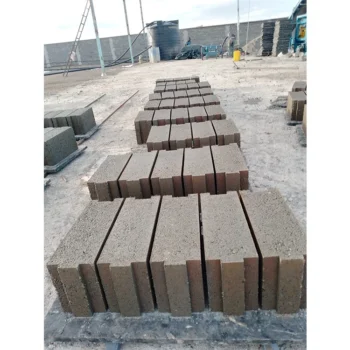
| Output Capacity (Hollow Block) | 7,200–9,600 pcs/8h (based on 400×200×200 mm block, 5 pcs/mould) |
| Output Capacity (Solid Standard Brick) | 23,040–28,800 pcs/8h (based on 240×115×90 mm block, 16 pcs/mould) |
| Output Capacity (Multi-cellular Brick) | 61,440–70,400 pcs/8h (based on 400×115×53 mm block, 32 pcs/mould) |
| Automation Level | Full automatic |
| Mould Change Time | To be confirmed with selected mould configuration |
| Stacking Method | To be confirmed (verify whether automatic stacking is included) |
| Warranty | 1 year for the whole machine |
| Language Options | To be confirmed (PLC display language) |
| Standards | CE declared |
Application Suitability
| Application | Material or Output |
|---|---|
| Hollow block production for load-bearing and partition walls | Crushed stone, sand, cement, and fly ash aggregates |
| Solid standard brick for masonry and paving sub-base | River sand, quarry dust, and cement binder |
| Multi-cellular brick for lightweight wall construction | Lightweight aggregate, perlite, or pumice blends |
| Paving brick for walkways and light-duty yards | High-density crushed granite or basalt with cement |
| Block plants scaling from semi-automatic to full automatic operation | Existing line integration with mixer and pallet return systems |
| Construction contractors producing blocks on-site | Local site aggregate with portable raw material feeding setup |
What "15–20 Seconds Cycle Time" Actually Means for Your Output
A cycle time is only meaningful when tied to the exact block format and mould cavity count you intend to run.
I have seen buyers compare two machines by a single cycle time figure, then wonder why daily output looks nothing like the brochure promised. The QT5-15 block machine specifications list a 15–20 second cycle, but that range shifts depending on whether you are pressing a tall hollow block that needs longer vibration or a thin paver that demoulds faster. The real question is not how fast the press cycles in isolation, but whether the mixer, pallet feeder, and stacking station can keep up without leaving the press idle between cycles [NEED_CITE: line synchronisation and press idle time in block production].
Matching Pallet Size to Your Curing Area and Forklift
The QT5-15 runs on 1100×550 mm pallets, and this dimension must align with the curing racks and forklift tine spacing you already have on site. A pallet that is too wide for an existing rack forces a costly rack replacement before the machine even starts producing. Confirm pallet material — hardwood, steel, or composite — against the moisture and weight demands of your curing environment, because a pallet that warps under wet concrete load will jam the return conveyor and halt the entire line.
Vibration Frequency as a Mix Design Variable
The hydraulic platform vibration on this automatic concrete block making machine adjusts between 2800 and 4500 rolls per minute, giving you a low-frequency feed phase and a high-frequency compaction phase. This two-stage approach matters when your local aggregate contains fines or clay that resist consolidation. A fixed-frequency vibrator cannot adapt to different mix recipes, so when a buyer switches from river sand to quarry dust the block density drops unless the vibration profile is retuned to match [NEED_CITE: vibration frequency and aggregate compaction in concrete block forming].
Reading the Pressure and Vibration Numbers Together
The 21 MPa rated hydraulic pressure works in concert with the adjustable vibration frequency to determine final block density. High pressure alone on a dry mix with poor workability will produce laminations rather than strength, while high vibration on a wet mix can cause segregation and weak edges. The PLC fault diagnosis system monitors these parameters and surfaces warnings before a full batch runs out of tolerance, letting the operator adjust water content or vibration duration rather than scrapping an entire day’s output. The 26.5 kW motor package drives both the hydraulic pump and the vibration motor simultaneously, so verify that your site transformer can handle the starting surge without tripping adjacent equipment.
The Hidden Cost of Unconfirmed Electrical and Language Settings
Arriving at commissioning to find the PLC display is in a language the operators cannot read, or that the voltage does not match the local grid, turns a two-day installation into a multi-week delay. The QT5-15 voltage is configurable to buyer needs, but this must be locked in writing before production starts — not discovered when the container is opened. Similarly, the PLC display language must be specified at order stage, because reprogramming on site requires a technician visit and lost production days [NEED_CITE: voltage and frequency standards by export market].
Why Buyers Choose This Configuration
The QT5-15 is specified as a matched system, meaning the machine, mould, pallet, and handling equipment are selected together rather than sourced from separate vendors who point fingers when cycle times do not align. Capacity calculations are stated per block format with the mould cavity count named, so you know exactly what 7,200 hollow blocks per shift assumes. Custom mould design to buyer drawings is available for formats your local market demands beyond the standard hollow and solid range. Automation level is selectable, allowing a plant to start with semi-automatic pallet handling and upgrade to full automatic stacking later without replacing the press. Installation support includes on-site commissioning and operator training so the crew understands mould change procedures and daily maintenance before the first production week.
Documentation & Verification
- Line layout drawing showing pallet flow from feeder through press to stacking station
- Capacity calculation sheet stating block format and cavity count for each output figure
- Mould drawing and format list including custom design options for local market products
- Hydraulic and electrical schematic with voltage, frequency, and PLC language confirmed
- Factory test record running your specified block format before machine dispatch
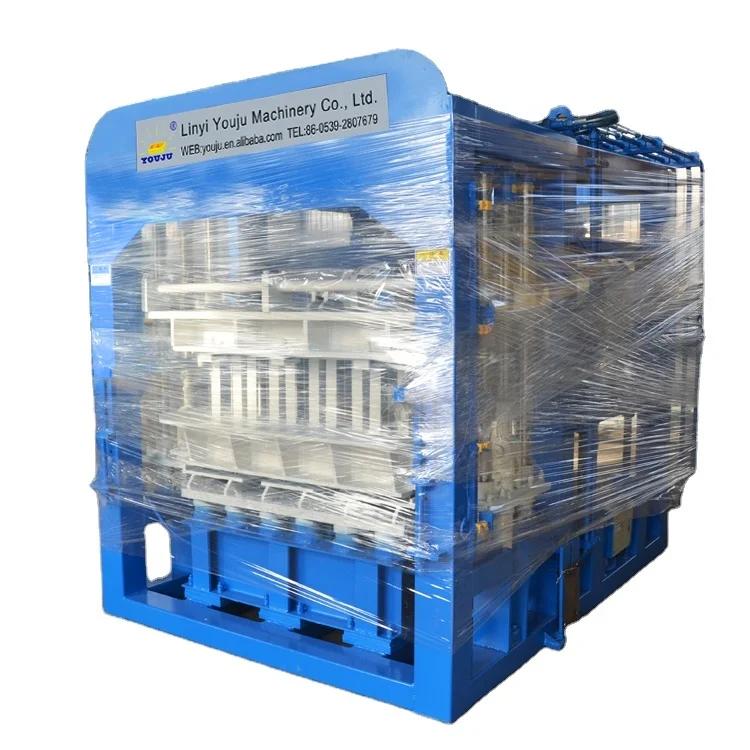
- Packing photographs and customs documentation support for container loading
Installation, Commissioning & Support
- Foundation must support 6 T machine weight plus dynamic vibration loads across the 7400 mm length
- Dedicated power circuit required for 26.5 kW total motor load at confirmed voltage and frequency
- Machine ships partially dismantled; reassembly sequence documented in operation manual
- PLC fault diagnosis system calibrated during commissioning against buyer’s mix design and aggregate
- Operator training covers mould change procedure, pallet inspection, and daily hydraulic check routines
- Wear parts list and mould catalogue supplied at delivery for planned first replacement ordering
Before You Request a Quote
To size the QT5-15 accurately to your production target, share the specific block formats you intend to sell, the daily volume per format, and the local aggregate available at your site. Include your existing curing rack dimensions and forklift specifications so the pallet configuration can be matched before the order is placed. Confirm your site voltage, frequency, and the language your operators need on the PLC display to avoid commissioning delays.
Frequently Asked Questions
Q: How is the QT5-15 output capacity verified per block format, and what happens if I change moulds?
A: Each output figure in the QT5-15 block machine specifications is tied to a named block dimension and mould cavity count — for example, 7,200–9,600 hollow blocks per eight-hour shift assumes a 400×200×200 mm block with five cavities. When you switch to a different mould, the cycle time and pcs-per-mould change, so a revised capacity calculation is provided for the new format before you commit.
Q: What pallet size does the QT5-15 require, and can it match my existing curing racks?
A: The standard pallet size is 1100×550 mm, and this must be checked against your curing rack width and forklift tine spacing before order confirmation. Pallet material — hardwood, steel, or composite — is selected based on your curing environment humidity and the wet concrete weight each pallet must carry without warping.
Q: Which voltage, frequency, and PLC language will be configured for my market?
A: Voltage and frequency are set to your local grid standard, and the PLC display language is confirmed in writing before production begins. This prevents commissioning delays caused by electrical mismatch or operators unable to read fault messages on the control screen.
Q: What mix design and local aggregate does the QT5-15 vibration system expect?
A: The adjustable vibration frequency from 2800 to 4500 rolls per minute is tuned during commissioning to match your specific aggregate type, fines content, and cement ratio. If your local material changes seasonally, the vibration profile can be adjusted through the PLC to maintain consistent block density.