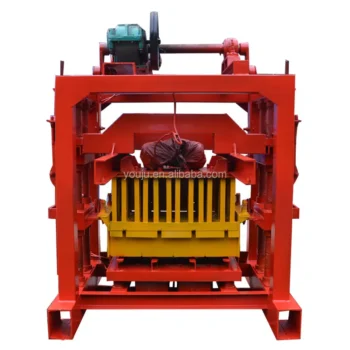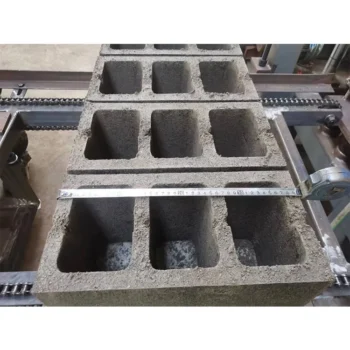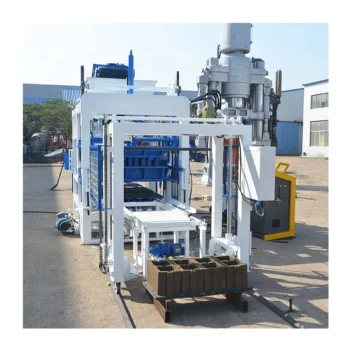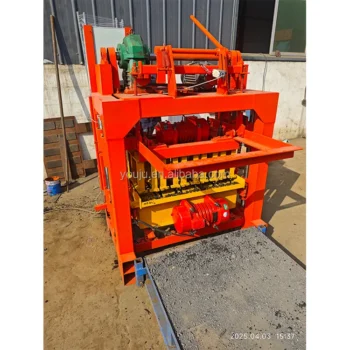
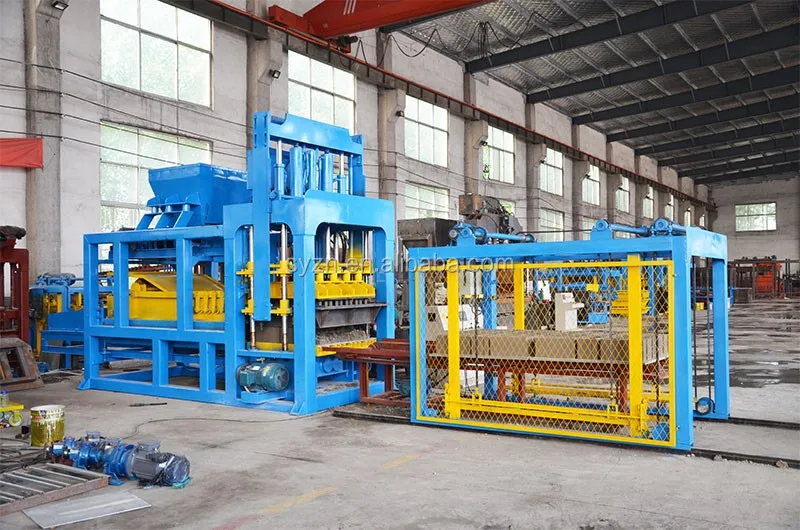
Description
Vibration Force Matched to Your Mix Design — every QT12-15 configuration is validated against the buyer’s actual aggregate and block format before production starts, so cycle times and strength targets hold up on your shop floor.
Technical Specifications
| Parameter | Value |
|---|---|
| Model | QT12-15 |
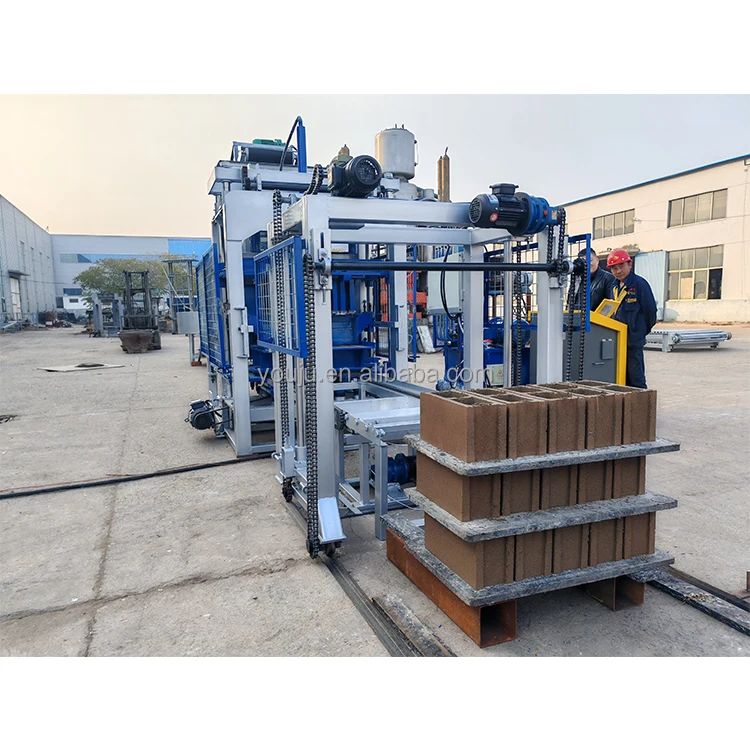
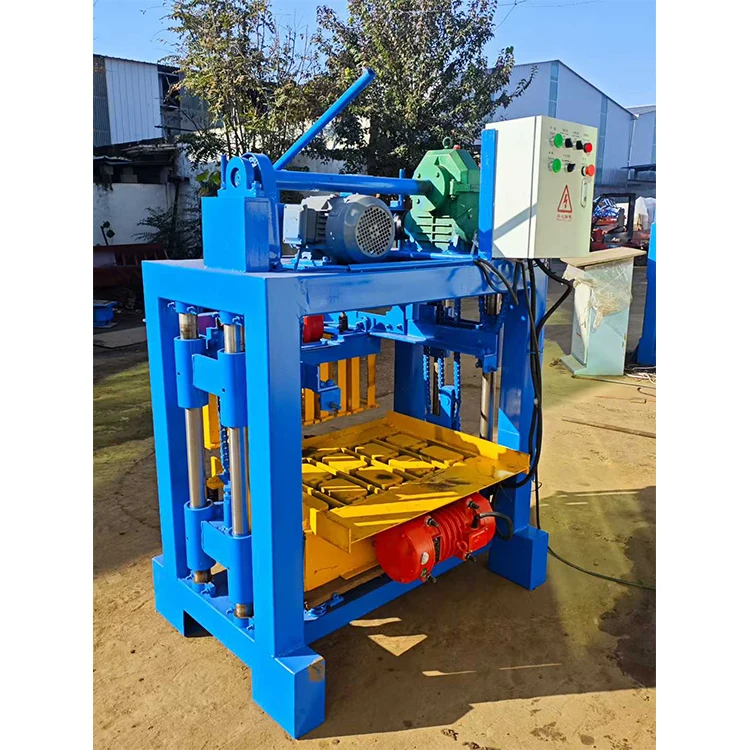
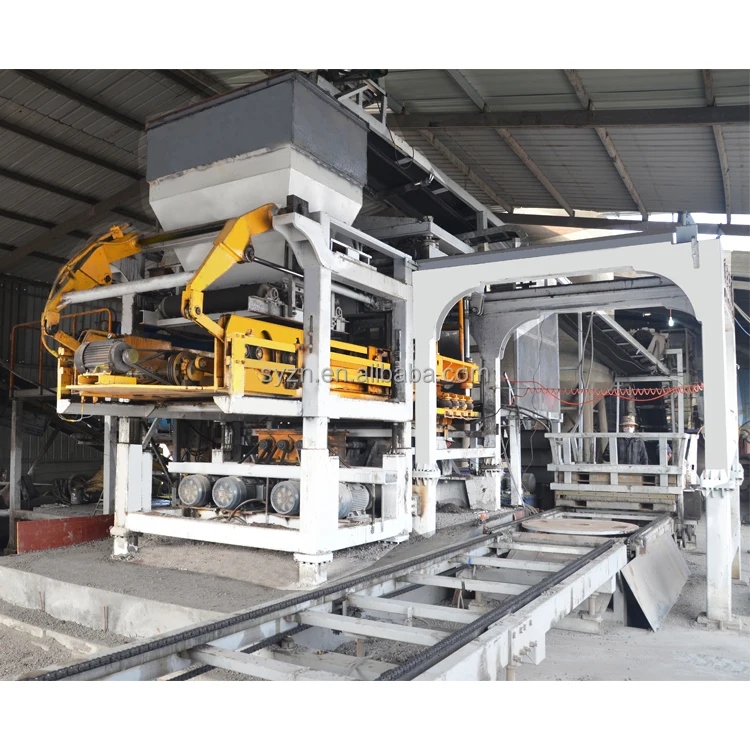
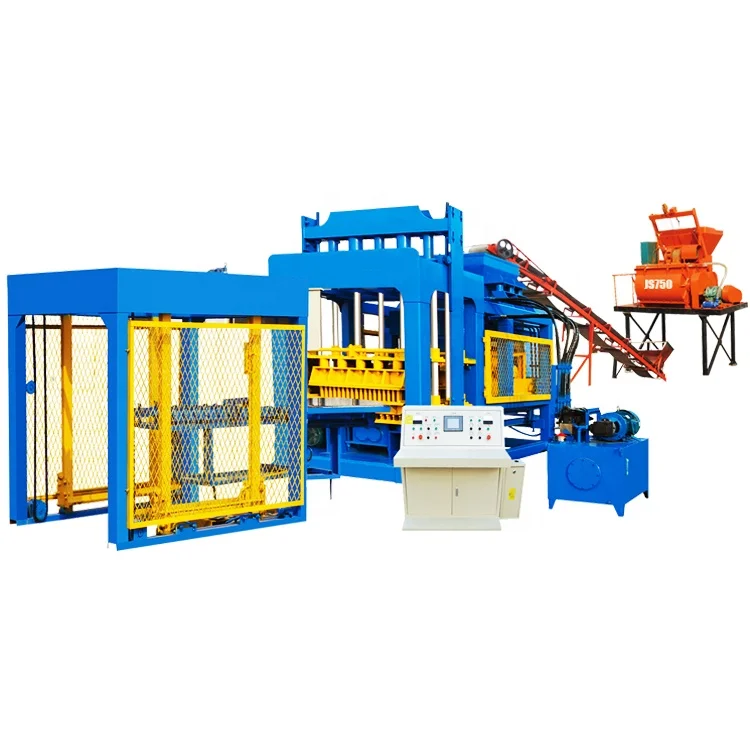
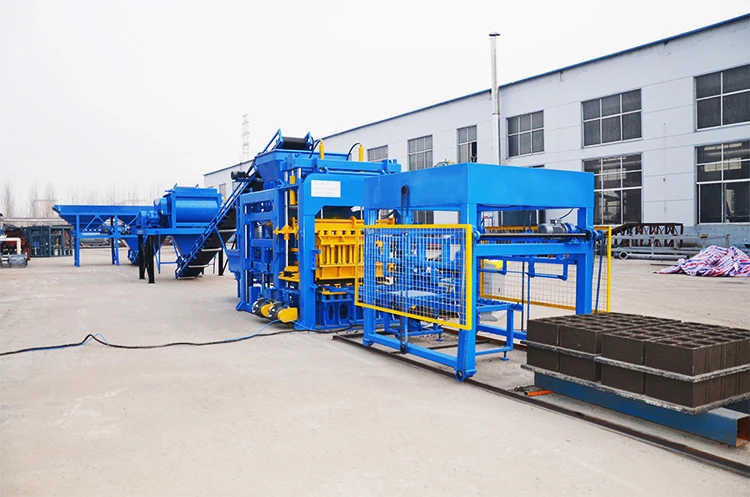
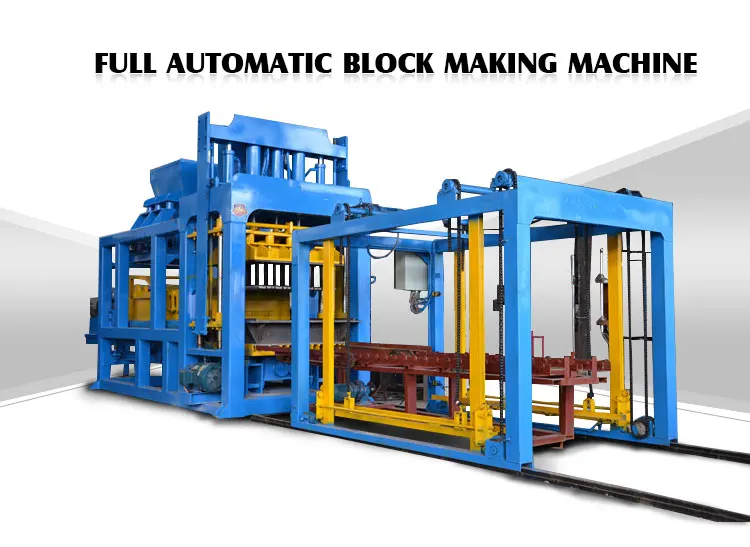
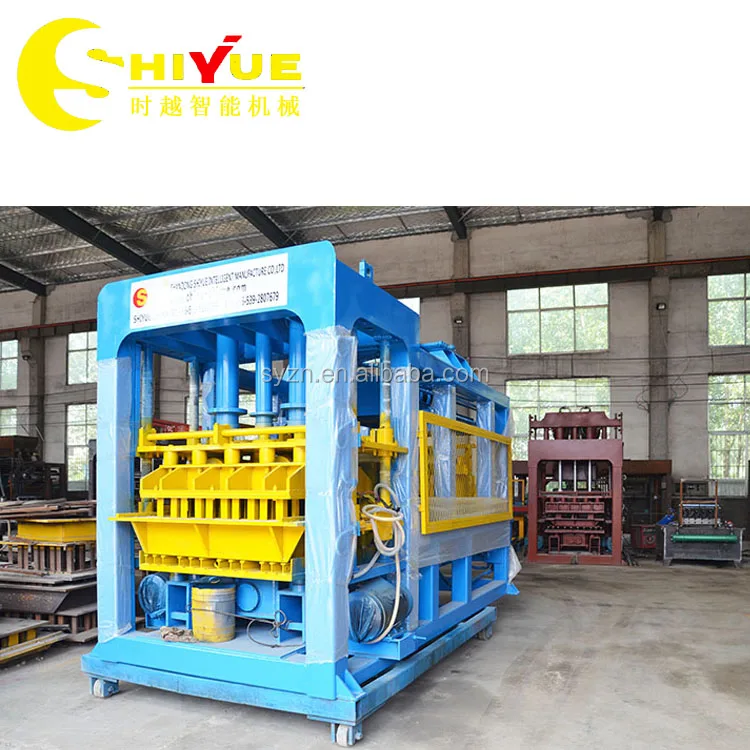
| Product Type | Fully Automatic Stationary Concrete Block Making Machine |
| Rated Power | 44.58 kW |
| Voltage & Frequency | Configured to buyer’s local supply (confirm before production) |
| Control System | Computer with fault diagnosis (PLC brand and language to confirm) |
| Overall Dimensions (L×W×H) | 9350 × 2520 × 2950 mm |
| Net Weight | 11000 kg |
| Hydraulic Pressure | 16–21 MPa |
| Vibration Form | Platform vibration |
| Moulding Cycle | 15–20 seconds (cycle varies by block format — confirm per mould) |
| Pallet Size | 1300 × 900 mm |
| Pallet Material | To be confirmed (wood / steel / composite) |
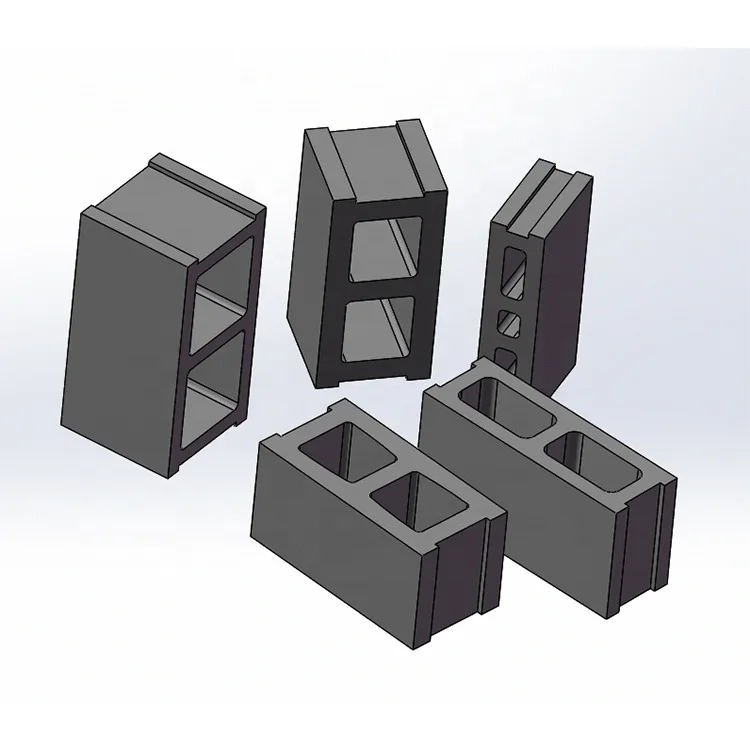
| Applied Products | Hollow blocks, solid blocks, pavers, interlocking blocks, curbstone, porous blocks |
| Raw Materials | Crushed stone, sand, cement, fly ash, gravel, slag |
| Theoretical Productivity — Hollow Block 400×200×200 mm | 12 pcs/mould, cycle 20–25 s, ~21600 pcs/day (basis: theoretical per source — confirm shift hours) |
| Theoretical Productivity — Porous Block 240×115×90 mm | 30 pcs/mould, cycle 15–20 s, ~72000 pcs/day (basis: theoretical per source — confirm shift hours) |
| Theoretical Productivity — Standard Block 240×115×53 mm | 60 pcs/mould, cycle 15–17 s, ~144000 pcs/day (basis: theoretical per source — confirm shift hours) |
| Automation Level | Fully automatic (stacking, cubing and pallet handling scope to confirm) |
| Warranty | 1 year (excluding wearing parts) |
| Standards | CE, ISO (specific ISO standard to confirm) |
Application Suitability
| Application | Material or Output |
|---|---|
| Hollow block production for load-bearing walls | Crushed stone, sand, cement blends at 400×200×200 mm format |
| Solid block manufacturing for partition walls | Fly ash and gravel mixes in 240×115×53 mm standard size |
| Paving block and interlocking brick runs | High-strength cementitious mixes with fine aggregate |
| Porous and permeable block production | Open-graded aggregate for drainage-rated blocks at 240×115×90 mm |
| Kerbstone and curb unit forming | Dense concrete mixes with coarse aggregate loading |
Why the Block Format Question Comes Before the Price
A capacity number without a block format attached is meaningless for plant sizing.
I have watched buyers sign off on QT12-15 block machine specifications and mould capacity sheets that quoted a single daily output figure, only to discover on commissioning day that the number assumed a small solid brick their market does not buy. The actual hollow block format they needed ran at less than half that headline number because each cycle is longer and the mould holds fewer cavities. This mismatch is the single most common reason stationary block plants underperform in the first six months [NEED_CITE: common causes of block plant underperformance in emerging markets].
The QT12-15 stationary block machine must be sized against the format your local construction market actually purchases, not the format that produces the most impressive brochure number. When I configure this machine, I start by asking which block you sell the most of by volume, then work backwards to cycle time, mould cavity count and shift length.
Matching Mould Format to Your Market Demand
The QT12-15 block machine specifications and mould capacity list covers hollow blocks at 400×200×200 mm, porous blocks at 240×115×90 mm and standard solid blocks at 240×115×53 mm, each with its own cycle time and cavity count. A buyer producing hollow blocks for residential wall construction will see a very different daily output than one running small pavers for municipal contracts. The mould determines everything: how many pieces press per cycle, how long each cycle takes, and what the pallet carries to the curing area.
Pallet Size and the Curing Area You Already Have
The 1300 × 900 mm pallet on this machine must fit your existing curing racks, forklift tines and stacking height limits. I once visited a plant in South Asia where the buyer received a machine with pallets wider than their curing chamber doors, forcing a rebuild of the entire wet-side layout before the first block could cure. Confirming pallet dimensions against site infrastructure is a non-negotiable step before production release [NEED_CITE: pallet and curing rack compatibility in stationary block plants].
How Hydraulic Pressure and Vibration Shape Block Density
The 16–21 MPa hydraulic pressure range on the QT12-15 works in combination with platform vibration to compact the mix into the mould cavity. Higher pressure alone does not guarantee stronger blocks; the vibration frequency must also match the particle size of your local aggregate. A mix based on fine fly ash responds to a different vibration profile than one built around coarse crushed stone. When the frequency is wrong, the block either cracks from over-compaction or crumbles from insufficient density, and no amount of cement addition fixes the root cause.
The 9350 × 2520 × 2950 mm machine footprint and 11000 kg net weight reflect a rigid frame built to absorb repeated vibration cycles without fatigue cracking. The 44.58 kW rated power covers both the hydraulic pump and the vibration motor simultaneously, so the press does not stall when both systems draw peak current. The computer control system includes fault diagnosis to flag hydraulic pressure drops or vibration motor irregularities before they produce a batch of off-spec blocks.
The Cost of Skipping the Mix Design Conversation
When a machine is configured for a standard river-sand mix but the buyer’s local supply is laterite or crusher dust, the vibration frequency and hydraulic dwell time no longer match the material’s compaction behaviour. The result is longer cycle times, higher cement consumption to compensate for weak green strength, and pallet loads of blocks that fail drop tests at the curing yard. These problems surface weeks after commissioning, when the installer has already left and the buyer is absorbing every wasted pallet [NEED_CITE: aggregate mismatch effects on block compressive strength].
What We Build Into Every QT12-15 Shipment
Block machinery is our single focus, so the QT12-15 press, its moulds, pallets and handling equipment are specified as one matched system rather than sourced from separate vendors. Each configuration is set against the buyer’s actual mix design and target block format, not pulled from a catalogue default. Mould design covers the formats the buyer’s market sells, including custom drawings when local standards require non-standard dimensions. Automation level is selectable, so a buyer can start with semi-automatic pallet handling and add automatic stacking later. Installation support includes operator training on mould change procedures and daily maintenance routines.
Documentation & Verification
- Line layout showing QT12-15 footprint and pallet flow path with block format stated per output figure
- Mould drawing and format list confirming cavity count and cycle time for every block you plan to produce
- Voltage, frequency and PLC display language confirmation signed before production release
- Factory test record run on a mix profile matching your local aggregate where sample is available
- Hydraulic and electrical schematic with component list for local maintenance sourcing
Installation, Commissioning & Support
- Foundation pad sized to 9350 × 2520 mm footprint with vibration isolation per the machine’s 11000 kg dynamic load
- Dedicated electrical circuit rated for 44.58 kW continuous draw with voltage and frequency matching your local grid
- Machine shipped in assembly state confirmed before packing to match your site crane and doorway clearances
- First-run commissioning includes hydraulic pressure calibration across the 16–21 MPa range for your specific mix
- Operator training on mould change procedure, fault diagnosis response and daily lubrication schedule
- Wear parts and mould wear list provided with reorder part numbers for your first replacement cycle
What We Need Before Quoting
To configure a QT12-15 that actually meets your output target, share the block formats your market buys most, the daily volume you need per format, and a description or sample of your local aggregate and cement type. We also need your site voltage and frequency, the language your operators read, and whether your curing area uses racks, ground curing or a combination. If you already own forklifts or pallet racks, send the dimensions so we can confirm pallet compatibility before the machine enters production.
Frequently Asked Questions
Q: How is the theoretical daily output calculated for each block format on the QT12-15?
A: Each output figure is based on the mould cavity count, the stated cycle time for that specific block format, and an assumed shift length that must be confirmed with the buyer. The hollow block figure uses 12 cavities at 20–25 seconds per cycle, while the standard block figure uses 60 cavities at 15–17 seconds. We always restate the calculation against your actual shift hours before finalising the proposal.
Q: What mould formats are available and how long does a change take on site?
A: The QT12-15 supports hollow, solid, porous, paving and interlocking block moulds within the 1300 × 900 mm pallet envelope. Mould change time depends on whether the machine is fitted with a quick-clamp system or a bolt-on arrangement, which is specified during configuration. We confirm the change procedure and expected duration before the machine ships so your crew can plan format rotation.
Q: How should the hydraulic pressure and vibration be matched to my local aggregate?
A: The 16–21 MPa hydraulic range and platform vibration frequency are adjusted based on your aggregate particle size and cement ratio. Coarse crushed stone generally needs higher vibration energy and a slightly longer dwell, while fine fly ash mixes compact faster at lower frequency. We ask for a material description or sample before setting the default parameters.
Q: Is the 1300 × 900 mm pallet compatible with my existing curing setup?
A: That depends on your curing rack spacing, forklift tine width and stacking height. We ask for those dimensions during the inquiry stage so we can confirm the pallet will move from the press to your curing area without modification. If your infrastructure requires a different pallet size, we address that before production starts.
Q: What voltage, frequency and PLC language will be confirmed before production?
A: We confirm your local voltage, frequency and preferred PLC display language in writing before the machine enters production. This step prevents commissioning delays caused by mismatched electrical supply or an interface the operator cannot read. The control system includes fault diagnosis with warning signals to assist troubleshooting on site.