
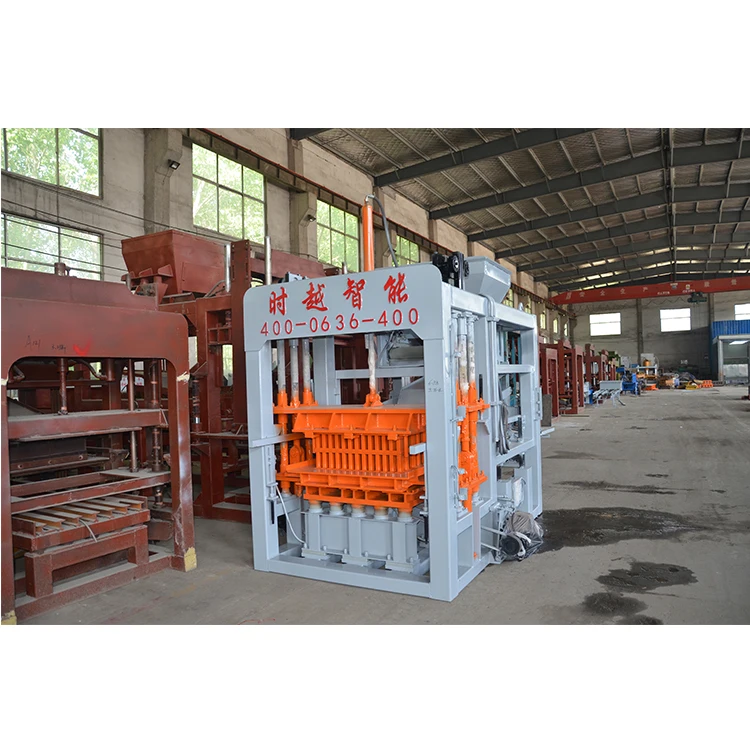


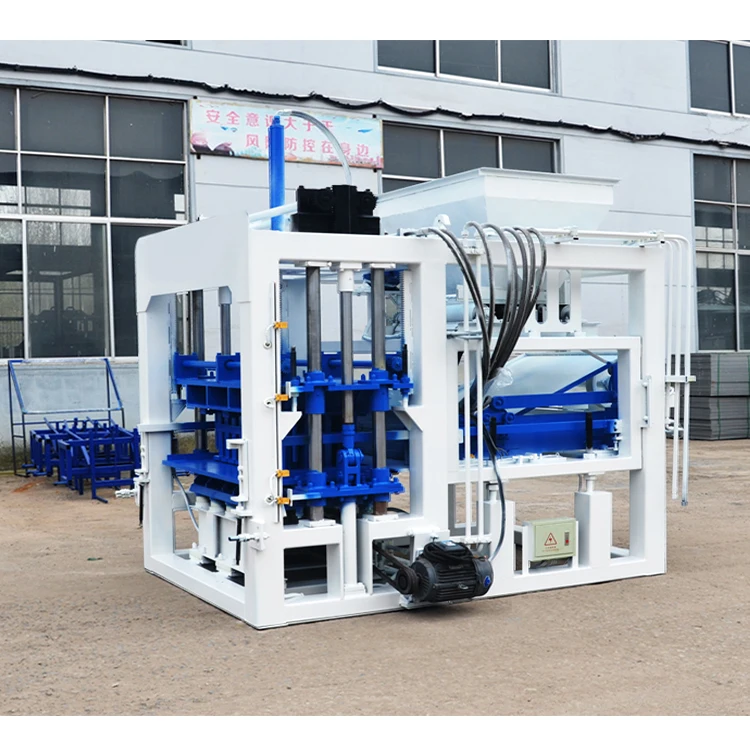
Description
Format-Matched Capacity — the QT5-15 block machine is specified against your target block format and local aggregate, not a single catalogue headline.
Technical Specifications
| Parameter | Value |
|---|---|
| Model | QT5-15 |
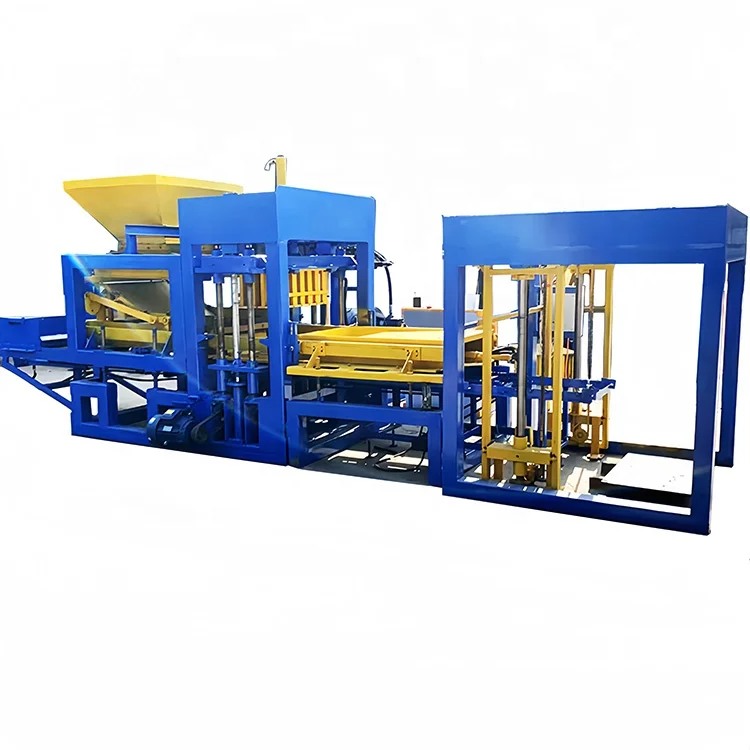
| Product Type | Fully Automatic Concrete Block Making Machine |
| Overall Dimensions (L×W×H) | 7400×1950×2800 mm |
| Total Mass | 5000 kg |
| Vibration Form | Platform Vibration |
| Vibration Frequency | 0-60 Hz |
| Vibration Force | 80 kN |
| Moulding Mode | Automatic loading, vibration moulding |
| Demolding Method | Hydraulic |
| Pallet Size | 1100×550 mm |
| Molding Cycle | 15-20 s (basis not stated in source — confirm block format / material / thickness) |
| Overall Power | 32 kW |
| Control System | PLC with touch screen interface |
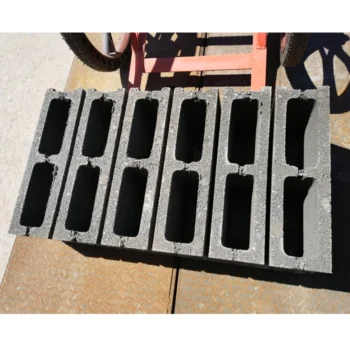
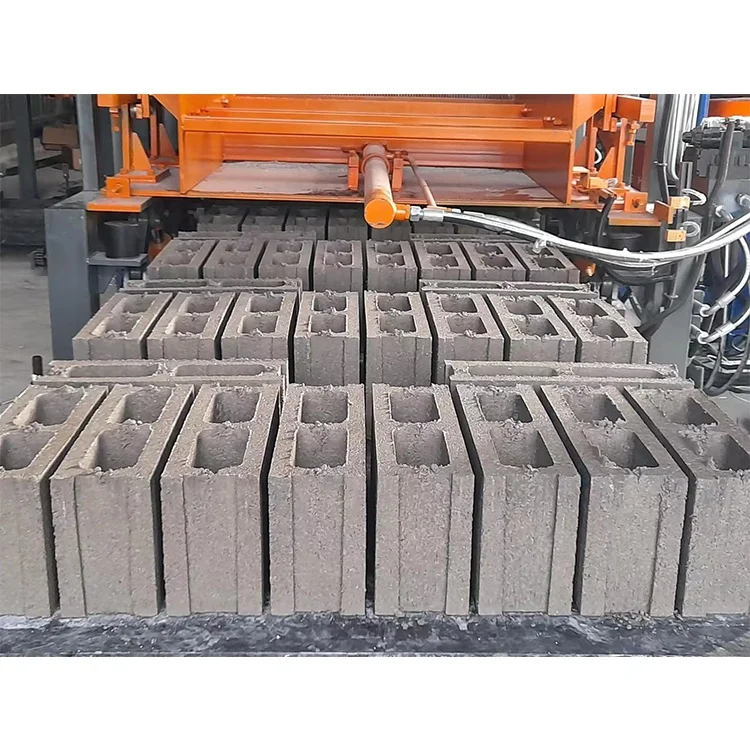
| Output (Hollow block 400×200×200 mm) | 900-1200 pcs/h, 7200-9600 pcs/8hr |
| Output (Hollow block 400×150×200 mm) | 1080-1440 pcs/h, 8640-11520 pcs/8hr |
| Output (Solid brick 240×115×53 mm) | 5760-7680 pcs/h, 46080-61440 pcs/8hr |
| Output (Rectangular paver 200×100×60 mm) | 3600-4500 pcs/h (cycle 20-25 s), 28800-36000 pcs/8hr |
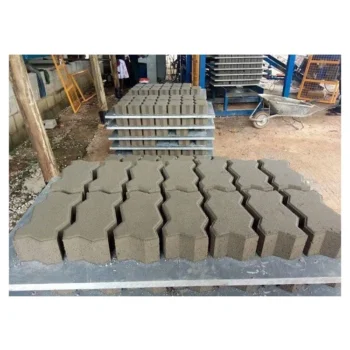
| Output (Zigzag brick 225×112.5×60 mm) | 2304-2880 pcs/h (cycle 20-25 s), 18432-23040 pcs/8hr |
| Block Compressive Strength | ≥ 15 MPa |
| Raw Material Compatibility | Fly ash (up to 70%), slag, gangue, sand, crushed stone, cement, water |
| Recommended Factory Area | 1000 m² |
| Warranty | 1 year for whole machine (excluding spare parts) |
Application Suitability
| Application | Material or Output |
|---|---|
| Hollow block production for building and masonry | Crushed stone, sand, cement; 400×200×200 mm or 400×150×200 mm formats |
| Solid brick production for standard construction | Sand, fly ash, cement; 240×115×53 mm standard brick format |
| Paving brick production for roads and landscaping | Crushed stone, sand, cement; 200×100×60 mm rectangular paver |
| Interlocking brick for permeable surfaces | Sand, slag, cement; 225×112.5×60 mm zigzag format |
| Fly ash and industrial residue utilization | Up to 70% fly ash blended with cement and aggregate |
| On-site or fixed-plant block production | Configured within a 1000 m² recommended factory area |
What "900-1200 Pieces per Hour" Actually Means for Your Block Format
Capacity only holds value when tied to the exact block you intend to produce.
I once quoted a West African project based on the headline cycle of a fully automatic block machine, without anchoring the number to their specific hollow block dimension. The local aggregate carried high clay content, the vibration pressure did not match the mix, and block strength swung unpredictably across batches. The customer nearly returned the equipment. QT5-15 concrete block making machine capacity figures change significantly across formats — a 400×200×200 mm hollow block runs a different cycle than a 200×100×60 mm paver. [NEED_CITE: aggregate clay content effects on vibration compaction]
Matching Mould Selection to Market Demand
The QT5-15 supports quick mould replacement for multi-format production, but the real question is which formats your market actually buys. A hollow block line and a paver line running on the same machine require different cycle times and different pallet handling rhythms. The 1100×550 mm pallet size must align with your curing area dimensions and the forklift you already operate on site.
Vibration and Hydraulic Parameters Against Local Aggregate
Vibration force of 80 kN across a 0-60 Hz range is configurable, but only meaningful once matched to your mix design. High-clay sand demands different frequency and pressure settings than clean crushed stone. The independent integrated hydraulic station sits isolated from host vibration and dust, which preserves seal life over extended production runs. Getting these parameters right before commissioning prevents the strength inconsistency that causes rejected batches. [NEED_CITE: hydraulic seal degradation in high-vibration block presses]
How the 32 kW Power Envelope Shapes Line Layout
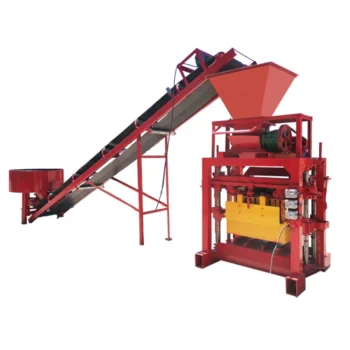
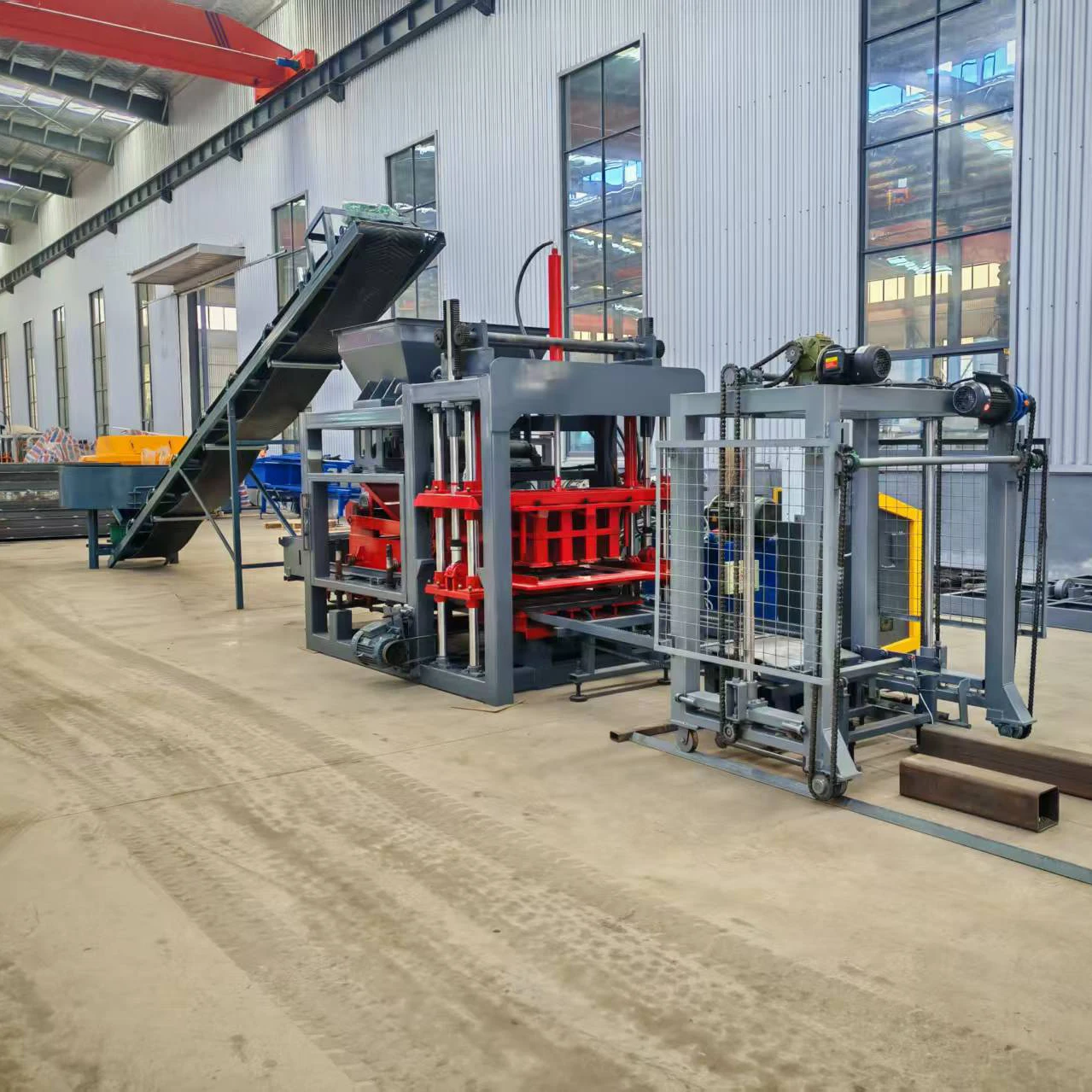
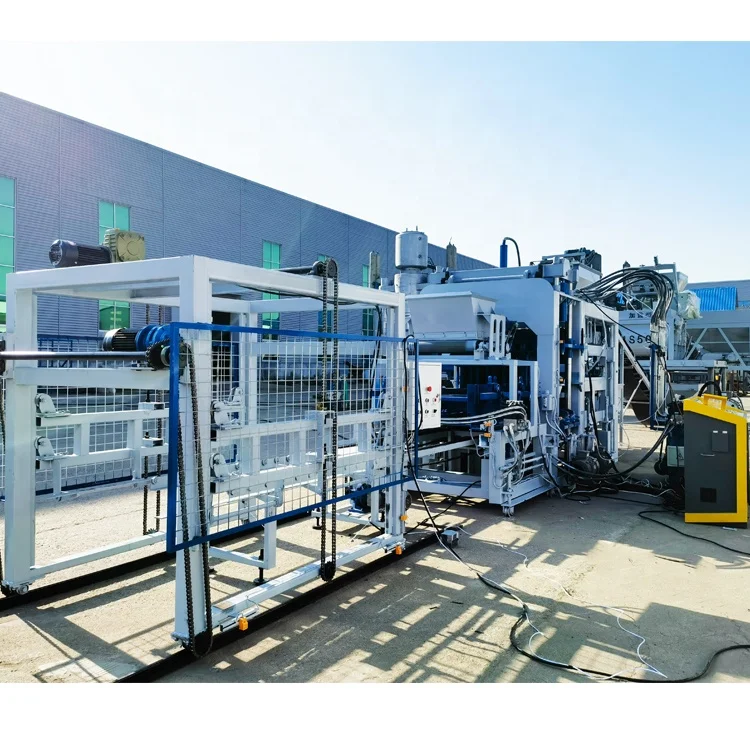
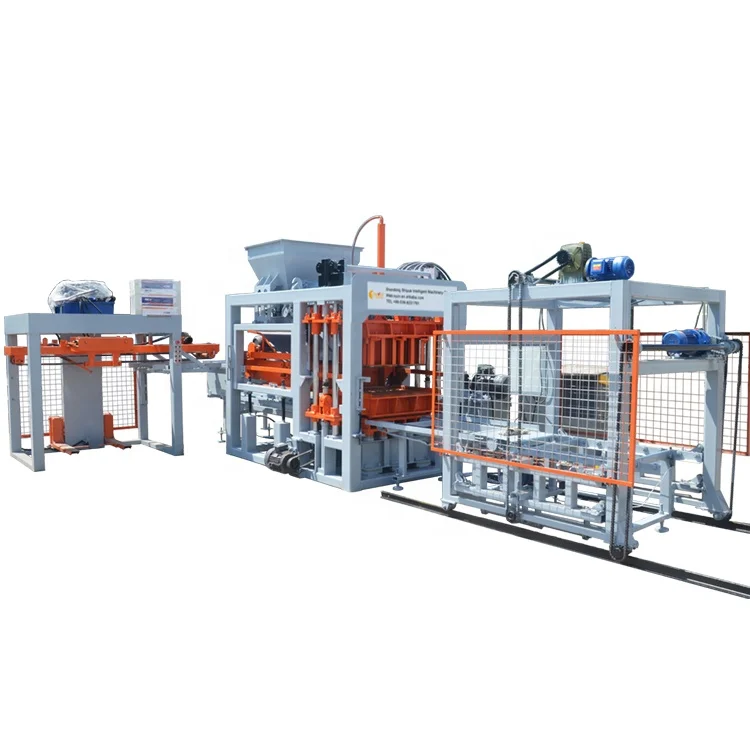
Total installed power of 32 kW covers the press, pallet feed machine, storage hopper, and conveyor as a skid-mounted modular line. Each station connects in sequence, so the conveyor feed rate must match the 15-20 second molding cycle to prevent the press from idling between charges. The PLC touch screen stores process data for each block format, letting operators recall validated settings rather than re-entering parameters from memory at every mould change.
Pallet Size, Curing Area, and Handling Reality
The 1100×550 mm pallet is not an arbitrary choice — it determines how many blocks cure per rack, how racks fit your yard, and whether your existing forklift can carry a loaded rack safely. A pallet that is too large for your curing area forces double-handling; one that is too small wastes press capacity per cycle. Specify pallet material — bamboo, PVC, or steel — against your local humidity and expected pallet lifespan before confirming the order.
The Cost of Skipping Format-Level Capacity Calculation
When a quotation states a single output number without naming the block format behind it, the daily production you plan against can fall far short once the machine is running. Mould changeovers that take most of a shift cancel out the format flexibility you paid for. Pallets that do not match your curing racks force manual restacking at the end of every cycle. [NEED_CITE: block plant output shortfall from unspecified format assumptions]
Why Source the QT5-15 Through This Configuration Process
Block machinery is the single focus here, so the QT5-15 press, mould, pallet, and handling equipment are specified as one matched system. Configuration starts from your actual mix design and target block format rather than a catalogue default. Mould drawings are prepared for the formats your market sells, including custom designs from buyer drawings. Automation level is selectable so you can begin semi-automatic and add automatic stacking later. Installation support includes operator training on format-specific cycle settings. Voltage, frequency, and PLC display language are confirmed before production begins.
Documentation & Verification
- Line layout with capacity calculation stated per block format for the QT5-15
- Mould drawing and format list confirming which blocks your market requires
- Pallet specification matched to your curing area and forklift capacity
- Voltage, frequency, and PLC language confirmation sheet before production
- Factory test record on your chosen block format before dispatch
- Hydraulic and electrical schematic for local maintenance teams
Installation, Commissioning & Support
- 1000 m² recommended factory area accommodates the full QT5-15 modular line footprint
- 32 kW total power requires a dedicated circuit with confirmed voltage and frequency
- Skid-mounted assembly allows modular dismantling for container loading and site reassembly
- First-run commissioning sets vibration frequency and hydraulic pressure to your mix design
- PLC touch screen training covers format-specific parameter storage and fault diagnosis
- Wear parts and mould list provided for first replacement planning
Preparing Your QT5-15 Inquiry
To size the QT5-15 concrete block making machine accurately, share your target block format with dimensions, your local aggregate type and any available lab test data, and the daily output you need to meet contracted supply volumes. Confirm your site voltage, frequency, and preferred PLC display language. If you have existing curing racks or forklifts, provide their specifications so the pallet size and material can be matched before the quotation is finalized.
Frequently Asked Questions
Q: How is QT5-15 capacity calculated per block format, and what cycle time is assumed?
A: Each output figure is tied to a specific block dimension and its corresponding cycle time. The 400×200×200 mm hollow block runs a 15-20 second cycle, while pavers require 20-25 seconds. We state capacity per format so you can plan against the block your market actually purchases, not a generic headline number.
Q: How do I match vibration force and hydraulic pressure to my local aggregate?
A: The 80 kN vibration force across 0-60 Hz is adjusted after reviewing your aggregate test data and mix proportions. High-clay materials need different settings than clean crushed stone. We confirm these parameters before commissioning to ensure consistent block compressive strength across every batch.
Q: What is the mould change time on the QT5-15, and how many formats fit one shift?
A: The quick replacement system is designed to reduce format changeover within a single shift, but actual time depends on operator familiarity and block complexity. We recommend training your team on the two or three formats your market sells most, so changeovers do not consume productive hours.
Q: Which pallet size and material should I choose for my curing area?
A: The standard 1100×550 mm pallet must match your curing rack dimensions and forklift capacity. Material choice — bamboo, PVC, or steel — depends on local humidity and expected lifespan. We confirm pallet specification alongside the machine order so handling equipment arrives aligned with your site layout.
Q: What raw material proportions does the QT5-15 accept, and how does fly ash content affect strength?
A: The machine handles fly ash up to 70%, blended with slag, sand, crushed stone, and cement. Higher fly ash content can reduce material cost but requires adjusted vibration and curing time to maintain the rated compressive strength. We configure the process parameters against your specific blend before production starts.