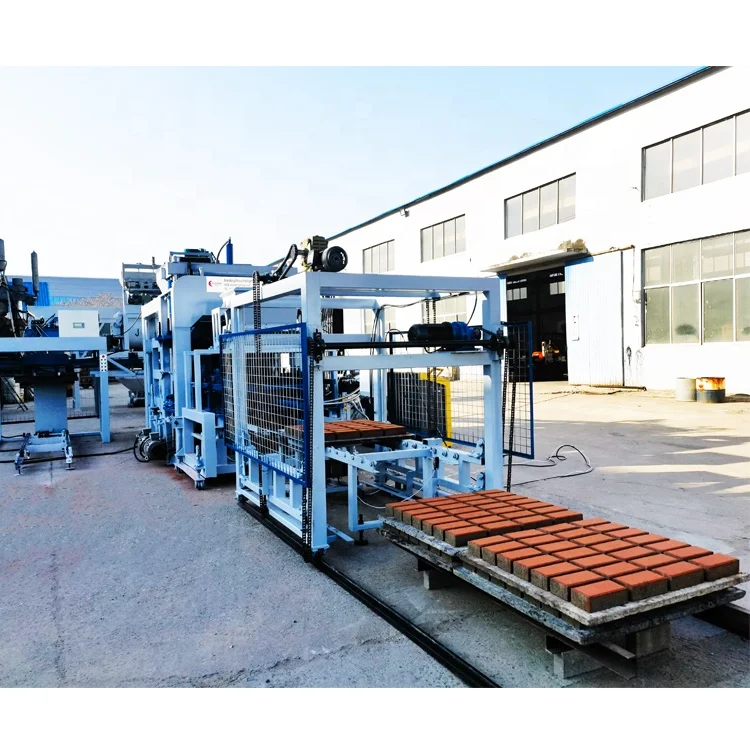
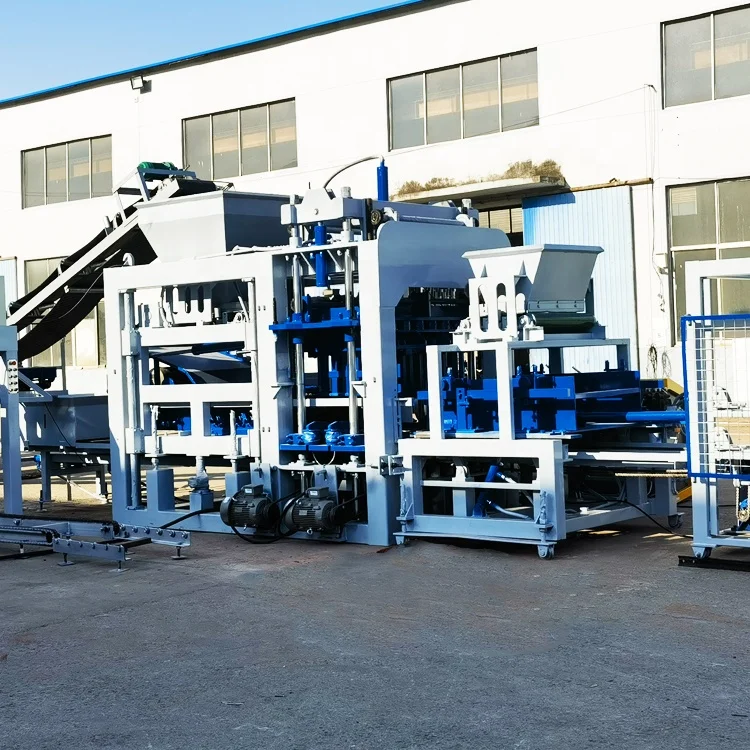
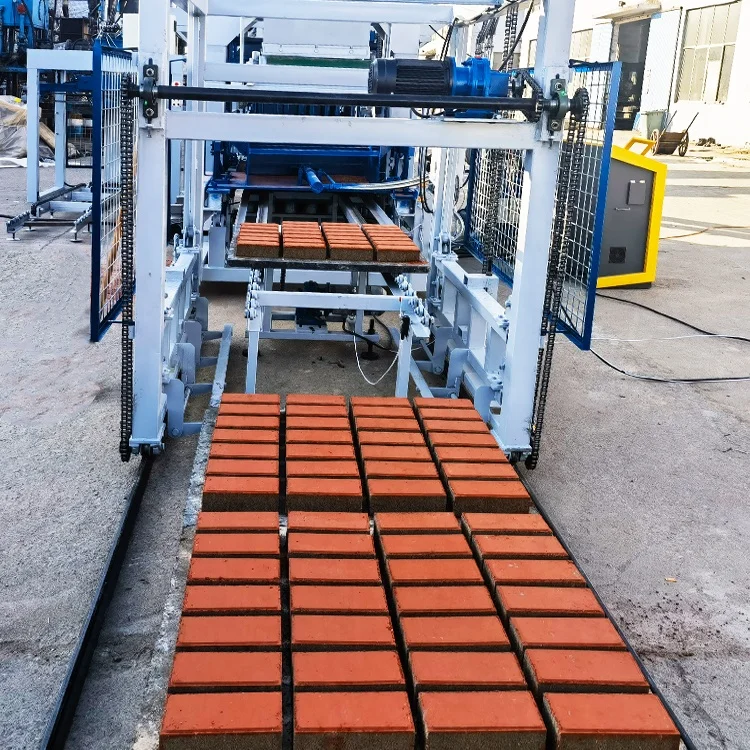
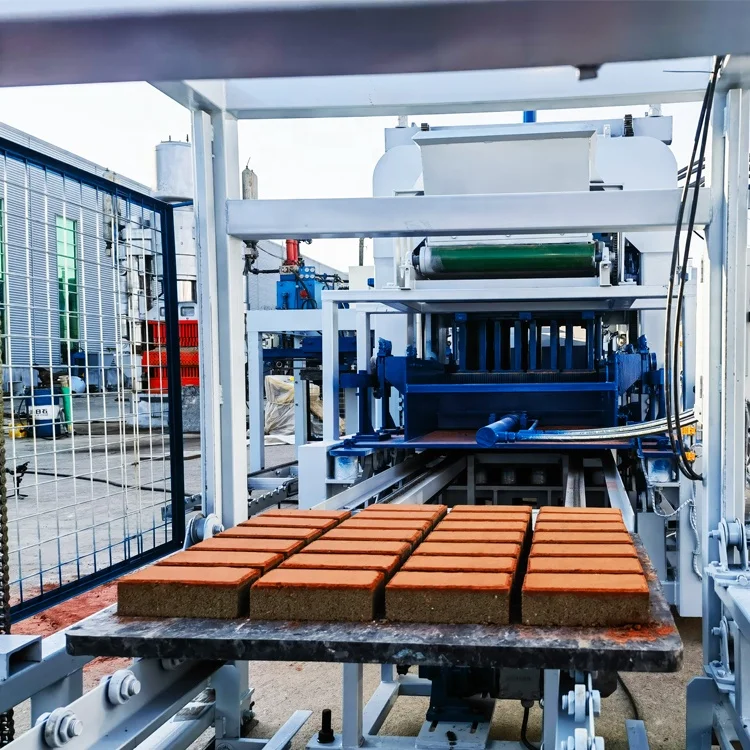

Description
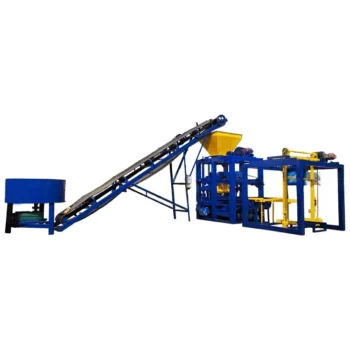
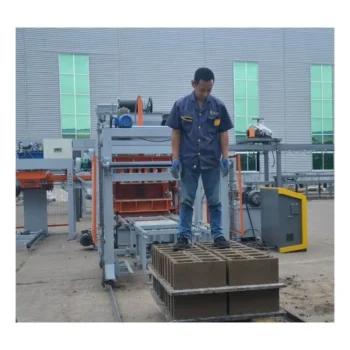
Format-Matched Configuration — every QT8-15 unit ships with mould, pallet and cycle time specified against your target block type, not a generic catalogue default.
Technical Specifications
| Parameter | Value |
|---|---|
| Model | QT8-15 |
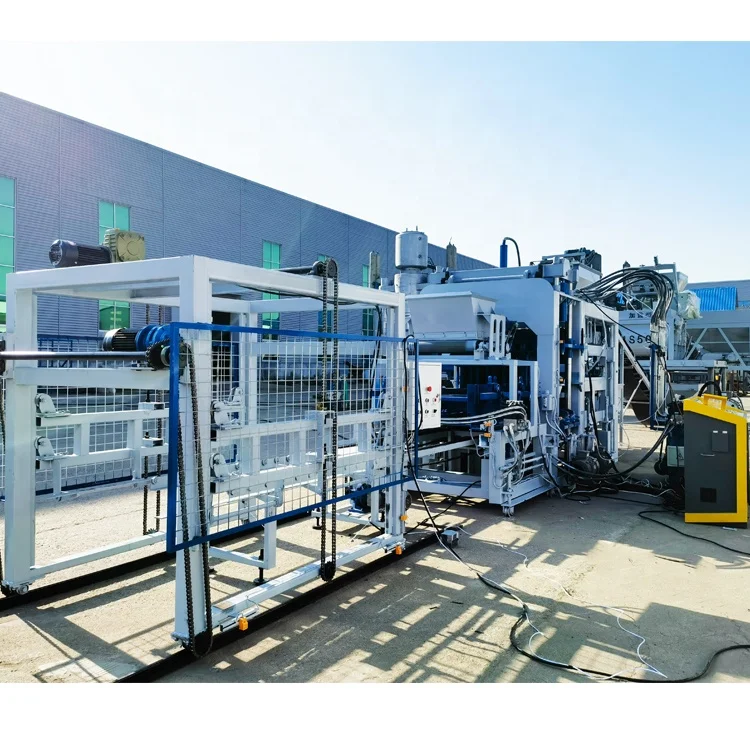
| Product Type | Automatic Hydraulic Concrete Block Making Machine |
| Overall Dimensions (L×W×H) | 8300×1860×3000mm |
| Molding Cycle | 15–20s (basis not stated in source — confirm block format, material and thickness) |
| Vibration Force (Exciting Power) | 55kN |
| Rated Power | 37.2kW |
| Mixer Model | JS750 |
| Pallet Size | 1020×900mm |
| Total Weight | 8T |
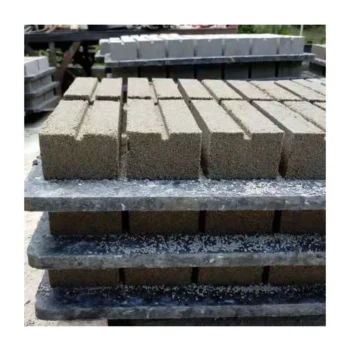
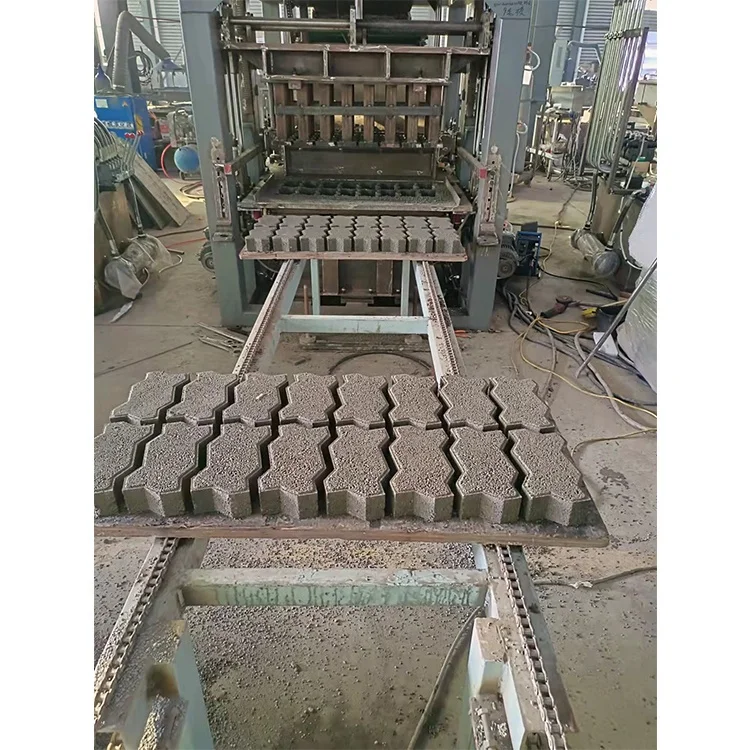
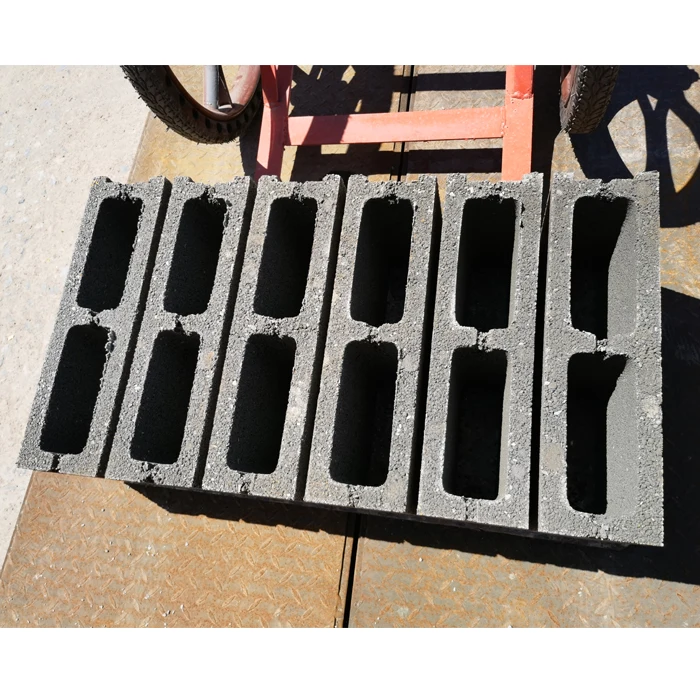
| Applied Products | Paver, solid block, hollow block, curbstone |
| Raw Materials | Crushed stones, sand, cement, dust, fly ash |
| Control System | PLC control system |
| Hydraulic Station | Included |
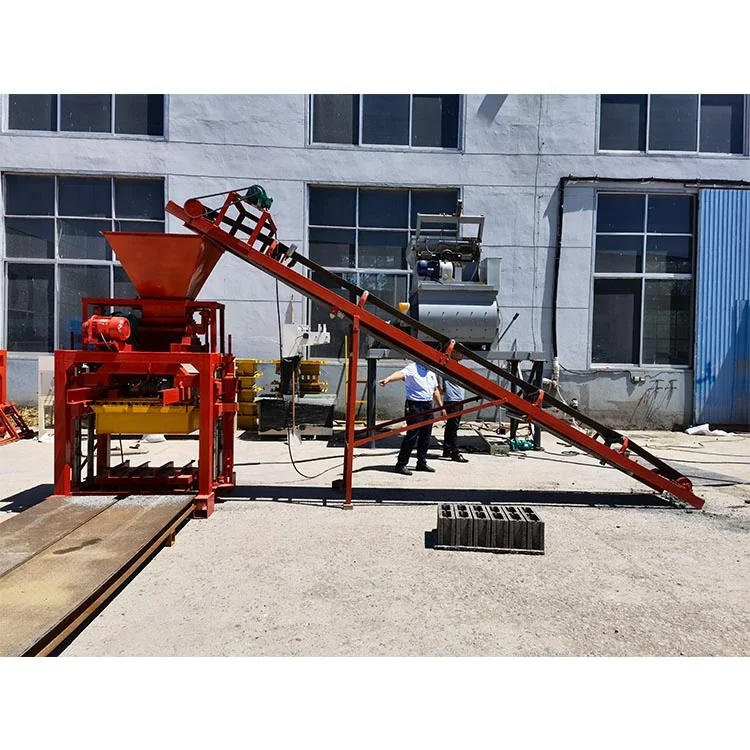
| Automation Level | Automatic (pallet feeder, block conveyor, block sweeper included) |
| Voltage & Frequency | To be confirmed per destination market |
| PLC Display Language | To be confirmed before production |
| Certification | To be confirmed |
Application Suitability
| Application | Material or Output |
|---|---|
| Hollow block production for residential and commercial wall systems | Crushed stone, sand, cement and fly ash blends |
| Solid concrete block manufacturing for load-bearing structures | Dense aggregate mixes with cement binder |
| Interlocking and standard paver production for roads and walkways | Fine aggregate and cement with pigment additives |
| Curbstone and kerbstone forming for municipal infrastructure | High-strength concrete with coarse crushed stone |
| On-site block production for housing and development projects | Locally sourced sand, stone dust and cement |
Why "Cycles Per Hour" Tells You Almost Nothing
The only capacity number that matters is output per specific block format, measured in pieces per shift.
Many quotations for a QT8-15 concrete block making machine quote a single cycles-per-hour figure without revealing which block size that number assumes. A 15-second cycle on a small paver mould delivers a very different daily volume than the same cycle on a large hollow block mould, yet the buyer sees one optimistic number and plans a plant around it. I have watched project schedules slip because the actual output fell far short of what the proforma invoice implied [NEED_CITE: common capacity misrepresentation in block machinery quotations]. The QT8-15 molding cycle is listed at 15–20 seconds, but that range must be recalculated for every individual mould you intend to run.
Pallet Size Determines Your Entire Curing Layout
The QT8-15 runs on a 1020×900mm pallet, which governs how many blocks are formed per cycle and how those blocks travel through your curing area. Before confirming the machine, you need to verify that your existing curing racks, forklift tines and floor space align with this pallet footprint. A mismatch here means either replacing your rack system or accepting that pallets will not stack properly, slowing down the entire curing process. The pallet specification must be locked in alongside the mould selection so that the curing zone is designed around the real output format.
Mould Selection Defines the Machine You Actually Receive
This QT8-15 concrete block making machine supports paver, solid block, hollow block and curbstone moulds, with custom mould design available to buyer drawings. Each format changes the effective cycle time, the vibration force required and the raw material feed rate. A buyer producing primarily interlocking pavers will run a different mould configuration than one focused on load-bearing hollow blocks, even though both operate on the same base press [NEED_CITE: mould engineering principles for concrete block presses]. Specifying the mould list before order confirmation ensures the hydraulic pressure and vibration parameters are tuned to your dominant product.
How Vibration Force and Hydraulic Pressure Shape Block Strength
The 55kN vibration force on the QT8-15 works together with the hydraulic station to compact the concrete mix inside the mould cavity. If the vibration is too low for your local aggregate gradation, the blocks emerge with inconsistent density and lower compressive strength. If the hydraulic pressure is set without regard to your specific mix design, surface cracking or edge chipping can appear during demoulding. The JS750 mixer feeds the press, and its batch consistency directly affects how the vibration and pressure perform cycle after cycle. Buyers should request a test run using their own aggregate sample to confirm that the 55kN rating delivers the target strength for their market. The 8300×1860×3000mm overall dimensions also define the foundation pad and service clearance needed around the press, so site preparation drawings should reference these exact figures before the machine arrives.
The Hidden Cost of Unconfirmed Control Language
One of the most disruptive oversights I have seen on site involved a fully automatic block press that arrived in West Africa with its PLC touchscreen set to Chinese by default. The local operators could not navigate a single menu, and the first two days of commissioning were spent translating every label into English and French while the production schedule stalled. With the QT8-15, the PLC display language must be confirmed in writing before the control cabinet is wired, not discovered at uncrating. Voltage and frequency carry the same risk — a 37.2kW rated machine configured for the wrong supply standard will either trip breakers on startup or run the hydraulic pump at reduced speed, degrading every cycle [NEED_CITE: voltage and frequency standards by export market].
Why Sourcing from a Block-Machinery-Focused Supplier Matters
Every QT8-15 configuration is built around a single product focus: concrete block making machinery, moulds, pallets and handling equipment specified as one matched system. The mould drawing and format list are confirmed against your target block type before the order proceeds, so cycle time and daily output are stated per format rather than as a vague blanket claim. Pallet size is verified against your curing infrastructure, and the automation level — here including the pallet feeder, block conveyor and block sweeper — is selectable so you can plan future upgrades without replacing the press. Installation support covers operator training on your specific mould set, and wear parts lists are provided so the first replacement order is not a surprise.
Documentation & Verification
- Line layout drawing showing QT8-15 placement, pallet flow and curing rack arrangement per your block format
- Capacity calculation sheet stating output per confirmed mould type and assumed shift length
- Mould drawing package with dimensional tolerances for each ordered format
- Hydraulic and electrical schematic matching the as-built QT8-15 configuration
- Factory test record run on the buyer-specified pallet size and mould before dispatch
Installation, Commissioning & Support
- Foundation plan referencing the 8300×1860mm footprint and 8T operating weight for pad design
- Dedicated power circuit sized for the 37.2kW rated load at confirmed voltage and frequency
- PLC display language and HMI labels verified against operator requirements before wiring
- Mould change procedure trained on each ordered format with target swap time recorded
- Wear parts list covering vibration springs, hydraulic seals and mould liner plates for first reorder
- Preventive maintenance schedule aligned to the JS750 mixer and hydraulic station service intervals
What to Include in Your Inquiry
To size the QT8-15 concrete block making machine accurately, share your dominant block format with dimensions, the daily volume your market demands, and the aggregate materials available locally. Confirm the voltage and frequency at your site, the preferred PLC display language, and whether your curing area already uses a specific pallet size or rack system. If you have an existing mixer or conveyor upstream, note the model so the line integration can be checked before quotation.
Frequently Asked Questions
Q: How is the QT8-15 daily output calculated for my specific block format?
A: Daily output is calculated by confirming the exact mould dimensions, the number of cavities per pallet at the 1020×900mm size, and the verified cycle time for your mix. We provide a written capacity sheet stating pieces per shift for each ordered format, not a single blanket number.
Q: What mould formats are available and how long does a change take?
A: Standard formats include paver, solid block, hollow block and curbstone, with custom moulds built to buyer drawings. Mould change time varies by format and must be confirmed during the factory test so you know the realistic swap duration before the machine ships.
Q: How do you match vibration force and hydraulic pressure to my aggregate?
A: We review your local aggregate gradation and mix design, then adjust the 55kN vibration settings and hydraulic pressure parameters to achieve the target compressive strength. A factory test using your material sample is recommended before final acceptance.
Q: Can I supply my own block drawing for a custom mould?
A: Yes. Provide a dimensional drawing with tolerances and the desired block weight. The mould is designed to fit the QT8-15 press and the 1020×900mm pallet, with cycle time recalculated for the new cavity layout and confirmed in writing.
Q: What pallet size does the QT8-15 use and how does it affect my layout?
A: The machine uses a 1020×900mm pallet. Your curing racks, forklift capacity and floor space must accommodate this dimension. We verify pallet compatibility during the proposal stage so that no curing infrastructure changes are needed after delivery.