Description
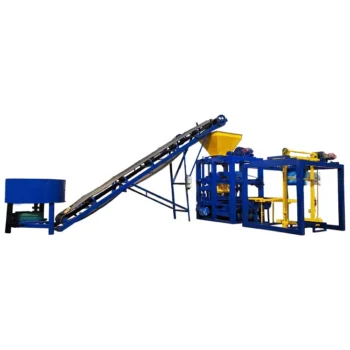
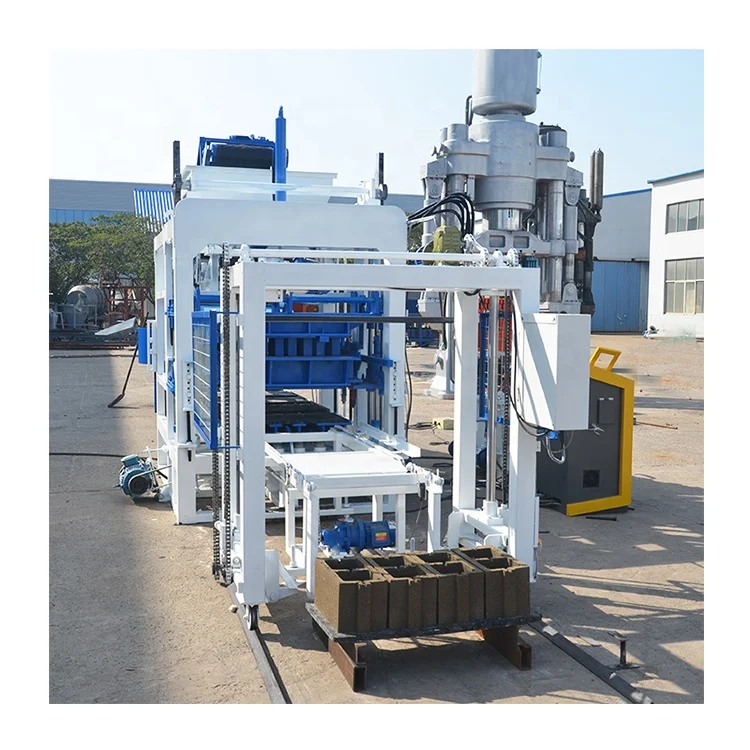
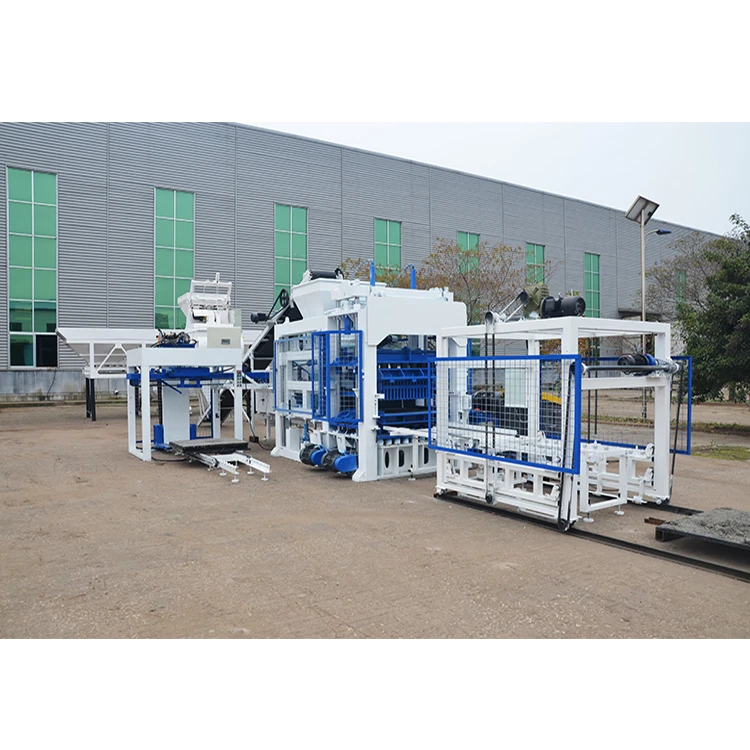
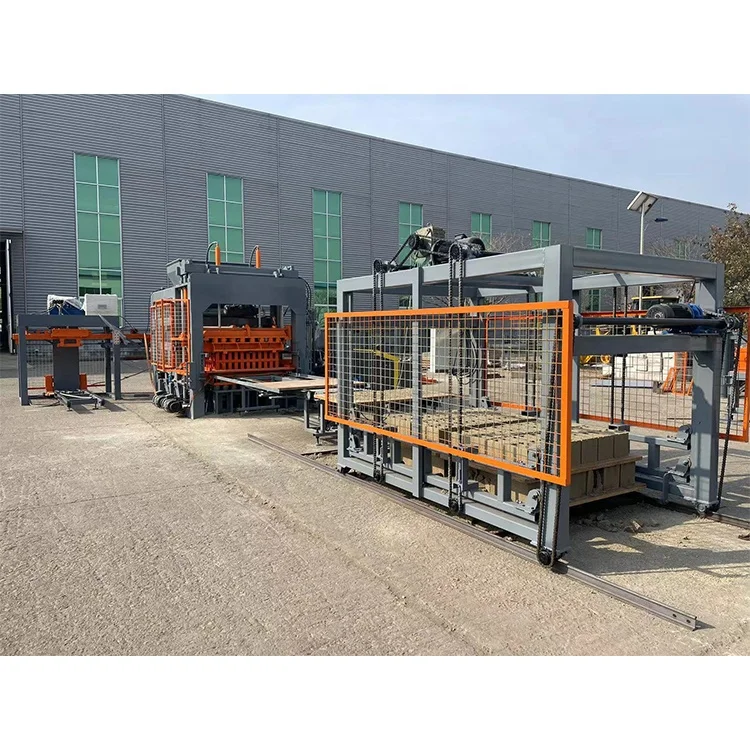
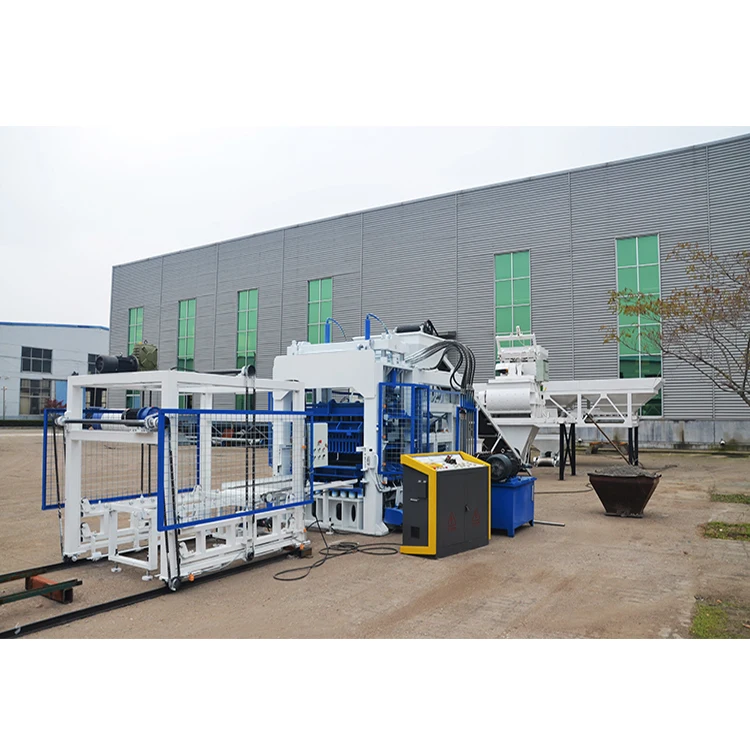
Format-Matched System Design — the QT10-15 block machine is configured around the buyer’s actual block format, local aggregate and curing layout rather than a generic catalogue default.
Technical Specifications
| Parameter | Value |
|---|---|
| Model | QT10-15 |
| Product Type | Concrete Brick Block Making Machine |
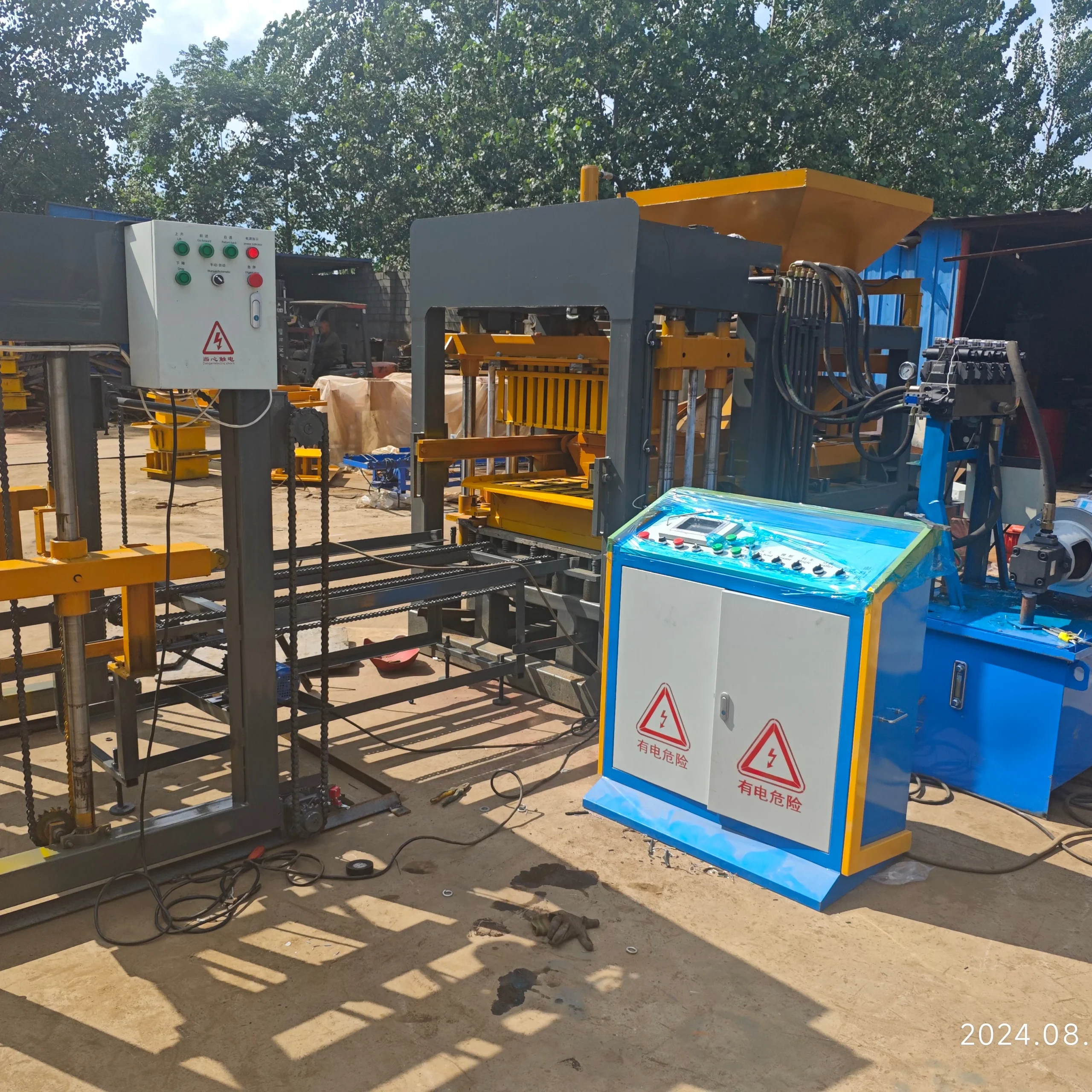
| Control System | PLC control cabinet |
| Hydraulic System | Independent integrated hydraulic station |
| Vibration Mode | Vertical station mode resonance, automatic FM-AM |
| Mould Change System | Simple mould replacement for multi-format production |
| Cycle Time (400×200×200 mm hollow block) | 15–20 s |
| Output (400×200×200 mm hollow block, 10 pcs/mould) | 1,800–2,400 pcs/h, 14,400–19,200 pcs/8 h |
| Cycle Time (400×150×200 mm block) | 15–20 s |
| Output (400×150×200 mm block, 12 pcs/mould) | 2,160–2,880 pcs/h, 17,280–23,040 pcs/8 h |
| Cycle Time (240×115×53 mm solid brick) | 15–20 s |
| Output (240×115×53 mm solid brick, 62 pcs/mould) | 8,928–11,160 pcs/h, 71,424–89,280 pcs/8 h |
| Cycle Time (200×100×60 mm paving block) | 20–25 s |
| Output (200×100×60 mm paving block, 27 pcs/mould) | 5,184–6,480 pcs/h, 41,472–51,840 pcs/8 h |
| Cycle Time (225×112.5×60 mm interlocking block) | 20–25 s |
| Output (225×112.5×60 mm interlocking block, 24 pcs/mould) | 4,032–5,040 pcs/h, 32,256–40,320 pcs/8 h |
| Automation Level | Automatic (basis not stated in source — confirm automation tier and stacking method) |
| Warranty | 1 year for whole machine (excluding spare parts) |
Application Suitability
| Application | Material or Output |
|---|---|
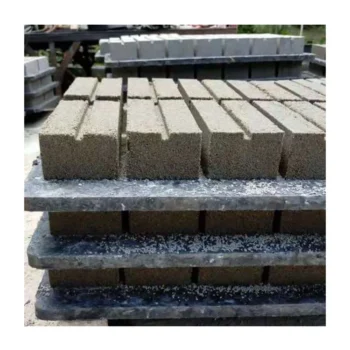
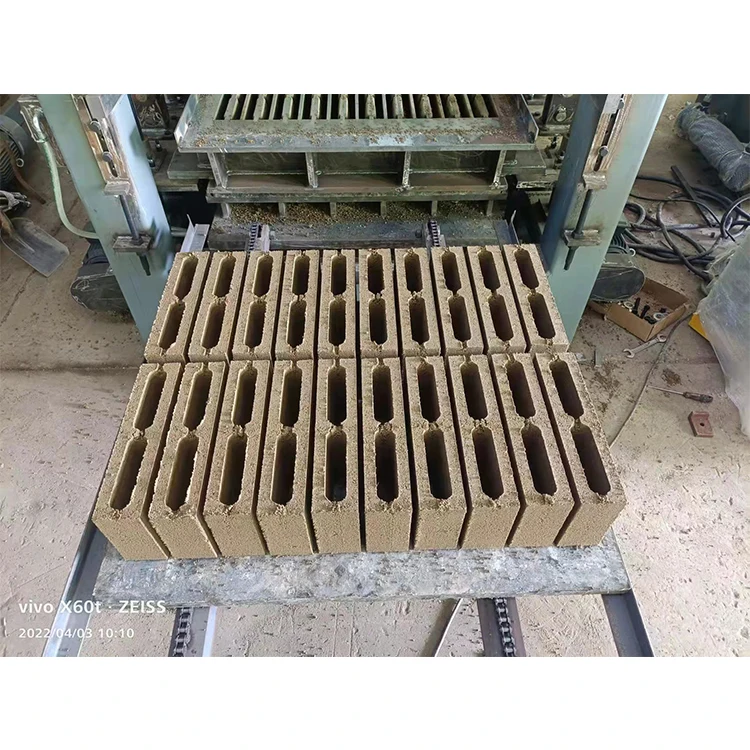
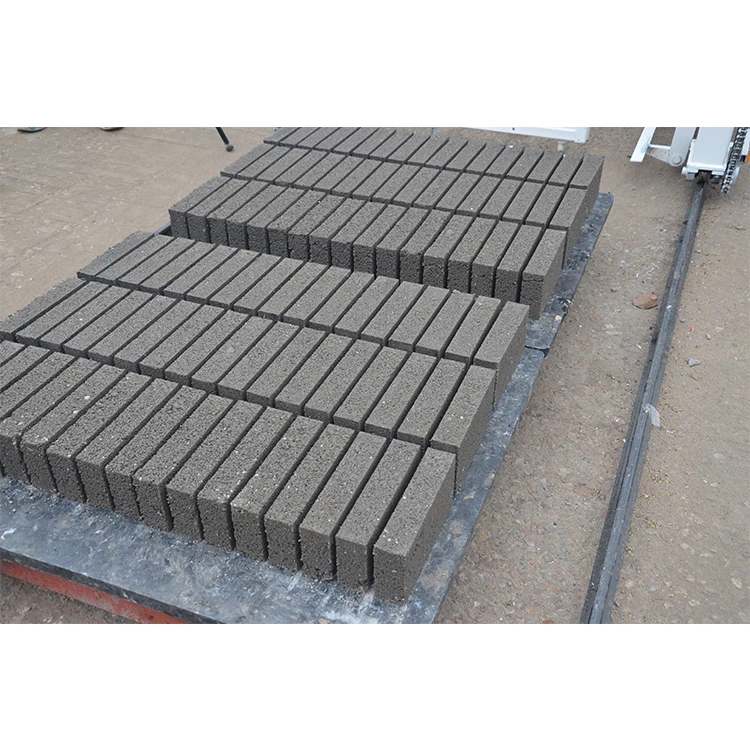
| Hollow block production | Crushed stone, cement, sand mixes for load-bearing and partition walls |
| Standard solid brick production | Dense aggregate and cement blends for structural masonry |
| Paving block production | Fine aggregate and cement for pedestrian and light-traffic paved surfaces |
| Interlocking block production | Graded aggregate and cement for mortar-free wall systems |
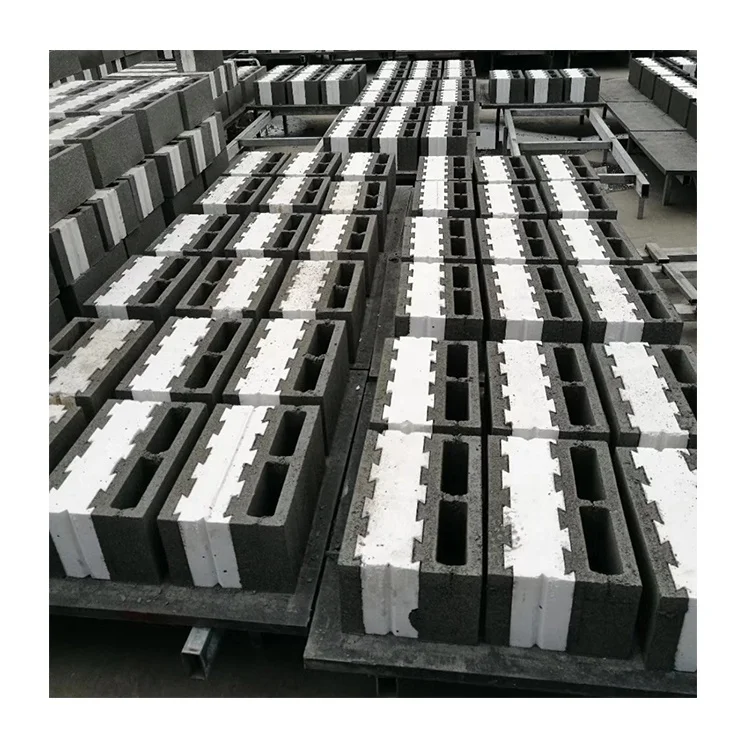
| Multi-cellular brick production | Lightweight aggregate or aerated mixes for thermal insulation blocks |
What "1,800 Pieces per Hour" Actually Depends On
Capacity is only meaningful when the block format, mould cavity count and cycle time are all stated together.
A quoted output figure that omits the block format it assumes is the single most common reason buyers feel misled after commissioning. The QT10-15 block machine specifications here list every capacity number against a named format and mould count, so a buyer producing 400×150×200 mm blocks can compare directly against their daily order book instead of guessing [NEED_CITE: standard capacity calculation methods in concrete block production]. In my experience on site in West Africa, a machine rated for hollow blocks can fall noticeably short when the buyer switches to solid brick without recalculating the pressing cycle and material feed rate.
Format-by-Format Output Transparency
Every cycle time and output figure on this page is tied to a specific block format and mould cavity count. When a buyer in South Asia needs 20,000 hollow blocks per shift, the QT10-15 concrete brick block making machine capacity data lets them verify whether the 400×150×200 mm line clears that target or whether a second shift is required. This removes the guesswork that occurs when a single headline number is quoted for a machine that actually runs five different formats.
Vibration Tuning for Real Aggregate
The vertical station mode resonance with automatic FM-AM vibration adjusts frequency and amplitude during the compaction cycle. On a site in East Africa I saw river sand with high clay content produce weak blocks under a fixed vibration setting; once the FM-AM parameters were tuned to the local aggregate gradation, block density improved noticeably. Matching vibration force to the buyer’s actual mix design is essential before any capacity figure can be considered reliable.
Interpreting the Press Parameters
The independent integrated hydraulic station is separated from the host vibration and dust zone, which helps maintain consistent pressure across long production runs. Hydraulic pressure and vibration force together determine the green strength of a freshly pressed block, and if either is misaligned with the aggregate size or cement ratio, the block may crack during pallet transfer. The simple mould replacement system lets an operator switch between hollow block and paving block moulds within a shift, keeping format flexibility practical rather than theoretical. Pallet size, meanwhile, must match both the machine output and the buyer’s existing curing area and forklift capacity [NEED_CITE: pallet sizing guidelines for concrete block curing].
The Cost of Skipping the Material Sample
When a machine is configured without testing the buyer’s local aggregate, the vibration force and hydraulic pressure settings may not produce adequate compaction. I worked on a project where the specified sand source contained excessive fines; blocks crumbled at demoulding and daily output dropped to roughly half the quoted figure until the mix and vibration parameters were revised. Sending a representative material sample before configuration avoids this delay and the freight cost of replacement wear parts.
Why Source This Machine Here
Block machinery is the single focus of Shandong Shiyue Intelligent Machinery, so the press, mould, pallet and handling equipment are specified as one matched system. Configuration is set against the buyer’s mix design and target block format rather than a default catalogue page. Mould design covers the formats the buyer’s market actually sells, including custom drawings when regional dimensions differ from standard sizes. Automation level is selectable, allowing a buyer to start with semi-automatic pallet handling and upgrade later. Installation includes on-site commissioning with operator training so the crew understands mould change procedure and daily maintenance checkpoints.
Documentation & Verification
- Line layout and capacity calculation stating the block format assumed for each output figure
- Mould drawing and format list confirming included and optional moulds
- Machine specification sheet with voltage, frequency and PLC display language confirmed pre-production
- Factory test record showing actual cycle time achieved per format before dispatch
- Hydraulic and electrical schematic matching as-built configuration
- Operation and maintenance manual with wear parts and mould replacement intervals
Installation, Commissioning & Support
- Foundation plan matched to the QT10-15 vibration load and overall footprint
- Dedicated power circuit sized for the machine’s total rated load and local voltage
- Machine dismantled for container loading with reassembly supervised on site
- PLC control cabinet commissioned with display language confirmed before first production run
- Operator training covering mould change, pallet feed alignment and daily greasing points
- Wear parts list provided with recommended reorder intervals for hydraulic seals and vibration springs
Before You Send an Inquiry
To size the QT10-15 correctly, share the block formats your market demands along with the target daily output for each. Include a sample or lab report of your local aggregate so vibration and hydraulic parameters can be matched before the machine is built. Confirm your site voltage, frequency and the language you need on the PLC display to avoid delays at commissioning.
Frequently Asked Questions
Q: How is QT10-15 capacity calculated per block format?
A: Each capacity figure is derived from the cycle time and mould cavity count for a specific block format. The hollow block calculation, for example, uses 15–20 seconds per cycle with 10 cavities. Actual output also depends on mix design, aggregate gradation and operator pace, so the figures represent achievable ranges under controlled conditions rather than guaranteed maximums.
Q: Which mould formats come with the machine?
A: Standard packages typically include one mould, with additional formats quoted separately. The mould drawing and format list document confirms exactly which moulds are shipped. Mould change uses the simple replacement system, and a trained operator can complete a swap within a shift once the procedure is familiar.
Q: How should I choose the right pallet size?
A: Pallet size must match the mould dimensions and the spacing of your curing racks. Equally important is whether your existing forklift can handle the loaded pallet weight. We confirm pallet size and material during the quotation stage so there is no mismatch when the machine arrives on site.
Q: What electrical details must be confirmed before production?
A: Voltage, frequency and PLC display language are confirmed in writing before the control cabinet is wired. This prevents the common situation where a machine arrives with a 50 Hz motor on a 60 Hz supply, or a PLC screen the operator cannot read. All three parameters are locked during the order confirmation step.
Q: How do I verify vibration settings suit my aggregate?
A: Send a representative sample of your local sand, crushed stone and cement for lab testing. We run trial pressings to match the FM-AM vibration parameters and hydraulic pressure to your actual mix. The factory test record then documents the achieved cycle time and block density before the machine is shipped.