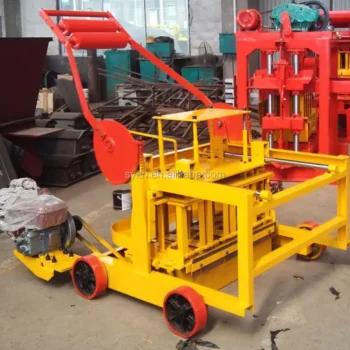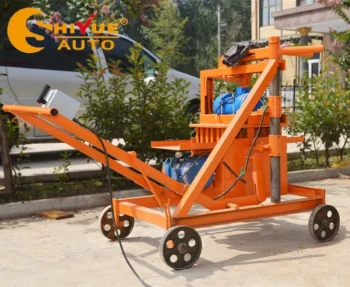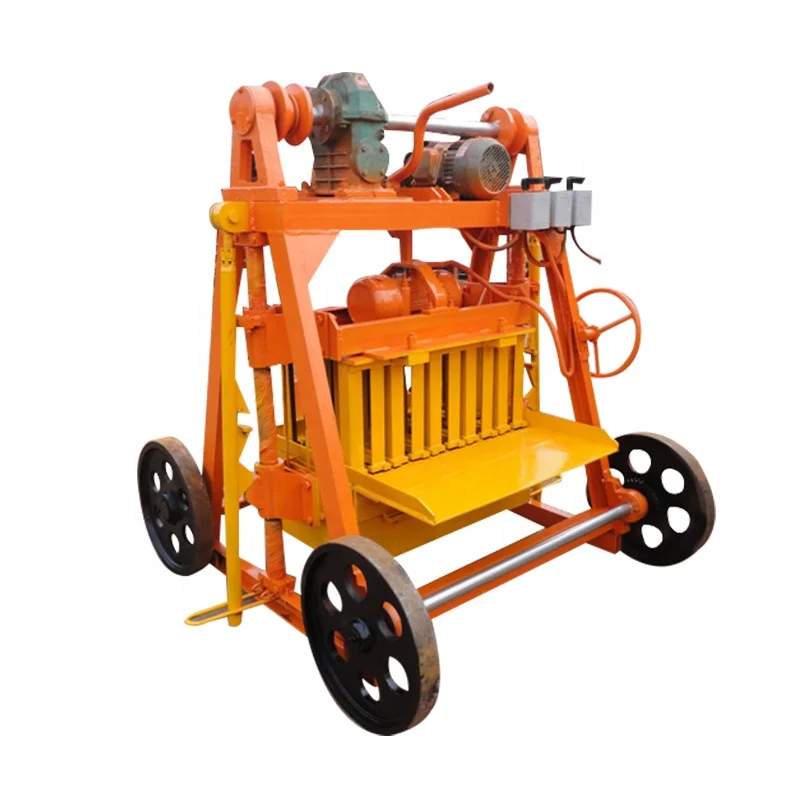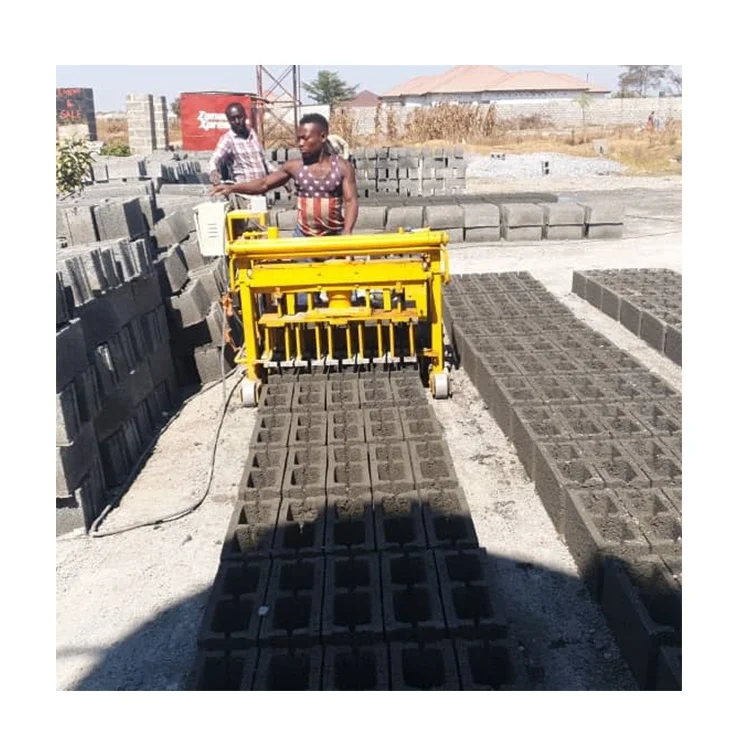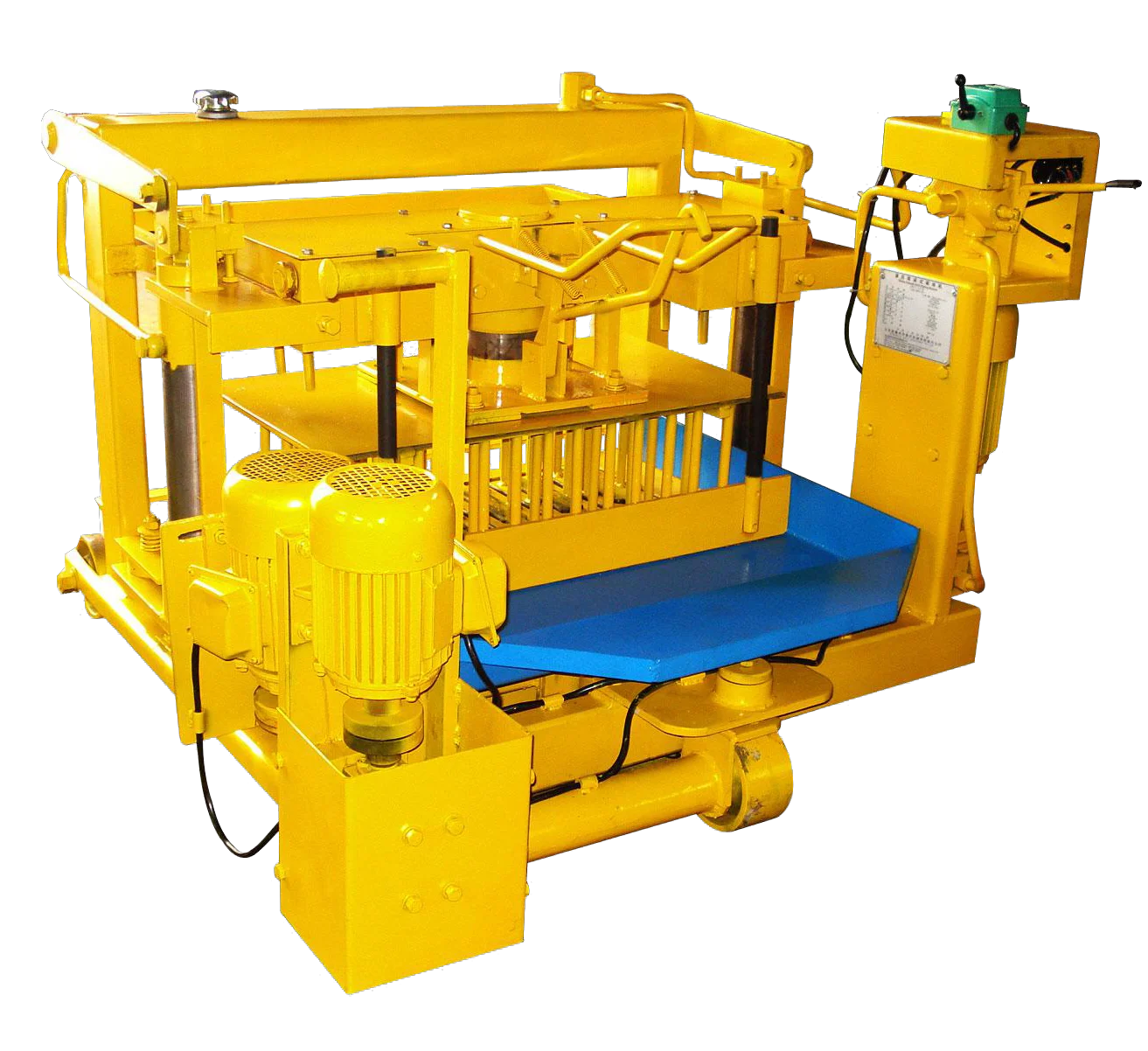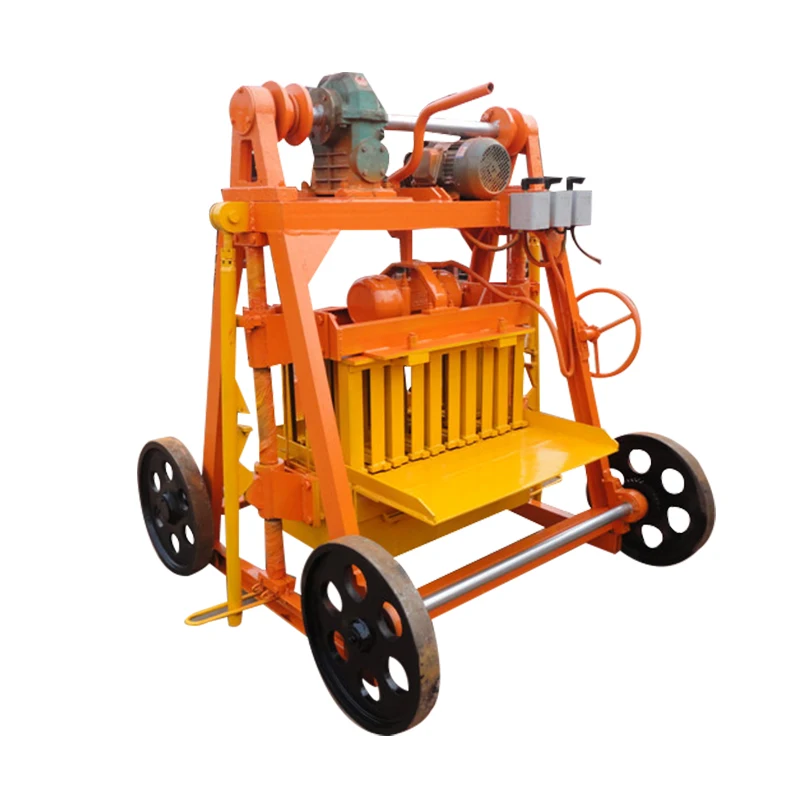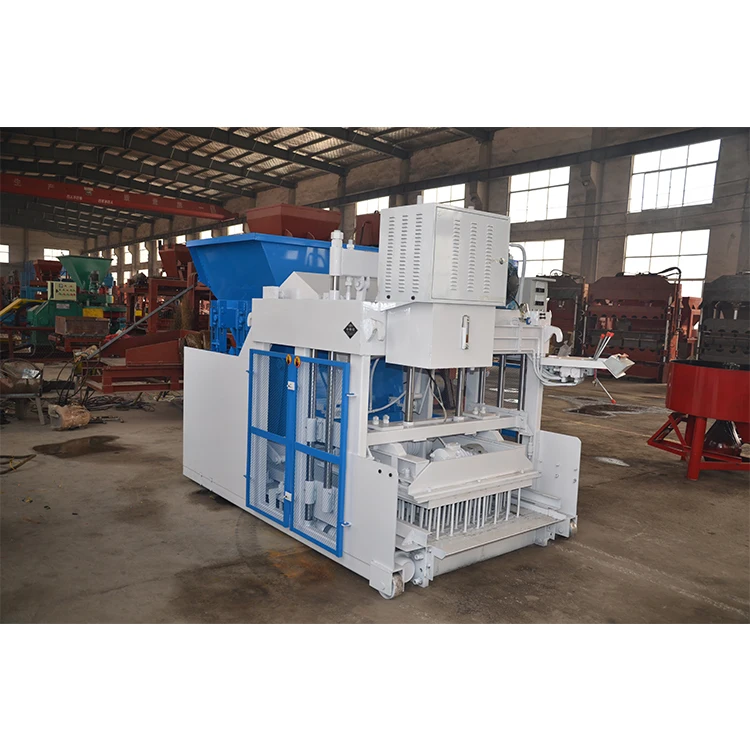
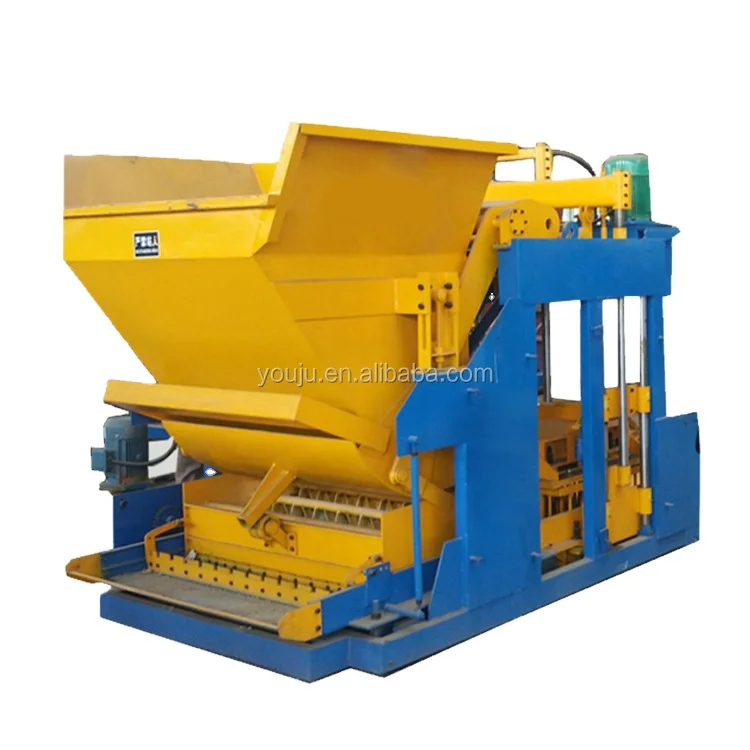
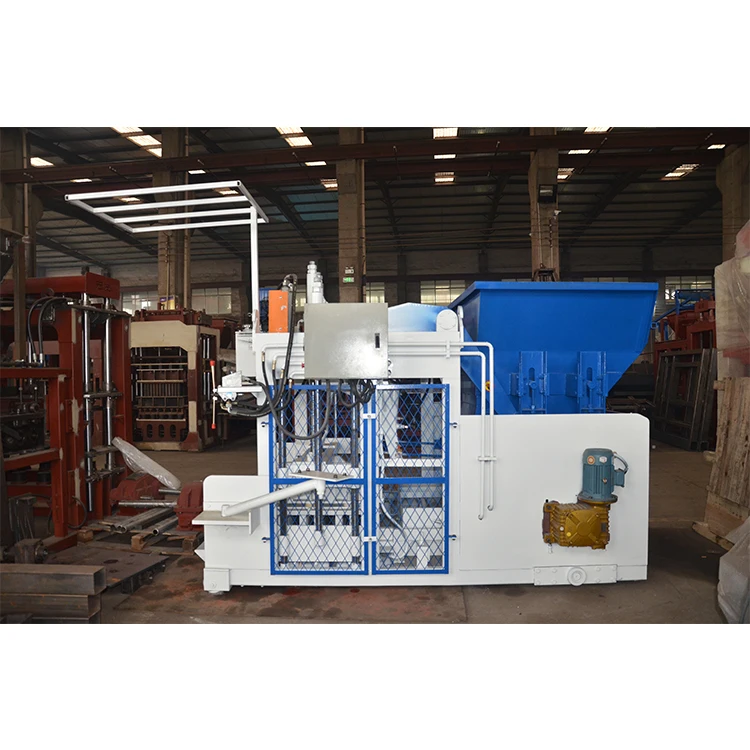
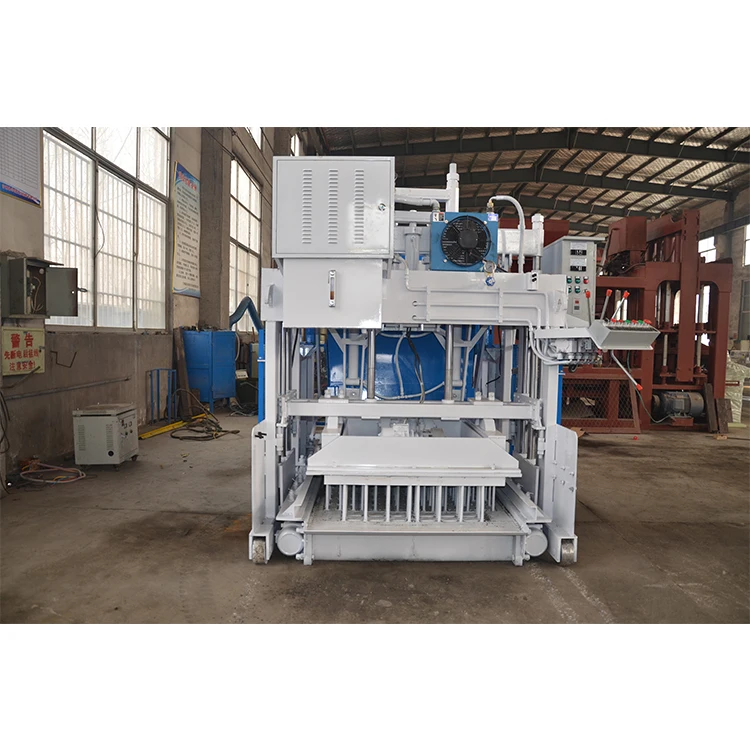
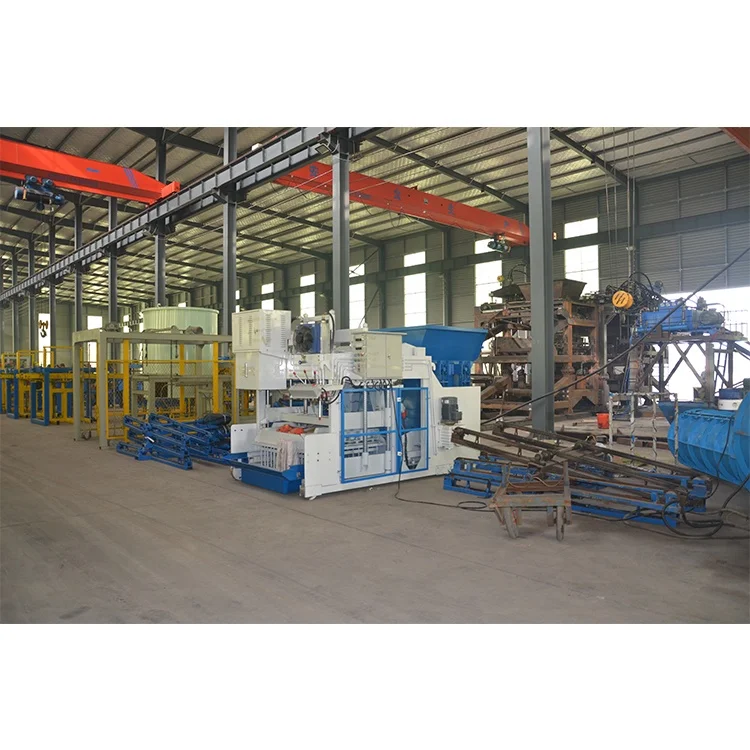
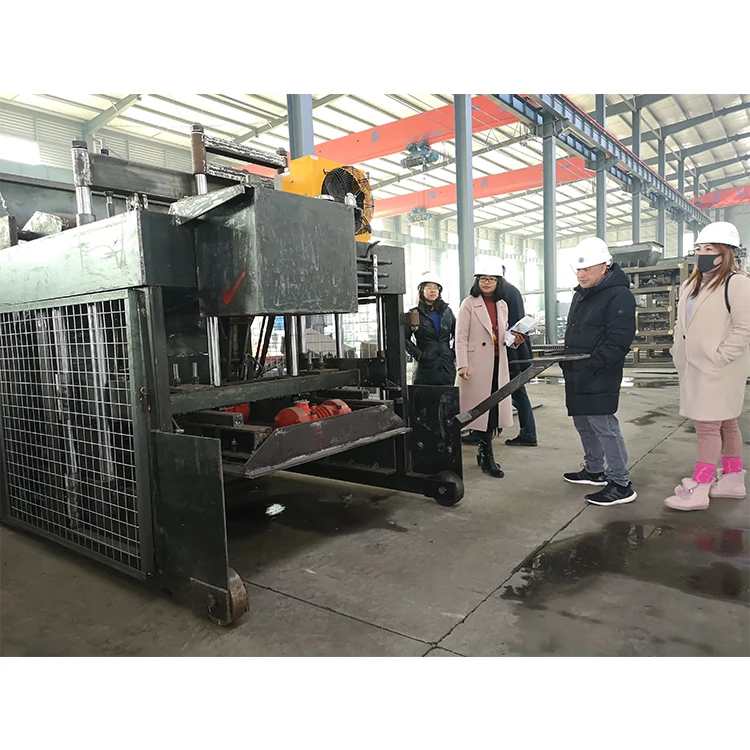
Description
Honest capacity per format — We calculate each output figure against the actual block size and cycle time you plan to run, not a single headline number from a catalog.
Technical Specifications
| Parameter | Value |
|---|---|
| Model | QMY12-15 |
| Product Type | Egg Laying Concrete Block Making Machine |
| Overall Dimensions (L×W×H) | 3250 × 2100 × 2300 mm |
| Rated Power | 16 kW |
| Net Weight | 4500–4600 kg |
| Motor | Siemens |
| Pressure Type | Hydraulic |
| Vibration System | Twice-vibration molding core |
| Pallet Requirement | No pallet required (egg laying operation) |
| Worker Required | 2–3 |
| Cycle Time | 10–15 s |
| Capacity per Mould (400×200×200 mm) | 12 pcs/mould (basis not stated in source) |
| Capacity per Mould (400×150×200 mm) | 14 pcs/mould (basis not stated in source) |
| Automation Level | Automatic hydraulic pressure |
| Standards | ISO 9001:2008, SGS, CE |
Application Suitability
| Application | Material or Output |
|---|---|
| On-site hollow block production | Crushed stone, sand, cement blends |
| Solid block manufacturing at project sites | Fly ash or natural aggregate mixes |
| Development housing block supply | Local coarse aggregate with cement binder |
| Contractor self-production without a fixed plant | Standard concrete mix designs for masonry units |
| First-time block plant startup | Low-investment, pallet-free egg laying operation |
What "12000 Pieces per Day" Actually Means for Your Project
Daily output is only meaningful when tied to a specific block format, wall thickness, and cycle time.
Many egg laying block machine specifications quote a single daily figure without stating which block size it assumes. A 400×200×200 mm hollow block demands a longer vibration cycle than a thinner solid format, so the same machine produces a different count depending on the mould installed. I have watched buyers arrive on site expecting the headline number, only to discover their actual format cuts the count substantially. The QMY12-15 cycle time sits in the 10–15 second range, and each format must be calculated from that base. [NEED_CITE: block format impact on daily machine output]
Mould Selection Defines Your Real Daily Count
The egg laying block machine specifications sheet lists 12 pieces per mould for the 400×200×200 mm hollow block, yet a narrower 150 mm wall format shows a different per-mould figure. The critical step is confirming which block your local market actually buys, then matching the mould list and cycle calculation to that format before the machine ships. Mobile block machine capacity by format only becomes honest once every figure names its block.
Pallet-Free Operation Changes Your Site Layout
Because the QMY12-15 lays blocks directly onto the ground, you remove the entire pallet investment — no pallet purchase, no pallet return conveyor, no pallet storage rack. This suits project sites where floor space is limited and blocks cure in open yards. The trade-off is that the curing area must be level, clean, and large enough to hold the day’s output without the machine driving over freshly laid rows. [NEED_CITE: curing area planning for egg laying block production]
Hydraulic Pressure and Twice-Vibration Density Control
Block strength depends on how thoroughly the hydraulic pressure and vibration work together to compact the mix. The QMY12-15 uses a twice-vibration molding core rather than a single vibration pass, which improves particle packing across different aggregate sizes. When the hydraulic pressure is matched to the buyer’s mix design and local aggregate gradation, compaction stays consistent from the first block to the last of the shift.
The Hidden Cost of Skipping Format-Level Capacity Checks
When a buyer orders on a headline capacity number without specifying the block format, the machine may arrive with a mould that does not match the local market. Mould change then consumes most of a shift, and the operator runs fewer blocks per day than planned. The gap between expected and actual output becomes a recurring problem that no amount of operator effort can close. [NEED_CITE: mould mismatch impact on project timelines]
Why Buyers Specify With Us
Block machinery is our single focus, so the QMY12-15 arrives as a matched system — machine, mould, and ground-curing guidance specified together. Every configuration is set against the buyer’s actual mix design and local aggregate, not a generic catalog default. Mould drawings are provided for the exact formats your market sells, and custom mould design is available to buyer drawings. Automation level is selectable, so a contractor can start with the basic hydraulic package and add features later.
Documentation & Verification
- Line layout stating block format assumed for each capacity figure
- Mould drawing and format list confirming producible block sizes
- Factory test record showing cycle time per format before dispatch
- Voltage and control language confirmation sheet signed before shipment
- Operation manual covering egg laying ground preparation and curing practice
Installation, Commissioning & Support
- Ground leveling guidance sized to 3250 × 2100 mm machine footprint
- Electrical connection matched to 16 kW rated power and local voltage
- Hydraulic system commissioning with pressure set to buyer’s mix design
- Operator training on cycle time adjustment per block format
- Mould change procedure and wear parts list supplied at handover
- Curing area planning advice based on daily output and local climate
What We Need From You to Size the Machine Correctly
Share the block formats your market buys most — hollow, solid, or both — along with wall thicknesses and the aggregate you can source locally. Confirm the voltage and frequency at your project site, and tell us the floor area available for curing. With those details we calculate a realistic mobile block machine capacity by format and build a quotation that matches your actual conditions.
Frequently Asked Questions
Q: How is daily capacity calculated for each block format on the QMY12-15?
A: We take the cycle time range of 10–15 seconds, multiply by the number of pieces per mould for the chosen format, and scale to the planned shift hours. The result names the block size, wall thickness, and cycle assumption so the figure is transparent before you commit.
Q: Which block formats can one QMY12-15 produce, and how long does a mould change take?
A: The machine handles hollow and solid blocks in several standard sizes, and custom moulds are available to buyer drawings. Mould change involves removing bolts on the vibration table and swapping the box; operators trained on site can complete it within a working shift.
Q: What local aggregate and mix design work with this egg laying machine?
A: The hydraulic pressure and twice-vibration core tolerate a range of crushed stone and sand gradations. We review your local material sieve analysis and adjust the vibration settings so compaction stays consistent with the aggregate you can actually source.
Q: What voltage and control language options are confirmed before shipment?
A: Voltage, frequency, and PLC display language are documented on a confirmation sheet signed before the machine leaves the factory. This avoids commissioning delays when the QMY12-15 arrives at sites with non-standard electrical supply.
Q: How should the curing area be planned for pallet-free egg laying production?
A: The ground must be level and firm across an area large enough to hold a full day’s output without the machine crossing fresh rows. We provide a curing layout matched to your daily output and local drying conditions during the planning stage.