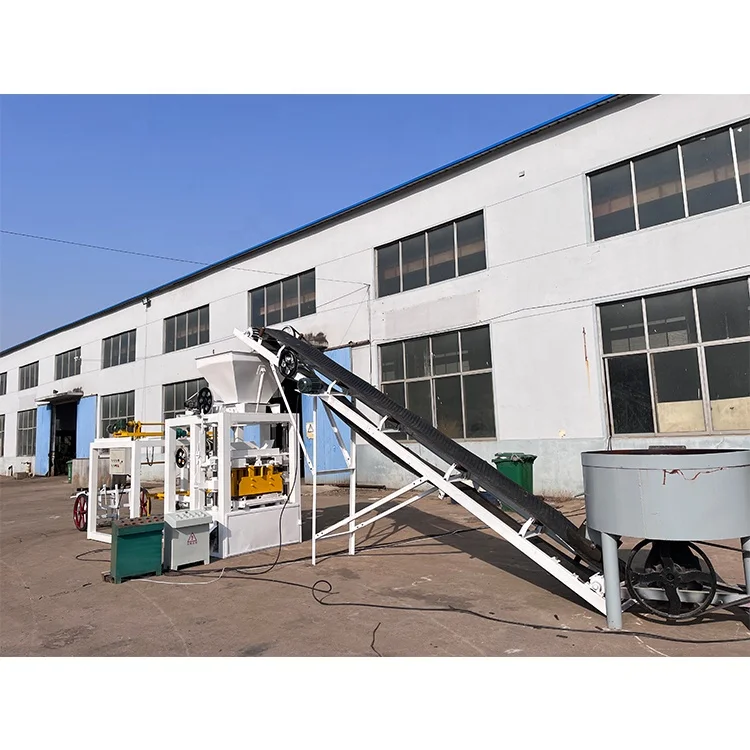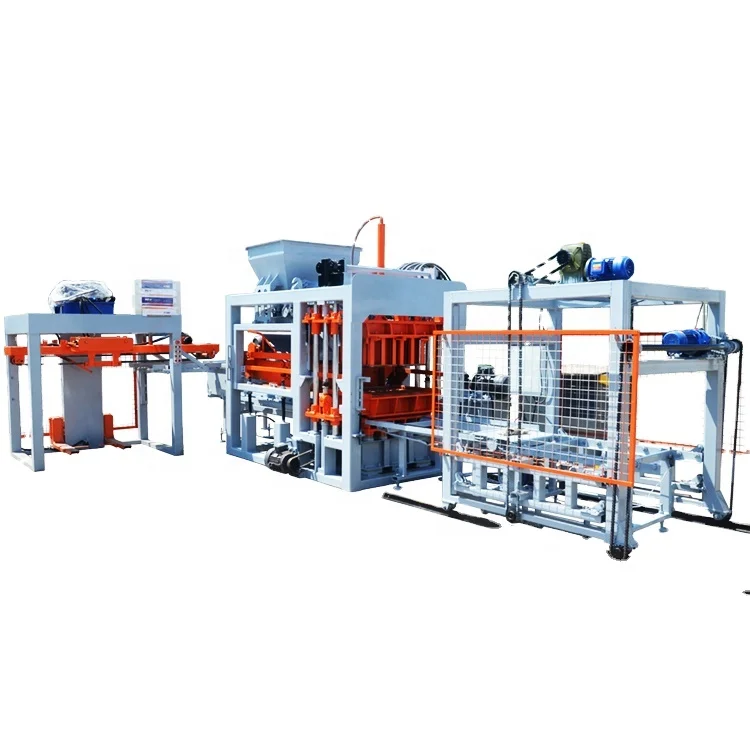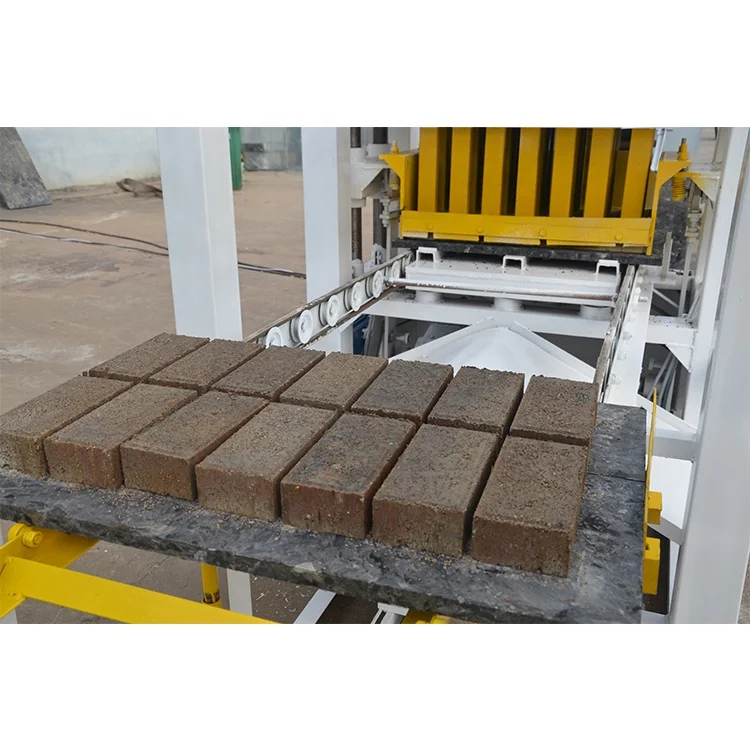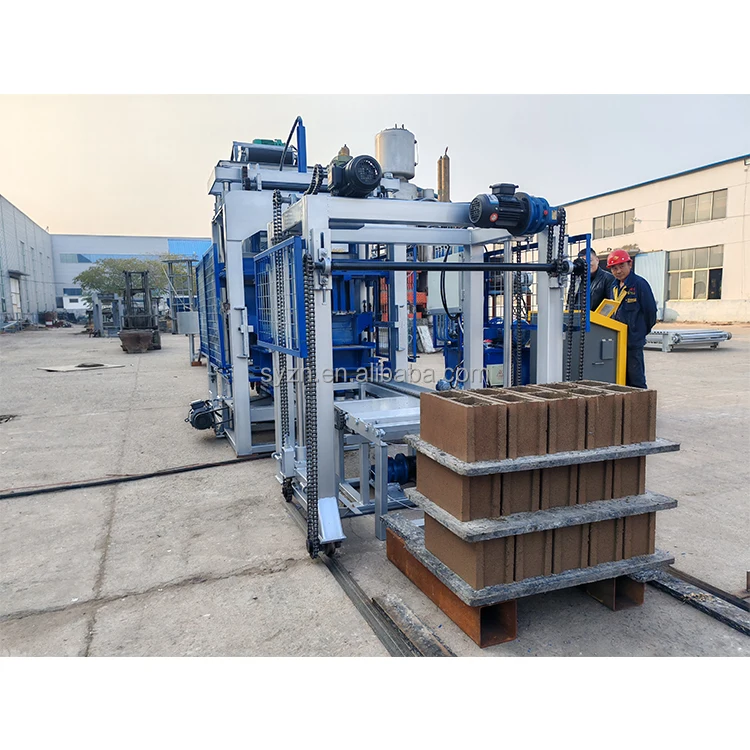


Description
Honest capacity by format — the QT4-15A block making machine is configured against your local aggregate and target product, not quoted as a catalogue default.
Technical Specifications
| Parameter | Value |
|---|---|
| Model | QT4-15A |
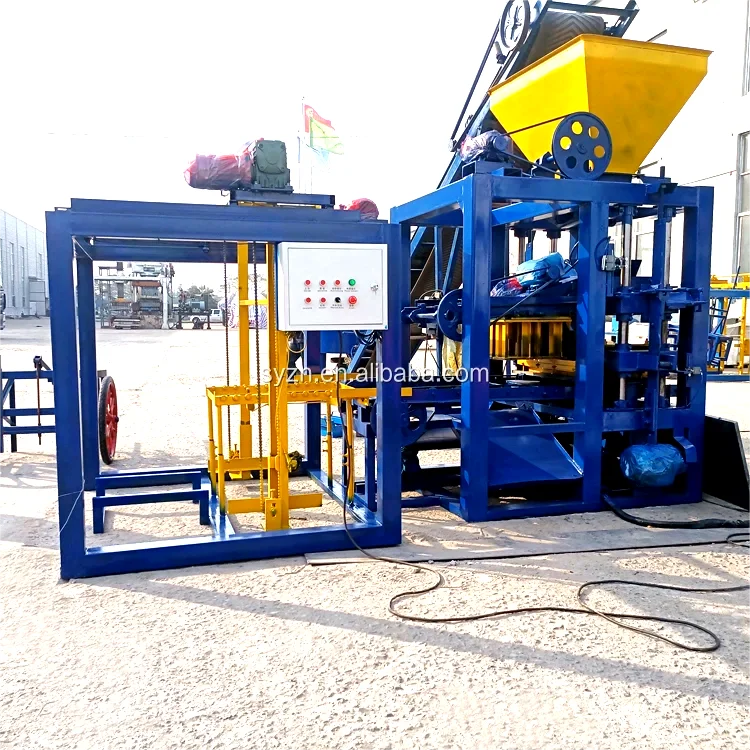
| Product Type | Fully Automatic Concrete Block Making Machine |
| Overall Dimensions (L×W×H) | 4100×1600×2600 mm |
| Rated Pressure | 16–21 MPa |
| Main Vibration Form | Platform Vibration |
| Vibration Frequency | 4200 r/min |
| Vibration Force | 55 kN |
| Pallet Size | 880×550 mm |
| Molding Cycle | 25–30 s (basis not stated in source — confirm block format, material, thickness) |
| Overall Power | 18.45 kW |
| Total Mass | 4 T |
| Demolding Method | Hydraulic |
| Factory Area Required | 300 m² |
| Control System | PLC |
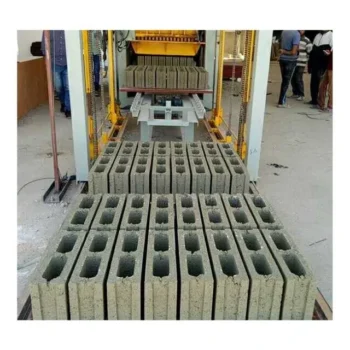
| Applied Products | Hollow blocks, solid blocks, pavers, interlocking blocks, curbstone, colored pavers |
| Raw Materials | Crushed stone, sand, cement, fly ash, gravel, slag, dust |
| Warranty | 1 year (whole machine, excluding spare parts) |
Application Suitability
| Application | Material or Output |
|---|---|
| Hollow block production for residential wall construction | Crushed stone, sand, cement blends |
| Solid block manufacturing for load-bearing structures | Gravel, cement, fly ash mixes |
| Interlocking paver production for driveways and walkways | Fine aggregate with pigment additives |
| Curbstone forming for municipal road projects | Coarse aggregate with high cement content |
| Colored paver runs for landscape and commercial paving | Sand, cement, iron oxide pigments |
What "25–30 Second Cycle" Leaves Out About QT4-15A Block Machine Specifications
Cycle time means nothing until you name the block format it was measured on.
Most quotations list a single cycle figure without stating whether that was tested on a thin paver or a tall hollow block. A 25-second cycle on a 60 mm interlocking paver is a different story from 25 seconds on a 200 mm hollow block, where fill depth and vibration duration change the equation entirely. I once saw a buyer receive a machine rated at a cycle time that only applied to the lightest product in the mould range, leaving daily output far below what the pro forma suggested [NEED_CITE: block cycle time variation by format and thickness]. The QT4-15A block machine specifications should always be read alongside the specific mould format and mix design that produced them.
Matching Mould Format to the Products Your Market Actually Buys
The QT4-15A supports hollow blocks, solid blocks, pavers, interlocking bricks, curbstones, and colored pavers through interchangeable moulds on the same press. Custom mould design to buyer drawings is available, which matters when your regional market demands a format that does not appear in any standard catalogue. The pallet size of 880×550 mm defines the maximum mould envelope, so every format discussion starts from that constraint.
Why Vibration Force and Hydraulic Pressure Must Be Read Together
Platform vibration at 4200 r/min delivers 55 kN of force into the mix, but vibration alone does not determine block density. The hydraulic system applies 16–21 MPa of pressure during compaction, and the two forces must be balanced against your specific aggregate gradation and cement ratio. A mix with high fly ash content responds differently to this combination than one relying on crushed granite [NEED_CITE: vibration and pressure interaction in concrete block forming]. This is why the QT4-15A block machine specifications only become meaningful once your local raw materials are factored in.
Reading the Numbers That Actually Affect Your Daily Output
The 4100×1600×2600 mm footprint and 4-tonne mass tell you about the machine’s structural rigidity and the foundation it needs. The 18.45 kW total power draw determines your electrical supply requirements and whether a dedicated circuit is necessary alongside the mixer and conveyor. The 300 m² factory area figure covers the press, pallet return, and basic curing rack space, but does not include raw material storage or finished product yards. Hydraulic demolding reduces the shock transferred to green blocks compared to mechanical stripping, which matters when you are producing thin pavers that crack easily under sudden release. Every one of these QT4-15A block machine specifications connects to a physical decision on your factory floor, from transformer sizing to forklift selection.
The Cost of Skipping the Mix Design Conversation
When a machine arrives configured for a standard river sand mix but the buyer’s local supply is volcanic scoria or recycled construction aggregate, the vibration frequency and pressure settings no longer match the material behaviour. Blocks come out under-compacted or over-pressed, and the mould wear pattern shifts unpredictably. I have watched a production line stall because nobody confirmed the aggregate type before the machine left the factory, turning what should have been a straightforward commissioning into weeks of trial and error [NEED_CITE: aggregate variability impact on block machine configuration]. The pallet size also gets overlooked until the curing racks and forklift already on site cannot accommodate the 880×550 mm boards, forcing an unplanned equipment purchase.
Why Sourcing the QT4-15A Through a Block Machinery Specialist Matters
Block machines are the only product category in this factory, which means the press, mould, pallet, and handling equipment are specified as a matched system rather than assembled from unrelated suppliers. Mould designs cover the formats your market actually sells, and custom drawings are accepted when standard options fall short. Configuration is set against your actual mix design and target block format, not pulled from a generic price list. Automation level is selectable, allowing a buyer to begin with semi-automatic operation and add stacking or cubing later. Installation support includes operator training so that the crew running the machine on day one understands mould change procedure and basic hydraulic maintenance.
Documentation & Verification
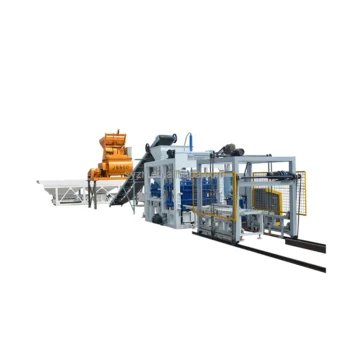
- Line layout showing QT4-15A position relative to mixer, pallet feeder, and stacking station
- Capacity calculation stating the specific block format assumed for each output figure
- Mould drawing and format list covering every product you intend to run
- Pallet specification with 880×550 mm size and material matched to your curing setup
- Voltage, frequency, and PLC display language confirmation sheet before production
Installation, Commissioning & Support
- 300 m² floor plan requirement including press footprint, pallet circulation, and curing rack access
- 18.45 kW power supply with dedicated circuit and correct voltage confirmed before dispatch
- Machine ships in one 40HQ container with dismantled sub-assemblies for site re-erection
- Hydraulic pressure calibrated on-site against your actual mix and target block density
- PLC language and control labels set to operator preference before first production run
- Wear parts and mould list provided with reorder references for ongoing maintenance
What to Include in Your First Enquiry
Tell me which block formats your market demands and the daily volume you need for each. Share the local aggregate type and any available sieve analysis so the vibration and pressure settings can be matched before the machine is built. Confirm your site voltage, frequency, and the language your operators need on the PLC display.
Frequently Asked Questions
Q: How is cycle time and daily output stated per block format on the QT4-15A?
A: Each output figure is paired with the specific block format, mould cavity count, and mix design it was calculated from. A 25–30 second cycle applies differently to a 60 mm paver than to a 200 mm hollow block, so the capacity document names the product behind every number rather than quoting a single blanket value.
Q: What mould formats are available, and can custom moulds be designed to buyer drawings?
A: Standard moulds cover hollow blocks, solid blocks, interlocking pavers, curbstones, and colored pavers within the 880×550 mm pallet envelope. Custom moulds are designed to buyer drawings when a regional market requires a non-standard shape, size, or surface texture.
Q: How is vibration force and hydraulic pressure matched to the buyer’s local aggregate and mix design?
A: The 55 kN vibration force at 4200 r/min and the 16–21 MPa hydraulic pressure are adjusted based on the aggregate type, gradation, and cement ratio you provide. This ensures consistent block density whether your mix uses river sand, crushed stone, fly ash, or volcanic scoria.
Q: What pallet size and material is recommended based on the buyer’s existing curing area and forklift?
A: The 880×550 mm pallet size is confirmed against your curing rack dimensions and forklift capacity before the order is finalised. Material selection — bamboo, steel, or composite — depends on your local climate, curing method, and expected pallet lifespan.
Q: What voltage, frequency and PLC language options are confirmed before shipment?
A: Voltage and frequency are matched to your site electrical supply, and the PLC display language is set to your operator preference. These details are confirmed in writing before production begins so that commissioning is not delayed by electrical mismatches or unreadable control screens.