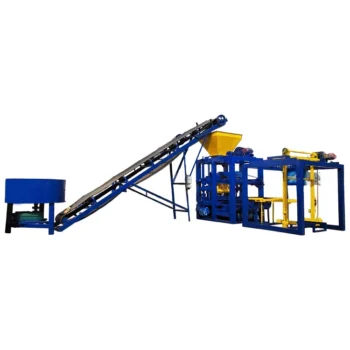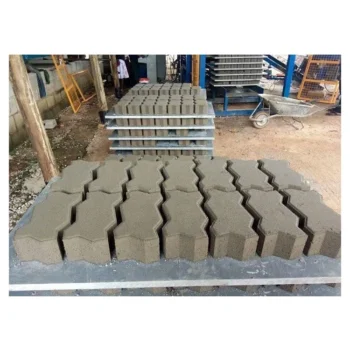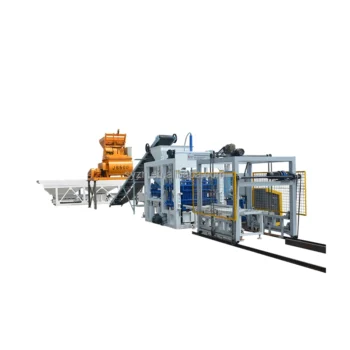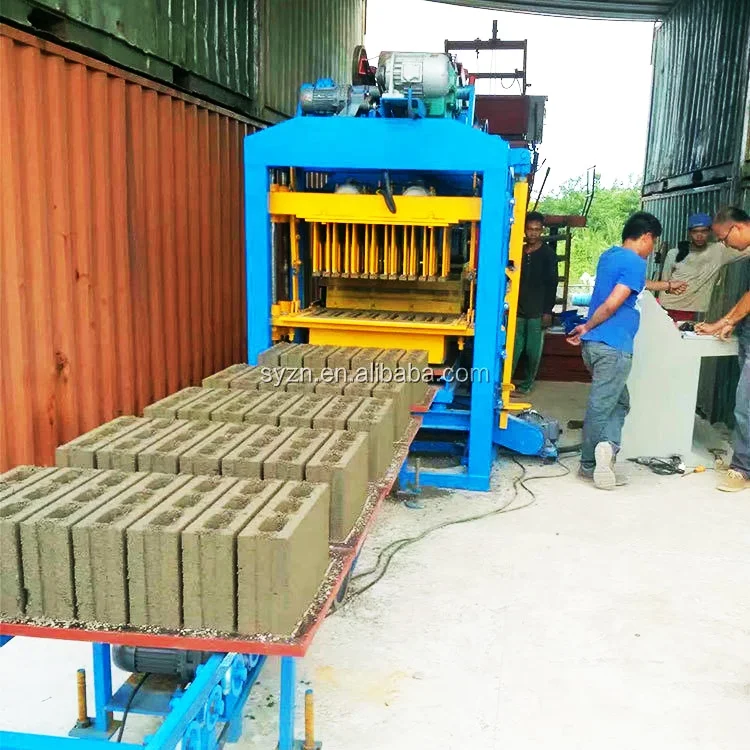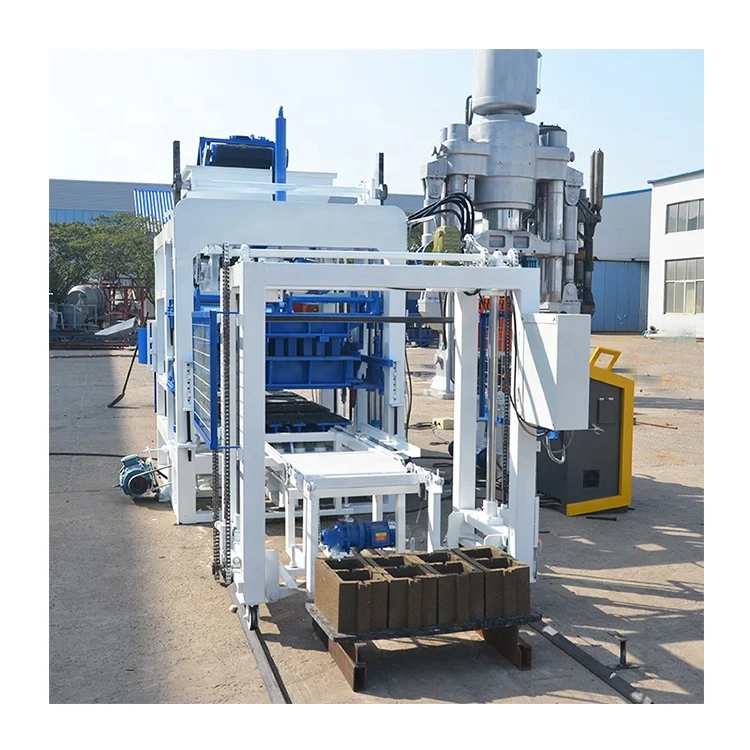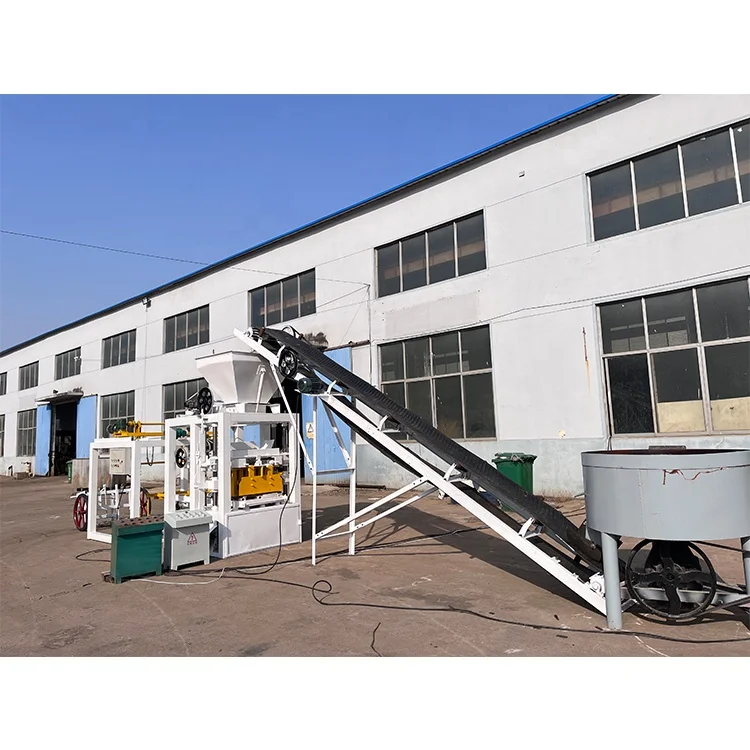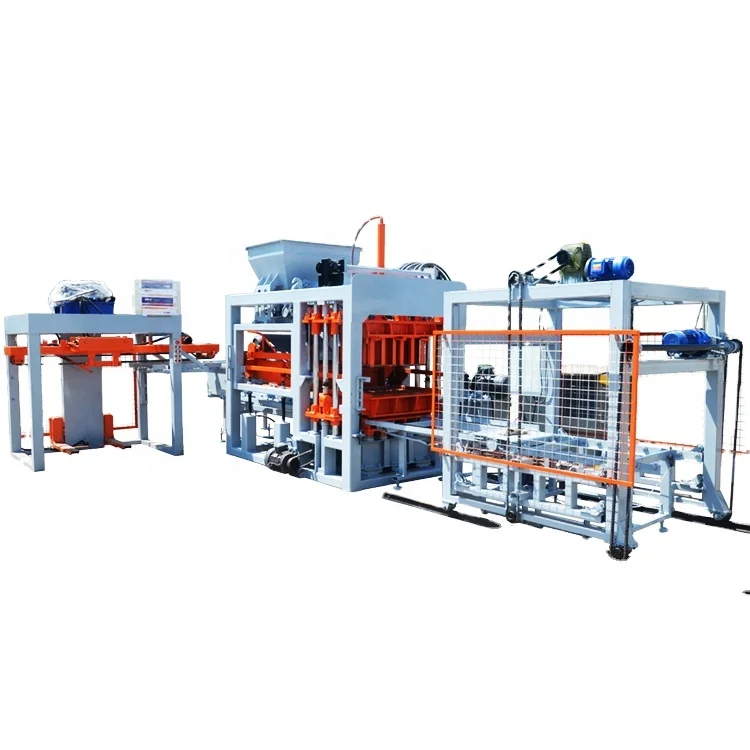
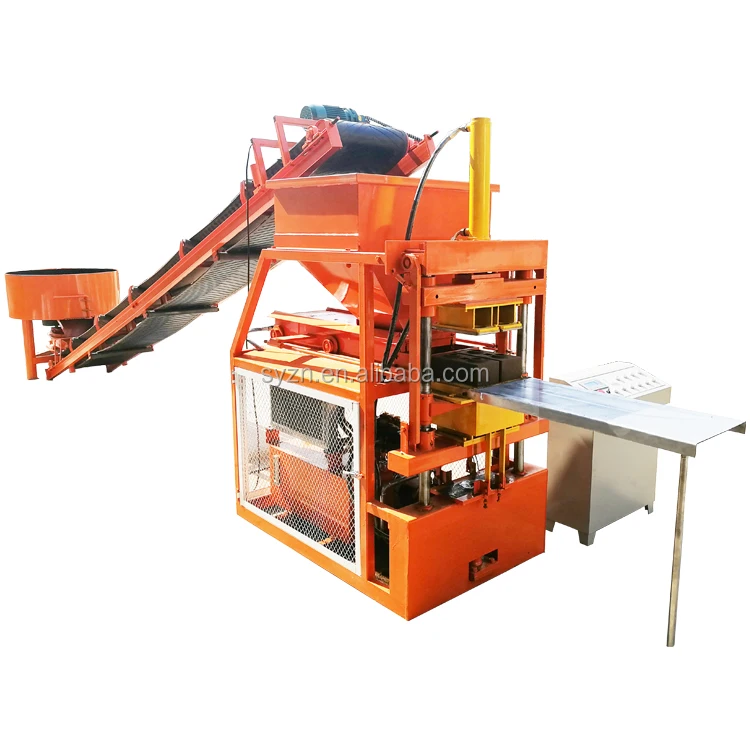
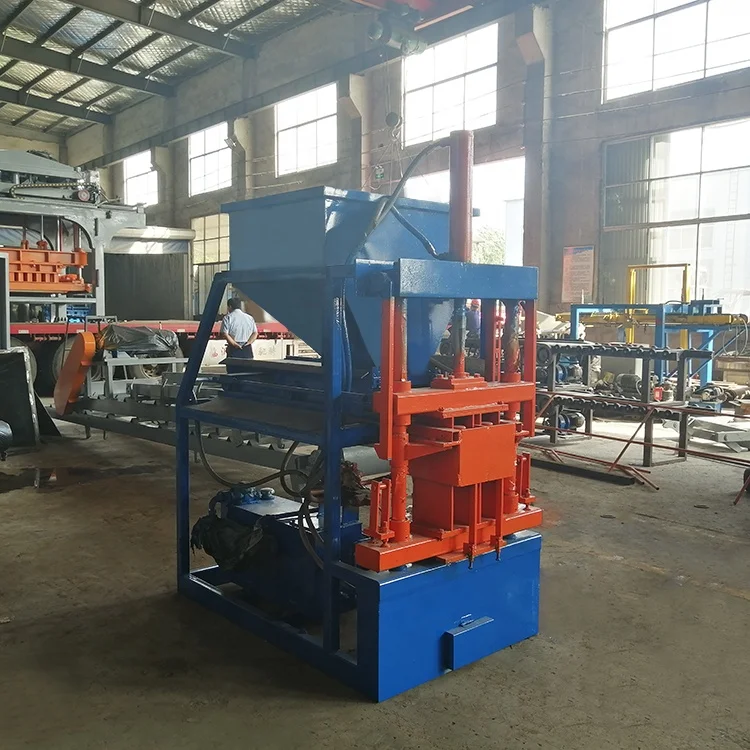
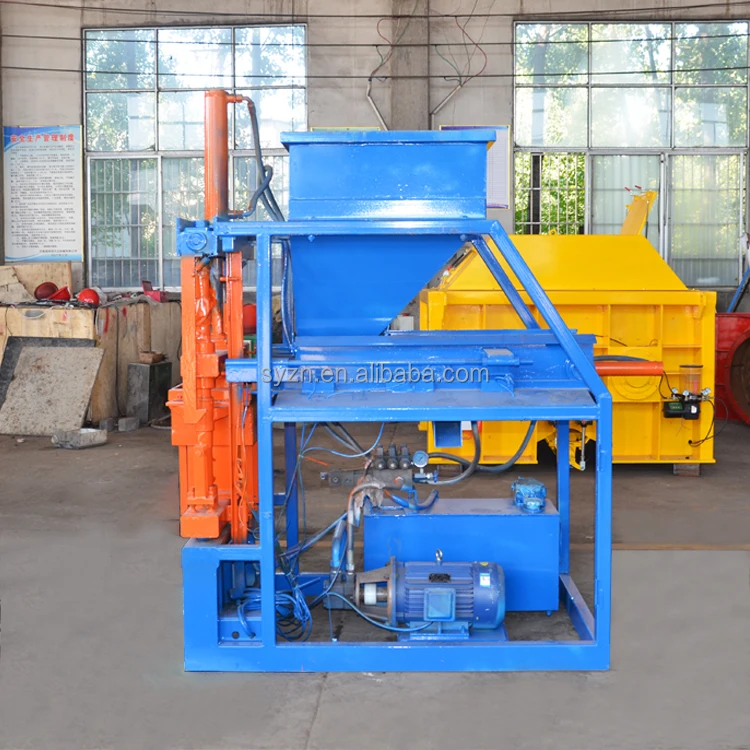

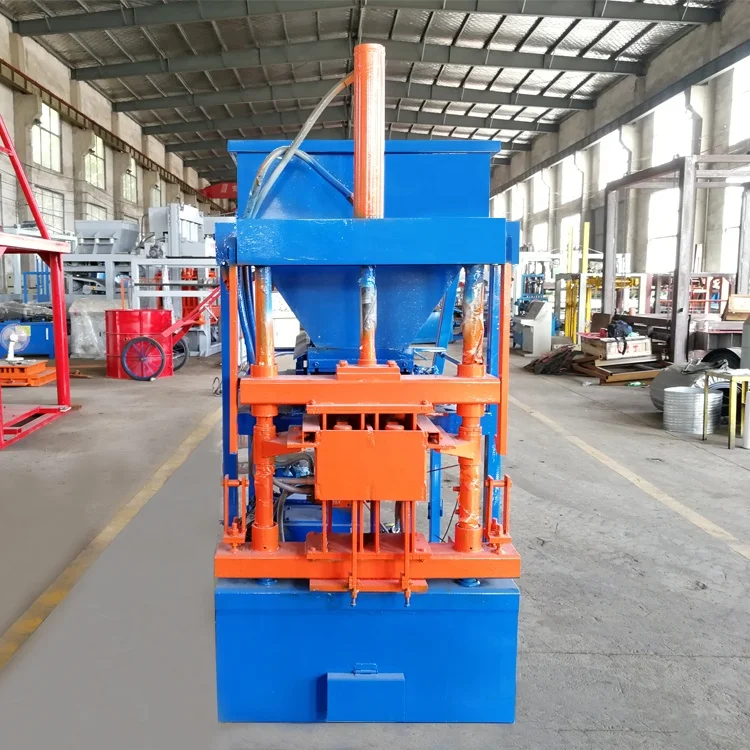
Description
Format-Verified Capacity — every LY2-10 clay interlocking block machine specification is tied to the exact brick size, cycle time, and mould cavity count you will actually run, not a single headline figure.
Technical Specifications
| Parameter | Value |
|---|---|
| Model | LY2-10 |
| Product Type | Clay Interlocking Block Making Machine |
| Machine Power | 7.5 kW |
| Molding Cycle | 10 s |
| Capacity | 6000 pcs / 8 h (basis not stated in source — confirm block format / material / thickness) |
| Bricks per Mould | 1 (for listed formats; source text also mentions 2 bricks per mould — verify against actual mould design) |
| Mould Format Options | 300×150×100 mm / 250×125×75 mm / 230×220×115 mm (interlocking) |
| Raw Materials | Clay, soil, earth, mud, concrete, cement, fly ash |
| Automation Level | Semi-automatic |
| Overall Dimensions (L×W×H) | 1300 × 1800 × 2400 mm |
| Control System | Not stated in source — confirm PLC / relay / manual |
| Voltage & Frequency | Not stated in source — confirm before commissioning |
| Hydraulic Pressure | Not stated in source — confirm |
| Vibration Force | Not stated in source — confirm |
| Pallet Size | Not stated in source — confirm (may not require pallets if interlocking earth-press type) |
| Mould Change Time | Not stated in source — confirm |
| Net Weight | Not stated in source — confirm |
| Certification | Not stated in source — confirm CE or other |
| Warranty | Not stated in source — confirm |
Application Suitability
| Application | Material or Output |
|---|---|
| On-site interlocking brick production for housing projects | Locally sourced clay or soil stabilised with cement |
| Small block plants adding interlocking formats | Earth-based mixes with fly ash or sand adjustment |
| Low-investment brick enterprises for contractors | Raw mud or clay with minimal cement addition |
| Infrastructure wall construction without full mortar joints | Interlocking formats at 300×150×100 mm or 250×125×75 mm |
What "6000 Pieces per Shift" Actually Means for Your Brick Size
The 6000-piece figure only holds if the brick format, cavity count, and cycle all align with the original test — change any one and the number shifts.
I once watched a contractor in Ghana plan an entire housing phase around a quoted daily capacity, only to discover the number was based on the smallest mould in the range. When he switched to the larger 300×150×100 mm interlocking format the market actually demanded, daily output dropped noticeably and the build schedule slipped. That is why clay interlocking block machine specifications must always state which brick format the capacity assumes, and any serious supplier should confirm that before a purchase order is signed [NEED_CITE: buyer capacity expectation vs actual output mismatch].
Matching Mould Formats to What Your Market Buys
The LY2-10 supports three interlocking brick formats: 300×150×100 mm, 250×125×75 mm, and 230×220×115 mm. Each format produces one brick per cycle in the standard mould cavity arrangement, though a two-cavity configuration has been mentioned in preliminary notes and must be verified against the actual mould drawing. A 10-second molding cycle means theoretical throughput differs across formats because the larger brick occupies the press longer during ejection and handling. Choosing the right clay interlocking block machine specifications starts with knowing which format moves off the shelf in your local building supply market.
Raw Material Range and Local Soil Compatibility
The press accepts clay, soil, earth, mud, concrete, cement, and fly ash as raw inputs. In practice, the interlocking strength of the finished brick depends heavily on how well the local soil’s sand-to-clay ratio matches the stabilisation mix. I once received a soil sample from a site in Kenya that looked workable on paper but contained a swelling clay mineral that cracked bricks during drying — the mix had to be reformulated with additional sand before the machine could run production. Sending a soil sample for trial pressing before finalising clay interlocking block machine specifications avoids discovering these problems on the first production day [NEED_CITE: soil mineralogy effect on compressed earth brick strength].
Reading the Specs That Matter for Daily Output
The 7.5 kW motor rating places this machine in the compact semi-automatic tier, suitable for sites where three-phase power capacity is limited. The 10-second molding cycle is the mechanical press time only; total cycle time including manual material feeding, brick ejection, and pallet or stacking handling will be longer and must be factored into shift planning. Overall dimensions of 1300 × 1800 × 2400 mm mean the unit fits inside a standard container and can be positioned in a modest workshop without a dedicated production hall. Hydraulic pressure and vibration force values are not published in the source material, yet these two parameters jointly determine whether the compacted brick reaches the density needed to survive transport and stacking without crumbling.
The Hidden Cost of Skipping Format Confirmation
Ordering a machine without locking the mould format to your market leads to a cascade of problems. The pallet size specified at the factory may not match the curing racks or forklift tines already on your site. Bricks produced in a format the local construction code does not recognise sit in the yard unsold while you wait for a replacement mould. Mould changeover time — an unpublished figure for this model — becomes critical if you plan to run multiple formats in the same shift, because a slow change cancels out the flexibility advantage entirely [NEED_CITE: mould changeover impact on multi-format production scheduling].
Why Procurement Starts with a Soil Sample
Our single-product focus on block machinery means the LY2-10 is specified as a matched system: machine, mould, and material compatibility are reviewed together rather than sourced from separate vendors. Configuration is set against your actual mix design and local aggregate, not a catalogue default. Mould design covers the interlocking formats your market actually sells, and custom drawings are available when a project specifies a non-standard size. Automation level starts at semi-automatic, leaving a clear upgrade path if production volume later justifies full pallet handling and stacking. Installation support includes operator training so the crew understands how cycle time shifts with different soil moisture levels.
Documentation & Verification
- Line layout and capacity calculation stating which interlocking format was assumed
- Mould drawing and format list for 300×150×100, 250×125×75, and 230×220×115 mm
- Voltage and control language confirmation sheet before production release
- Factory test record on your specified soil mix before dispatch
- Wear parts and mould replacement list with part numbers
Installation, Commissioning & Support
- Foundation pad sized to the 1300 × 1800 mm footprint with anchor bolt template
- Dedicated three-phase circuit rated for the 7.5 kW motor plus auxiliary loads
- Machine arrives in container-load configuration and requires reassembly of the press frame
- First-run parameter setting tied to your local clay moisture and cement percentage
- Operator training covering 10-second cycle rhythm and safe ejection handling
- Spare mould liners and hydraulic seals listed for first replacement order
What We Need to Size Your Machine Correctly
Send us the interlocking brick format your local market specifies, along with a soil sample from your intended source pit. Confirm the three-phase voltage and frequency available at your site, and the control panel language your operators read. If you already have curing racks or a forklift in place, share the pallet dimensions so the handling configuration matches existing equipment.
Frequently Asked Questions
Q: How is the 6000 pcs / 8 h figure derived, and for which exact brick size?
A: That figure appears in the source material but the brick format, material mix, and thickness it assumes are not stated. Realistic daily output changes when you switch between the 300×150×100 mm and 250×125×75 mm formats because ejection and handling time differ. We calculate capacity per format and share that sheet before you order.
Q: Which interlocking mould formats can the LY2-10 run, and how long does a mould change take?
A: The machine supports 300×150×100 mm, 250×125×75 mm, and 230×220×115 mm interlocking formats. Mould change time is not published in the source data, so we confirm it during factory testing. If you plan to run two formats in one shift, that changeover window directly affects your achievable output.
Q: How do I match the machine to my local clay or soil mix and target block strength?
A: Send a representative soil sample so we can run a trial pressing at our facility. The interlocking brick’s compressive strength depends on the sand-to-clay ratio, cement stabilisation percentage, and compaction pressure. We adjust the mix recommendation and confirm brick density before finalising your clay interlocking block machine specifications.
Q: What voltage, frequency, and control language should I confirm before delivery?
A: These values are not stated in the source specification sheet, so they must be confirmed before production begins. Providing your site’s three-phase voltage, frequency, and the HMI language your operators use ensures the machine can be commissioned immediately on arrival without rewiring or reprogramming delays.
Q: What documentation comes with the machine?
A: You receive a line layout with capacity stated per brick format, mould drawings for each interlocking size, a factory test record on your soil mix, voltage and control confirmation, a wear parts list with part numbers, and an operation manual in your chosen language.