

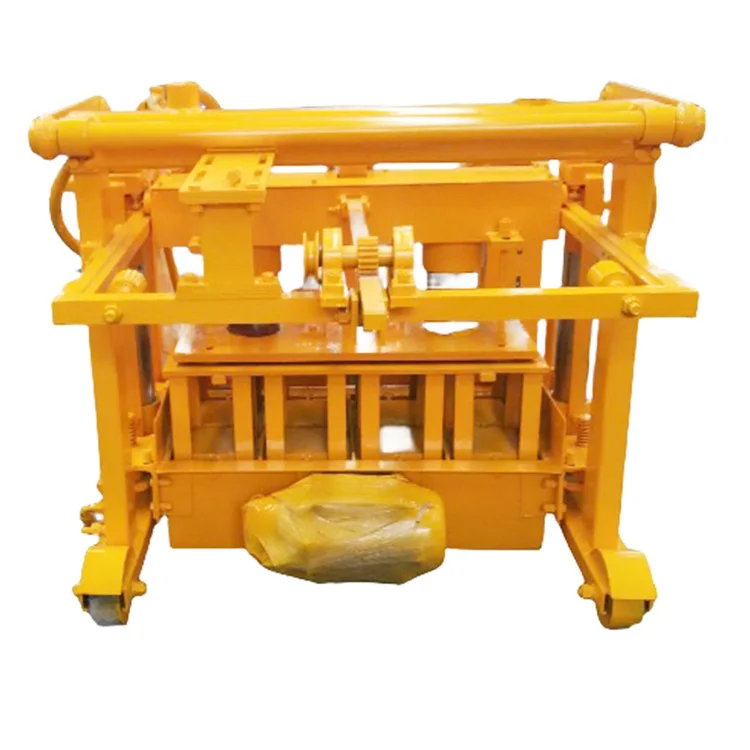

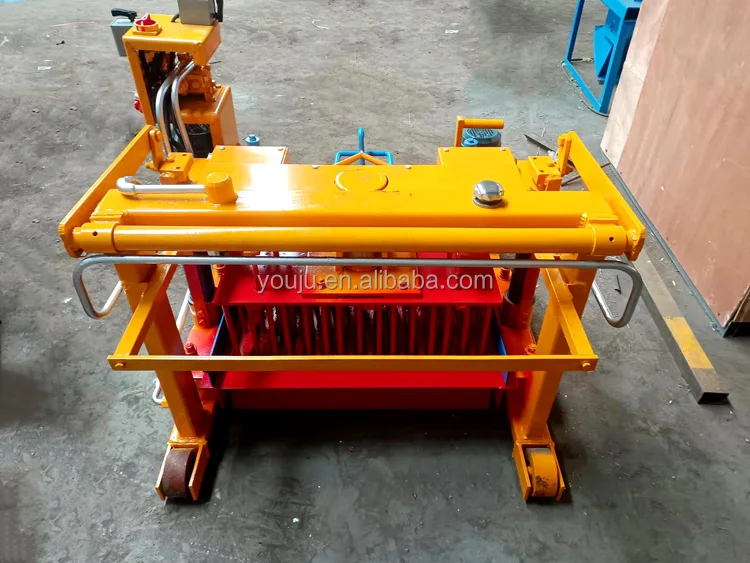
Description
Honest capacity by format — The QMY4-30 mobile block machine quotes daily output per specific block dimension, not a single headline figure, so you know exactly what your site will produce before the machine arrives.
Technical Specifications
| Parameter | Value |
|---|---|
| Model | QMY4-30 |
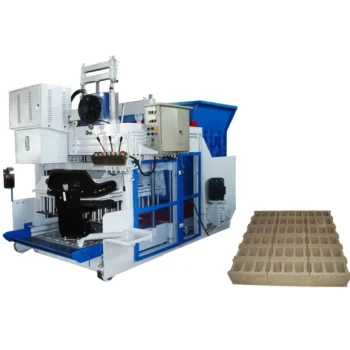
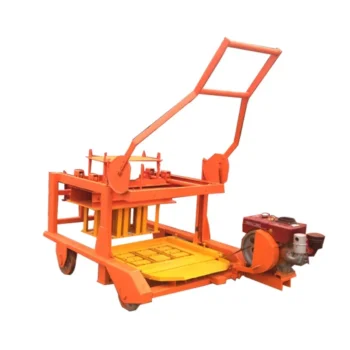
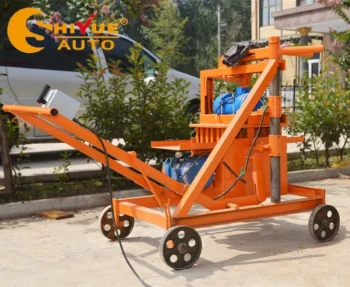
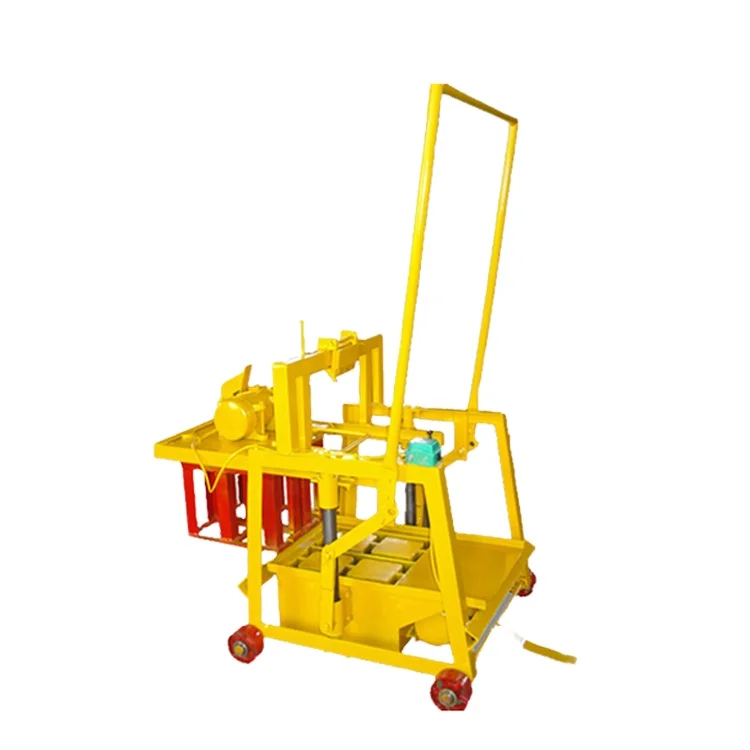
| Product Type | Mobile Concrete Block Making Machine |
| Rated Power | 5 kW |
| Molding Cycle Time | 30 seconds |
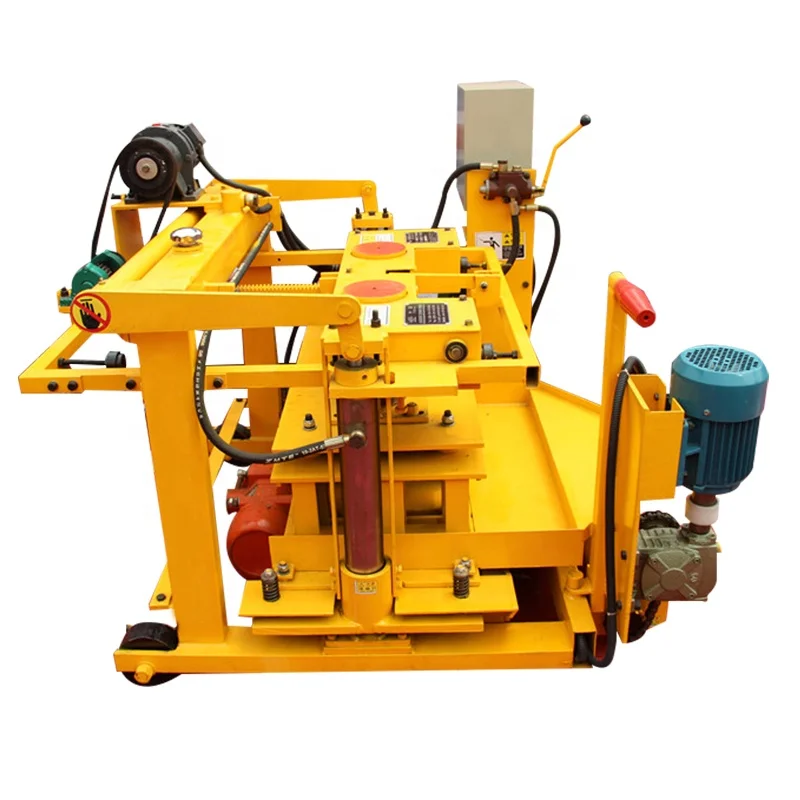
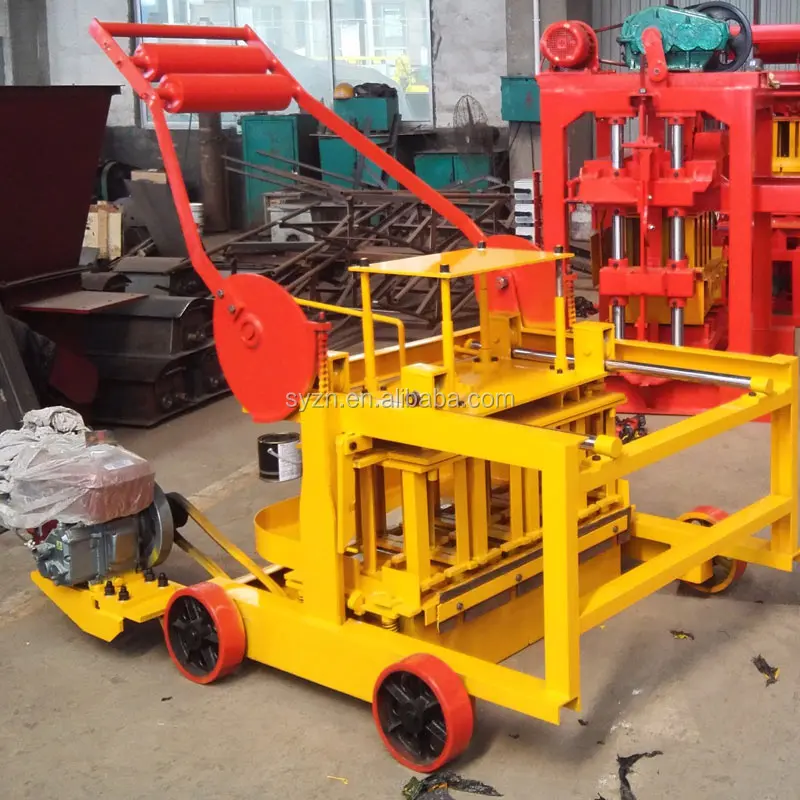
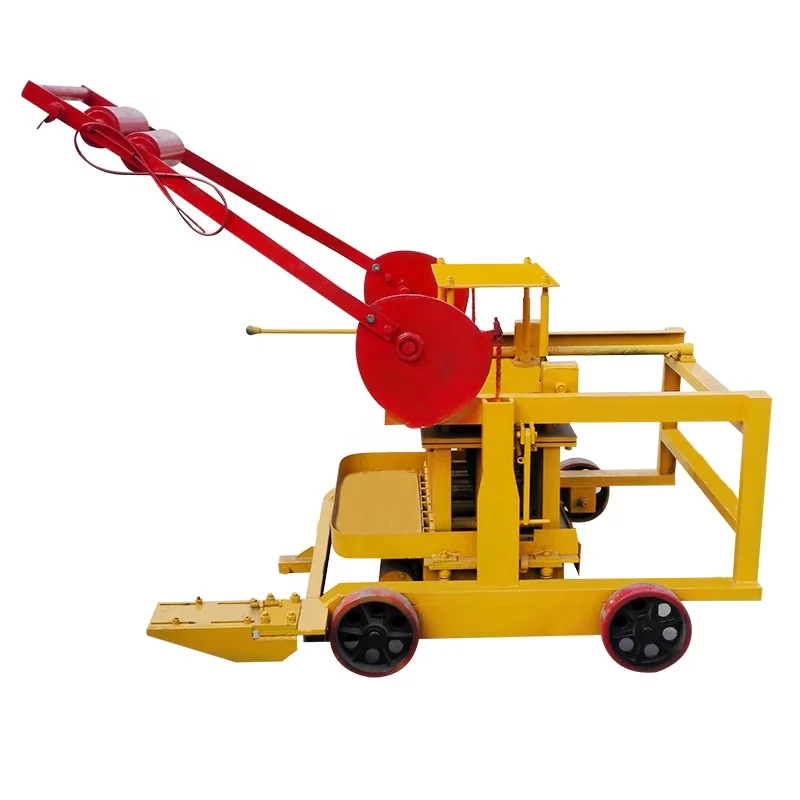
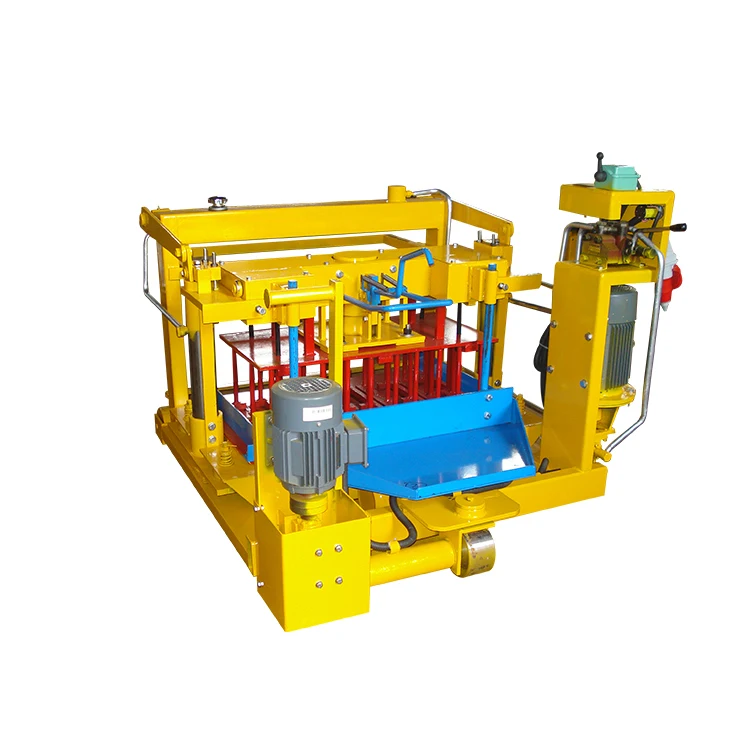
| Overall Dimensions (L×W×H) | 1200×1200×1100 mm |
| Net Weight | 950 kg |
| Automation Level | Manual / mobile egg-laying type |
| Assembly State | Single-unit mobile machine, no fixed plant required |
| Mould Format | Changeable for hollow block and solid brick |
| Output (400×200×200 mm hollow block) | 4 pcs/mould, 480 pcs/hour, 3840 pcs/8 hours |
| Output (400×150×200 mm hollow block) | 5 pcs/mould, 600 pcs/hour, 4800 pcs/8 hours |
| Output (400×100×200 mm hollow block) | 7 pcs/mould, 840 pcs/hour, 6720 pcs/8 hours |
| Raw Materials | Cement, sand, crushed stones, slag |
| Warranty | One year |
Application Suitability
| Application | Material or Output |
|---|---|
| On-site construction block production | Hollow blocks from cement, sand and crushed stone without fixed plant infrastructure |
| Small-scale brick manufacturing | Solid bricks and hollow blocks in changeable mould formats |
| Entrepreneur first block plant | Low-investment egg-laying production on compact ground area |
| Remote project supply | Mobile block output using locally sourced aggregate and slag |
| Contractor self-supply | Daily hollow block volumes produced directly at the building site |
Why "480 Blocks per Hour" Does Not Tell the Whole Story
Every output figure on the QMY4-30 is tied to a named block format, so you can plan real daily production instead of guessing.
Capacity claims in the mobile block machine market rarely state which block size they assume. A headline number may come from the smallest format the mould can produce, while the block your local market actually buys runs at a noticeably slower rate. When vibration force and hydraulic pressure are not matched to your mix design and local aggregate, block density drops and daily output shrinks further. [NEED_CITE: effect of aggregate gradation on concrete block density] I have seen machines arrive at a job site and produce barely more than half the quoted volume because the sand contained clay levels the manufacturer never asked about.
Mould Change and Format Flexibility on the Job Site
The QMY4-30 supports a changeable mould system that covers standard hollow block dimensions and solid brick formats. When your market shifts demand from 200 mm hollow blocks to 150 mm partitions, a mould swap on site lets the same machine follow that demand without buying a second press. Mould drawings can be confirmed against your product catalogue before the machine ships, so the formats loaded on the first day match what your buyers actually order. This format-level matching is the core of how to choose the right mobile block machine specifications for a given local market.
Matching Raw Materials to Local Supply
This mobile concrete block making machine accepts cement, sand, crushed stones and slag. The critical step before configuration is understanding your local aggregate. River sand with high silt content changes water demand and weakens the finished block. A crusher dust with poor gradation leaves voids that vibration alone cannot close. We configure the mould clearance and vibration duration around the aggregate report you provide, not around a catalogue default that assumes clean graded sand. [NEED_CITE: impact of local aggregate quality on concrete block compressive strength]
Reading the Numbers That Matter
The 30-second molding cycle applies across formats, but the pieces per mould vary: four for 400×200×200 mm, five for 400×150×200 mm, and seven for 400×100×200 mm. This means realistic eight-hour output ranges from 3840 to 6720 pieces depending on which block you run. The 5 kW rated power keeps generator sizing manageable for remote sites where grid connection is unreliable. At 950 kg net weight and 1200×1200×1100 mm overall dimensions, the machine can be relocated within a site by a standard forklift, which matters when your curing area needs to rotate with the building footprint.
The Cost of Skipping the Aggregate Conversation
When a mobile egg-laying machine is ordered on cycle time alone and the buyer’s local sand turns out to carry significant clay, the blocks leave the mould soft-edged and break during handling. The operator slows the cycle to compensate, cutting daily volume well below the quoted figure. Moulds wear faster against abrasive crusher dust that was never declared, and replacement parts arrive weeks after production stalls. [NEED_CITE: common causes of premature mould wear in concrete block production] These problems are not machine defects — they are specification gaps that a material conversation before order would have prevented.
Why Sizing Matters More Than Brand Loyalty
Block machinery as a single focus means the QMY4-30 is specified with its mould, pallet requirements and handling sequence as one matched set, not assembled from separate suppliers who blame each other when output falls short. Configuration starts from your actual mix design and target block format rather than a default line in a brochure. Mould design covers the formats your market sells, and custom drawings are confirmed before cutting steel. The automation path allows starting with this manual egg-laying unit and moving to a semi-automatic line later without replacing the knowledge base your operators already learned. Installation support and operator training arrive with the machine, not as an optional extra negotiated after the deposit. [NEED_CITE: benefits of single-source block machinery supply for commissioning]
Documentation & Verification
- Capacity calculation sheet stating the exact block format behind each output row
- Mould drawing and format list confirming every block size the supplied moulds produce
- Voltage, frequency and control language confirmation document signed before production
- Factory test record run on your specified block dimensions before crating
- Operation and maintenance manual with wear parts and mould replacement intervals
- Packing photographs and customs documentation support for your port of entry
Installation, Commissioning & Support
- Level compacted ground required across the 1200×1200 mm footprint with no fixed foundation
- Dedicated 5 kW circuit at confirmed voltage and frequency to avoid motor damage during startup
- Single-unit delivery at 950 kg allows forklift unloading without crane hire on site
- First-day commissioning includes mould fit check and cycle timing against your block format
- Operator training covers mould change procedure, mix ratio adjustment and daily maintenance points
- Wear parts list provided with mould reorder lead times for uninterrupted production scheduling
What We Need Before Quoting
To size the QMY4-30 correctly for your project, share the block dimensions your market demands and the daily volume you need per format. Provide a sample or lab report of your local sand and aggregate so the mould and vibration settings match what you can actually source. Confirm your site voltage, frequency and the control display language your operators require so commissioning proceeds without electrical rework after arrival.
Frequently Asked Questions
Q: How is the output capacity of the QMY4-30 verified per block format?
A: Each output figure is calculated from the 30-second cycle time multiplied by the pieces per mould for that specific block dimension. The 400×200×200 mm hollow block yields 3840 pieces over eight hours, while the 400×100×200 mm format produces 6720 in the same period. A capacity document listing every format and its corresponding figure is supplied with the quotation.
Q: Which mould formats are available and how does a changeover work on site?
A: The QMY4-30 accepts changeable moulds for standard hollow block sizes and solid brick formats. Mould drawings are confirmed to your product range before manufacturing. On-site changeover involves unbolting the current mould, fitting the replacement and recalibrating the vibration contact point, a process completed within a single shift by a trained operator.
Q: What raw material conditions does this machine need for consistent block strength?
A: Cement, sand, crushed stones and slag are all compatible, but the aggregate gradation and silt content directly affect block density. A material report allows the mould clearance and vibration duration to be set for your local supply. Running untested high-clay sand without adjustment leads to soft blocks and lower daily throughput.
Q: What electrical and control details must be confirmed before the machine ships?
A: Voltage, frequency and the PLC or control display language are confirmed in writing before production begins. Mismatched voltage damages the 5 kW motor, and an unfamiliar control language slows operator training. The confirmation document is part of the standard dispatch paperwork.
Q: What ground and curing conditions does a mobile egg-laying machine require?
A: The QMY4-30 needs level, compacted ground across its 1200×1200 mm working area — no poured concrete foundation is necessary. The egg-laying method means blocks cure on the ground where they are laid, so your curing area must be large enough for the daily output and accessible for water spraying during the curing period.