
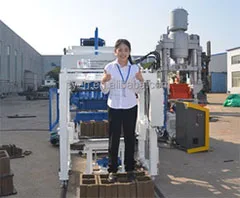
Description
Format-matched output — Every capacity figure on the QT4-16 block making machine is stated per block type and pallet, so your daily volume matches what the machine actually runs, not a single catalogue peak.
Technical Specifications
| Parameter | Value |
|---|---|
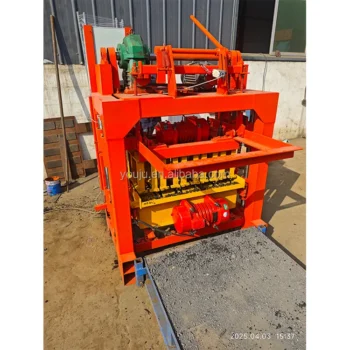
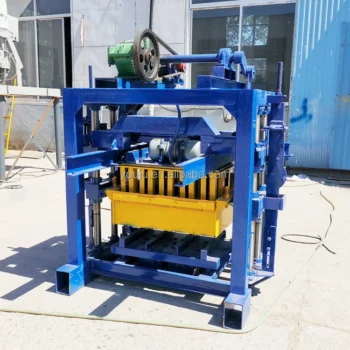
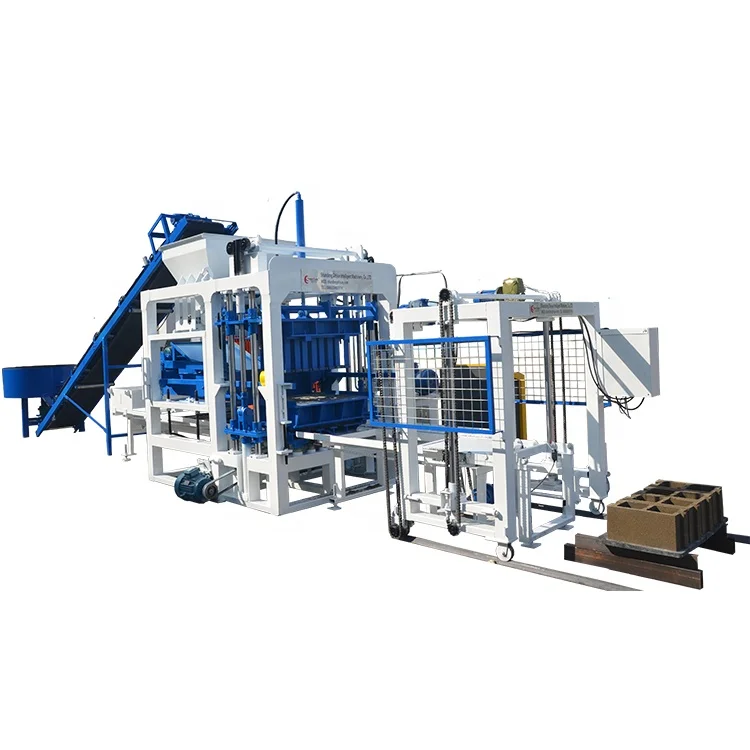
| Product Type | Stationary Concrete Block Making Machine |
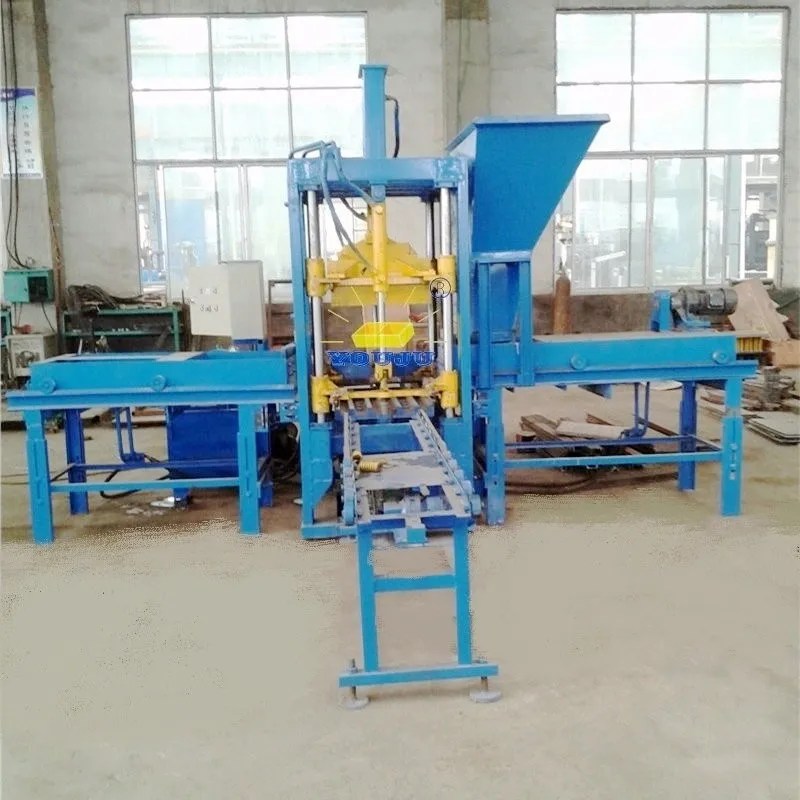
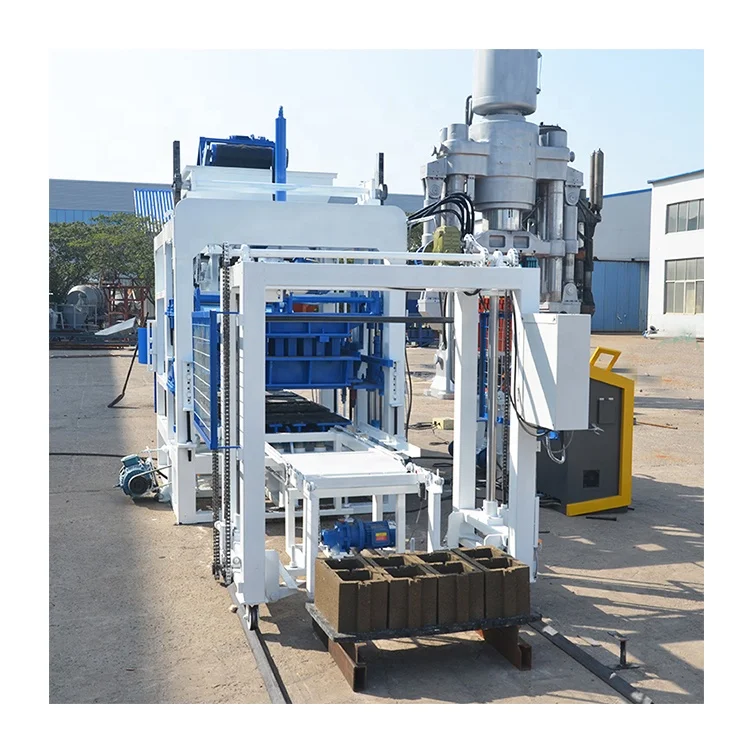
| Overall Dimension | 7400 × 1950 × 2800 mm |
| Rated Pressure | 21 MPa |
| Main Vibration Form | Platform Vibration |
| Vibration Frequency | 2800–4500 r/min |
| Vibration Force | 40 kN |
| Pallet Size | 900 × 550 mm |
| Molding Cycle | 15–20 s (basis not stated in source — confirm block format / material / thickness) |
| Total Mass | 5 T |
| Demolding Method | Hydraulic |
| Factory Area | 600 m² |
| Control System | PLC intelligent control with man-machine interface, fault diagnosis, remote control function |
| Machine Frame | Manganese steel, China national standard |
| Raw Materials | Crushed stone, sand, cement, fly ash, gravel, slag, dust |
Application Suitability
| Application | Material or Output |
|---|---|
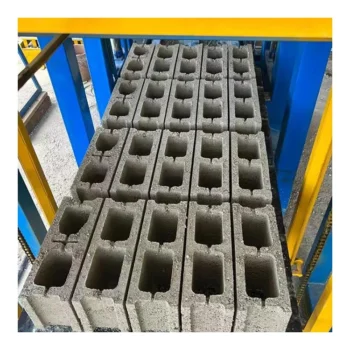
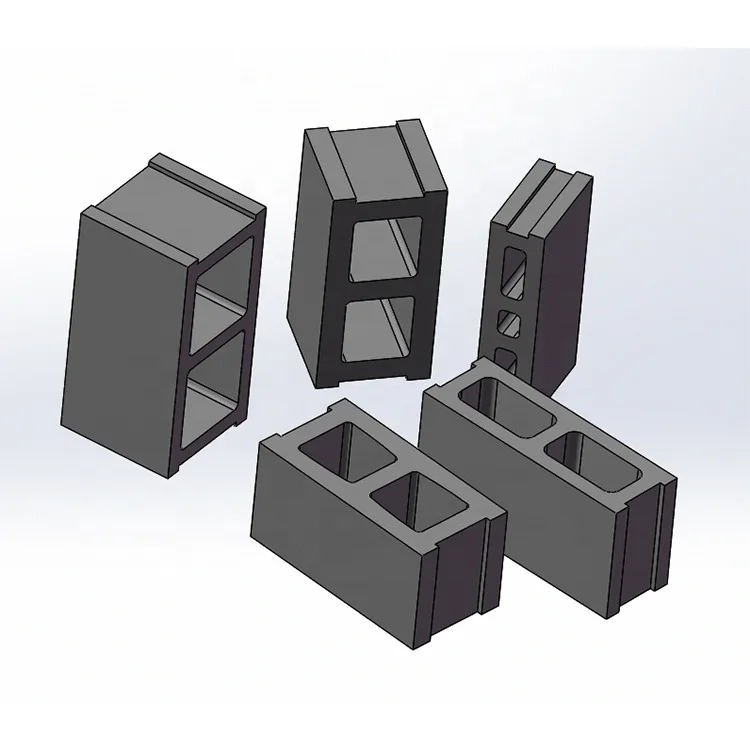
| Hollow block production for wall construction | Crushed stone, sand, cement, fly ash blends |
| Solid block manufacturing for load-bearing structures | Dense aggregate and cement mixes |
| Paving block and colored paver runs | Fine aggregate with pigment additives |
| Interlocking block production for landscaping | Gravel, sand, and cement combinations |
| Kerbstone forming for road and pavement edges | Coarse aggregate with high cement content |
What "15–20 Seconds per Cycle" Really Means for QT4-16 Block Making Machine Specifications
Cycle time is only meaningful when tied to the exact block format, mix design, and pallet configuration you intend to run.
A cycle quoted at 15–20 seconds might hold for a thin paver on a clean sand mix but stretch considerably when you switch to a tall hollow block with fly ash aggregate. The vibration frequency range of 2800–4500 r/min and 40 kN force must be tuned to your specific material — otherwise, under-compaction leads to weak blocks or over-vibration causes edge spalling. [NEED_CITE: effect of vibration frequency on concrete block density and strength] Buyers who skip this validation often find their real output falls well short of what the brochure implied.
Matching the Mould to Your Market’s Block Format
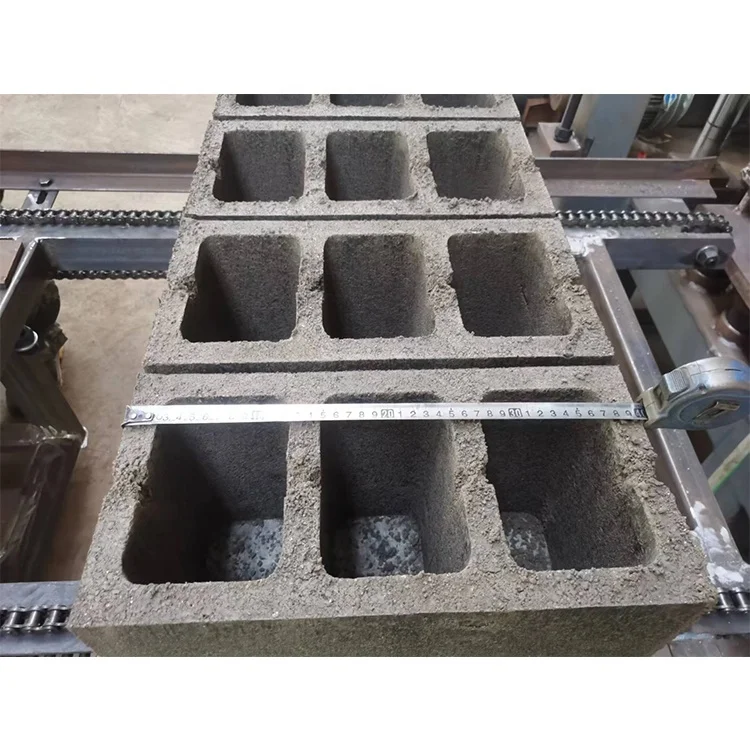
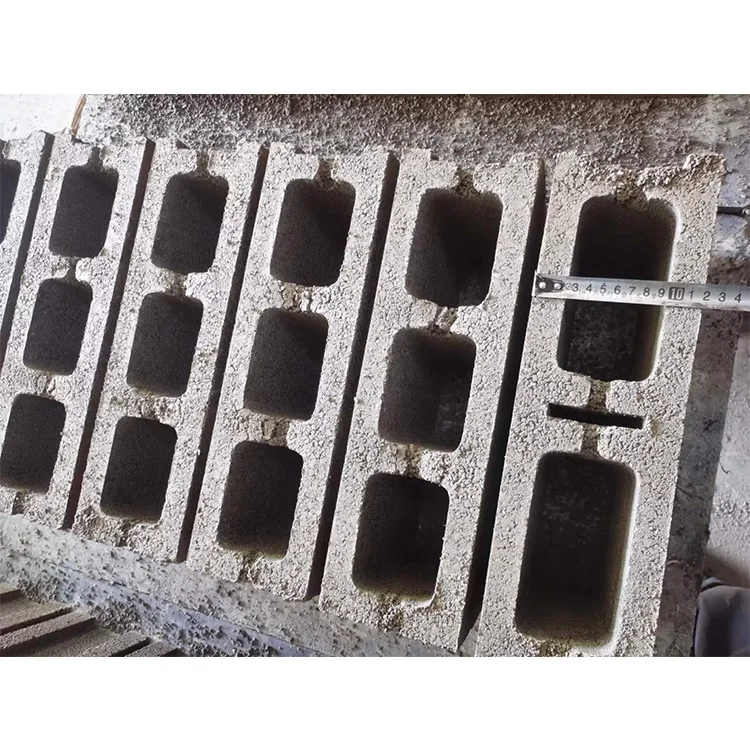
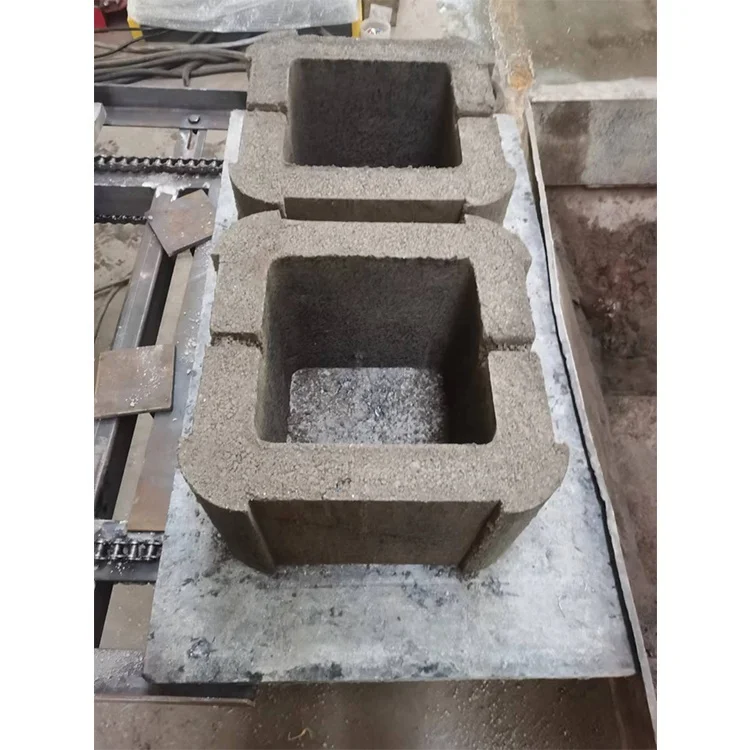
The QT4-16 block making machine accepts moulds for hollow blocks, solid blocks, pavers, interlocking bricks, and kerbstones, but each format demands a different cavity layout on the 900 × 550 mm pallet. A hollow block mould might yield four pieces per cycle while a paver mould produces a denser grid. Knowing your market’s top-selling format determines which mould set to quote first and how the daily capacity calculation gets built around that specific product.
Pallet Size and Curing Area Alignment
The 900 × 550 mm pallet defines how many blocks leave the press each cycle and how they move through your curing zone. If your existing curing racks were built for a different pallet dimension, every handling step downstream becomes a bottleneck. Confirming pallet specifications against your rack spacing and forklift fork width before the machine enters production prevents costly rework after arrival. [NEED_CITE: pallet dimension compatibility with curing rack systems in block plants]
Reading the Specs That Actually Shape Output
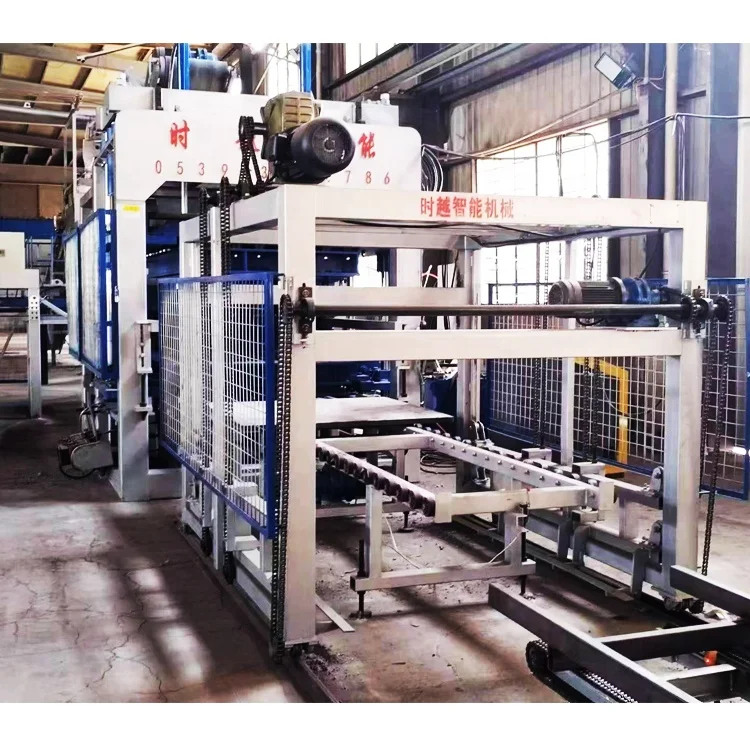
Rated pressure at 21 MPa and vibration force at 40 kN work together to compact the mix into a dense, consistent block. Higher hydraulic pressure alone does not guarantee strength — the vibration must liquefy the mix sufficiently for the pressure to consolidate it evenly. The platform vibration form transmits energy through the pallet rather than the mould walls, which suits heavier aggregate mixes. PLC intelligent control with fault diagnosis lets the operator monitor pressure and vibration in real time, catching deviations before an entire batch is lost. The manganese steel frame carries the 5-tonne mass and repeated vibration loads without fatigue cracking over extended production runs.
The Hidden Cost of Unvalidated Configuration
When vibration frequency and hydraulic pressure are set to catalogue defaults instead of your actual mix, blocks leave the press looking acceptable but fail compressive strength tests days later. A pallet size chosen without checking your curing rack dimensions means pallets stack unevenly, blocks crack during curing, and forklift operators struggle with misaligned loads. [NEED_CITE: common causes of block strength failure in stationary block production] These problems surface weeks after commissioning, long after the installer has left the site.
Why Source This Machine Here
Configuration starts from your sample materials — sand, stone dust, fly ash — tested to set vibration frequency and pressure before the machine is finalized. Mould design covers the formats your local market actually buys, with custom drawings accepted for non-standard shapes. The pallet specification is confirmed against your curing area and handling equipment, not picked from a default list. Voltage, frequency, and PLC display language are locked in writing before production begins. The automation level is selectable, allowing you to start with semi-automatic pallet handling and add automatic stacking later as volume grows.
Documentation & Verification
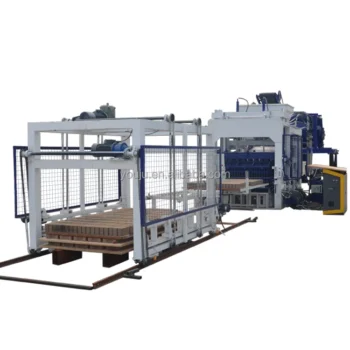
- Line layout showing capacity per block format for the QT4-16
- Mould drawing and format list covering your target product range
- Pallet specification matched to your curing rack and forklift
- Voltage and PLC language confirmation before production starts
- Factory test record run on your confirmed mix design
Installation, Commissioning & Support
- Foundation plan sized to the 7400 × 1950 mm footprint and 5-tonne operating mass
- Electrical supply matched to confirmed voltage and frequency for the PLC system
- Vibration frequency and hydraulic pressure calibrated on-site using your raw materials
- Operator training covering PLC fault diagnosis and mould change procedures
- Wear parts list with mould and hydraulic seal replacement intervals
- Remote control function available for troubleshooting after commissioning
Before You Request a Quote
Send your target block format, required daily output, and local raw material samples so the vibration and pressure settings can be validated. Confirm your existing pallet dimensions, curing rack layout, and site voltage and frequency so the QT4-16 block making machine specifications align with your plant from day one.
Frequently Asked Questions
Q: What is the real daily output of the QT4-16 for each block format?
A: Daily output depends on the block format, mix design, and pallet configuration you run. The 15–20 second molding cycle is a range that must be validated against your specific hollow block, solid block, or paver dimensions. We provide a capacity calculation per format after reviewing your target product and raw materials.
Q: How does the 900 × 550 mm pallet align with my curing area?
A: The pallet size determines rack spacing, stacking height, and forklift handling. We confirm your existing curing rack dimensions and forklift capacity before finalizing the pallet specification so blocks move smoothly from press to curing without manual repositioning or uneven stacking.
Q: Can the mould set cover my market’s specific block formats?
A: Yes. Moulds are designed for hollow blocks, solid blocks, pavers, interlocking bricks, and kerbstones. Custom mould designs based on your drawings are available for non-standard formats. Each quoted mould set comes with a format list and drawing for your approval before manufacturing.
Q: What voltage and PLC language options are available?
A: Voltage and frequency are confirmed in writing to match your local supply before production. The PLC intelligent control system supports multiple display languages, selected during the ordering process so operators can read fault codes and parameters in their working language from the first day of operation.
Q: How long does a mould change take on this machine?
A: Mould change time depends on the format switch and operator familiarity. The hydraulic demolding system and platform vibration design allow the mould to be unbolted and swapped without heavy lifting equipment. Training covers the procedure so your team can complete changeovers within a planned maintenance window.