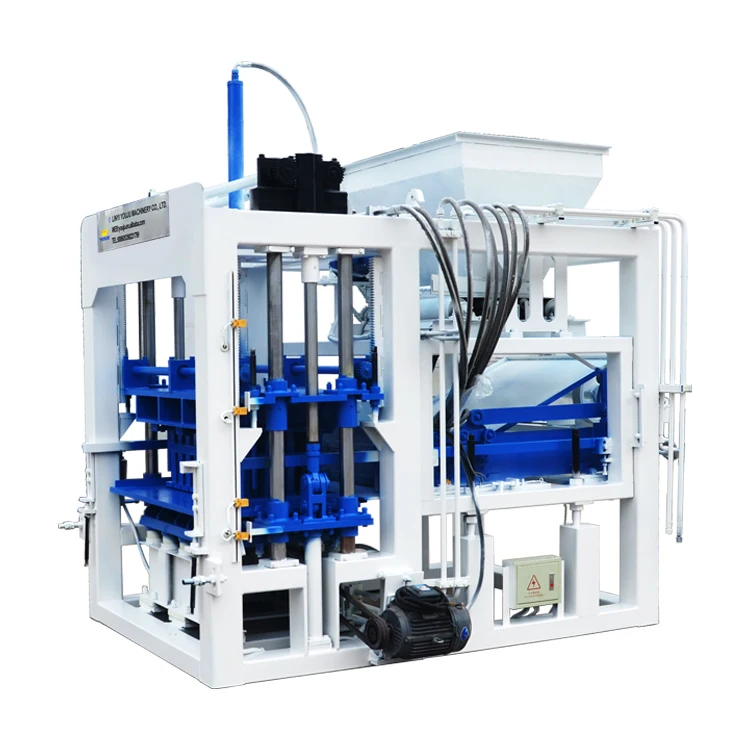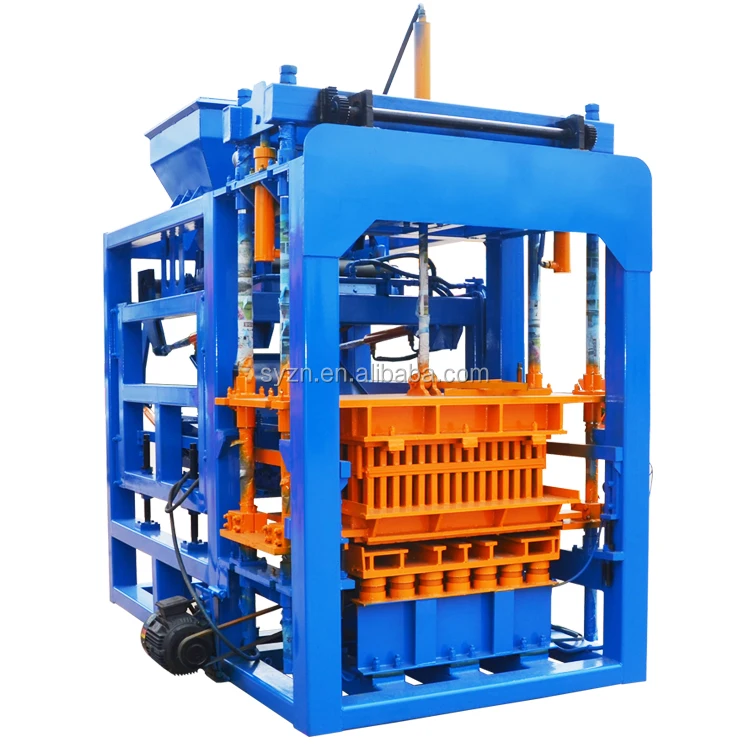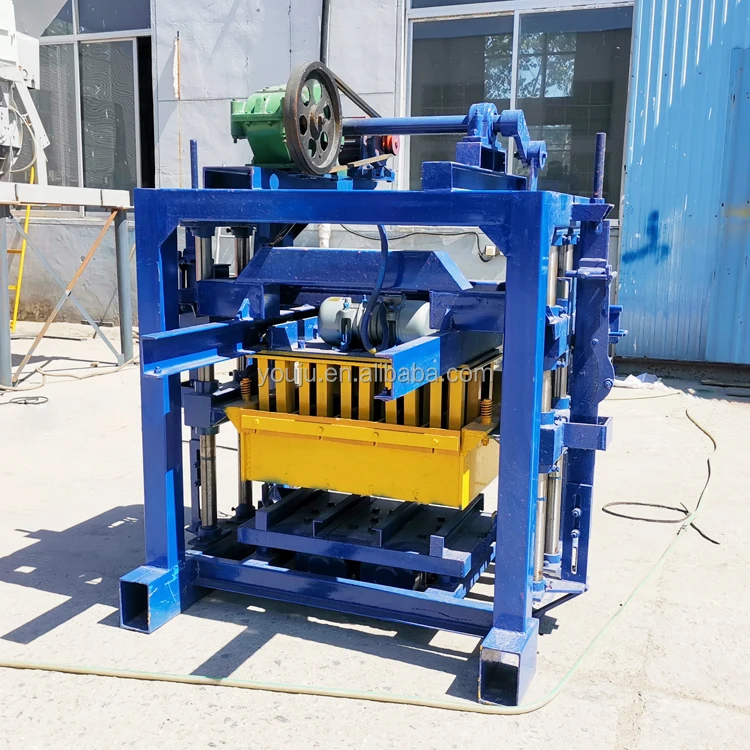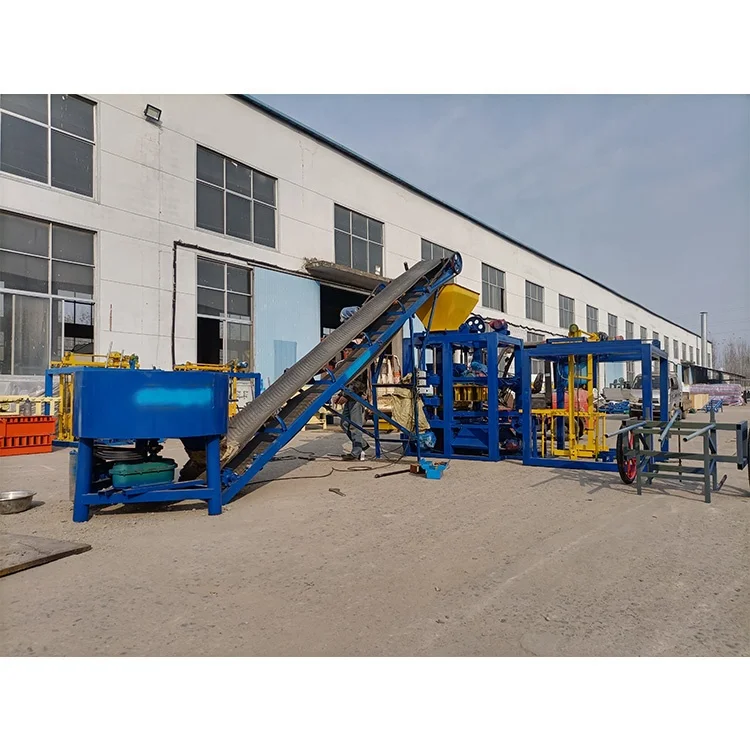
Description
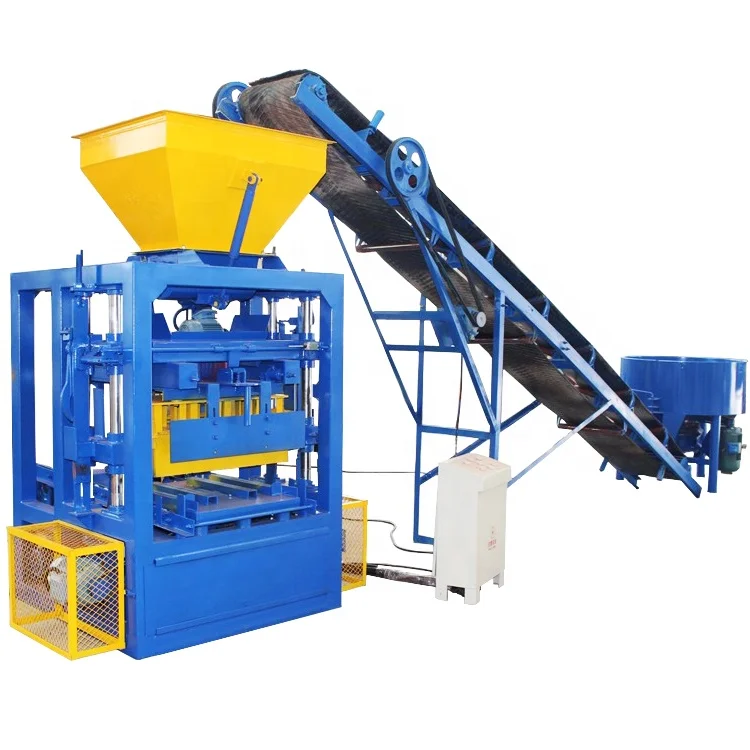
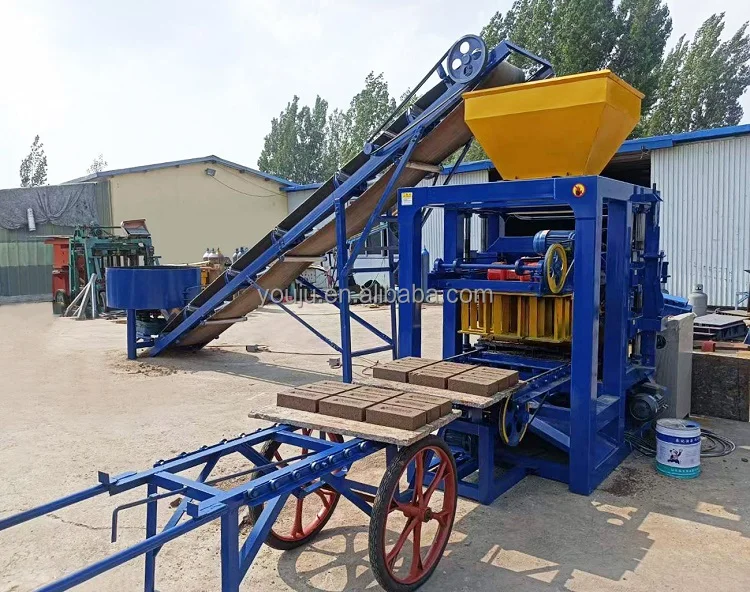
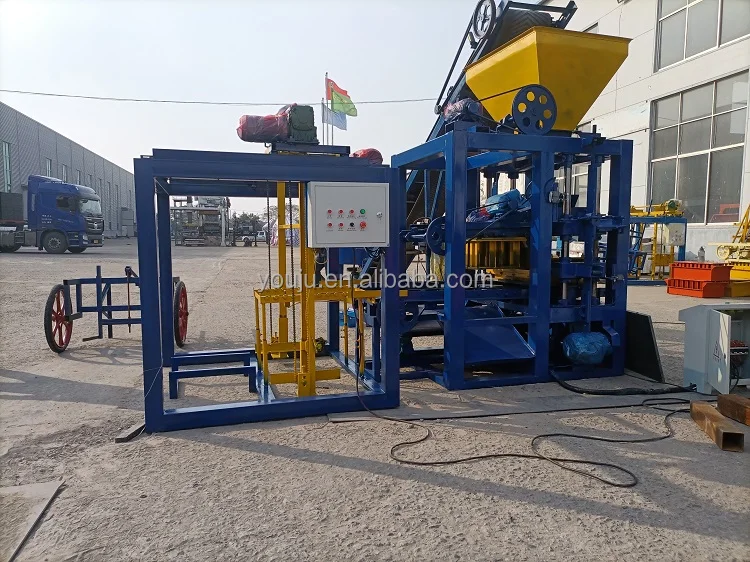
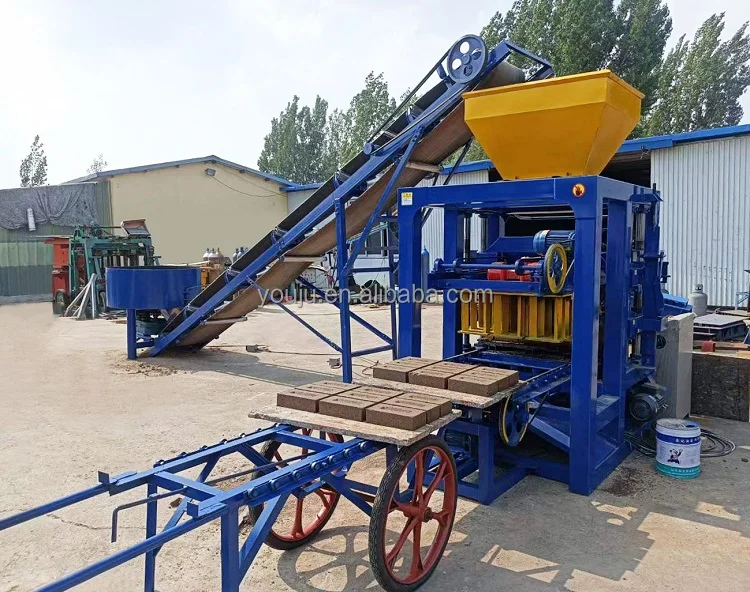
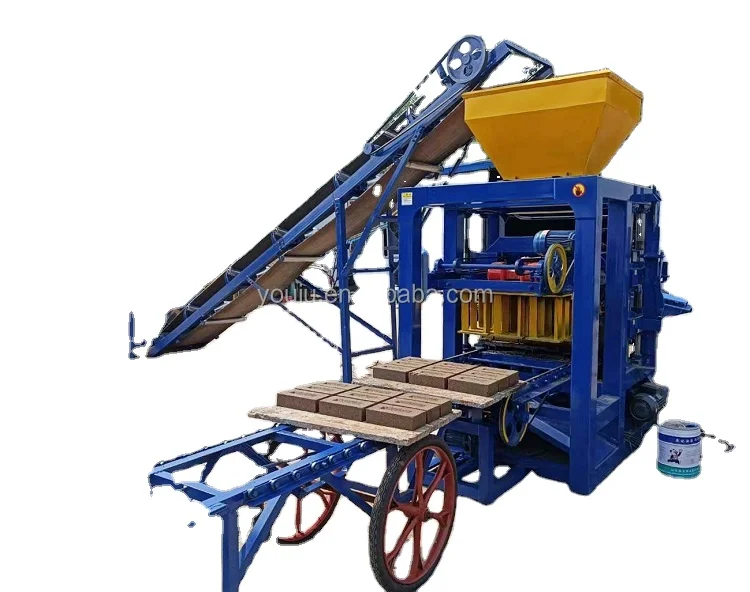
Pallet-matched capacity mapping — we state cycle time and daily output per block format on the 850×450mm pallet so the QTJ4-24 semi-automatic block machine specifications align with what your market actually buys.
Technical Specifications
| Parameter | Value |
|---|---|
| Model | QTJ4-24 |
| Product Type | Semi-Automatic Concrete Block Making Machine |
| Molding Type | Platform Vibration |
| Overall Dimensions (L×W×H) | 3600mm × 1700mm × 2560mm (working state) |
| Total Mass | 1750kgs |
| Pallet Size | 850mm × 450mm |
| Overall Power | 14.25KW |
| Vibration System | Lower platform (2 × 3kW) + Upper attached (1.5kW) |
| Hollow Block Mould Format | 390mm × 190mm × 190mm (4 pcs/mould) |
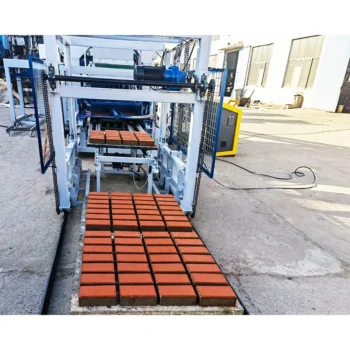
| Solid Brick Mould Format | 240mm × 115mm × 53mm (21 pcs/mould) |
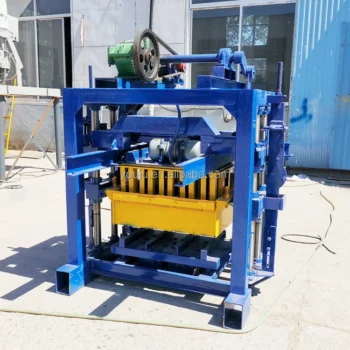
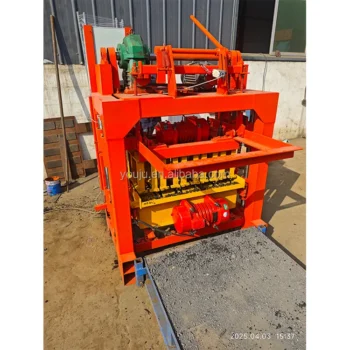
| Machine Frame | Dragon gate style, four wear-resisting vertical shafts |
| Elevating System | Cone-shape motor, JZQ250 speed reducer, V-belt |
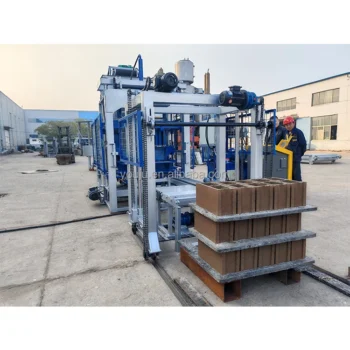
| Delivery Device | Cycloidal pin wheel reducer, chains, self-conveying frame |
| Material Storing Device | Top releasing hopper + bottom storing hopper |
| Assembly State | Stationary, requires platform foundation |
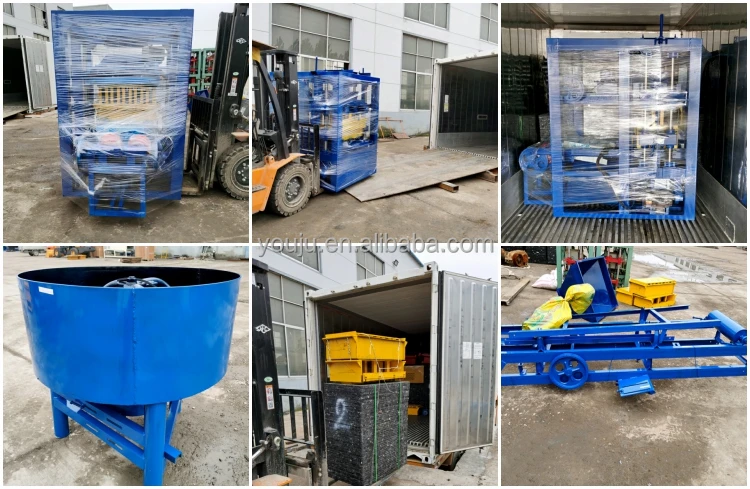
| Supporting Equipment (Basic) | JQ350 pan mixer, 6m belt conveyor, trolley |
| Cycle Time | (basis not stated in source) |
| Output Capacity | (basis to be confirmed per block format) |
Application Suitability
| Application | Material or Output |
|---|---|
| Small-scale block plants | Hollow blocks from crushed stone, sand and cement |
| On-site contractor production | Solid bricks for internal walls using local aggregate |
| Entrepreneurial startups | Pavers and kerbstones matching the 850×450mm pallet footprint |
| Format expansion for existing yards | Custom mould shapes using existing raw material mix |
Why "Cycles Per Hour" Fails the Buyer
A quoted speed means nothing without the block format attached. The QTJ4-24 semi-automatic block machine specifications only become useful once cycle time is mapped against the exact mould you intend to run. [NEED_CITE: impact of aggregate size on vibration cycle time]
Buyers routinely see capacity headlines that assume a 400×200×200mm hollow block, then discover their local market demands 240×115×53mm solid bricks which run at a completely different cadence. A mismatch here leaves the press idle while operators manually handle pallets, wiping out the throughput the quotation promised.
Pallet Size as the Real Constraint
The 850×450mm pallet dictates everything downstream of the press. Your curing yard layout, forklift tine spacing and stacking height all depend on this dimension staying fixed across every format change. Mould designs that do not respect this boundary force the operator into constant manual adjustment.
Matching Vibration to Local Aggregate
Block strength consistency comes from pairing the lower platform vibration and upper attached vibrator with the buyer’s specific mix design. [NEED_CITE: concrete density variation by aggregate type] A machine tuned for crushed granite will produce weak edges when fed lightweight volcanic ash, regardless of how many kilowatts the motors deliver.
The Cost of Ignoring Voltage and Control Language
Arrival delays happen when electrical specifications are left to chance. The QTJ4-24 semi-automatic block machine specifications include a 14.25KW overall power draw that must be matched to your site’s voltage and frequency before shipment. A control panel displaying instructions in an unreadable language adds days of downtime while translations are improvised on the shop floor. [NEED_CITE: industrial electrical standards for export markets]
Mould Change and Format Flexibility
The dragon gate frame with four vertical shafts keeps the upper and lower mould halves aligned during changeover. This alignment directly determines how fast a crew can switch from hollow blocks to solid bricks without scraping damaged edges. Without precise shaft guidance, each change costs a significant portion of a shift in lost production.
Reading the Frame and Drive Train
The JZQ250 speed reducer paired with the cone-shape motor handles the elevating load of the mould assembly. This reducer size sets the maximum mould weight the system can lift repeatedly without overheating. Below, the cycloidal pin wheel reducer on the delivery device manages the pallet feed speed, which must synchronize with the press cycle to prevent the machine from waiting idle between strokes.
What Misconfiguration Actually Costs
Ordering a machine configured for a raw material you cannot source locally forces a complete mix reformulation after arrival. [NEED_CITE: raw material substitution impact on block strength] Pallet handling left out of the quotation means output piles up at the machine exit, requiring manual labour that negates the semi-automatic investment. Voltage confirmed too late delays commissioning by weeks while transformers are sourced locally.
Sourcing Logic Behind This Configuration
The QTJ4-24 is specified around the buyer’s target block format and local aggregate, not a default catalogue page. Mould drawings are confirmed before production so the 390×190×190mm hollow block or 240×115×53mm solid brick actually matches what sells in the destination market. Supporting equipment like the JQ350 pan mixer is quoted as a matched set so the press is never starved of material. Automation level can be expanded later with optional stacking equipment rather than requiring a full replacement.
Documentation & Verification
- Factory test record showing cycle time on buyer’s requested block format before dispatch
- Mould drawing confirming upper and lower box dimensions for each ordered format
- Pallet specification sheet matching material type to curing yard conditions
- Voltage and frequency confirmation signed off before shipment leaves the factory
- Operation manual translated to the buyer’s requested language
Installation, Commissioning & Support
- Stationary platform foundation must support the 1750kgs total mass and vibration load
- Dedicated electrical circuit sized for the 14.25KW overall power draw
- Machine arrives fully assembled requiring only connection to power and mixer feed
- First-run commissioning includes cycle time verification against quoted output per format
- Operator training covers mould change procedure using the vertical guide shaft system
- Wear parts list identifies items requiring replacement based on production hours
Requesting a Format-Matched Quotation
Send your target block format with exact dimensions, the daily output required for that specific shape, and a sample of the local aggregate you plan to use. Confirm your site voltage, frequency and the language needed on the control display. Include your curing yard dimensions so pallet handling equipment can be sized correctly.
Frequently Asked Questions
Q: How do I verify the real daily output for my block format?
A: Request a capacity calculation that states cycle time specifically for your target block dimensions and mix design. Generic cycles-per-hour figures assume a standard hollow block that may not match your market demand.
Q: Can I use my own forklift with the standard pallet size?
A: The 850×450mm pallet must match your existing forklift tine spacing and curing yard racking. Confirm these dimensions before ordering so pallet handling does not require unexpected equipment changes.
Q: What if my local aggregate differs from the standard mix?
A: The vibration system must be adjusted to match your specific raw material profile. Providing a sample of local aggregate allows the factory to tune the lower and upper vibration motors for consistent block density.
Q: How long does a typical mould change take on this frame?
A: The four vertical guide shafts keep the mould halves aligned, reducing changeover time compared to unguided frames. Exact timing depends on crew training and whether the new mould matches the existing pallet footprint.