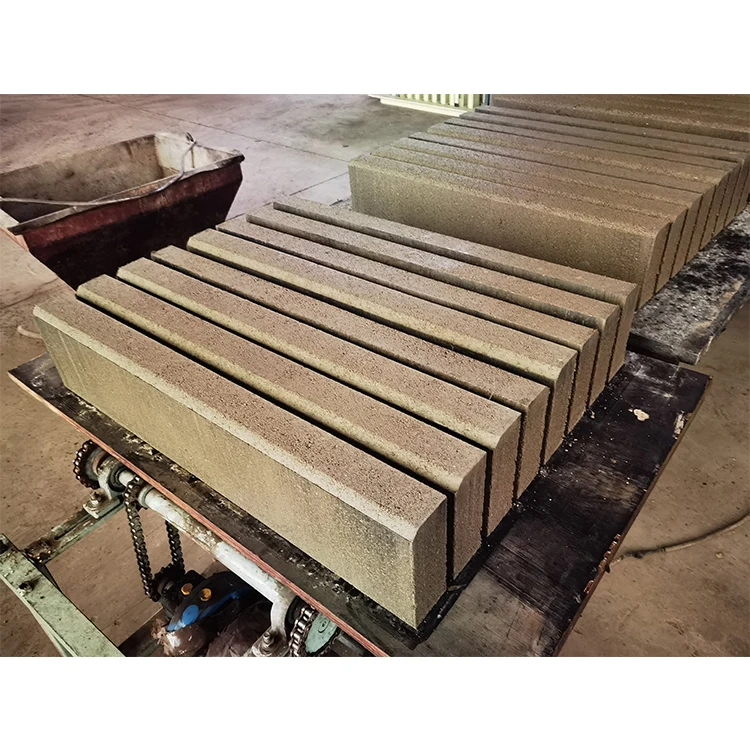
Description
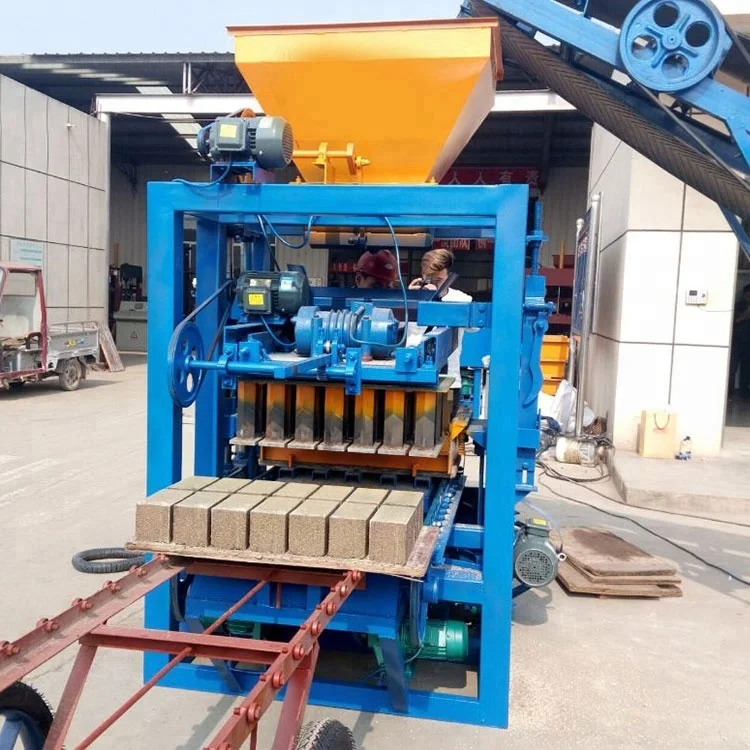
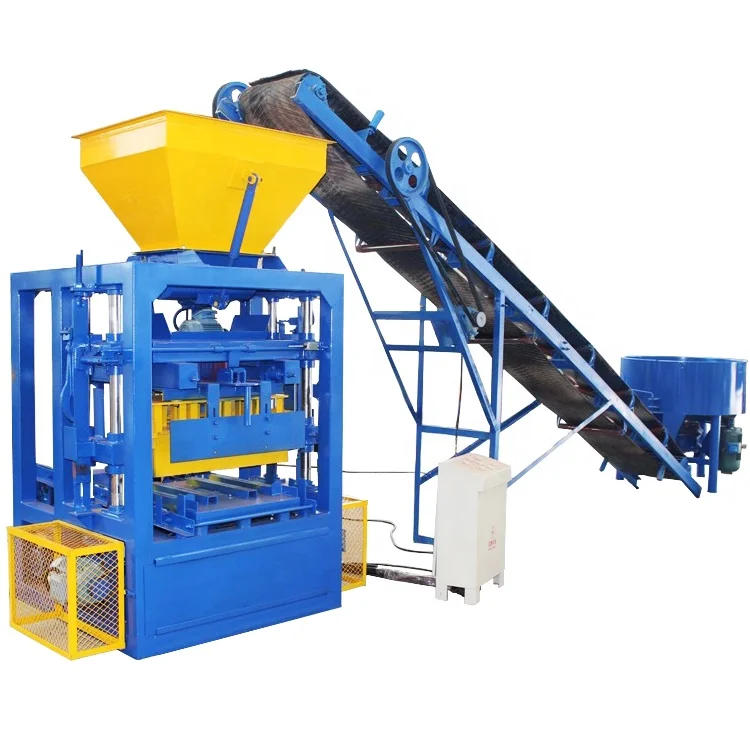
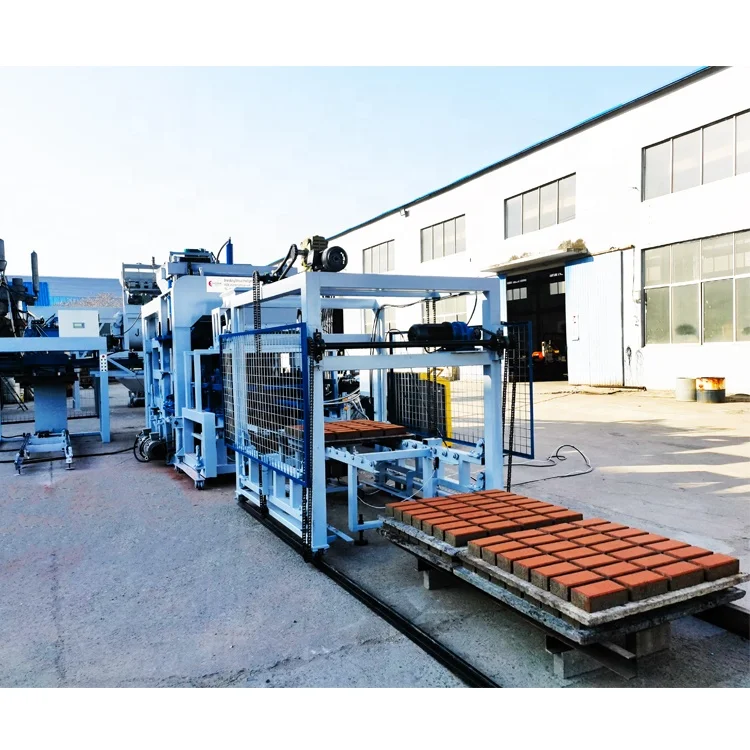
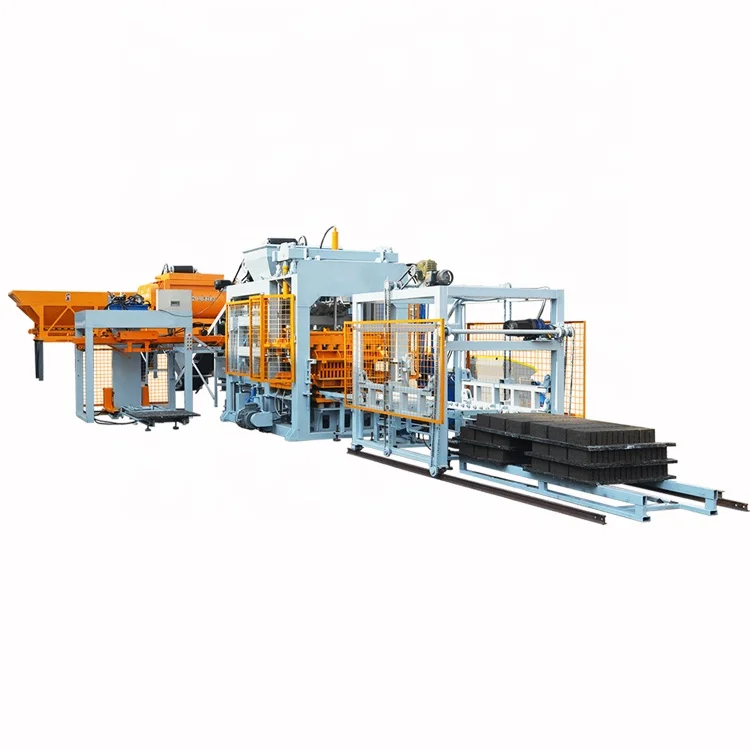
Matched System Sizing — the QT8-15 block machine specifications are set against your actual block format, local aggregate, and pallet handling setup rather than pulled from a generic catalog row.
Technical Specifications
| Parameter | Value |
|---|---|
| Model | QT8-15 |
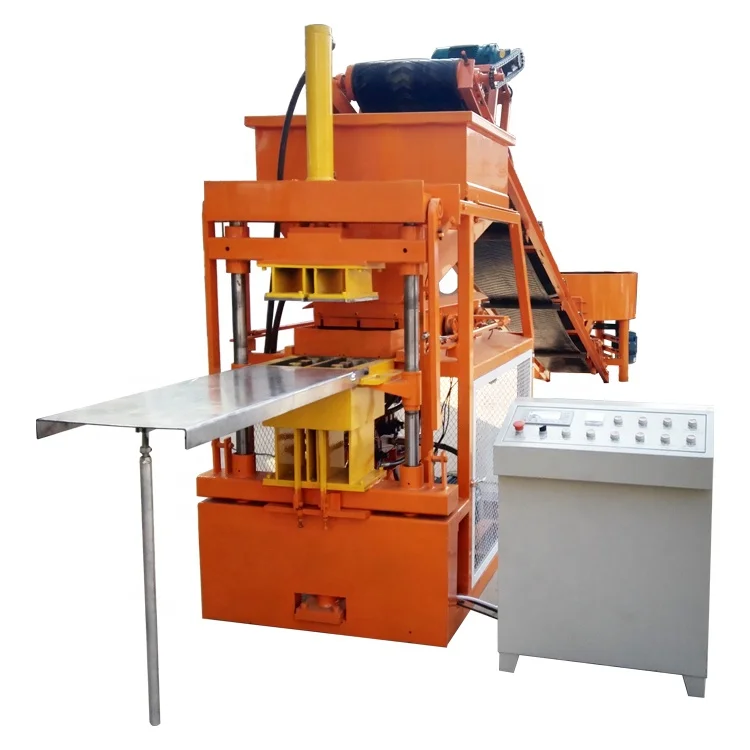
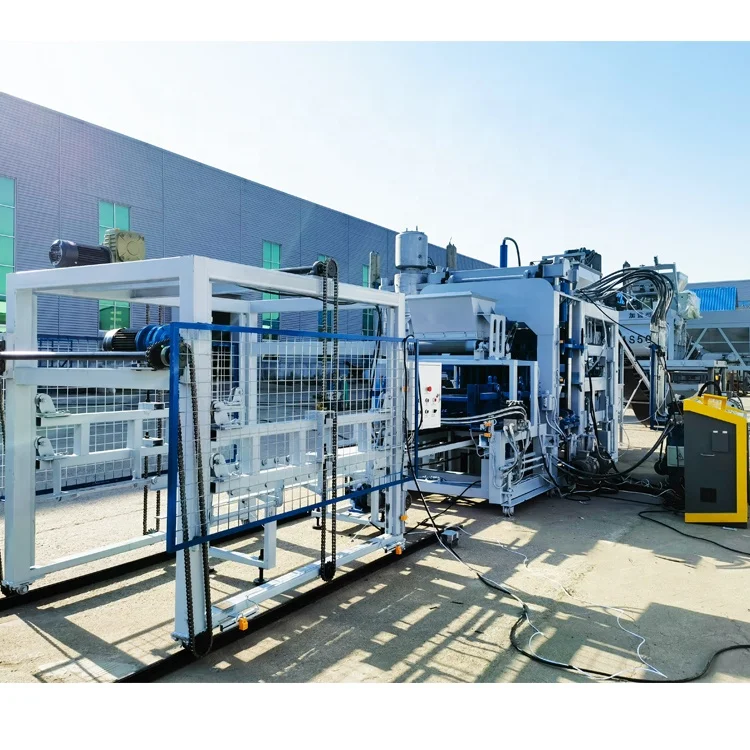
| Product Type | Hydraulic Concrete Block Making Machine |
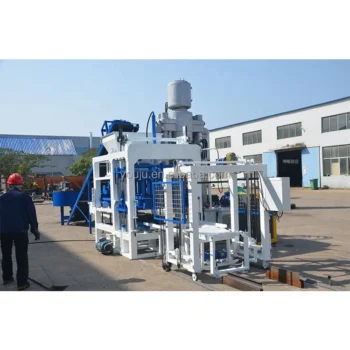
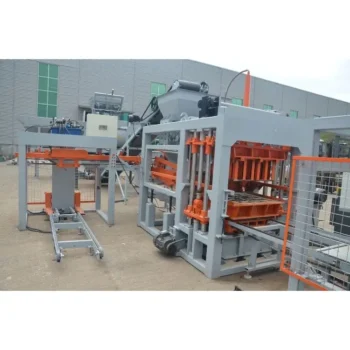
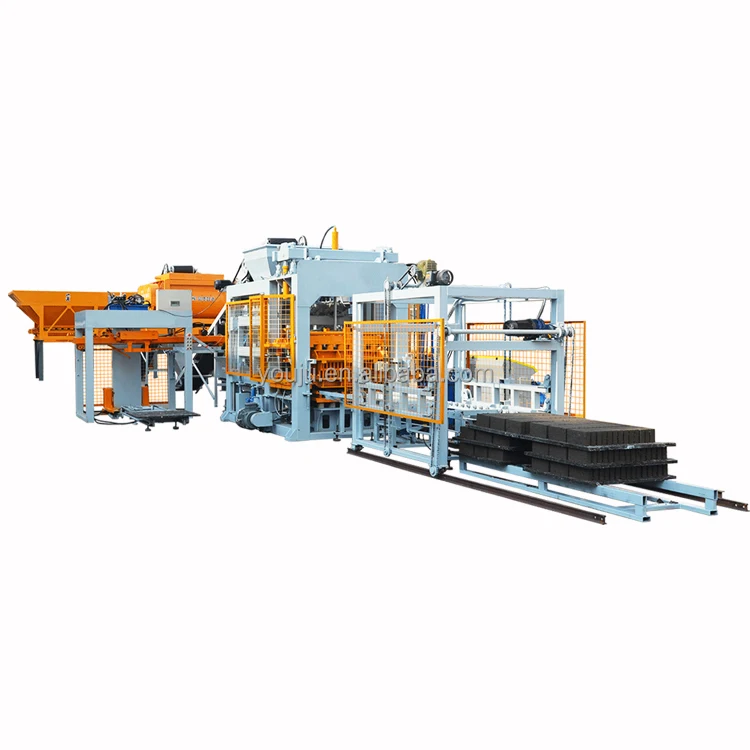
| Overall Dimensions (L×W×H) | 8300 × 1860 × 3000 mm |
| Rated Pressure | 21 MPa |
| Main Vibration Form | Platform Vibration |
| Vibration Frequency | 2800–4500 r/min |
| Vibration Force | 45 kN |
| Pallet Size | 950 × 900 mm |
| Molding Cycle | 15–20 s (basis to be confirmed per block format) |
| Overall Power | 55.5 kW |
| Total Mass | 8 T |
| Demolding Method | Hydraulic |
| Factory Area Required | 300 m² |
| Applied Products | Hollow blocks, solid blocks, pavers, interlocking blocks, kerbstones, colored pavers |
| Raw Materials | Crushed stone, sand, cement, fly ash, gravel, slag, dust |
| Output Capacity | (basis not stated in source — confirm block format, material, and thickness) |
| Loading | 1 × 40HQ container (basic equipment) |
| Warranty | 1 year for whole machine (excluding spare parts) |
| Standards | CE declaration where applicable |
Application Suitability
| Application | Material or Output |
|---|---|
| Hollow block production for residential and commercial walls | Crushed stone, sand, cement, and fly ash blends |
| Solid block manufacturing for load-bearing structures | Gravel, sand, and cement mixes |
| Paving block and colored paver runs for walkways and yards | Fine aggregate with pigment additives |
| Interlocking brick production for retaining walls and landscaping | Sand, dust, and cement combinations |
| Kerbstone forming for road and infrastructure projects | Coarse aggregate with high cement content |
| Fly ash block production using industrial by-products | Fly ash, sand, and cement blends |
What the QT8-15 Block Machine Specifications Don’t Tell You About Daily Output
Capacity numbers mean nothing until you name the block format they were measured on.
I have watched buyers sign off on a QT8-15 based on a cycles-per-hour figure, then arrive at their plant to find the machine producing a completely different product than what was tested in the factory. A 15–20 second molding cycle on a standard hollow block does not translate to the same cycle on a dense interlocking paver or a tall kerbstone. The QT8-15 block machine specifications list a range, but your daily output depends entirely on which mould is bolted to the platform, what aggregate you feed into the mixer, and how your local material behaves under vibration [NEED_CITE: block density and cycle time relationship in hydraulic press operations]. Without a format-specific capacity calculation, you are ordering blind.
Matching Vibration Force to Your Local Aggregate
The QT8-15 delivers 45 kN of vibration force through platform vibration at 2800–4500 r/min. That frequency range matters because different aggregates respond to different vibration profiles. Fine sand and fly ash need higher frequency to consolidate properly, while coarse crushed stone requires lower frequency with higher amplitude to settle into the mould cavity. When the vibration force is not tuned to your specific mix, blocks come out with weak corners or inconsistent density from one batch to the next. This is the single most common reason buyers report strength failures after commissioning.
Pallet Sizing Against Your Existing Curing Infrastructure
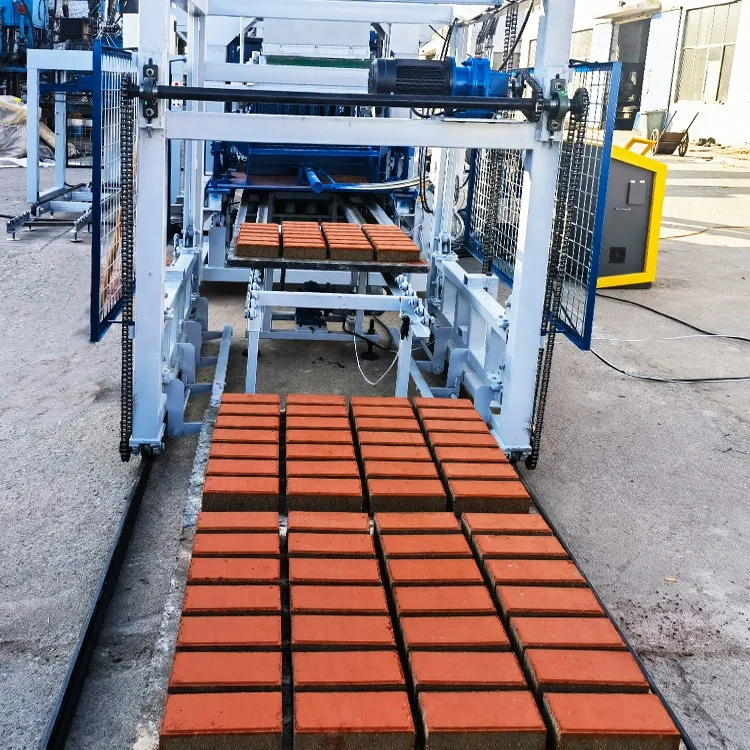
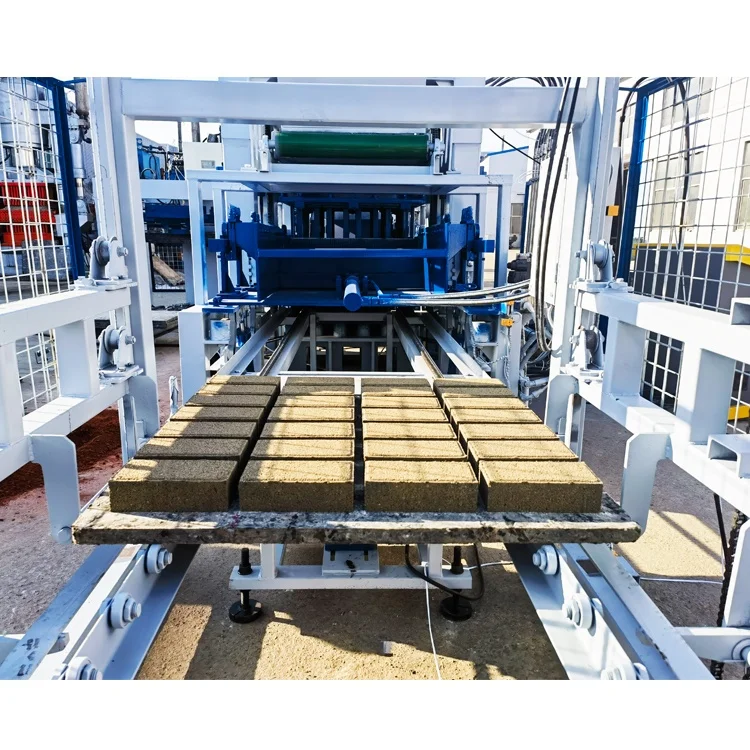
The 950 × 900 mm pallet on the QT8-15 block machine was chosen as a middle ground, but it must match what you already have on the ground. If your curing racks were built for a different pallet dimension, every board coming off the line will need manual re-stacking before it enters the curing area. I have seen plants where the forklift tines were too short for the pallet depth, forcing the owner to buy a new forklift within the first month [NEED_CITE: pallet handling compatibility in block plant layout planning]. Confirm your rack spacing, forklift capacity, and curing area footprint against this pallet size before the machine ships.
Reading the Pressure and Vibration Numbers Together
The 21 MPa rated pressure works in tandem with the 45 kN vibration force to compact the concrete mix inside the mould. Hydraulic pressure alone determines how tightly the material is squeezed, while vibration determines how well it fills the cavity corners and settles around the aggregate particles. On a lightweight fly ash mix, you can run lower pressure and higher frequency. On a dense kerbstone mix with coarse gravel, you need maximum pressure and a slower vibration frequency to avoid segregating the aggregate. The QT8-15 block machine specifications give you the ceiling for both values; where you actually run depends on your mix design trial results. The 15–20 second molding cycle shortens on lighter products and extends on heavier, denser formats, which is why a single cycle time figure cannot represent the full product range.
The Cost of Skipping a Mix Design Trial
When a buyer orders without sending a sample of their local aggregate, the factory tunes the vibration and pressure to a standard sand-and-cement mix that may not exist in the buyer’s region. Volcanic ash, laterite, crushed coral, or recycled demolition rubble all behave differently under hydraulic compaction. The machine arrives, the first test run produces crumbling blocks, and the buyer assumes the press is defective. In most cases, the vibration frequency simply needs adjustment and the mould clearance needs re-setting for the actual material [NEED_CITE: aggregate variability effects on concrete block compressive strength]. A sample trial before shipment eliminates this entirely.
Why Buyers Source the QT8-15 Through This Channel
Block machinery is the only product line here, so the QT8-15 is specified alongside its mould, pallet, and handling equipment as a single matched system rather than assembled from unrelated suppliers. Mould design covers the formats your market actually buys, including custom drawings when your region demands a non-standard block profile. The automation level is selectable, meaning you can start with semi-automatic pallet handling and add stacking or cubing later as volume grows. Configuration is set against your confirmed mix design and target format, not a catalog default, which keeps the daily output figure honest from the first production shift.
Documentation & Verification
- Line layout drawing stating the exact block format used for capacity calculation
- Mould drawing and format list with cycle time noted per product type
- Hydraulic and electrical schematic matching your confirmed voltage and frequency
- Factory test record run on your specified mix design before dispatch
- Pallet specification sheet confirming size, material, and load rating
Installation, Commissioning & Support
- Foundation plan sized to the 8300 × 1860 mm footprint and 8 T operating mass
- Power supply confirmation for 55.5 kW total draw with dedicated circuit requirements
- Container loading plan for 1 × 40HQ with dismantling sequence for site reassembly
- On-site vibration frequency and hydraulic pressure tuning to your local aggregate
- Operator training covering mould change procedure and daily maintenance intervals
- Wear parts list identifying hydraulic seals and vibration components for local sourcing
What to Include in Your Inquiry
Send the exact block format you intend to produce, including dimensions and target wall thickness. Provide a sample or lab report of your local aggregate so the vibration and pressure settings can be matched before the machine is built. Confirm your site voltage, frequency, and preferred PLC display language to avoid commissioning delays once the QT8-15 arrives at your plant.
Frequently Asked Questions
Q: How is QT8-15 capacity verified, and which block format does the output figure assume?
A: Capacity is verified through a factory test run using the specific mould and mix design you will produce. The output figure is stated per block format — hollow block, paver, or kerbstone — because each format has a different molding cycle within the 15–20 second range. We provide a written capacity calculation that names the exact product dimensions assumed.
Q: How do I match vibration force and hydraulic pressure to my local aggregate?
A: Send a sample of your aggregate and your proposed mix ratio before production. The vibration frequency and hydraulic pressure are then adjusted on the test bench to match your material’s behavior under compaction. This trial confirms block density and strength before the QT8-15 ships to your site.
Q: What is the mould change time, and can I run multiple formats on the same pallet?
A: The hydraulic demolding system shortens format changeover compared to mechanical knock-out methods. Multiple block formats can share the 950 × 900 mm pallet as long as each mould is designed to that pallet boundary. The format list in your documentation confirms which products are compatible with the standard pallet size.
Q: How are voltage, frequency, and control language confirmed before shipment?
A: These are confirmed in writing during the quotation stage and locked into the electrical schematic before production begins. The PLC display language is set to your preference, and the motor winding and control panel are built to your site’s voltage and frequency. Any deviation after this point requires a formal change order.
Q: What mould and hydraulic wear parts are included, and how do I source replacements?
A: The initial shipment includes the moulds specified in your format list, plus a wear parts inventory covering hydraulic seals and high-wear vibration components. A complete wear parts list with part numbers is included in your documentation so replacements can be sourced locally or ordered directly when the first change is due.