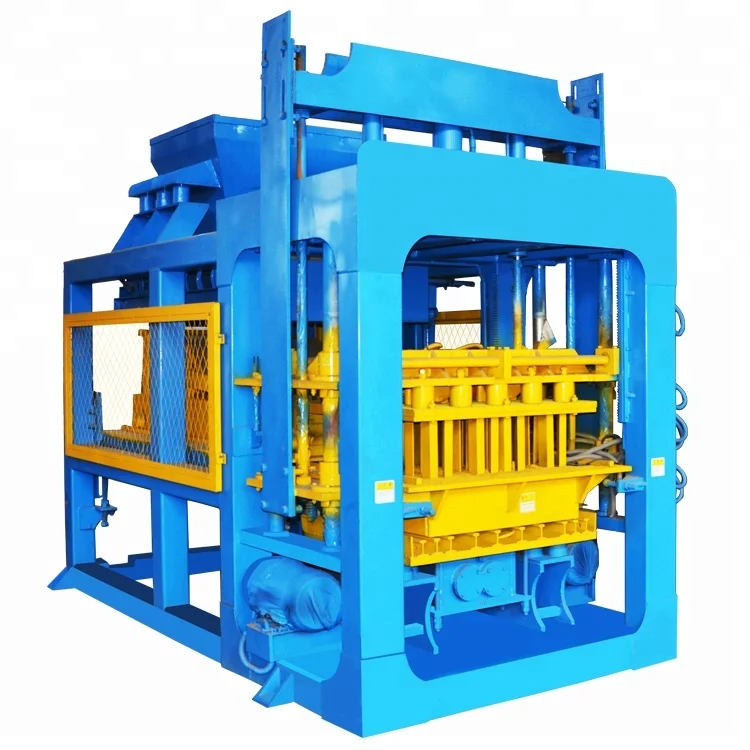
Description
Per-Format Capacity Verification — Every output figure for the QT 8-15 is tied to a specific block size, mould configuration, and stated cycle time so buyers can match the press to their actual market demand rather than a catalogue average.
Technical Specifications
| Parameter | Value |
|---|---|
| Model | QT 8-15 |
| Product Type | Fully Automatic Concrete Block Making Machine |
| Overall Dimensions (L×W×H) | 8300 x 1860 x 3000 mm |
| Rated Power | 37 kW |
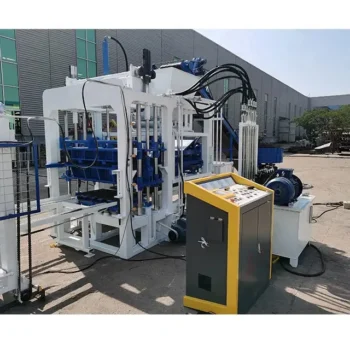
| Control System | PLC (Programmable Controller) with touch screen interface |
| Vibration Form | Platform Vibration |
| Vibration Frequency | 2800-4500 RPM |
| Pallet Size | 950 x 900 mm |
| Moulding Cycle | 15 – 25s (basis not stated in source — confirm block format / material / thickness); 20-25s with color feeding |
| Brick Height Range | 50-200 mm |
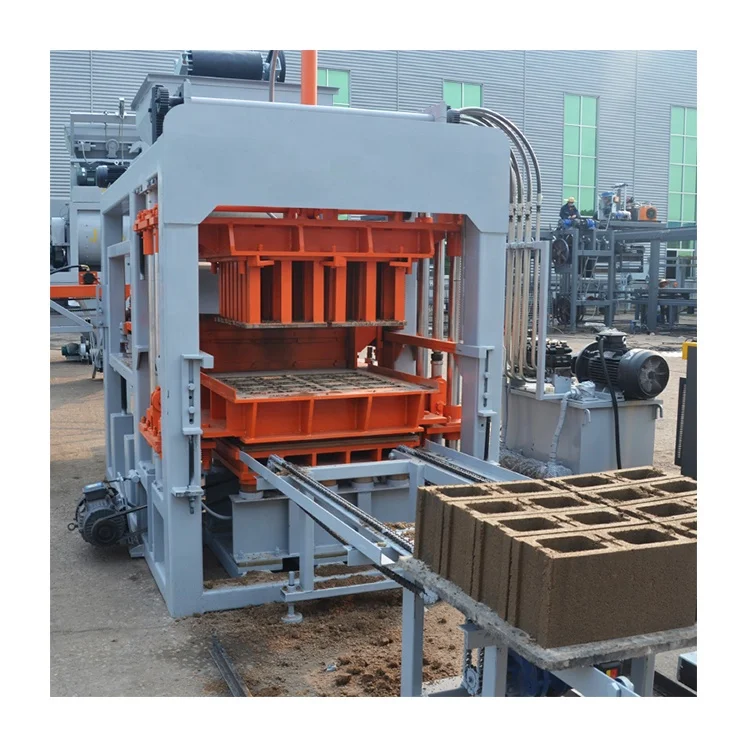
| Hydraulic System | Independent integrated type hydraulic station |
| Block Comprehensive Strength | Up to 15 MPa |
| Automation Level | Fully automatic (PLC controlled, intelligent electronic control, automatic process) |
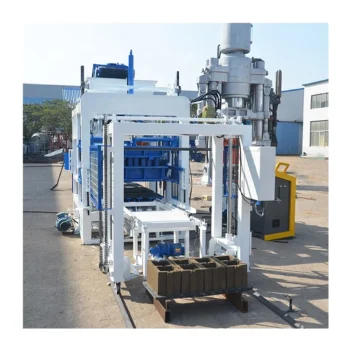
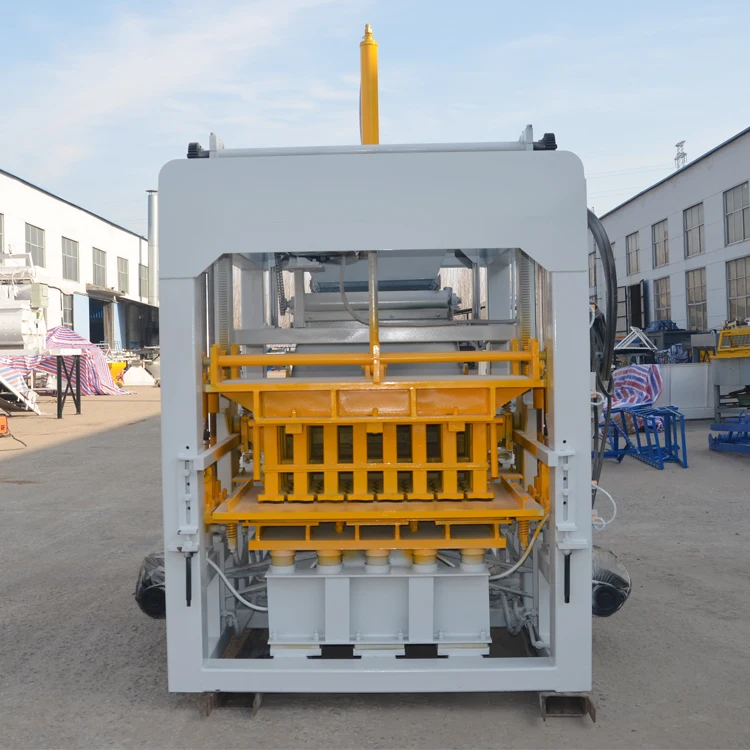
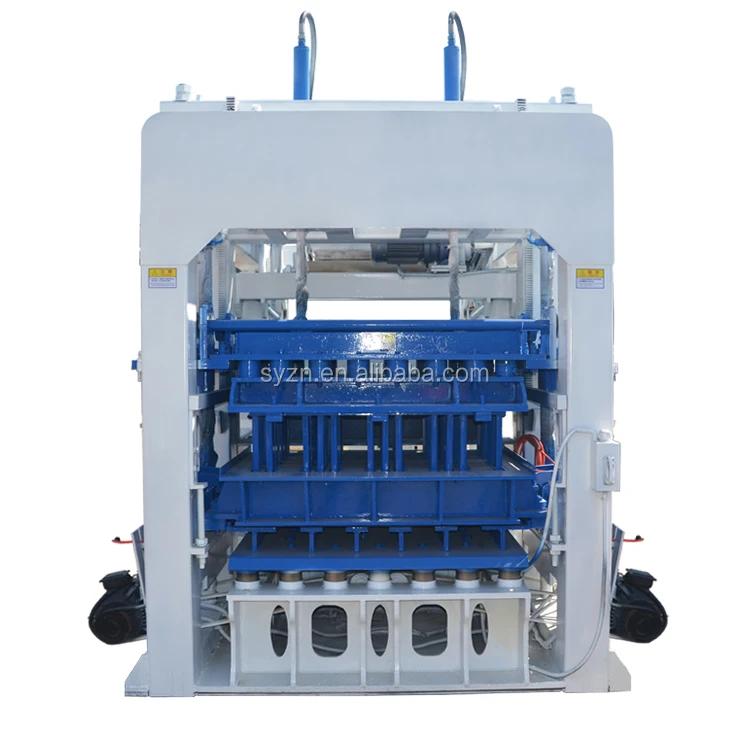
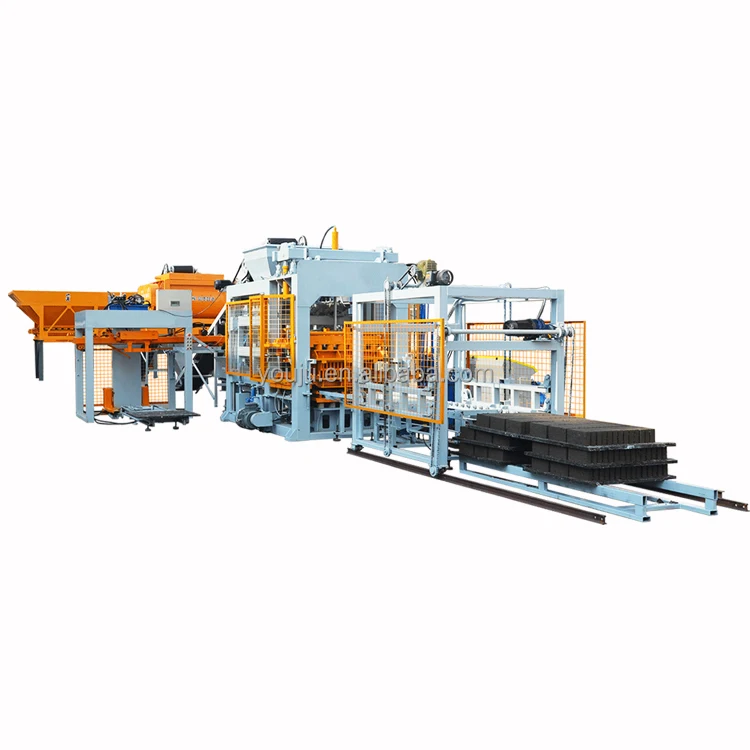
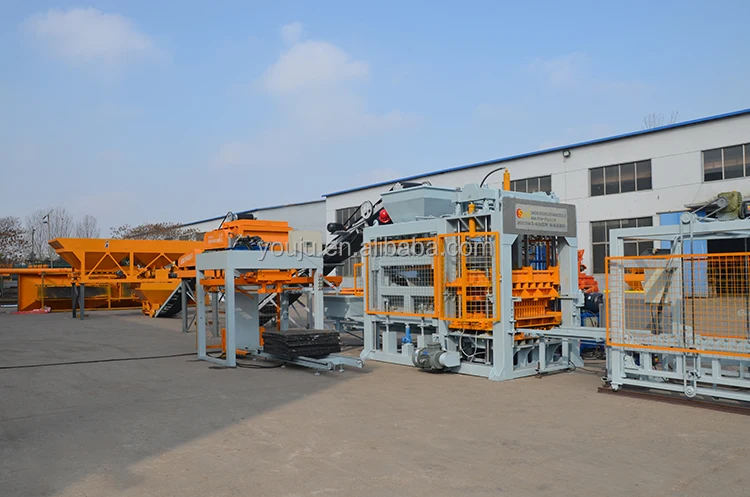
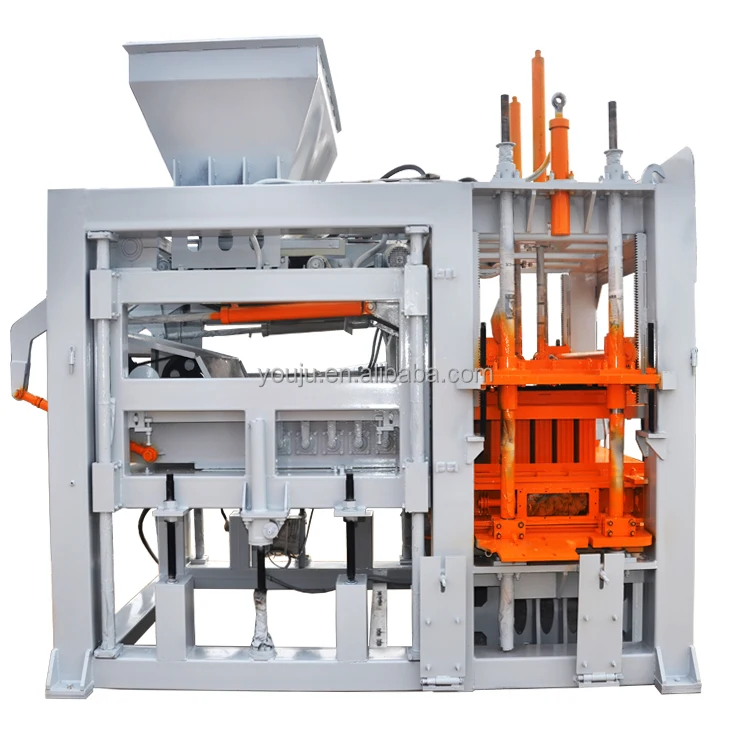
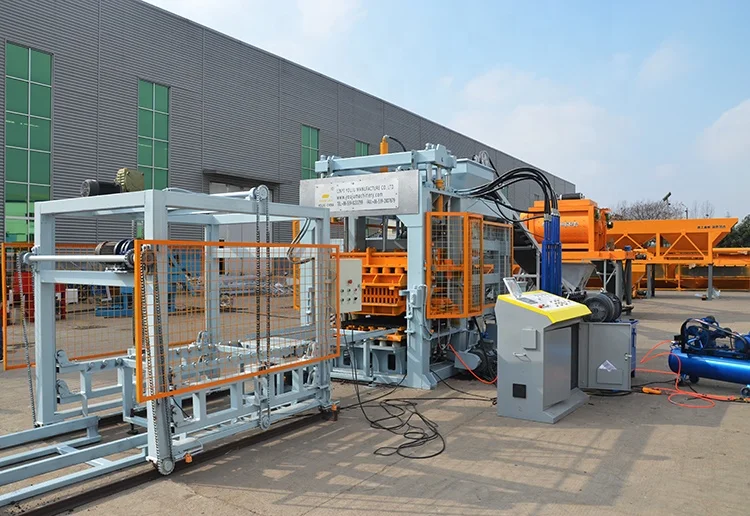
| Host Machine Components | Pallet feed machine, block molding machine, storage hopper, conveyor, hydraulic unit, PLC control cabinet |
| Raw Materials | Fly ash, slag, gangue, other industrial waste, river sand, gravel, cement |
| Color Capability | Color feeding machine can be added for colored paving blocks |
| Output Capacity (400×200×200 mm Hollow Block) | 8 pcs/mould, 1912 pcs/hour, 15300 pcs/day (8 hours) (basis: 400×200×200mm hollow block) |
| Output Capacity (400×150×200 mm Block) | 12 pcs/mould, 2875 pcs/hour, 23000 pcs/day (8 hours) (basis: 400×150×200mm block) |
| Output Capacity (240×115×90 mm Porous Block) | 18 pcs/mould, 4320 pcs/hour, 34560 pcs/day (8 hours) (basis: 240×115×90mm porous block) |
| Output Capacity (240×115×53 mm Standard Brick) | 39 pcs/mould, 9360 pcs/hour, 74880 pcs/day (8 hours) (basis: 240×115×53mm standard brick) |
| Output Capacity (225×112.5×60 mm Paving Block) | 18 pcs/mould, 3000 pcs/hour, 24000 pcs/day (8 hours) (basis: 225×112.5×60mm paving block) |
| Output Capacity (200×100×60 mm Paving Block) | 28 pcs/mould, 4625 pcs/hour, 37000 pcs/day (8 hours) (basis: 200×100×60mm paving block) |
Application Suitability
| Application | Material or Output |
|---|---|
| Hollow Block Production | Fly ash, slag, river sand, gravel and cement for 400×200×200mm structural voids |
| Standard Solid Brick | Dense aggregate and cement mixes for 240×115×53mm load-bearing masonry |
| Interlocking Paving Block | Crushed stone and cement for 225×112.5×60mm driveway and walkway surfaces |
| Porous Block Manufacturing | Lightweight aggregate blends for 240×115×90mm thermal insulation units |
| Colored Paving Block | Pigmented face-mix layers via optional color feeder for 200×100×60mm aesthetic pavers |
| On-Site Construction Supply | Multi-format production for contractors producing hollow and solid blocks on housing projects |
What "Daily Output" Leaves Out When Block Format Is Ignored
A capacity number means nothing without the block dimensions and cycle time that produced it.
Many quotations list a single daily output figure that assumes the smallest, fastest-cycling format the press can handle. When the buyer installs the machine and runs the 400mm hollow block their market actually buys, the cycle stretches and the daily total drops noticeably. The QT 8-15 automatic block machine specifications address this by stating output per format: 15,300 pieces per day for the 400×200×200mm hollow block versus 74,880 pieces per day for the 240×115×53mm standard brick [NEED_CITE: block format and cycle time impact on daily capacity]. Both figures use the same press, but the difference is enormous. Technical buyers evaluating a block line need the capacity table broken down by the exact dimensions their distributors sell, otherwise the financial model behind the plant investment collapses before the first pallet is cured.
Matching Cycle Time to Your Local Aggregate and Target Strength
Vibration frequency on the QT 8-15 adjusts across a 2800-4500 RPM band, but the correct setting depends entirely on the mix design and the block format being pressed. A fly ash-rich mix fluidizes at lower frequencies, while a coarse river sand and gravel blend demands higher RPM to achieve full compaction within the 15-25 second cycle window. When the QT 8-15 automatic block machine specifications are reviewed, the vibration and hydraulic pressure settings must be confirmed against the buyer’s specific aggregate source and target compressive strength of up to 15 MPa. I have seen presses shipped to sites where the local volcanic ash replaced the fly ash used during factory testing, and the resulting blocks failed strength tests until the parameters were recalibrated on-site.
How Mould Format Dictates Realistic Plant Throughput
The pallet size of 950×900 mm determines how many cavities fit in each pressing cycle, and that cavity count varies dramatically across block formats. A mould for 400×200×200mm hollow blocks yields 8 pieces per cycle, while the 240×115×53mm standard brick mould fits 39 pieces on the same pallet area. This is why the QT 8-15 capacity table shows such wide variation in daily output. The mould change system and the time required to swap formats also influence how many different products a plant can realistically produce in a single shift [NEED_CITE: mould change time and format flexibility in block production]. Buyers planning to supply multiple block types should confirm the expected changeover duration before finalizing the automation level and line layout.
Reading the Specs That Actually Determine Block Quality
The independent integrated hydraulic station is mounted separately from the main frame, isolating it from platform vibration and cement dust that degrade valve seals and pump life over time. Platform vibration, as opposed to mould-only vibration, ensures the entire pallet area receives uniform compaction force, which is critical when pressing large 400mm hollow blocks where corner density can differ from the center. The PLC touch screen interface allows operators to store different parameter profiles for each block format, so switching from paving blocks to porous blocks does not require manual trial and error. Rated power of 37 kW covers the simultaneous demand of the hydraulic pump, vibration motors, and conveyor drives, but buyers should verify their site transformer capacity accounts for the starting surge of all motors engaging together.
The Hidden Cost of Skipping Voltage and Language Confirmation
Arriving at a job site to find the local power supply runs at 60 Hz while the PLC and motors were configured for 50 Hz at the factory is a delay that halts commissioning entirely. The control cabinet display language, the motor winding specifications, and the frequency rating must all be confirmed before the QT 8-15 enters production. When these details are overlooked, the buyer faces weeks of downtime while replacement components are shipped internationally [NEED_CITE: electrical standard mismatches in exported machinery]. The independent hydraulic station compounds the problem if its pump motor is among the components requiring rewinding or replacement.
Why Configuration Should Start With Your Block Format, Not the Catalogue
Every specification on the QT 8-15 is selected against the buyer’s target block format and local raw material availability rather than a default factory setting. The mould design is produced from the buyer’s drawings or market samples, ensuring cavity dimensions match the products their distributors actually stock. Pallet size is cross-referenced with the curing rack spacing and forklift capacity already in use at the buyer’s plant to avoid handling bottlenecks. The automation level is selectable, allowing a buyer to begin with semi-automatic pallet handling and add stacking and cubing modules later as volume grows. Factory testing uses the buyer’s confirmed mix design where possible, so the test record reflects the aggregate and cement source the machine will encounter on-site. Documentation includes the line layout and capacity calculation that states which block format each output figure assumes, eliminating ambiguity at the quotation stage.
Documentation & Verification
- Line layout with capacity calculation stating the exact block format for each output figure
- Mould drawing and format list confirming compatibility with buyer’s target block dimensions
- Voltage, frequency and PLC display language confirmation sheet signed before production
- Factory test record showing cycle time and block quality against buyer’s mix design
- Hydraulic and electrical schematic for on-site maintenance reference
- Packing photographs and customs documentation support for export clearance
Installation, Commissioning & Support
- Foundation plan matched to the 8300×1860 mm footprint and dynamic vibration loads of the QT 8-15
- Electrical circuit schedule for the 37 kW rated power with dedicated breaker sizing per motor group
- Assembly sequence for host machine components including pallet feed, molding unit, and hydraulic station
- First-run parameter tuning for vibration frequency and hydraulic pressure against local aggregate
- PLC touch screen operator training covering format profile storage and fault code response
- Wear parts list covering hydraulic seals, vibration springs, and mould liner replacement intervals
Preparing a Sizing Inquiry
To receive a configuration proposal that reflects your actual production requirements, share the block formats your market demands along with the target daily volume for each. Include your local aggregate type and any available sieve analysis, the voltage and frequency at your site, and the PLC display language your operators need. If you already have curing racks and forklifts in place, provide the rack spacing and pallet dimensions currently in use so the 950×900 mm pallet and handling system can be matched to your existing infrastructure.
Frequently Asked Questions
Q: How is the QT 8-15 output capacity verified for my specific block format and mix design?
A: Capacity is stated per block format with the mould cavity count and cycle time noted for each. Before production, a factory test is conducted using your confirmed mix design or a closely matched aggregate blend, and the test record documents the actual cycle time and block strength achieved.
Q: Which block formats and moulds are available, and how does cycle time vary by format?
A: Moulds are available for hollow blocks, solid bricks, porous blocks, paving blocks, and interlocking formats. Cycle time ranges from 15 to 25 seconds depending on block height and material, extending to 20-25 seconds when a color feeding machine is used for layered paving blocks.
Q: How is the 950×900 mm pallet size matched to my existing curing area and forklift?
A: Pallet dimensions are confirmed against your curing rack spacing and forklift fork width during the configuration stage. If your existing racks require a different pallet size, the press configuration is adjusted accordingly before the mould and handling system are finalized.
Q: What voltage, frequency and PLC language options are confirmed before shipment?
A: Voltage, frequency, and PLC display language are documented and confirmed with the buyer before the QT 8-15 enters production. This confirmation sheet covers motor winding specifications, control cabinet components, and touch screen interface language to prevent commissioning delays on-site.