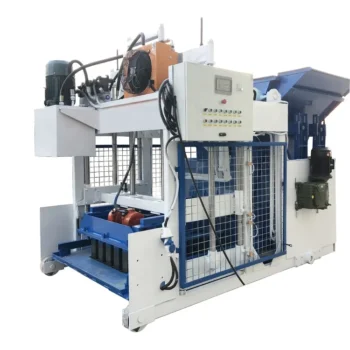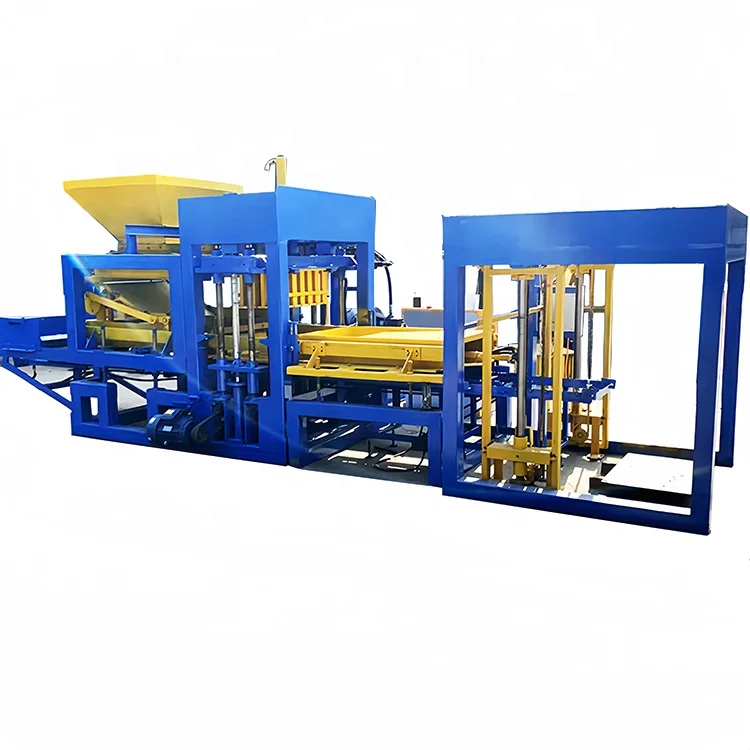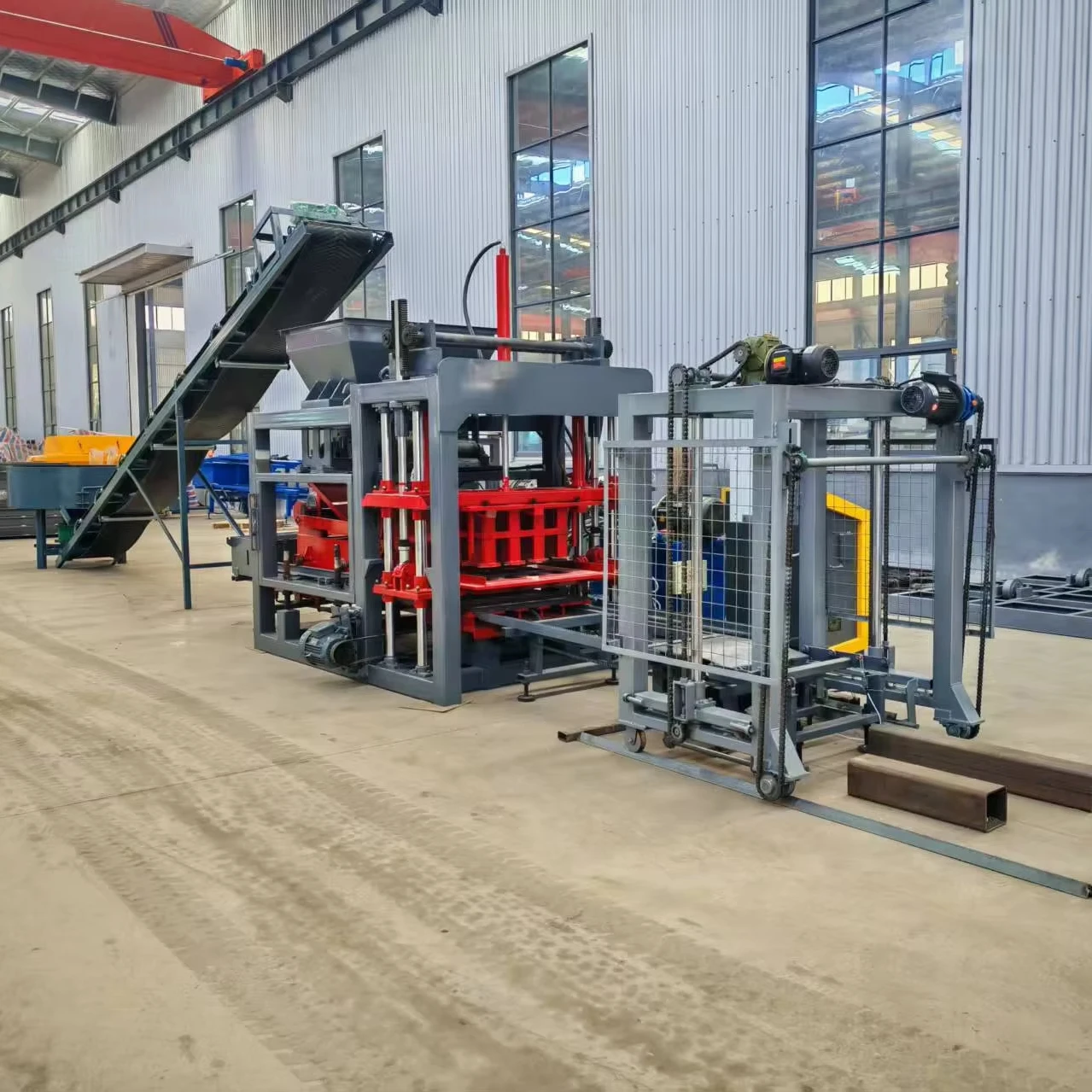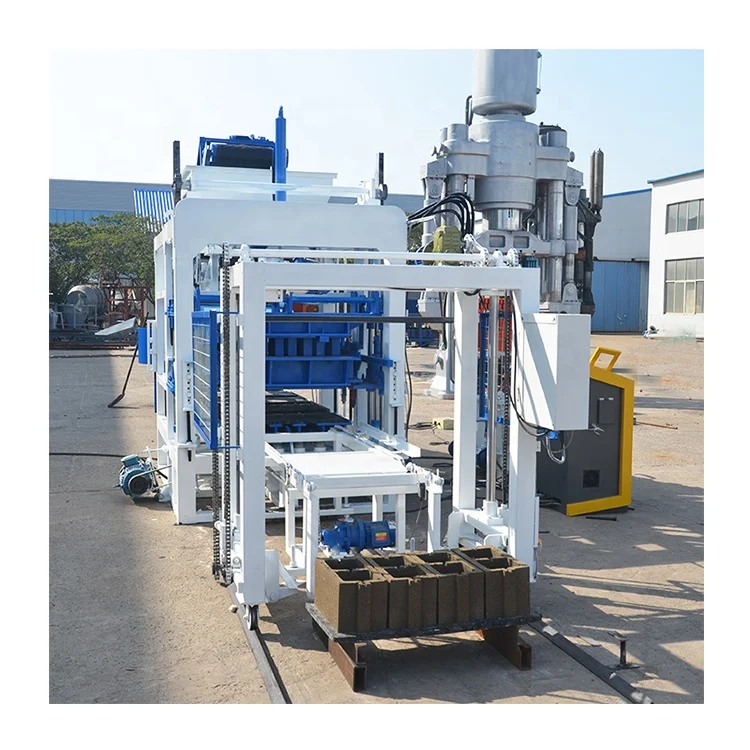


Description
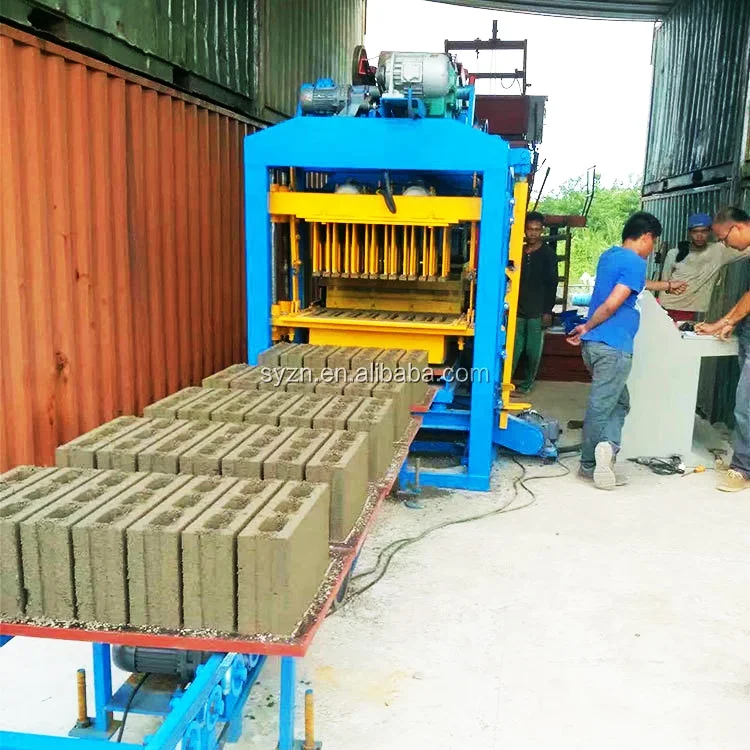
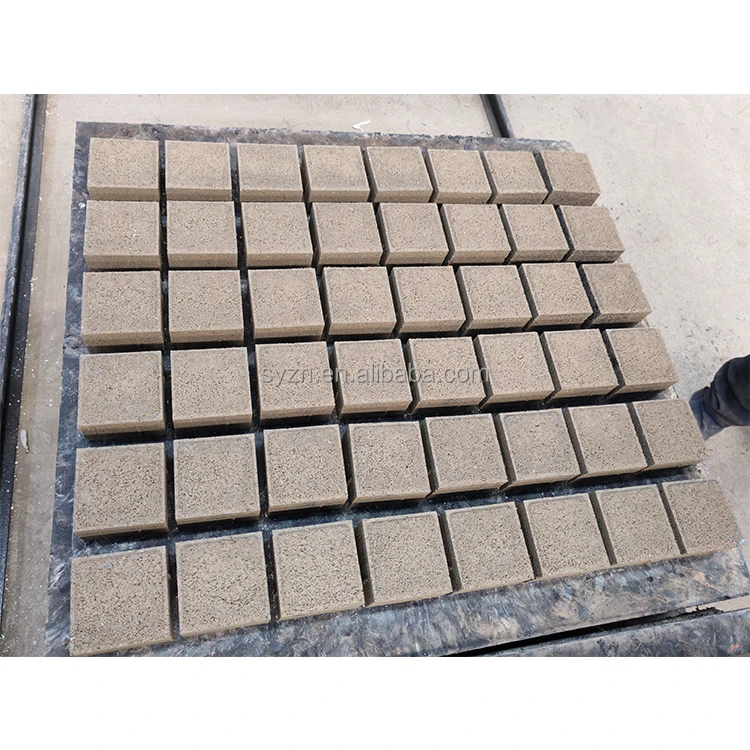
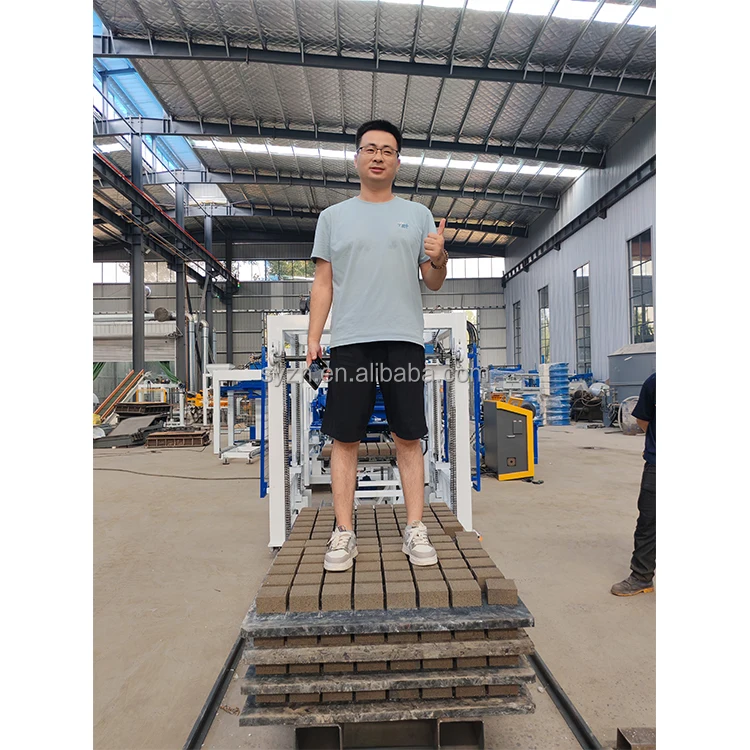
Pallet-press-curing matched — the 950×900 mm pallet size is verified against the buyer’s existing curing rack spacing and forklift tine width before production begins, so blocks arrive at the yard without re-handling.
Technical Specifications
| Parameter | Value |
|---|---|
| Model | QT8-15 |
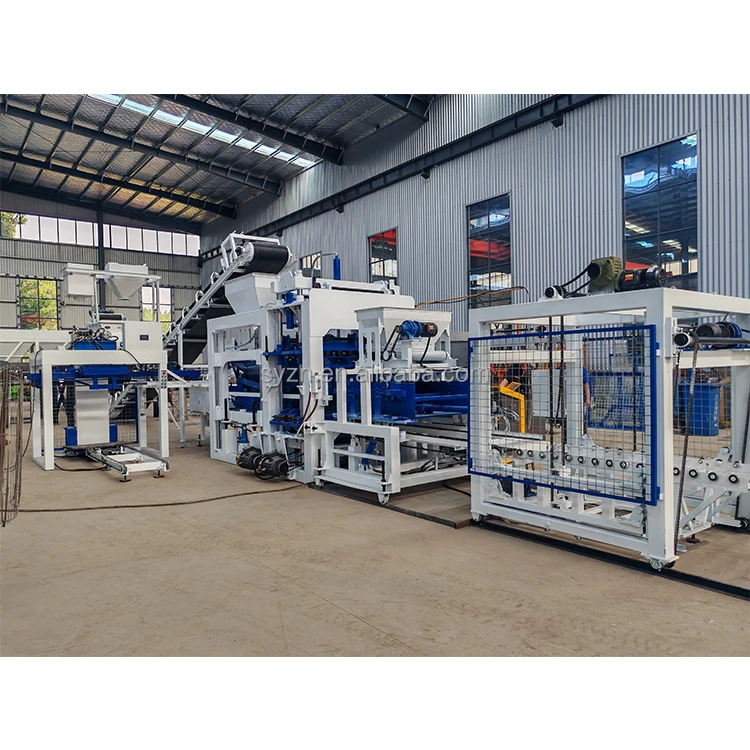
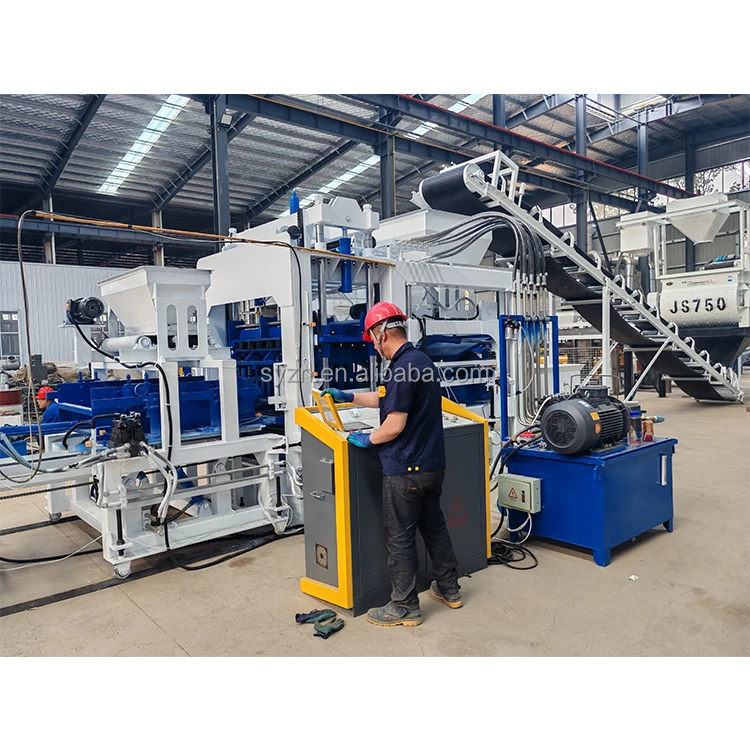
| Product Type | Hydraulic Concrete Block Making Machine |
| Overall Dimensions (L×W×H) | 8300 × 1860 × 3000 mm |
| Total Mass | 8 T |
| Rated Pressure | 21 MPa |
| Main Vibration Form | Platform Vibration |
| Vibration Frequency | 2800–4500 r/min |
| Vibration Force | 45 kN |
| Pallet Size | 950 × 900 mm |
| Molding Cycle | 15–20 s (basis not stated in source — confirm block format, material and thickness) |
| Overall Power | 55.5 kW |
| Demolding Method | Hydraulic |
| Recommended Factory Area | 300 m² |
| Raw Materials | Crushed stone, sand, cement, dust, fly ash, gravel, slag |
| Applied Products | Concrete hollow blocks, solid blocks, pavers, interlocking blocks, curbstone, colored pavers |
| Standards | CE |
Application Suitability
| Application | Material or Output |
|---|---|
| Hollow and solid block production for building contractors | Crushed stone, gravel and cement mixes for load-bearing and partition walls |
| Paving and interlocking brick runs for municipal and landscape projects | Colored face-mix pigments blended with sand and fine aggregate |
| Kerbstone and curb production for road infrastructure | Dense aggregate blends requiring high compaction density |
| Fly ash and slag block manufacturing for cost-sensitive housing projects | Industrial by-products combined with cement binder |
| On-site block production for large development and infrastructure contracts | Local quarry aggregate sourced within haul distance of the project |
Why "Cycles per Hour" Misleads Buyers on QT8-15 Block Machine Specifications
A single cycle-time number hides the format dependency that determines real daily output.
Every block press quotes a headline figure, but that figure assumes a specific block format, mix design and curing method. Hollow blocks, solid blocks and pavers each demand different vibration durations, pressure dwell times and demolding strokes. When a buyer reads a capacity number without knowing which product it applies to, the plant under-delivers against the pro-forma the bank approved. Sizing the QT8-15 to a specific hollow block or paver format means requesting the cycle calculation stated per product, not per press stroke [NEED_CITE: capacity calculation standards for concrete block production].
Vibration Tuning for Local Aggregate
The platform vibration system operates between 2800 and 4500 r/min, delivering 45 kN of vibration force across the mould table. This adjustable range matters because a porous volcanic scoria absorbs vibration energy differently from crushed granite or river gravel. If the frequency is set for a standard silica sand mix but the buyer sources lightweight aggregate locally, block density drops and compressive strength falls outside the tested range. Matching vibration parameters to the actual raw material is confirmed before configuration, not adjusted blindly on site.
Pallet Sizing Against the Curing Yard
The 950 × 900 mm pallet is the interface between the press and everything downstream. A pallet that does not match the curing rack slot spacing forces manual re-stacking before blocks can be racked. A pallet width that exceeds the forklift tine capacity means double-handling at every transfer point. Confirming pallet dimensions against the buyer’s existing curing area and handling equipment removes these bottlenecks before the machine ships. The concrete hollow block making machine capacity is meaningless if pallets pile up faster than the yard can absorb them.
Hydraulic Pressure and Block Density
The 21 MPa rated pressure works together with vibration force to compact the mix into the mould cavity. Hollow blocks need sufficient pressure to form clean webs without crushing the aggregate, while paving blocks demand maximum compaction for abrasion resistance. The hydraulic demolding stroke must release the block without edge damage, a parameter that changes with block height and face area. Adjusting pressure against vibration profile is what separates a consistent block from one that varies across a single production run [NEED_CITE: relationship between hydraulic pressure and concrete block compressive strength].
What Happens When Format and Machine Do Not Align
A press configured for a single hollow block size cannot economically switch to pavers without a mould set that matches the pallet area. If the mould change procedure is not designed for quick swap, a shift is lost every time the plant changes product. Mismatched vibration settings leave blocks weak at the edges or cracked at the webs. These problems show up weeks after commissioning, not during the factory test with standard sand, and they compound across every pallet the line produces [NEED_CITE: common causes of inconsistent block strength in hydraulic presses].
Why Procurement Through This Channel
- Block machinery is the single focus, so the QT8-15 is specified with mould, pallet and handling as one matched set rather than sourced from separate vendors.
- Configuration is based on the buyer’s mix design, local aggregate and target block format, replacing the catalogue-default approach that leaves output strength unverified.
- Mould design covers the formats the local market sells, with custom drawings available when standard options do not match buyer requirements.
- Automation level is selectable, allowing a buyer to start semi-automatic and add stacking or cubing stations as volume justifies the investment.
- Installation and commissioning include operator training so the crew understands how to adjust vibration and pressure when switching formats.
Documentation & Verification
- Line layout with capacity calculation stated per block format, not a single press figure
- Mould drawing and format list confirming every product the configuration produces
- Pallet specification cross-referenced to buyer’s curing rack and forklift dimensions
- Voltage, frequency and PLC display language confirmed in writing before production
- Factory test record run on a block format matching the buyer’s target product
Installation, Commissioning & Support
- Foundation drawing provided for the 8300 × 1860 mm footprint and 8 T operating mass
- Electrical connection plan for 55.5 kW total load with dedicated circuit and isolation switch
- Platform vibration motor calibrated on site to match the buyer’s actual aggregate type
- Hydraulic system pressure tested at 21 MPa with demolding stroke tuned to first mould set
- Mould change procedure trained with the crew using the specific formats on order
- Wear parts list supplied with recommended replacement intervals for hydraulic seals and vibration mounts
What to Include in Your Inquiry
Send the specific block formats your market requires, with dimensions and target daily volume per format. State the raw materials available locally, including aggregate type and cement grade, so vibration and pressure settings can be matched before quotation. Confirm the curing yard dimensions and forklift capacity so pallet size is validated against your site.
Frequently Asked Questions
Q: How is QT8-15 capacity calculated per block format?
A: Each block format requires a different molding cycle depending on height, face area and mix composition. The QT8-15 block machine specifications include a 15–20 s base cycle, but the actual cycle for hollow blocks versus pavers must be confirmed against the buyer’s target product and material before a daily output figure is stated.
Q: Which mould formats are available for the QT8-15?
A: The press supports hollow blocks, solid blocks, pavers, interlocking bricks, kerbstones and colored pavers. Custom moulds can be built to buyer drawings when the standard range does not cover a specific format required by the local construction market.
Q: How is the 950×900 mm pallet size confirmed?
A: Pallet dimensions are checked against the buyer’s curing rack slot width and the forklift tine spacing before production. A mismatch forces manual re-handling at every transfer point, reducing effective concrete hollow block making machine capacity on site.
Q: How are vibration force and pressure matched to local aggregate?
A: The platform vibration range of 2800–4500 r/min and 21 MPa hydraulic pressure are tuned to the buyer’s mix design. Lightweight scoria, crushed granite and fly ash blends each absorb vibration differently, so parameters are set based on the actual material available at the plant site.
Q: What is included in the mould change procedure?
A: The procedure covers mould removal, cavity cleaning, new mould mounting, vibration parameter adjustment and test pressing. Exact changeover duration depends on the mould set configuration and is confirmed at quotation stage rather than estimated from a catalogue figure.