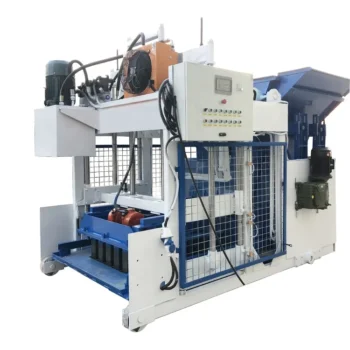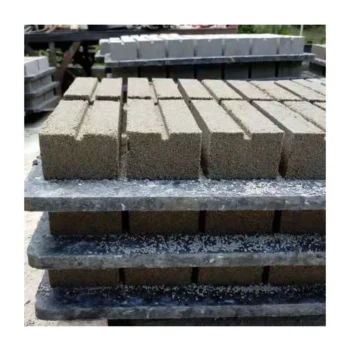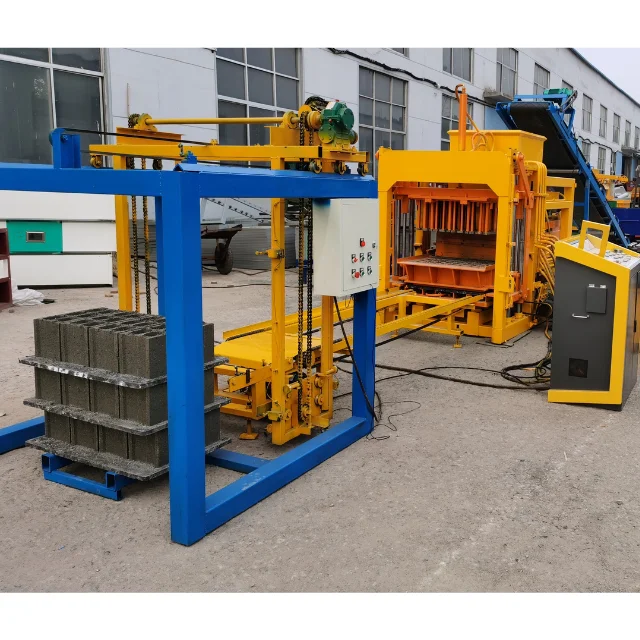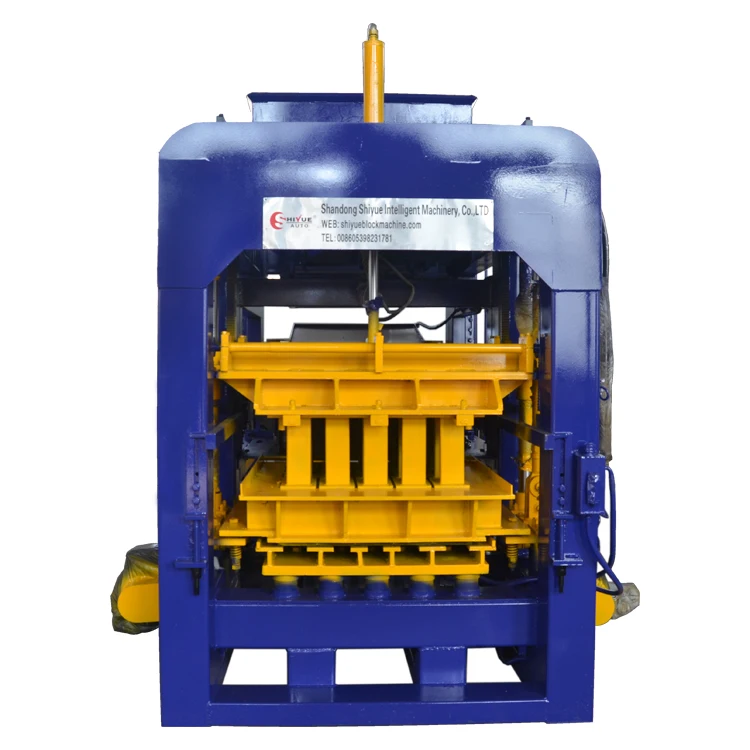

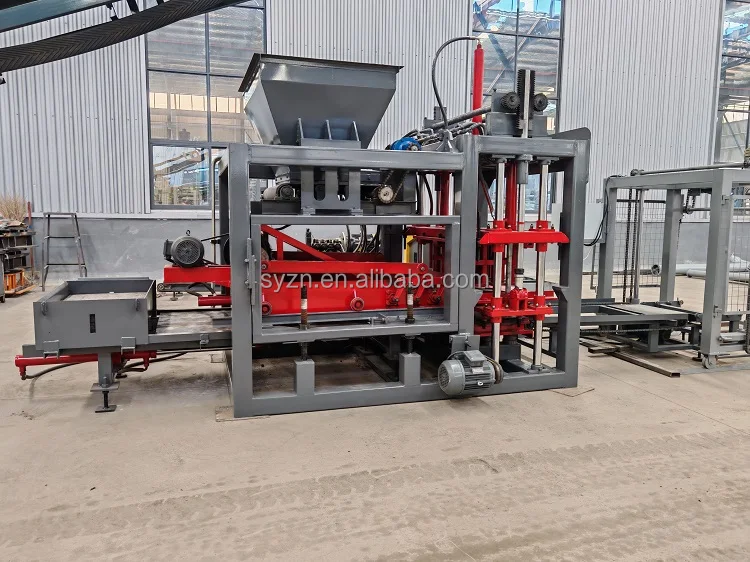
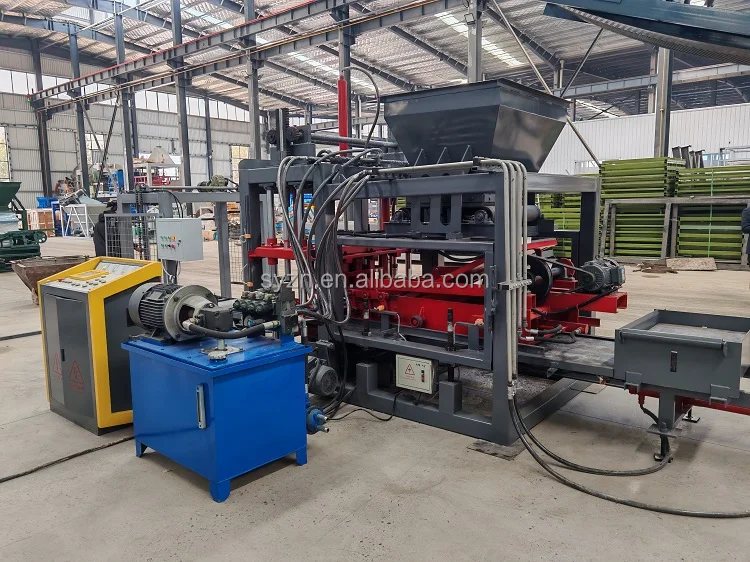
Description
Honest capacity by format — the QT4-18 block making machine specifications are calculated per block type, not a single headline number that hides the actual output you will see on the shop floor.
Technical Specifications
| Parameter | Value |
|---|---|
| Model | QT4-18 |
| Product Type | Concrete Block Making Machine |
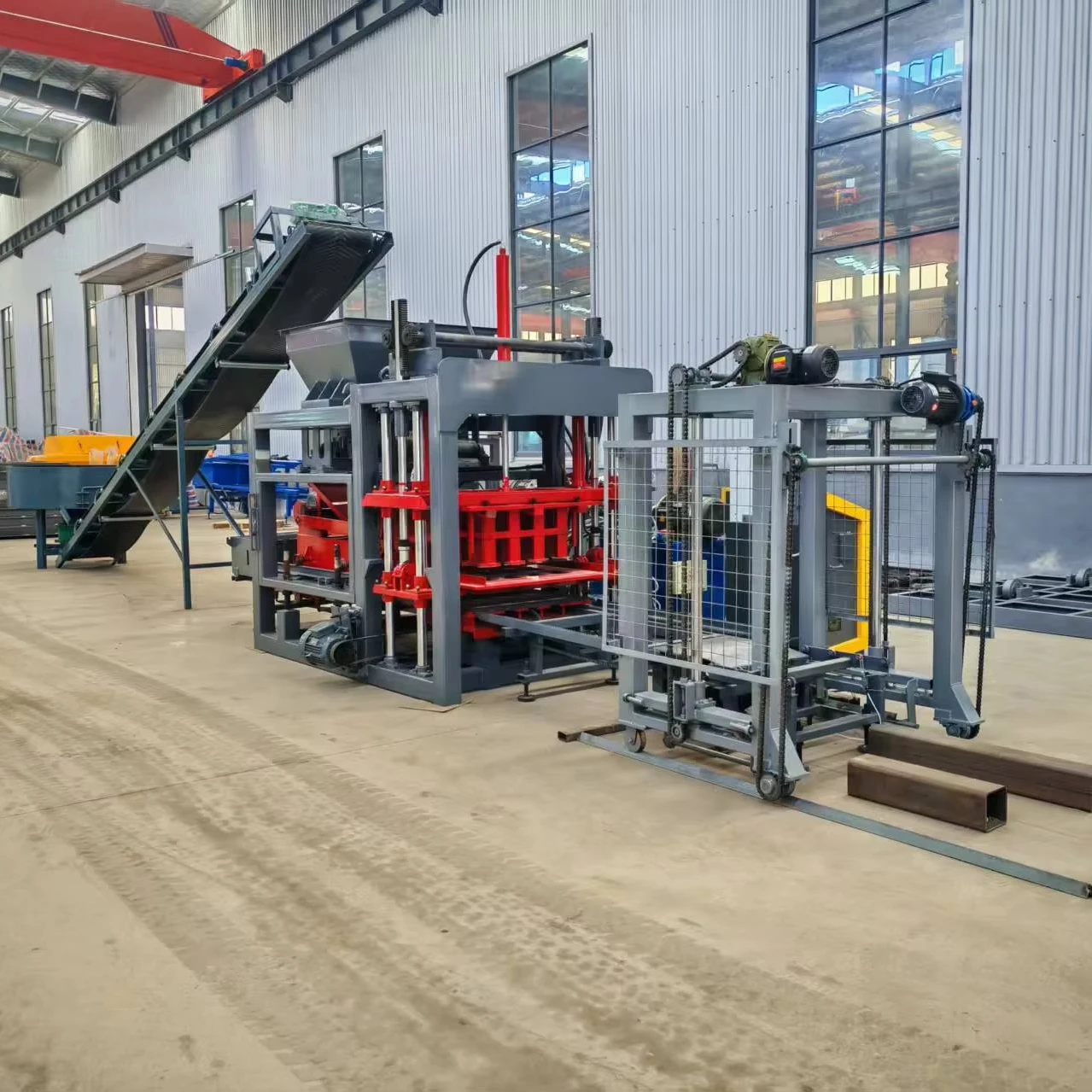
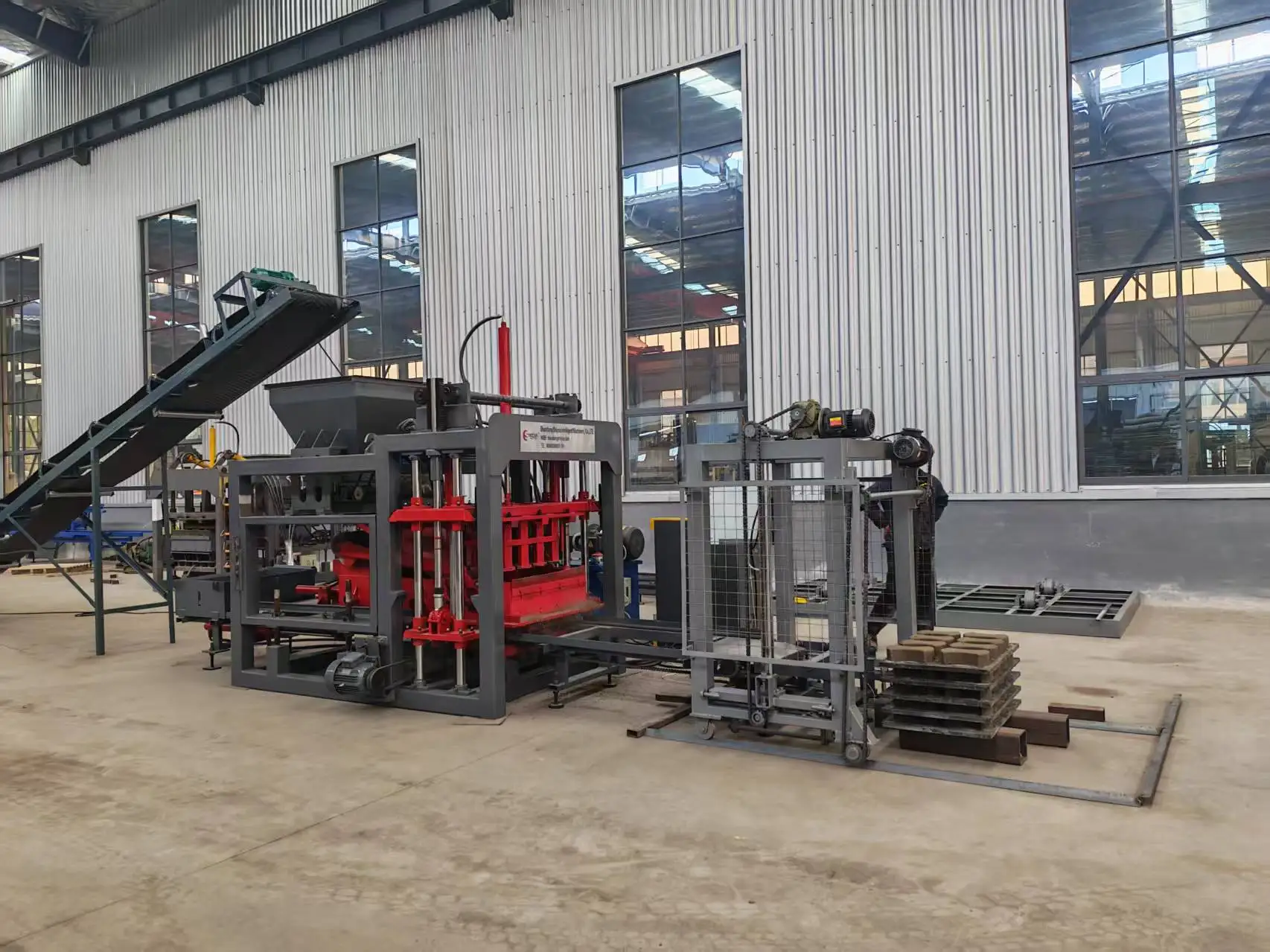
| Overall Dimensions (L×W×H) | 3900×1600×2300 mm |
| Total Weight | 3T |
| Rated Power | 24KW |
| Vibration Force | 40-50KN |
| Molding Cycle | 15-25s (basis not stated in source — confirm block format / material / thickness) |
| Mixer Model | JQ350 |
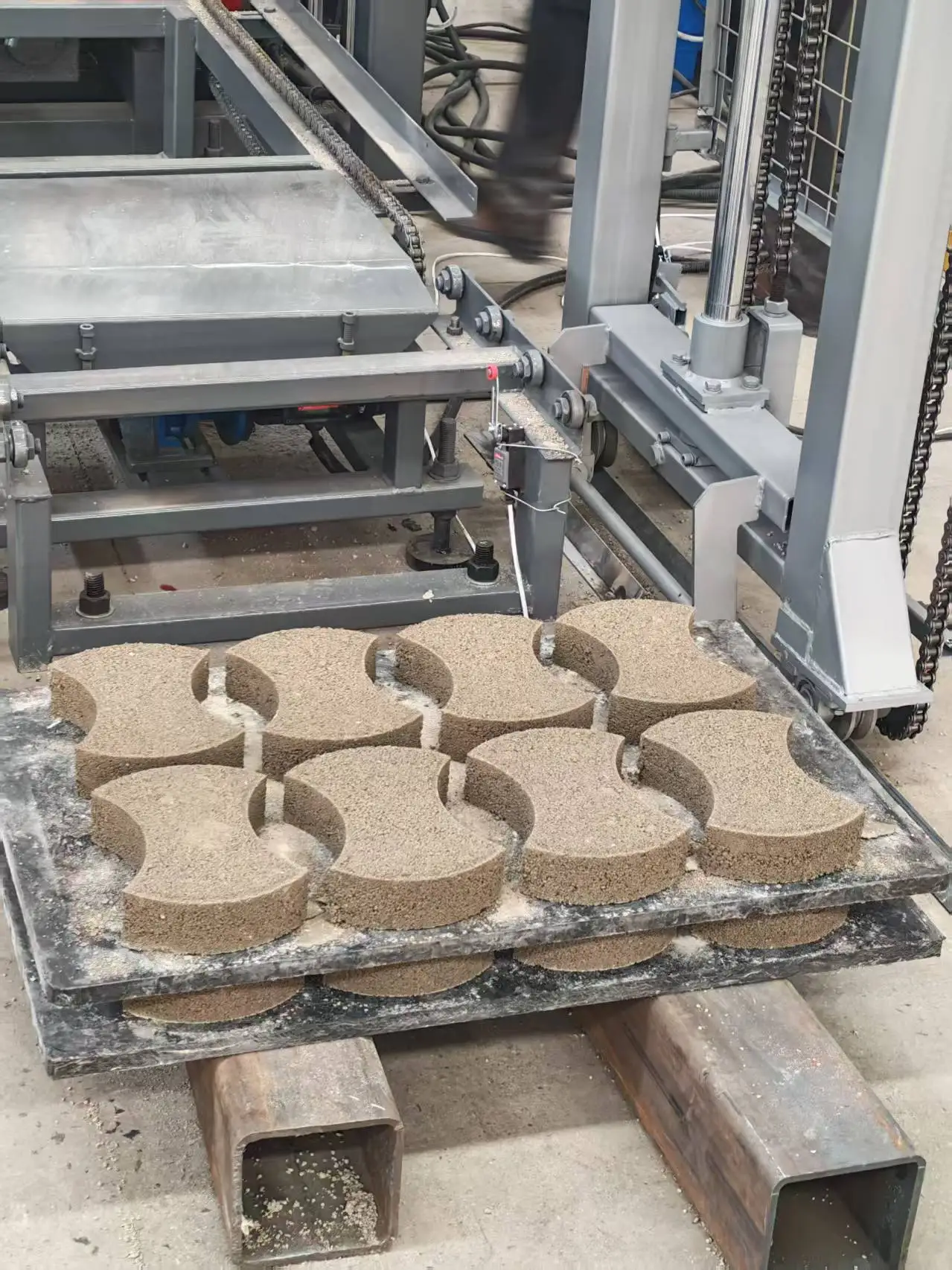
| Pallet Size | 850×550×25mm |
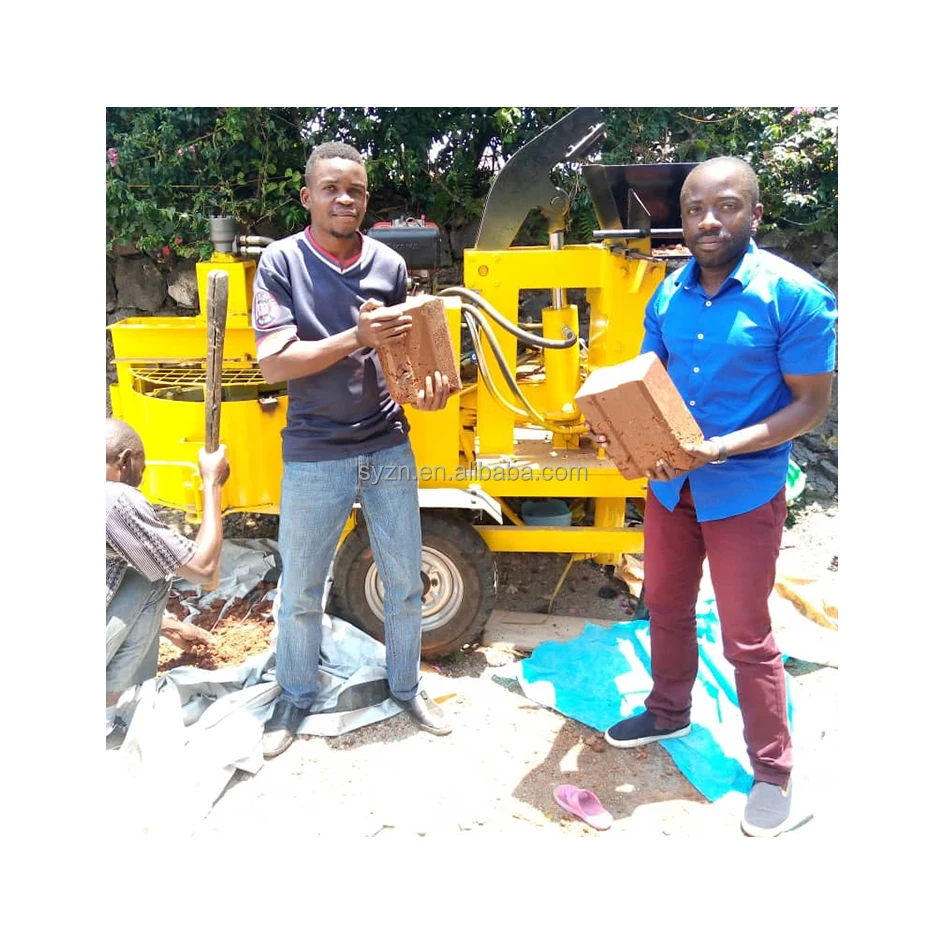
| Applied Products | Paver, solid brick, hollow block, curbstone |
| Raw Materials | Crushed stones, sand, cement, dust, fly ash |
| Automation Level | Semi-automatic |
| Output Capacity (Hollow block 400×200×200mm) | 9600-13440 Pcs/8hr |
| Output Capacity (Hollow block 400×150×200mm) | 14400-19200 Pcs/8hr |
| Output Capacity (Solid brick 240×115×53mm) | 16200-19440 Pcs/8hr |
Application Suitability
| Application | Material or Output |
|---|---|
| Hollow block production for wall construction | Crushed stone, sand, cement, fly ash blends |
| Solid brick manufacturing for load-bearing structures | Dense aggregate mixes with cement binder |
| Paver and curbstone forming for roads and landscapes | Fine aggregate and cement for surface finish |
| On-site block production for housing projects | Locally sourced sand and stone with Portland cement |
Why "9600 Blocks a Day" Means Nothing Without the Format
Capacity is only meaningful when tied to a specific block size, mix design, and cycle time.
I have watched buyers receive a QT4-18 block making machine and then wonder why their daily tally never reaches the quoted figure. The reason is almost always the same: the capacity number was based on a hollow block format, but the buyer is running solid bricks or pavers with a completely different cycle. One customer in West Africa expected to produce pavers at the hollow block rate and ended up short by thousands of pieces in the first week. [NEED_CITE: concrete block cycle time variation by format and thickness] When you evaluate the QT4-18 block making machine specifications, always ask which format the capacity calculation assumes, and request separate figures for every product you plan to sell.
Matching Vibration Force to Your Mix
The 40-50KN vibration force range on the QT4-18 exists because different mixes need different energy levels. A fly-ash-heavy blend compacts with less force than a mix loaded with coarse crushed stone. If the vibration is set too high for a fine mix, the block surface cracks before curing even begins. If it is too low for a coarse aggregate, the core stays loose and compressive strength fails the local standard. Before we ship, we ask for a sample of your local aggregate and run test cycles to find where on the 40-50KN range your mix performs best. This step alone prevents most of the strength complaints I have dealt with over the years.
Pallet Size and What It Dictates Downstream
The 850×550×25mm pallet is not an arbitrary number — it determines how many blocks you can cure at once and what forklift you need to move them. If your curing yard was designed for a different pallet dimension, you either waste space or cannot stack the racks properly. The QT4-18 block making machine ships with this pallet size as standard, so confirm your curing rack spacing and forklift fork width before the machine arrives. [NEED_CITE: pallet handling best practices in concrete block plants] A mismatch here does not stop production, but it forces manual double-handling that erodes the output advantage you bought the machine for.
Reading the Specs That Actually Matter
The 24KW rated power covers the vibration motor, hydraulic pump, and mixer drive running together. In a region with unstable supply voltage, that draw can trip a breaker that was sized only for the press, so plan a dedicated circuit with headroom. The JQ350 mixer feeds the hopper at a rate matched to the 15-25s molding cycle; if you swap in a larger mixer later, the press may still be waiting on material or the hopper may overflow. The 3T total weight reflects a steel frame heavy enough to absorb vibration without walking across the floor, but it also means you need a level concrete pad that can bear that load plus the dynamic force during compaction. Semi-automatic operation means pallets are fed and removed by hand — budget for two operators at the press, not one.
The Cost of Skipping the Mix Sample
I once configured vibration and hold pressure for a customer based on the data sheet he sent, only to learn on commissioning day that his sand source had changed and the clay content was much higher. The blocks came out crumbly, and he blamed the machine. Running a sample batch with your actual raw material before finalizing settings costs a few days on the front end but avoids weeks of finger-pointing after installation. [NEED_CITE: effect of aggregate clay content on concrete block compressive strength] The QT4-18 block making machine can handle a wide range of mixes, but only if the vibration force, hydraulic pressure, and hold time are tuned to what you are actually feeding it.
Why Source This Machine From a Single-Line Specialist
Block machinery is the only product category here, which means the press, mould, pallet, and handling equipment are specified together rather than assembled from unrelated suppliers. Moulds are designed around the formats your market actually buys, including custom drawings if your region uses a non-standard kerbstone profile. Automation is selectable — start semi-automatic with the QT4-18 and add automatic stacking later without replacing the press. Every configuration is checked against your local voltage, frequency, and preferred PLC display language before production starts, so commissioning is not delayed by a panel that speaks the wrong language. Factory testing runs your chosen mould on the actual machine before it is crated, and the test record ships with the documentation package.
Documentation & Verification
- Line layout showing QT4-18 placement with capacity stated per block format
- Mould drawing pack covering every format you intend to produce
- Pallet specification sheet matched to your curing rack and forklift dimensions
- Voltage, frequency, and control language confirmation signed before build
- Factory test record on your selected block format prior to dispatch
- Hydraulic and electrical schematic for local maintenance teams
Installation, Commissioning & Support
- Level concrete pad sized for 3900×1600mm footprint plus operator clearance
- Dedicated 24KW circuit with breaker rated above continuous draw for the 40-50KN vibration motor
- Machine shipped as a single skid — rigging and placement guidance provided
- On-site vibration force and hydraulic hold pressure tuned to your confirmed mix sample
- Operator training covering mould change, pallet handling, and daily greasing points
- Wear parts list with mould wear liners and hydraulic seals for first-year stocking
What to Include in Your Inquiry
Tell us the block formats your market demands, including dimensions and target compressive strength. Share a sieve analysis or photo of your local sand and aggregate so we can match vibration and pressure settings before the QT4-18 block making machine leaves the factory. Confirm your site voltage, frequency, and the language your operators read on a screen. If you already have curing racks or forklifts, send the pallet dimensions they accept so we can verify the 850×550mm pallet fits your workflow.
Frequently Asked Questions
Q: How is the output capacity calculated for different block sizes on the QT4-18?
A: Each capacity figure assumes a specific block dimension and an eight-hour shift. Hollow blocks at 400×200×200mm yield 9600-13440 pieces, while solid bricks at 240×115×53mm reach 16200-19440 pieces. The difference comes from how many units fit on each pallet and the cycle time for that thickness. Always request the calculation for your exact format.
Q: What is the mould change time and how does it affect shift flexibility?
A: On a semi-automatic QT4-18, a trained operator can swap moulds in roughly half an hour including alignment checks. That means running two formats in one shift is practical, but switching three or more times will noticeably cut into production hours. Plan your weekly schedule around format batches rather than daily changeovers.
Q: How do I ensure the vibration force matches my local aggregate and mix design?
A: Send a sample of your crushed stone and sand before the machine is finalized. We run test cycles across the 40-50KN range, measure block density, and lock in the setting that gives consistent strength with your material. Skipping this step is the most common reason blocks fail strength tests after arrival.
Q: What pallet material is recommended for the 850×550mm size?
A: Bamboo-composite and hardwood pallets both work at this dimension. Bamboo lasts longer in humid curing environments and resists warping, while hardwood is less expensive upfront. Choose based on your local climate and how many curing cycles you expect before replacement. Both options fit the QT4-18 feed system without modification.
Q: Which spare parts and wear items should be stocked for the first year?
A: The wear parts list included with every QT4-18 covers hydraulic seals, vibration motor bearings, mould wear liners, and mixer blade tips for twelve months of typical operation. Order this package with the machine so everything arrives in the same container. Waiting until a seal fails to order spares can mean weeks of unplanned downtime.