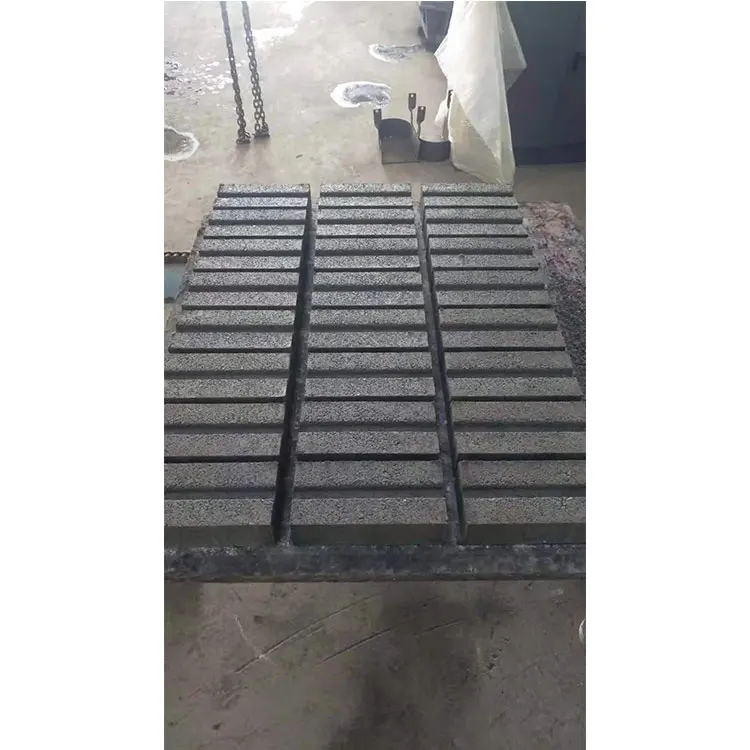

Description
Honest Capacity Sizing — Every cycle time and daily output figure for the QT8-15 is stated against the exact block format and mix design it will run, so the number on paper matches what your plant actually produces.
Technical Specifications
| Parameter | Value |
|---|---|
| Model | QT8-15 |
| Product Type | Automatic Concrete Block Making Machine |
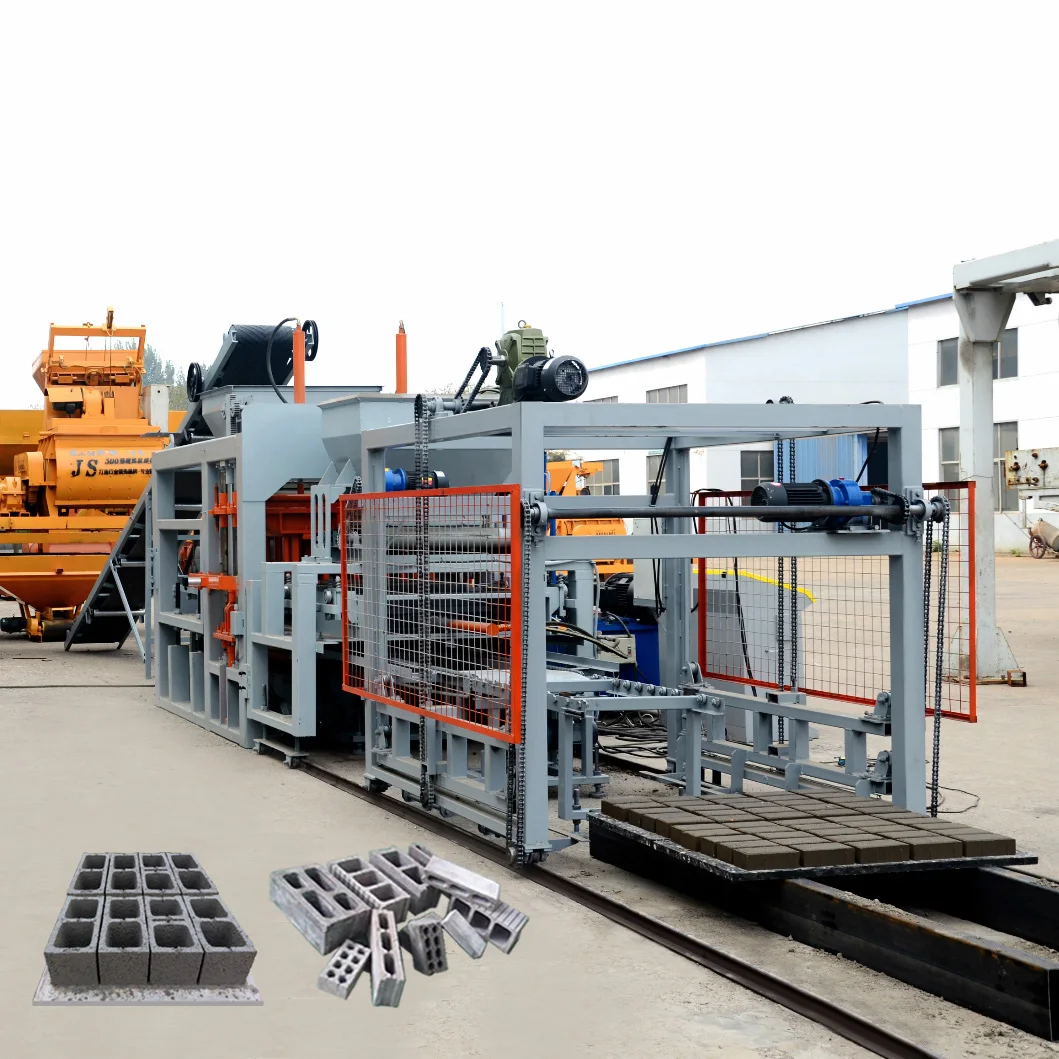
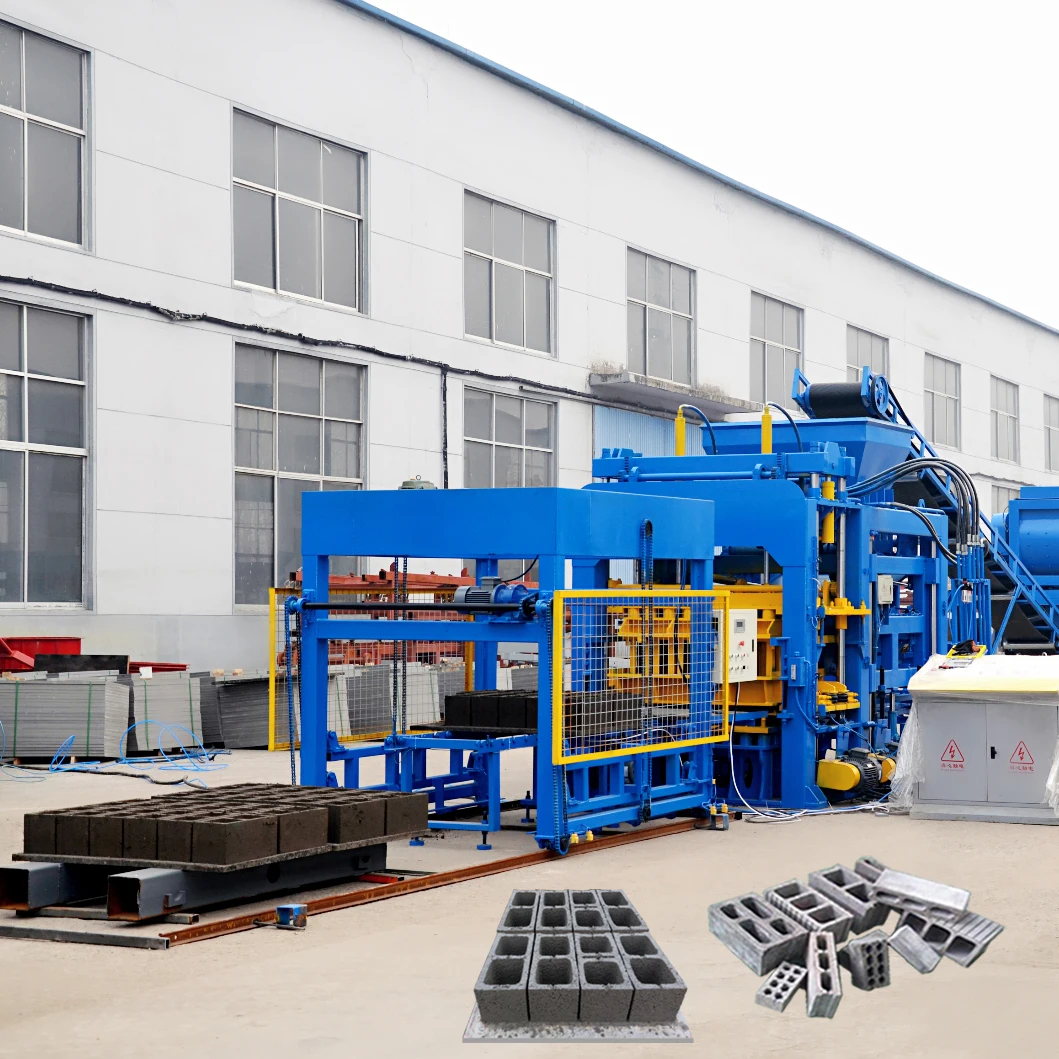
| Overall Dimensions (L×W×H) | 8300 x 1860 x 3000 mm |
| Rated Hydraulic Pressure | 21 MPa |
| Vibration Form | Platform Vibration |
| Vibration Frequency Range | 2800–4500 RPM |
| Pallet Size | 950 x 900 mm |
| Moulding Cycle | 15–25 s (basis to be confirmed by block format and material) |
| Overall Power | 37 kW |
| Control System | PLC with touch screen human-computer interface |
| Block Compressive Strength | Up to 15 MPa |
| Hydraulic System | Independent integrated hydraulic station |
| Automation Level | High; automatic and manual modes selectable |
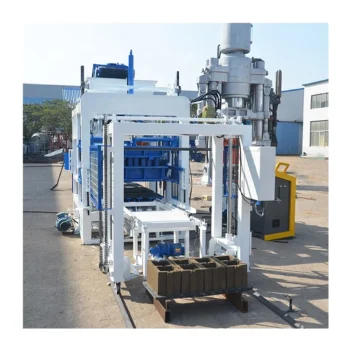
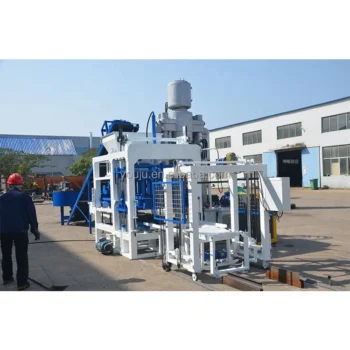
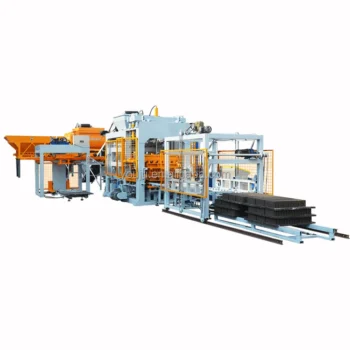
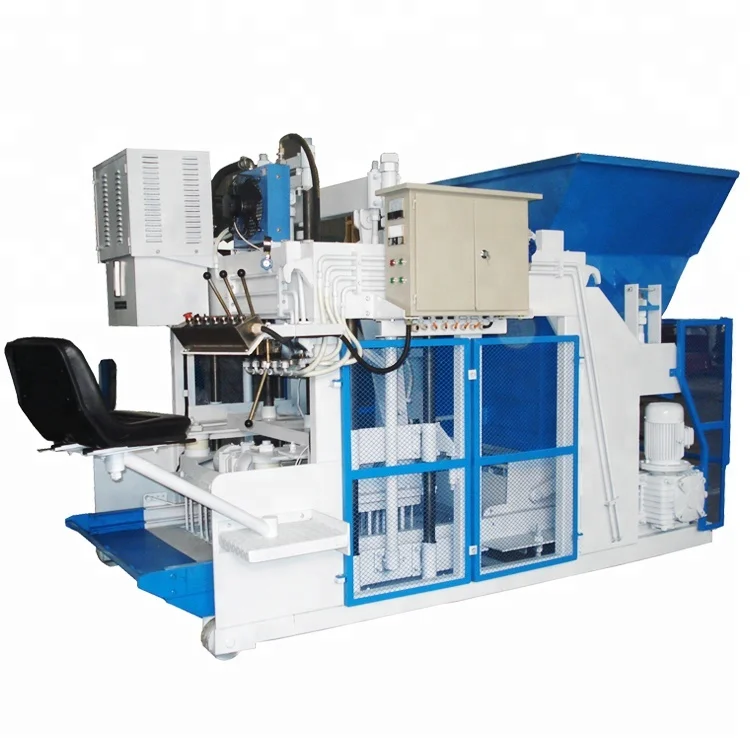
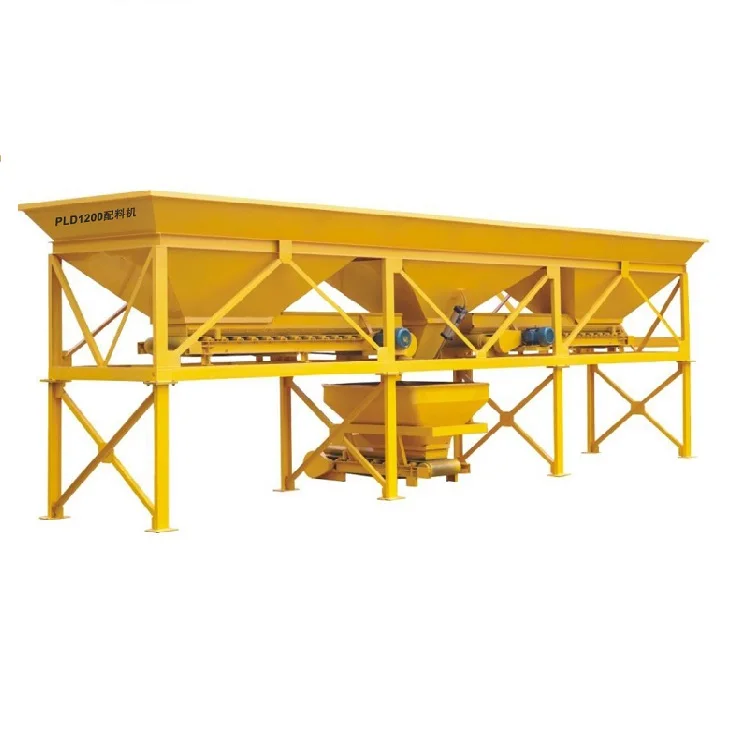
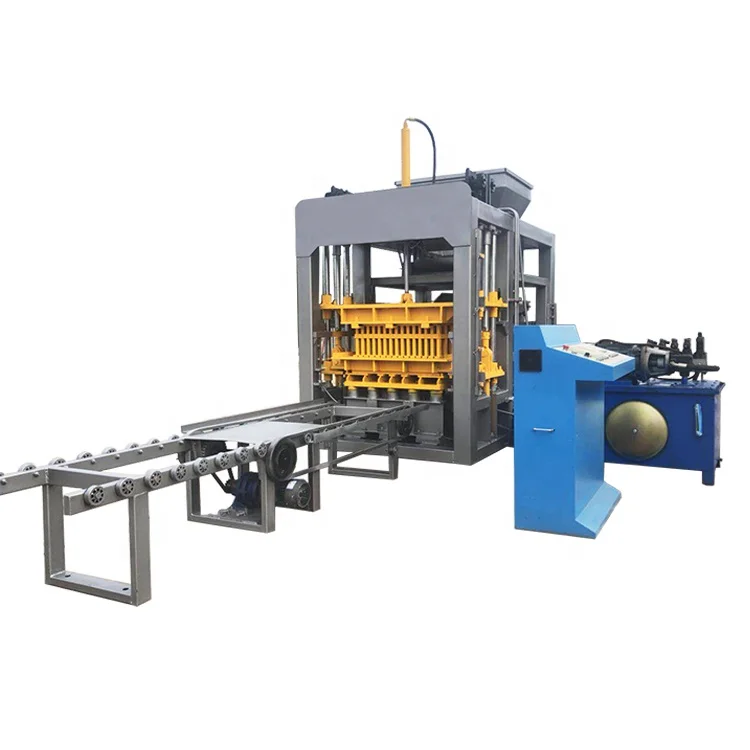
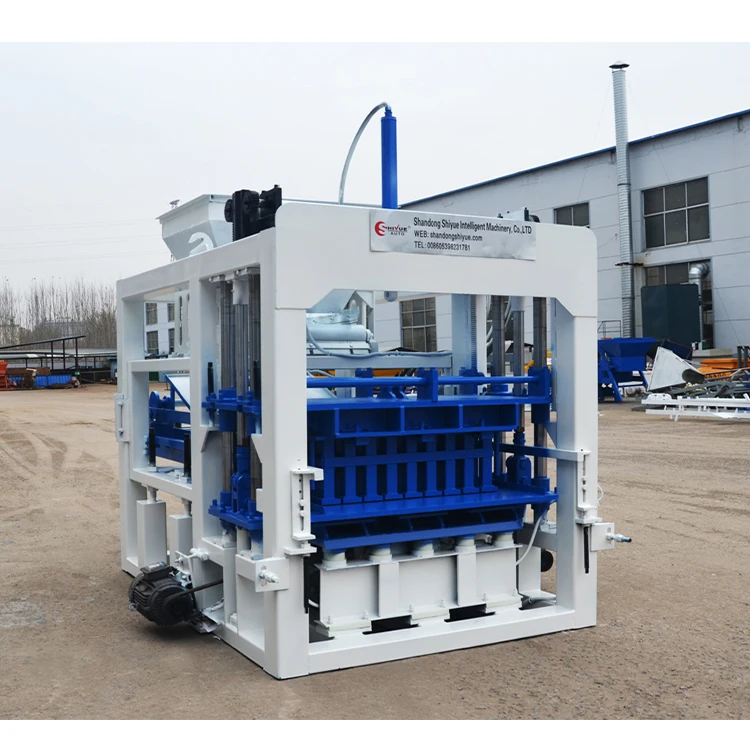
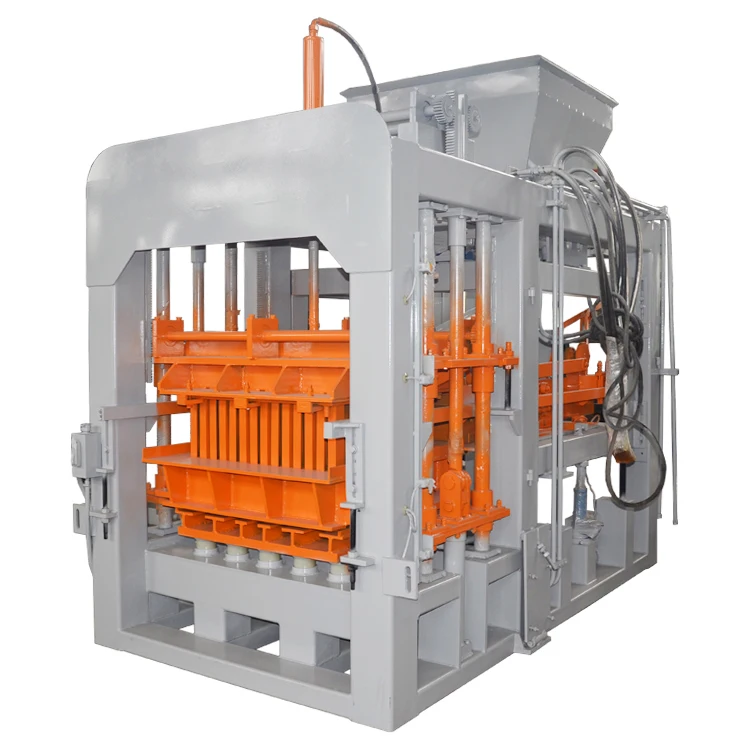
| Machine Composition | Pallet feeder, host machine, block conveyor, hydraulic station, PLC controller |
| Voltage & Frequency | Configurable (to be confirmed before production) |
| PLC Display Language | Configurable (to be confirmed before production) |
| Standards | CE where applicable |
Application Suitability
| Application | Material or Output |
|---|---|
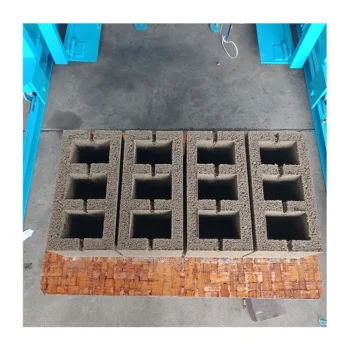
| Hollow block production for masonry walls | Crushed stone, sand, cement, fly ash blends |
| Solid block production for load-bearing structures | Dense aggregate mixes with cement binder |
| Paving block production for roads and walkways | High-strength concrete with fine aggregate |
| Kerbstone production for road edging | Coarse aggregate concrete with high cement content |
| Interlocking brick production for retaining walls | Graded sand and cement mix |
| Porous brick production for permeable surfaces | Open-graded aggregate with low fines content |
What "15-25 Seconds" Leaves Out About QT8-15 Output
Cycle time only means something when tied to the block format you actually sell.
A QT8-15 automatic block machine specifications sheet listing a 15-25 second moulding cycle tells you the press can move fast, but it does not tell you whether that speed holds for a 400 mm hollow block or a small interlocking paver. I have watched plants run into trouble when the quoted cycle was based on a thin paver while their daily production target was built around large hollow blocks — the gap between expectation and reality cost them hours every shift. That is why we calculate output per format and state the assumption openly [NEED_CITE: block format assumptions in machinery capacity quotations].
Platform Vibration Tuned to Your Block Format
The QT8-15 uses a platform vibration system operating across 2800–4500 RPM, paired with 21 MPa rated hydraulic pressure. This combination is what compacts the concrete into a dense, consistent block. The vibration frequency must be matched to the block format and the particle size of your aggregate — too low and the mix does not consolidate properly, too high and the fines migrate to the surface leaving weak cores. When we configure the QT8-15 automatic block machine specifications for your order, we set the vibration parameters against the specific mould and mix design you will run.
Pallet Size, Curing Area, and the Hidden Logistics Gap
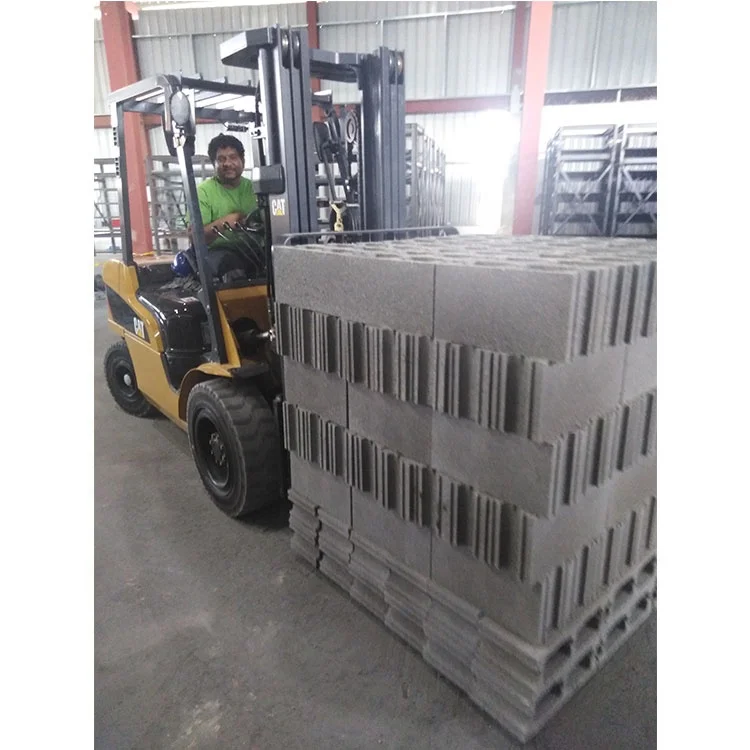
The 950 x 900 mm pallet is the physical link between the press and your curing yard. If your existing forklift tines are spaced for a different pallet width, or your curing racks were built around another dimension, every pallet coming off the QT8-15 will need manual repositioning before it can be stored. This is not a problem you discover at installation — it should be resolved at the quotation stage. We confirm pallet dimensions against your handling equipment and curing layout before the machine enters production [NEED_CITE: pallet handling compatibility in block plant layout].
Reading the QT8-15 Specifications for Production Reality
The 37 kW overall power rating covers the hydraulic station, vibration motors, pallet feeder, and conveyor together. In practice, peak draw occurs during the vibration phase when the motors and hydraulic pump load simultaneously, so your supply circuit must handle that surge without voltage drop. The independent integrated hydraulic station keeps pressure delivery stable across the moulding cycle, which directly affects block density consistency from the first piece to the last in a shift. The PLC touch screen interface lets operators adjust feeding time and vibration duration per format, meaning a change from hollow block to paver production is a parameter change at the screen rather than a mechanical reconfiguration. This flexibility is central to why the QT8-15 automatic block machine specifications are reviewed format by format rather than offered as a single default setup.
The Cost of Skipping Format-Level Configuration
When a block machine arrives configured for a generic mix and a single pallet size that does not match the buyer’s curing infrastructure, the consequences compound. Blocks cure unevenly because pallets do not sit properly on existing racks. Mould changes take longer than necessary because the format list was not agreed before production. Operators spend shifts compensating for vibration settings that were never adjusted to the local aggregate, and compressive strength varies batch to batch. These are not defects in the machine — they are gaps in the specification process that surface only after the equipment is bolted to the floor [NEED_CITE: common causes of block plant underperformance post-installation].
Why Source the QT8-15 Through This Channel
Block machinery is our single focus, which means the QT8-15 press, its moulds, pallets, and handling equipment are specified as one matched system rather than assembled from separate suppliers. Configuration is set against your actual mix design and local aggregate, not a catalogue default. Mould design covers the formats your market sells, with custom drawings available when standard options do not fit. Automation level is selectable so a plant can begin with semi-automatic operation and expand later. Installation support includes on-site commissioning and operator training, ensuring the PLC parameters are set correctly from day one.
Documentation & Verification
- Line layout and capacity calculation stating the block format assumed for the QT8-15 output
- Mould drawing and format list confirming every block size the machine will produce
- Pallet specification matched to your curing rack dimensions and forklift configuration
- Hydraulic and electrical schematic for the 37 kW system with integrated station
- Voltage, frequency, and PLC display language confirmation record before production
- Factory test record run on your specified block format before dispatch
Installation, Commissioning & Support
- Foundation plan based on the 8300 x 1860 mm footprint and vibration load of the QT8-15
- Dedicated power circuit sized for 37 kW total draw with surge allowance for vibration phase
- Machine dismantled for container loading and reassembled on-site with alignment checks
- PLC touch screen parameters set per block format during commissioning with test runs
- Operator training covering automatic and manual mode switching and mould change procedure
- Wear parts list and mould maintenance schedule provided at handover
What We Need to Size the QT8-15 Correctly
To give you a capacity figure that holds up on the shop floor, we need to know which block formats you plan to produce, the target daily volume for each, and the raw materials available locally including aggregate type and grading. Share your existing pallet dimensions if you have curing infrastructure in place, along with the voltage and frequency standard at your site and the preferred PLC display language.
Frequently Asked Questions
Q: How is QT8-15 output capacity calculated and which block format does it assume?
A: Output is calculated per block format, not as a single number. The 15–25 second moulding cycle produces different quantities depending on whether the mould holds large hollow blocks or smaller pavers. We provide a capacity table stating the block format, cycle time, and pallet count per hour for each product in your range, so daily planning is based on your actual production mix.
Q: What pallet size does the QT8-15 use and how does it relate to my curing area?
A: The machine uses 950 x 900 mm pallets. Before production, we confirm this dimension fits your curing racks, handling forklifts, and storage layout. If your existing infrastructure was built around a different pallet size, we discuss options to avoid manual repositioning after every press cycle.
Q: How long does a mould change take on the QT8-15 and what formats are available?
A: Mould change time depends on the format shift and whether quick-change hardware is included. Available formats include hollow blocks, solid blocks, paving blocks, kerbstones, interlocking bricks, and porous bricks. We confirm the full format list and change procedure before the machine ships, so your team knows the realistic downtime between production runs.
Q: Can the PLC control language and voltage be configured for my country before shipment?
A: Yes. Voltage, frequency, and PLC display language are confirmed during the order process and set before the machine leaves the factory. This avoids commissioning delays caused by mismatched power supply or an interface the operators cannot read on arrival.
Q: How do I match vibration frequency and hydraulic pressure to my local aggregate?
A: The 2800–4500 RPM vibration range and 21 MPa hydraulic pressure are adjusted based on your mix design and aggregate particle size. We review your local material data before finalizing the settings, ensuring block compressive strength reaches up to 15 MPa consistently without requiring a costly change in raw material sourcing.