

Description
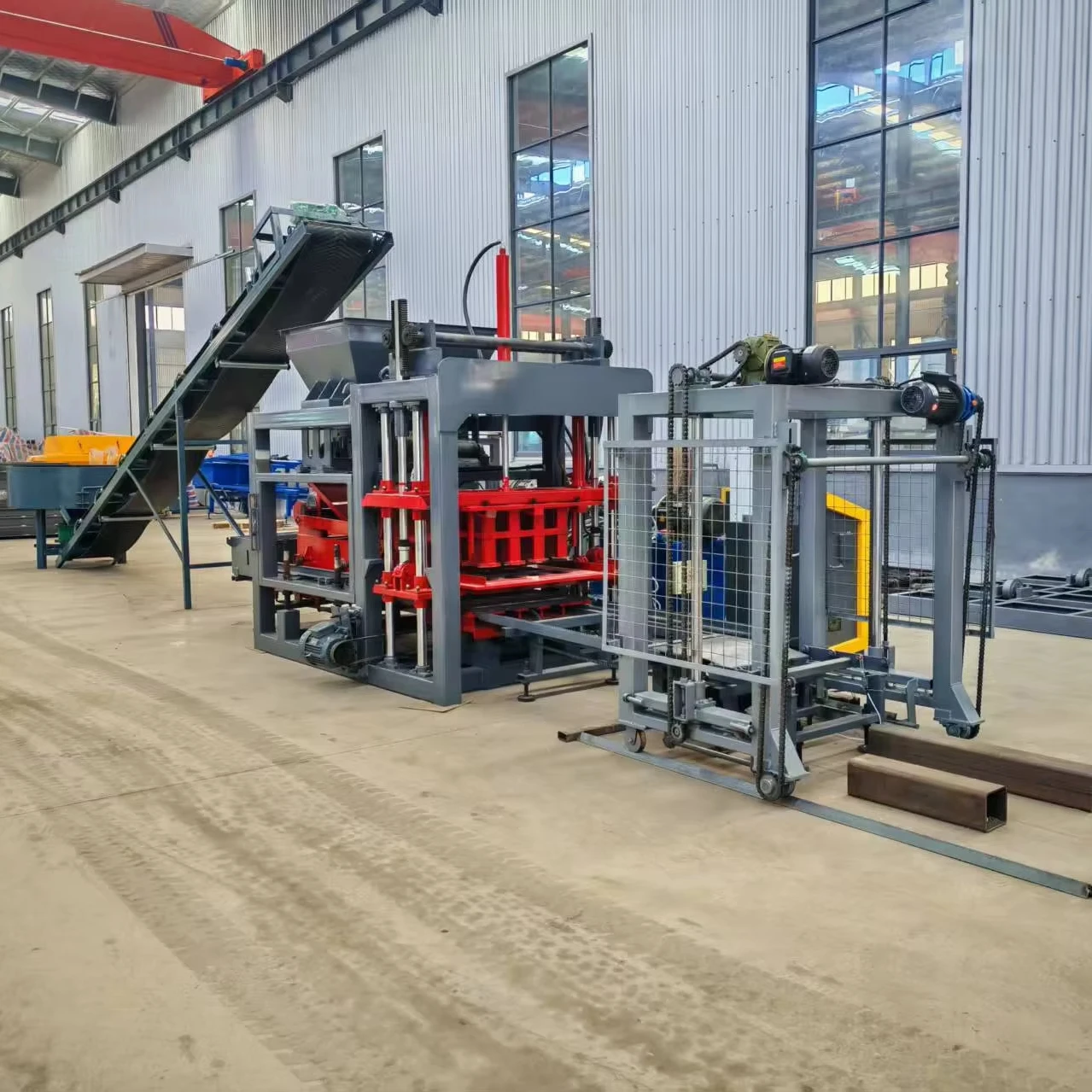
Matched Mould & Pallet System — every QT7-15 configuration is sized against the buyer’s block format, curing rack dimensions, and local aggregate before the machine enters production.
Technical Specifications
| Parameter | Value |
|---|---|
| Model | QT7-15 |
| Product Type | Automatic Concrete Block Making Machine |
| Pallet Size | 1150 × 700 mm |
| Molding Cycle | 15–20 s (basis not stated in source — confirm block format and material) |
| Vibration Force | 100 kN |
| Vibration Frequency | 0–60 Hz (adjustable) |
| Vibration Form | Platform Vibration |
| Overall Power | 45 kW |
| Total Mass | 8 T |
| Demolding Method | Hydraulic |
| Control System | PLC with touch screen interface |
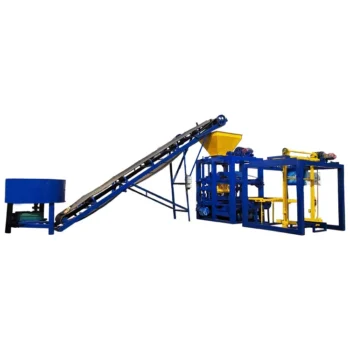
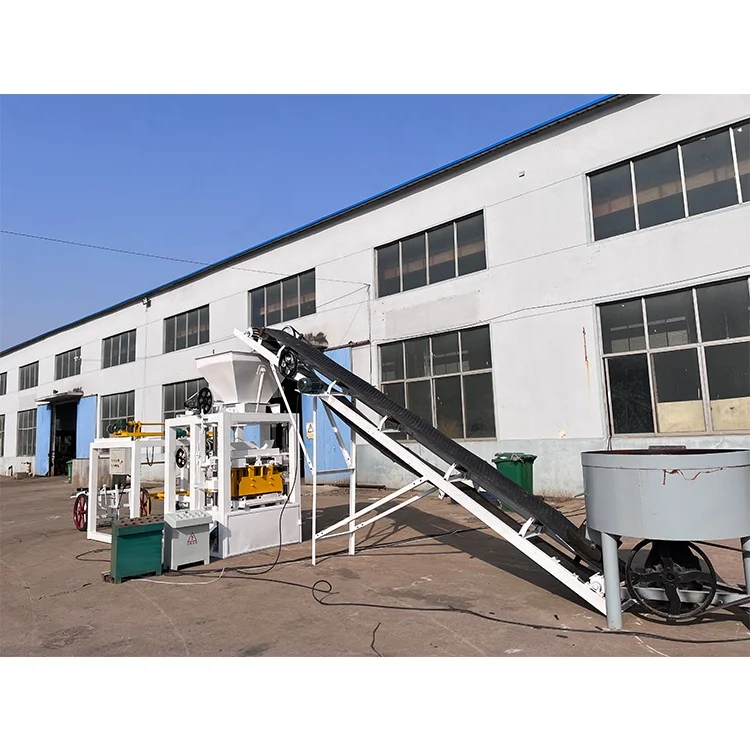
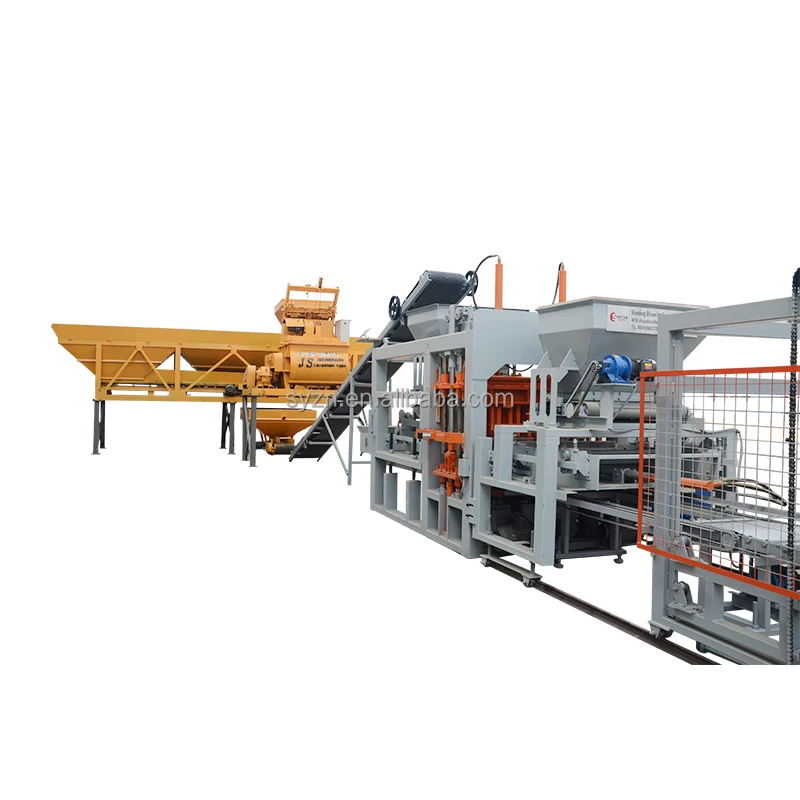
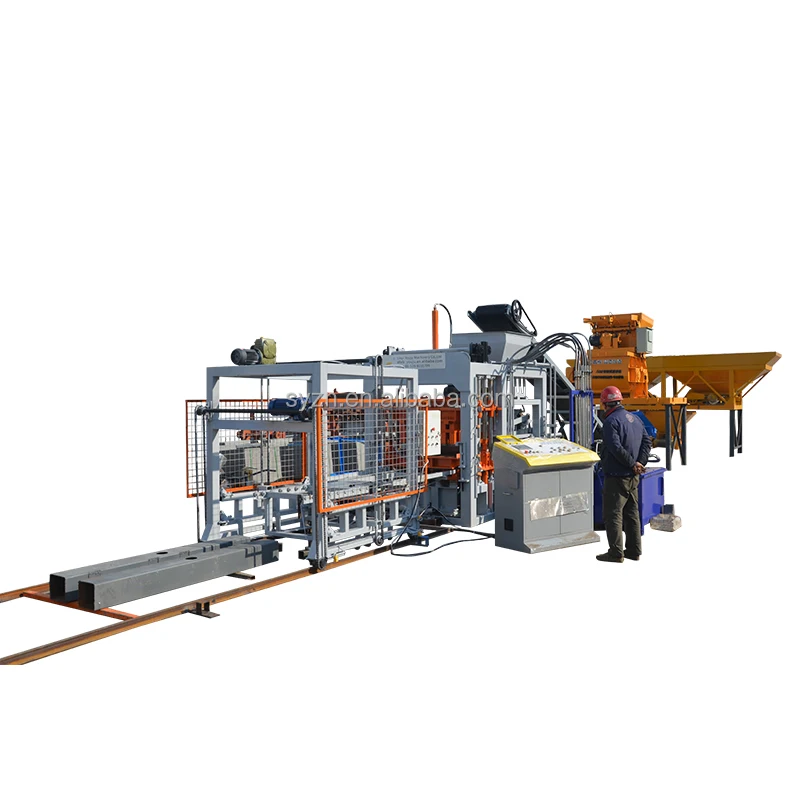
| Machine Components | Pallet feed machine, block making machine, storage hopper, conveyor, hydraulic unit, PLC control cabinet |
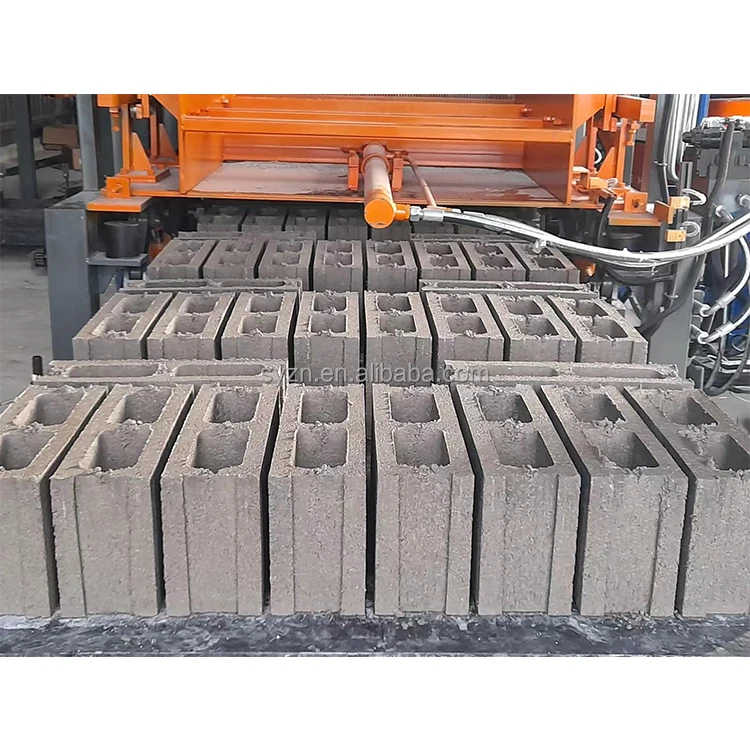
| Capacity — Hollow Block 400×200×200 mm | 7 pcs/mould, 1260–1680 pcs/h, 10080–13440 pcs/8 hr |
| Capacity — Hollow Block 400×150×200 mm | 8 pcs/mould, 1440–1920 pcs/h, 11520–15360 pcs/8 hr |
| Capacity — Rectangular Paving Brick 200×100×60 mm | 27 pcs/mould, 3888–4860 pcs/h, 31104–38880 pcs/8 hr |
| Mould Change | Quick replacement by mould swap (time to be confirmed) |
| Automation Level | Automatic — PLC controlled, hydraulic demolding, automatic pallet feed |
| Warranty | 1 year for whole machine (excluding spare parts) |
| Voltage & Frequency | To be confirmed per buyer’s site supply |
| PLC Display Language | To be confirmed before production |
| CE Declaration | Applicable — confirm with order documentation |
Application Suitability
| Application | Material or Output |
|---|---|
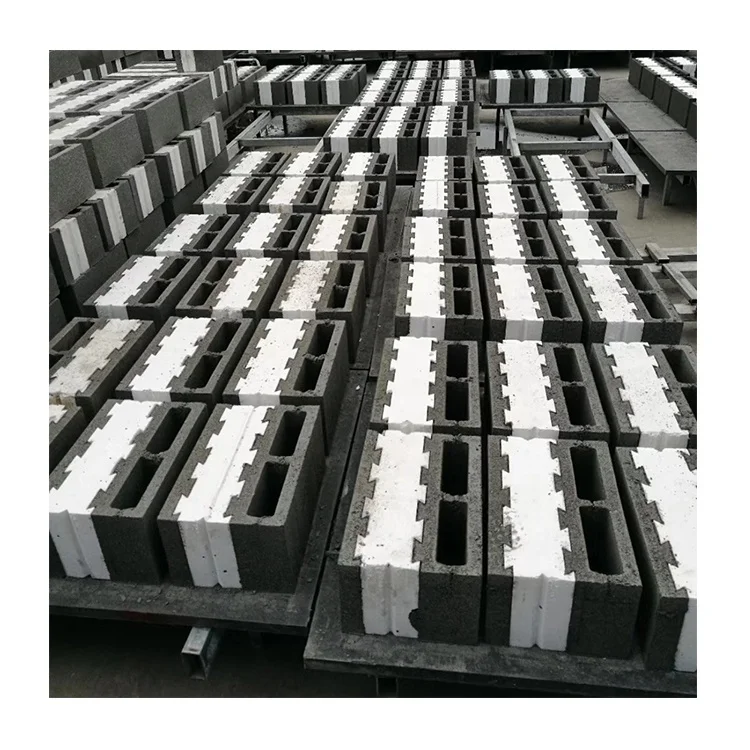
| Hollow concrete block production | Crushed stone, sand, cement and fly ash aggregate for 400×200×200 mm and 400×150×200 mm formats |
| Rectangular paving brick and interlocking paver | Fine aggregate and cement mix for 200×100×60 mm format |
| Solid block, porous brick and kerbstone | Compatible aggregate blends subject to available mould design |
| On-site contractor block production | Project-specific mixes verified against local material reports |
| Existing plant format expansion | New block formats added to current range via custom mould tooling |
What "15–20 Second Cycle" Actually Means for Your Output
A cycle time figure without a block format attached is not a capacity claim — it is a starting point for calculation.
The QT7-15 block machine specifications list a molding cycle of 15–20 seconds, but that range shifts depending on whether you are pressing a 400×200×200 mm hollow block or a 200×100×60 mm paving brick. Thicker blocks demand longer vibration dwell to achieve uniform density through the full depth, and a mix with high clay content slows mould fill. I once reviewed a line where the buyer assumed the fastest cycle applied to every format, and the resulting daily shortfall caused contract penalties on a housing project [NEED_CITE: typical discrepancy between quoted cycle time and actual multi-format output].
Format-by-Format Capacity on the QT7-15
With 7 cavities per mould for the 400×200×200 mm hollow block, the QT7-15 block machine specifications indicate a theoretical output of 10080–13440 pieces per 8-hour shift. Switch to the 400×150×200 mm hollow block with 8 cavities and the range moves to 11520–15360 pieces per shift. For the 200×100×60 mm rectangular paving brick at 27 cavities per mould, the machine reaches 31104–38880 pieces per shift. These figures assume continuous operation with no pallet shortages, no mould changes mid-shift, and a mix that fills cleanly at the stated cycle — conditions that must be verified against your actual site setup.
Why Pallet Size Dictates Your Curing Layout
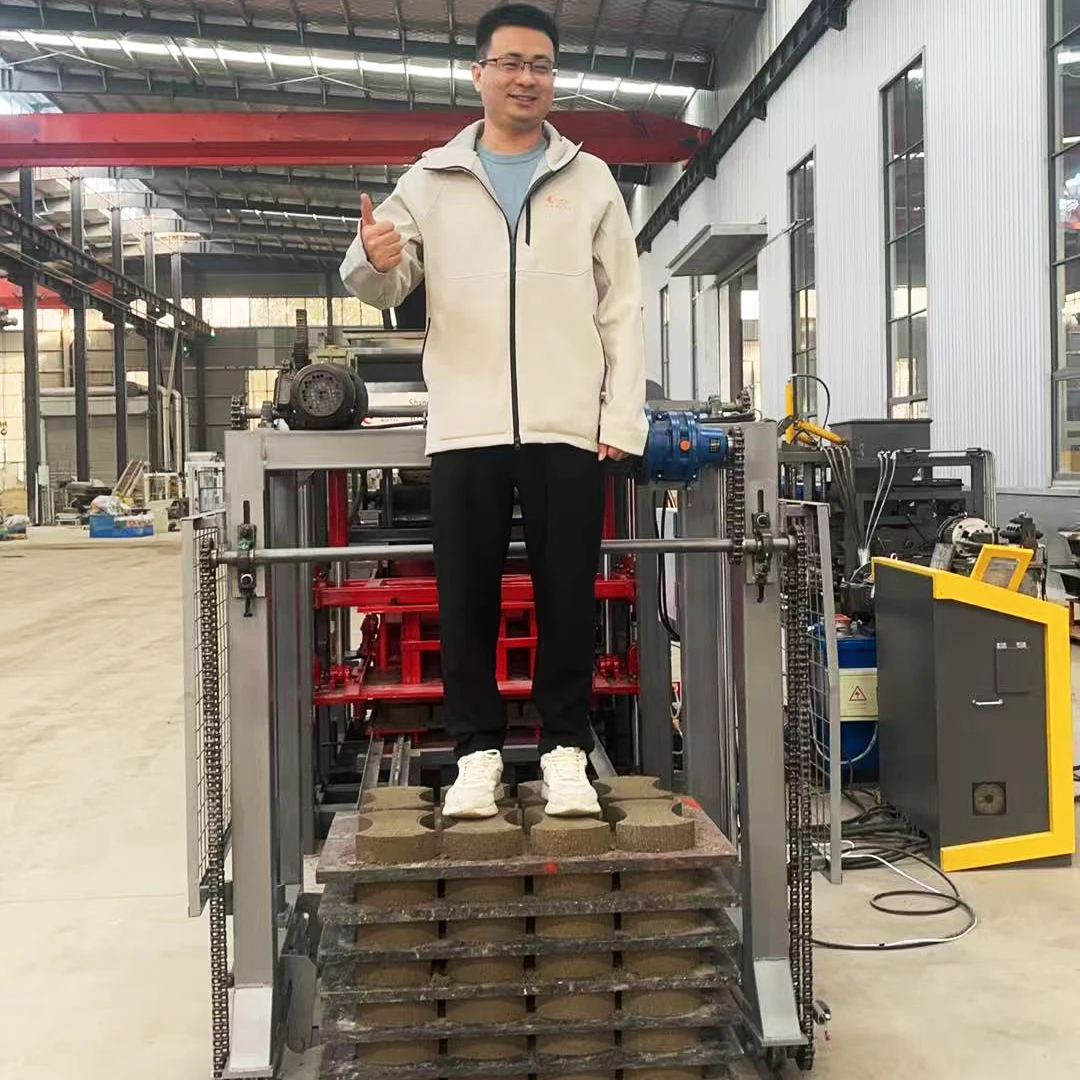
The 1150×700 mm pallet is the interface between the press and everything downstream. If your curing racks were built for a different pallet dimension, every wet block coming off the QT7-15 will need manual re-stacking before it enters the rack — negating the automatic pallet feed you invested in. The pallet material also matters: bamboo pallets flex under load and can cause dimensional variance on thin pavers, while steel pallets add weight that your existing forklift may not be rated to handle at full stack height [NEED_CITE: pallet material and deflection impact on block dimensional tolerance]. Confirming pallet specification against your curing area and handling equipment is a step that must happen before the machine is built, not after it arrives.
Vibration Force, Hydraulic Pressure and Block Strength
The 100 kN platform vibration force works in tandem with hydraulic pressure to compact the mix into a dense, consistent block. Frequency adjustability from 0–60 Hz allows the operator to match vibration intensity to the aggregate size and moisture content of the batch. A coarse crushed-stone mix with low fines needs higher amplitude to settle, while a fine sand and cement blend for paving bricks requires a gentler frequency to avoid segregation. When vibration force and hydraulic pressure are not matched to the buyer’s specific mix design, block compressive strength varies from one pallet to the next — a problem that often surfaces only after the first batch reaches the curing yard and fails the site lab crush test.
The Cost of Skipping Mix-Design Verification
A buyer once shipped a block line to a laterite site where the clay content far exceeded what the sample test had assumed. Mould fill was uneven, and a significant portion of the bricks cracked straight out of the press. The QT7-15 is no different: if the raw material report is not reviewed before the capacity spreadsheet is opened, the vibration settings and mould fill timing will be calibrated to a mix the machine will never actually see. The result is wasted cement, inconsistent block dimensions, and a commissioning period that stretches well beyond the planned schedule [NEED_CITE: impact of unverified aggregate properties on block press commissioning timelines].
Why Technical Buyers Source This Configuration
Block machinery is the sole focus here, so the QT7-15 machine, mould, pallet and handling equipment are specified as one matched system rather than assembled from separate suppliers. Every configuration is set against the buyer’s actual mix design, local aggregate and target block format — not a catalogue default. Mould design covers the formats your market sells, including custom drawings for non-standard sizes. The automation level is selectable, allowing a buyer to start with the standard pallet feed and add stacking upgrades later. Installation support includes operator training so that vibration frequency, hydraulic pressure and cycle parameters are set correctly from the first production run.
Documentation & Verification
- Line layout and capacity calculation stating assumed block format for every output figure
- Machine specification sheet with confirmed voltage, frequency and PLC language
- Mould drawing and format list covering every block size in your order
- Pallet specification matched to your curing rack dimensions and forklift rating
- Hydraulic and electrical schematic for on-site maintenance reference
- Factory test record run on your specified block format before dispatch
Installation, Commissioning & Support
- Foundation plan sized to the QT7-15 total mass of 8 T and vibration load
- Dedicated power circuit confirmed for the 45 kW overall power requirement
- Machine dismantled for container loading and reassembled on site
- PLC touch screen parameters set to buyer’s confirmed language during commissioning
- Operator training on mould change procedure and vibration frequency adjustment
- Wear parts and mould list with part numbers supplied before first production run
Before You Request a Quotation
Share your target block format with dimensions, the daily output you need per format, and a recent raw material test report from your local aggregate source. Confirm your site voltage and frequency, the PLC display language your operators require, and the pallet dimensions your existing curing racks and forklift can accommodate. With those details, the QT7-15 block machine specifications can be finalised as a matched system rather than a generic catalogue build.
Frequently Asked Questions
Q: How is the QT7-15 capacity calculated per block format, and what is the realistic 8-hour output for my specific hollow block or paver size?
A: Capacity is stated per format with cavity count and cycle range. For a 400×200×200 mm hollow block at 7 cavities, the QT7-15 block machine specifications show 10080–13440 pieces per 8-hour shift. Realistic output depends on your mix fill behaviour, pallet handling speed, and whether you run format changes within that shift. A formal capacity calculation document is issued with every proposal.
Q: How do I confirm the correct pallet size for my curing area and existing forklift before the machine is built?
A: The standard 1150×700 mm pallet must be checked against your curing rack spacing and forklift load rating at full stack height. If your racks were built for a different dimension, pallet re-stacking will be needed. We confirm pallet size, material and weight in writing during the proposal stage so there are no surprises at commissioning.
Q: What is the actual mould change time on the QT7-15, and how many format changes are practical per shift?
A: The QT7-15 uses a quick mould swap system, but exact changeover time depends on the mould size and operator familiarity. Multiple changes per shift are possible, though each change reduces available production time. We state the expected changeover duration in the line layout so you can plan your shift schedule around the formats your market demands.
Q: How is the vibration force and hydraulic pressure matched to my local aggregate and mix design?
A: The 100 kN platform vibration with adjustable 0–60 Hz frequency is set against your raw material report before factory testing. Coarse aggregate requires different vibration profiles than fine sand blends. Matching these parameters to your actual mix ensures consistent block density and compressive strength from the first production run onward.
Q: What documentation will I receive before shipment to confirm voltage, control language, pallet specification and mould format list?
A: You receive a specification sheet confirming voltage, frequency and PLC language, a pallet specification document, mould drawings for every format ordered, and a factory test record run on your block size. These documents are issued before dispatch so you can verify every detail matches your site conditions.