


Description
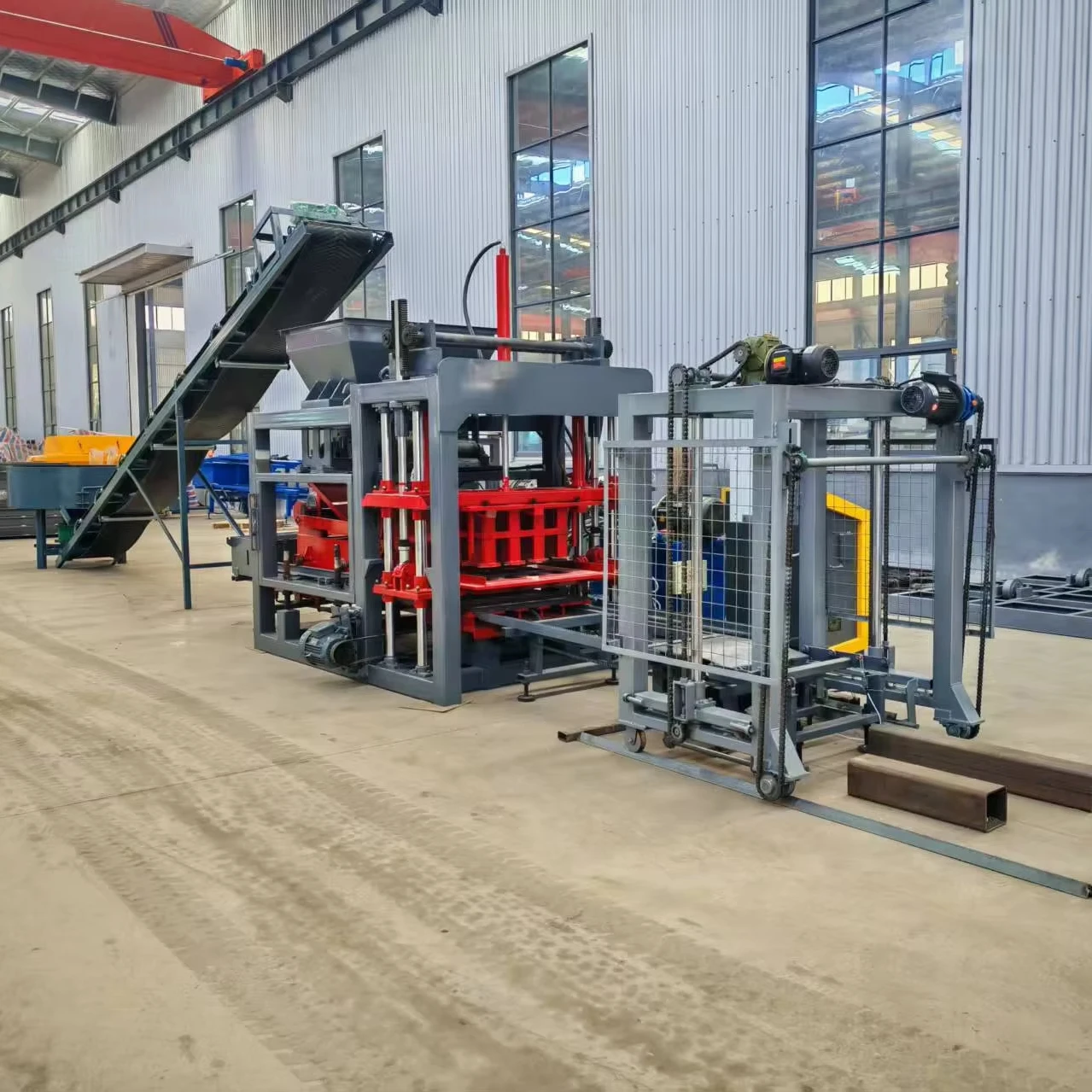
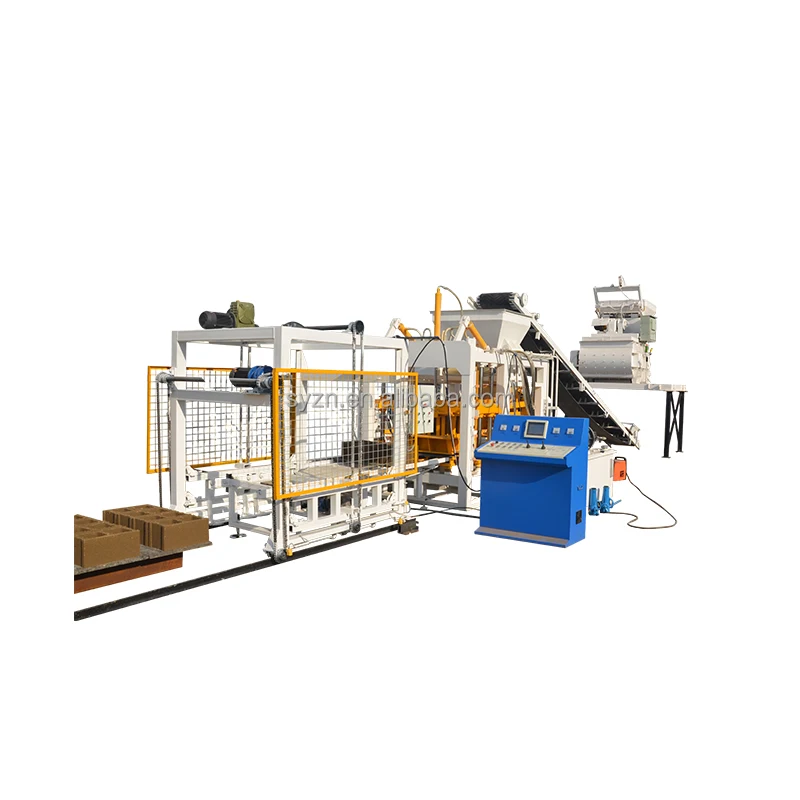
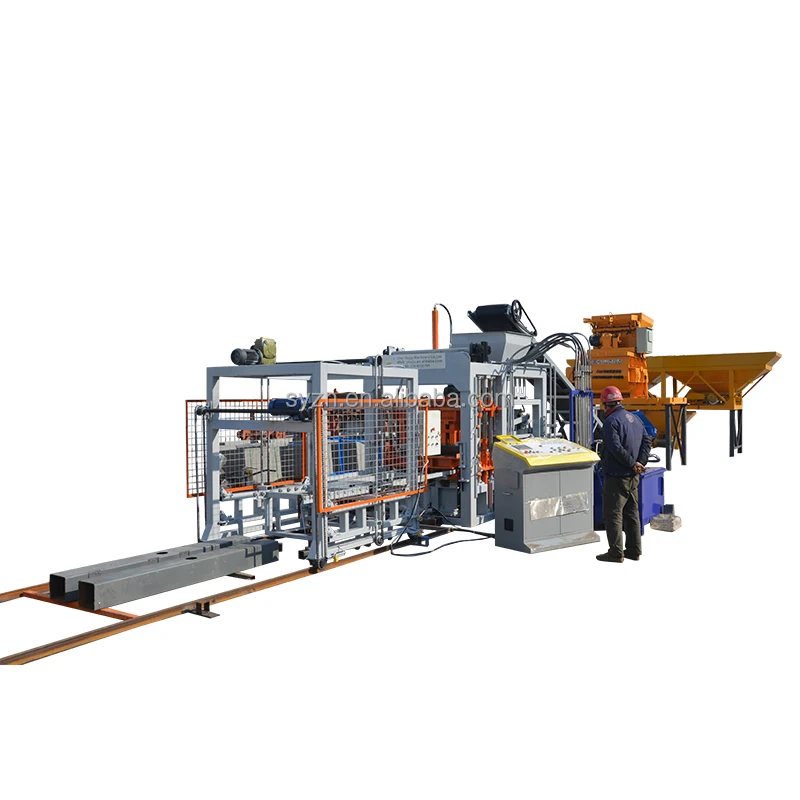
Matched System Engineering — Every QT7-15 block machine is specified as a complete system where mould, pallet, vibration parameters and handling equipment are aligned to your target block format rather than assembled from catalog defaults.
Technical Specifications
| Parameter | Value |
|---|---|
| Model | QT7-15 |
| Product Type | Hydraulic Block Making Machine |
| Pallet Size | 1150 × 700 mm |
| Molding Cycle | 15-20 s |
| Overall Power | 45 kW |
| Vibration Force | 100 kN |
| Vibration Frequency | 0-60 Hz (adjustable) |
| Vibration Form | Platform Vibration |
| Total Mass | 8 T |
| Demolding Method | Hydraulic |
| Control System | PLC with touch screen interface |
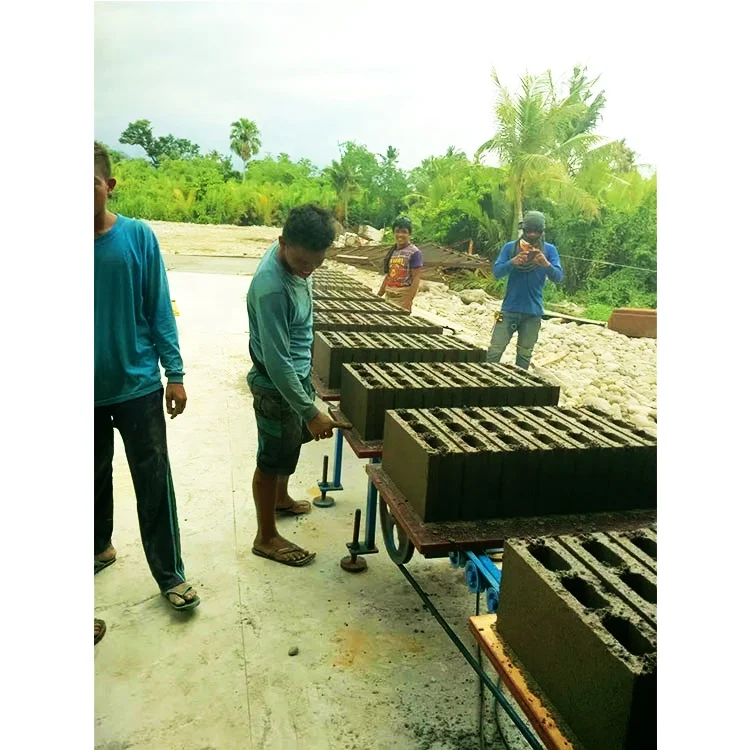
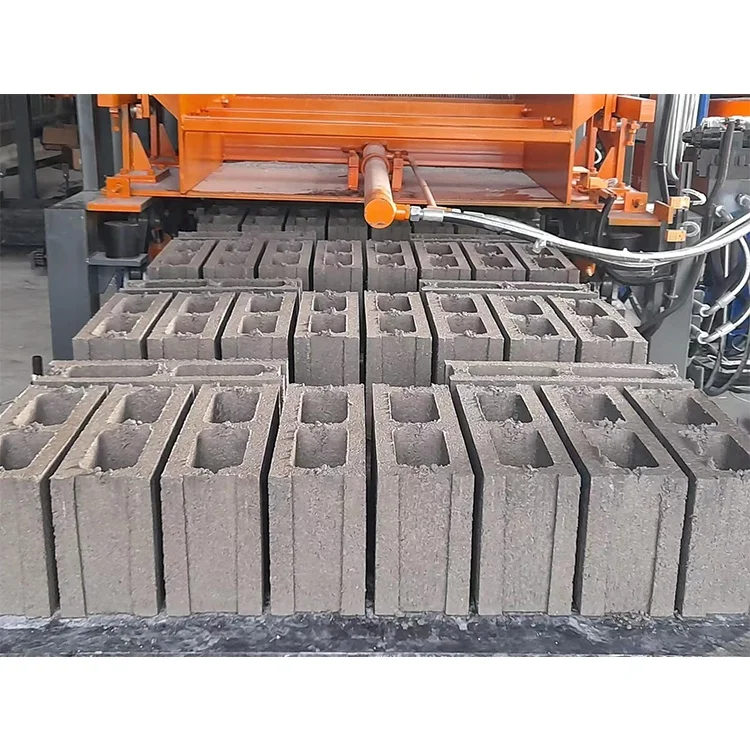
| Output Capacity (Hollow block 400×200×200 mm) | 1260-1680 pcs/h, 10080-13440 pcs/8hr |
| Output Capacity (Hollow block 400×150×200 mm) | 1440-1920 pcs/h, 11520-15360 pcs/8hr |
| Output Capacity (Rectangular brick 200×100×60 mm) | 3888-4860 pcs/h (Molding cycle 20-25s, 27 pcs/mould), 31104-38880 pcs/8hr |
| Mould Format | Hollow block, Rectangular paving brick (interchangeable) |
| Automation Level | Automatic (PLC controlled) |
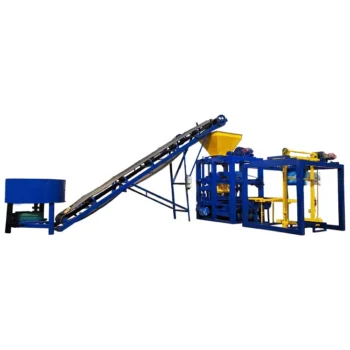
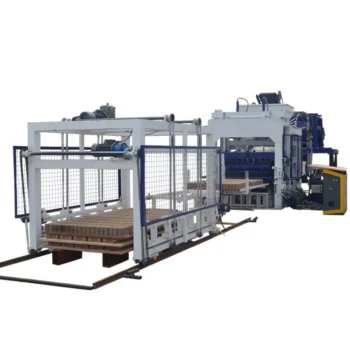
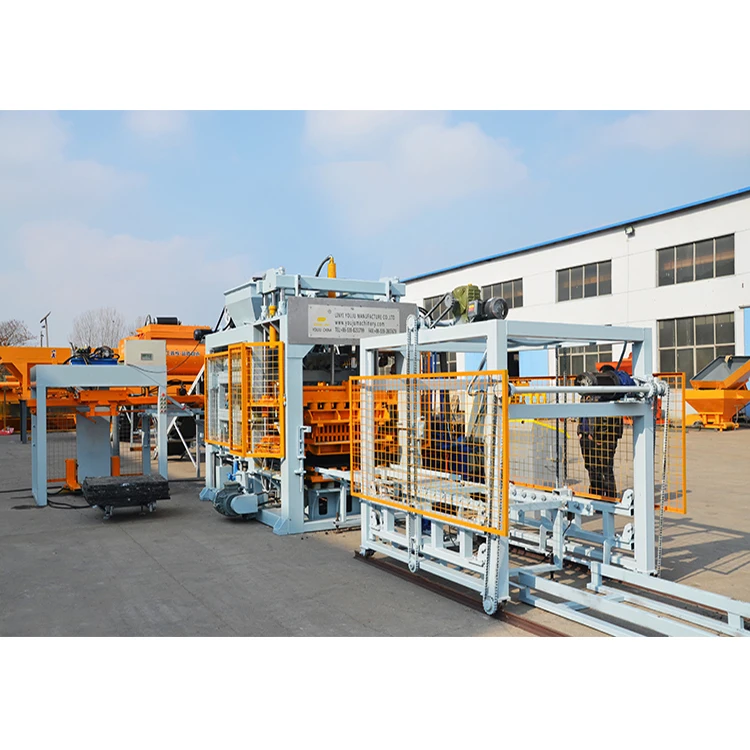
| Component Configuration | Pallet feed machine, block making machine, storage hopper, conveyor, hydraulic unit, PLC control cabinet |
| Voltage & Frequency | Configurable to target market standard (basis to be confirmed) |
| Hydraulic Pressure | Confirm MPa rating (basis to be confirmed) |
Application Suitability
| Application | Material or Output |
|---|---|
| Concrete hollow block production | Crushed stone, sand, cement, and water mix designs for 400×200×200 mm and 400×150×200 mm formats |
| Rectangular paving brick production | Fine aggregate and cement blends for 200×100×60 mm interlocking or standard pavers |
| On-site construction block manufacturing | Local aggregate and cement adapted to project-specific strength requirements |
| Block plant format expansion | Interchangeable mould system allowing transition between hollow blocks and paving bricks |
What "Pieces per Hour" Leaves Out About Block Machine Capacity
A single headline capacity figure means nothing unless it states the exact block format and mould behind that number.
I have watched buyers sign contracts based on a quoted hourly output, only to discover on commissioning day that the figure assumed a small solid brick mould while their market demands 400×200×200 mm hollow blocks — and the real throughput drops significantly. The QT7-15 block machine specifications must always be read against the specific format you intend to produce. When a Middle East contractor ordered a machine for hollow block work, their local aggregate carried high clay content, and the default vibration curve produced weak green blocks for the first week. We pulled the material test report, recalibrated the vibration frequency and pressure timing, and stabilised daily output — but only after costly delays [NEED_CITE: impact of local aggregate clay content on concrete block curing strength]. This is why hollow block making machine capacity should always be discussed format by format, not as one blanket number.
Reading Capacity Data Format by Format
The QT7-15 delivers different throughput depending on which mould sits on the platform. For 400×200×200 mm hollow blocks, the molding cycle runs between 15 and 20 seconds, yielding 1260 to 1680 pieces per hour. Switch to the 400×150×200 mm hollow block format and the hourly range moves to 1440–1920 pieces. For 200×100×60 mm rectangular paving bricks, with 27 cavities per mould and a 20–25 second cycle, the machine produces 3888 to 4860 pieces per hour. These numbers only hold when the mix design, vibration frequency and hydraulic pressure are matched to the format in question.
Why Mould Selection Defines the Real Production Day
A buyer targeting the hollow block market needs to know that running 400×200×200 mm blocks for an eight-hour shift yields between 10,080 and 13,440 pieces under stable conditions. That same machine fitted with the paving brick mould can produce 31,104 to 38,880 rectangular bricks across the same shift. The difference is not a machine upgrade — it is simply the cavity count and cycle time associated with each format. Before ordering, confirm which moulds are included in the quotation and whether additional format moulds are available. Mould change procedure and time on site should be verified against your production schedule, because a changeover consuming most of a shift erases the format flexibility you paid for [NEED_CITE: typical mould change procedures for hydraulic block machines].
How Vibration Force, Pallet Size and Pressure Shape Block Quality
The 100 kN vibration force delivered through platform vibration at 0–60 Hz adjustable frequency is the core mechanism that compacts concrete into dense, consistent blocks. Higher frequency suits fine aggregate mixes, while lower frequency with sustained pressure works better with coarser crushed stone. The hydraulic demolding system must apply pressure in coordination with vibration — too much pressure before adequate vibration leaves voids, while delayed pressure causes slumping. The 1150×700 mm pallet size determines how many blocks sit on each board and must match your existing curing rack dimensions and forklift capacity. A pallet that does not fit your curing area forces manual restacking and slows the entire line. The 45 kW overall power rating covers the vibration motors, hydraulic pump and conveyor drives running simultaneously, so confirm your site electrical supply can sustain this draw across an eight-hour production shift.
The Cost of Overlooking Pallet and Voltage Details
Buyers who skip pallet specification often discover after arrival that their forklift tines are too short for the 1150×700 mm boards, or their curing racks were built for a different dimension. The result is improvised handling that damages green blocks and slows output. Similarly, voltage and frequency left unconfirmed can delay commissioning by weeks — a 380V/50Hz machine arriving at a 440V/60Hz site requires transformer equipment or motor rewinding before the first block is pressed. PLC display language is another detail that surfaces too late: an operator facing fault codes in an unfamiliar language cannot perform basic troubleshooting, and every hour of confusion is an hour of lost production [NEED_CITE: voltage and frequency standards by export market].
Why Buyers Source the QT7-15 From This Line
Block machinery is the single focus here, which means the QT7-15 is specified as a matched system — machine, mould, pallet and handling equipment are configured together rather than sourced from separate suppliers. Configuration is set against your actual mix design and local aggregate, not a catalog default that assumes ideal materials. Mould design covers the formats your market actually sells, with custom drawings available when standard formats do not match local demand. Automation level is selectable so a buyer can begin with the standard automatic PLC setup and plan for future handling upgrades. Installation support includes on-site commissioning and operator training so the team running the machine understands vibration adjustment and mould change procedures from day one.
Documentation & Verification
- Line layout drawing with capacity calculation stating the block format assumed for each output tier
- Mould drawing and format list confirming which hollow block and paving brick sizes the quotation covers
- Pallet specification sheet matched to your curing rack spacing and forklift tine length
- Voltage, frequency and PLC display language confirmation document signed before production begins
- Factory test record on your specified block format before dispatch
- Hydraulic and electrical schematic for on-site maintenance reference
Installation, Commissioning & Support
- Foundation plan sized for the 8 T total mass and vibration load of the QT7-15 platform
- Dedicated electrical circuit rated for the 45 kW overall power draw at confirmed voltage and frequency
- Machine arrives with hydraulic unit and PLC cabinet separated for container loading, requiring on-site reconnection
- First-run commissioning includes vibration frequency tuning to your local aggregate test report
- Operator training covers PLC fault diagnosis, mould change procedure and daily lubrication points
- Wear parts list identifies hydraulic seals and vibration motor brushes with recommended replacement intervals
What to Prepare Before Requesting a Quotation
To size the QT7-15 accurately, share the specific block formats your market demands along with target daily output per format. Provide a sample or test report of your local aggregate so vibration parameters can be matched before the machine is built. Confirm your site voltage, frequency and preferred PLC display language. If you have existing curing racks or forklifts, share their dimensions so the 1150×700 mm pallet can be verified against your handling setup.
Frequently Asked Questions
Q: How is capacity calculated per block format, and what mould does each figure assume?
A: Each capacity figure ties to a specific mould cavity count and cycle time. The 1260–1680 pieces per hour figure assumes the 400×200×200 mm hollow block mould with a 15–20 second cycle. The paving brick figure assumes 27 cavities per mould at a 20–25 second cycle. Always confirm which format the quoted output references.
Q: What pallet size does the QT7-15 use, and how does it relate to my curing setup?
A: The machine uses 1150×700 mm pallets. Before ordering, measure your curing rack shelf width and forklift tine length to confirm compatibility. Mismatched pallets force manual restacking and slow the handling chain between press and curing area.
Q: Can vibration force and frequency be adjusted for my local aggregate?
A: Yes. The platform vibration system runs from 0 to 60 Hz and the 100 kN force is adjustable through the PLC. Share your aggregate test report so the vibration curve can be matched to your material before commissioning, avoiding weak green blocks on startup.
Q: What voltage, frequency and PLC language will be configured before shipment?
A: These are confirmed in writing before production. Provide your site electrical specifications and preferred operator language so the PLC touch screen and motor windings match your facility. Unconfirmed voltage remains a leading cause of delayed commissioning.