

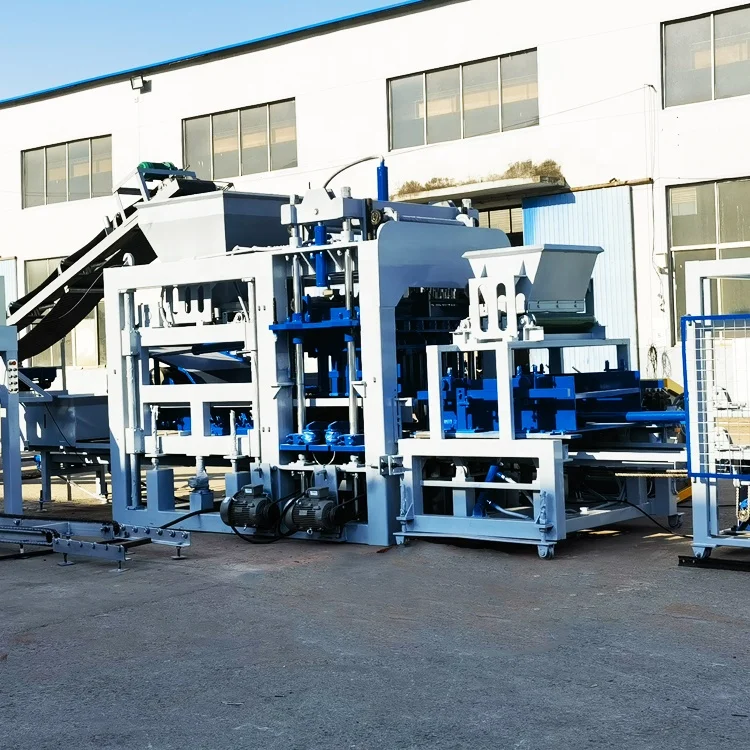
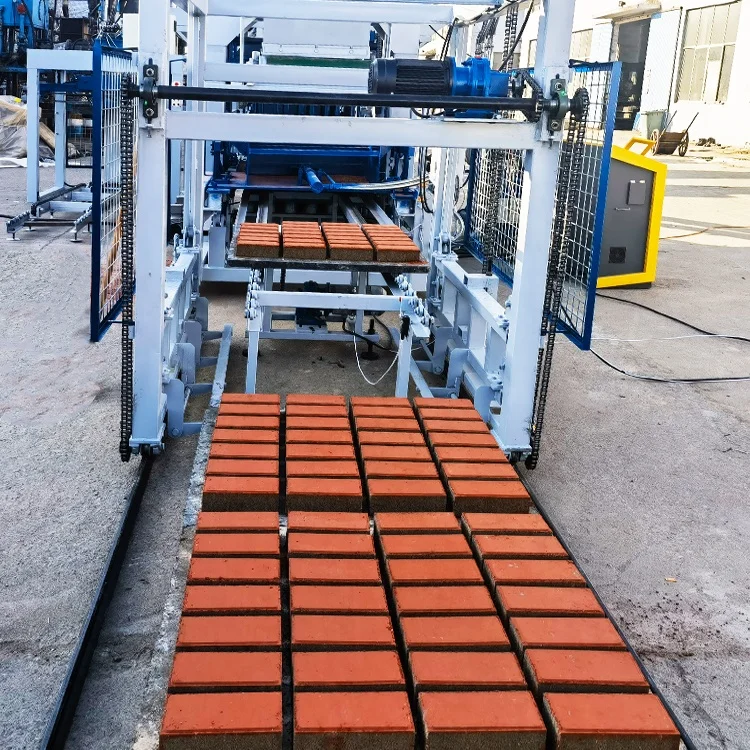

Description
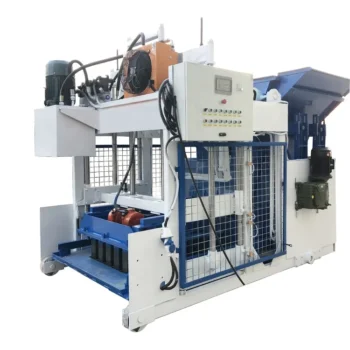
Format-matched capacity — every QT8-15 output figure we quote is tied to a specific block dimension, pallet size and mix design, not a single catalogue peak.
Technical Specifications
| Parameter | Value |
|---|---|
| Model | QT8-15 |
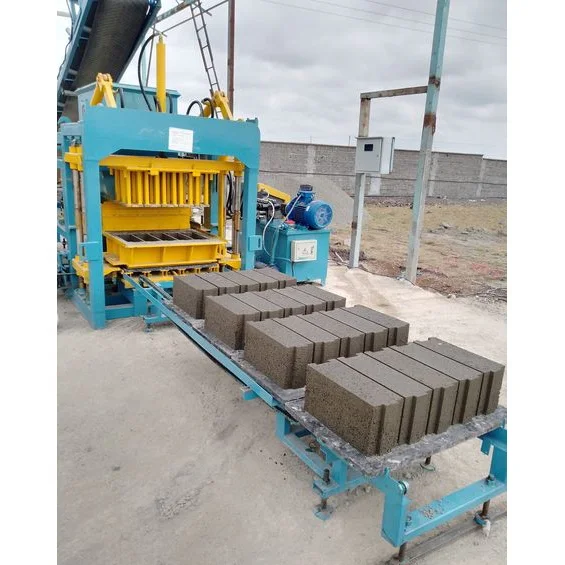
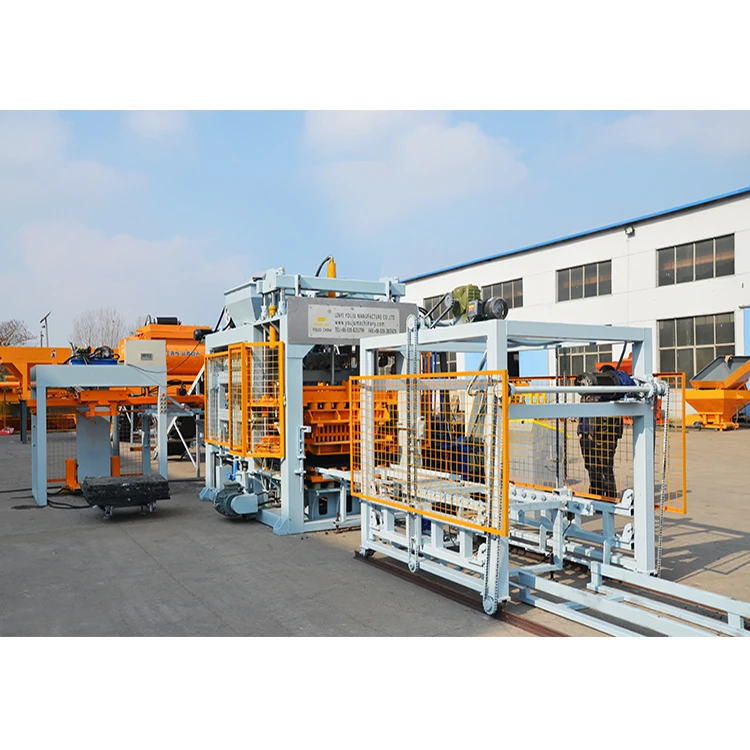
| Product Type | Automatic Hydraulic Concrete Block Making Machine |
| Overall Dimensions (L×W×H) | 8300×1860×3000 mm |
| Molding Cycle | 15–20 s (basis to be confirmed per block format and material) |
| Vibration Force | 55 kN |
| Rated Power | 37.2 kW |
| Mixer Model | JS750 |
| Pallet Size | 1020×900 mm |
| Total Weight | 8 T |
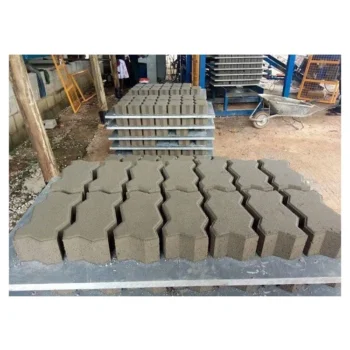
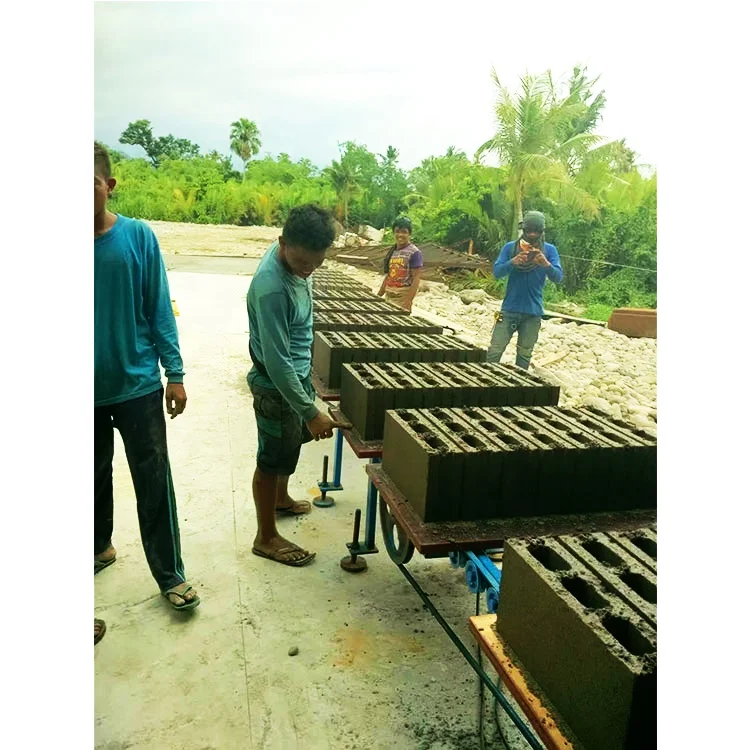
| Applied Products | Paver, solid block, hollow block, curbstone |
| Raw Materials | Crushed stones, sand, cement, dust, fly ash |
| Control System | PLC control system (language configurable) |
| Hydraulic Station | Included |
| Automation Level | Fully automatic |
| Output Capacity | 1920 pcs/hour (basis not stated in source — confirm block format, material and thickness) |
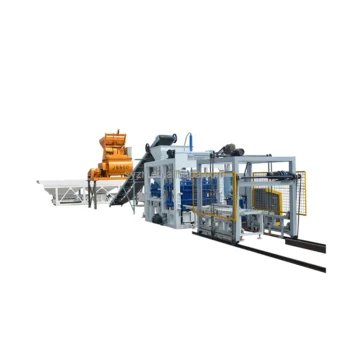
| Included Equipment | Block making machine, hydraulic station, PLC control unit, pallet feeder, block mould, material feeder, block conveyor, block sweeper, spare parts and tools |
Application Suitability
| Application | Material or Output |
|---|---|
| Interlocking paver production for municipal walkways | Crushed stone and cement with pigment layer |
| Load-bearing hollow block for residential walls | Sand, cement and fly ash blend |
| Solid concrete block for boundary walls | Coarse aggregate with standard cement ratio |
| Precast curbstone for road edging | High-strength mix with extended vibration cycle |
What the QT8-15 Block Machine Specifications Leave Out About Real Output
A capacity number without a block format attached is not a capacity — it is a guess.
I spent years commissioning block machines across different markets, and the most common argument on day one comes down to counting blocks. The buyer watched the QT8-15 block machine specifications sheet promise a certain hourly figure, but the figure was generated on a standard river sand mix with a small solid block format. Switch to a local volcanic aggregate with a hollow block, and the vibration cycle extends noticeably. The pallet still cycles, but the output drops. That gap between catalogue and reality is where projects stall and trust erodes [NEED_CITE: common disputes over block machine rated versus actual output].
Matching Mould Format to the Block Your Market Actually Buys
The QT8-15 block machine specifications list paver, solid block, hollow block and curbstone as applied products, but each format demands a different cycle rhythm. A thin paver may release in the lower end of the 15–20 second window, while a tall hollow block needs longer vibration to consolidate the full depth. The 1020×900 mm pallet determines how many cavities each mould can carry, which is why we start with your target block drawing before confirming the mould plate layout.
Pallet Size, Curing Area and Forklift Compatibility
A 1020×900 mm pallet is large enough to hold a meaningful number of blocks per cycle, but it must fit the curing racks you already have or plan to build. If your forklift tines are spaced for a smaller pallet, every loaded board becomes a handling risk. We confirm pallet dimensions against your site layout so the QT8-15 output flows straight into curing without manual re-stacking [NEED_CITE: pallet handling mismatches in block plant operations].
Reading the QT8-15 Specifications Against Your Local Mix
The 55 kN vibration force works well with standard sand-and-cement blends, but coarse or lightweight aggregates absorb vibration differently. The JS750 mixer must deliver a consistent moisture level across batches, because even a small water variation shifts the compaction result. The 37.2 kW rated power covers the press, feeder and conveyor together, so voltage drop on a long cable run can shorten the effective cycle. We review your aggregate sample and mix ratio before locking the vibration and pressure settings.
The Hidden Cost of Skipping Format-Level Capacity Checks
When a buyer orders on a single headline number, the first mould change often reveals that the alternative format runs far slower than assumed. The operator then pushes the cycle shorter to chase the original target, producing blocks with weak edges that crack during curing. Rework, cement waste and delayed shipments follow, and none of these costs appear on the original quotation [NEED_CITE: block strength failure linked to rushed cycle times].
Why Technical Buyers Source the QT8-15 Here
We treat the QT8-15 as one element in a matched system: press, mould, pallet and handling specified together rather than sourced separately. Each configuration is set against the buyer’s actual mix design and target format, not pulled from a default table. Mould drawings cover the formats your market sells, with custom profiles available to buyer drawings. Automation level is selectable, so a plant can open semi-automatic and add stacking later. Installation support includes operator training on the PLC interface in the confirmed language.
Documentation & Verification
- Line layout with capacity calculation stated per block format and mix
- Mould drawing pack listing cavity count for each confirmed product
- Pallet specification sheet matched to curing rack and forklift data
- Hydraulic and electrical schematic for local maintenance reference
- Voltage, frequency and PLC display language confirmation record
- Factory test run on buyer’s block format before dispatch
Installation, Commissioning & Support
- Foundation plan sized to the 8300×1860 mm footprint and 8 T operating weight
- Dedicated 37.2 kW circuit with confirmed voltage and frequency before wiring
- Machine shipped in dismantled modules for container loading, reassembled on site
- First-run cycle tuned to buyer’s aggregate sample and target block strength
- PLC language set to operator preference before training begins
- Wear parts and mould spares list provided with reorder codes
What We Need to Quote Accurately
Send your target block format with dimensions, daily output requirement and the aggregate you plan to use locally. Include your site voltage and frequency, the PLC display language your operators need, and the curing rack or forklift pallet size you already run. With that data we return a format-specific capacity calculation rather than a single catalogue figure.
Frequently Asked Questions
Q: How is the 1920 pcs/hour capacity verified on the QT8-15?
A: That figure comes from a test run whose block format, material and thickness are not stated in the source document we received. Before we quote output, we run a cycle-time calculation based on your specific block drawing, mix design and aggregate sample, then state the capacity per format on the proposal.
Q: What mould formats does the QT8-15 support and how long does a change take?
A: The machine covers paver, solid block, hollow block and curbstone formats through interchangeable mould plates on the 1020×900 mm pallet. Mould change time depends on the clamping system selected and operator familiarity; we confirm the expected change duration once your format list is finalised.
Q: How is the QT8-15 configured for my local aggregate?
A: We request an aggregate sample and your proposed mix ratio, then adjust vibration duration and hydraulic pressure settings so the 55 kN force delivers full compaction without over-crushing coarse particles. The JS750 mixer is tuned to match your batch moisture target.
Q: Is the 1020×900 mm pallet compatible with my existing curing setup?
A: We check your curing rack spacing and forklift tine width against the pallet dimensions before production. If a mismatch exists, we adjust the pallet specification or recommend rack modifications so the QT8-15 output moves directly into curing without manual handling.
Q: Which electrical and language options are confirmed before shipment?
A: Voltage, frequency and PLC display language are documented in writing before production starts. This prevents commissioning delays caused by incorrect motor wiring or an interface the operators cannot read on arrival [NEED_CITE: voltage and frequency standards by export market].