Description
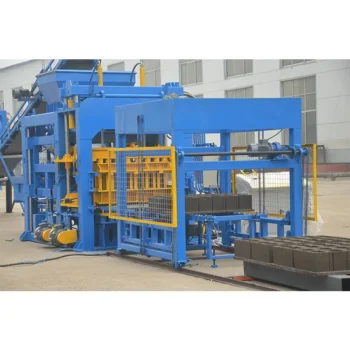
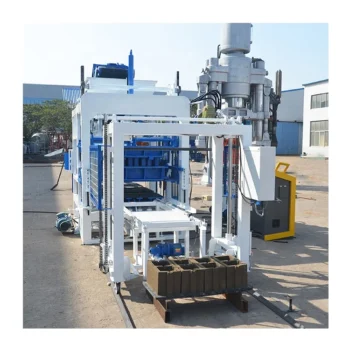
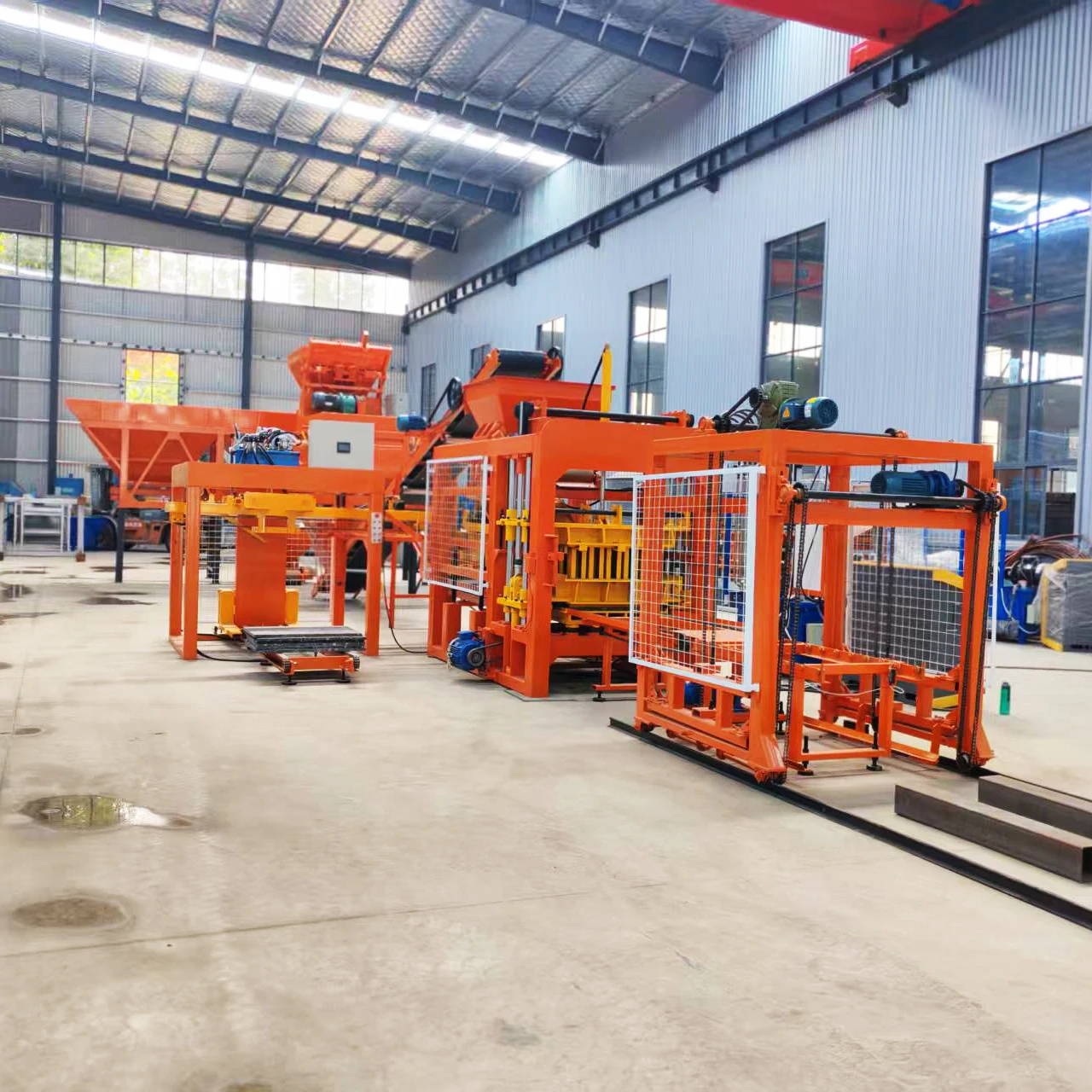
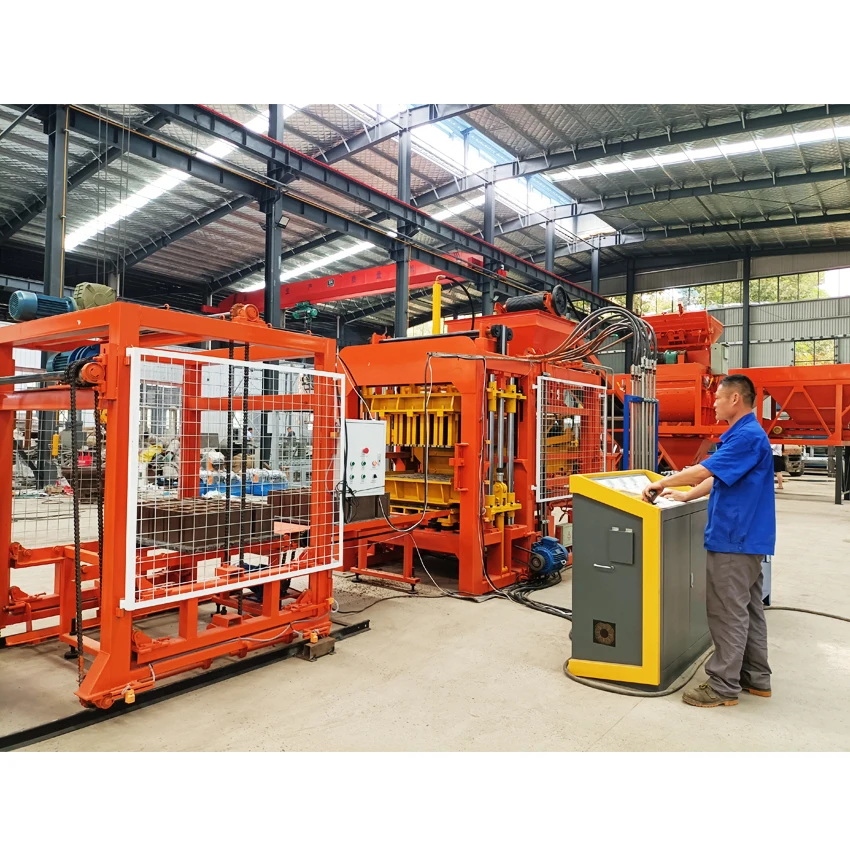
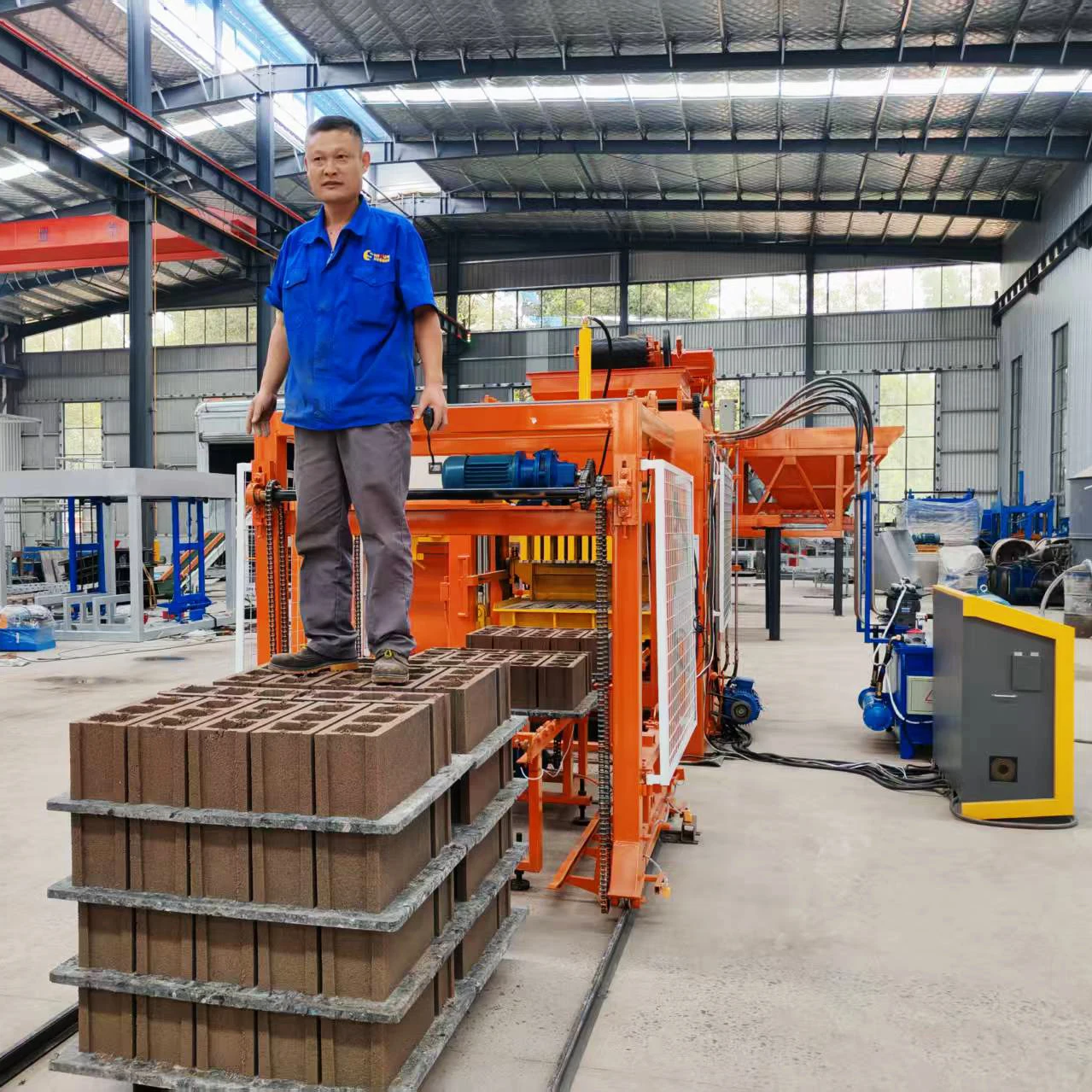
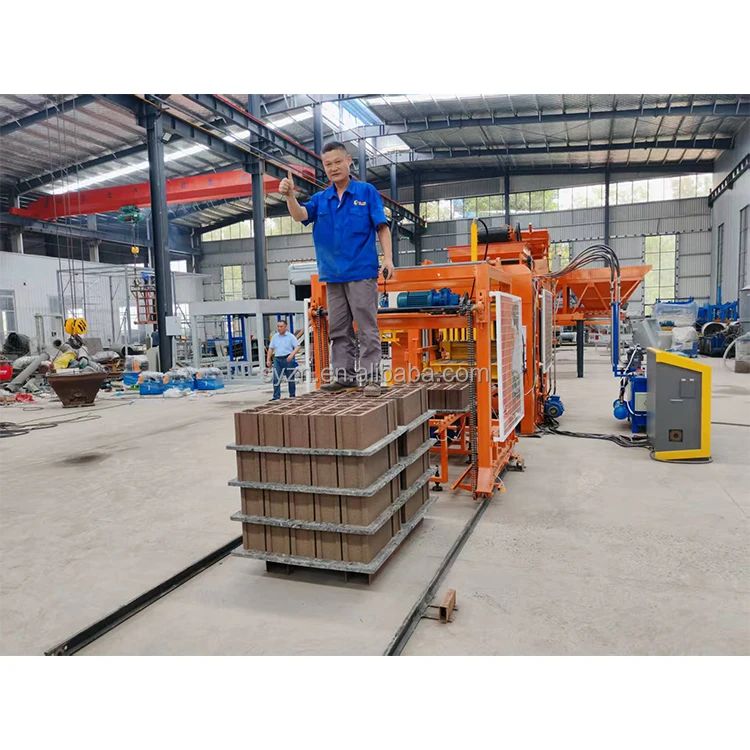
Mould format matched to your market — every output figure for the QT6-15 is tied to a specific block dimension, so daily planning starts from the format you actually sell, not a catalogue default.
Technical Specifications
| Parameter | Value |
|---|---|
| Model | QT6-15 |
| Product Type | Automatic Hollow Block Making Machine |
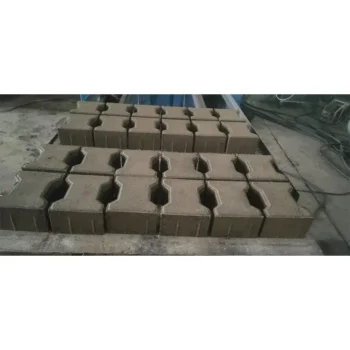
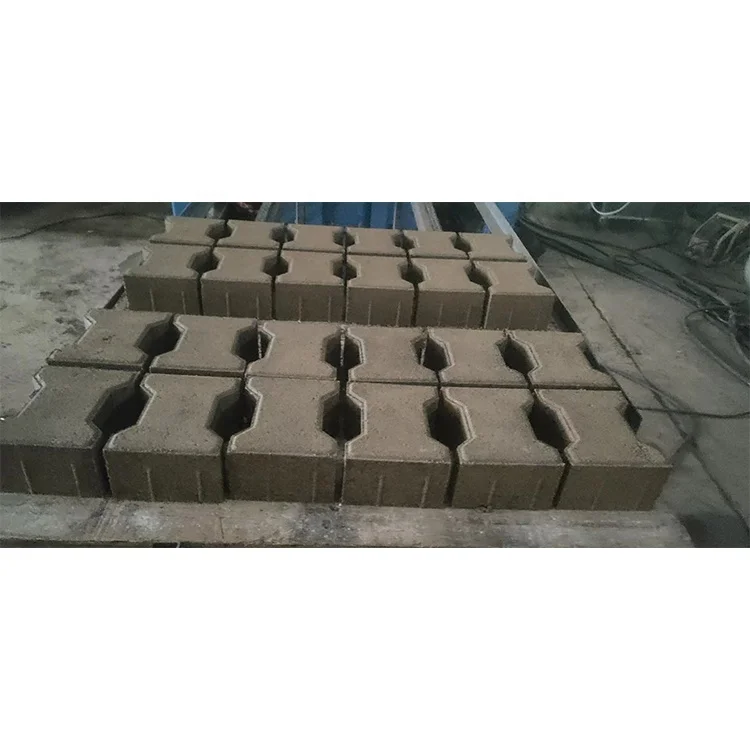
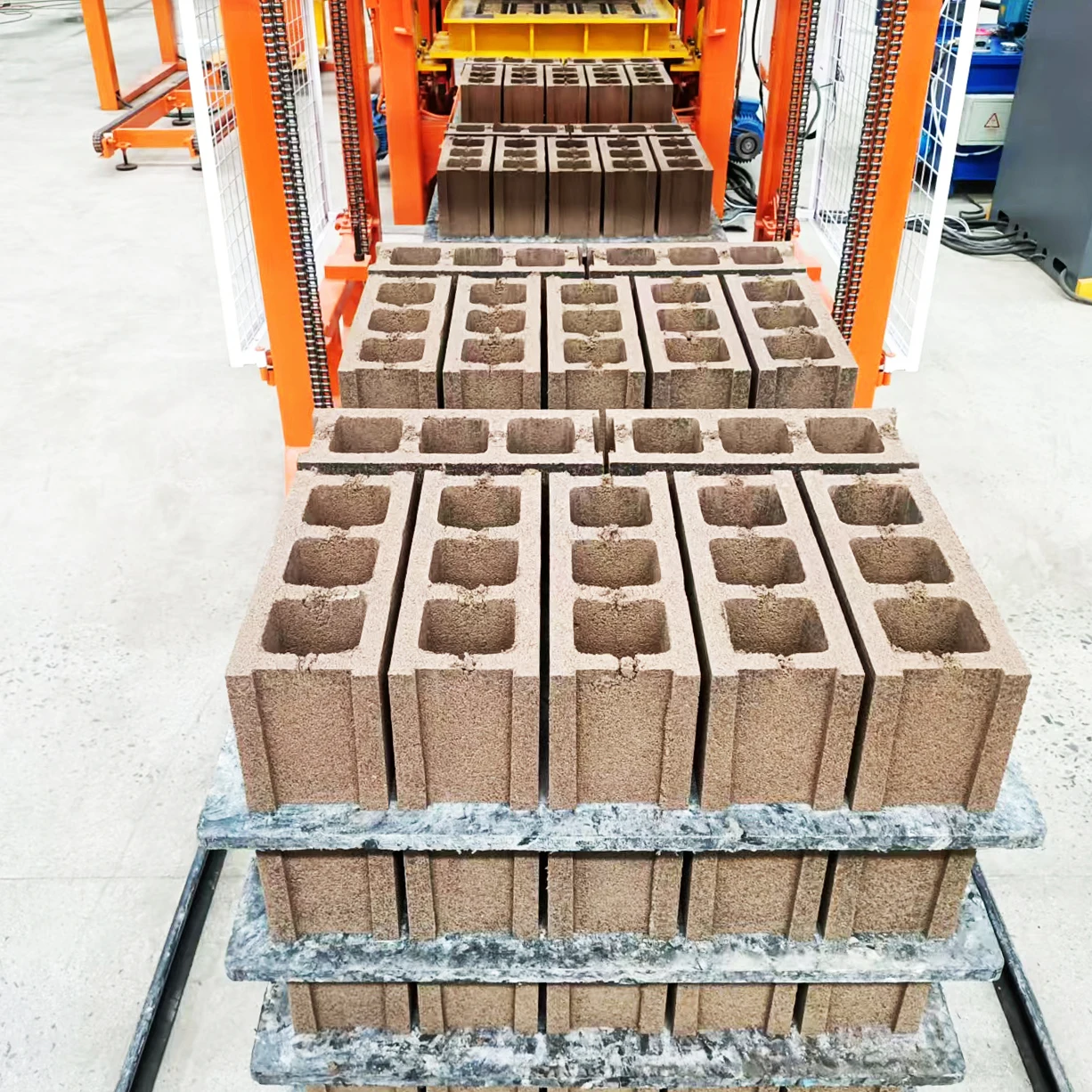
| Mould Format & Productivity | 390×190×190 mm hollow block: 6 pcs/mould; 240×115×53 mm solid block: 30 pcs/mould; 225×112.5×60 mm "S" interlock paver: 15 pcs/mould |
| Output Capacity | Basis to be confirmed per block format and cycle time |
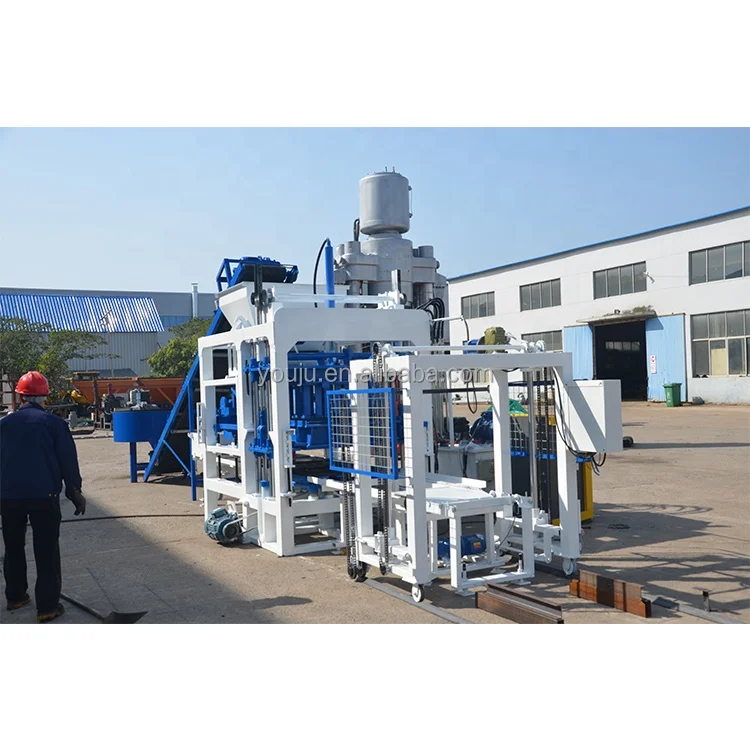
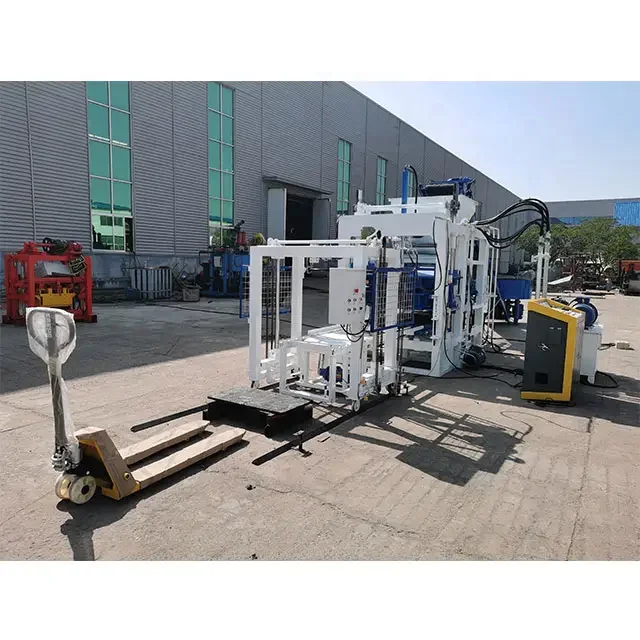
| Overall Dimensions | 7100 × 1500 × 3000 mm |
| Net Weight | 10 t (simple production line total — verify scope) |
| Pallet Size | 850 × 680 mm |
| Motor Power | 31.25 kW |
| Rated Hydraulic Pressure | 21 MPa |
| Vibration Force | 60 kN |
| Control System | PLC (Siemens electronics, remote diagnostics capability) |
| Motors | Siemens brand |
| Mould Manufacturing | Wire cutting and carburizing heat treatment |
| Automation Level | Automatic |
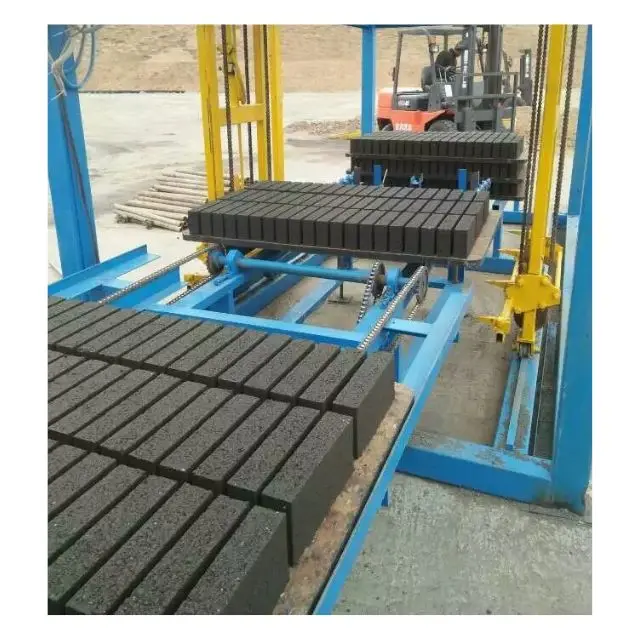
| Stacking Method | Automatic stacker (lifting pallets with finished blocks) |
| Voltage & Frequency | Configurable to target market (to be confirmed before production) |
| Cycle Time per Format | To be confirmed per block format |
| Mould Change Time | To be confirmed |
| PLC Display Language | To be confirmed before production |
| Certification | CE declaration available where applicable |
Application Suitability
| Application | Material or Output |
|---|---|
| Hollow block production for masonry walls | Crushed stone, sand, cement, fly ash aggregates in standard 390×190×190 mm format |
| Solid brick manufacturing for load-bearing structures | Local aggregate blends pressed at 240×115×53 mm |
| Interlock paver production for driveways and walkways | Colored concrete mixes formed into 225×112.5×60 mm "S" shape units |
| Kerbstone and grass block runs for infrastructure | Coarse aggregate and cement combinations in site-specific mould formats |
What "Pieces per Hour" Leaves Out When No Block Format Is Named
Capacity only means something when the block dimension is stated alongside it.
I have stood on sites where the nameplate promised a certain hourly figure, but that number assumed a small solid brick while the buyer was running 390 mm hollow blocks all day. The vibration time needed for a large hollow block is longer, the hydraulic cycle stretches, and the real throughput drops well below what the brochure suggested. With the QT6-15 automatic hollow block making machine specifications, every productivity figure is tied to a named mould — 6 pieces per mould for standard hollow blocks, 30 for solid bricks, 15 for interlock pavers — so there is no guessing which format the number belongs to [NEED_CITE: block format impact on cycle time and daily output].
How Mould Selection Drives the Entire Line
Choosing the right mould format is the first decision that shapes every downstream station. The pallet must be sized to carry the mould output, the stacker must clear the finished blocks within the cycle window, and the curing racks must accommodate the pallet footprint. When the QT6-15 is set up for 390×190×190 mm hollow blocks at 6 pieces per mould, the 850×680 mm pallet carries that load comfortably. Switch to the 240×115×53 mm solid block mould at 30 pieces per mould and the same pallet holds a denser grid, which changes how the automatic stacker grips and lifts.
Matching Vibration Force and Hydraulic Pressure to Your Aggregate
Local aggregate varies enormously from one region to another. Coarse, angular crushed stone demands different compaction energy than smooth river sand. The 60 kN vibration force and 21 MPa rated hydraulic pressure on the QT6-15 define the compaction envelope. If the vibration is too low for a coarse mix, the block leaves the mould under-dense and crumbles during handling. Too high and the mix segregates, pushing fines to the surface and leaving voids inside [NEED_CITE: vibration force matching to aggregate gradation in block production]. The correct balance is found by pressing trial blocks with the buyer’s actual material before the mould parameters are locked in.
Why Pallet Size Must Be Checked Against the Curing Yard
An 850×680 mm pallet sounds like a simple specification until it arrives at a curing yard designed for a different footprint. Forklifts with narrow tines struggle to pick wider pallets, and curing racks welded for another size leave gaps or overhangs. Confirming pallet compatibility before the QT6-15 ships prevents a situation where finished blocks sit on the ground because the racks will not accept them. The pallet specification sheet in the documentation package lets the buyer measure and verify before the container is loaded.
Reading the Numbers That Matter for Block Density
Hydraulic pressure at 21 MPa provides the static clamping force that holds the mould halves together during compaction. Vibration force at 60 kN is the dynamic energy that settles the aggregate into every corner of the mould cavity. Together they determine whether a hollow block emerges with uniform wall density or with weak spots that fail a drop test. Motor power of 31.25 kW, supplied by Siemens units, gives the hydraulic pump and vibration motors enough headroom to sustain the full cycle without thermal derating during long shifts in hot climates. The PLC control monitors each phase of the press cycle so that timing deviations trigger an alarm instead of silently producing off-spec blocks. When automatic hollow block making machine specifications are read as a system rather than isolated numbers, the buyer can predict how the machine will behave with a specific mix design.
The Cost of Skipping the Material Trial
I once configured a machine of this class for an overseas buyer using the standard cycle times from the sample book. When the container arrived and production started, the local aggregate turned out to be much coarser than expected. Vibration time was insufficient, block strength fell short, and daily output dropped sharply because every third pallet had to be rejected. The mould parameters had to be reworked on site, costing the buyer days of lost production. That situation is avoidable when a material sample is tested before the configuration is finalized [NEED_CITE: aggregate variability and its effect on block compressive strength].
Why Buyers Source This Machine Here
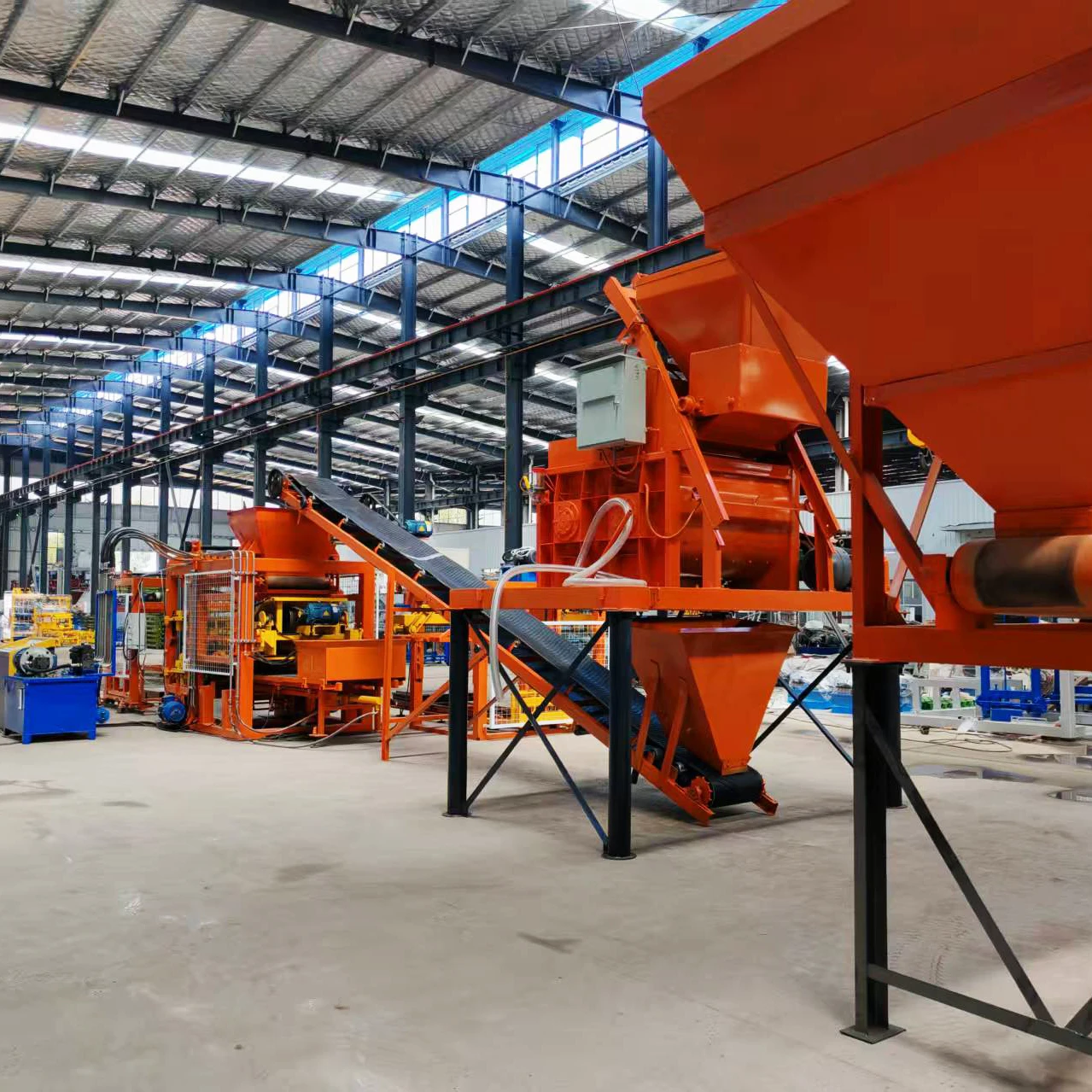
Block machinery is the single focus of this operation, which means the QT6-15 press, its moulds, pallets and handling equipment are specified as one matched system rather than assembled from separate suppliers. Mould design covers the formats the buyer’s market actually sells, including custom drawings when a local dimension falls outside the standard range. Configuration is set against the buyer’s real mix design and target block format, not a catalogue default. Automation level is selectable — a buyer can start with semi-automatic pallet handling and move to the full automatic stacker later. Installation support includes operator training so that the crew understands mould change procedure and daily maintenance from the first week.
Documentation & Verification
- Line layout and capacity calculation stating the block format assumed for the QT6-15
- Mould drawing and format list confirming which block dimensions are included
- Pallet specification sheet matched to curing area and forklift dimensions
- Voltage, frequency and PLC display language confirmation before production starts
- Factory test record on the buyer’s target block format before dispatch
- Hydraulic and electrical schematic for on-site troubleshooting
Installation, Commissioning & Support
- Foundation plan sized to the QT6-15 footprint of 7100 × 1500 mm with vibration isolation
- Dedicated power circuit rated for 31.25 kW motor load at confirmed voltage and frequency
- Machine shipped in dismantled state with reassembly sequence documented in the manual
- First-run commissioning includes cycle time adjustment for the buyer’s specific block format
- Operator training covers mould change procedure and PLC alarm response on the Siemens control
- Wear parts list identifies hydraulic seals and mould liner replacement intervals
What We Need to Size Your Line Correctly
Send the target block format and dimensions you plan to sell, along with the daily output you need to meet contract deadlines. Include a description of your local aggregate — type, gradation and moisture range — so that vibration and pressure settings can be estimated before the trial. Confirm the voltage, frequency and PLC display language required at your site to prevent commissioning delays after arrival.
Frequently Asked Questions
Q: How is daily output calculated for the QT6-15, and which block format is it based on?
A: Daily output is calculated from the pieces per mould for a specific format multiplied by the cycle time and the number of working hours. The QT6-15 produces 6 pieces per mould for 390×190×190 mm hollow blocks, 30 for solid bricks and 15 for interlock pavers. Each format has a different cycle duration, so a capacity calculation must state which block is assumed.
Q: How do I choose the right pallet size for my curing area and forklift?
A: The QT6-15 uses an 850×680 mm pallet. Before ordering, measure the fork tine spacing on your existing forklift and the shelf width on your curing racks. If neither matches, the pallet specification can be reviewed during configuration so that finished blocks move from press to curing yard without handling issues.
Q: What mould formats are available, and how long does a change take?
A: Standard moulds cover hollow blocks, solid bricks and interlock pavers in the dimensions listed in the specifications. Custom moulds can be manufactured to buyer drawings. Mould change time depends on the format swap and operator familiarity; it is confirmed during commissioning and recorded in the operation manual for the crew.
Q: How are hydraulic pressure and vibration force matched to local aggregate?
A: The 21 MPa hydraulic pressure and 60 kN vibration force define the compaction range. A material sample from the buyer’s local source is tested to find the right balance — coarse aggregate may need longer vibration, while fine sand requires less. Parameters are adjusted before the configuration is locked.
Q: What voltage, frequency and PLC language options are confirmed before shipment?
A: Voltage and frequency are set to the buyer’s site supply — typically within the range common to industrial equipment exports. The Siemens PLC display language is confirmed during the order stage so that operators can read alarms and cycle data in their working language from the first day of production.