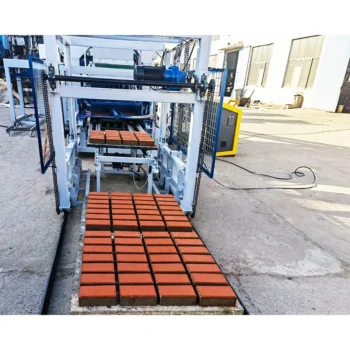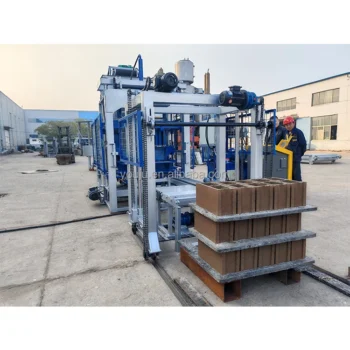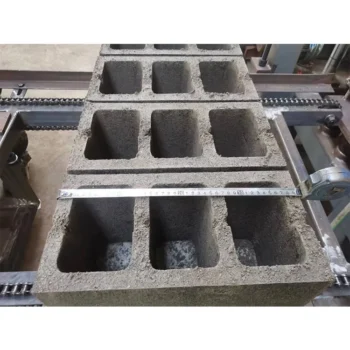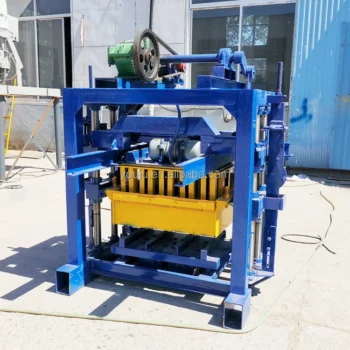
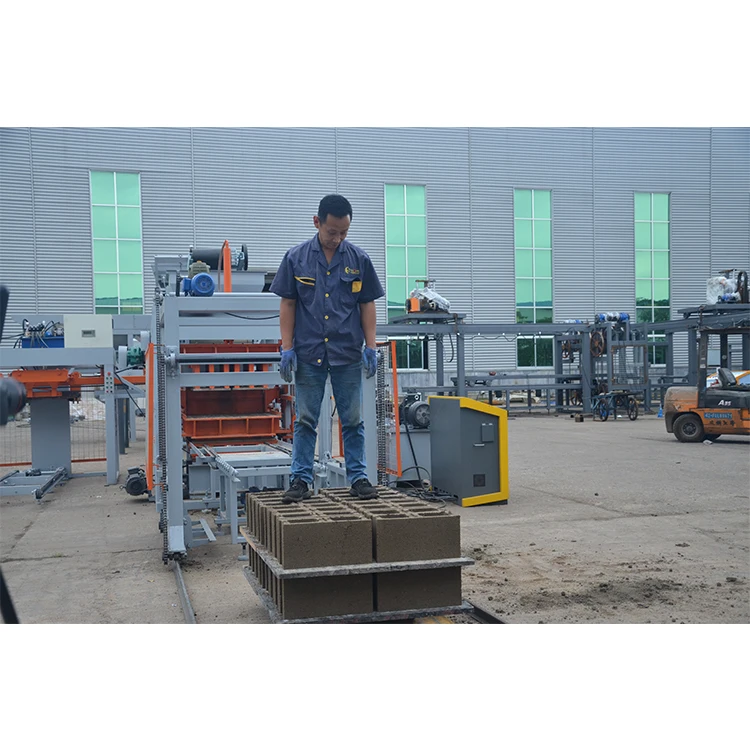
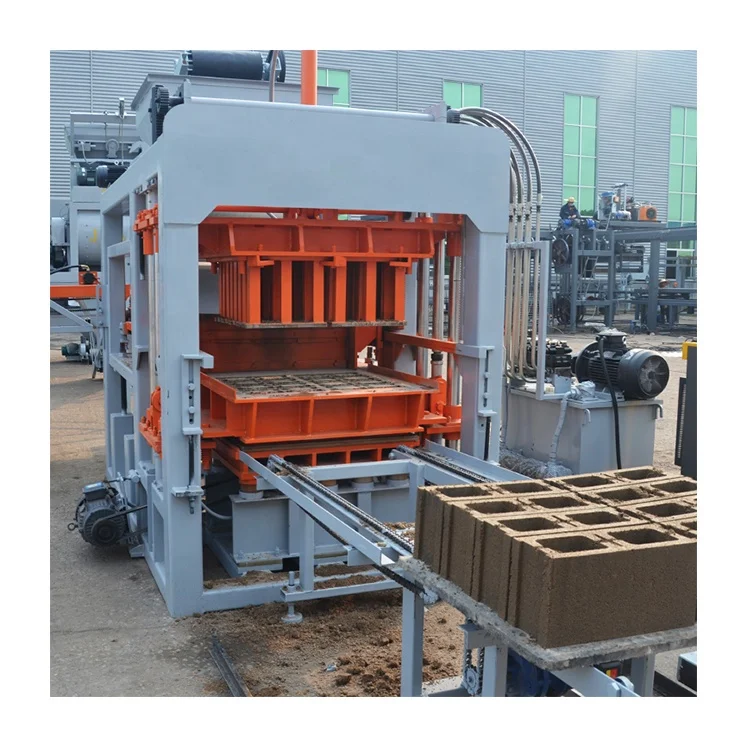
Description
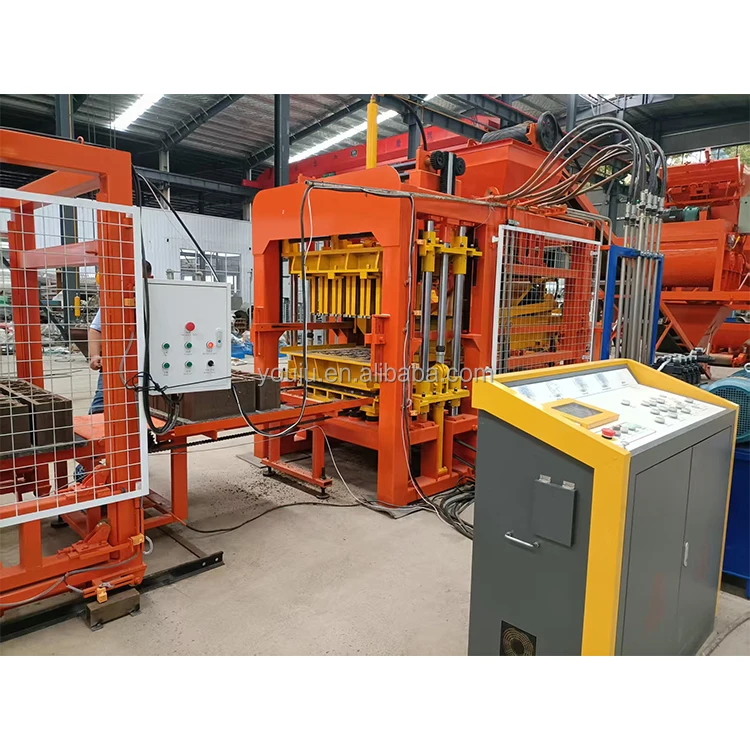
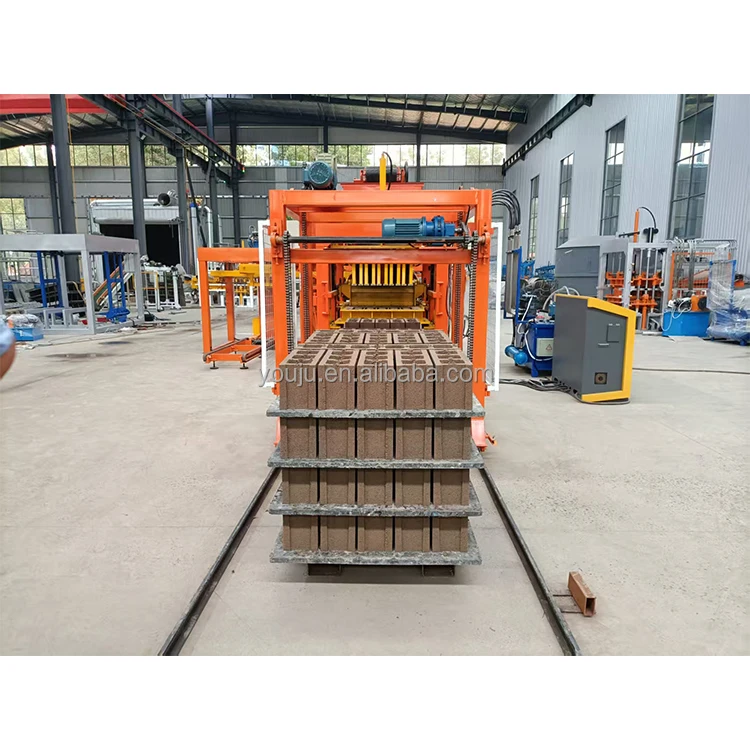
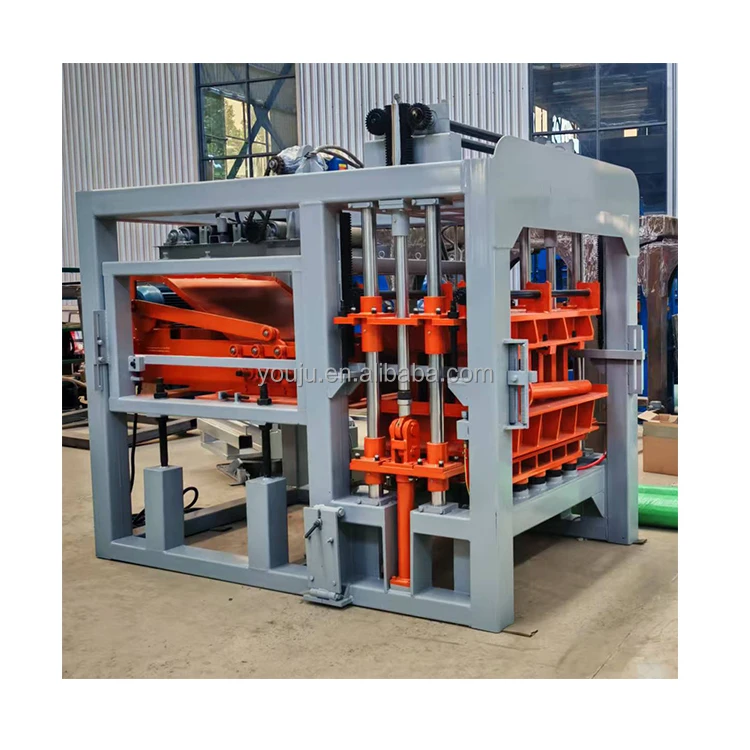
Configuration matched to local aggregate — Every QT6-15 block machine we ship is adjusted to the buyer’s actual mix design and target block format, not left at factory defaults that fail when local sand or stone replaces the standard test material.
Technical Specifications
| Parameter | Value |
|---|---|
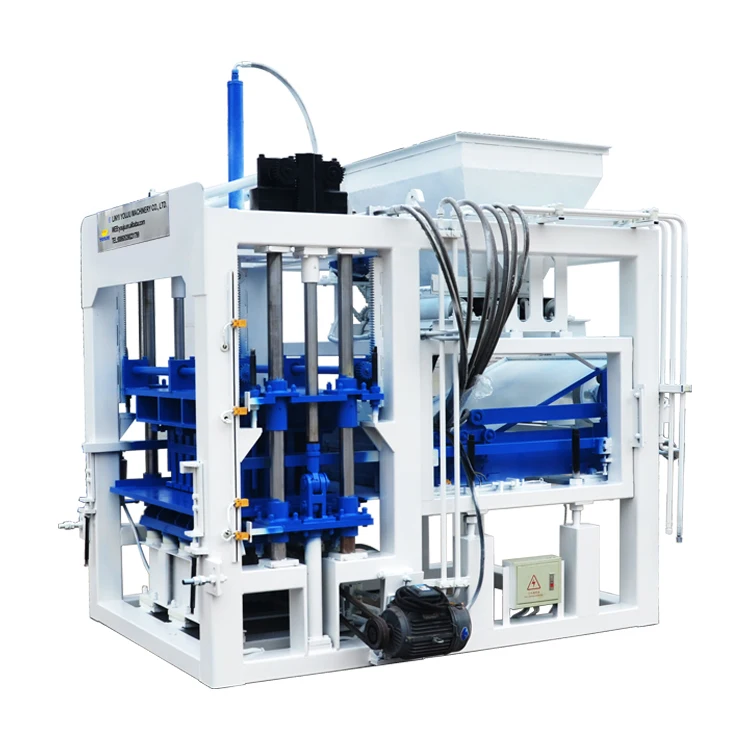
| Model | QT6-15 |
| Product Type | Automatic Hydraulic Concrete Block Making Machine |
| Overall Dimensions (L×W×H) | 7100 × 1500 × 3000 mm |
| Rated Hydraulic Pressure | 21 MPa |
| Main Vibration Form | Platform vibration |
| Vibration Frequency | 4500–5100 r/min |
| Pallet Size | 880 × 850 mm |
| Molding Cycle | 15–25 s (basis to be confirmed per block format) |
| Overall Power | 31.25 kW |
| Machine Weight | 8700 kg |
| Control System | PLC intelligence control |
| Drive Type | Hydraulic drive |
| Block Strength (Hollow Blocks) | 8–10 MPa |
| Block Strength (Solid Bricks) | 10–20 MPa |
| Raw Material Ratio | Cement 8–10%, sand 30–40%, stone 50–60% |
| Raw Material Consumption Per Day | 150–190 T |
| Water Consumption Per Day | 3–5% of raw material weight |
| Voltage & Frequency | Configurable (basis to be confirmed before order) |
| Output Capacity | Depends on block format and material (basis to be confirmed) |
Application Suitability
| Application | Material or Output |
|---|---|
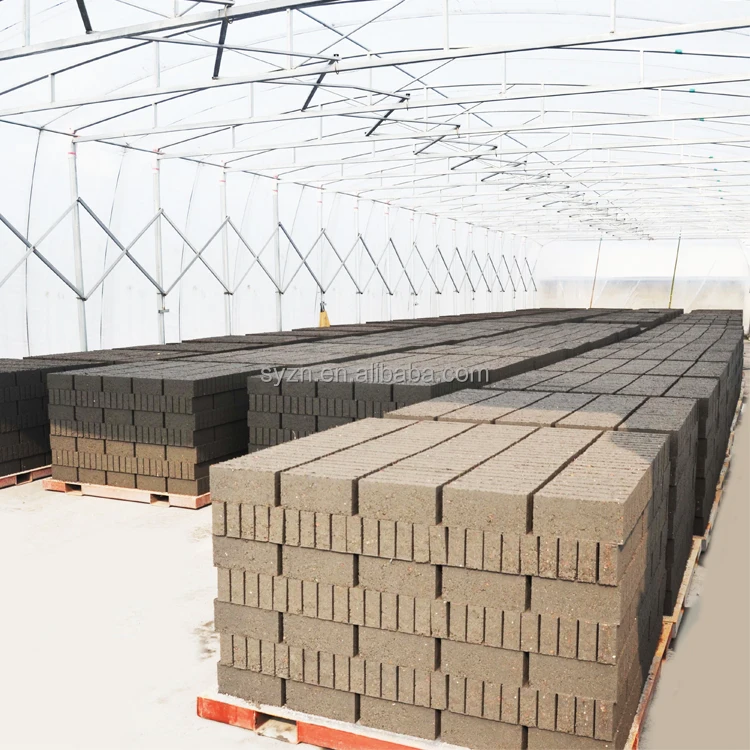
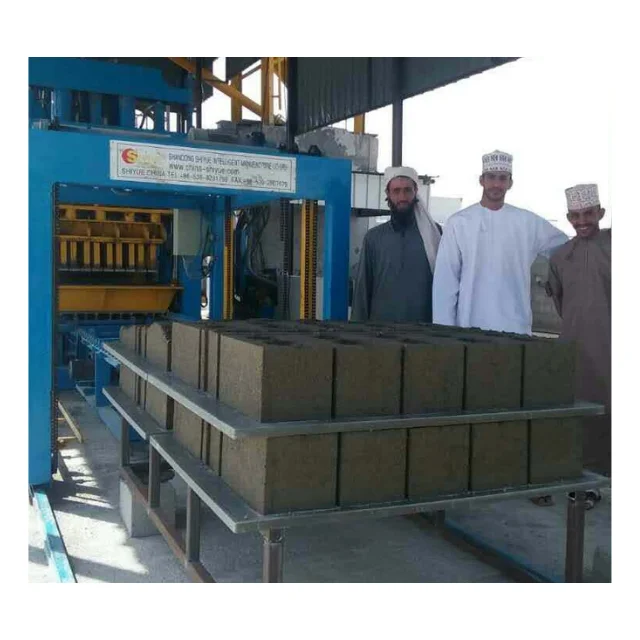
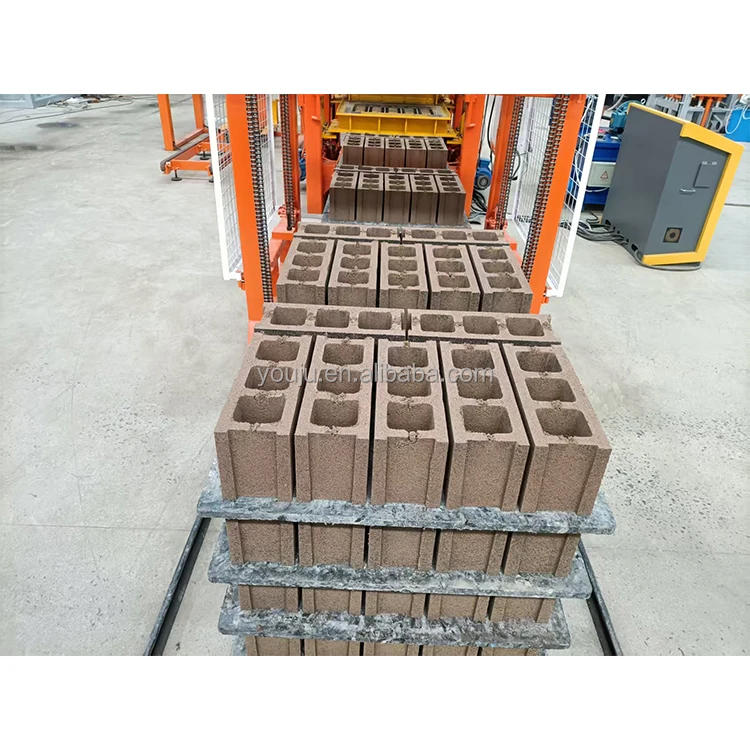
| Hollow block production for wall construction | Cement, sand, and crushed stone aggregate |
| Solid brick manufacturing for load-bearing structures | Cement-sand-stone mix at higher compaction |
| Interlocking paver production for driveways and walkways | Pigmented concrete mixes with fine aggregates |
| Porous brick production for permeable paving | Open-graded aggregate with reduced cement content |
| Kerbstone forming for road and curb projects | Dense concrete mixes with coarse stone fraction |
What "Cycles Per Hour" Leaves Out About QT6-15 Block Machine Specifications
A cycle time means nothing until you know which block format it was measured on.
I have watched buyers compare two machines on paper, pick the one claiming more cycles per hour, and then discover the quoted figure assumed a thin paving block while they actually produce 200 mm hollow blocks. The QT6-15 automatic hydraulic block making machine capacity shifts noticeably between formats. A hollow block with larger voids fills the mould faster and needs less vibration time than a dense solid brick that requires full compaction through a deeper cavity. When suppliers quote cycles without naming the format, the daily output on the buyer’s real product line falls short [NEED_CITE: block format impact on molding cycle and daily output]. That gap is not a machine defect — it is a specification mismatch that could have been caught before the purchase order was signed.
Matching the QT6-15 Block Machine Specifications to Your Block Format
The mould sits at the centre of every output claim. Before we confirm a QT6-15 configuration, we ask which block formats the buyer’s market actually moves. A plant producing mostly 400 × 200 × 200 mm hollow blocks will run a different cycle than one splitting time between hollow blocks and solid bricks. The 15–25 second molding cycle range reflects that spread — thinner pavers sit near the short end, while tall hollow blocks push toward the upper limit. We state the cycle per format on the capacity sheet so the buyer can multiply by available shifts and get a number that holds up on the factory floor.
Why Local Aggregate Changes Everything About Block Strength
The raw material ratio listed above — cement 8–10 %, sand 30–40 %, stone 50–60 % — is a starting point, not a guarantee. When a buyer in West Africa switched from river sand to laterite mixed with volcanic ash, the same hydraulic pressure and vibration frequency produced blocks that crumbled after sun exposure. We had to raise the pressure setting and adjust the vibration frequency within the 4500–5100 r/min band, then open the mould gap slightly to compensate for the stickier mix. That is why the first question on every inquiry should be about the local aggregate, not the price [NEED_CITE: effect of local aggregate variation on block compressive strength].
Reading the Numbers That Actually Matter
The 21 MPa rated pressure and the platform vibration together determine how densely the concrete is compacted inside the mould. Higher pressure alone does not guarantee stronger blocks — the vibration must fluidise the mix so it fills every corner before the press locks. If vibration frequency is too low for a stiff mix with coarse stone, voids remain and block strength drops below the 8–10 MPa range for hollow blocks. The 880 × 850 mm pallet size is another figure that reaches beyond the machine itself: it must match the curing racks the buyer already has or plans to build, and the forklift tines must span the pallet width without catching edges during transport to the curing yard. Getting pallet size wrong after delivery means either buying new racks or watching output pile up on the floor.
The Cost of Skipping Configuration Details
When voltage and frequency are left unconfirmed, the machine arrives and sits idle while the buyer sources a transformer or rewires the control panel. PLC display language is another small detail that causes large delays — an operator who cannot read the fault codes on the screen calls the supplier for every alarm, turning a minor sensor trip into a shift-long stoppage. I have seen plants lose entire production days because the control language was assumed rather than specified [NEED_CITE: PLC language and commissioning delays in exported machinery]. Mould change time is another hidden cost: if the quick-change system was not included in the quotation, operators spend half a shift swapping moulds with wrenches, and the format flexibility the buyer paid for disappears.
Why Buyers Place Repeat Orders Here
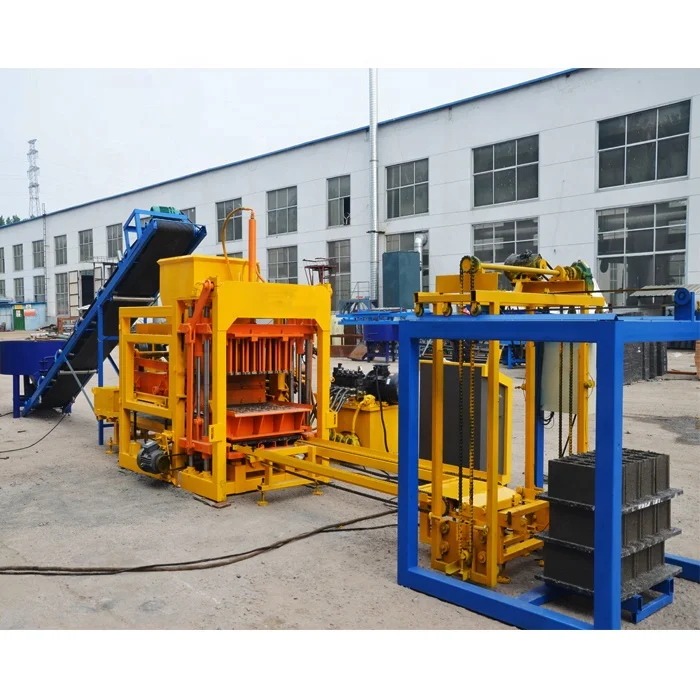
Block machinery is our single focus, which means the QT6-15 press, its moulds, pallets, and handling equipment are specified as one matched system rather than assembled from unrelated suppliers. We set the configuration against the buyer’s actual mix design and target block format, not a catalogue default that looks good in a brochure. Mould design covers the formats the buyer’s market sells, and custom drawings are available when standard options do not fit. The automation level is selectable — a buyer can start with semi-automatic pallet handling and add automatic stacking later as volume grows. Installation support includes operator training on-site, and mould and wear parts supply continues long after the machine is running.
Documentation & Verification
- Line layout and capacity calculation stating the block format assumed for each output figure
- Mould drawing and format list confirming which block types the quoted price includes
- Hydraulic and electrical schematic with voltage and frequency marked per buyer specification
- Factory test record showing actual cycle times on the buyer’s chosen block formats
- Operation and maintenance manual in the buyer’s preferred language
- Packing photographs and customs documentation support for smooth clearance
Installation, Commissioning & Support
- Foundation must support the 8700 kg machine weight and dynamic vibration loads across the 7100 mm length
- Dedicated power circuit sized for the 31.25 kW total draw with voltage and frequency confirmed before wiring
- Machine ships partially dismantled; reassembly on-site aligns the press frame with the pallet feeder
- First-run commissioning tests each block format and records actual cycle times against the capacity sheet
- Operator training covers PLC fault codes, mould change procedure, and daily lubrication points
- Wear parts list identifies hydraulic seals and vibration springs with replacement intervals
What We Need to Move Your Inquiry Forward
Send us the block formats your market sells, including dimensions and target compressive strength. Tell us what raw materials are available locally — the type of sand, stone grading, and cement grade — so we can match the hydraulic pressure and vibration settings before production begins. Confirm your site voltage, frequency, and the language you need on the PLC display. If you already have curing racks or forklifts, share the pallet dimensions they accommodate so the 880 × 850 mm pallet size works with your existing setup.
Frequently Asked Questions
Q: How is output capacity calculated, and which block format does the quoted figure assume?
A: We calculate capacity by multiplying the molding cycle for a specific block format by the number of blocks per pallet and the available production hours. Every output figure on our capacity sheet names the exact block format, dimensions, and mix design it assumes, so you can verify the number against your own product mix before ordering.
Q: What mould formats are available for the QT6-15, and how long does a mould change take?
A: Moulds cover hollow blocks, solid bricks, paving blocks, kerbstones, interlocking bricks, and porous bricks. Custom moulds can be designed from buyer drawings. Change time depends on whether the quick-change system is fitted; without it, a full swap can consume a significant portion of a shift, which is why we confirm this option during the quotation stage.
Q: How do I confirm the pallet size matches my existing curing racks and forklift?
A: The standard pallet measures 880 × 850 mm. Before production we ask for your curing rack spacing and forklift tine width to confirm compatibility. If your existing infrastructure uses a different dimension, we adjust the pallet specification so blocks move from press to curing area without manual re-stacking.
Q: How is the hydraulic pressure and vibration force matched to my local aggregate and mix design?
A: We request a sample or detailed description of your local sand, stone, and cement before finalising machine settings. The 21 MPa hydraulic pressure and 4500–5100 r/min vibration range are adjusted within those bands to suit your specific mix. Factory testing on your confirmed mix design validates block strength before the machine ships.