
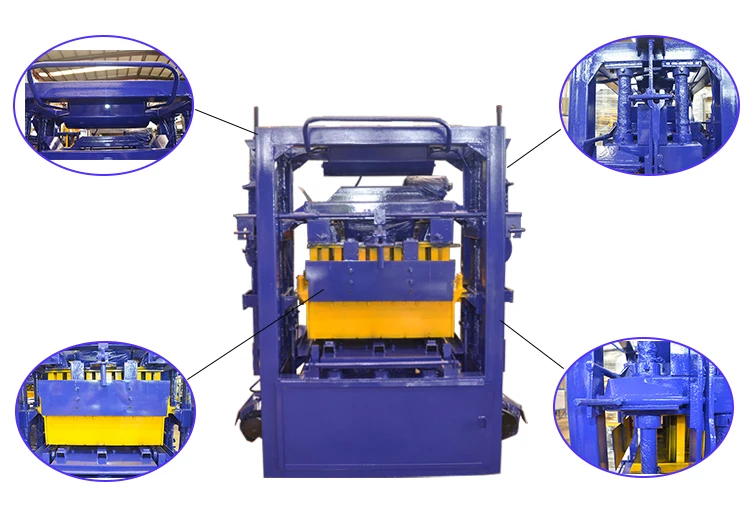
Description
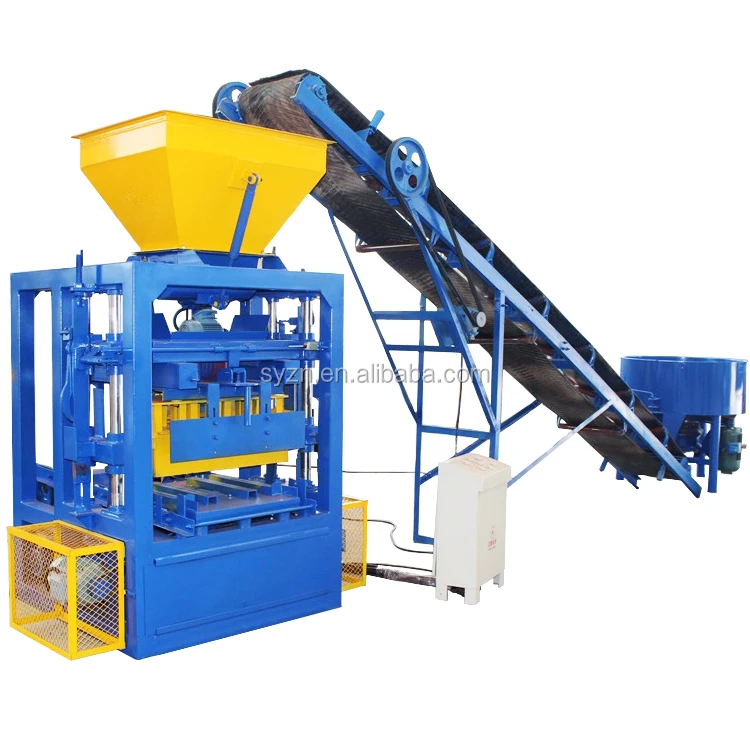
Matched Vibration and Pressure — platform vibration at 4500 r/min paired with 26 MPa hydraulic pressure is configured against your local aggregate and mix design, not pulled from a catalogue default.
Technical Specifications
| Parameter | Value |
|---|---|
| Model | Qt4 -26 |
| Product Type | Semi-automatic Block Machine |
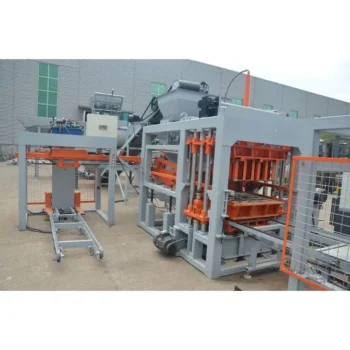
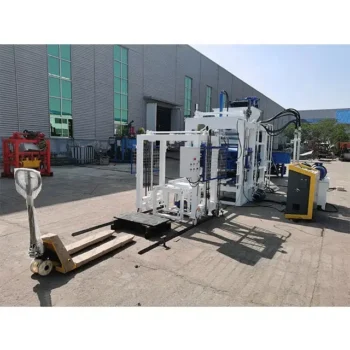
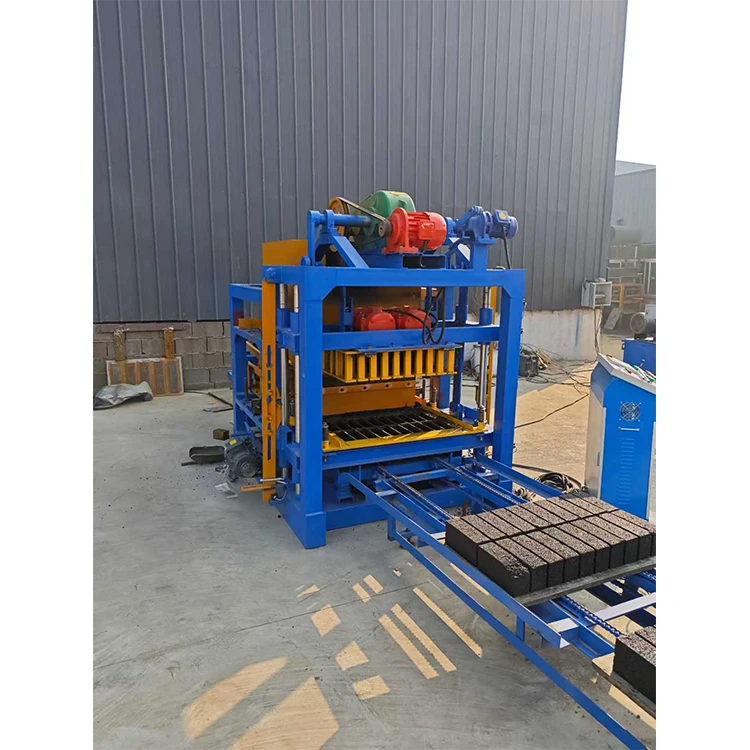
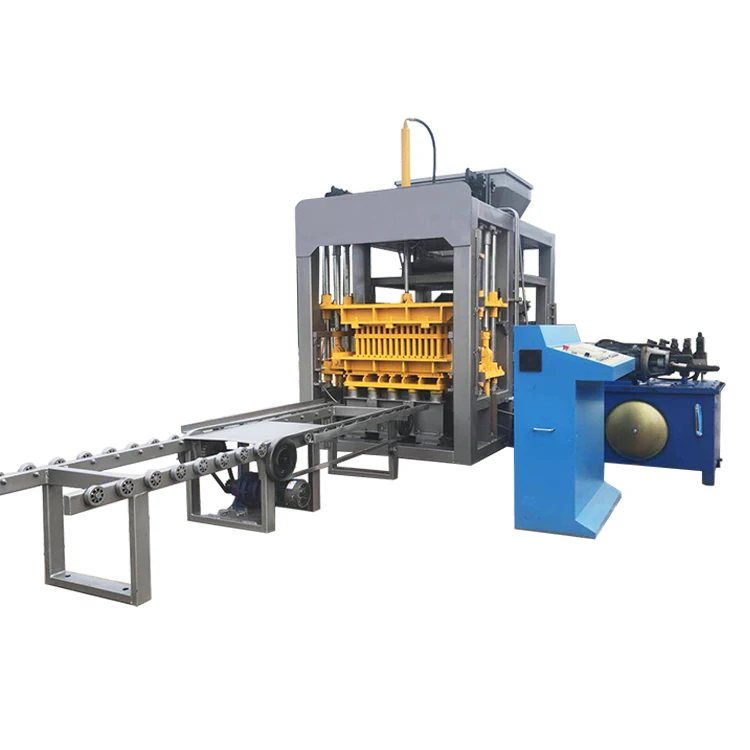
| Dimension of Host Machine | 2060 × 1730 × 2580 mm |
| Rated Pressure | 26 MPa |
| Main Vibration Form | Platform Vibration |
| Vibration Frequency | 4500 r/min |
| Vibration Force | 40 KN |
| Pallet Size | 880 × 480 × 25 mm |
| Molding Cycle | 15–20 s |
| Total Power | 19.75 kW |
| Host Machine Power | 14.25 kW |
| Total Mass | 2 T |
| Demolding Method | Semi-automatic |
| Mixer Model | JQ350 |
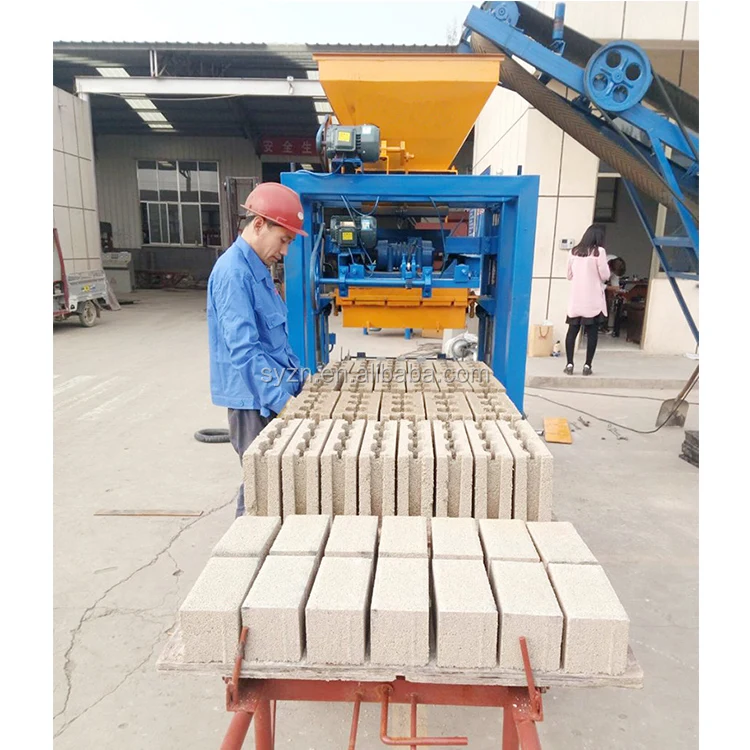
| Applied Products | Concrete hollow blocks, solid blocks, pavers, interlocking blocks, kerbstones, colored pavers |
| Raw Material Compatibility | Crushed stone, sand, cement, dust, fly ash, gravel, slag |
| Certification | CE (implied, verify against manufacturer catalog) |
Application Suitability
| Application | Material or Output |
|---|---|
| Hollow block production for building walls | Crushed stone, sand, cement, fly ash |
| Solid block manufacturing for load-bearing structures | Gravel, sand, cement blends |
| Paving block production for roads and squares | Crushed stone, cement, colored pigments |
| Interlocking brick for landscaping and gardens | Sand, cement, slag, dust |
| Kerbstone forming for road edging | Coarse aggregate, cement, gravel |
Why "15-Second Cycle" Rarely Means What the Brochure Claims
Cycle time is measured per machine stroke, not per finished block, and the block format decides your real daily output.
I have watched buyers sign off on a Semi-automatic Block Machine specifications sheet showing a 15–20 second cycle and then calculate hourly output by dividing 3600 by 15. The problem: that stroke produces one pallet of blocks, and the number of blocks per pallet depends entirely on the mould. A hollow block mould might place four units per stroke, while a paving block mould places twelve. The daily tonnage of raw material, the curing rack capacity, and the pallet return loop all shift with that choice. [NEED_CITE: block format impact on actual line throughput calculations]
Matching the Mould to the Block Your Market Actually Buys
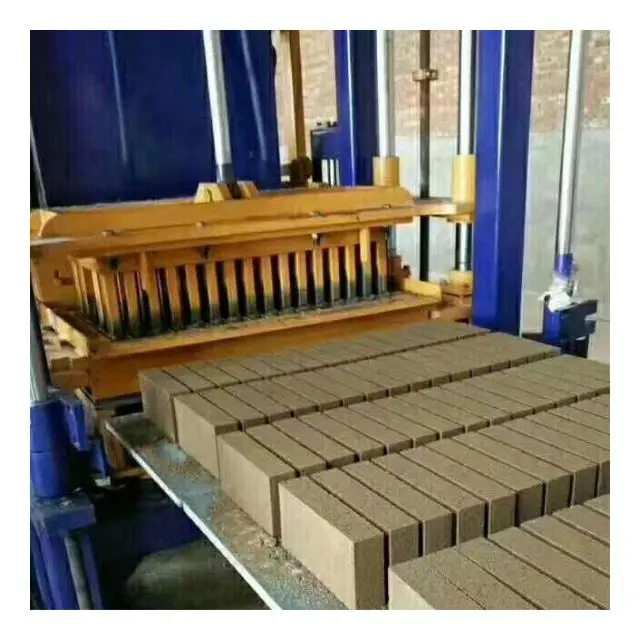
The Qt4 -26 Semi-automatic Block Machine accepts moulds for hollow blocks, solid blocks, interlocking bricks, pavers, and kerbstones. Each format carries its own moulding profile, compaction requirement, and demolding behaviour. Selecting the right mould before shipment means the first production run targets the product you sell, not the product the factory had on the shelf.
Pallet Size Decided by Your Curing Yard, Not Ours
The 880 × 480 × 25 mm pallet dimension was not chosen in isolation. It must align with the curing rack spacing, the forklift tine width, and the floor area you have allocated for block curing. A mismatch here means blocks are handled twice or cured in open-air rows that stretch beyond practical limits. [NEED_CITE: pallet sizing and curing area logistics in block plant layout]
What 40 KN Vibration Force and 26 MPa Pressure Mean for Block Density
Platform vibration at 4500 r/min delivers 40 KN of force through the pallet into the fresh mix, while 26 MPa hydraulic pressure compacts from above. Together they determine how tightly aggregate particles are driven into the mould cavity. Low vibration with high pressure crushes coarse stone; high vibration with low pressure leaves voids in the core. The Semi-automatic Block Machine specifications must be set against your specific sand-to-aggregate ratio and cement content to achieve consistent compressive strength across every pallet. The JQ350 mixer included in the line feeds a uniform mix to the hopper, reducing batch-to-batch density variation that often plagues small block plants sourcing aggregate from multiple pits.
The Cost of Skipping Pallet and Voltage Confirmation
A pallet material chosen without checking local humidity and curing temperature warps within weeks, causing uneven block height across the pallet surface. Voltage confirmed only after the machine is built means rewinding motors or replacing control transformers on arrival — both of which stall commissioning while the crew stands idle. [NEED_CITE: electrical standard mismatches in exported block machinery installations]
Why Configuration Starts With Your Block, Not Our Catalogue
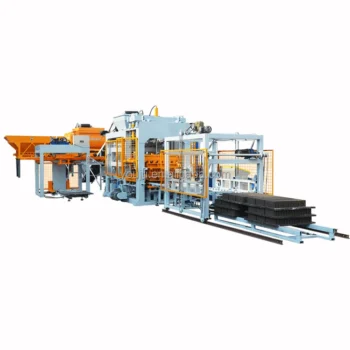
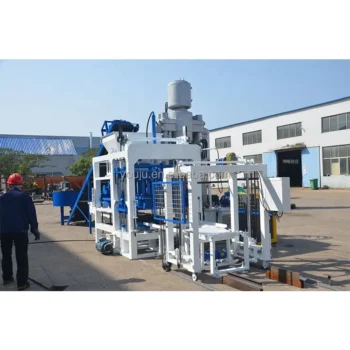
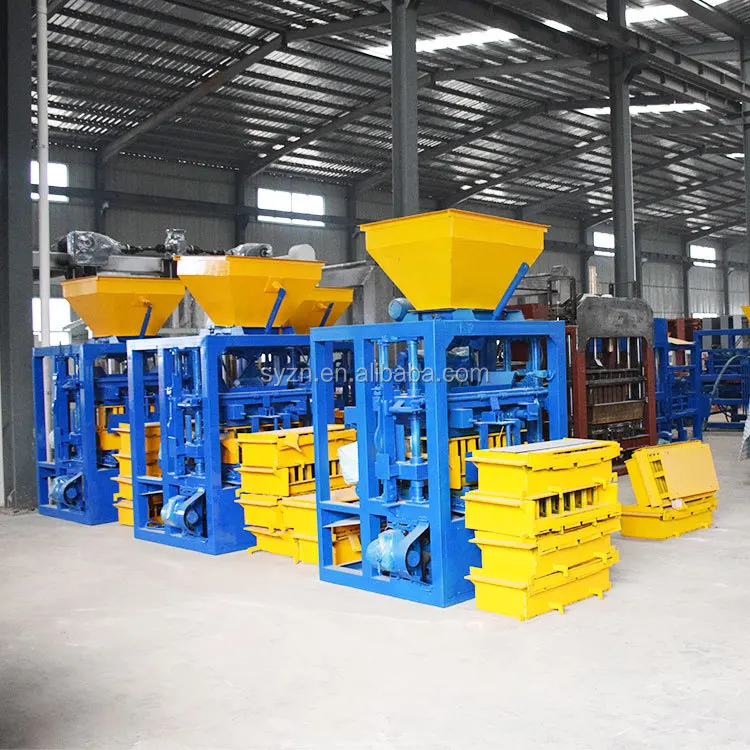
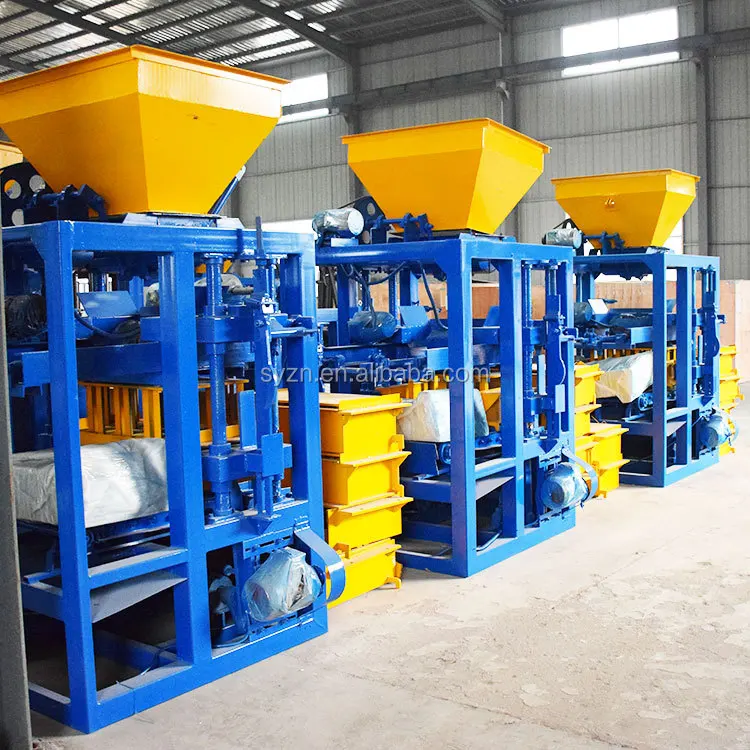
The Qt4 -26 is specified as a matched system: press, mould, pallet, and mixer configured around one target block format and one local aggregate source. Mould drawings are prepared against the dimensions your market demands, including custom profiles if standard formats do not fit. The semi-automatic demolding boundary is stated clearly, so you know where manual pallet handling begins and where a future automation upgrade can attach. Every quotation ships with a capacity calculation that names the block format used in the math. Factory test records are run on your chosen mould before the machine leaves the floor.
Documentation & Verification
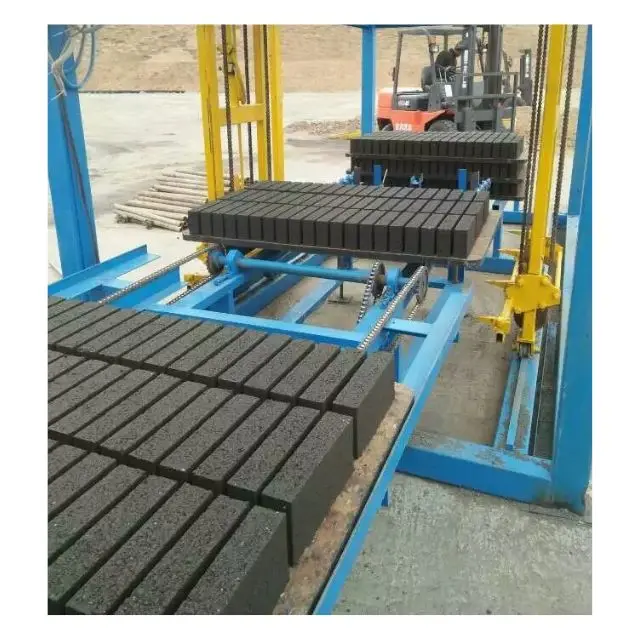
- Line layout showing Qt4 -26 stations with pallet return path and curing rack positions
- Capacity calculation stating the exact block format and moulding cycle assumed
- Mould drawing with dimensional tolerances for your specified block profile
- Pallet material and thickness matched to your curing environment
- Voltage, frequency, and control language written confirmation before production
- Factory test record on your block format with compressive strength readings
Installation, Commissioning & Support
- Foundation plan for the 2060 × 1730 mm host machine footprint with vibration isolation pads
- Dedicated 19.75 kW circuit with voltage and frequency verified before motor wiring
- Host machine delivered as single unit with JQ350 mixer shipped alongside
- On-site mould installation and first-cycle parameter tuning for your aggregate blend
- Operator training covering semi-automatic pallet handling and mould change procedure
- Wear parts list covering vibration springs, liner plates, and hydraulic seals
What We Need Before Quoting
Send the block format drawing or photograph, your target daily output in that format, and the aggregate sieve analysis available locally. Include the voltage and frequency at the site and the language required for the control panel display.
Frequently Asked Questions
Q: How is daily output calculated for the Qt4 -26 — which block format does the capacity figure assume?
A: Daily output is calculated per block format, not as a single headline number. The moulding cycle of 15–20 seconds produces one pallet per stroke, and the number of blocks per pallet depends on the mould layout. We state the assumed format, blocks per pallet, and operating hours in every capacity calculation so the figure matches the product you actually sell.
Q: How do I match vibration force and hydraulic pressure to my local aggregate?
A: The 40 KN vibration force and 26 MPa rated pressure are starting points. We adjust vibration duration and pressure hold time based on your aggregate sieve analysis and cement content. Coarse crushed stone needs longer vibration, while fine fly-ash-rich mixes need shorter cycles to avoid segregation. A test run on your actual mix confirms the settings before shipment.
Q: What mould formats are available and how long does a mould change take on site?
A: Moulds cover hollow blocks, solid blocks, pavers, interlocking bricks, and kerbstones sized to your market. Mould change involves unbolting the mould box, lifting with the overhead crane or forklift, and re-aligning the feed shoe. On the Qt4 -26 this typically occupies a portion of a shift, which is why we confirm your primary and secondary formats before production.
Q: Can I start with the Qt4 -26 semi-automatic and add automation later?
A: The semi-automatic demolding system leaves the press, mould, and pallet frame in place while manual pallet handling is used at the exit end. Automatic pallet feeders, stackers, and cubing units can be added to the same machine footprint when demand justifies the investment, without replacing the press or re-pouring the foundation.