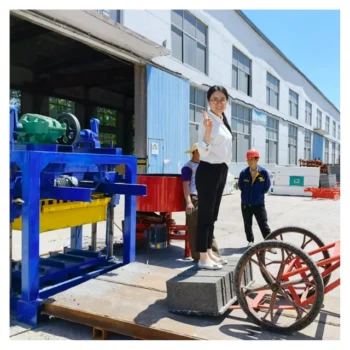




Description
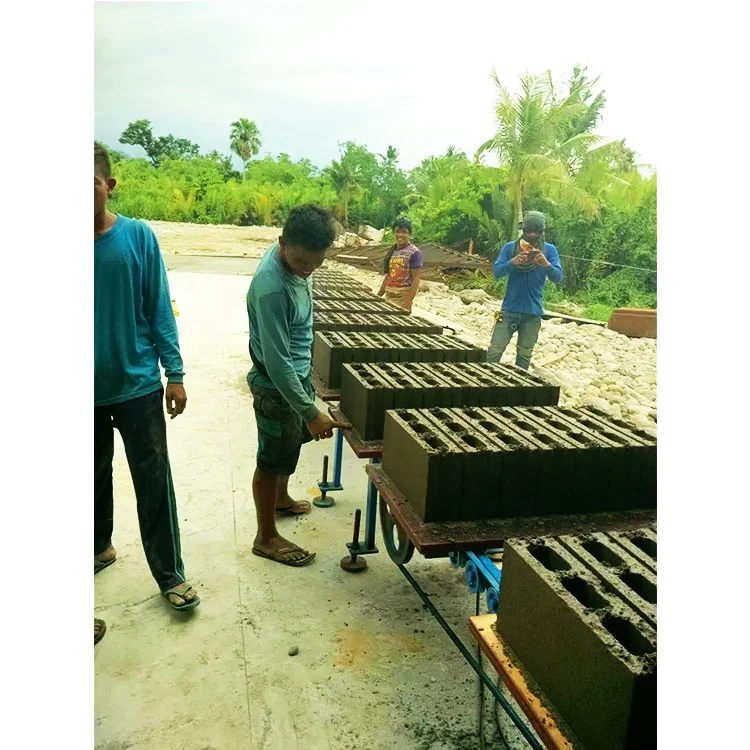
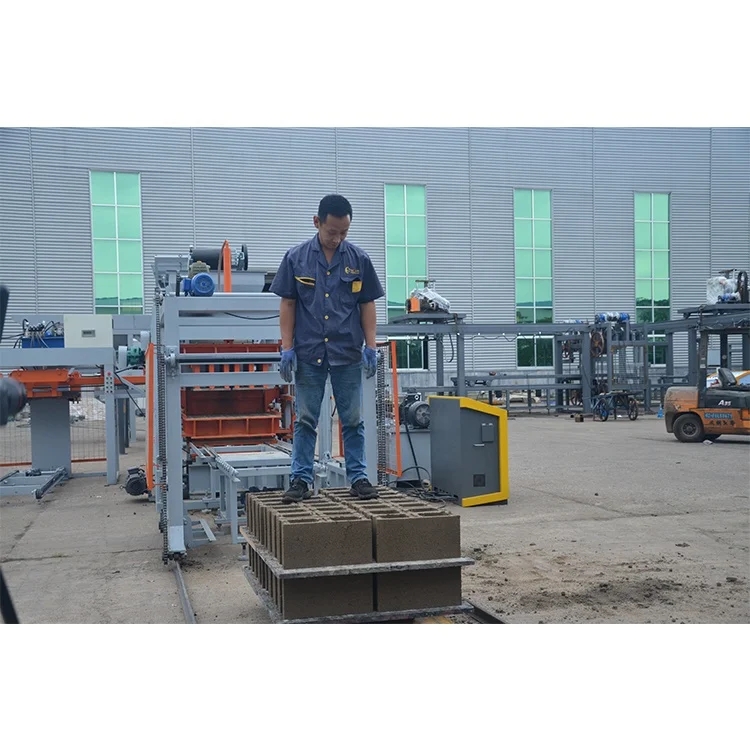
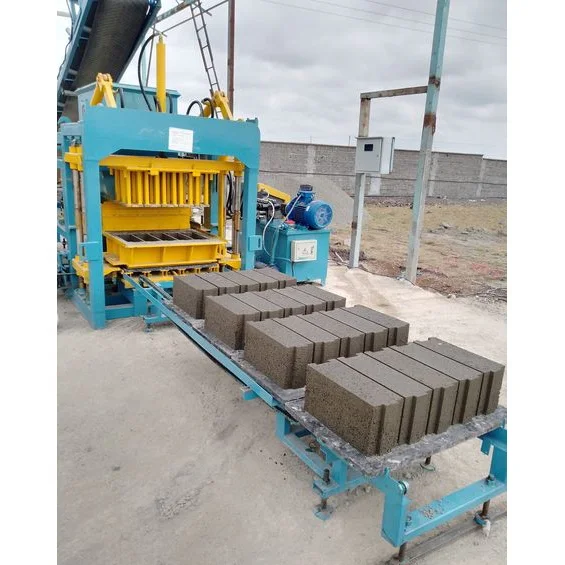
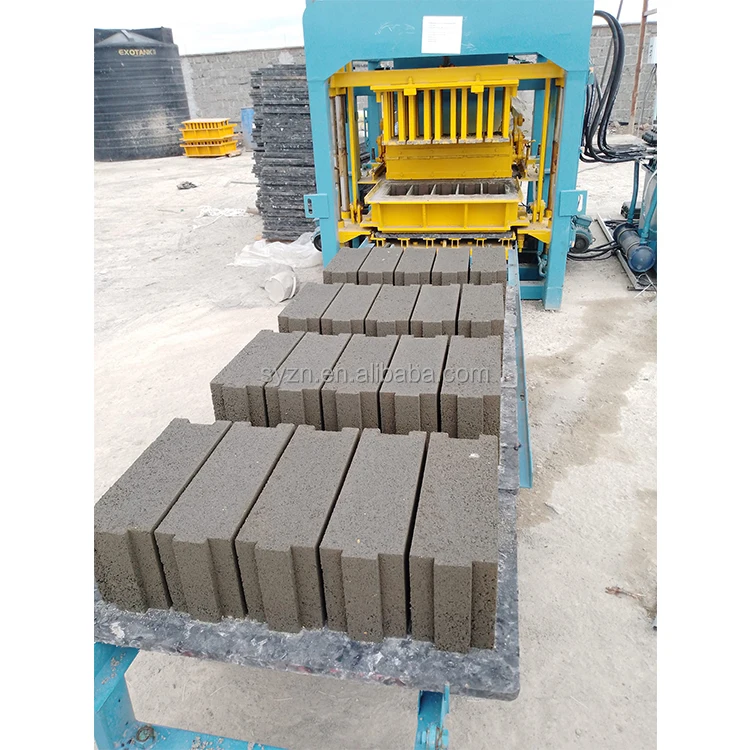
Mould and Format Matching — the QT4-15A is configured around the block dimensions your market actually buys, with capacity calculated per format rather than a single misleading headline number.
Technical Specifications
| Parameter | Value |
|---|---|
| Model | QT4-15A |
| Product Type | Hydraulic Block Making Machine |
| Overall Dimensions | 7100 × 1600 × 2610 mm |
| Molding Cycle | 15–25 s (basis not stated in source — confirm block format / material / thickness) |
| Vibration Frequency | 4600 r/min |
| Vibration Force | 40–50 kN |
| Total Power | 18.45 kW |
| Mixer Model | JQ350 |
| Pallet Size | 850 × 550 × 25 mm |
| Total Weight | 3 T |
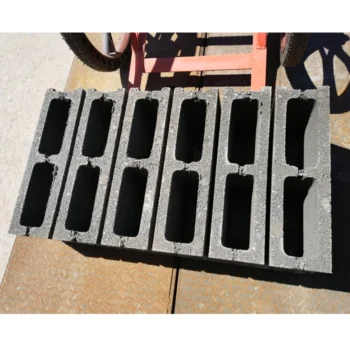
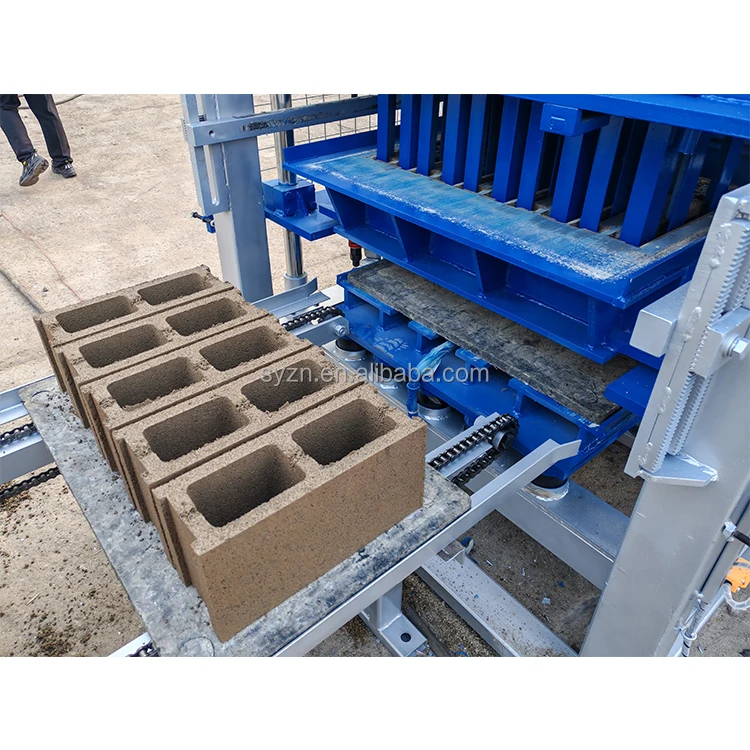
| Applied Products | Paver, solid block, hollow block, curbstone |
| Raw Materials | Crushed stones, sand, cement, dust, fly ash |
| Control System | PLC control system |
| Hydraulic Station | Included |
| Output — 400×200×200 mm Hollow Block | 408 pcs/hr (4 pcs/mould) |
| Output — 400×150×200 mm Hollow Block | 510 pcs/hr (5 pcs/mould) |
| Output — 240×115×53 mm Solid Brick | 2100 pcs/hr (18 pcs/mould) |
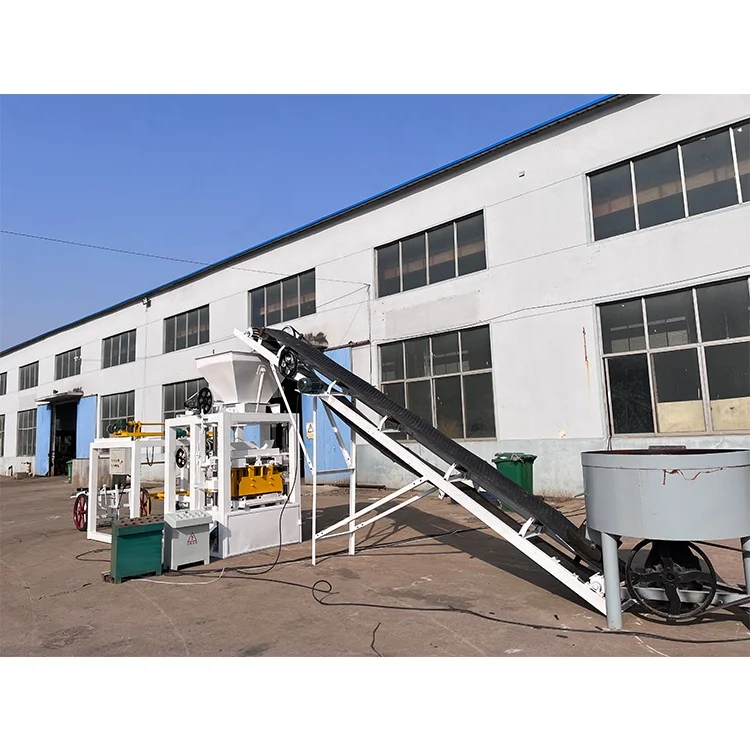
| Automation Level | Semi-automatic (with pallet feeder, brick conveyor, block sweeper) |
| Included Equipment | Block making machine, hydraulic station, PLC control system, pallet feeder, brick conveyor, block sweeper, manual hydraulic trolley, spare parts and tools |
| Voltage & Frequency | To be confirmed before ordering |
| PLC Language | To be confirmed before ordering |
| Mould Change Time | To be confirmed |
| Hydraulic Pressure | To be confirmed (MPa rating) |
Application Suitability
| Application | Material or Output |
|---|---|
| Hollow block production for wall construction | Crushed stone, sand, cement, fly ash mixes; 400×200×200 mm and 400×150×200 mm formats |
| Solid brick manufacturing for load-bearing and infill | Cement, sand, and stone dust blends; 240×115×53 mm standard brick |
| Paver and interlocking block for hardstanding | Crushed aggregate with cement binder; format-specific moulds required |
| Curbstone and kerb production for roadworks | Dense aggregate mixes; heavy-section moulds with extended cycle |
| On-site block production for housing projects | Locally sourced sand and crushed stone; semi-automatic operation with manual pallet handling |
What "Pieces per Hour" Hides About Your Real Daily Output
Capacity without a stated block format is not capacity at all — it is a number waiting to disappoint.
Every hydraulic block making machine specifications sheet quotes an hourly figure. The problem surfaces when the buyer arrives on site and discovers that figure assumed a small solid brick, while the plant was purchased to run 200 mm hollow blocks. The QT4-15A rates at 408 pcs/hr on 400×200×200 mm hollow blocks (4 pcs/mould), 510 pcs/hr on 400×150×200 mm hollow blocks (5 pcs/mould), and 2100 pcs/hr on 240×115×53 mm solid bricks (18 pcs/mould). Those are three very different numbers for the same machine. I have watched operators stare at a silent press because the quoted output never mentioned which mould was in the die. [NEED_CITE: common buyer complaints on block machine output misrepresentation]
Matching Mould Selection to the Block Your Market Sells
The QT4-15A covers hollow block, solid brick, paver, and curbstone formats through mould changes on the same press. The decision a technical buyer needs to make is which formats the local market moves in volume, because every mould swap costs a portion of a shift. When the format list is confirmed against actual orders — not a catalogue wish list — the hydraulic block making machine specifications start to reflect reality. Mould drawings should be reviewed before the machine ships so that cavity count, block dimensions, and face texture align with what distributors and contractors in the destination market will accept.
Why Vibration Force and Hydraulic Pressure Must Follow Your Mix
A vibration force of 40–50 kN at 4600 r/min compacts the mix inside the mould cavity, while hydraulic pressure locks that compaction before the block is stripped. If the buyer’s local aggregate carries high clay or silt content, the water demand shifts and the mix becomes sticky, damping vibration transmission. I once spent a full week on a site re-tuning vibration and pressure because the factory test used clean graded sand while the local quarry delivered material with heavy fines. The block strength only recovered after both parameters were adjusted to the actual feed. [NEED_CITE: effect of aggregate fines on concrete block compaction]
Reading the Specification Sheet Like a Plant Engineer
The 18.45 kW total power covers the hydraulic pump, vibration motors, mixer drive, and conveyor motors running together. Buyers comparing hydraulic block making machine specifications should check whether that figure includes the JQ350 mixer or only the press itself, because a separate mixer circuit changes the electrical supply requirement. The 850 × 550 × 25 mm pallet size determines how many blocks cure per rack level and what forklift tine width is needed to move them. Molding cycle listed at 15–25 seconds spans a wide range; the actual cycle for a specific format and mix must be established during commissioning, not assumed from the midpoint. The semi-automatic configuration includes a pallet feeder, brick conveyor, and block sweeper, which removes manual pallet loading from the operator’s task list but still requires hand-off at the curing end.
The Cost of Skipping Pallet and Voltage Checks Before Shipment
Pallets that do not match the curing rack spacing force the plant to rebuild the rack or restack blocks on the floor, adding labour the buyer never budgeted for. Voltage and frequency left unconfirmed mean the motor winding arrives wrong for the local grid, and commissioning stalls until a transformer or rewound motor arrives on site. PLC language set to a default the operator cannot read turns a simple fault into a shift-long troubleshooting session. These are not engineering failures; they are communication gaps that surface only after the container is opened. [NEED_CITE: voltage mismatch issues in exported industrial machinery]
Why Sourcing This Machine Through a Format-Focused Supplier Matters
Block machinery is the single product focus, so the press, mould, pallet, and handling equipment are specified as one matched system rather than assembled from unrelated quotations. Machine configuration is set against the buyer’s actual mix design and local aggregate, not pulled from a catalogue default. Mould design covers the formats the buyer’s market sells, including custom drawings when standard cavities do not match. Automation level is selectable, allowing a buyer to start with the semi-automatic QT4-15A and plan a future upgrade path. Installation support includes on-site commissioning with operator training tied to the specific block format the plant will produce first.
Documentation & Verification
- Line layout showing QT4-15A stations with capacity stated per block format
- Mould drawing and format list confirming cavity dimensions before production
- Pallet specification cross-referenced with your curing rack and forklift
- Voltage, frequency, and PLC language confirmation sheet signed before build
- Factory test record using your mix design or nearest available aggregate
- Packing photographs showing dismantling state and container load plan
Installation, Commissioning & Support
- Foundation pad sized to 7100 × 1600 mm footprint with drainage for mixer wash-down
- Dedicated circuit rated for 18.45 kW total draw plus starting surge for hydraulic pump
- Machine shipped partially assembled; hydraulic station and PLC panel bolt on at site
- First production run tuned to your block format, adjusting vibration and pressure to local aggregate
- Operator training covers mould change procedure, PLC fault reading, and daily greasing points
- Wear parts list with hydraulic seal and vibration motor brush replacement intervals
What to Share Before Requesting a Quotation
Provide the block dimensions and strength grade your market requires, along with the daily volume target per format. Share a sample or sieve analysis of the local sand and crushed stone so the mix can be evaluated before the machine is configured. Confirm the site voltage, frequency, and the language your operators read on a screen. If an existing curing area or forklift is already in place, send the rack dimensions and fork width so the 850 × 550 × 25 mm pallet can be validated against your handling setup.
Frequently Asked Questions
Q: How is the QT4-15A capacity verified, and what block format does each output figure assume?
A: Each output figure is tied to a specific block size and mould cavity count. The 408 pcs/hr rating assumes 400×200×200 mm hollow blocks at 4 pcs/mould, while 510 pcs/hr assumes 400×150×200 mm at 5 pcs/mould, and 2100 pcs/hr assumes 240×115×53 mm solid bricks at 18 pcs/mould. Daily shift totals must be calculated from the format you will actually produce.
Q: Which mould formats are available, and what is the realistic mould change time?
A: Standard moulds cover hollow block, solid brick, paver, and curbstone formats listed in the specification sheet. Mould change time depends on the operator’s familiarity and the tools on hand, and must be confirmed during commissioning. If your market requires a non-standard dimension, custom mould design to your drawings is available before the machine ships.
Q: How should pallet size 850×550×25 mm be matched to my existing curing setup?
A: The pallet length and width determine how many blocks sit per rack level, and the 25 mm thickness must clear your forklift tines. Before confirming the order, share your curing rack bay dimensions and forklift capacity so the pallet specification can be cross-checked and adjusted if needed.
Q: What voltage, frequency, and PLC language options need confirming before shipment?
A: The motor winding and PLC display are set during production, so the exact voltage, frequency, and operator language must be agreed before the build starts. Providing a copy of your site electrical supply certificate and naming the preferred PLC language avoids commissioning delays once the QT4-15A arrives.
Q: How do I match vibration force and pressure to my local aggregate for consistent strength?
A: The 40–50 kN vibration force and hydraulic pressure must be tuned to the mix design and aggregate grading available locally. High fines or clay content dampens vibration, requiring parameter adjustments. A factory test using your actual material — or the closest available equivalent — establishes the baseline settings before dispatch.