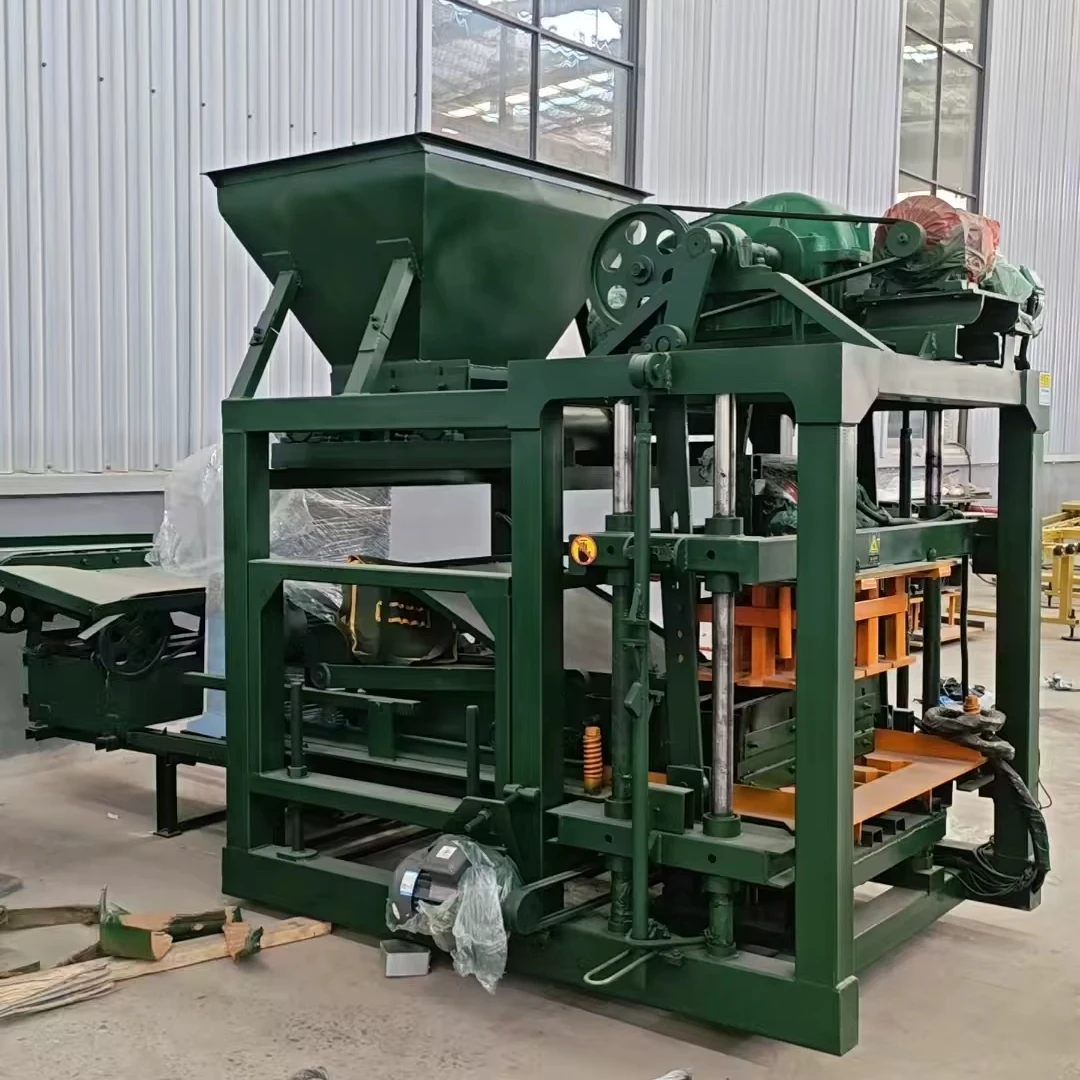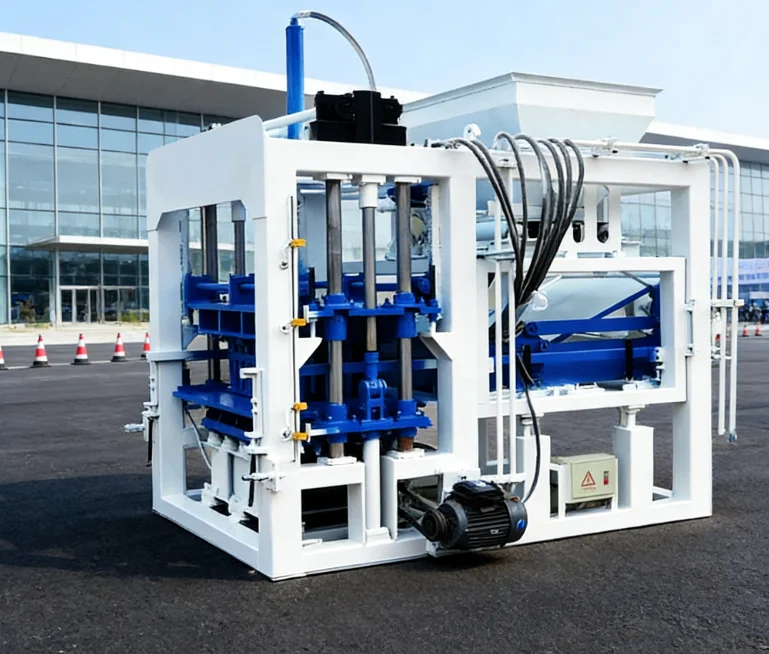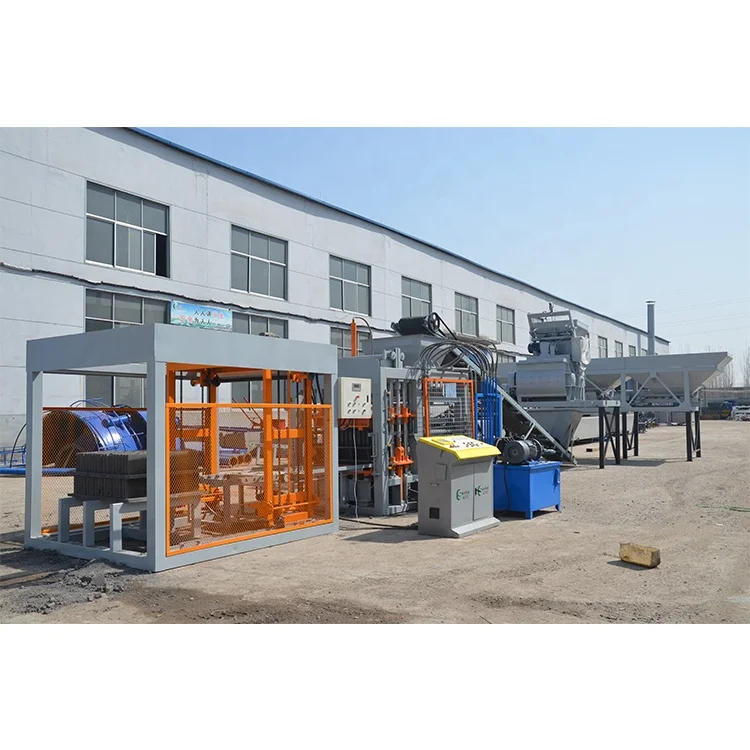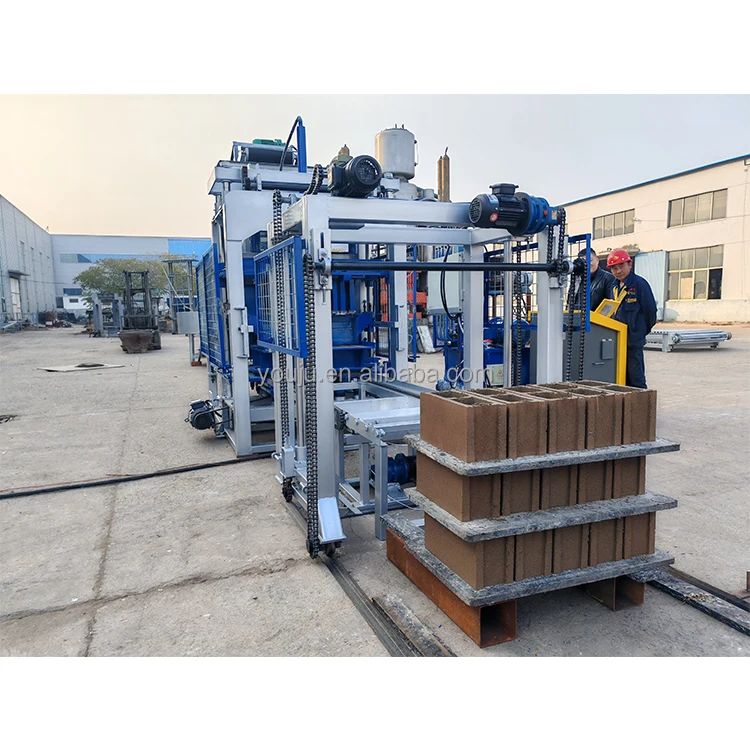
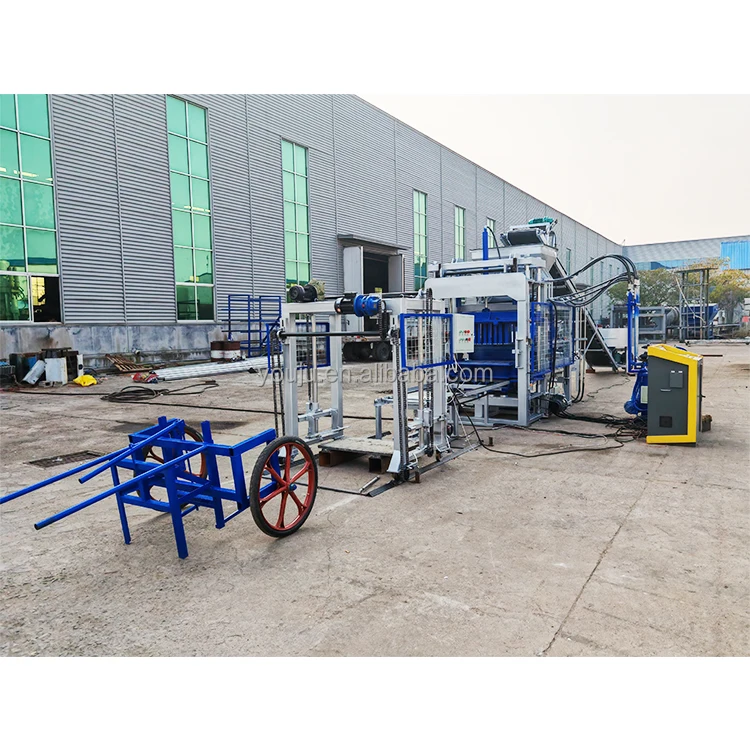
Description
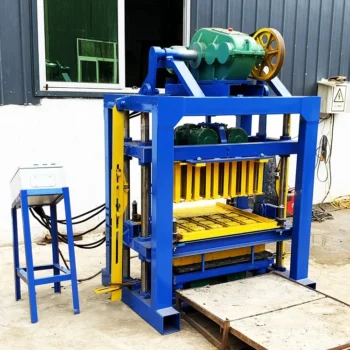
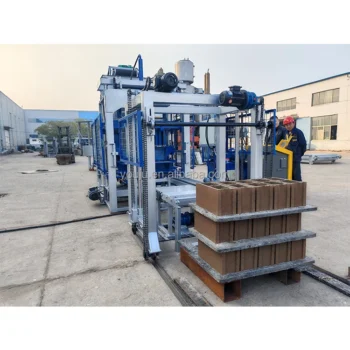
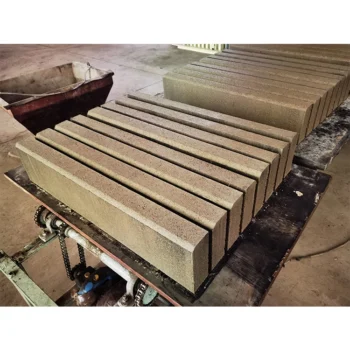
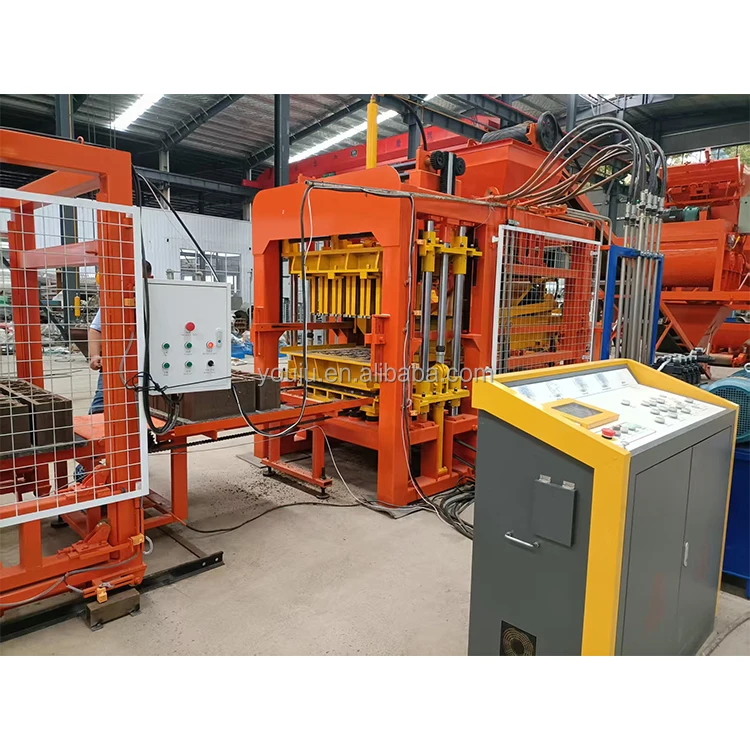
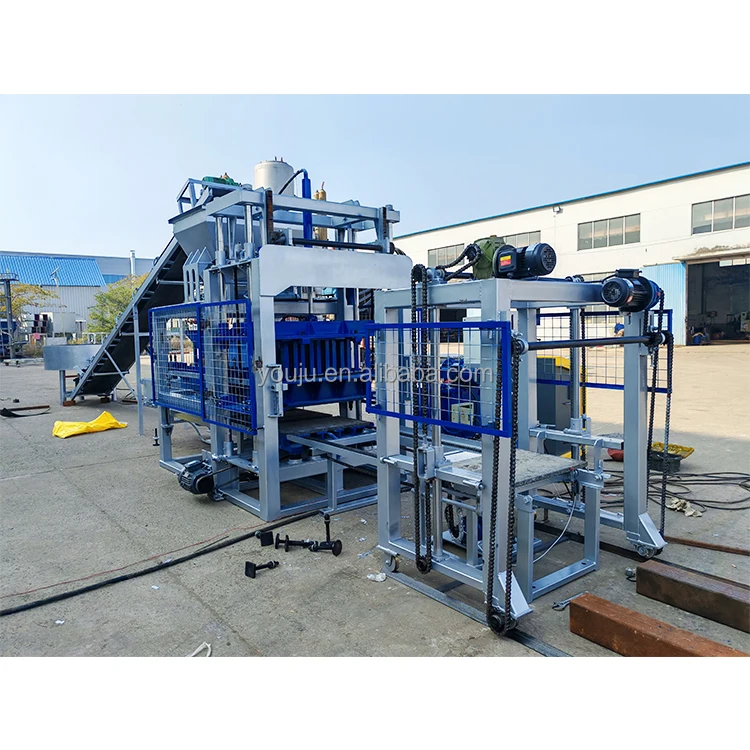
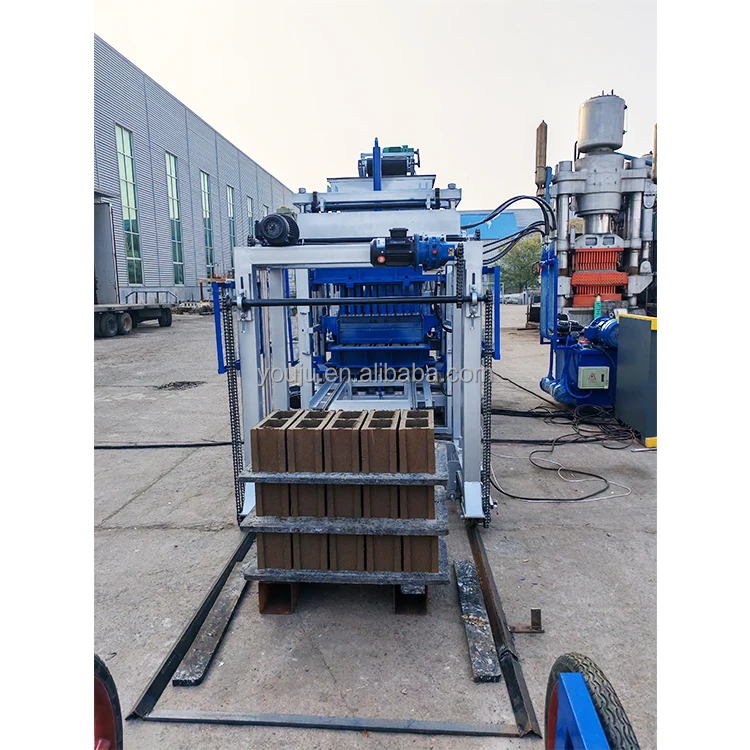
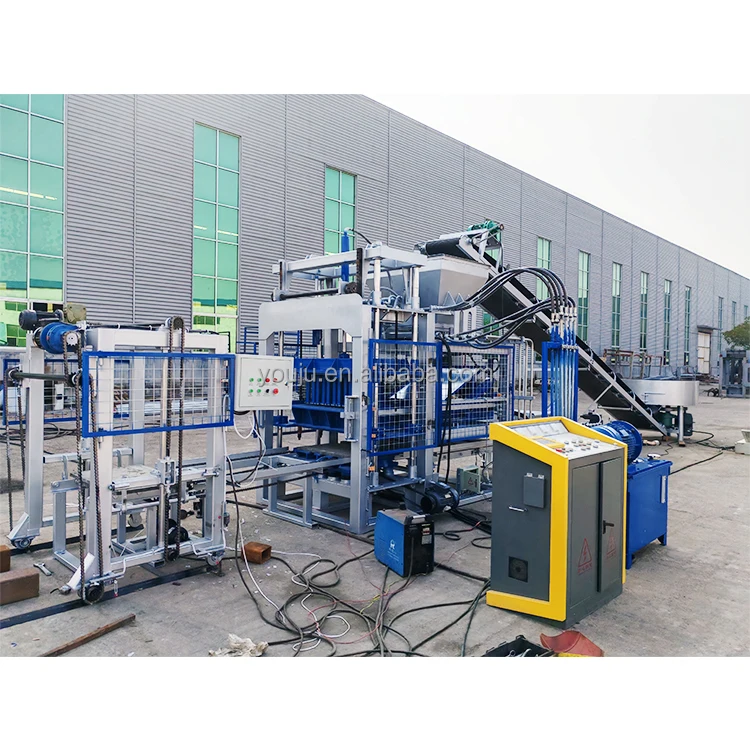
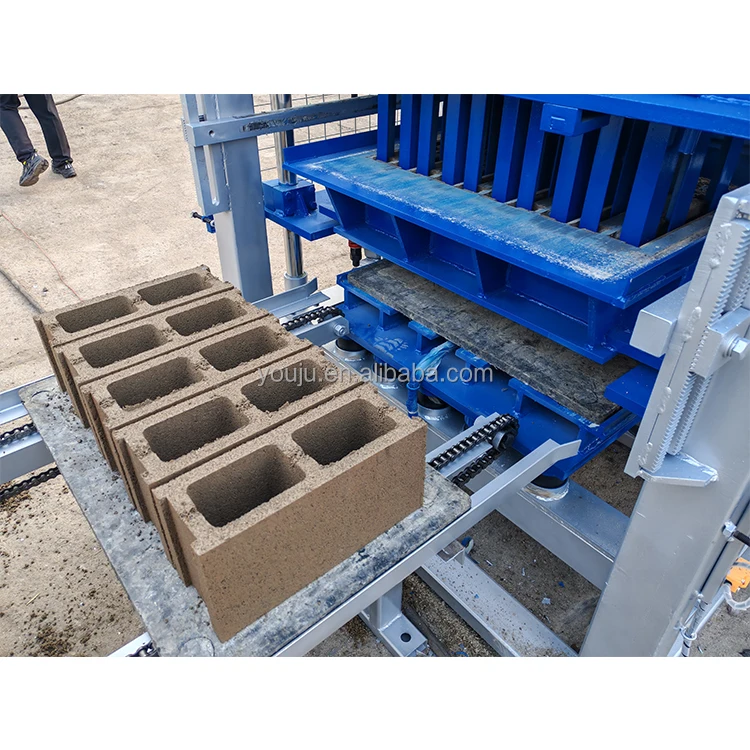
Configuration set against the buyer’s actual block format and local aggregate, not a catalogue default — the QT4-15 is specified here against the exact hollow block, paver and solid brick dimensions the buyer’s market sells, with cycle time and per-format output stated transparently.
Technical Specifications
| Parameter | Value |
|---|---|
| Model | QT4-15 |
| Product Type | Hydraulic Concrete Block Making Machine |
| Control System | PLC controlled with approach switch monitoring |
| Molding Cycle | 15–30 seconds depending on block format and mix |
| Pallet Size | 900 × 500 mm |
| Vibration Type | Platform vibration |
| Vibration Frequency | 50–70 Hz |
| Product Height Range | 50–220 mm |
| Overall Power | 24.5 kW |
| Demolding Method | Hydraulic |
| Automation Level | Automatic — machinery, electric, hydraulic and vibrating systems coordinated |
| Mould Format Capability | Hollow blocks, paver bricks, solid bricks (by mould change) |
| Raw Material Compatibility | Fly ash, slag, gangue, sand, crushed stone, cement, water |
| Block Compressive Strength | More than 15 MPa (verify against actual mix design and local aggregate) |
| Output — 400×200×200 mm Hollow Block | 7,200–9,600 pcs per 8 hours (basis: 4 pcs/mould, 15–20 s cycle) |
| Output — 400×150×200 mm Hollow Block | 8,640–11,520 pcs per 8 hours (basis: 5 pcs/mould, 15–20 s cycle) |
| Output — 400×100×200 mm Hollow Block | 11,520–15,360 pcs per 8 hours (basis: 8 pcs/mould, 15–20 s cycle) |
| Output — 200×100×60 mm Paver | 23,040–30,720 pcs per 8 hours (basis: 16 pcs/mould, 15–20 s cycle) |
| Output — 240×115×53 mm Solid Brick | 47,400–53,700 pcs per 8 hours (basis: 28 pcs/mould, 15–20 s cycle) |
| Electrical & Hydraulic Components | Original imported or Chinese well-known brand (confirm specific brands) |
| Voltage & Frequency | Configurable — confirm before production |
| Stacking Method | Confirm if manual or automatic |
Application Suitability
| Application | Material or Output |
|---|---|
| Hollow block manufacturing for construction and masonry | Crushed stone, sand, cement, water mix; fly ash or slag alternatives |
| Interlocking paver production for landscaping and roadwork | Dense aggregate and cement blend with colour oxide option |
| Solid brick production using industrial residues | Fly ash, slag, gangue combined with sand and cement binder |
| Mid-to-small scale concrete product plants | Multiple block formats via mould change on a single 900 × 500 mm pallet |
| On-site or fixed-plant block production for housing projects | Mobile or stationary setup producing hollow and solid formats to local building codes |
What the QT4-15 Block Machine Specifications Actually Tell You About Daily Output
Capacity only means something when the block format, mould cavity count and cycle time are named alongside it.
A headline number like "1,200 pieces per hour" sounds convincing until you discover it was measured on a 400×100×200 mm hollow block with 8 cavities. Switch the mould to a 400×200×200 mm format with 4 cavities and the same QT4-15 concrete block making machine capacity drops to a lower figure. I have watched buyers sign contracts based on one cycle rate, only to find their real daily output falling short of what their project schedule demanded. The mismatch is never the machine’s fault — it is the quotation that left the format assumption unstated. Every QT4-15 block machine specifications table on this page lists output per format with its mould cavity count and cycle time, so the number you plan against is the one you will actually see on the curing rack. [NEED_CITE: how block format assumption affects stated machine capacity in supplier quotations]
Matching Block Format to Mould Cavity Count
The QT4-15 uses a 900 × 500 mm pallet, which limits how many cavities a given block size can have. A 400×200×200 mm hollow block fits 4 cavities; a 400×100×200 mm hollow block fits 8. The QT4-15 block machine specifications reflect this geometry: per-cycle output is a function of pallet area divided by block footprint, not a variable the manufacturer can freely increase. Buyers comparing machines across suppliers should normalise the comparison to the same block size and pallet area — otherwise the cycle rate is meaningless.
Pallet Size and Curing Area Coordination
A 900 × 500 mm pallet must travel from the press to the curing rack, and the rack spacing must accept that dimension. If the buyer already owns curing racks or forklifts built around a different pallet size, the entire downstream handling chain must be reworked. Confirming pallet dimensions early avoids a situation where blocks are produced efficiently but cannot be moved or stacked without manual intervention. [NEED_CITE: pallet size and curing rack coordination in block production lines]
Hydraulic Pressure, Vibration and Mix Design Interaction
Platform vibration at 50–70 Hz combined with hydraulic demolding determines how densely the concrete is compacted inside the mould. The QT4-15 concrete block making machine capacity by format assumes a standard mix of sand, crushed stone and cement. Substitute volcanic aggregate, lightweight expanded clay or a high fly ash ratio without adjusting vibration frequency and hydraulic pressure, and block compressive strength will deviate from the stated 15 MPa figure. I once spent a week remotely tuning a machine because the customer’s local aggregate had a completely different particle shape from the sand used in factory testing — the blocks looked fine but failed the compressive test. Send a raw material sample before the order is finalised so the vibration and pressure settings can be matched to your actual mix.
Format Flexibility Versus Mould Change Downtime
The QT4-15 covers hollow blocks, pavers and solid bricks through mould change, and the 50–220 mm product height range accommodates most standard construction formats. The practical question is how long a changeover takes on the shop floor with your operator skill level. A machine that lists six block formats but needs a full shift to swap moulds is really a single-format machine for most working days. Ask for the mould change procedure with time estimate before you commit, especially if your production plan relies on running two or three formats per week. [NEED_CITE: mould change time and its effect on effective production hours in block plants]
The Cost of Underspecifying the Line Around the Press
When the quotation covers only the press, the buyer discovers after delivery that pallet feeding, stacking and curing rack handling must be designed and purchased separately. Blocks come off the QT4-15 at a rate that quickly overwhelms manual handling, so output piles up on the floor waiting for someone to carry it. Voltage, frequency and PLC display language, if left unconfirmed, can delay commissioning further — a machine sitting idle while a control panel is rewired or a manual is translated is a machine that produces nothing. These gaps are not hidden; they are simply in different sections of a quotation that the buyer did not think to cross-reference.
Why Buyers Choose This QT4-15 Configuration
Block machinery is the single focus here, so the QT4-15 is specified as a matched system — machine, mould, pallet and handling — rather than assembled from separate suppliers who each optimise for their own component. The configuration is set against the buyer’s actual mix design and target block format, not pulled from a catalogue default. Mould design covers the formats the buyer’s market actually sells, and custom mould drawings are available for non-standard sizes. Automation level is selectable, so a buyer can start semi-automatic and upgrade pallet feeding or stacking later. Installation support includes operator training so the crew running the QT4-15 on day one understands cycle timing, mould change procedure and daily maintenance checkpoints.
Documentation & Verification
- Line layout and capacity calculation stating the block format assumed for each QT4-15 output figure
- Mould drawing and format list confirming included and optional block sizes
- Pallet specification matched to buyer’s curing area dimensions and forklift capacity
- Voltage, frequency and PLC display language confirmation document before production
- Factory test record on buyer’s target block format before dispatch
- Operation and maintenance manual with wear parts and mould list
Installation, Commissioning & Support
- Foundation plan sized to QT4-15 overall power of 24.5 kW and vibration load
- Dedicated electrical circuit with confirmed voltage and frequency before connection
- Machine arrives in dismantled state for container loading — on-site assembly included
- First-run parameter tuning on buyer’s actual raw material mix and block format
- Operator training covering PLC approach switch monitoring and mould change sequence
- Wear parts list with hydraulic seal and vibration motor replacement intervals
What to Send Before Requesting a Quotation
To size the QT4-15 accurately to your production target, share the exact block format and dimensions you plan to run, the raw material available locally including aggregate type and source, and the daily output you need per format. Confirm the voltage and frequency at your site, the PLC display language your operators require, and whether you already have curing racks or forklifts that the 900 × 500 mm pallet must fit. If your project has a fixed commissioning deadline, state it upfront so the lead time and container loading plan can be arranged to match.
Frequently Asked Questions
Q: How do I verify real daily output for my specific block format on the QT4-15?
A: Request a capacity calculation that names your exact block dimensions, the number of mould cavities and the cycle time used for the figure. The QT4-15 block machine specifications on this page list 8-hour output per format with these three parameters stated. If your block size differs from those listed, ask for a recalculation rather than assuming the headline rate applies.
Q: What mould formats are available and how does the changeover work?
A: The QT4-15 supports hollow blocks, pavers and solid bricks within the 50–220 mm product height range, and custom moulds can be built to buyer drawings. Ask for the mould change procedure document before ordering, including the tools required and the estimated time, so you know how many formats are realistically practical in one production day.
Q: How should vibration force and hydraulic pressure be matched to my local aggregate?
A: Send a raw material sample or provide aggregate type, particle size distribution and mix ratio before production. The QT4-15 operates platform vibration at 50–70 Hz, but the pressure and frequency settings must be tuned to your specific mix to achieve the stated block compressive strength of more than 15 MPa.
Q: Does the 900 × 500 mm pallet fit my existing curing racks and forklift?
A: Measure your rack spacing and forklift tine width before confirming the order. If your existing handling equipment was built around a different pallet size, either the pallet or the downstream equipment must be changed. This is easiest to resolve at the quotation stage rather than after the machine arrives.
Q: What electrical and control details must be confirmed before shipment?
A: Voltage, frequency and PLC display language should all be written into the order confirmation. A QT4-15 configured for the wrong voltage will require transformer installation or rewinding before it can run, and a PLC screen in an unreadable language slows down operator training and daily troubleshooting.