

Description
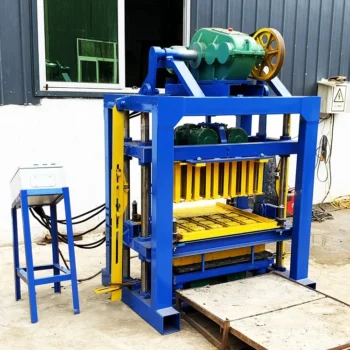
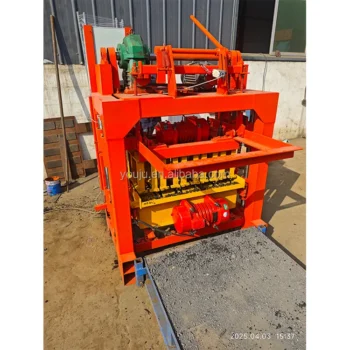
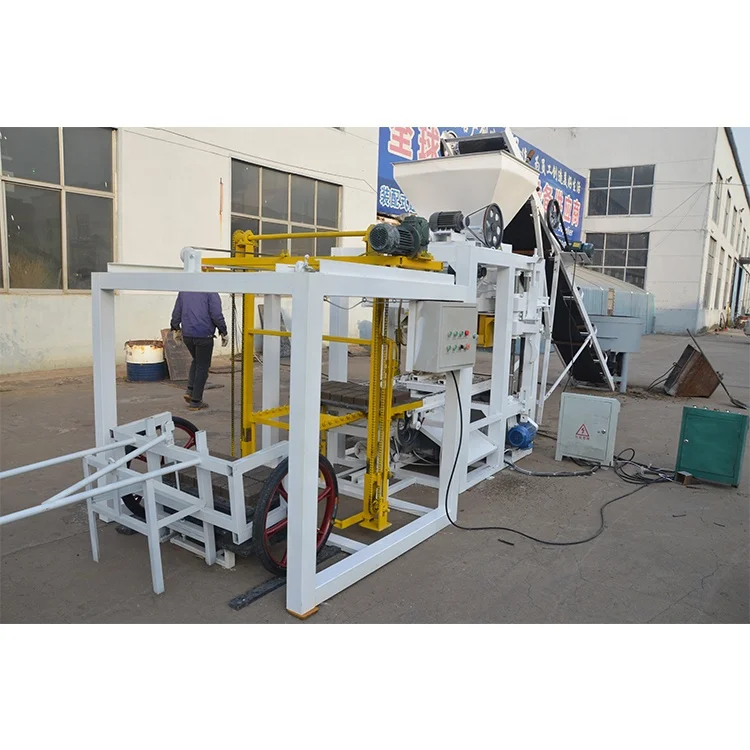
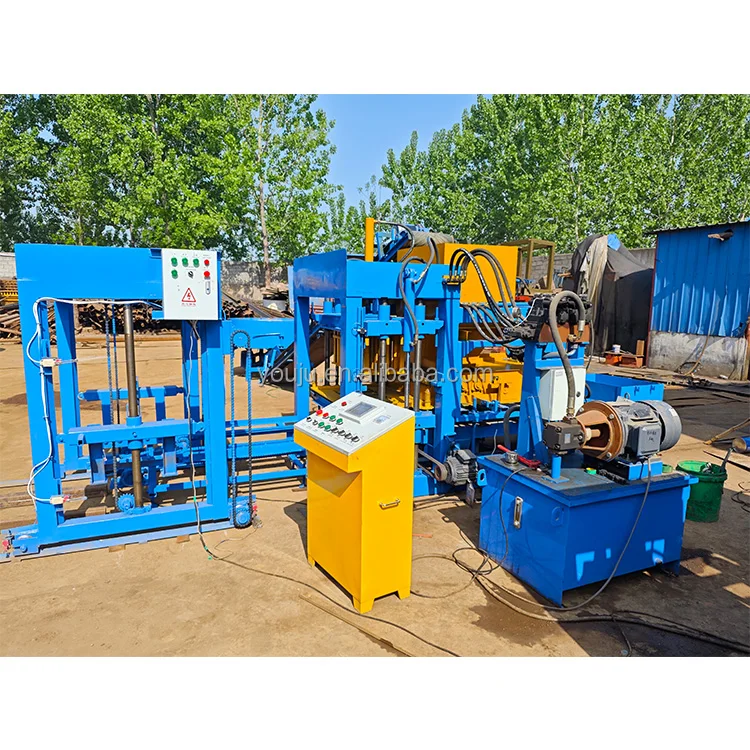
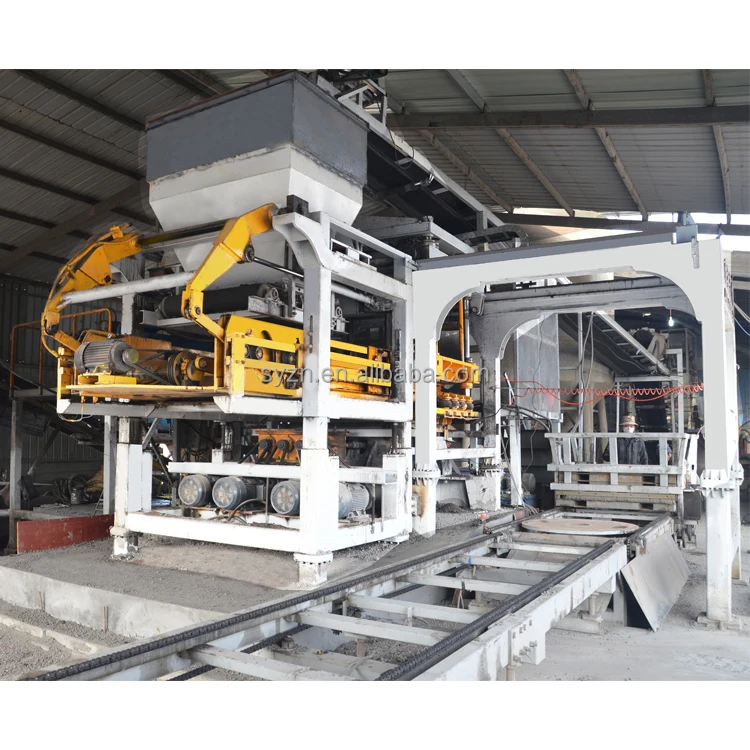
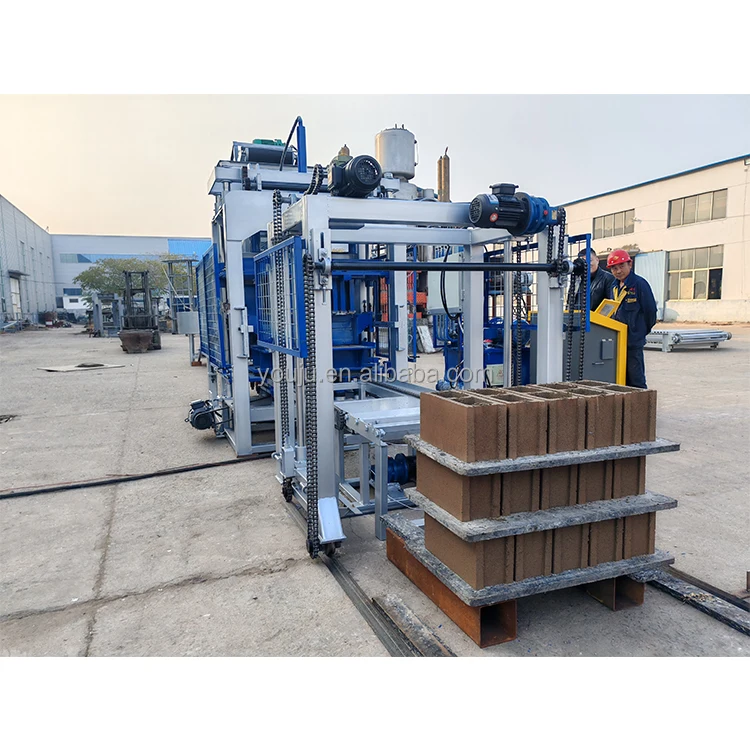
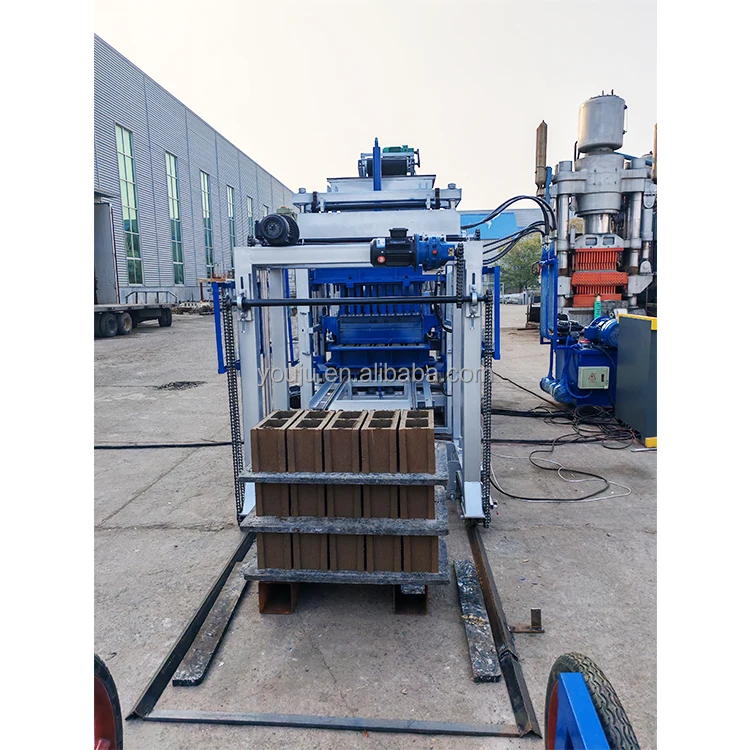
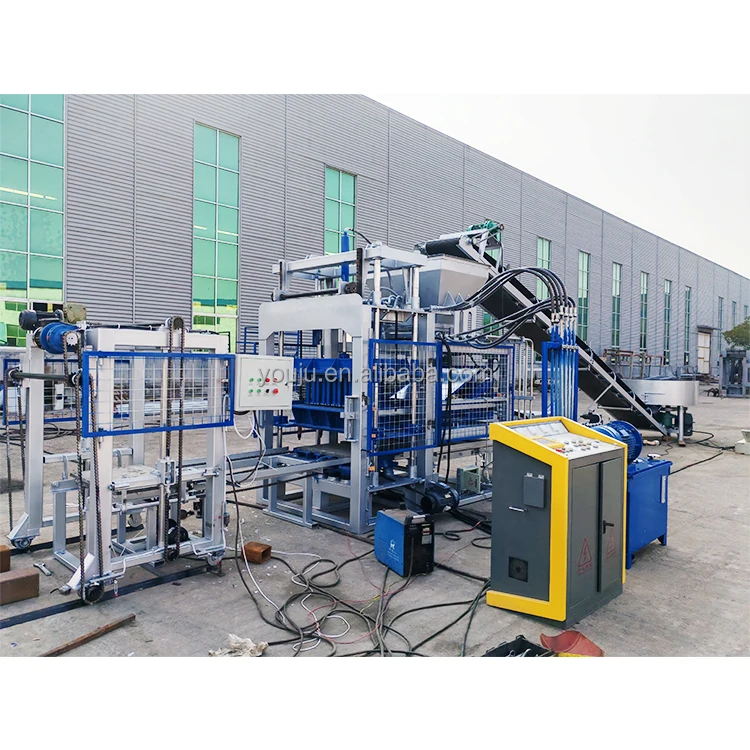
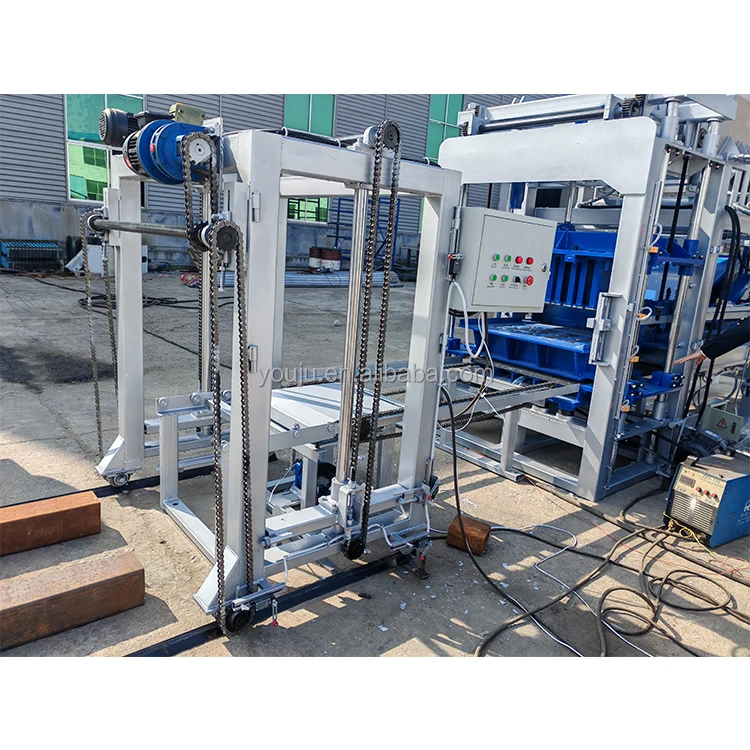
Format-matched configuration — the QT4-15 block making machine is sized against your target block format, local aggregate, and curing layout, not a catalogue default, so quoted output reflects what the press actually delivers on your floor.
Technical Specifications
| Parameter | Value |
|---|---|
| Model | QT4-15 |
| Product Type | Hydraulic Block Making Machine |
| Molding Cycle | 15–30 s depending on block format |
| Pallet Size | 900 × 500 mm |
| Vibration Type | Platform vibration |
| Vibration Frequency | 50–70 Hz |
| Product Height Range | 50–220 mm |
| Overall Power | 24.5 kW |
| Demolding Method | Hydraulic |
| Control System | PLC |
| Automation Level | Automatic |
| Block Compressive Strength | >15 MPa |
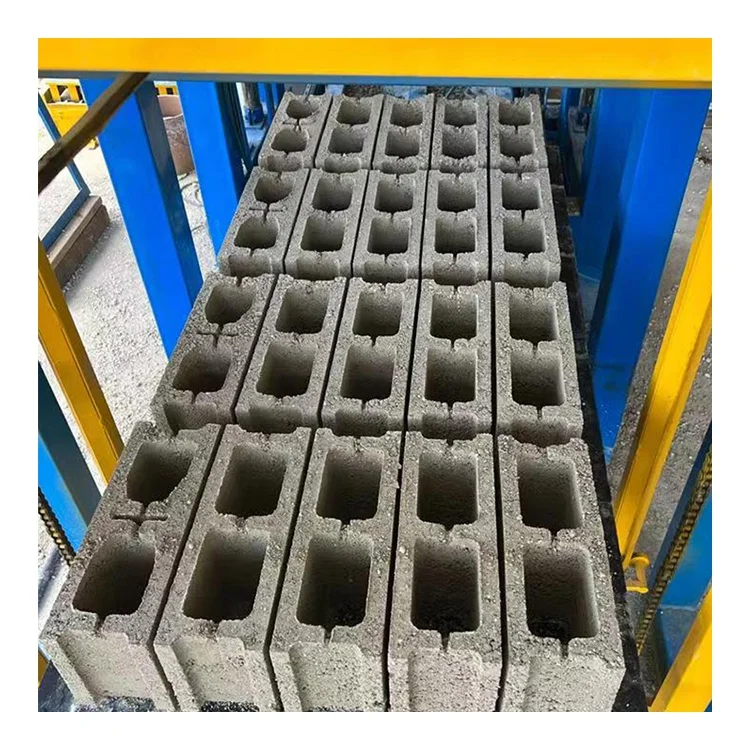
| Mould Change | Supported (hollow block, paver, solid brick via mould change) |
| Output — Hollow Block 400×200×200 mm | 900–1,200 pcs/hour; 7,200–9,600 pcs/8 hr shift |
| Output — Hollow Block 400×150×200 mm | 1,080–1,440 pcs/hour; 8,640–11,520 pcs/8 hr shift |
| Output — Hollow Block 400×100×200 mm | 1,440–1,920 pcs/hour; 11,520–15,360 pcs/8 hr shift |
| Output — Paver 200×100×60 mm | 2,880–3,840 pcs/hour; 23,040–30,720 pcs/8 hr shift |
| Output — Solid Brick 240×115×53 mm | 5,930–6,720 pcs/hour; 47,400–53,700 pcs/8 hr shift |
| Raw Materials | Fly ash, slag, gangue, sand, crushed stone, cement, water |
| Voltage & Frequency | Configurable to site supply (basis to be confirmed before order) |
| Overall Dimensions | To be verified against manufacturer catalog |
| Net Weight | To be verified against manufacturer catalog |
| Hydraulic Pressure | To be verified against manufacturer catalog |
| Vibration Force | To be verified against manufacturer catalog |
| Mould Change Time | To be verified against manufacturer catalog |
Application Suitability
| Application | Material or Output |
|---|---|
| Hollow block production | Crushed stone, sand, cement with fly ash or slag supplement |
| Paver brick manufacturing | Fine aggregate and cement blends for interlocking or rectangular formats |
| Solid brick production | Sand, gangue, and cement mixes for load-bearing wall units |
| Industrial residue utilization | Fly ash, slag, and mining gangue as partial cement replacement |
| Medium-scale block plant | Daily volumes matched to local construction demand across multiple formats |
Why "Pieces per Hour" Without a Format Is Meaningless
Capacity only matters when tied to the block size you actually sell.
I once watched a buyer sign off on a QT4-15 block making machine specifications sheet that led with a single headline output number. When the machine arrived and ran his 400×150×200 mm hollow block, the cycle stretched well beyond the quoted pace because vibration and feed timing had been set for a larger format. His daily output settled at roughly half of what he had planned around. [NEED_CITE: common causes of output shortfall in stationary block presses]
The QT4-15 block making machine produces different volumes for every mould it carries. A 400×200×200 mm hollow block yields 7,200–9,600 pieces across an eight-hour shift, while the same press running 200×100×60 mm pavers reaches 23,040–30,720 pieces over the same period. Presenting one number without naming the format leaves buyers planning curing space, pallet inventory, and trucking around a figure the machine cannot sustain.
Matching the Press to Your Block Format
Every block format changes the physics inside the mould box. Thicker hollow blocks need longer vibration to consolidate the core walls, while thin pavers consolidate quickly but demand precise material feed to avoid surface variation. The QT4-15 block making machine operates across a 15–30 second molding cycle range, and the PLC allows the cycle to be tuned per format rather than locked to one setting.
A buyer producing three hollow block sizes and a paver line needs to confirm which format drives daily planning. The press will run all of them, but the shift output swings widely between formats. Honest capacity discussion starts with the format that moves the most volume in your market.
Pallet Size and Curing Area Alignment
The 900×500 mm pallet is the physical link between the press and your curing yard. If your existing forklift is rated for a smaller pallet footprint, or your curing racks were built around a different dimension, the QT4-15 will produce blocks that your downstream handling cannot move efficiently. [NEED_CITE: pallet handling mismatches in block plant layout]
Confirming pallet size against your curing area before the machine enters production prevents a situation where blocks stack faster than they can be racked, forcing manual offloading that erases the advantage of automatic operation. This conversation belongs in the quotation stage, not on commissioning day.
Reading the Specs That Actually Shape Output
Hydraulic demolding paired with platform vibration at 50–70 Hz gives the QT4-15 a consolidation mechanism suited to a broad material range. Hydraulic pressure pushes the head down while vibration settles the mix; the balance between the two determines whether a block leaves the mould dense enough to exceed 15 MPa or emerges with weak corners. When local aggregate contains high clay content, vibration frequency and hydraulic dwell may need adjustment to compensate — a reason to test with your actual mix before locking parameters.
The 24.5 kW overall power rating covers the hydraulic pump, vibration motor, and material feed system running in coordinated sequence. A plant with limited electrical capacity should verify that the supply circuit can sustain this draw alongside mixer and conveyor loads without voltage drop, which directly affects vibration consistency and block quality.
The Hidden Cost of Skipping Mix Design Validation
When a QT4-15 arrives configured for a standard sand-cement ratio but the buyer’s local aggregate is predominantly crushed limestone with high fines content, the vibration parameters no longer match the material behaviour. Blocks may demould with surface cracking or fail compressive strength tests, forcing the plant to increase cement content just to maintain quality — a cost that compounds across every shift. [NEED_CITE: aggregate variation effects on block compressive strength]
Sending a representative material sample before the machine is built allows the vibration force and cycle timing to be set against what will actually feed the hopper, reducing the trial-and-error period that otherwise consumes the first weeks of production.
Configuration Accountability From Quote to Commissioning
Block machinery as a single focus means the QT4-15 press, its moulds, pallets, and handling equipment are specified as one matched system. The mould design covers the formats your market actually buys, including custom drawings when standard options do not align.
Automation level is selectable so a plant can begin with semi-automatic pallet handling and move toward full stacking and cubing as volume grows. Configuration is set against your actual mix design and local aggregate, not pulled from a default table. Installation support includes operator training on mould change procedure and PLC cycle adjustment. [NEED_CITE: stationary block machine commissioning best practices]
Documentation & Verification
- Line layout with capacity calculation stating which block format each output figure assumes
- Machine specification sheet covering vibration frequency, hydraulic pressure, and overall power
- Mould drawing and format list reviewed against your local market requirements before production
- Pallet specification matched to your curing rack dimensions and forklift load rating
- Voltage, frequency, and PLC display language confirmation document signed before build begins
- Factory test record on your specified block format prior to dispatch
Installation, Commissioning & Support
- Foundation pad sized to the QT4-15 footprint with level tolerance for platform vibration alignment
- Dedicated electrical circuit rated for 24.5 kW continuous draw, separate from mixer and conveyor loads
- PLC display language set to operator preference and confirmed before the control cabinet ships
- First-run mould installation supervised, with cycle timing adjusted to your confirmed mix design
- Operator training on hydraulic demolding sequence and mould change procedure using your format set
- Wear parts list for hydraulic seals and vibration components with recommended replacement intervals
What We Need to Size This Correctly
Provide the block format that represents the majority of your daily sales volume, along with the secondary formats you plan to produce through mould change. Share your local aggregate type and any industrial residues like fly ash or slag you intend to include in the mix.
Confirm your site voltage, frequency, and preferred PLC display language. If you have existing curing racks or forklifts, send the pallet dimensions they accommodate so the 900×500 mm pallet specification is validated against your handling infrastructure before the order is placed.
Frequently Asked Questions
Q: How is QT4-15 capacity calculated per block format, and what cycle time does each format assume?
A: Each format has its own cycle window within the 15–30 second range. Larger hollow blocks require longer vibration and feed times, while thin pavers cycle faster. Output figures are stated per format with the corresponding pieces per hour and per eight-hour shift, so you can plan against the specific block your market demands rather than an averaged headline number.
Q: Which mould formats are available for the 900×500 mm pallet, and how long does a mould change take?
A: The QT4-15 supports hollow block, paver, and solid brick moulds within the 900×500 mm pallet envelope, with custom mould design available for non-standard formats. Mould change time depends on the clamping system fitted; confirm the expected duration during quotation so you can plan format changeovers within your shift schedule.
Q: How should the machine be configured for my local aggregate and mix design?
A: Submit a representative sample of your aggregate and describe any industrial residues such as fly ash or slag you plan to use. Vibration frequency and hydraulic pressure settings are then adjusted to match your material behaviour, and a factory test on your mix validates block strength before the machine ships.
Q: What voltage, frequency, and PLC language options are available, and when must these be confirmed?
A: The QT4-15 block making machine is configurable to your site electrical supply, and the PLC display language is set to your operator preference. Both must be confirmed in writing before production begins to prevent commissioning delays once the machine arrives on your floor.
Q: What documentation verifies the capacity claims for my chosen block format?
A: You receive a line layout document with capacity calculated specifically for your target block format, a factory test record produced using your mix design, mould drawings for review, and a pallet specification matched to your curing area. These documents are provided before dispatch so you can validate every figure independently.