

Description
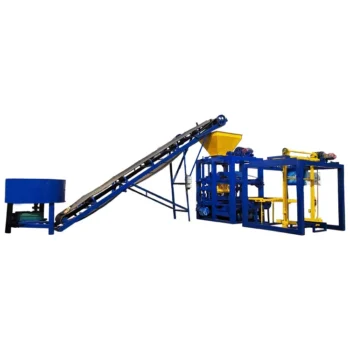
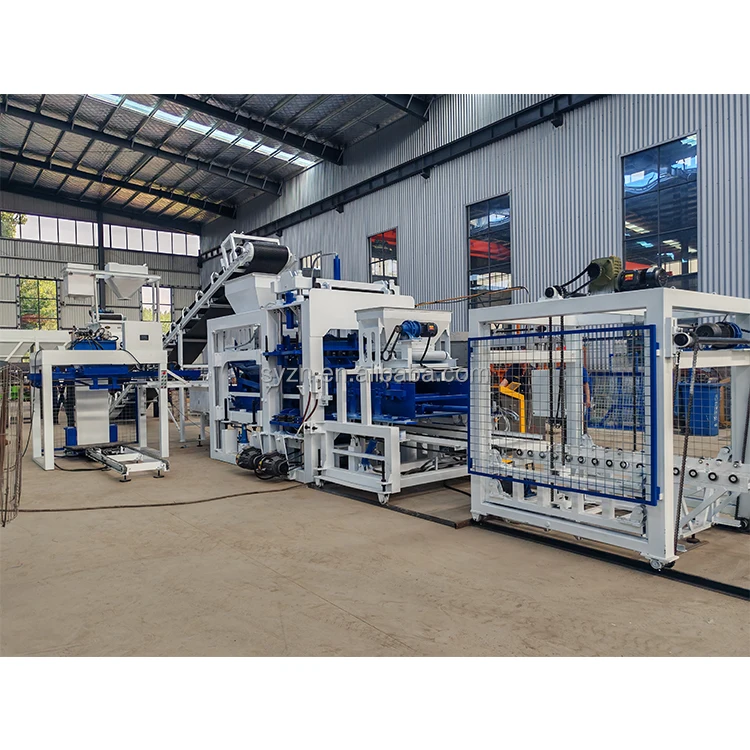
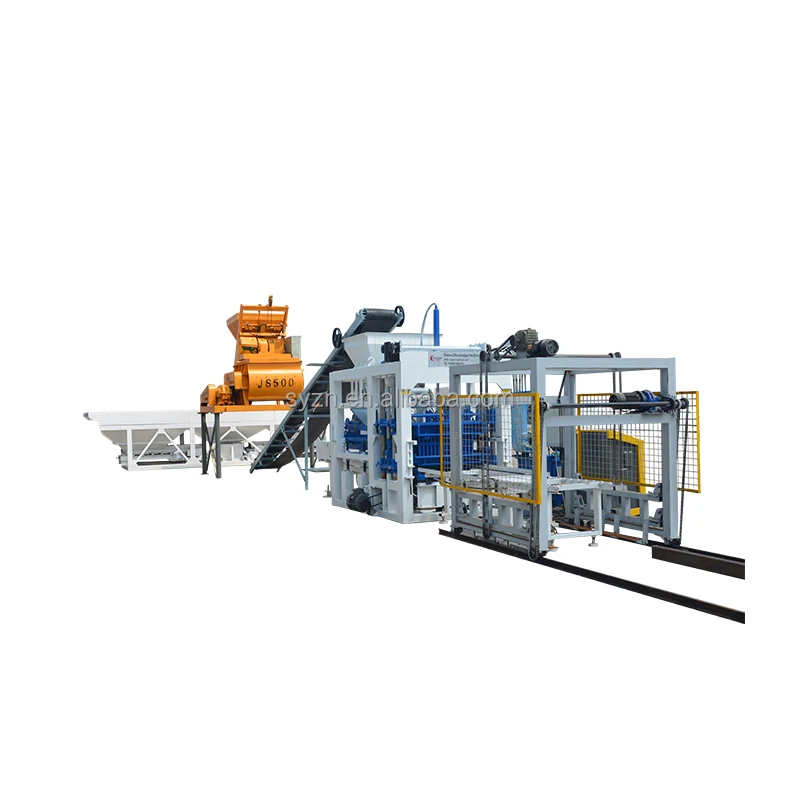
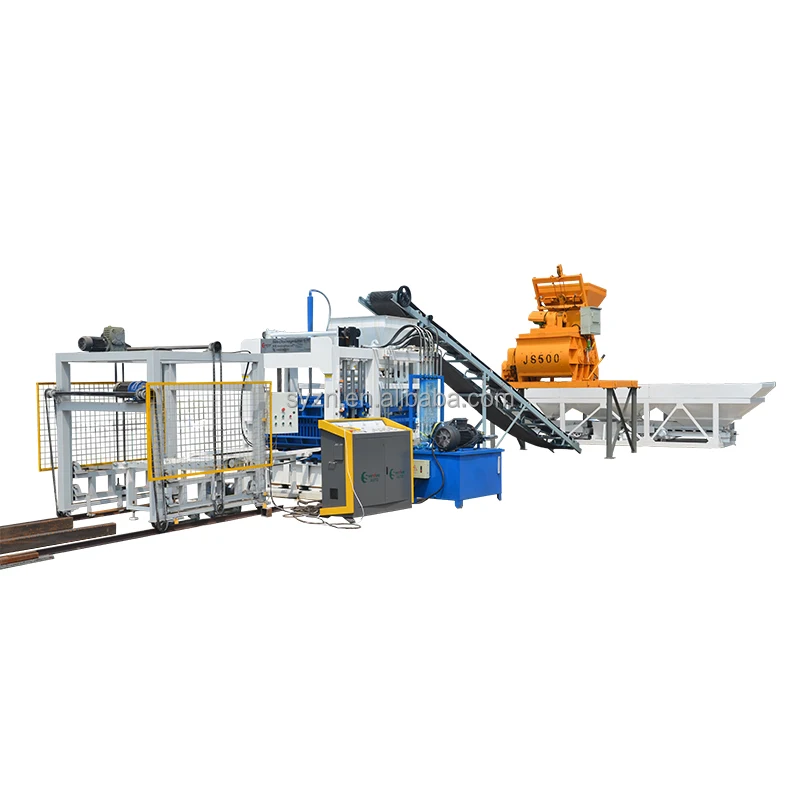
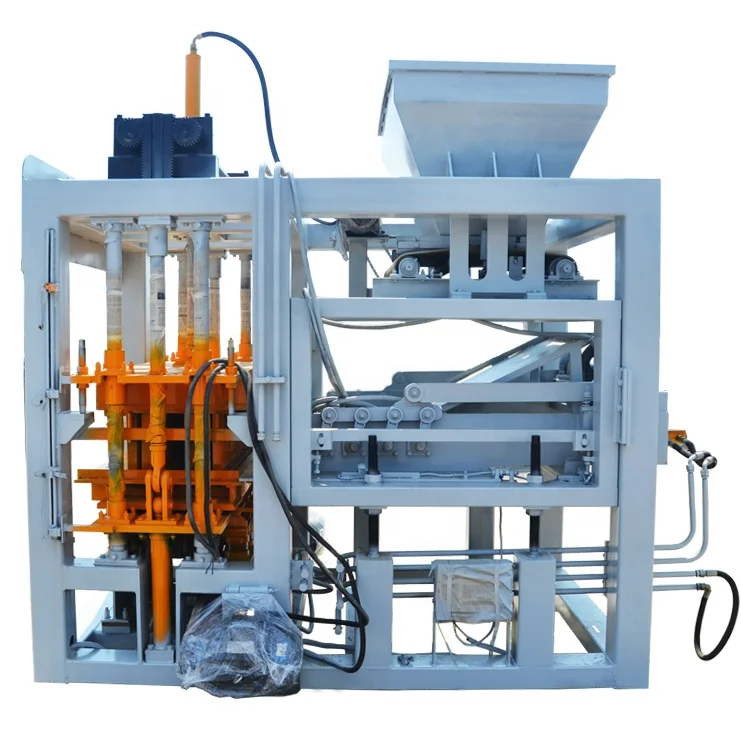
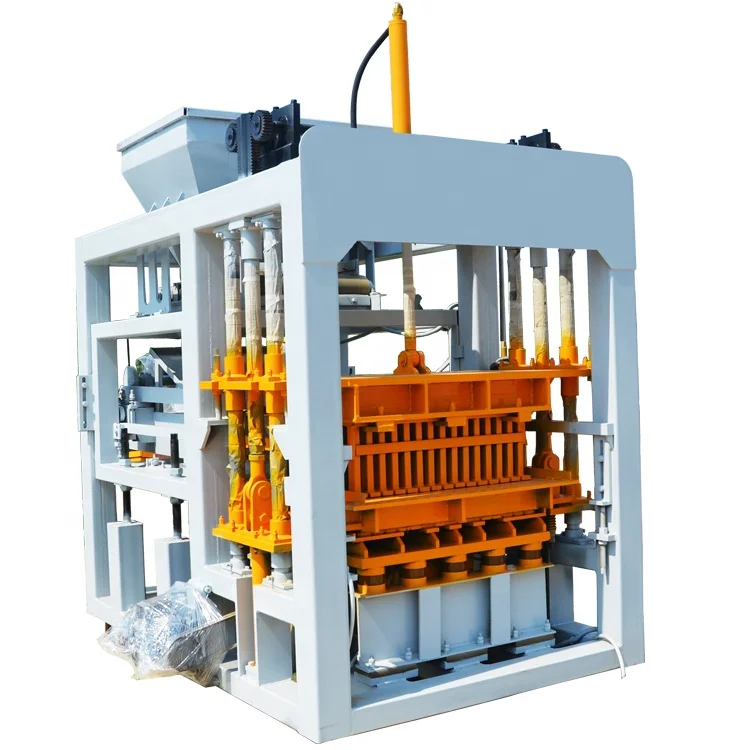
Matched System Supply — every pallet, mould, and handling station is specified against the QT4-15 block machine specifications and your actual mix, not pulled from a generic catalogue.
Technical Specifications
| Parameter | Value |
|---|---|
| Model | QT4-15 |
| Product Type | Automatic Hydraulic Block Making Machine |
| Overall Dimensions (L×W×H) | 7100×1600×2610 mm |
| Net Weight | 5800 kg |
| Rated Power | 27.5 kW |
| Voltage & Frequency | 380V (configurable to buyer’s local grid standard) |
| Control System | PLC (language configurable) |
| Vibration Force | 60 kN |
| Pallet Size | 1020×850×40 mm |
| Cycle Time | 15 s per mould cycle (basis not stated in source) |
| Output Capacity (Hollow 400×200×200 mm) | 960 pcs/h (based on 4 pcs/mould) |
| Output Capacity (Hollow 400×150×200 mm) | 1440 pcs/h (based on 6 pcs/mould) |
| Output Capacity (Solid Brick 225×112.5×53 mm) | 3840 pcs/h (based on 16 pcs/mould) |
| Daily Output (Hollow 400×200×200 mm) | 7680 pcs/day (8-hour shift) |
| Daily Output (Hollow 400×150×200 mm) | 11520 pcs/day (8-hour shift) |
| Daily Output (Solid Brick 225×112.5×53 mm) | 30720 pcs/day (8-hour shift) |
| Automation Level | Automatic |
| Standards | ISO 9001:2008, CE |
| Warranty | 1 year |
Application Suitability
| Application | Material or Output |
|---|---|
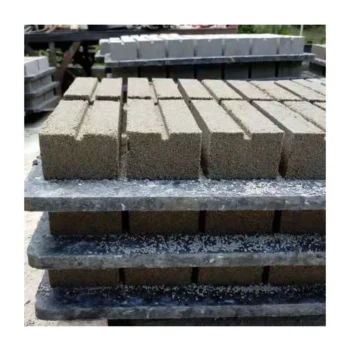
| Hollow Block Production | 400×200×200 mm and 400×150×200 mm blocks from crushed stone, cement, and local aggregate |
| Solid Brick Production | 225×112.5×53 mm standard bricks from river sand, fly ash, or stone dust mixes |
| On-site Construction Supply | Contractor-operated block yards producing for immediate housing or wall projects |
| Format Expansion | Existing concrete product plants adding hollow or solid formats to their current range |
Why "Pieces per Hour" Tells Only Half the Story for the QT4-15 Block Machine Specifications
The headline output number is meaningless unless you know exactly which block format it assumes.
A buyer once showed me a quotation promising over 3,000 pieces per hour from a machine of this class. What the supplier did not mention was that figure was based on small solid bricks — the buyer needed 400×200×200 mm hollow blocks, where the real output was less than a third of that number. This is the most common reason plant owners feel cheated after commissioning: the QT4-15 block machine specifications on this page list every capacity figure alongside the exact format and mould count it was calculated from [NEED_CITE: honest capacity disclosure standards in block machinery trade].
Matching the Machine to the Block Your Market Actually Buys
The QT4-15 automatic block making machine covers three primary formats with distinct output profiles. If your regional construction market specifies 400×200×200 mm hollow blocks for wall construction, your planning figure is 960 pieces per hour based on four blocks per mould. Switch the mould to a 400×150×200 mm format and the QT4-15 block machine specifications shift to 1,440 pieces per hour on six blocks per cycle. For solid brick production at 225×112.5×53 mm, sixteen bricks per mould yields 3,840 pieces per hour. Every one of these numbers depends on the 15-second cycle holding true for your specific mix and compaction requirement.
How Vibration Force and Mix Design Intersect at the Press
The rated vibration force of 60 kN must be evaluated against the aggregate you will actually feed into the mixer. A coarse crushed stone blend with low fines content demands different vibration energy transfer than a fine river sand or fly ash mix. When vibration force is too low for a stiff, low-slump mix, the block surface cracks and density falls short of the target strength [NEED_CITE: relationship between vibration force and concrete mix stiffness in block production]. When vibration is excessive for a wet or fine-graded mix, the block slumps before it leaves the pallet. The QT4-15 block machine specifications include both vibration force and hydraulic pressure as adjustable parameters, but matching them to your local material requires sharing your actual mix proportions before the machine is configured.
Reading the Pallet Size Against Your Curing Yard
A 1020×850×40 mm pallet is a significant footprint. Before confirming this machine, measure your curing area dimensions and check your existing forklift fork width and load rating. If your yard was laid out for a smaller pallet, the QT4-15 will not fit your current rack spacing and you will face a costly re-layout. Conversely, if you are planning a new plant, this pallet size defines the rack geometry from day one. Pallet material — hardwood, bamboo composite, or steel — affects both the vibration transfer during pressing and the pallet lifespan under daily cycling.
The Real Cost of Getting the Mould Change Wrong
A machine sold with multiple moulds promises format flexibility, but if a mould change takes most of a shift, that flexibility is theoretical. The time required to swap from a hollow block mould to a solid brick mould on the QT4-15 depends on the clamping system, the operator’s familiarity, and whether the new mould arrives pre-calibrated or needs on-press adjustment [NEED_CITE: typical mould change duration across semi-automatic and automatic block presses]. If your business model depends on running two or three formats in a single week, the mould change procedure must be understood before you commit.
Sourcing Confidence Built Into the Specification Sheet
This is not a catalogue machine shipped to a default setting. Every configuration proposal references your target block format, your daily volume requirement, and your confirmed local aggregate. The pallet size is chosen to match your curing infrastructure, not a factory standard. Voltage and frequency are confirmed for your destination country before production begins, and the PLC display language is set to match your operators. The QT4-15 block machine specifications you receive in the final proposal will carry the exact basis for every capacity figure, so there is no gap between what was quoted and what arrives on your floor [NEED_CITE: pre-production configuration validation in block machinery export].
Documentation & Verification
- Line layout drawing stating which block format each output figure assumes
- Machine specification sheet with confirmed voltage, frequency, and PLC language
- Mould drawing and format list covering every block size you intend to produce
- Pallet specification matched to your curing rack dimensions and forklift capacity
- Factory test record on your target block format before dispatch
- Hydraulic and electrical schematic for your maintenance team
Installation, Commissioning & Support
- Foundation plan based on the 7100×1600 mm footprint and dynamic vibration load
- Dedicated power circuit sizing for the 27.5 kW rated draw at your confirmed voltage
- Machine assembly state confirmed — dismantled for container loading or shipped assembled
- On-site commissioning with vibration and hydraulic parameters tuned to your local mix
- Operator training covering mould change procedure, daily startup, and fault response
- Wear parts list with first replacement intervals for hydraulic seals and mould liners
What to Share When You Request a Proposal
To size the QT4-15 block machine specifications to your actual production need, start by confirming the primary block format your market demands and the daily volume you must sustain. Share your local aggregate type and any existing mix proportions you are already running. Include your current curing area dimensions and forklift specification so the pallet system can be matched. Finally, state your local voltage, frequency, and preferred PLC display language — these must be locked in before production starts.
Frequently Asked Questions
Q: How is the QT4-15 capacity calculated and what does each output figure assume?
A: Every capacity number on this page states the block format, the number of pieces per mould, and the cycle time it is based on. For example, 960 pieces per hour assumes 400×200×200 mm hollow blocks at four per mould. Real output on your site depends on your mix, operator pace, and upstream material feeding consistency.
Q: What mould formats are available and how long does a change take?
A: Moulds cover hollow blocks and solid bricks in the sizes listed in the specification table. Change time depends on the clamping system and operator experience. Request the mould change procedure document with your proposal so you can plan format rotation around your production schedule.
Q: How do I choose the right pallet size for my curing setup?
A: The standard 1020×850×40 mm pallet must match your existing curing rack spacing and forklift fork width. If those are already in place, share the dimensions so we confirm compatibility. For new plants, the pallet size defines your rack layout from the start.
Q: What voltage and PLC language options need confirming before production?
A: Voltage and frequency must match your local grid — 380V at 50 Hz is common but not universal. The PLC display language should match your operators’ working language. Both are confirmed during the proposal stage and locked before manufacturing begins.
Q: How do vibration force and mix design affect block strength on this machine?
A: The 60 kN vibration force must be balanced with hydraulic pressure and matched to your aggregate gradation. A stiff, coarse mix needs full vibration energy for proper compaction. A fine or wetter mix may require reduced settings. Share your mix proportions so the machine parameters are set accordingly before dispatch.