Description
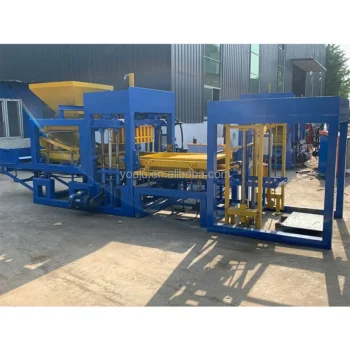
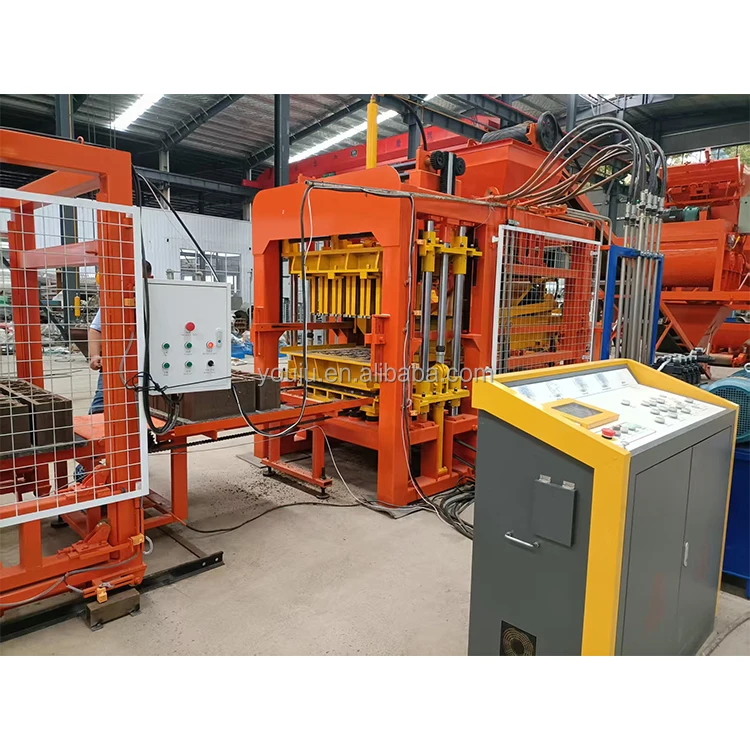
Format-matched capacity — the QT18-25 is configured around your target block format, local aggregate and mix design, with output stated per format rather than as a single headline figure.
Technical Specifications
| Parameter | Value |
|---|---|
| Model | QT18-25 |
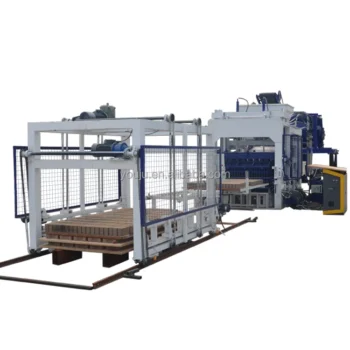
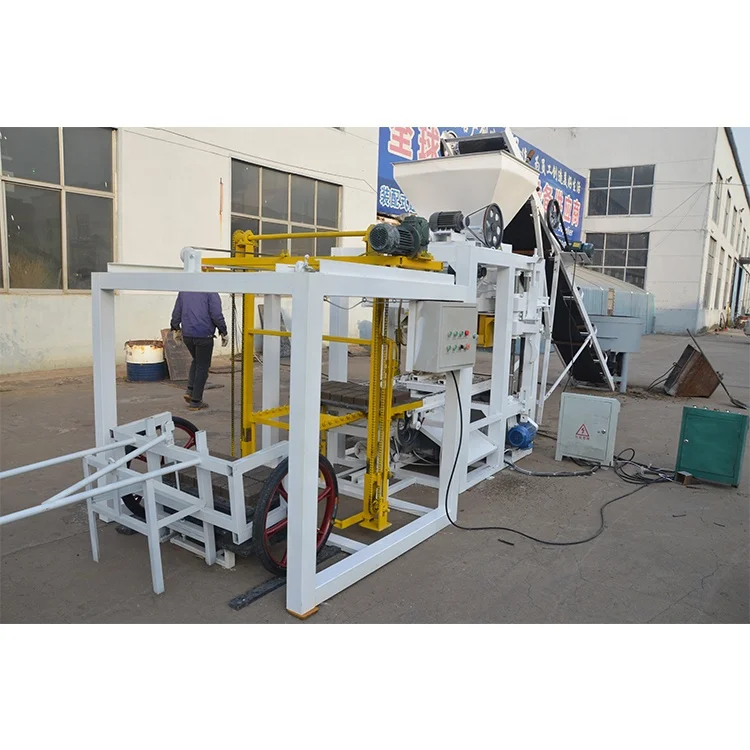
| Product Type | Fully Automatic Hydraulic Pallet-free Block Making Machine |
| Brick Height Range | 50–300 mm |
| Stacking Height | 0–1200 mm |
| Main Vibration Form | Platform Vibration |
| Vibration Frequency | 2800–4500 r/min |
| Molding Cycle | 15–25 s |
| Vibration Power | 60 kW |
| Hydraulic System Power | 59 kW |
| Driving Method | Hydraulic |
| Demolding Method | Vibration and Hydraulic |
| General Water Consumption | 8 T/Day |
| Factory Area Required | 2000 m² |
| Control System | PLC with person-machine conversation interface |
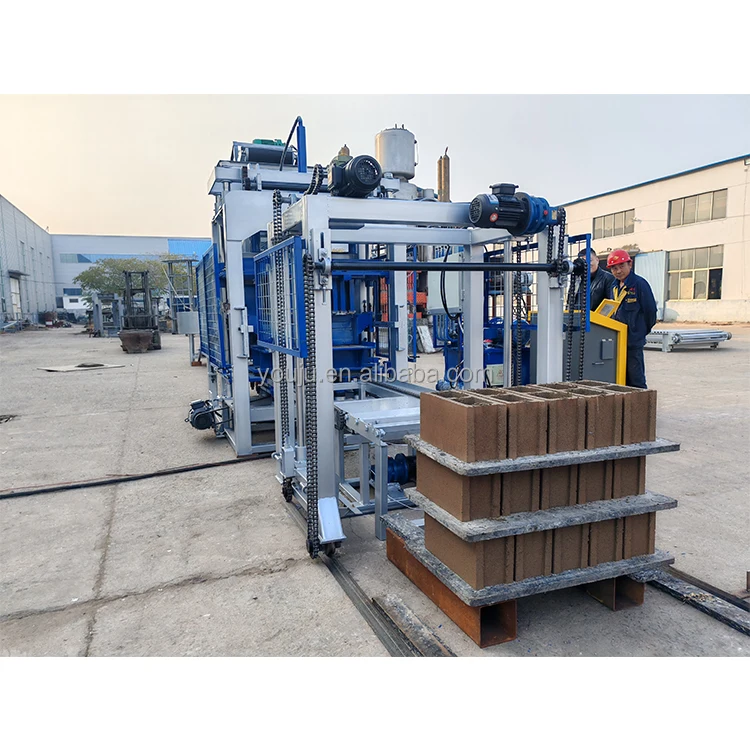
| Automation Level | Fully Automatic (pallet-free, blocks stacked directly after moulding) |
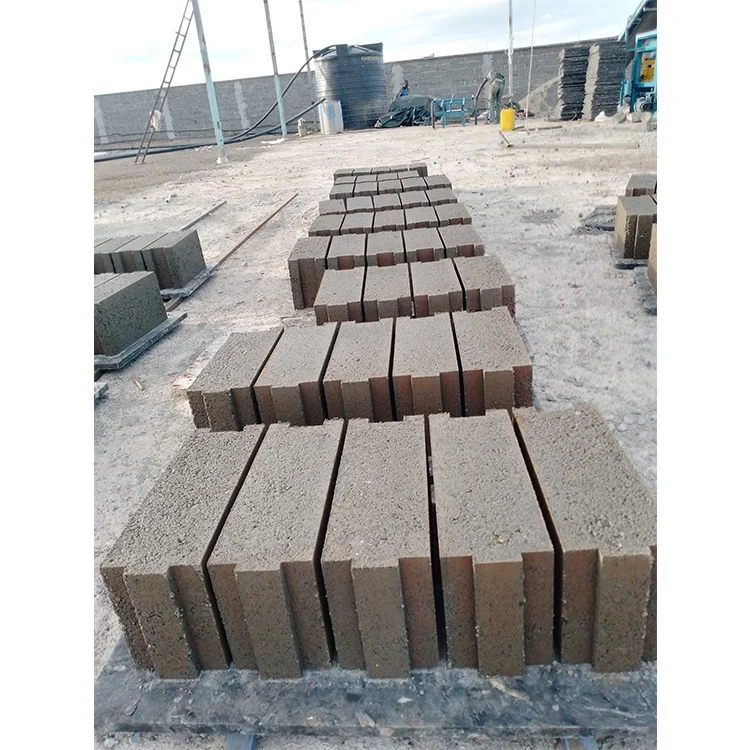
| Applied Products | Hollow blocks, solid blocks, pavers, interlocking blocks, kerbstones, colored pavers |
| Raw Materials | Crushed stone, sand, cement, fly ash, gravel, slag, and other aggregates |
| Output Capacity | (basis not stated in source — confirm block format, material and thickness) |
| Mould Change Time | (basis to be confirmed) |
| Hydraulic Pressure | (basis to be confirmed) |
| Vibration Force | (basis to be confirmed) |
| Voltage & Frequency | (basis to be confirmed) |
Application Suitability
| Application | Material or Output |
|---|---|
| Hollow block production for residential and commercial walls | Crushed stone, sand, cement, fly ash blends |
| Solid block manufacturing for load-bearing structures | Gravel, sand, cement with high-density compaction |
| Paving block and colored paver runs for walkways and driveways | Fine aggregate, cement, pigment mixes |
| Interlocking brick production for retaining walls and landscaping | Sand, crushed stone, cement with interlocking mould profiles |
| Kerbstone forming for road and curb-side infrastructure | Coarse aggregate, cement, high hydraulic pressure cycles |
What "Cycles per Hour" Leaves Out About QT18-25 Block Machine Specifications
Output figures mean nothing unless the block format behind them is named.
I learned this the hard way. A buyer once spec’d a fully automatic line based on our sample output, but their local sand carried clay we had not seen during factory testing. Once the machine ran on-site, daily hollow block output barely reached half the quoted figure. The customer blamed us — and honestly, we deserved it. With the QT18-25, I never finalize a proposal until the buyer’s actual aggregate and mix design are in hand, because every pallet-free hollow brick machine how to choose decision depends on what you are actually pressing [NEED_CITE: aggregate variability and its effect on block press cycle time].
Matching the Press to Your Market’s Block Format
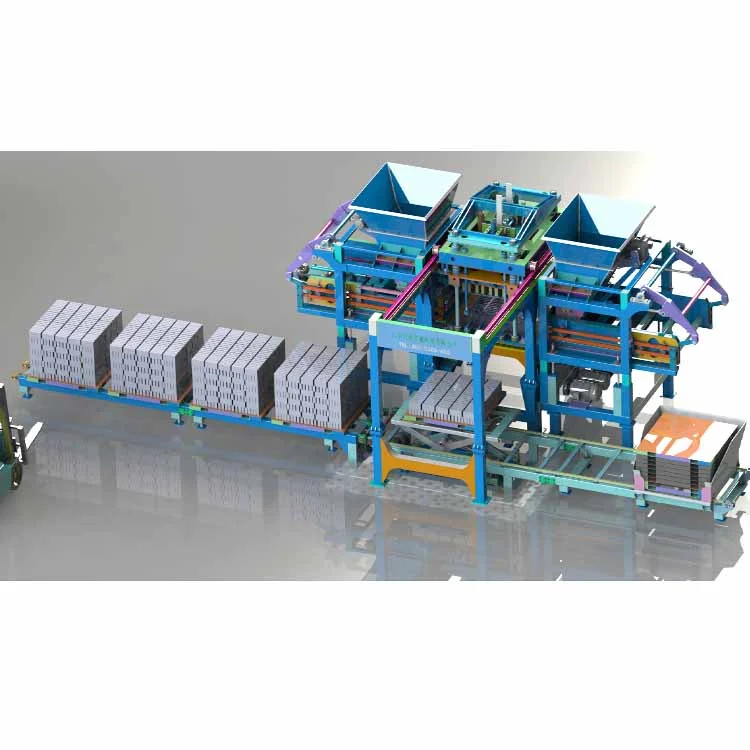
The QT18-25 covers a brick height range from 50 to 300 mm and a stacking height up to 1200 mm, which places most standard hollow blocks, solid blocks, pavers and interlocking formats within a single machine envelope. The real question is not whether the machine can produce a given format, but whether it can produce it at a cycle time that makes economic sense for your market. QT18-25 block machine specifications must therefore be read alongside the mould drawing and the per-format cycle data — not against a single headline capacity number.
Pallet-free Stacking and What It Removes from Your Floor Plan
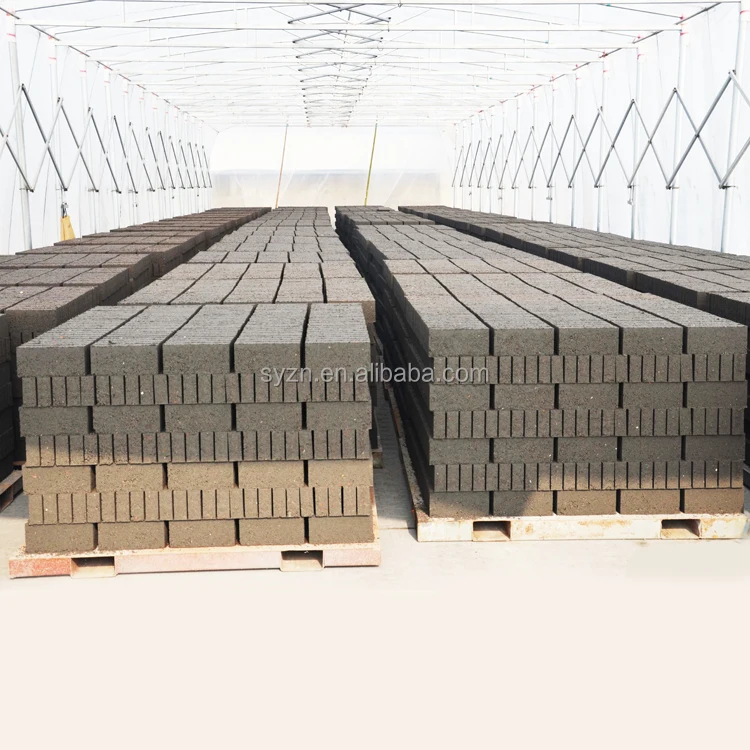
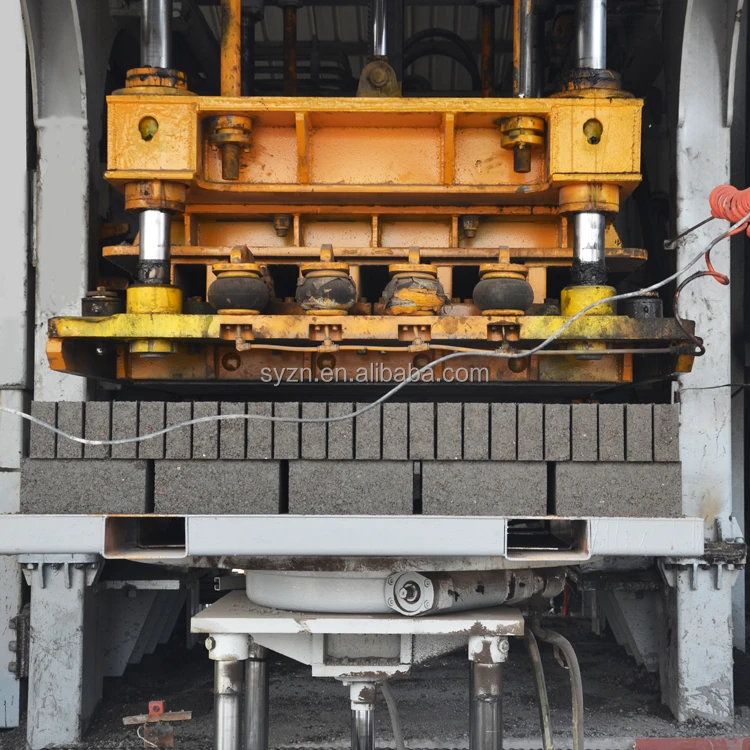
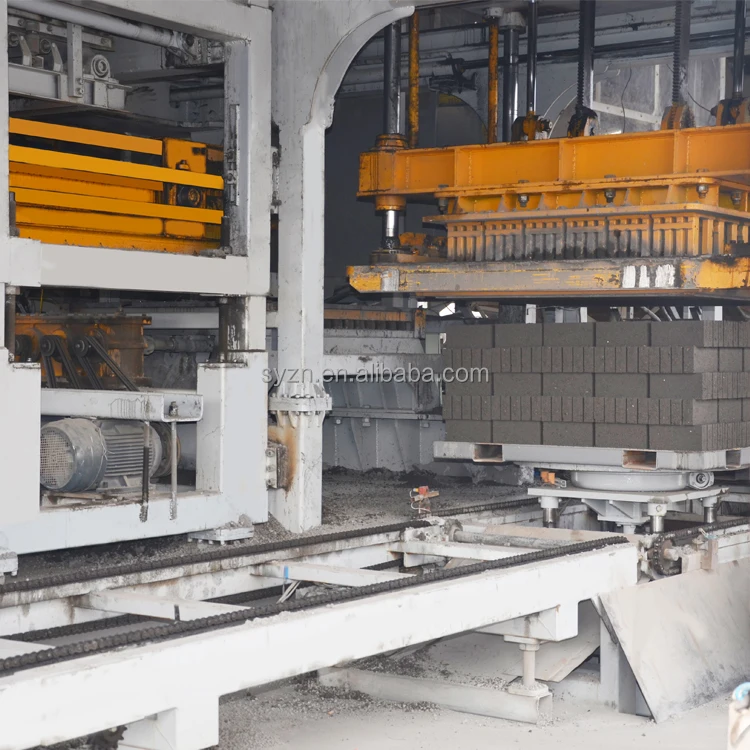
Because the QT18-25 stacks blocks directly after moulding, no pallets are required in the curing circuit. This eliminates the pallet return loop, pallet washing station, and the forklift traffic that pallet-based lines demand. For a plant owner sizing a new facility or retrofitting an existing one, the 2000 m² factory area figure already accounts for the pallet-free layout — a detail that changes the entire site plan compared to conventional pallet-based stationary block machines [NEED_CITE: pallet-free versus pallet-based block plant layout differences].
Reading the Vibration and Hydraulic Numbers Together
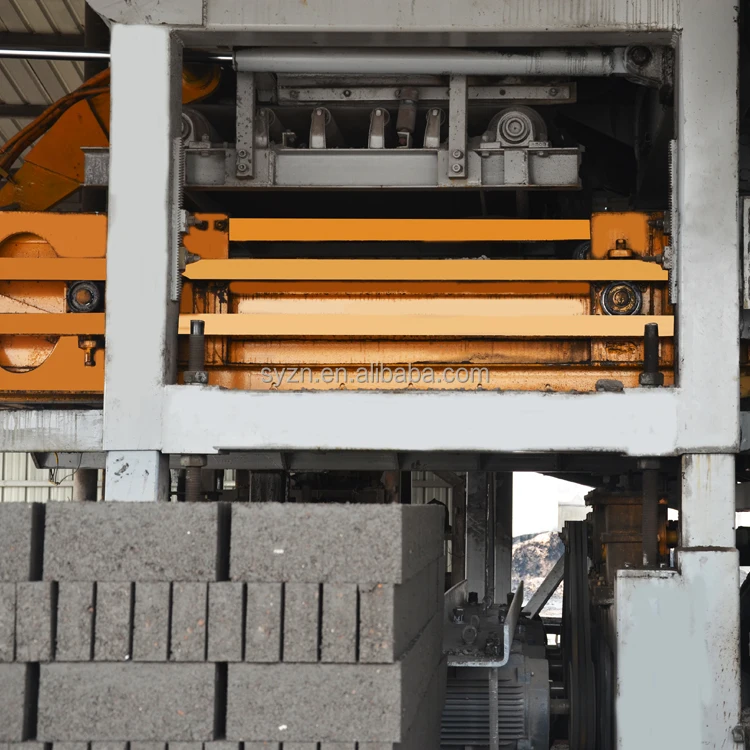
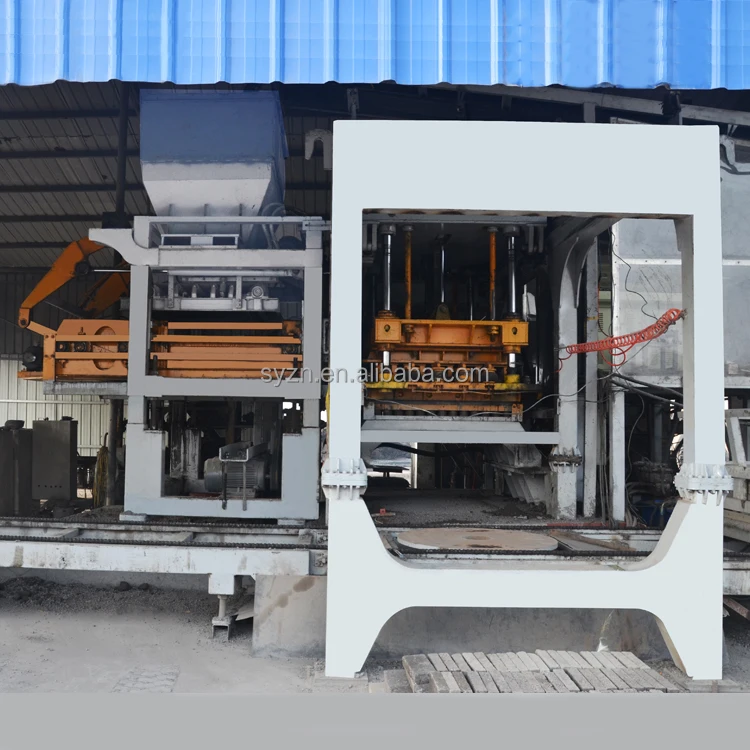
The platform vibration system operates between 2800 and 4500 r/min with 60 kW of vibration power, while the hydraulic system delivers 59 kW. These two figures must be evaluated as a pair: vibration frequency determines how thoroughly the mix settles into the mould cavity, and hydraulic pressure determines the compaction force applied during that settling. A high-clay aggregate requires a different balance than clean washed sand. The 15–25 second molding cycle range reflects this — the exact cycle for your block format depends on how your local material responds to the combined vibration and hydraulic force.
The Cost of Skipping the Aggregate Test
When vibration frequency and hydraulic pressure are not matched to the buyer’s mix design, block strength becomes inconsistent from batch to batch. The machine may produce acceptable samples during factory testing on a controlled aggregate, then deliver weak or cracked blocks on-site once local material enters the hopper. Buyers often attribute this to operator error or cement quality, when the root cause is a press configured for a material it never actually encounters [NEED_CITE: common causes of inconsistent block strength in hydraulic block presses].
Why This Sourcing Path Exists
Block machinery is our single focus, so the QT18-25 is specified as one matched system — press, mould and handling — rather than assembled from separate suppliers. Configuration is set against your actual mix design, local aggregate and target block format, not a catalogue default. Mould design covers the formats your market sells, including custom drawings. The automation level is selectable, so you can start at a baseline and expand later. Installation and commissioning include operator training, mould guidance and wear parts planning.
Documentation & Verification
- Line layout and capacity calculation stating the block format assumed for every QT18-25 output figure
- Mould drawing and format list with per-format cycle times for your chosen block range
- Voltage, frequency and PLC display language confirmation sheet signed before production
- Hydraulic and electrical schematic package for the QT18-25 pallet-free configuration
- Factory test record run on material matching your aggregate specification
Installation, Commissioning & Support
- Foundation plan sized to the QT18-25 vibration load and 2000 m² plant footprint
- Dedicated circuit for the combined 119 kW vibration and hydraulic power draw
- PLC interface configured to your operator language before the QT18-25 leaves the factory
- Mould change procedure and tool set provided for each format on your format list
- Wear parts schedule covering hydraulic seals, vibration motor brushes and mould liners for the first operating year
Before You Request a Quote
Tell us the block format you sell most — dimensions, wall thickness and target strength — along with the local aggregate you plan to use. Confirm your site voltage and frequency so the QT18-25 block machine specifications can be locked before production starts. If you have an existing batching or curing setup, share its capacity so the pallet-free stacking height and cycle timing can be coordinated [NEED_CITE: voltage and frequency standards by export market].
Frequently Asked Questions
Q: How is realistic daily output calculated for my specific block format?
A: We calculate output per format using the mould cavity count, the verified cycle time for your aggregate, and the operating hours you plan. Every figure on the capacity sheet names the exact block format it assumes. No single headline number is quoted without that context, so your daily planning matches reality once the QT18-25 is running.
Q: What mould formats are available, and what is the cycle time per format?
A: The QT18-25 accepts moulds for hollow blocks, solid blocks, pavers, interlocking bricks and kerbstones within the 50–300 mm height range. Cycle time varies by format depth, cavity count and the aggregate’s response to vibration. We provide a per-format cycle chart with your proposal once your mix design is confirmed.
Q: How long does a mould change take on this machine?
A: Mould change time depends on the format transition and the clamping system fitted. We quote the expected changeover duration for each format pair you plan to run frequently, along with the tools and procedures required, so you can plan shift schedules around format switches rather than guessing.
Q: Is the machine configured for my local voltage and frequency before shipment?
A: Voltage, frequency and PLC display language are confirmed in writing before production begins. The QT18-25 control system is built to your site specification so that commissioning starts on arrival rather than waiting for electrical modifications or language packs that should have been addressed months earlier.
Q: What block strength can be achieved given my mix design?
A: Strength depends on the balance between vibration frequency, hydraulic pressure and your aggregate’s particle size distribution. We test your actual mix during the factory acceptance run, measure compressive strength, and adjust the vibration and pressure settings accordingly. The result is documented in the test record shipped with the machine.