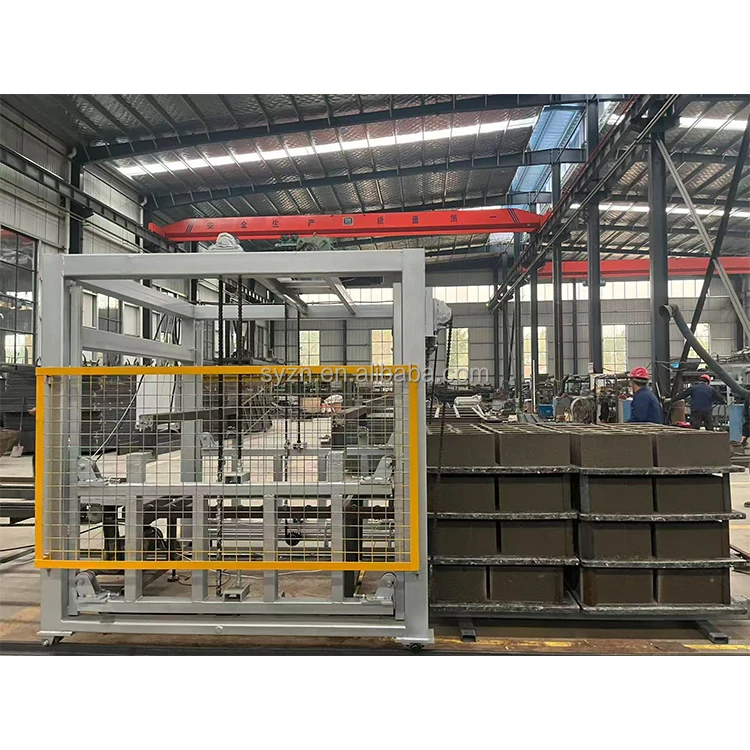

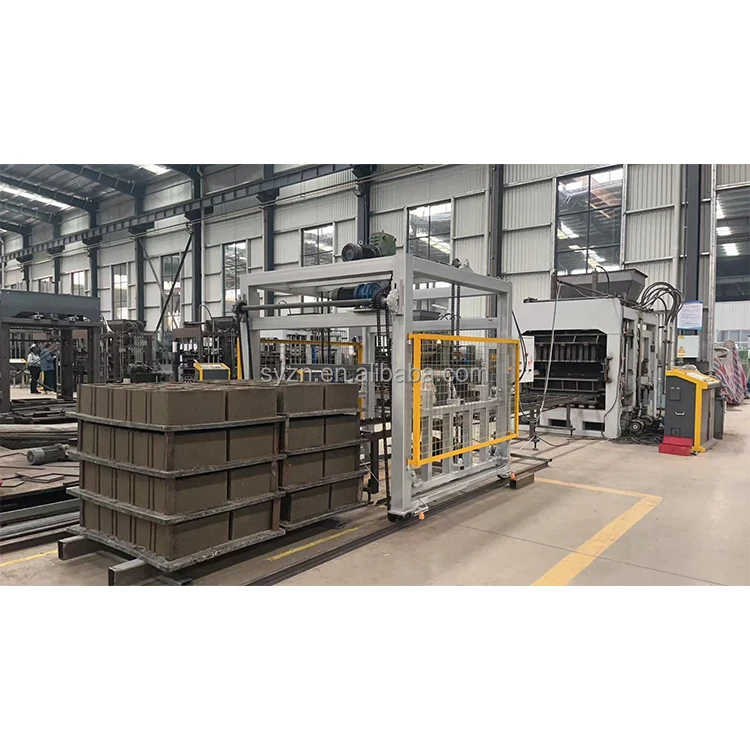
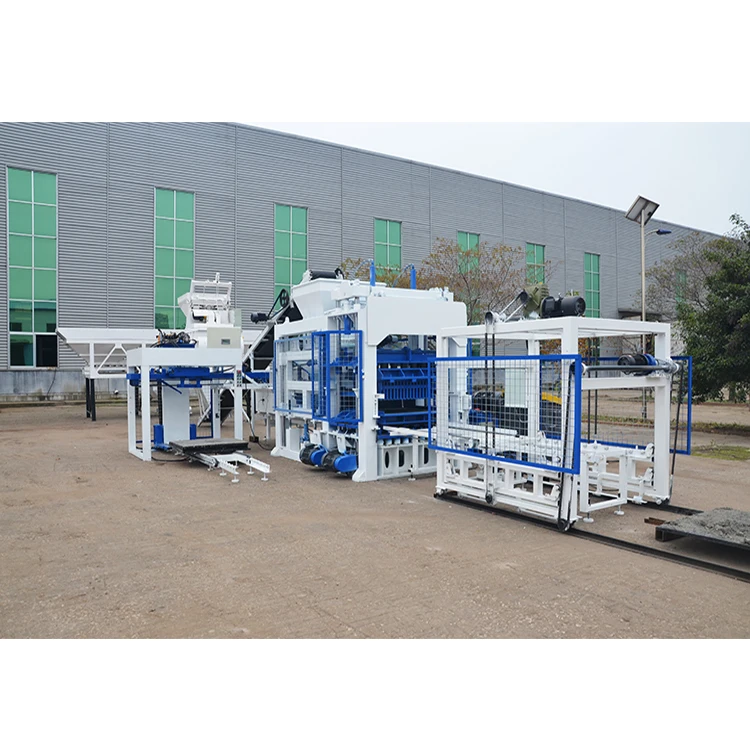
Description
Hydraulic-vibration match — The QT10-15 block machine pairs an independent hydraulic station with frequency-modulated vibration to match the buyer’s mix design and local aggregate, rather than relying on a catalogue default.
Technical Specifications
| Parameter | Value |
|---|---|
| Product Type | Interlocking Concrete Block Making Machine |
| Model | QT10-15 |
| Molding Cycle | 15–25 s (depending on block format) |
| Output Capacity (Hollow Block 400×200×200 mm) | 14,400–19,200 pcs / 8 hr shift |
| Output Capacity (Solid Brick 240×115×53 mm) | 71,424–89,280 pcs / 8 hr shift |
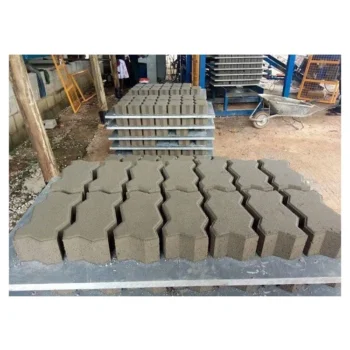
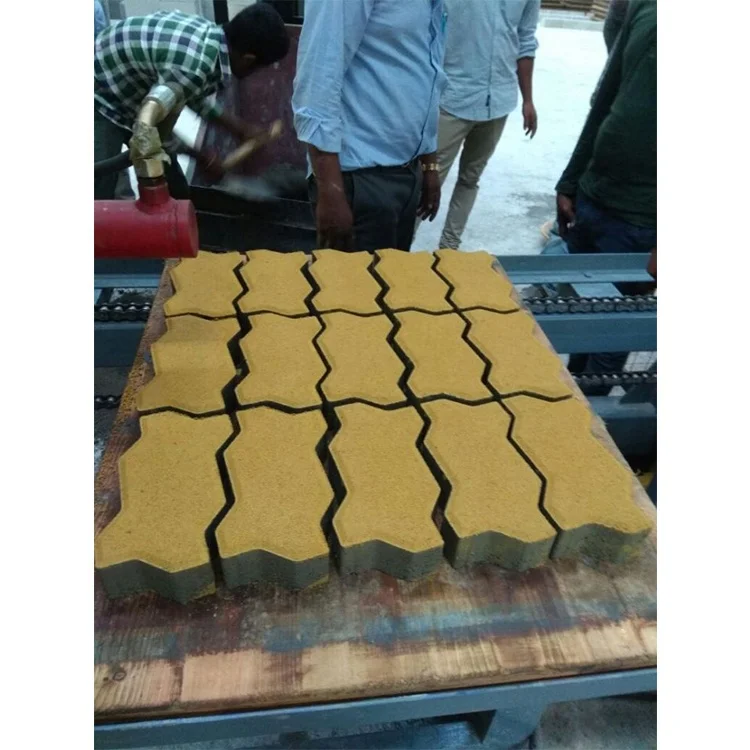
| Output Capacity (Paving Block 200×100×60 mm) | 41,472–51,840 pcs / 8 hr shift |
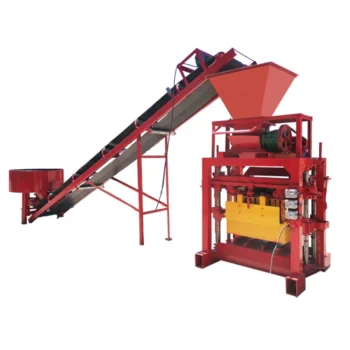
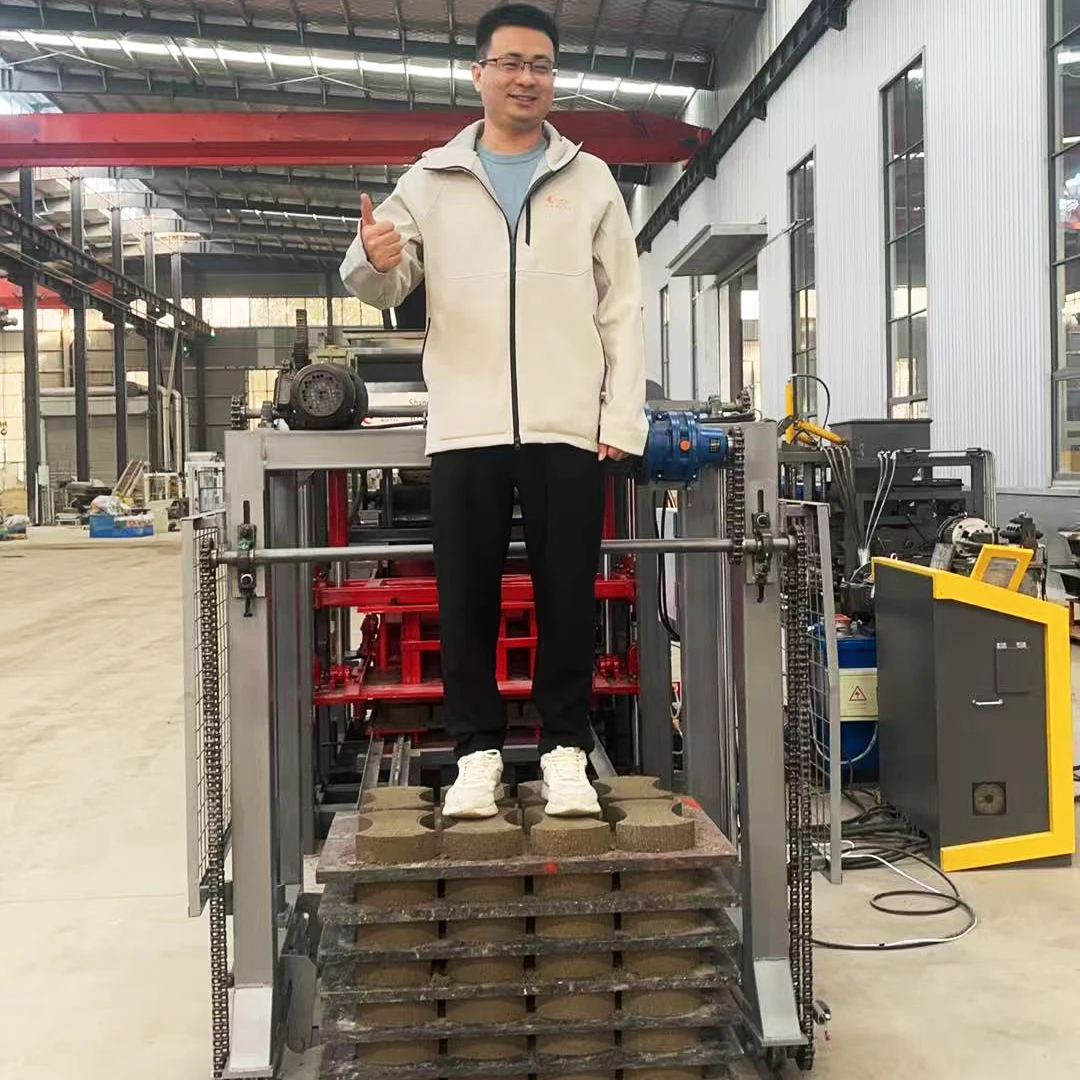
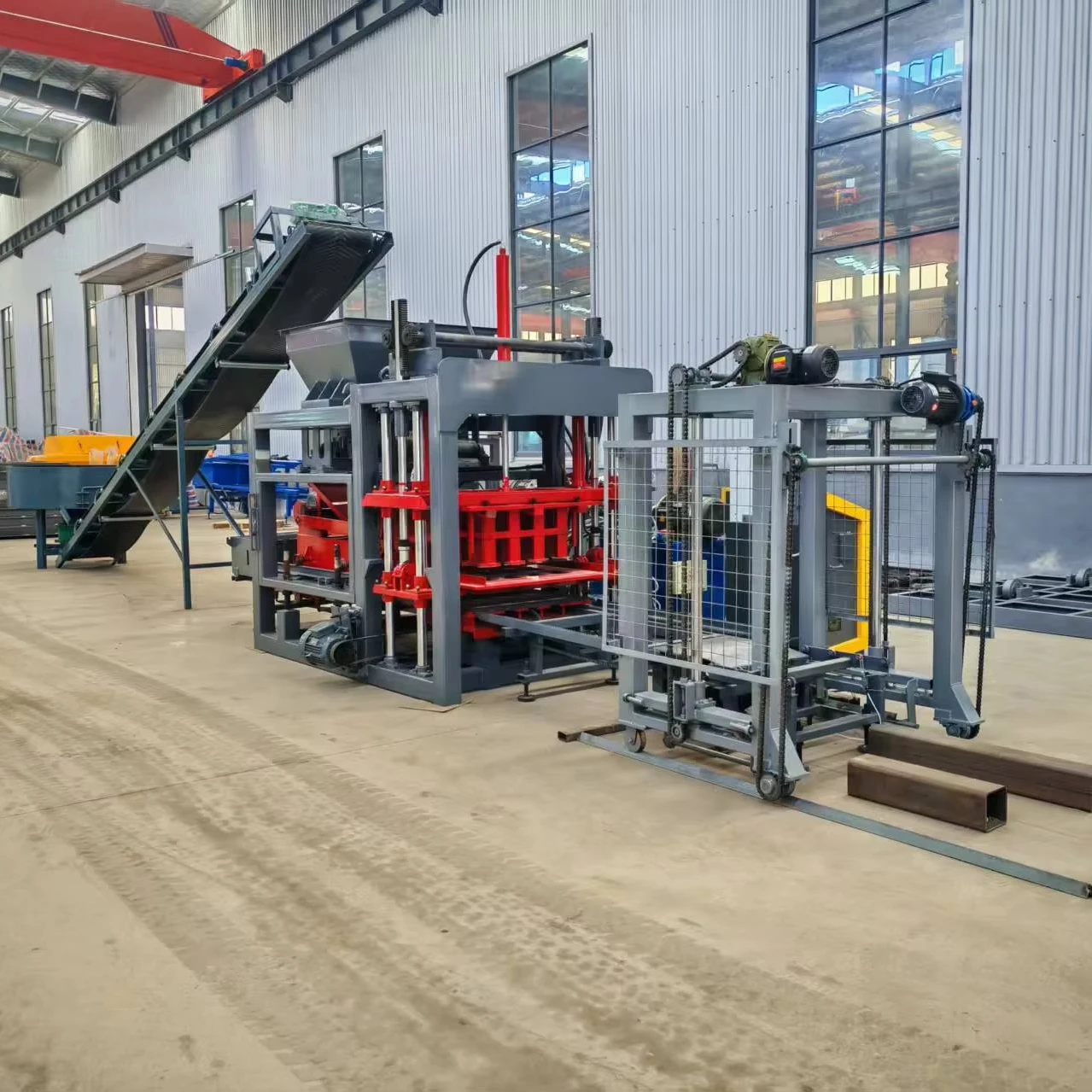
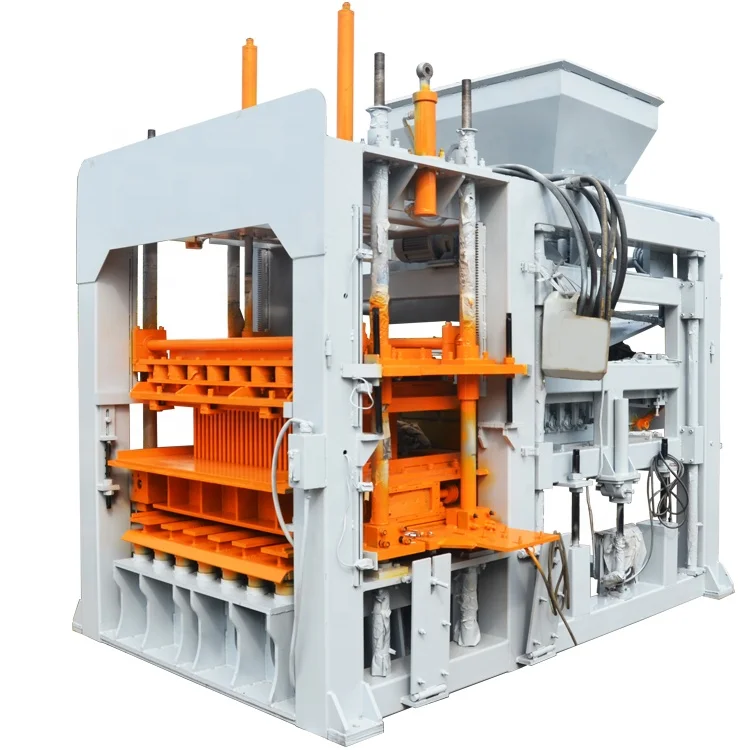
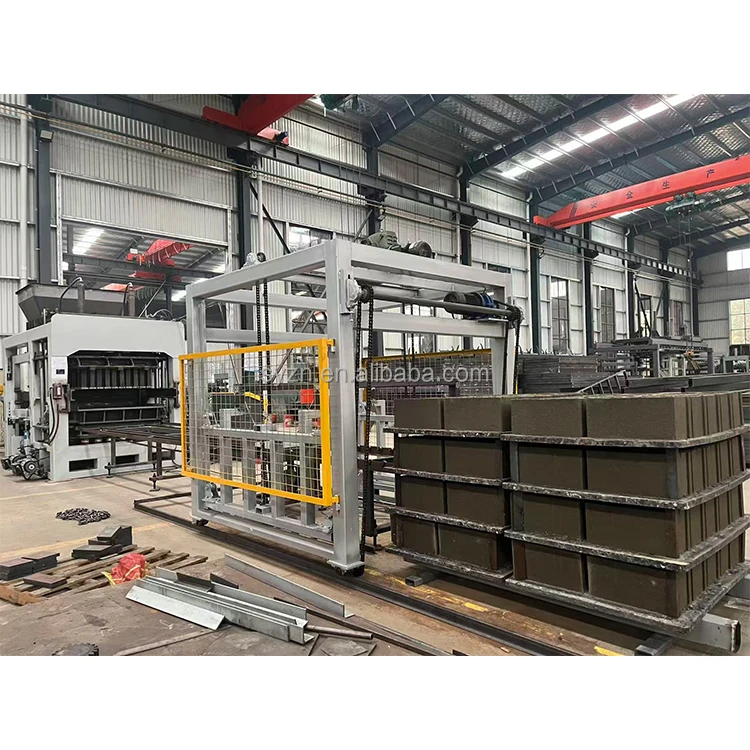
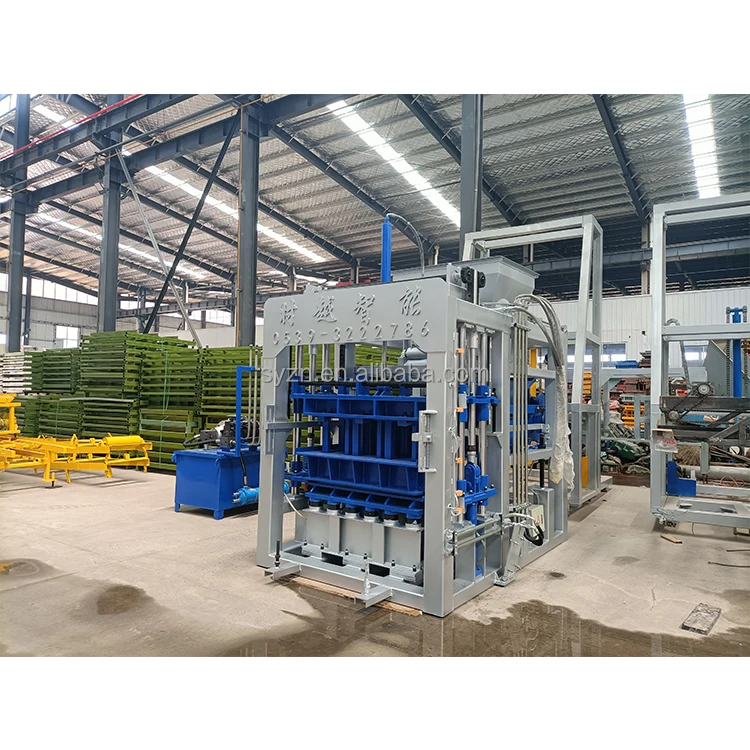
| System Components | Pallet feed machine, block making machine, storage hopper, conveyor, hydraulic unit, PLC control cabinet |
| Hydraulic System | Independent integrated hydraulic station, isolated from host vibration and dust |
| Control System | PLC control cabinet |
| Mould Adaptability | Quick mould replacement for multi-function production |
| Standards | CE |
| Warranty | 1 year (excluding spare parts) |
Application Suitability
| Application | Material or Output |
|---|---|
| Interlocking brick production | Crushed stone, sand, cement blends for structural and decorative walling |
| Hollow block manufacturing | Lightweight and dense aggregate mixes for load-bearing masonry |
| Paving block production | High-strength concrete mixes for pedestrian and vehicular surfaces |
| Standard solid brick forming | Traditional cement and local sand compositions for infill and partition walls |
| Multicellular brick output | Blended aggregates targeting thermal and acoustic insulation properties |
What "Cycle Time" Really Means for the QT10-15 Interlocking Block Machine
The quoted molding cycle of 15–25 seconds shifts depending on the block format you press, and that range determines your actual shift output.
Many quotations list a single cycle time without naming the block format behind it. A buyer then assumes that figure applies to every mould they plan to run, only to discover on the shop floor that interlocking pavers demand a longer cycle than hollow blocks. The QT10-15 Interlocking Block Machine specifications separate output by format — hollow blocks, solid bricks, and paving blocks each carry their own eight-hour capacity range — so the daily tonnage plan can be built on a known number rather than an optimistic average [NEED_CITE: concrete block cycle time variation by format].
How Mould Change Time Shapes Format Flexibility
The QT10-15 block machine uses a quick mould replacement mechanism that lets a trained operator swap dies without dismantling the press frame. This matters because every minute the mould is off the table is a minute of lost output. When a plant sells three or four block formats in the same week, the cumulative changeover hours can consume a meaningful share of the shift. The quick-change design keeps that downtime within a predictable window, allowing the production planner to schedule short format runs without the penalty of a half-shift teardown.
Why an Independent Hydraulic Station Matters for Consistency
The hydraulic unit on the QT10-15 is mounted separately from the vibrating table and host frame. Isolating the station from constant vibration and cement dust reduces the rate of seal wear and valve sticking that typically degrade pressure stability over time [NEED_CITE: hydraulic contamination in vibration-intensive machinery]. Steady pressure across every press stroke is what keeps block density and compressive strength within the tolerance the buyer’s market requires, batch after batch.
Reading the Specs Against Your Actual Mix Design
Three parameters interact to decide whether the QT10-15 produces blocks that pass the local strength standard: hydraulic pressure, vibration force, and molding cycle length. A mix with coarse crushed aggregate needs higher vibration energy and possibly a longer cycle than a fine-sand blend to achieve full compaction. The PLC control cabinet stores cycle recipes, so once the correct pressure and vibration settings are dialed in for a given mix, the operator recalls them by format rather than adjusting by feel. Pallet size is another practical checkpoint — the pallets specified for this machine must match the curing racks and forklift tines already on site, or the freshly pressed blocks face a handling bottleneck before they even enter the yard.
When the Wrong Configuration Costs More Than the Machine
A buyer who selects pallet dimensions without checking the curing area layout ends up stacking blocks by hand because the forklift cannot reach the racks. Another who skips voltage and frequency confirmation before shipment discovers on arrival that the local three-phase supply does not match the motor wiring, delaying commissioning while transformers are sourced locally. These are not warranty claims — they are configuration oversights that turn a planned production start into a multi-week stall [NEED_CITE: voltage and frequency standards by export market].
Why Source the QT10-15 Through This Line
Block machinery is the single product focus here, which means the machine, mould, pallet, and handling equipment are specified as one matched system rather than assembled from separate suppliers. The configuration is set against the buyer’s actual mix design and target block format, not a catalogue default. Mould drawings and format lists are provided before the order is locked, so the buyer sees exactly which products the line can produce. Automation level is selectable, allowing a plant to begin with semi-automatic pallet handling and add stacking or cubing modules later. Factory test records are generated on the buyer’s chosen block format before dispatch, not on a generic demonstration run.
Documentation & Verification
- Line layout drawing with capacity calculation stated per block format
- Mould drawing and format list matching the buyer’s product range
- Hydraulic and electrical schematic for local maintenance reference
- Factory test record on the buyer’s target block format before shipment
- CE declaration of conformity where applicable
- Voltage, frequency, and PLC display language confirmation sheet
Installation, Commissioning & Support
- Foundation plan matched to the QT10-15 vibration load and footprint
- Dedicated circuit sizing for the independent hydraulic station motor rating
- Machine dismantling guidance for container loading and on-site reassembly
- First-run parameter setting on the buyer’s local aggregate mix
- Operator training covering PLC recipe recall and mould change procedure
- Wear parts and mould replenishment list with reorder intervals
What to Include in Your Inquiry
Provide the target block formats you plan to sell, including dimensions and required compressive strength. Share the local aggregate type and any existing mix design data so the hydraulic and vibration settings can be matched before the machine is built. Confirm the site voltage, frequency, and preferred PLC display language to avoid commissioning delays on arrival.
Frequently Asked Questions
Q: How does mould change time affect actual daily output on the QT10-15?
A: Every mould swap pauses production. The quick-change mechanism on the QT10-15 keeps each changeover within a short, predictable window. If your schedule requires three or four formats per day, the total changeover minutes must be subtracted from the shift to calculate real output. We include a format-by-format capacity table so you can plan accordingly.
Q: Can the hydraulic pressure be adjusted for different mix designs?
A: Yes. The independent integrated hydraulic station allows pressure adjustment across the working range. When a buyer switches from a coarse-aggregate hollow block mix to a finer interlocking paver blend, the PLC stores a separate recipe so the operator recalls the correct pressure and vibration settings without manual guesswork.
Q: What is the realistic cycle time for interlocking pavers versus hollow blocks?
A: The QT10-15 Interlocking Block Machine specifications list a 15–25 second molding cycle depending on block format. Hollow blocks generally sit at the shorter end of that range, while interlocking pavers require a longer cycle for full compaction. The exact figure depends on your mix design and target block strength.
Q: Which pallet size does the QT10-15 use and does it fit my existing curing racks?
A: Pallet dimensions are confirmed during the configuration stage. We cross-check the pallet size against your curing rack spacing and forklift tine width before the order is finalized, so the pressed blocks move from the machine to the yard without a handling mismatch.
Q: How is vibration force matched to the local raw materials available?
A: Vibration force and frequency are tuned during the factory test using the buyer’s mix design or a close equivalent. Coarse crushed aggregate typically needs higher energy input than fine sand blends. The PLC stores the validated settings so every production run starts from a known baseline rather than operator estimation.