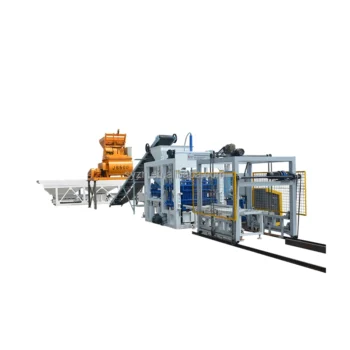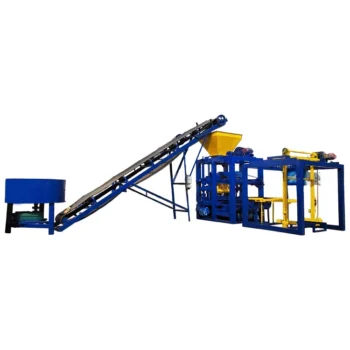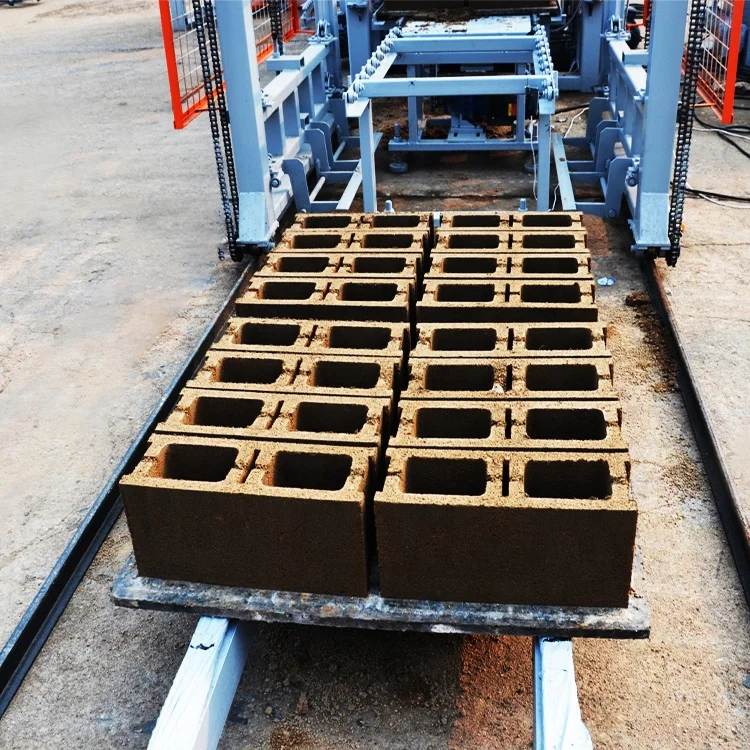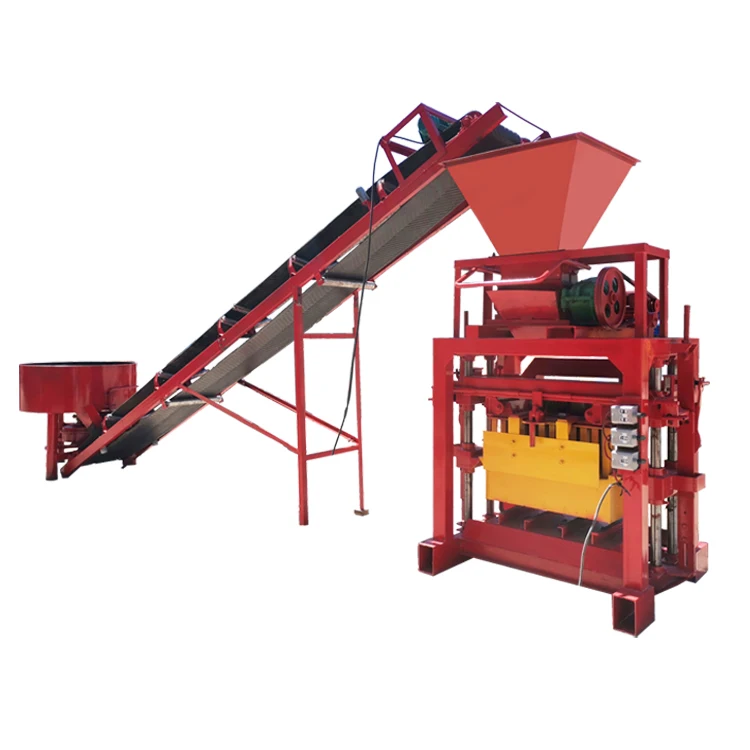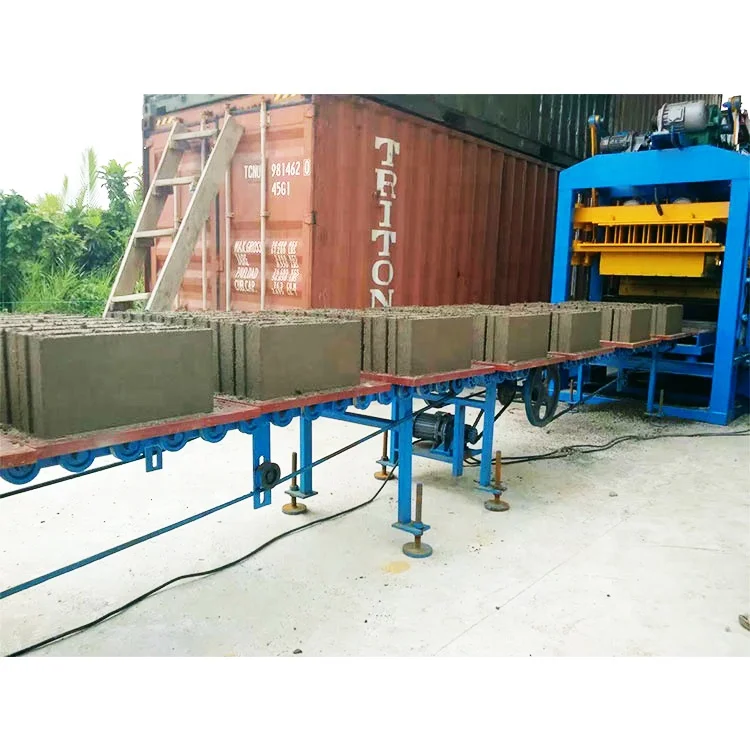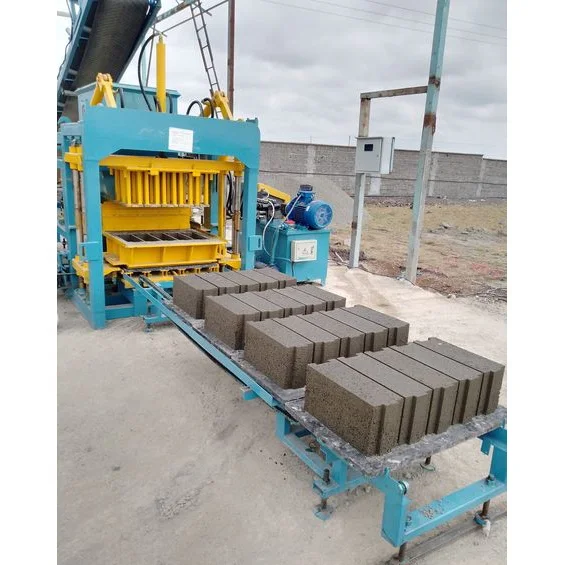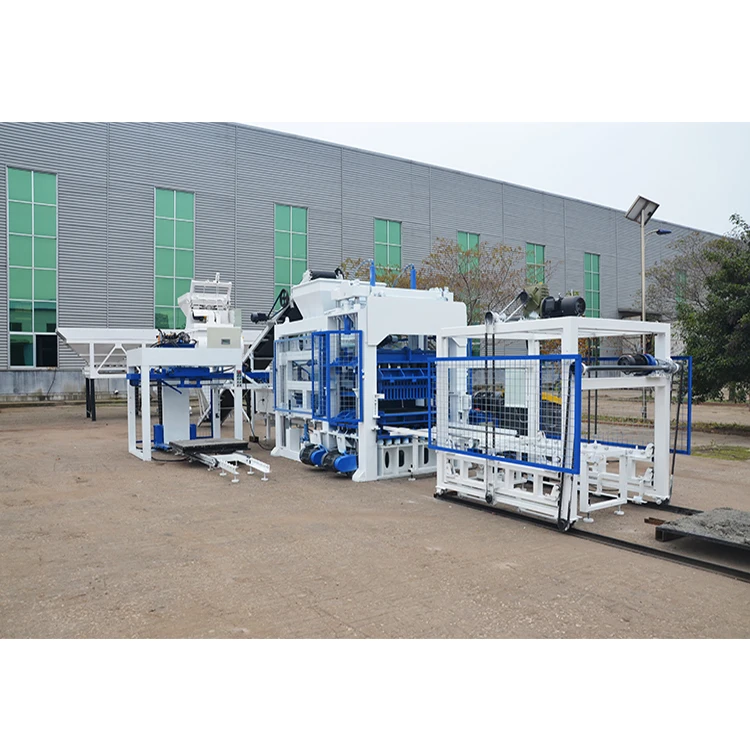
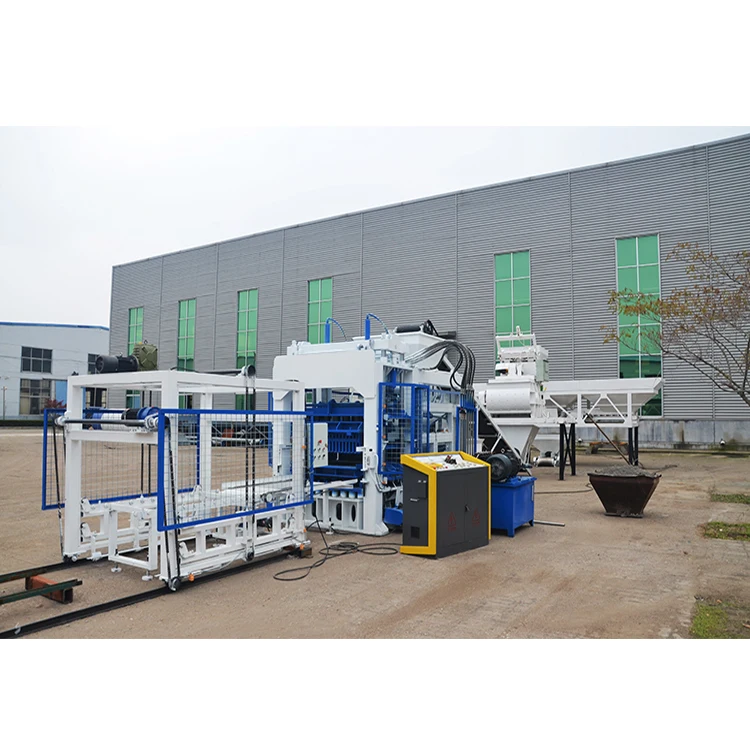

Description
Honest Capacity per Format — the QT10-15 is specified with output tables tied to named block dimensions and cycle times, so your daily production plan matches the machine’s actual behaviour on your mix.
Technical Specifications
| Parameter | Value |
|---|---|
| Model | QT10-15 |
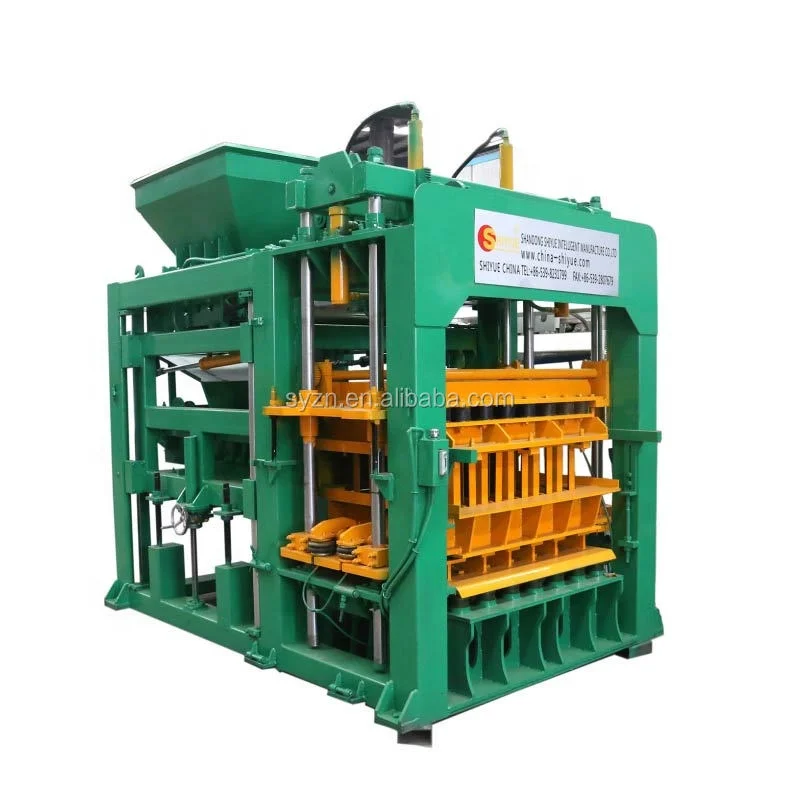
| Product Type | Automatic Concrete Block Making Machine |
| Control System | PLC control cabinet |
| Hydraulic System | Independent integrated hydraulic station |
| Vibration Mode | Vertical station mode resonance, automatic FM-AM |
| Mould Change | Simple replacement for multi-format production |
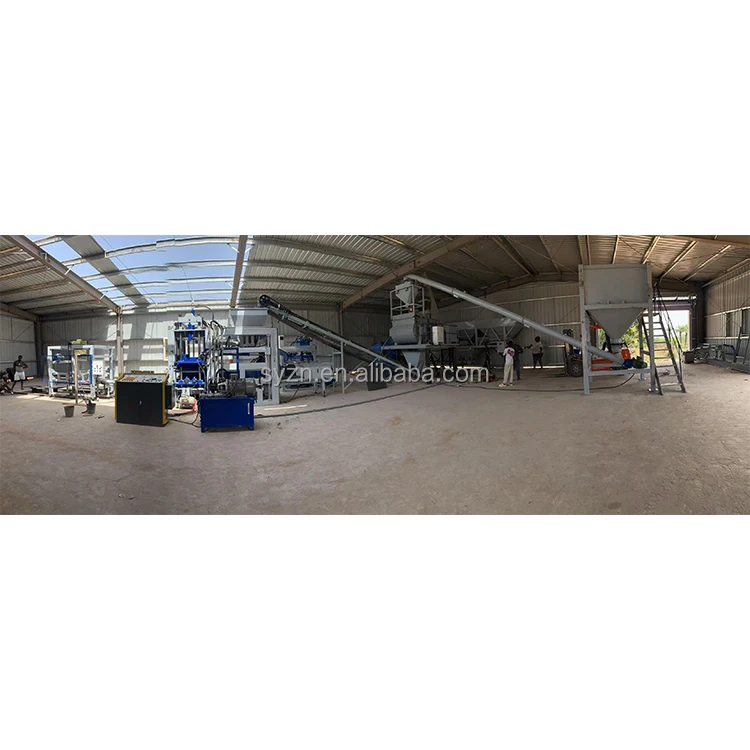
| Automation Level | Automatic pallet feeding, material storage, conveyor, PLC-controlled cycle |
| Moulding Cycle (hollow block) | 15–20 s |
| Moulding Cycle (paving / interlocking block) | 20–25 s |
| Output: 400×200×200 mm hollow block | 1,800–2,400 pcs/hour (10 pcs per mould, 8-hour shift: 14,400–19,200 pcs) |
| Output: 400×150×200 mm hollow block | 2,160–2,880 pcs/hour (12 pcs per mould, 8-hour shift: 17,280–23,040 pcs) |
| Output: 240×115×53 mm solid brick | 8,928–11,160 pcs/hour (62 pcs per mould, 8-hour shift: 71,424–89,280 pcs) |
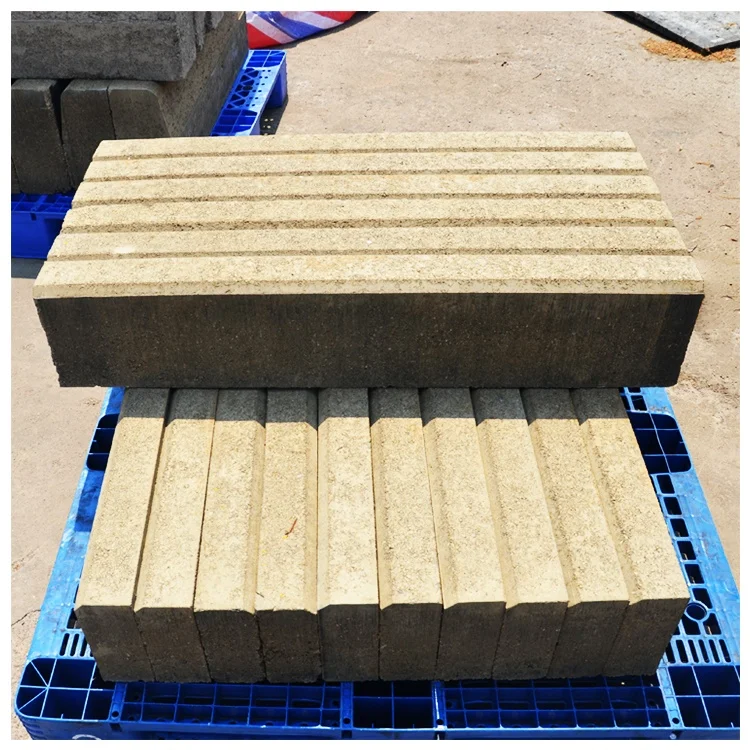
| Output: 200×100×60 mm paving block | 5,184–6,480 pcs/hour (27 pcs per mould, 8-hour shift: 41,472–51,840 pcs) |
| Output: 225×112.5×60 mm interlocking brick | 4,032–5,040 pcs/hour (24 pcs per mould, 8-hour shift: 32,256–40,320 pcs) |
| Component List | Pallet feed machine, block making machine, storage hopper, conveyor, hydraulic unit, PLC control cabinet |
| Warranty | 1 year for the whole machine (excluding spare parts) |
| Voltage & Frequency | (basis not stated in source — confirm with buyer’s local grid) |
| Overall Dimensions | (basis not stated in source — confirm against manufacturer catalog) |
| Net Weight | (basis not stated in source — confirm against manufacturer catalog) |
| Rated Power | (basis not stated in source — confirm against manufacturer catalog) |
| Hydraulic Pressure | (basis not stated in source — confirm against manufacturer catalog) |
| Vibration Force | (basis not stated in source — confirm against manufacturer catalog) |
| Pallet Size | (basis not stated in source — confirm against manufacturer catalog) |
| Standards | CE (referenced in company documentation scope; confirm per-shipment declaration) |
Application Suitability
| Application | Material or Output |
|---|---|
| Hollow block production for building walls | Crushed stone, sand, cement and fly ash mixes in 400×200×200 mm and 400×150×200 mm formats |
| Solid brick production | Standard 240×115×53 mm format from fine aggregate and cement blends |
| Paving block production for roads, walkways and yards | High-density concrete mixes in 200×100×60 mm format |
| Interlocking brick production | 225×112.5×60 mm format for landscaping, retaining walls and erosion control |
| Custom concrete masonry formats | Multi-cellular bricks and project-specific shapes via custom mould design |
Why the QT10-15 Block Machine Specifications Must Name the Block Format
A cycle rate without a block format is not a capacity figure — it is a headline that collapses on day one of production.
Many quotations in this industry state "up to 12,000 blocks per shift" without revealing that the number assumes a solid brick format the buyer’s market does not purchase. On site in West Africa, I watched a plant owner discover this gap when his new line produced hollow blocks at roughly half the quoted rate. The machine was performing to its real cycle time, but the buyer had planned his curing area, forklift rotation and delivery schedule around a number that never applied to his product. The QT10-15 automatic block making machine capacity by format addresses this directly by stating output per named dimension, per mould count, and per cycle time range. [NEED_CITE: common block machine quotation practices omit format assumptions]
Cycle Time by Format Drives Your Real Daily Output
The QT10-15 block machine specifications separate hollow block cycles at 15–20 seconds from paving and interlocking cycles at 20–25 seconds. That five-second gap matters across an eight-hour shift. When you calculate your daily output for a 200×100×60 mm paving block, you must use the longer cycle and the 27-piece mould count, not the hollow block figure. This is the basis for sizing your curing racks and pallet return system.
Mould Envelope and Pallet Size Determine Format Range
The machine accepts mould changes for hollow blocks up to 400×200×200 mm, solid bricks at 62 pieces per cycle, and interlocking formats at 24 pieces per cycle. The pallet size must be confirmed against your existing curing racks and forklift before the order is released [NEED_CITE: pallet and curing area mismatch causes in block plants]. A pallet too large for your handling equipment means blocks are moved by hand. A pallet too small wastes mould area and reduces output per cycle below the figures stated above.
Hydraulic Pressure and Vibration Force Must Match Your Aggregate
The independent integrated hydraulic station sits apart from host vibration and dust, which maintains pressure consistency through a full shift. But pressure alone does not guarantee block strength. In South Asia, I spent two weeks on a QT10-15 installation where the local aggregate carried high clay content, and the standard vibration setting produced blocks that failed the drop test. Adjusting the vibration amplitude and hydraulic pressure together against that specific mix design brought strength within tolerance. The QT10-15’s automatic FM-AM vibration allows this tuning, but only if the starting point is your material, not a catalogue default. [NEED_CITE: aggregate properties and block strength correlation]
What Happens When Format and Capacity Are Not Aligned
A buyer who sizes a plant on a single headline number often overbuilds the curing area for formats the machine produces slowly, and underbuilds for formats it produces quickly. Pallets pile up at the press while the curing yard has empty slots in another section. Forklift operators spend shifts moving half-full racks. The mismatch does not appear in the quotation but shows up in the first month of operation as a labour cost the buyer did not budget for. [NEED_CITE: block plant layout and pallet flow planning]
Why This Machine Is Specified Around Your Product, Not a Catalogue Default
Block machinery is the single focus here, which means the QT10-15 press, mould, pallet and handling equipment are specified as one matched system. The configuration is set against your actual mix design and target block format. Moulds are designed for the formats your market sells, including custom drawings for project-specific shapes. Automation level is selectable so you can start with the automatic pallet feed and storage hopper and add stacking functions later. Installation includes operator training on mould change procedures and PLC parameter adjustment. [NEED_CITE: block machine line specification as integrated system]
Documentation & Verification
- Line layout with capacity calculation stating the block format assumed for each output figure
- Machine specification sheet covering hydraulic pressure, vibration force and pallet size
- Mould drawing and format list showing pieces per cycle for every block type ordered
- Voltage, frequency and PLC display language confirmation signed before production starts
- Factory test record run on the specific mould you will operate first on site
- Wear parts and mould availability list covering the first replacement cycle
Installation, Commissioning & Support
- Foundation plan matched to the QT10-15 vibration isolation requirements and hydraulic station placement
- Dedicated power circuit sized to the machine’s rated load, with voltage and frequency confirmed against local grid
- Machine dismantled for container loading with reassembly sequence documented in the packing photographs
- First-day commissioning includes mould installation, PLC parameter setting and test run with your aggregate
- Operator training covers cycle adjustment, mould change procedure and daily hydraulic system checks
- Wear parts list identifies hydraulic seals, vibration springs and mould liners with replacement intervals
What to Include in Your Inquiry
Send the block formats your market currently sells along with your target daily output for each. Include your local aggregate type and any available sieve analysis so the mix design can be matched before the machine is configured. State your site voltage, frequency and preferred PLC display language. If you have existing curing racks or forklifts, provide the pallet dimensions they accept so the QT10-15 block machine specifications can be confirmed against your handling equipment before the order enters production.
Frequently Asked Questions
Q: How is the quoted capacity verified, and which block format is it based on?
A: Every output figure on this page is tied to a named block dimension, a pieces-per-mould count, and a cycle time range. The 1,800–2,400 pcs/hour figure applies specifically to a 400×200×200 mm hollow block at 10 pieces per mould with a 15–20 second cycle. When you request a quotation, the capacity calculation will state the format assumed so you can verify it against your actual product range.
Q: How do I match vibration force and hydraulic pressure to my local aggregate?
A: The QT10-15 uses automatic FM-AM vibration with an independent hydraulic station, which allows tuning on site. We need your aggregate type, moisture content and any available sieve data before configuration. If your local material carries high clay or unusual gradation, the vibration amplitude and pressure settings are adjusted during commissioning against test blocks made from your actual mix.
Q: What is the realistic mould change time on site, and what tools does it require?
A: The QT10-15 is designed for simple mould replacement to enable multi-format production within the same shift. The exact change time depends on the mould size and whether the operator has done the procedure before. The machine ships with an operation manual covering the mould change sequence, and on-site operator training includes a supervised change cycle so your team can perform it independently.
Q: How do I confirm pallet size, voltage, frequency and PLC language before shipment?
A: These four items are confirmed in writing before production starts. Provide your existing curing rack dimensions and forklift capacity so pallet size is matched to your handling equipment. State your site voltage, frequency and preferred PLC display language. All four are recorded on the specification sheet and the factory test is run under those confirmed settings.
Q: Which mould formats are available from stock, and which require custom drawing?
A: Standard hollow block, solid brick, paving block and interlocking brick moulds listed in the specification table are routinely produced. If your market requires a non-standard format such as a multi-cellular brick or a project-specific kerbstone profile, a custom mould is designed to your drawing or to dimensions you provide. Lead time for custom moulds is stated separately in the quotation.