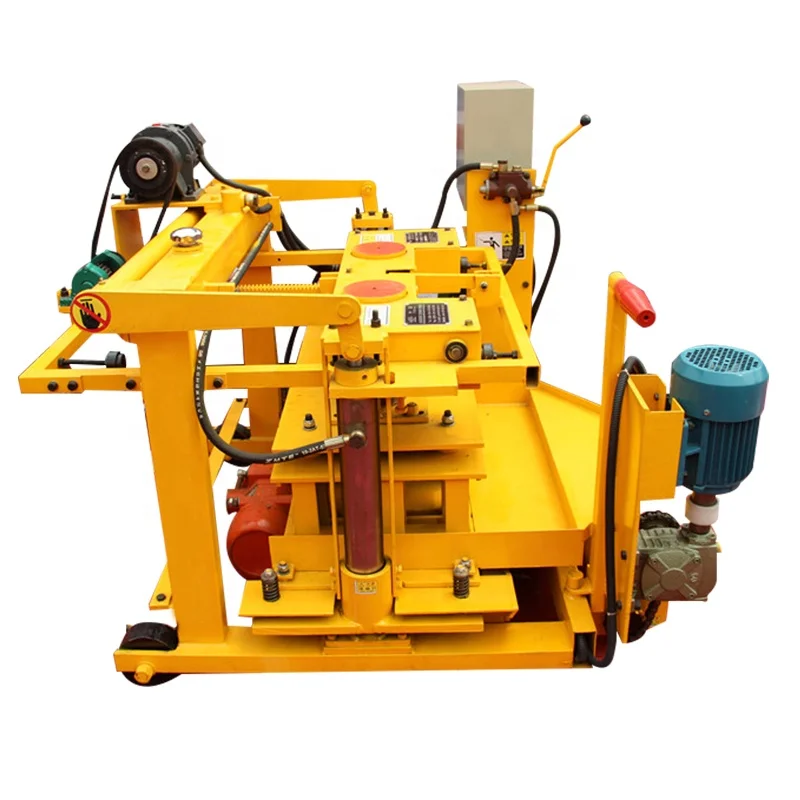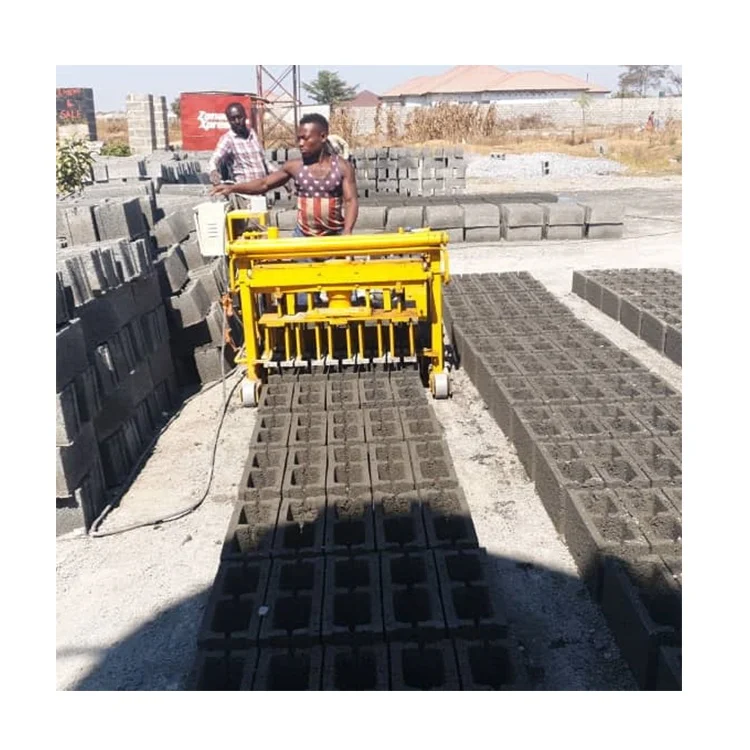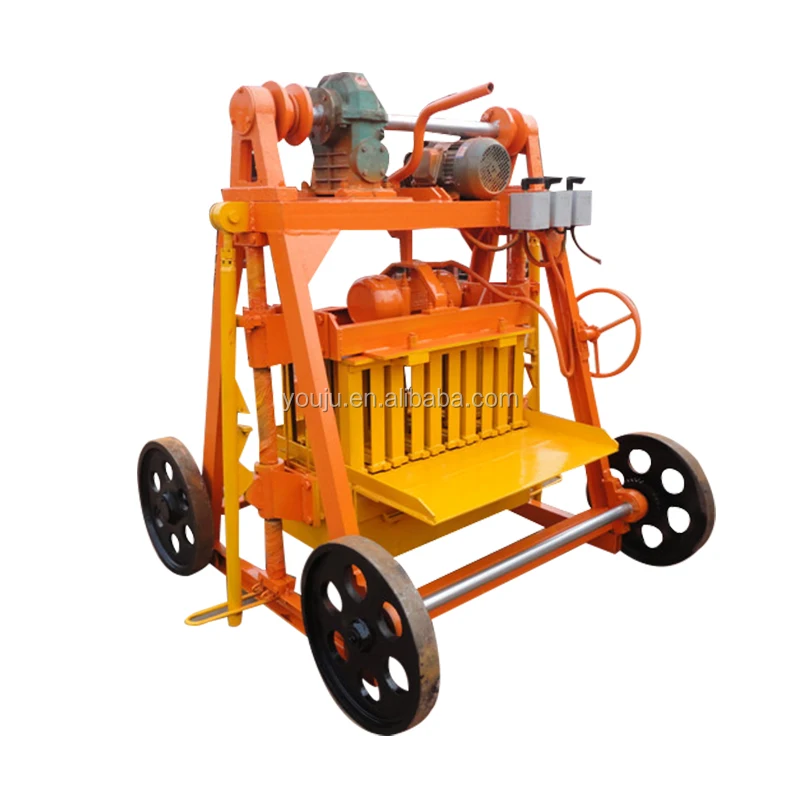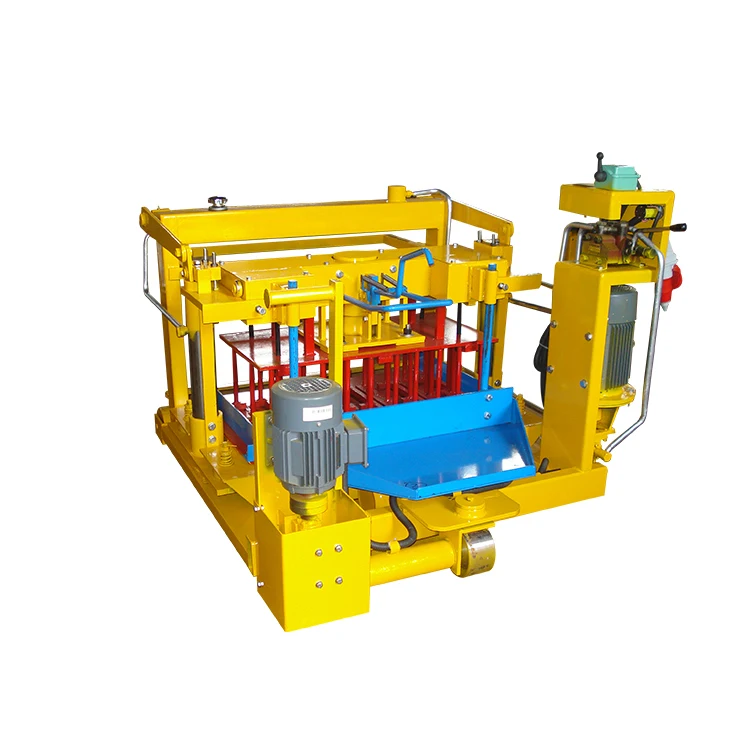


Description
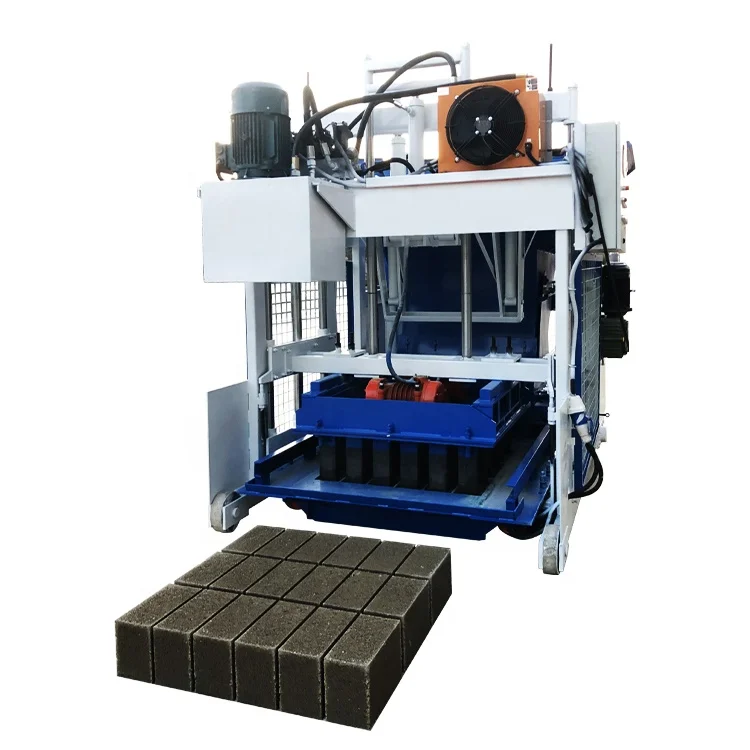
Single-focus machinery supplier — block machine, mould, and ground-laid method configured together against your local aggregate and target format, not assembled from separate catalogue defaults.
Technical Specifications
| Parameter | Value |
|---|---|
| Model | QMY18-15 |
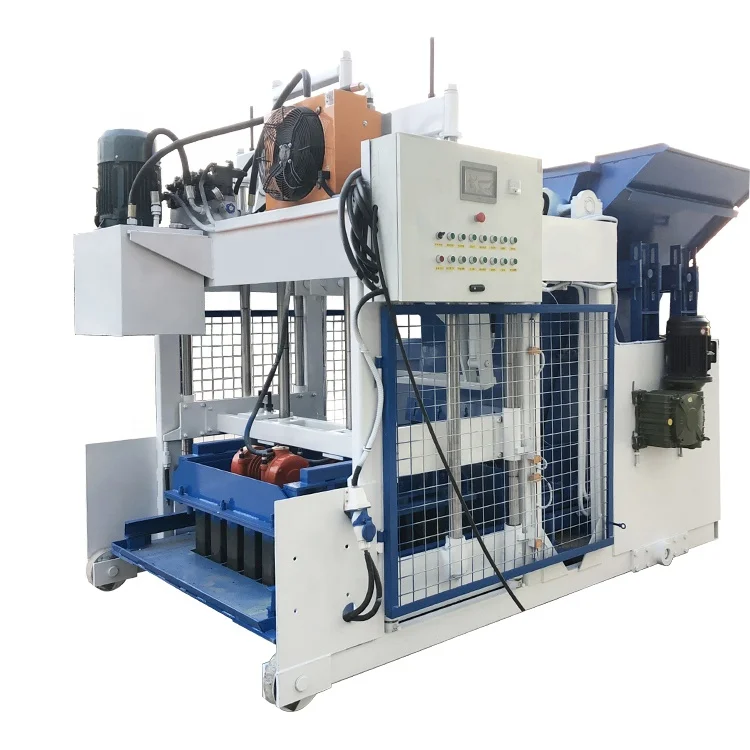
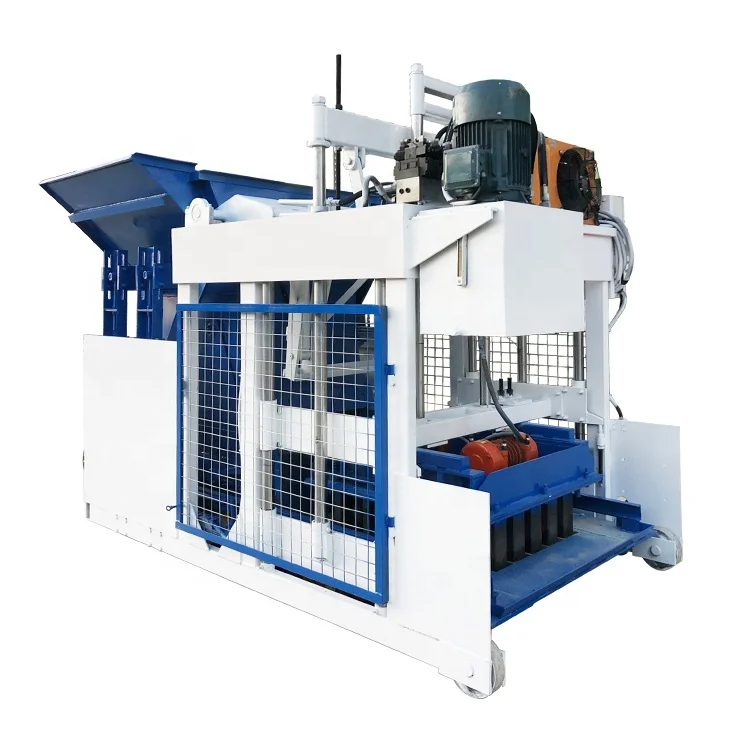
| Product Type | Mobile Egg Laying Concrete Block Making Machine |
| Rated Power | 24 kW |
| Control System | PLC |
| Working Method | Hydraulic pressure station |
| Output Capacity | about 34,000 pcs per shift based on 400×200×200mm hollow block (basis to be confirmed for other formats) |
| Block Types | Customizable to buyer requirement: hollow, solid, or other masonry units |
| Pallet Requirement | No pallets required (egg laying on ground) |
| Automation Level | Semi-automatic with PLC control |
| Voltage & Frequency | Configured to local industrial voltage (exact V/Hz to be confirmed) |
| Mould Format | Customizable |
Application Suitability
| Application | Material or Output |
|---|---|
| On-site hollow block production for building contractors | Concrete mix with local crushed stone or gravel aggregate |
| First-stage block plant for entrepreneurs | Standard cement and locally available sand or stone dust |
| Housing project supply at remote sites | Hollow and solid blocks laid directly on prepared ground |
| Development contractor in-house production | Masonry units matching project specification and timeline |
Why "34,000 Pieces" Can Mislead Even an Experienced Buyer
The output figure only holds true when the block format, mix design, and local aggregate all match the test conditions.
I once saw a buyer in the Middle East sign off on an egg laying machine based on a shift capacity number that assumed standard river sand. When the unit arrived, the local soil was high-clay and sticky. The actual daily yield dropped to roughly half, and mould lip wear doubled because the abrasive profile was completely different [NEED_CITE: effect of aggregate gradation on block machine wear rates]. The QMY18-15 egg laying block machine specifications you see on this page are a starting point, not a guarantee. The realistic output for your site depends on whether the 400×200×200mm hollow block is actually what you will run, and whether your aggregate matches the test mix.
Matching Output to the Format You Actually Sell
The QMY18-15 egg laying block machine specifications list roughly 34,000 pieces per shift for a 400×200×200mm hollow block. Switch to a smaller solid block and the piece count rises, but the total volume of concrete consumed per shift changes as well. Before you compare this machine to others, confirm which block format the quoted capacity assumes and request a capacity sheet that states the format for every number.
What Egg Laying Removes from Your Budget
An egg laying design places blocks directly on the ground, eliminating pallets entirely. That means no pallet purchase, no pallet return conveyor, no curing rack infrastructure, and no forklift cycles dedicated to pallet handling. For a contractor producing blocks on a construction site or an entrepreneur launching a first operation, the infrastructure saving is often larger than the machine price difference between egg laying and stationary models.
Reading the Specs Beyond the Headline Numbers
The 24 kW rated power must cover both the hydraulic pressure station and the vibration motor simultaneously. In block making, hydraulic pressure and vibration force together determine the density and compressive strength of the finished unit. If either is undersized for your mix, blocks emerge with inconsistent strength from one cycle to the next [NEED_CITE: relationship between hydraulic pressure and block compressive strength in mobile machines]. The PLC control system handles cycle timing and sequence logic, reducing the need for a skilled operator to manually coordinate each step. Semi-automatic operation still requires personnel for material feeding and guiding the machine along the production path, but the pressing cycle itself is controlled. Confirm the voltage and frequency for your site before the machine enters production, because rewiring a hydraulic station on arrival adds commissioning delays.
The Cost of Skipping the Format Conversation
Ordering an egg laying machine without confirming the mould format leads to a unit that produces blocks your local market does not buy. I have seen buyers pay for format flexibility and then spend most of a shift changing moulds because the quick-change mechanism was not included. Others receive a machine configured for an aggregate they cannot source, forcing a costly material substitution just to keep the press running [NEED_CITE: common causes of block machine commissioning delays]. These are not machine defects; they are specification gaps that surface only after the container is opened.
Why Sourcing from a Single-Focus Block Machinery Maker Matters
Every component — the press, the mould, the hydraulic circuit — is selected as one system for block production, not sourced from unrelated suppliers and assembled around a generic frame. The mould is designed for the specific block formats your market sells, with custom drawings available when standard shapes do not match. Configuration is set against your local aggregate and target strength, not a catalogue default that assumes ideal river sand. The QMY18-15 egg laying block machine specifications can be verified through a factory test record before dispatch. Voltage, frequency, and PLC display language are confirmed with you in writing before production begins, so commissioning is not delayed by a mismatch at arrival. Wear parts and mould lists ship with the documentation package, meaning replacement availability is clear from day one.
Documentation & Verification
- Line layout and capacity calculation stating the block format assumed for each output figure
- Mould drawing and format list matching your target block types
- Factory test record on your specified block format before dispatch
- Voltage, frequency, and PLC display language confirmation sheet
- Hydraulic and electrical schematic for on-site troubleshooting
- Wear parts and mould replacement list with part numbers
Installation, Commissioning & Support
- Ground surface must be level concrete or compacted base to support egg laying block stability during curing
- Electrical supply must match confirmed voltage and frequency with a dedicated circuit for the 24 kW load
- Machine ships in a state allowing on-site assembly and alignment of the hydraulic pressure station
- First production run includes cycle parameter adjustment to match your local aggregate and mix
- Operator training covers PLC interface, mould change procedure, and daily maintenance checkpoints
- Wear parts list provided so hydraulic seals and mould lips can be reordered before depletion
Requesting an Accurate Configuration
To size the QMY18-15 correctly, share the block format you intend to produce, the daily output you need in pieces, and a sample description of your local aggregate. Include your site voltage and frequency so the electrical system is built to match. If you already operate curing areas or material feeding equipment, mention those so the proposal accounts for the full workflow around the press.
Frequently Asked Questions
Q: How is the 34,000 pcs/shift figure calculated, and what changes with other block sizes?
A: That figure assumes a 400×200×200mm hollow block. Smaller solid blocks yield a higher piece count per shift, while larger formats reduce it. The meaningful comparison is total concrete volume processed per shift, not raw piece count. Request a capacity sheet that lists output for each format you plan to run.
Q: Which block formats can the QMY18-15 produce, and how long does a mould change take?
A: The machine accepts custom moulds for hollow, solid, and other masonry formats your market requires. Mould change time depends on whether a quick-change system is included in the configuration. Confirm the mechanism and expected changeover duration before placing the order so flexibility matches your production plan.
Q: What mix design and aggregate gradation suit this machine’s hydraulic pressure?
A: The hydraulic pressure station requires a mix that achieves target density under the configured pressure. High-clay or poorly graded aggregates may need adjustment. Share your local material description so the vibration and pressure parameters can be set to produce consistent block strength on your specific mix.
Q: What ground surface conditions are needed for egg laying, and how should blocks be cured?
A: The ground must be a level, stable surface — compacted earth or concrete — so blocks hold shape immediately after laying. Curing typically involves covering blocks with sheeting and applying water mist over several days. The exact method depends on your local climate and target strength specification.
Q: How are voltage, frequency, and PLC language confirmed before the machine ships?
A: These parameters are agreed in writing during the order stage. The PLC display language is set to your operator’s preference, and the electrical system is built to your confirmed voltage and frequency. A confirmation sheet is included in the documentation package before dispatch.