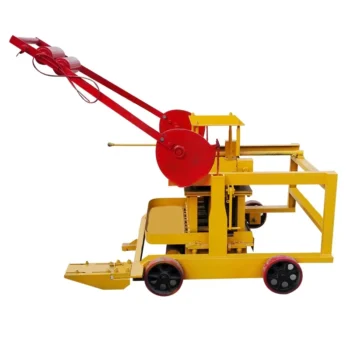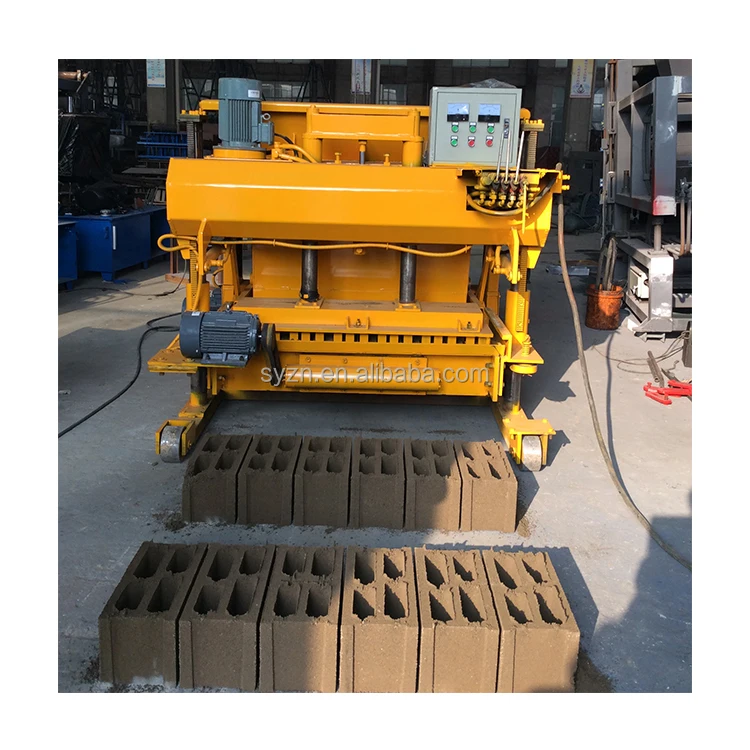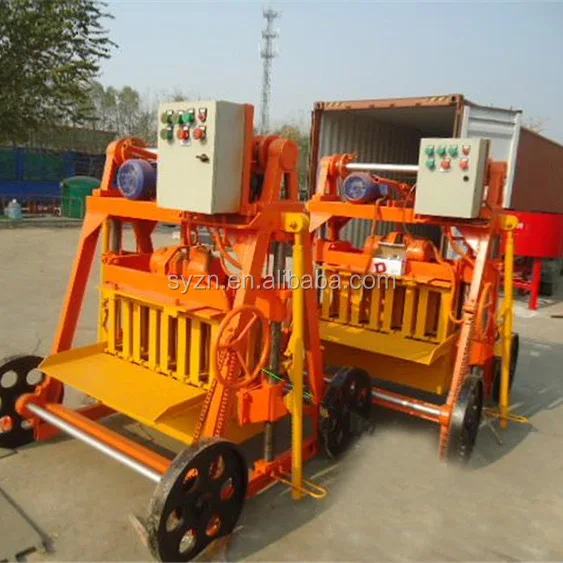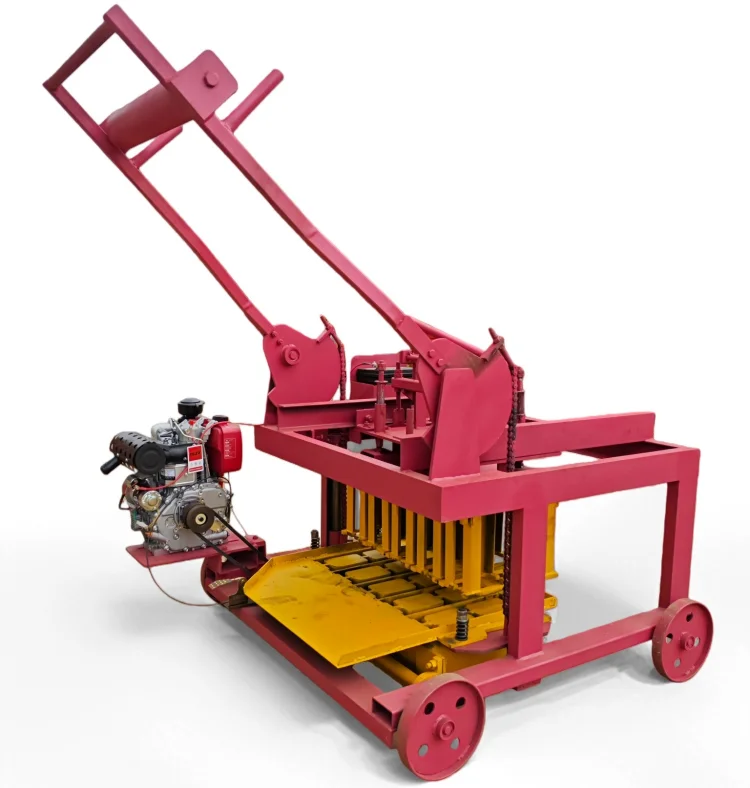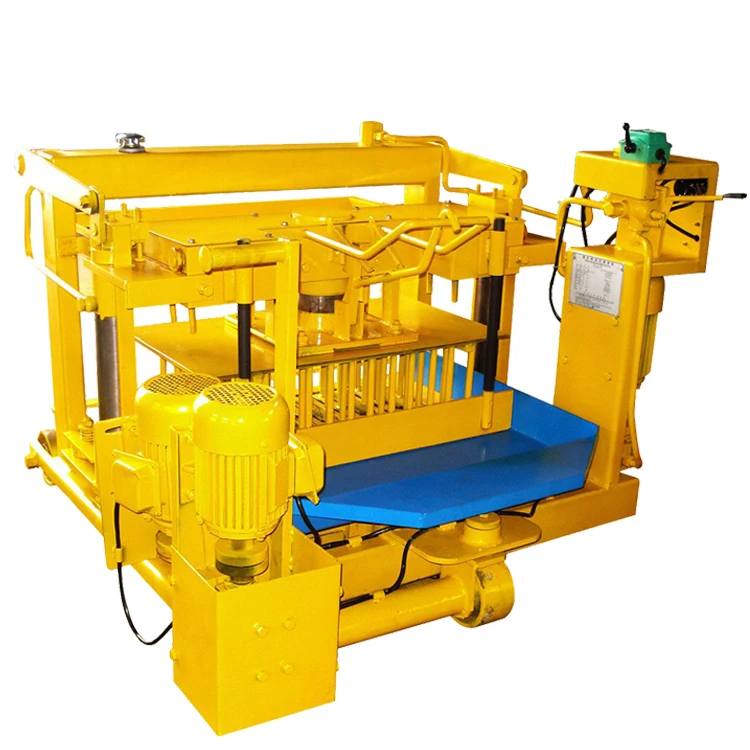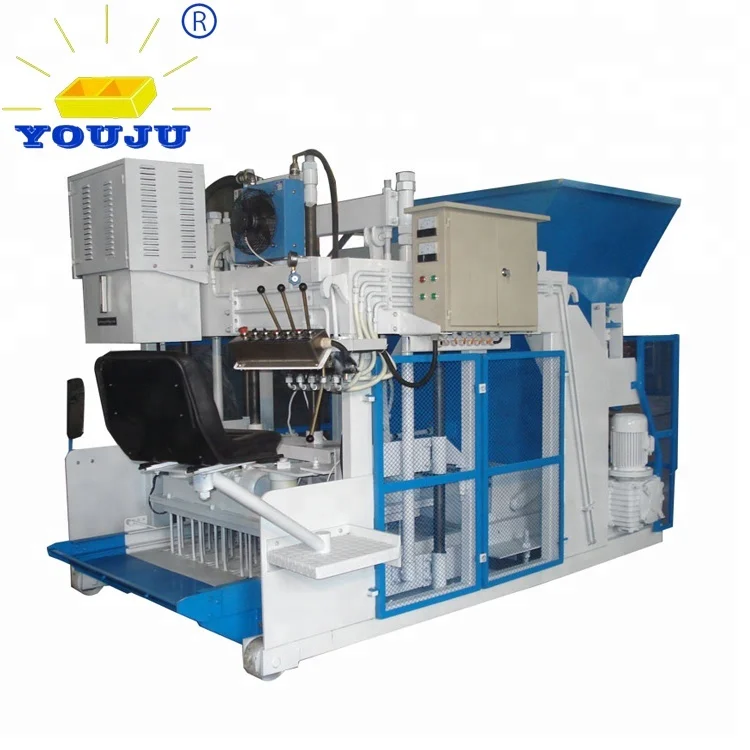
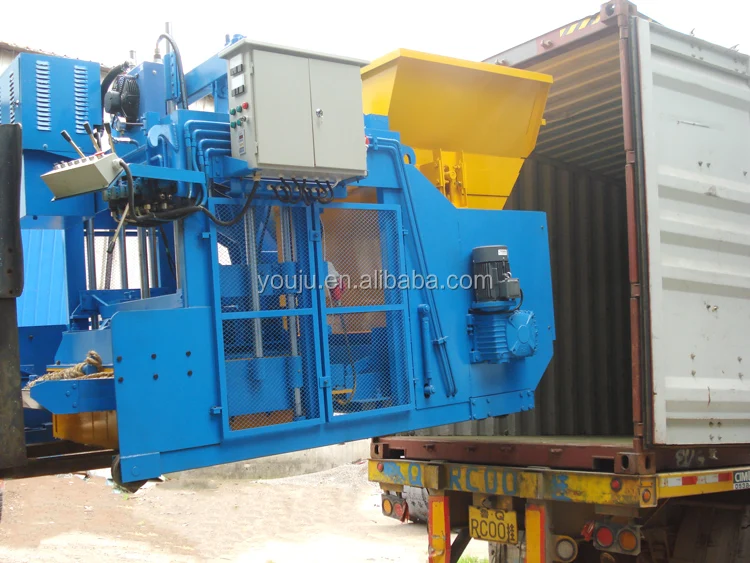
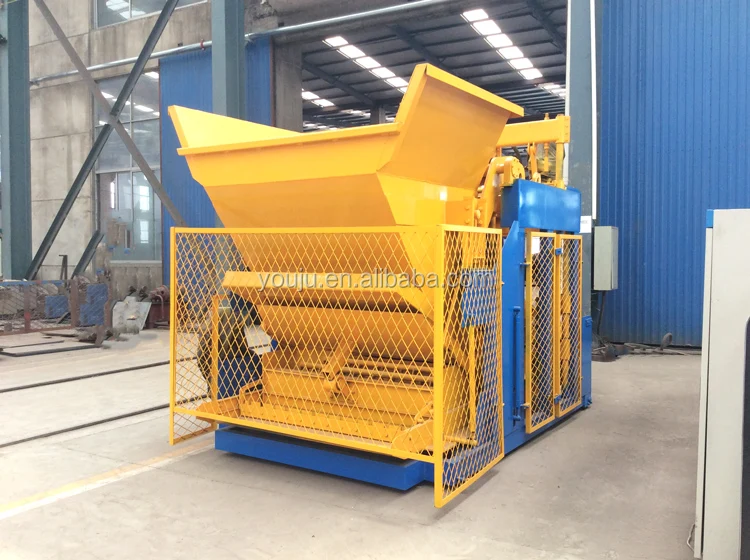
Description
Format-specific capacity — every output figure for the QMY12-15 is stated against the exact hollow block size your market sells, not a single brochure headline that hides the format assumption.
Technical Specifications
| Parameter | Value |
|---|---|
| Model | QMY12-15 |
| Product Type | Automatic Cement Hollow Block Making Machine |
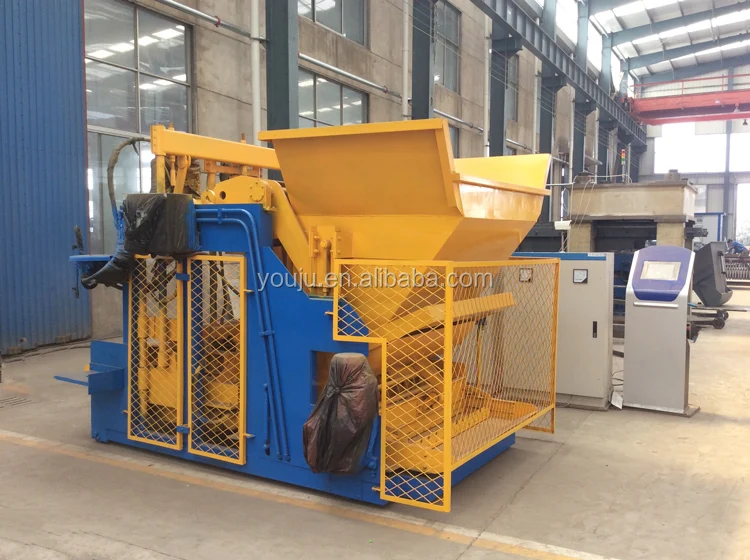
| Machine Type | Mobile / Egg-laying |
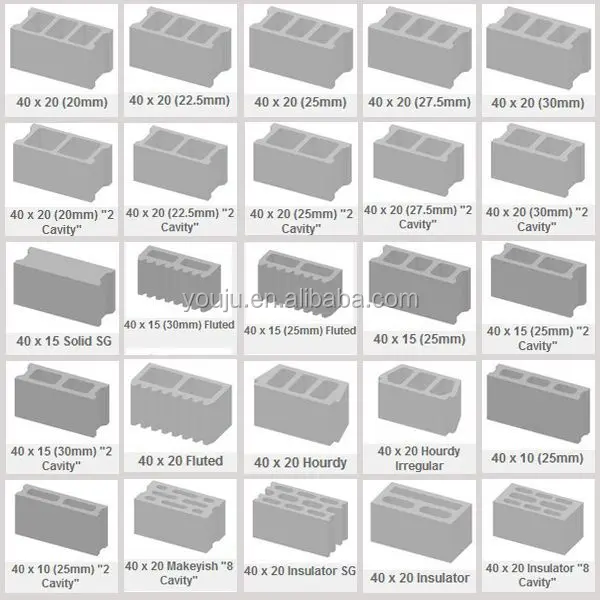
| Block Size Range | 4–9 inch hollow block |
| Drive Type | Engine & gear |
| Automation Level | Automatic |
| Pallet Size | Not required — blocks laid directly on ground |
| Mould Format | Hollow block, multiple cavity options across 4–9 inch range |
| Assembly State | Fully assembled, mobile unit |
| Hydraulic Pressure | (basis not stated in source — confirm block format / material / thickness) |
| Vibration Force | (basis not stated in source — confirm block format / material / thickness) |
| Cycle Time per Format | (basis not stated in source — confirm block format / material / thickness) |
| Output Capacity | (basis not stated in source — confirm block format / material / thickness) |
| Mould Change Time | (basis not stated in source — confirm block format / material / thickness) |
| Overall Dimensions (L×W×H) | (source value not provided) |
| Net Weight | (source value not provided) |
| Rated Power | (source value not provided) |
| Voltage & Frequency | (source value not provided) |
| Control System | (source value not provided) |
Application Suitability
| Application | Material or Output |
|---|---|
| On-site hollow block production for housing projects | Cement-based mix with crushed stone, river sand or local aggregate |
| Contractor self-supply on building sites | 4–9 inch hollow blocks from standard cement and aggregate blends |
| First plant setup without fixed infrastructure | Hollow blocks in varied local aggregate conditions, ground-cured |
| Remote or rural construction supply | Cement hollow blocks where transport of finished blocks is uneconomical |
What "Cycles per Hour" Leaves Out When Sizing a Hollow Block Making Machine
A cycle time only means something when the block format, mix design and aggregate are all named beside it.
Buyers often receive a single capacity number — say, a certain quantity per hour — without being told which block size that figure assumes. A 4-inch hollow block and a 9-inch hollow block share the same machine but demand very different vibration and pressure settings, and the mould cavity count differs significantly. When the format is not declared, the daily output on the block you actually sell can fall noticeably short of what the hollow block making machine specifications suggested [NEED_CITE: capacity quotation standards for concrete block machinery]. I have seen projects stall because the production rate was sized against a small block the buyer never intended to make.
Matching the Machine to the Block Your Market Actually Buys
The QMY12-15 covers hollow block formats from 4 to 9 inch, but each size behaves differently in the mould. Cavity count, compaction depth and vibration duration all shift when you move between sizes. A hollow block making machine specifications sheet that lists one cycle time for all formats is incomplete — the realistic number must be tied to the specific block drawing and the aggregate gradation you source locally.
Why Local Aggregate Drives the Configuration
River sand, crushed granite, volcanic scoria and recycled aggregate each respond to vibration differently. A mix that compacts cleanly in the factory test may drag or crumble on your site if the aggregate shape and moisture behaviour differ. The engine and gear drive system on this mobile unit must be paired with a mould and vibration profile matched to your actual material, not a generic sand blend used for the catalogue test [NEED_CITE: aggregate gradation effect on concrete block compaction].
Reading the Specs That Actually Matter on Site
The engine and gear drive gives the QMY12-15 independence from fixed power infrastructure, which is the defining advantage of a mobile egg-laying machine. The 4–9 inch block size range means the mould inventory can cover most residential wall thicknesses in a single machine footprint. Because no pallets are required — blocks are laid directly onto the prepared ground — the curing area layout and surface preparation become critical production variables that the specification sheet alone cannot solve. The automation level handles the pressing cycle, but manual handling of the freshly laid blocks during curing and the ground surface condition both influence the final block strength and dimensional consistency.
The Cost of Skipping the Format Conversation
When a machine arrives configured for a block size or mix the buyer’s market does not demand, the first weeks of production go to waste on format changes, trial batches and strength testing. Mould swaps that should take minutes can consume an entire shift if the quick-change mechanism was not specified for the buyer’s actual format rotation [NEED_CITE: mould change downtime in mobile block production]. Blocks that fail strength tests because the vibration force was never matched to the local aggregate end up being discarded, and the contractor is left sourcing blocks from a competitor while the machine sits idle.
Why This Source Handles the Details Differently
Block machinery is the sole focus here, so the QMY12-15 is never quoted as a standalone press — the mould, drive configuration and ground-curing workflow are specified together as one system. Every capacity calculation is stated per block format, not as a single headline figure. Mould design follows the buyer’s market drawings, including custom cavity layouts for formats outside the standard range. The automation level is selectable, so a buyer can start with the base automatic cycle and add handling features as production grows. Installation support includes on-site commissioning with the buyer’s actual aggregate and target block size.
Documentation & Verification
- Capacity calculation document stating output per 4-inch, 6-inch and 9-inch hollow block separately
- Mould drawing and format list confirming included and optional cavity sizes
- Factory test record showing cycle time per block format with your target mix
- Machine specification sheet with voltage and control language confirmed pre-dispatch
- Operation and maintenance manual covering mould change procedure and ground preparation
Installation, Commissioning & Support
- Ground surface must be levelled and compacted to support egg-laying block release without pallets
- Engine and gear drive requires dedicated fuel supply and scheduled lubrication intervals per manual
- Machine arrives fully assembled; on-site setup covers ground preparation and first mould trial
- Commissioning includes test runs on your local aggregate to confirm cycle time per block format
- Operator training covers mould change procedure across the full 4–9 inch hollow block range
- Wear parts list supplied at delivery identifying vibration pads and mould liner replacement intervals
What to Include With Your Enquiry
To receive an accurate capacity calculation for the QMY12-15, provide the hollow block sizes your market sells most, the local aggregate type and source, and the daily output target per format. If your site has existing ground conditions or a curing area already in use, describe the surface type and available space. Voltage, frequency and any control language preference should also be confirmed at this stage.
Frequently Asked Questions
Q: What is the realistic daily output for each block size on the QMY12-15?
A: Output varies by hollow block size because cavity count and compaction time differ between a 4-inch and a 9-inch format. We provide a capacity calculation that states daily output separately for each block size you plan to produce, based on the specific mould cavity layout and your confirmed mix design.
Q: How is the machine configured to match my local aggregate?
A: We ask for a sample or description of your aggregate — type, gradation and typical moisture content — before finalising the mould and vibration settings. The engine and gear drive parameters are then adjusted so the QMY12-15 compacts your actual material cleanly, not a generic sand blend from the factory test.
Q: What is the actual mould change time between different hollow block formats?
A: Mould change time depends on the quick-change mechanism specified for your format set. We state the expected changeover duration in the capacity document so you can plan your production rotation realistically, rather than discovering the delay after the machine arrives on site.
Q: How do I plan the curing area when blocks are laid on the ground?
A: The QMY12-15 lays blocks directly on a prepared surface, so the curing area must be level, compacted and large enough to hold a full day’s output before blocks are moved. We include ground preparation guidance in the layout document, matched to the daily output per block format you confirm.