
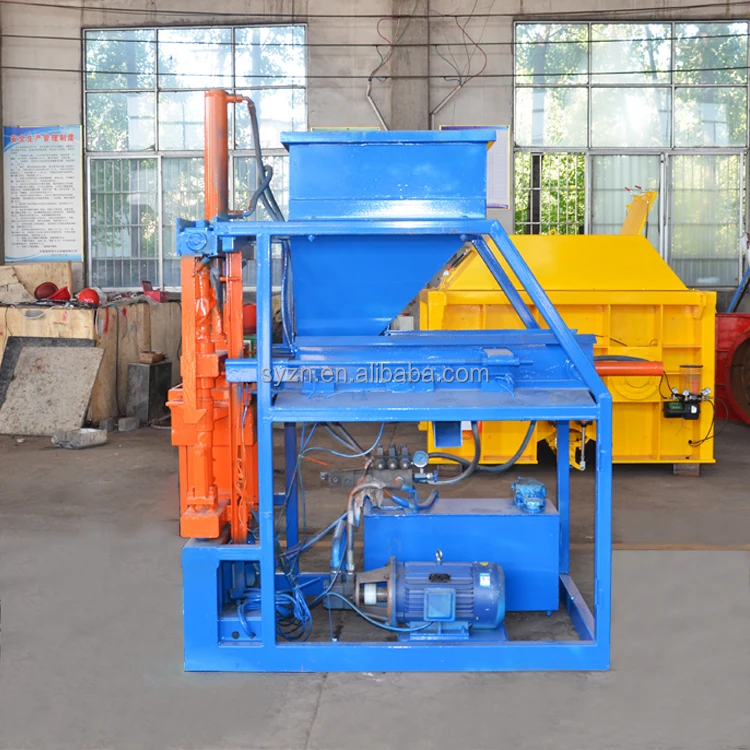
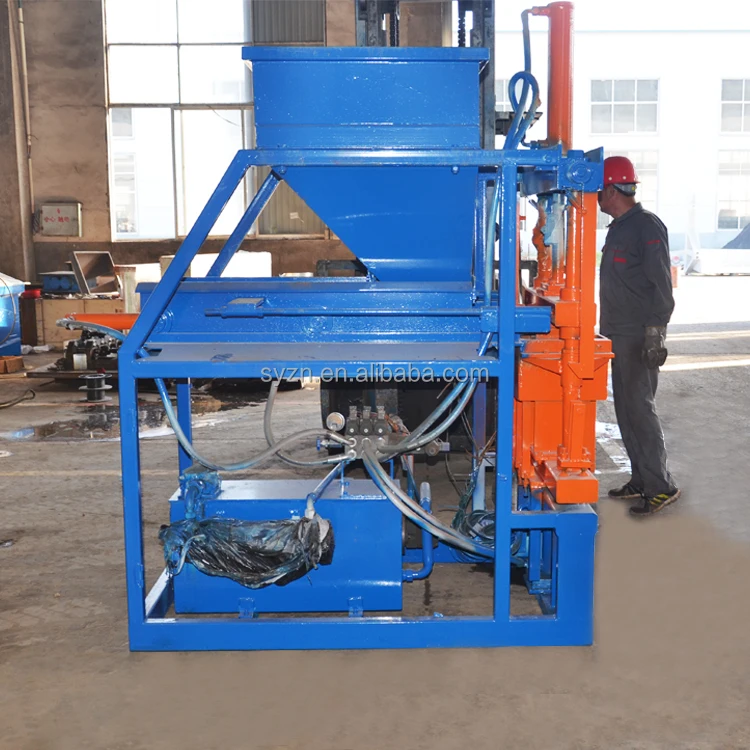
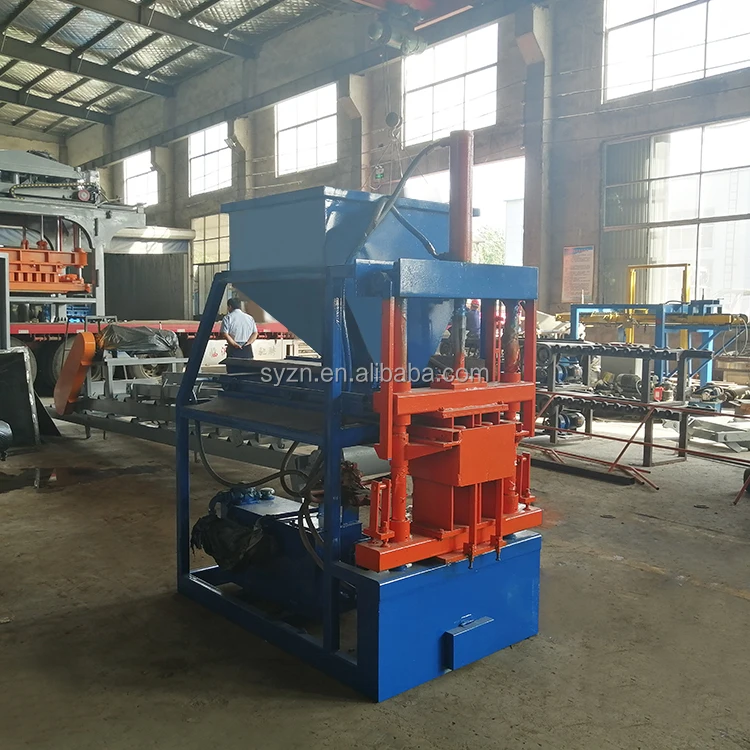
Description
Matched Mould System — each interlocking brick size gets its own cycle time and daily output figure on the LY2-10, so capacity quotes always state the format they assume.
Technical Specifications
| Parameter | Value |
|---|---|
| Model | LY2-10 |
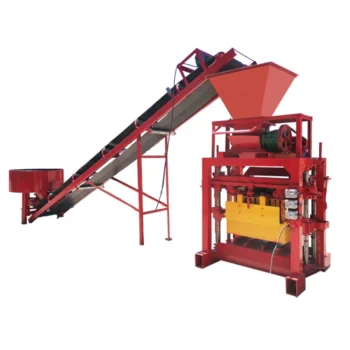
| Product Type | Clay Interlocking Brick Making Machine |
| Rated Power | 7.5 kW |
| Molding Cycle | 10 s (basis not stated in source — confirm block format / material / thickness) |
| Output Capacity | 6000 pcs / 8 hours (basis not stated in source — confirm block format / material / thickness) |
| Raw Material Compatibility | Clay, soil, earth, mud, concrete, cement, fly ash |
| Overall Dimensions | 1300 × 1800 × 2400 mm |
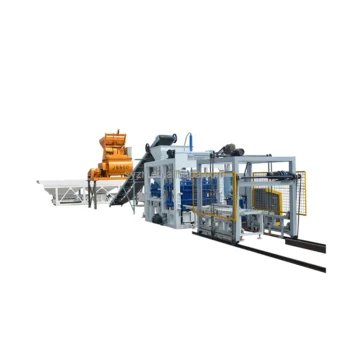
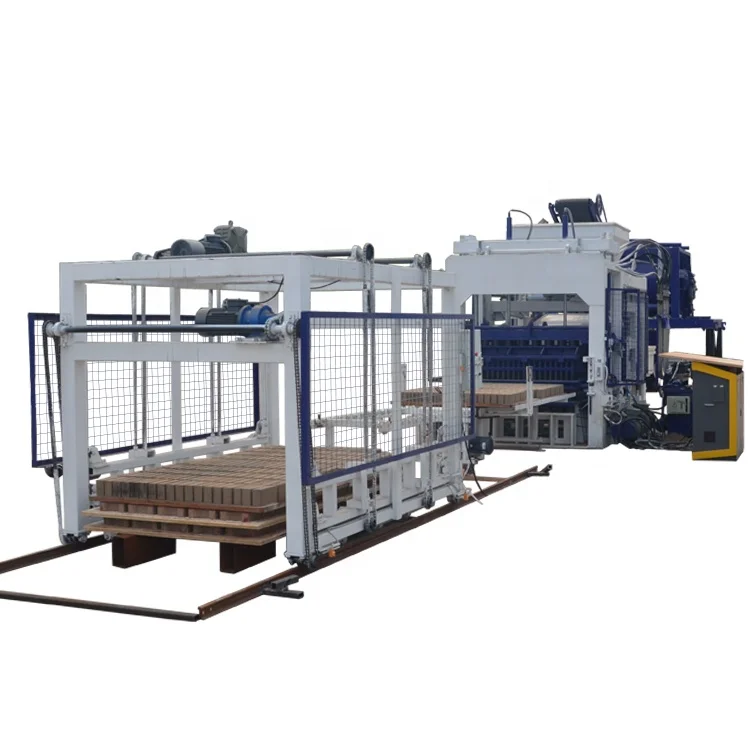
| Automation Level | Semi-automatic |
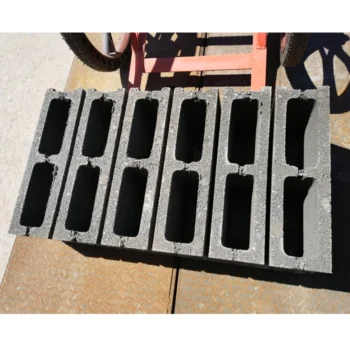
| Mould Format | Interlocking brick |
| Block Format Examples | 300 × 150 × 100 mm (1 pc/mould) / 250 × 125 × 75 mm (1 pc/mould) / 230 × 220 × 115 mm (1 pc/mould) |
| Standards | CE (referenced in company documentation; confirm for specific shipment) |
Application Suitability
| Application | Material or Output |
|---|---|
| First interlocking brick plant in East Africa | Local clay or laterite soil with cement stabilisation |
| On-site block production for building contractors | Excavated soil from foundation work mixed with cement |
| Adding interlocking format to existing block range | Concrete or fly ash mix already in use on the line |
| Rural housing projects with limited grid power | Clay-soil blends at 7.5 kW total draw |
What "6000 Bricks a Day" Actually Means for Your Site
The number only holds if the mould, mix and curing cycle all match the format used to calculate it.
I have watched a contractor receive a machine quoted at a single daily output figure, only to discover on arrival that the number assumed a solid paver format while the local market demanded a thin interlocking profile. Output dropped because the cycle time for the thinner brick was different and the mix needed more cement to hit the strength target. The interlocking brick making machine specifications you compare must always name the exact block size behind each capacity claim [NEED_CITE: block format assumptions in capacity quotations]. Without that link, you are buying a number, not a production rate.
Mould Format Coverage Across Three Brick Sizes
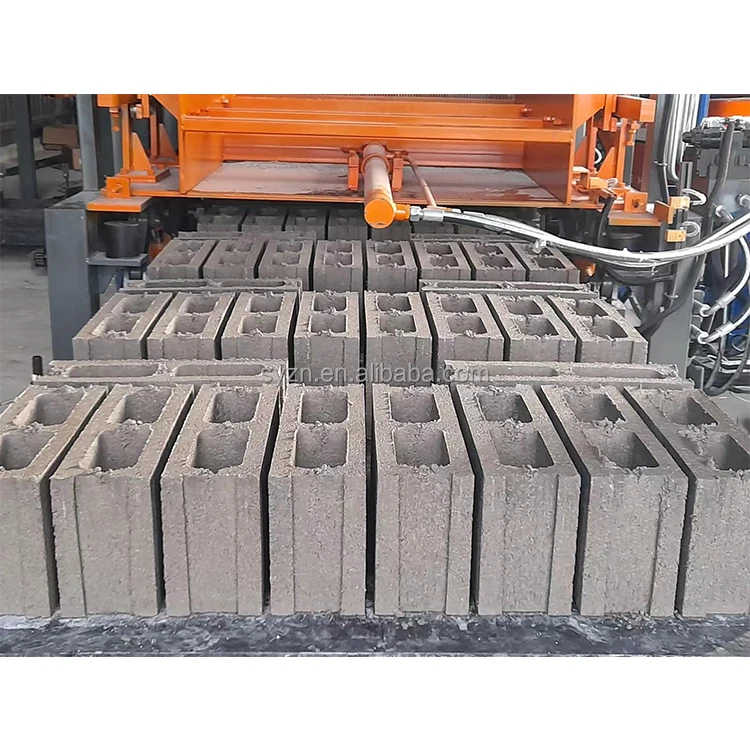
The LY2-10 lists three interlocking brick dimensions — 300 × 150 × 100 mm, 250 × 125 × 75 mm, and 230 × 220 × 115 mm — each producing one piece per mould cycle. Choosing the right interlocking brick making machine specifications starts with confirming which of these sizes your local builders actually specify, because the interlocking profile must match the walling system used in your region. A mould that does not align with local construction practice sits unused regardless of how fast it cycles.
Matching the Mix to Your Local Clay or Soil
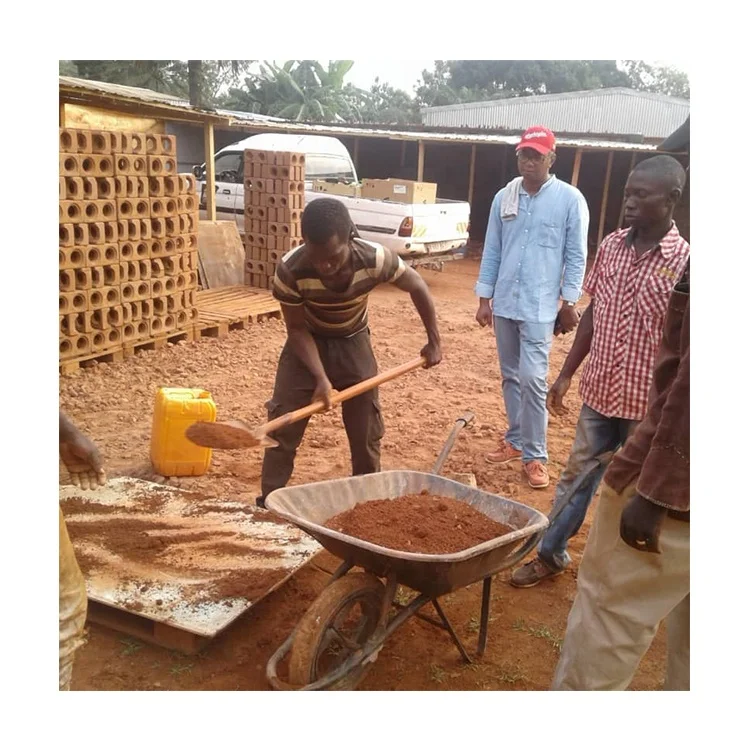
Raw material compatibility spans clay, soil, earth, mud, concrete, cement and fly ash. The machine must be configured around the specific material you can source — volcanic ash behaves differently from laterite, and a mix designed for one will not transfer directly to the other. When the LY2-10 is set up for your actual aggregate, the vibration and pressing parameters are adjusted so that block strength meets local building codes rather than a generic test standard [NEED_CITE: effect of local aggregate variation on block compressive strength].
Reading the Numbers That Matter
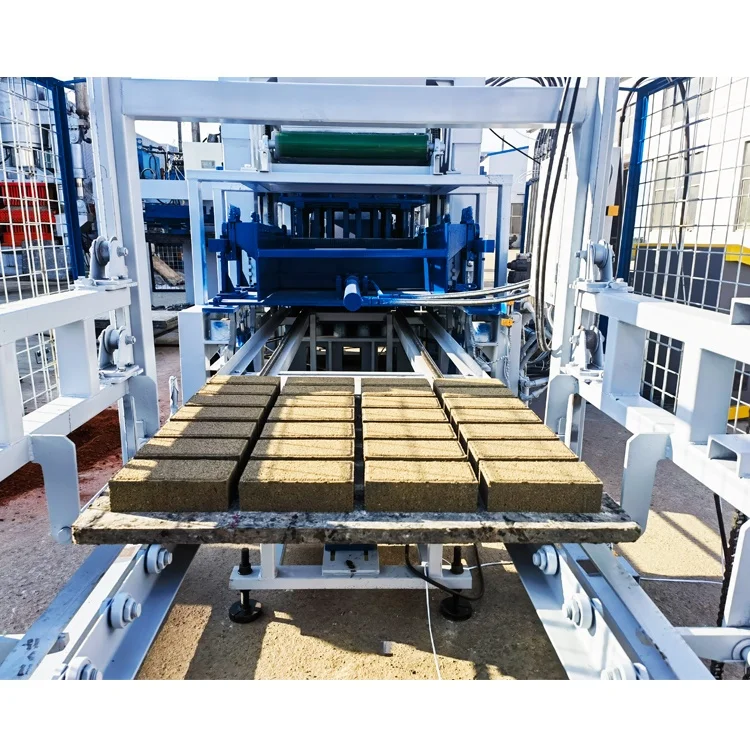
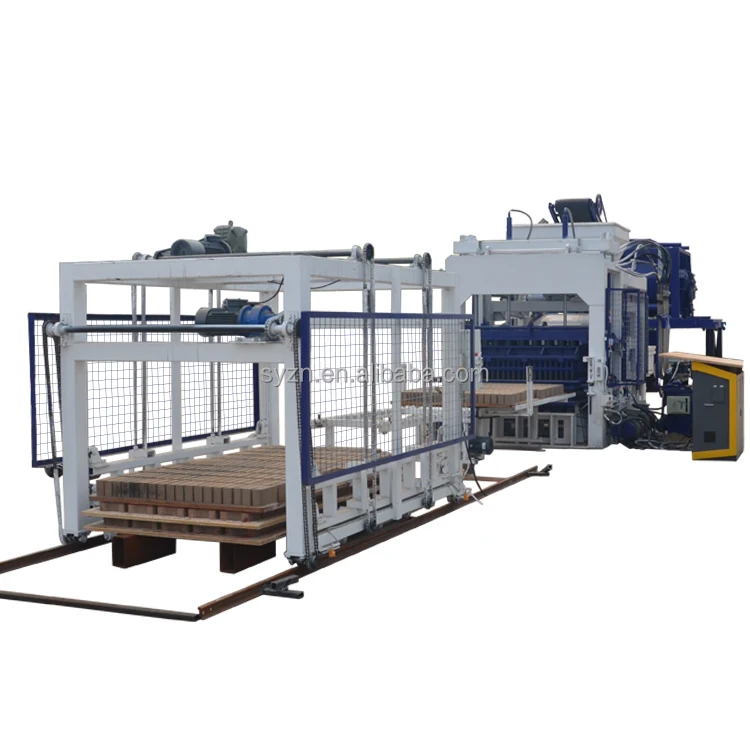
The 7.5 kW rated power keeps the LY2-10 within reach of sites with limited electrical infrastructure, a common condition for first-plant entrepreneurs and remote building projects. Overall dimensions of 1300 × 1800 × 2400 mm mean the machine fits inside a standard workshop bay or under a temporary site shelter without special foundation work. Semi-automatic operation places pallet handling and stacking in the operator’s hands, keeping initial investment lower while leaving a clear path to add automatic pallet feeding and stacking later. The 10-second moulding cycle applies to the formats listed, though actual cycle time shifts with mix moisture and brick thickness — always confirm against your target format before committing to an output plan.
The Cost of Skipping Format-Specific Capacity Checks
When a buyer accepts a single output number without asking which brick size it assumes, the first production run reveals the gap. Mould changes take longer than expected because the profile was never tested with the buyer’s mix. Blocks crack during curing because the soil-clay ratio was guessed rather than trialled. The site burns through weeks of raw material before anyone realises the interlocking brick making machine specifications on paper never matched the brick the market actually buys [NEED_CITE: common causes of block plant underperformance after commissioning].
Why Procurement Through This Channel Works
Block machinery is the single focus here, so the LY2-10 arrives as a matched system — machine, mould, pallet and handling specified together rather than assembled from separate suppliers. Configuration is set against your actual mix design and local aggregate, not pulled from a catalogue default. Mould design covers the interlocking profiles your market sells, and custom drawings are available when a local builder needs a non-standard lock pattern. Automation level is selectable, so you can start semi-automatic and add pallet feeding or stacking as output grows. Installation includes operator training so your crew knows the mould change procedure before the first shift ends.
Documentation & Verification
- Line layout with capacity calculation stating the interlocking brick format assumed
- Mould drawing and profile list confirming lock geometry matches your walling system
- Voltage, frequency and control language confirmation sheet before shipment
- Factory test record on your specific clay or soil mix before dispatch
- Wear parts and mould availability list for the first replacement cycle
Installation, Commissioning & Support
- Foundation pad sized to the 1300 × 1800 mm footprint with anchor bolt template
- Dedicated 7.5 kW circuit with correct voltage and frequency for your local grid
- Machine shipped in assembled or partially dismantled state depending on container loading
- First-run parameter setting on your local clay-soil mix during on-site commissioning
- Operator training covering mould change, mix adjustment and daily maintenance routines
- Wear parts list with reorder lead times for mould liners and hydraulic seals
Before You Request a Quote
Send the exact interlocking brick dimensions your local builders use, along with a sample or description of the clay, soil or cement mix available on your site. Include your local voltage and frequency so the motor and control panel ship ready to connect. If you already have pallets or a curing area, share those dimensions so the pallet specification aligns with what you have on the ground.
Frequently Asked Questions
Q: How is daily output calculated, and which block format is the capacity figure based on?
A: The listed 6000 pieces per 8 hours comes from the source without a stated block format or mix assumption. Before ordering, request a capacity calculation that names the exact interlocking brick dimension, mould cavity count and cycle time used. This prevents a mismatch between the quoted number and the brick size your market actually demands.
Q: Which raw materials work with the LY2-10, and how is it configured for my local clay?
A: Compatible materials include clay, soil, earth, mud, concrete, cement and fly ash. The machine is configured after reviewing your specific local material — its moisture behaviour, particle size and stabiliser requirement. Vibration and pressure settings are then matched so that finished bricks meet your regional strength standard rather than a generic benchmark.
Q: What mould formats are available, and how long does a mould change take?
A: Three interlocking brick sizes are listed — 300 × 150 × 100 mm, 250 × 125 × 75 mm and 230 × 220 × 115 mm — each at one piece per mould. Custom mould designs are available to buyer drawings. Mould change time depends on the lock complexity and operator familiarity; confirm the procedure and expected duration during commissioning training on your site.
Q: What voltage and control language will the machine ship with for my country?
A: Voltage, frequency and control display language must be confirmed before production begins. Provide your local grid specification — for example 415 V / 50 Hz or 380 V / 60 Hz — and your preferred panel language so the LY2-10 arrives ready to connect without rewiring or relabelling delays on site.
Q: How do I verify block strength before committing to a full production run?
A: Request a factory test using your actual clay or soil mix before shipment. The test record should show compressive strength results for the specific interlocking brick format you ordered. On arrival, run a second set of samples during commissioning to confirm that local curing conditions produce the same strength outcome.