
Description
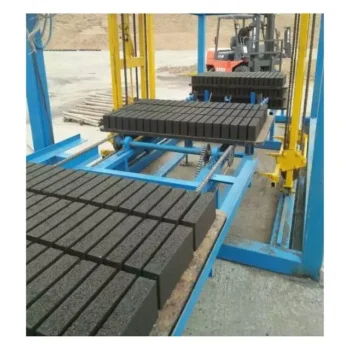
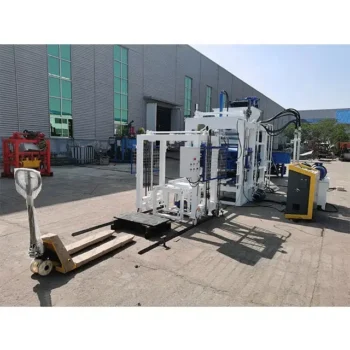
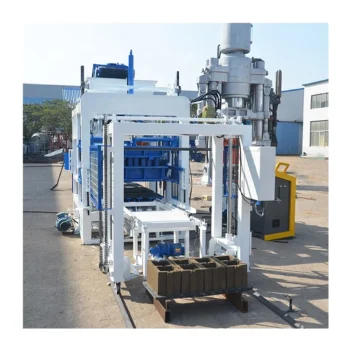
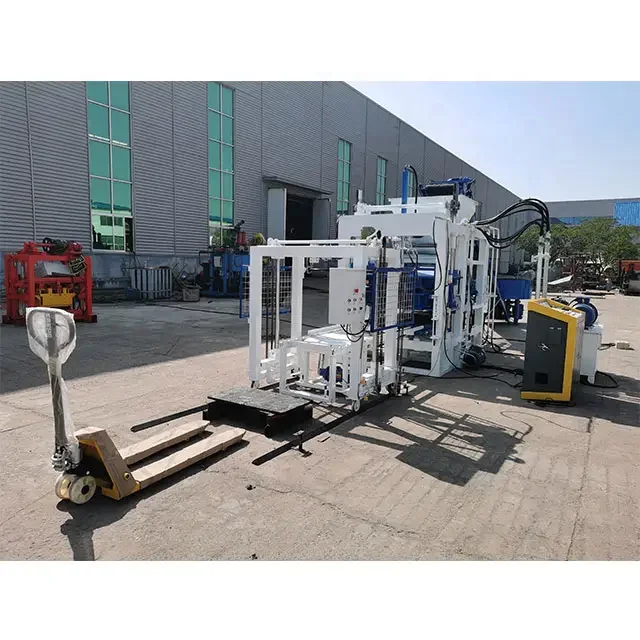
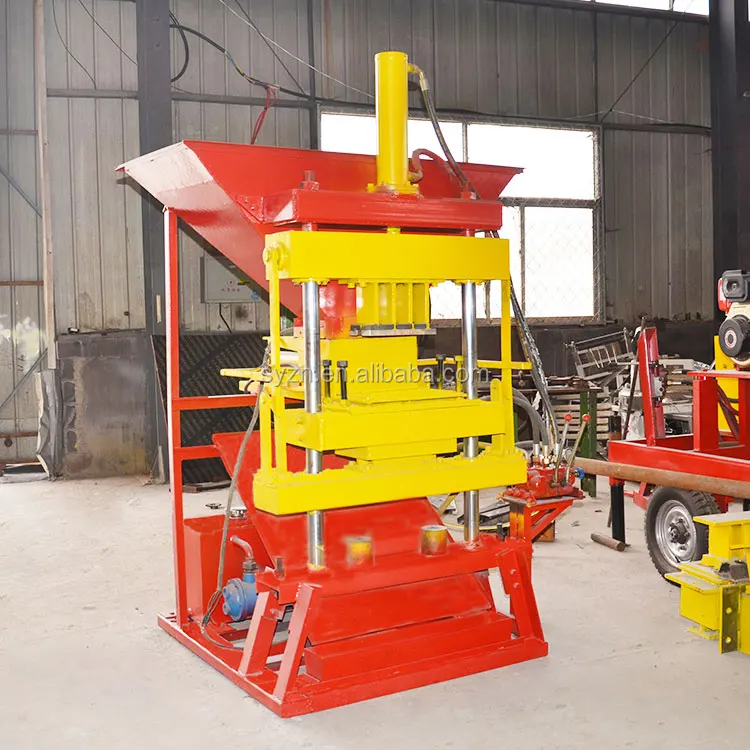
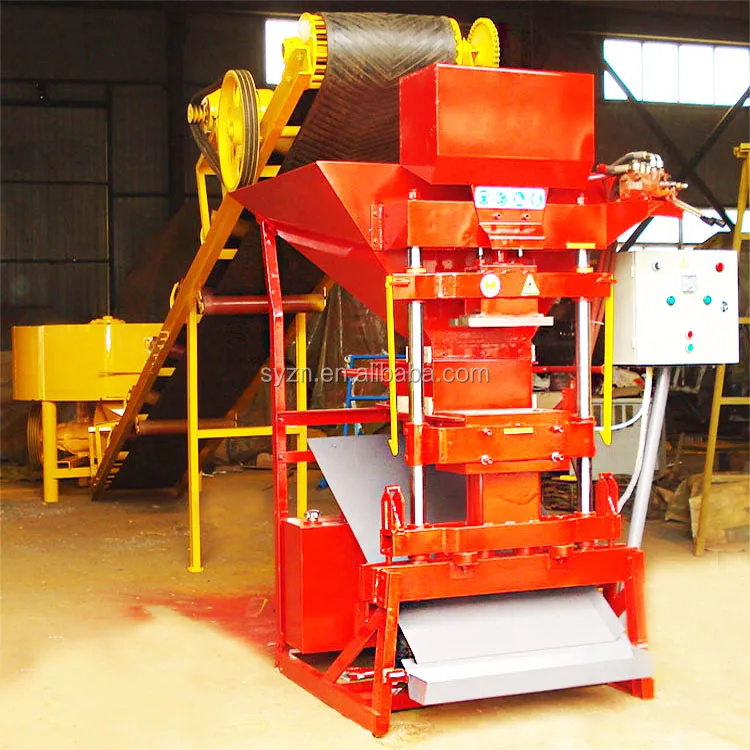
Format-matched configuration — Every mould, pallet and hydraulic setting is calibrated to your local clay mix and target interlocking brick dimensions before the machine leaves the factory.
Technical Specifications
| Parameter | Value |
|---|---|
| Product Type | Hydraulic Interlocking Clay Brick Making Machine |
| Power Source | Electric motor or Diesel engine |
| Rated Power | 7.5 kW (electric) / 12 HP (diesel) |
| Voltage & Frequency | 380V, 3-phase, 50Hz (customizable to local voltage) |
| Control System | Manual / semi-automatic / automatic options available |
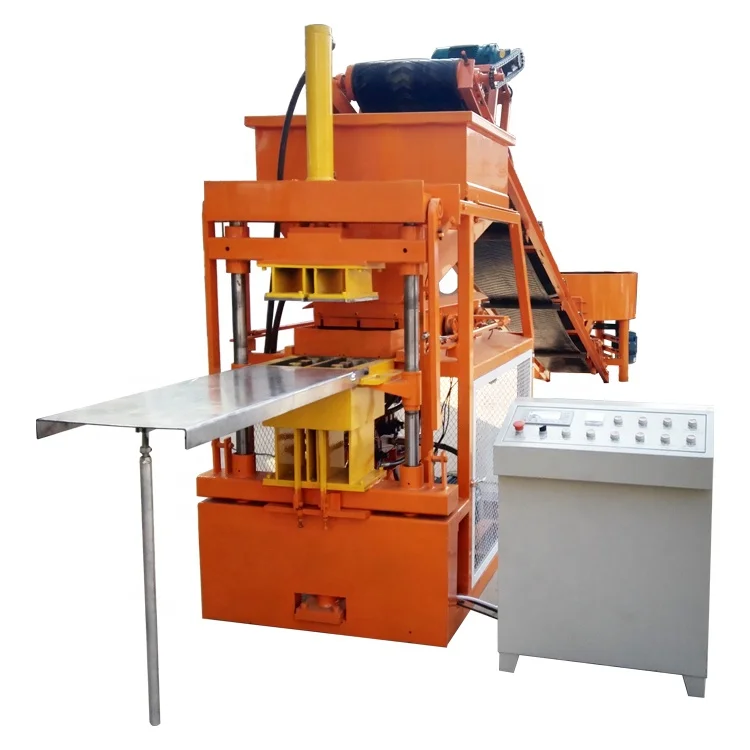
| Overall Dimensions (L×W×H) | 1660 × 1400 × 2380 mm |
| Net Weight | 1300 kg |
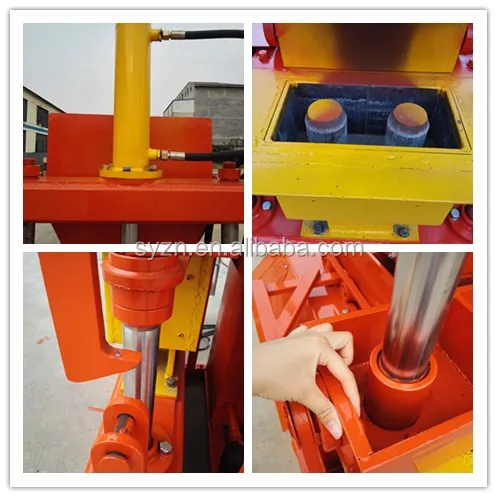
| Hydraulic Pressure | 16–21 MPa |
| Cycle Time | 10–15 s per press |
| Output Capacity | 4000–6000 pcs/day based on an 8-hour shift (basis not stated in source — confirm block format / material / thickness) |
| Mould Format Examples | 300×150×100 mm: 2 pcs/mould, 720 pcs/h, 5760 pcs/day; 250×125×60 mm: 2 pcs/mould, 720 pcs/h, 5760 pcs/day (basis not stated in source) |
| Pallet Requirement | No pallets required (egg-laying / mobile type) |
| Raw Material Compatibility | Clay + Cement (6–8% cement, 80–90% clay, 3% water) or Full Clay (97% clay, 3% water) |
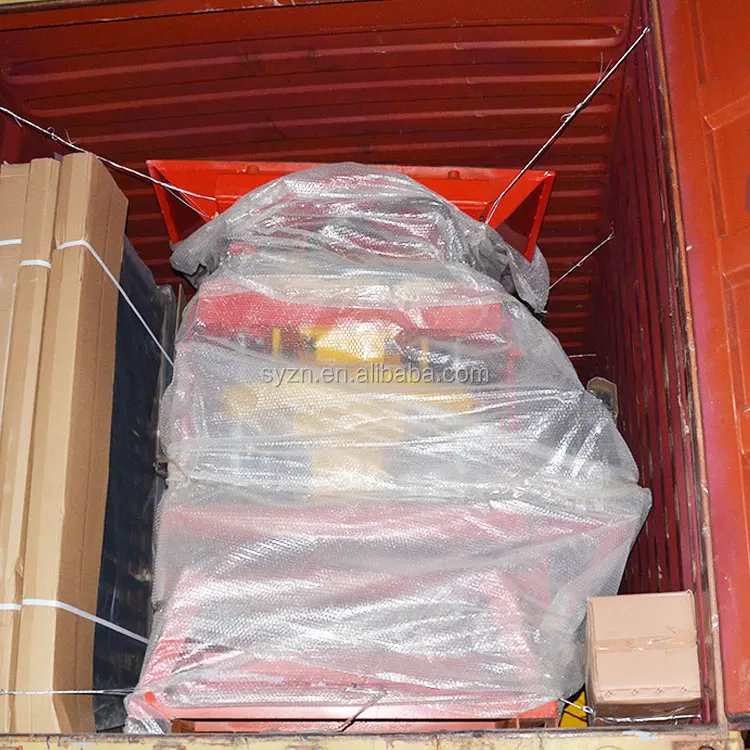
| Assembly State | Fully assembled, nude packing in container or wooden package for LCL |
| Warranty | 1 year (excluding wearing parts) |
Application Suitability
| Application | Material or Output |
|---|---|
| On-site interlocking brick production for building projects | Locally sourced clay mixed with 6–8% Portland cement |
| Rural and low-cost housing construction | Full clay bricks at 97% clay and 3% water, laid directly on prepared ground |
| Mobile paving block production | Clay-cement blends pressed into interlocking paving formats without a fixed plant |
| Entrepreneur-scale block plant start-up | Two-cavity mould output running a single eight-hour shift on clay and cement |
What "4000–6000 Pieces per Day" Leaves Out When Choosing an interlocking clay brick making machine
The output number only matters when it names the exact brick format, mix design, and shift length behind it.
A capacity figure detached from its assumptions leads to disappointment on the first day of production. I have watched project timelines slip because the machine was rated on a lightweight hollow block format while the buyer needed dense interlocking bricks from local clay. The hydraulic pressure and cycle time required for a 300×150×100 mm solid interlocking brick differ markedly from those of a thin paving unit. Without a format-by-format breakdown, you cannot plan curing space, raw material delivery, or masonry crew scheduling with any confidence [NEED_CITE: importance of format-specific capacity documentation for block plants].
Matching Hydraulic Pressure to Clay-Cement Mix Behaviour
The 16–21 MPa hydraulic pressure range on this interlocking clay brick making machine matters because clay-based mixes respond differently to compression than aggregate-based concrete. Clay particles are finer and more plastic, so pressure that is too low leaves internal voids that weaken the brick after curing, while pressure that is too high squeezes out the moisture needed for cement hydration. Setting the pressure within this band according to your specific clay-cement ratio ensures consistent density across every press cycle.
Egg-Laying Operation and What It Eliminates
Because this machine deposits bricks directly onto the ground, there are no pallets to purchase, rotate, clean, or store. For a project site or a start-up plant without an existing pallet fleet, this removes an entire layer of ongoing consumable cost and logistics. The trade-off is that the ground surface must be level and firm enough to accept freshly pressed bricks without deformation, which means some site preparation is still required before production begins [NEED_CITE: ground preparation standards for mobile egg-laying block machines].
Reading the Specifications That Shape Daily Output
The cycle time of 10–15 seconds per press sets the upper boundary of throughput, but real output depends on how fast the operator can reposition the machine between presses. The 7.5 kW electric motor provides sufficient hydraulic pump flow to hold cycle time at the lower end when running a standard clay-cement mix; switching to a full-clay formulation with higher plasticity may push cycle time toward the upper end as the hydraulic system works through a denser material column. The dual power source option — electric motor or 12 HP diesel engine — is relevant for remote construction sites where three-phase grid supply is unavailable or unreliable. Running on diesel means you must factor in fuel consumption and engine maintenance alongside the standard hydraulic and mould wear schedules. The overall footprint of 1660 × 1400 mm keeps the machine within a standard working bay, while the 1300 kg weight means it can be relocated by a site forklift when the production area shifts along a large project [NEED_CITE: site logistics planning for mobile block production equipment].
The Cost of Skipping Format-Specific Validation
Ordering a machine without confirming which brick format was used to calculate the quoted capacity often surfaces as a shortfall within the first week. The operator notices that each cycle takes longer than the brochure suggested, and the daily count at the end of the shift falls below the number used to justify the purchase. When the local clay contains more silt than the test sample the factory used, the mix may not release cleanly from the mould, adding manual cleaning time that further erodes output. These mismatches are avoidable when the supplier provides a capacity sheet that names the exact format, mix ratio, and cycle assumption behind every figure [NEED_CITE: common causes of output shortfall in clay brick production].
Why Buyers Source This Machine Here
Block machinery is the single focus of this manufacturing operation, so the machine, mould, and handling method are specified as one system rather than assembled from unrelated components. The mould design covers the interlocking formats your local market actually uses, and custom mould drawings can be produced to buyer specifications. Configuration is set against your actual clay source and target brick dimensions, not a catalogue default. Automation level is selectable — a buyer can begin with manual operation and move to semi-automatic or automatic control as production volume grows. Installation and commissioning support includes operator training so the crew understands how hydraulic pressure and cycle settings interact with the local mix.
Documentation & Verification
- Capacity calculation sheet stating the exact brick format and mix ratio assumed for each output figure
- Mould drawing and format list confirming available interlocking sizes and custom mould feasibility
- Hydraulic and electrical schematic matching the voltage and frequency confirmed for your site
- Raw material mix design sheet calibrated to your local clay properties and cement availability
- Factory test record using the agreed brick format before the machine is packed for shipment
Installation, Commissioning & Support
- Requires a level, compacted ground surface of at least 20 m² to accommodate the 1660 × 1400 mm footprint and brick lay-down area
- Confirm 380V three-phase 50Hz supply or arrange diesel fuel storage for the 12 HP engine option before delivery
- Machine ships fully assembled; only hydraulic hose connections and control panel wiring require on-site completion
- First-run commissioning includes hydraulic pressure calibration between 16 and 21 MPa matched to your clay-cement mix
- Operator training covers mould change procedure, cycle time adjustment, and daily hydraulic fluid inspection
- One-year warranty covers mechanical and hydraulic components; wearing parts list provided with recommended stock quantities
What to Share Before Requesting a Quotation
To receive a configuration that matches your actual site conditions, share the target interlocking brick dimensions your project or market requires, the results of a basic soil test on your local clay, and whether three-phase grid power is available. Include the daily brick count your schedule demands so the capacity calculation can be built around your specific format rather than a generic figure.
Frequently Asked Questions
Q: How is daily capacity calculated for each block format, and what cycle time is assumed?
A: Daily capacity is derived from the cycle time per press, the number of cavities in the mould, and the effective operating minutes in an eight-hour shift after deducting repositioning and mould-cleaning intervals. For the 300×150×100 mm two-cavity mould, the calculation uses the stated 10–15 second cycle range. Request a format-specific capacity sheet that shows the math behind the number so you can verify it against your own shift plan.
Q: Which clay-cement ratio produces the required block strength for my local building code?
A: The machine is compatible with a clay-cement blend of 80–90% clay, 6–8% cement, and 3% water, as well as a full-clay mix at 97% clay and 3% water. The correct ratio for your building code depends on the compressive strength your local standard requires and the plasticity index of your clay source. A mix design sheet based on your actual soil sample is the reliable way to confirm the ratio before committing to production.
Q: Can the machine run on diesel if my site has no stable three-phase power supply?
A: Yes, the machine is available with a 12 HP diesel engine as an alternative to the 7.5 kW electric motor. Diesel operation is suited to remote construction sites or locations where grid voltage fluctuates beyond the tolerance of a standard industrial motor. Factor in regular engine maintenance and fuel supply logistics when choosing this configuration over electric drive.
Q: How long does a mould change take, and are custom mould drawings available?
A: The source does not state a specific mould change time, so this should be confirmed during the inquiry stage. Custom mould drawings can be produced to buyer specifications, allowing you to order interlocking profiles that match the brick formats your local construction market demands rather than being limited to standard catalogue sizes only.
Q: What wearing parts should I stock for the first year, and what is covered under warranty?
A: The one-year warranty covers mechanical and hydraulic components but excludes wearing parts such as mould liners and hydraulic seals. A wearing parts list with recommended first-year stock quantities is provided with the machine documentation. Confirm this list matches your planned shift intensity so you can order spares before the first replacement is due.