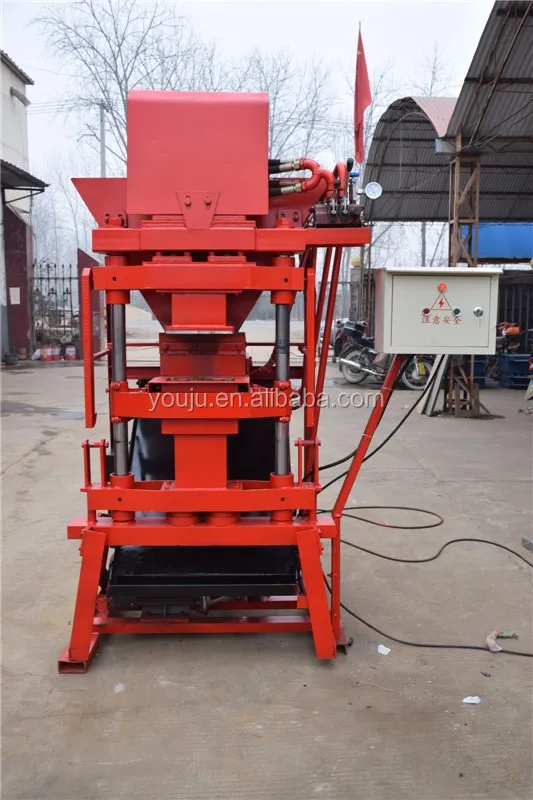
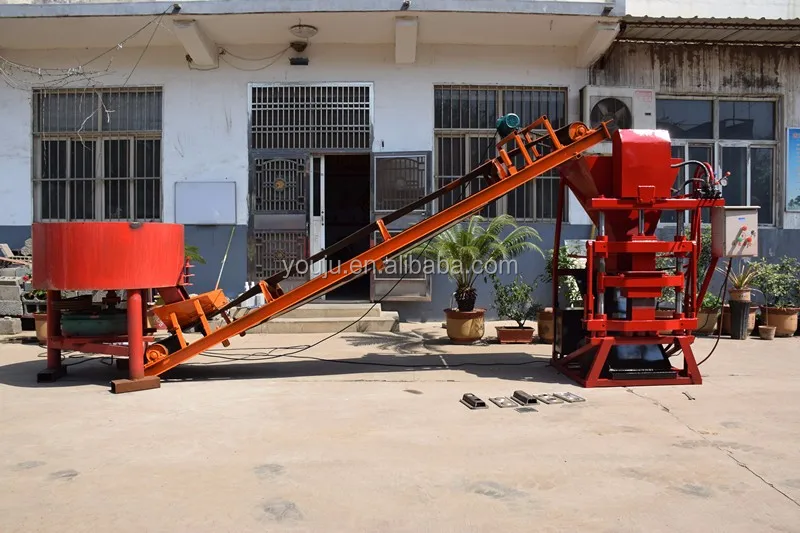
Description
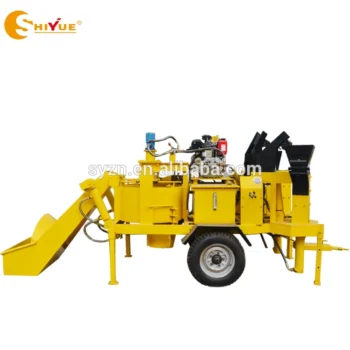
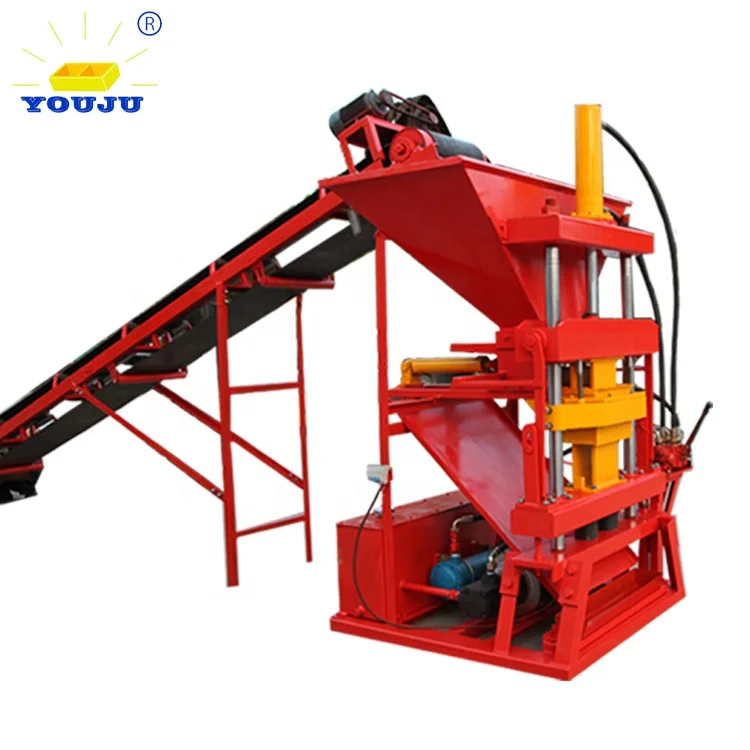
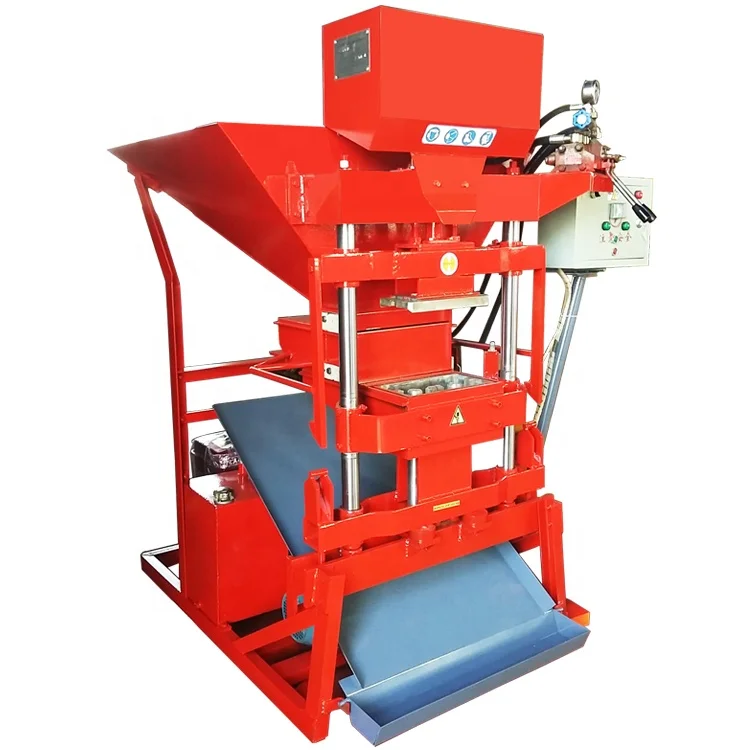
Format-Specific Capacity Validation — The ECO 2700 is sized against the exact interlocking brick profile and clay mix the buyer intends to run, ensuring daily output reflects real-world moulding conditions rather than generic catalogue claims.
Technical Specifications
| Parameter | Value |
|---|---|
| Model | ECO 2700 |
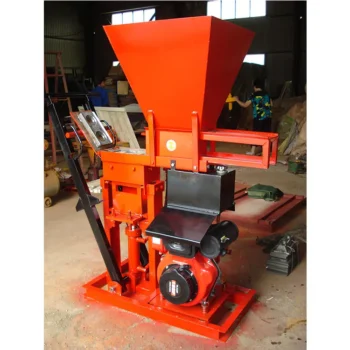
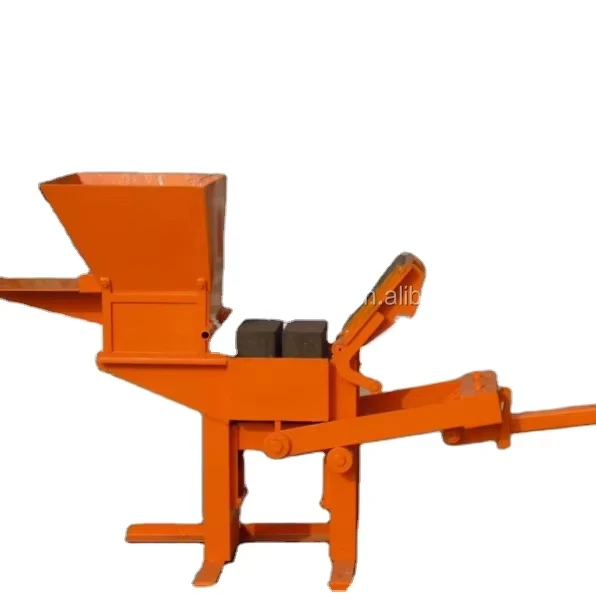
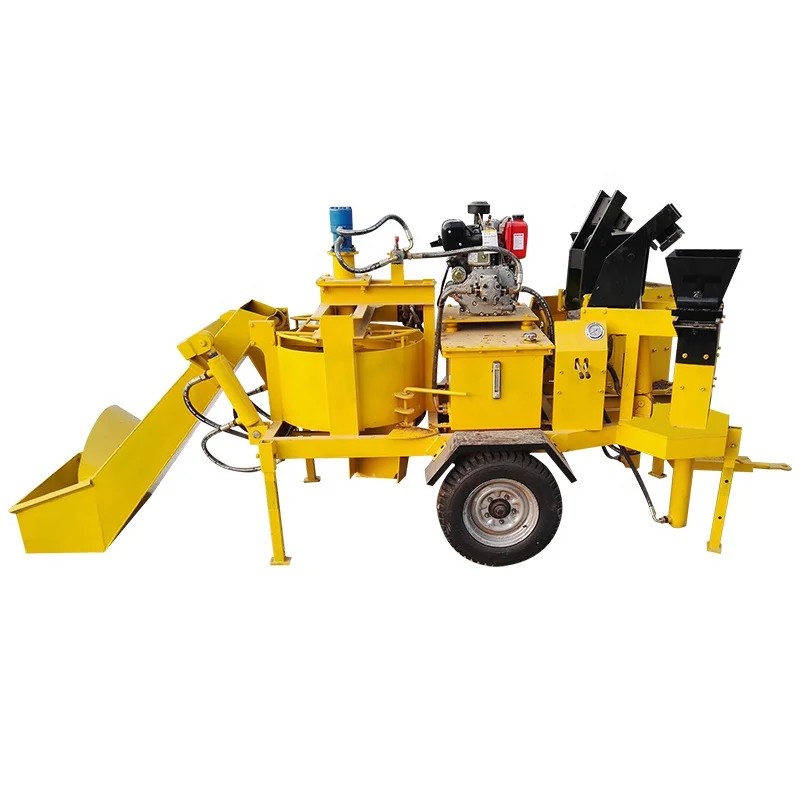
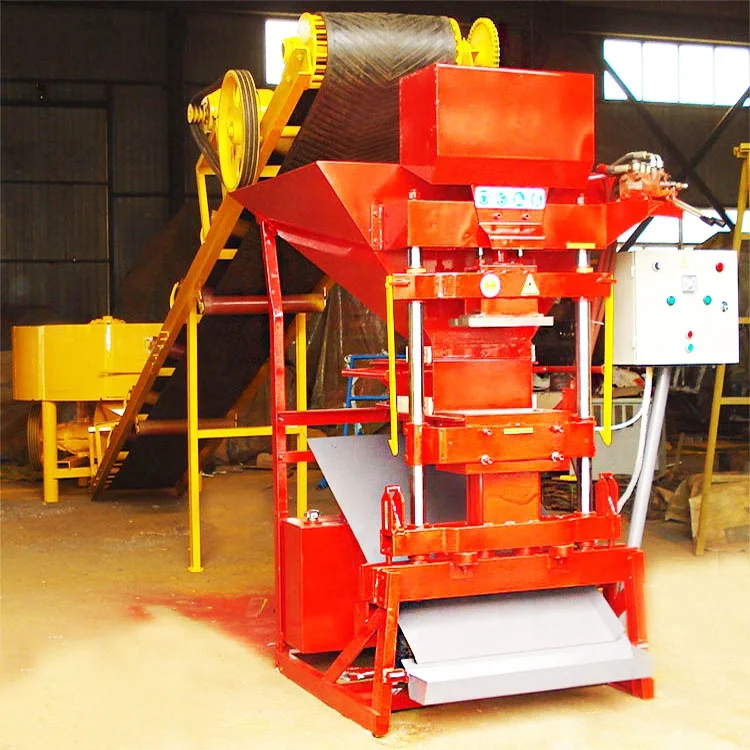
| Product Type | Hydraulic Clay Interlocking Brick Making Machine |
| Rated Power | 7.5 kW electric motor or 12 hp diesel engine |
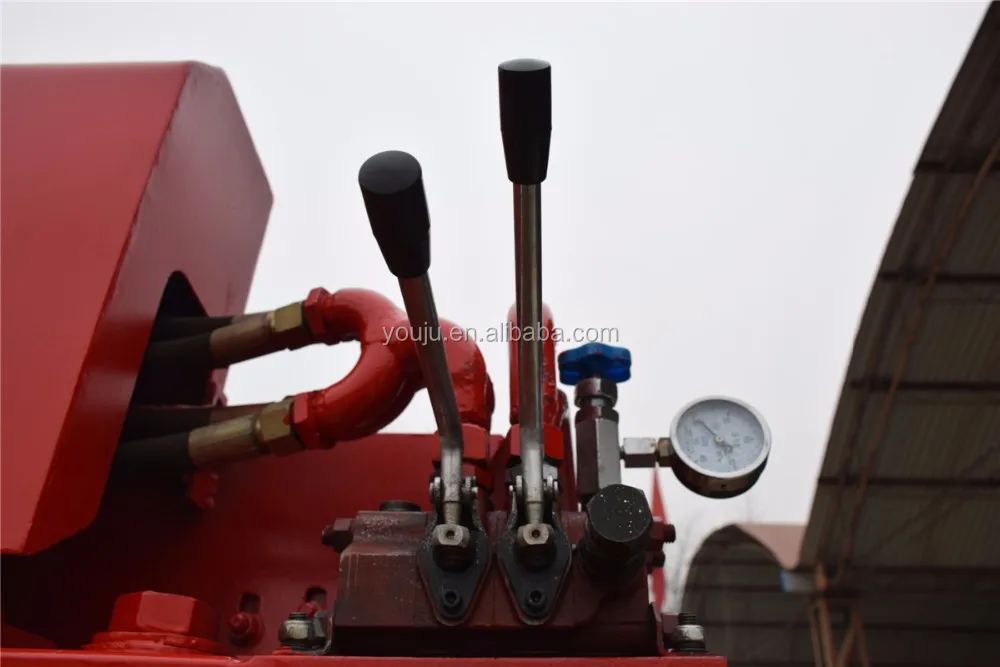
| Hydraulic Pressure | 16 MPa |
| Molding Cycle | 10 s |
| Output Capacity | 2,800 pcs / 8 h (basis not stated in source — confirm block format / material / thickness) |
| Machine Weight | 900 kg |
| Overall Dimensions (L×W×H) | 1,600 × 1,300 × 2,330 mm |
| Raw Material Compatibility | clay, soil, earth, mud, concrete, sand, cement, fly ash |
| Water Consumption | 4 t / day |
| Labor Requirement | 3–4 workers |
| Workshop Area | 150 m² |
| Automation Level | automatic material feeding, mould pressing and mould lifting |
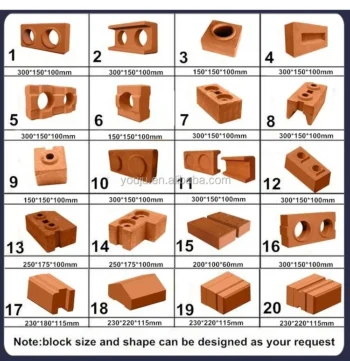
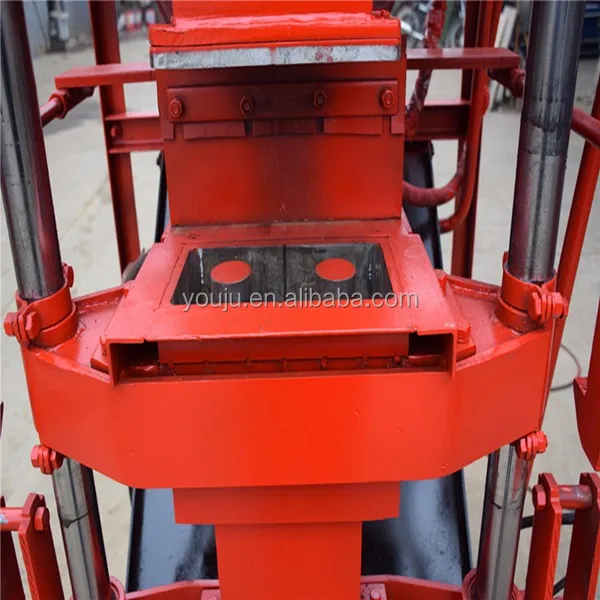
| Mould System | interchangeable moulds for varied block, brick and paver formats |
Application Suitability
| Application | Material or Output |
|---|---|
| On-site housing project brick production | Locally excavated clay or soil mixed with cement stabiliser |
| Small brick plant adding interlocking formats | Clay, fly ash and sand blends with 5–10% cement addition |
| Rural and off-grid construction sites | Diesel-powered operation with minimal water supply infrastructure |
| Paving and kerb production for local contractors | Concrete and sand mixes pressed in interchangeable paving moulds |
What the "2,800 Bricks per Day" Figure Actually Means
Capacity is only meaningful when the block format, mix density and cycle sequence are stated alongside it.
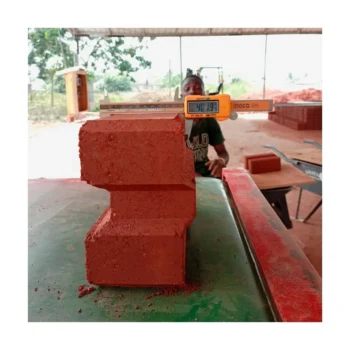
A clay interlocking brick machine specifications sheet that quotes a single daily output without naming the brick dimensions or wall thickness leaves buyers guessing whether that number applies to a 300×150×100 mm interlock or a thinner paver. In my experience sending machines to laterite-rich regions, the same press running a sandy clay at lower compaction pressure will produce noticeably fewer saleable bricks per shift than the same press running a well-graded red soil [NEED_CITE: effect of soil gradation on compaction output]. The buyer who skips the format-specific capacity check often discovers the gap only after the first production week.
Matching Hydraulic Pressure to Your Clay Density
The ECO 2700 delivers 16 MPa of hydraulic pressure, a rating that suits medium-density clay and stabilised soil mixes. When the raw material contains a high proportion of fine silt or expansive clay, the pressure must be paired with an appropriate moisture window so the brick releases cleanly from the mould. A clay interlocking brick machine specifications review should always cross-reference the hydraulic rating with the buyer’s actual soil test result, not assume a universal default.
Interchangeable Moulds and Format Flexibility
The mould system on the ECO 2700 accepts interchangeable inserts, allowing a single press to produce interlocking bricks, standard solid bricks and paving formats. Mould changeover involves lifting the upper platen, unbolting the current insert, and seating the new one — a sequence that takes one operator a portion of a shift when done carefully. Buyers planning to run three or four formats should confirm which profiles are included in the initial quotation and which are optional extras [NEED_CITE: mould interchange practices for hydraulic clay presses].
Reading the Specs That Actually Matter
A 10-second moulding cycle sounds straightforward, but the real throughput depends on how quickly the operator or feeder can charge the mould box with the next batch. The automatic feeding and lifting sequence on the ECO 2700 removes the heaviest manual steps, yet the mixing and curing stages upstream and downstream still set the pace. Hydraulic pressure at 16 MPa must be matched with vibration or static dwell time appropriate to the mix — too little compaction and the brick crumbles during curing, too much and the interlocking tongues shear off at demoulding. The 7.5 kW electric motor draws roughly 10 A at 380 V three-phase, while the 12 hp diesel option suits sites without grid power. Workshop area of 150 m² covers the press and raw material staging but excludes curing racks, which typically double the footprint.
The Hidden Cost of Skipping a Soil Test
Sending a machine configured for standard red soil to a site where the local clay is highly sandy or saline leads to bricks that crack during sun curing or fail compressive strength tests. I have seen production rates drop to a fraction of expectations because the mix design was never validated against the actual excavated material [NEED_CITE: brick failure rates from unverified soil compatibility]. Re-formulating the mix and ordering a new mould set after arrival costs weeks of downtime and erodes buyer confidence.
Why Buyers Spec Here
The ECO 2700 is proposed only after the buyer’s target brick format and local raw material are confirmed, not quoted from a generic price list. Mould drawings are reviewed against the interlocking profile the buyer’s market actually sells, and custom profiles can be engineered from buyer-supplied sketches. The automation level is selectable, so a first-time producer can start with manual pallet handling and add automatic stacking later. Voltage, frequency and control language are documented in writing before production begins, reducing commissioning delays on arrival. Factory testing uses the buyer’s confirmed mix wherever samples are available.
Documentation & Verification
- Line layout with capacity calculation stating the exact interlocking brick format assumed
- Mould drawing and format list showing included and optional interlocking profiles
- Factory test record demonstrating cycle time and brick density on confirmed mix
- Hydraulic and electrical schematic with voltage and frequency locked to buyer’s grid
- Operation and maintenance manual in buyer’s requested language
- CE declaration documentation where applicable to destination market
Installation, Commissioning & Support
- 150 m² workshop floor must be level concrete capable of supporting 900 kg static load
- 7.5 kW motor requires dedicated three-phase circuit; diesel option needs ventilated fuel storage
- Machine ships partially assembled; on-site bolting of hydraulic frame and mould platen
- First-run commissioning includes cycle timing verification at buyer’s target brick format
- Operator training covers mould changeover, hydraulic pressure adjustment and daily greasing points
- Wear parts list identifies seal kits and mould liners with reorder part numbers
Starting the Conversation
Buyers evaluating a clay interlocking brick machine specifications package should begin by sharing the target brick dimensions, the interlocking profile required by local building codes, and a representative soil sample or lab test result. Confirming the local voltage and frequency upfront avoids rewiring costs after delivery. If the site lacks grid power, stating that early allows the diesel engine option to be included in the initial proposal rather than added as a costly afterthought.
Frequently Asked Questions
Q: How is the 2,800 pcs/8 h capacity verified, and which block format does it assume?
A: That figure appears in supplier documentation without a stated format basis. Before purchase, buyers should request a capacity table that lists output separately for each interlocking profile they intend to run, such as 300×150×100 mm or 250×125×75 mm, confirmed against their own mix design.
Q: Which interlocking brick profiles can the mould set produce?
A: The ECO 2700 accepts interchangeable mould inserts for multiple interlocking and standard brick formats. The exact profiles included depend on the initial quotation; custom profiles can be manufactured from buyer drawings. Confirm the full format list and changeover procedure before ordering.
Q: How should the machine be configured for my local clay or soil mix?
A: Configuration starts with a soil sample test to determine clay content, sand fraction and plasticity. Hydraulic pressure and moisture targets are then set to match. Skipping this step risks low brick strength and high breakage during curing, as I have seen on laterite and sandy-clay sites.
Q: What voltage and control language options are available?
A: Voltage and frequency must be confirmed in writing before production to match the buyer’s local grid standard. Control display language is specified at the same stage. These details are documented in the electrical schematic and commissioning checklist to avoid delays on arrival.
Q: What is the realistic workshop footprint including curing area?
A: The press itself occupies part of a 150 m² workshop, but curing racks and raw material storage typically require additional space. Buyers should plan for at least double the press footprint to accommodate wet brick staging, especially in humid climates where curing takes longer.