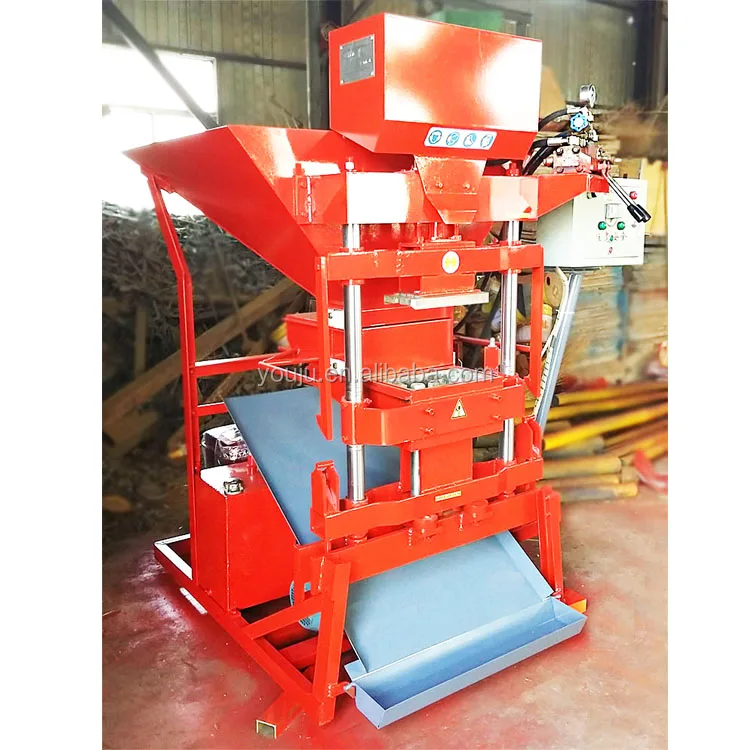
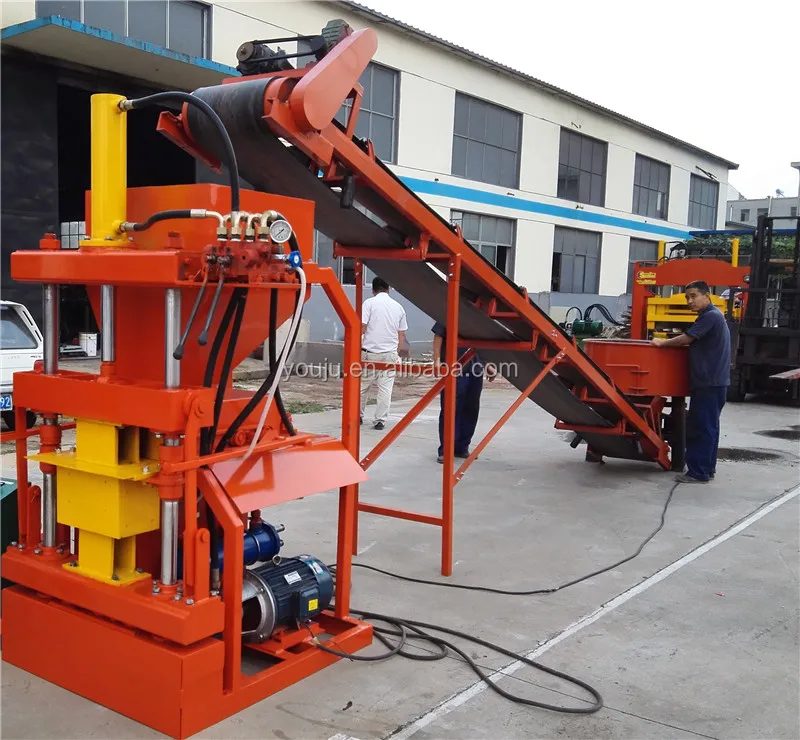
Description
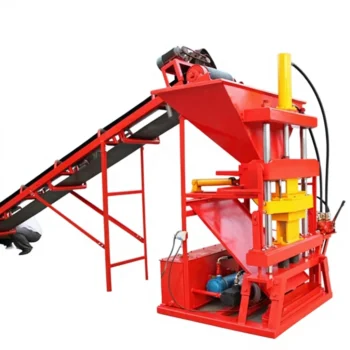
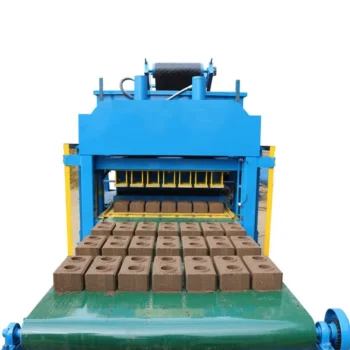
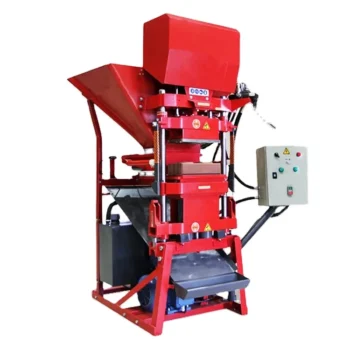
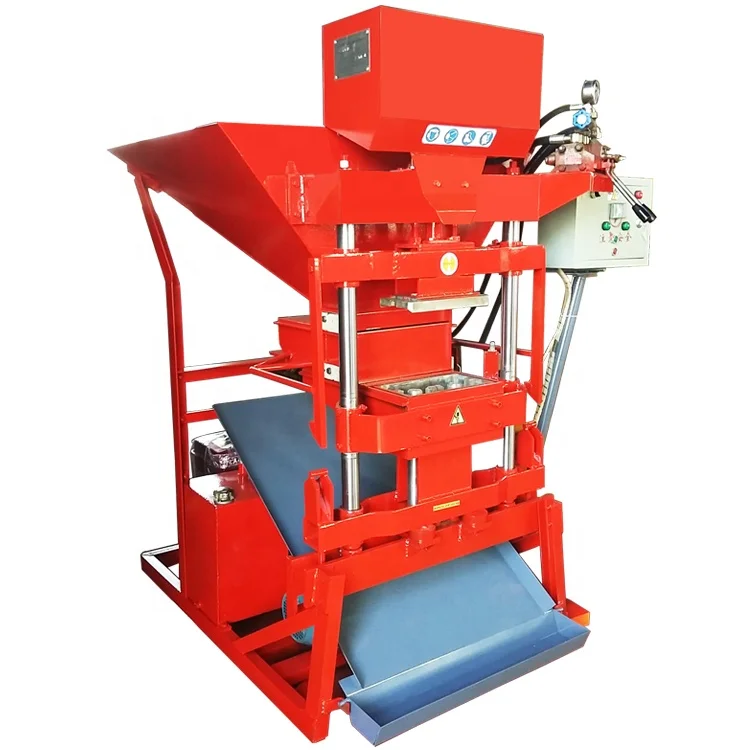
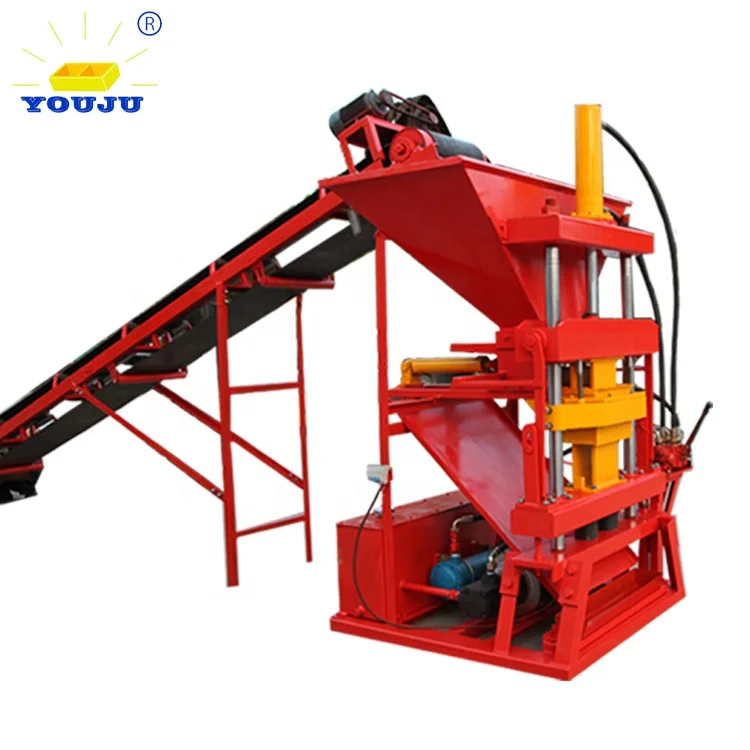
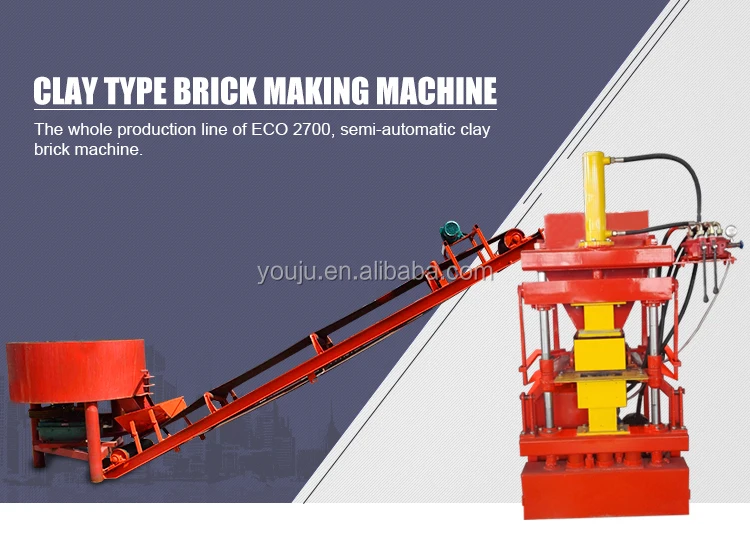
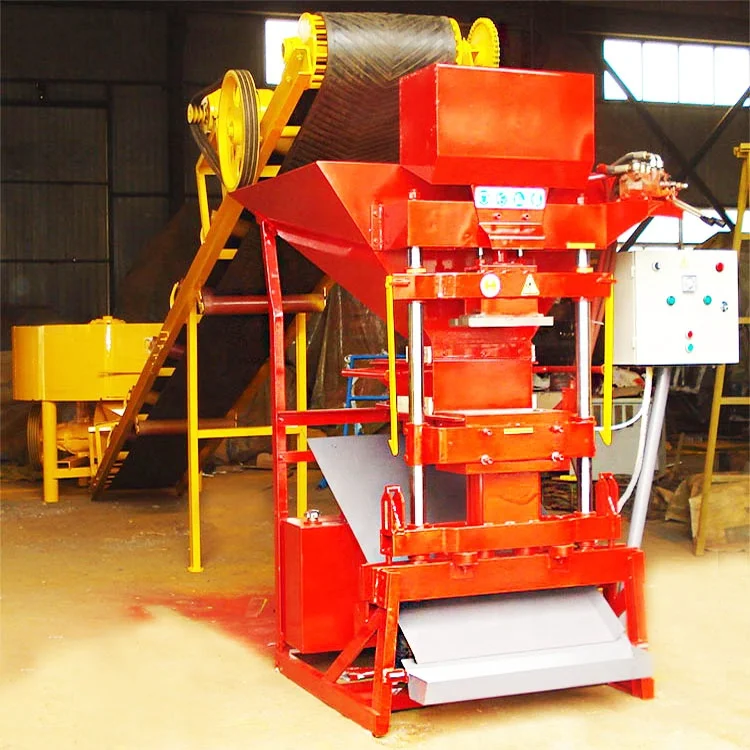
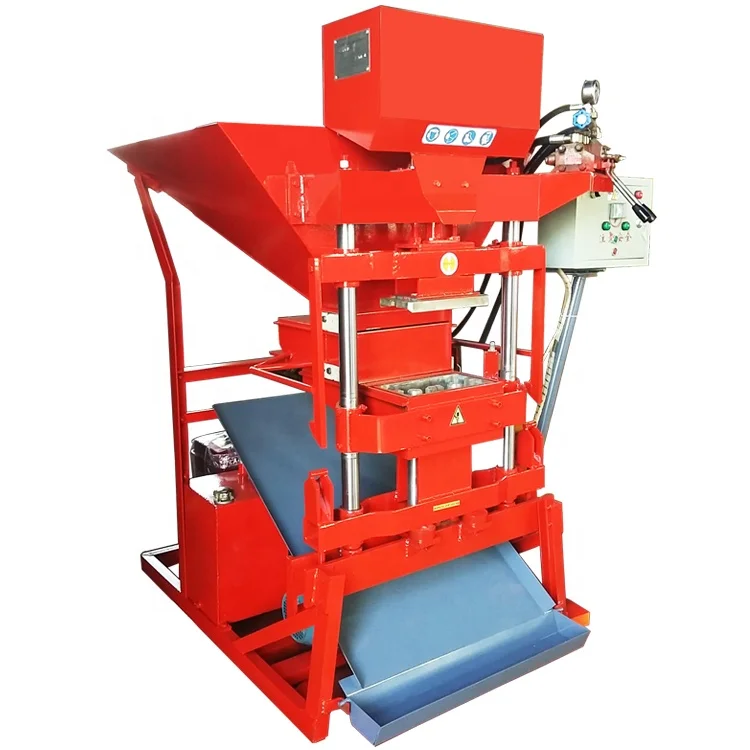
Hydraulic Pressure Matched to Soil — the ECO 2700 delivers 16 MPa molding force configured around your local clay mix rather than a generic catalog default.
Technical Specifications
| Parameter | Value |
|---|---|
| Model | ECO 2700 |
| Product Type | Clay Soil Interlocking Brick Making Machine |
| Rated Power | 7.5 kW electric motor or 12 hp diesel engine |
| Hydraulic Pressure | 16 MPa |
| Molding Cycle | 10 s |
| Output Capacity | 350 pcs/h, 2,800 pcs per 8-hour shift (basis not stated in source — confirm block format and mix) |
| Mould Format | 300×150×100 mm / 250×125×75 mm interlocking brick (interchangeable) |
| Raw Material | Clay, soil, earth, mud, concrete, sand, cement, fly ash |
| Overall Dimensions (L×W×H) | 1,600 × 1,300 × 2,330 mm |
| Net Weight | 900 kg |
| General Water Consumption | 4 t / day |
| Workers Required | 1–3 |
| Workshop Area | 150 m² |
| Automation Level | Automatic (feeding, mould pressing, mould lifting) |
| Power Source Option | Electric motor or diesel engine |
| Warranty | One year |
Application Suitability
| Application | Material or Output |
|---|---|
| On-site rural housing projects | Local clay or soil with cement stabilizer |
| Small-scale interlocking brick plants | Clay-earth mix producing 300×150×100 mm bricks |
| Community development contractors | Soil-cement interlocking bricks at 250×125×75 mm |
| Building material distributors adding formats | Sand, fly ash, or cement-based interlocking profiles |
| First-time brick plant entrepreneurs | Single-format production with low initial capital |
What "2,800 Bricks per Shift" Actually Assumes
Capacity numbers only mean something when tied to a specific block format and mix design.
I once worked with a Southeast Asian buyer who ordered an automatic clay interlocking brick machine based on the brochure figure alone. His local soil had a high sand content, and the hydraulic pressure was never matched to that mix. The bricks cracked during sun drying, and real daily output dropped to roughly half the quoted number. That experience changed how I approach every clay interlocking brick machine specifications inquiry — format first, then mix, then machine. The ECO 2700 quotes 350 pieces per hour assuming one piece per mould in a defined size, but if your soil-cement ratio differs or your target brick is thicker, the cycle behavior changes [NEED_CITE: soil-cement stabilization ratios for interlocking brick production].
Mould Format Defines Your Real Daily Output
The ECO 2700 ships with interchangeable moulds for 300×150×100 mm and 250×125×75 mm interlocking brick profiles. Each mould produces one brick per cycle at a 10-second molding interval. The critical point is that these two formats behave differently under compression: the larger format demands more from the hydraulic system and the soil mix, while the smaller format typically achieves higher density with less pressure. When evaluating clay interlocking brick machine specifications, buyers should confirm which format drives their local market demand before locking in the configuration.
Hydraulic Pressure and Soil Mix Must Agree
A 16 MPa hydraulic system provides adequate compaction force for most clay-soil-cement blends used in interlocking brick production. However, the effective result depends on whether your local clay is high in silt, sand, or organic matter. A sandy soil may require a different cement percentage and longer dwell time under pressure compared to a heavy clay. The ECO 2700 allows operators to adjust the pressing cycle within its automatic sequence, but the starting point must come from a tested sample of your raw material [NEED_CITE: hydraulic compaction requirements for different soil classifications].
Reading the Specifications Beyond the Brochure
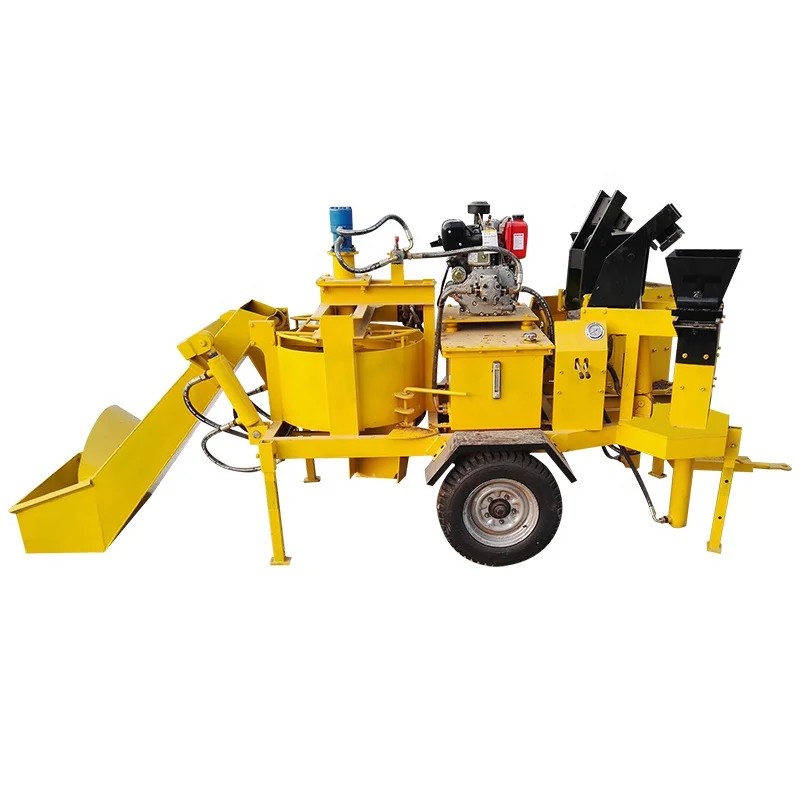
The 7.5 kW electric motor or 12 hp diesel engine option addresses a real constraint on project sites where grid supply is unreliable or absent. Diesel power means the machine can operate independently during early-stage construction before electrical infrastructure is in place. The 150 m² workshop area requirement is modest, suitable for a covered production zone rather than a dedicated factory building. At 900 kg net weight with overall dimensions of 1,600 × 1,300 × 2,330 mm, the ECO 2700 can be positioned on a leveled concrete pad without heavy foundation work. The automatic feeding, pressing, and mould lifting sequence reduces the operator’s physical workload, though one to three workers are still needed for material handling and brick removal. Water consumption of approximately 4 tonnes per day reflects the moisture needed for soil-cement stabilization during continuous production.
The Cost of Skipping the Mix Test
When a buyer orders based on cycle speed alone and skips sending a soil sample, the consequences appear weeks after commissioning. Bricks that look fine coming off the press develop hairline cracks during curing because the compaction force did not match the material’s plasticity. The mould may produce a clean profile, but the brick crumbles under handling. I have seen contractors on tight project deadlines lose entire production runs to this mismatch, forcing them to source alternative clay from farther away at additional transport cost [NEED_CITE: common failure modes in soil-cement brick production].
Why Source This Machine Through Our Process
Block machinery is our single focus, so the ECO 2700 is never sold as a standalone press disconnected from its mould and material context. We configure the hydraulic pressure against your actual soil sample and target brick format before production begins. Mould design covers the interlocking profile your market sells, and custom drawings are available when local building codes specify non-standard dimensions. Automation level starts at the automatic feeding and pressing cycle the ECO 2700 provides, with a path to add pallet handling or stacking equipment as your operation grows. Installation includes on-site commissioning and operator training so the team understands how to adjust cycle parameters when raw material batches vary.
Documentation & Verification
- Line layout with capacity calculation stating the interlocking brick format assumed
- Mould drawing confirming the interlocking profile matches your market standard
- Hydraulic and electrical schematic for ECO 2700 specific to your voltage requirement
- Factory test record on your soil-cement mix before dispatch
- Operation and maintenance manual with mould and wear parts list
- Packing photographs and customs documentation support for shipment
Installation, Commissioning & Support
- Level concrete pad within the 150 m² workshop area before the 900 kg unit arrives
- Electrical supply matching the 7.5 kW motor rating with a dedicated circuit breaker
- Diesel engine option for sites lacking stable grid power during early construction
- Hydraulic pressure verification against your soil sample during on-site commissioning
- Operator training on mould change procedure between the two interlocking formats
- Wear parts and mould replacement list with lead time confirmed before shipment
Before You Send an Inquiry
To match the ECO 2700 to your project, we need your target interlocking brick format, a sample or description of your local clay or soil, and the daily volume you plan to produce. Confirm whether your site has stable grid electricity at 50 Hz or 60 Hz, or whether the diesel engine option is necessary. If you already have curing racks or pallets on site, share those dimensions so the output handling can be planned around your existing setup.
Frequently Asked Questions
Q: How is the 2,800 pieces per 8-hour shift capacity calculated for the ECO 2700?
A: That figure assumes one brick per mould at a 10-second molding cycle, running continuously for eight hours. The calculation does not account for material preparation time, mould changes, or breaks. Real output depends on which interlocking format you produce and how your soil-cement mix responds to the 16 MPa hydraulic pressure.
Q: Can the ECO 2700 hydraulic pressure be adjusted for different soil types?
A: The 16 MPa system provides a baseline compaction force suitable for most clay-soil-cement blends. Operators can adjust cycle parameters within the automatic sequence. For reliable results, send a soil sample before ordering so the machine configuration matches your material’s plasticity and sand content.
Q: What mould formats does the ECO 2700 support and how quickly can they be changed?
A: Standard interchangeable moulds cover 300×150×100 mm and 250×125×75 mm interlocking brick profiles. Custom moulds are available for non-standard dimensions. Mould change time depends on operator familiarity and whether the necessary tools are kept at the press station.
Q: Is the ECO 2700 configured for 50 Hz or 60 Hz power supply?
A: Voltage and frequency must be confirmed before production so the 7.5 kW motor and control components match your site’s electrical infrastructure. Specify your local standard during the inquiry stage to avoid commissioning delays after delivery.
Q: Does the quotation include pallets and curing equipment for the ECO 2700?
A: The standard quotation covers the machine, mould, and automatic pressing cycle. Pallets, curing racks, and stacking equipment are specified separately based on your workshop layout and existing forklift capacity. Confirm these requirements early so the complete line is planned together.