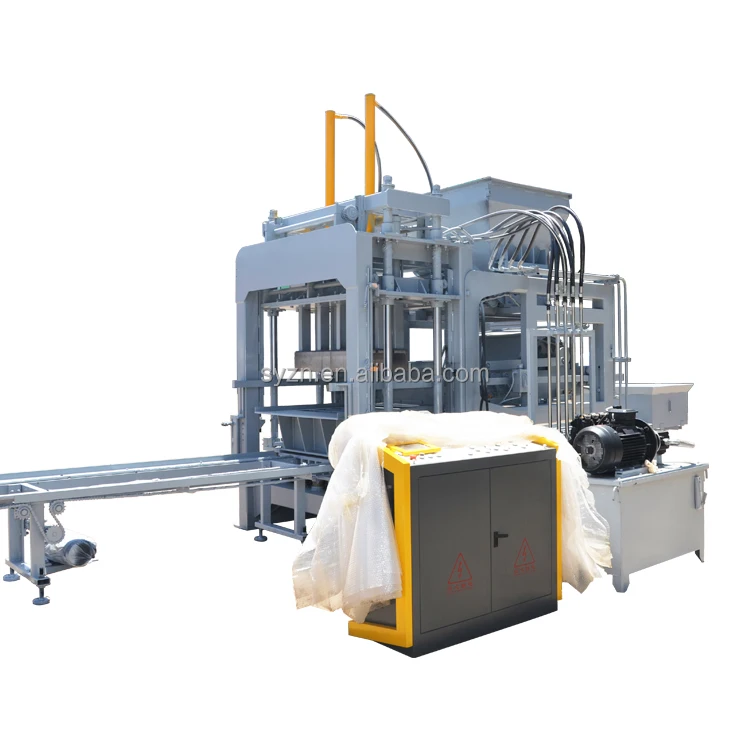
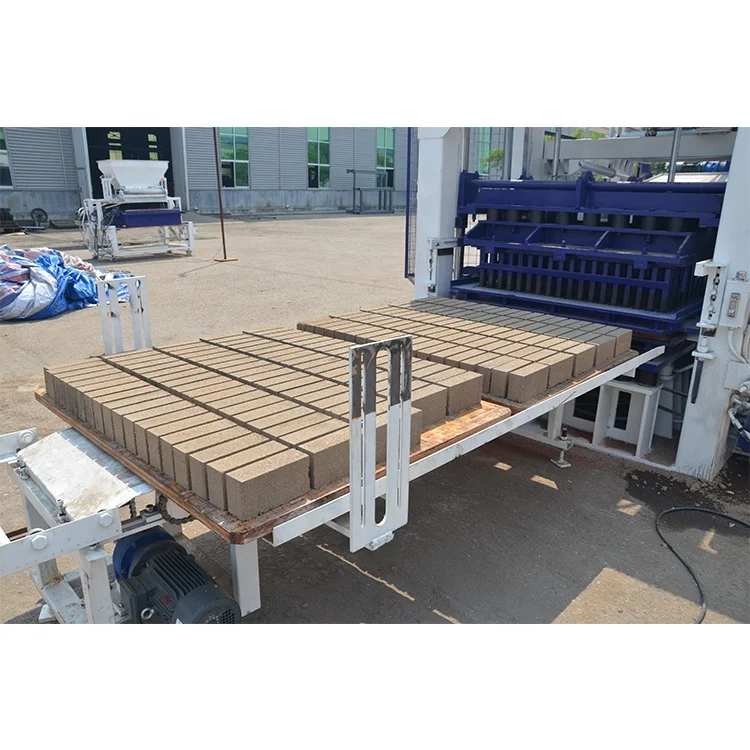
Description
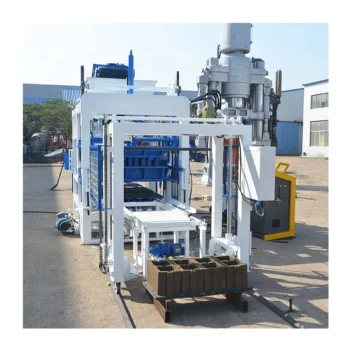
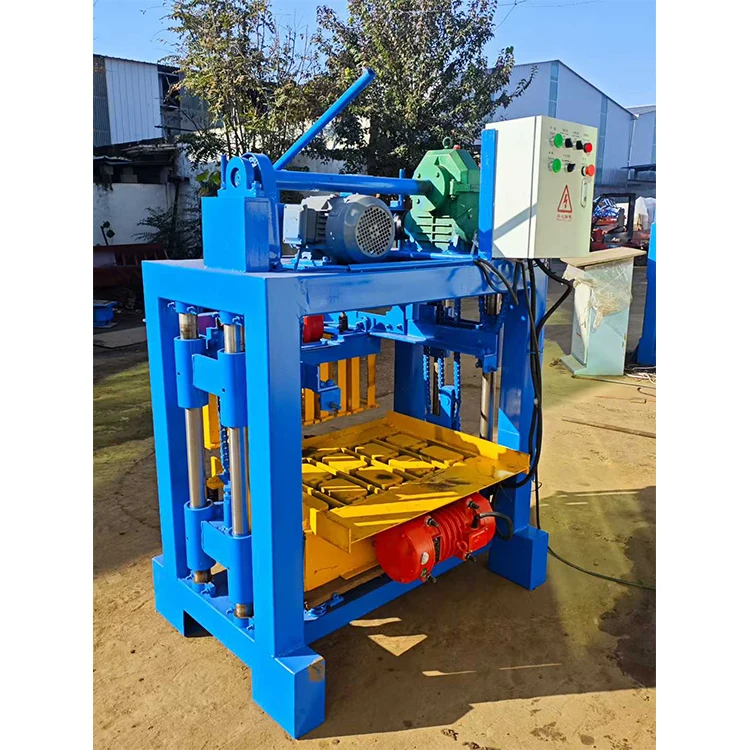
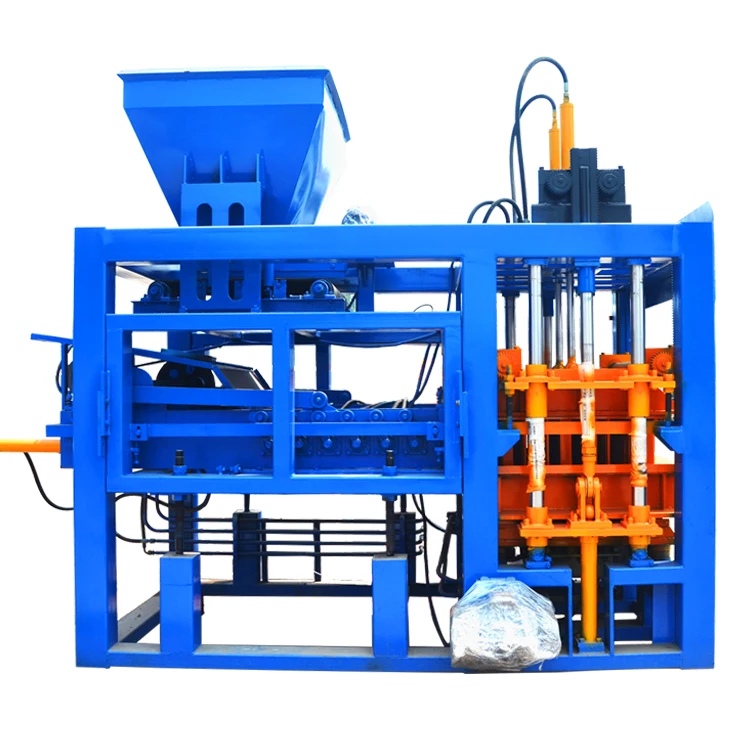
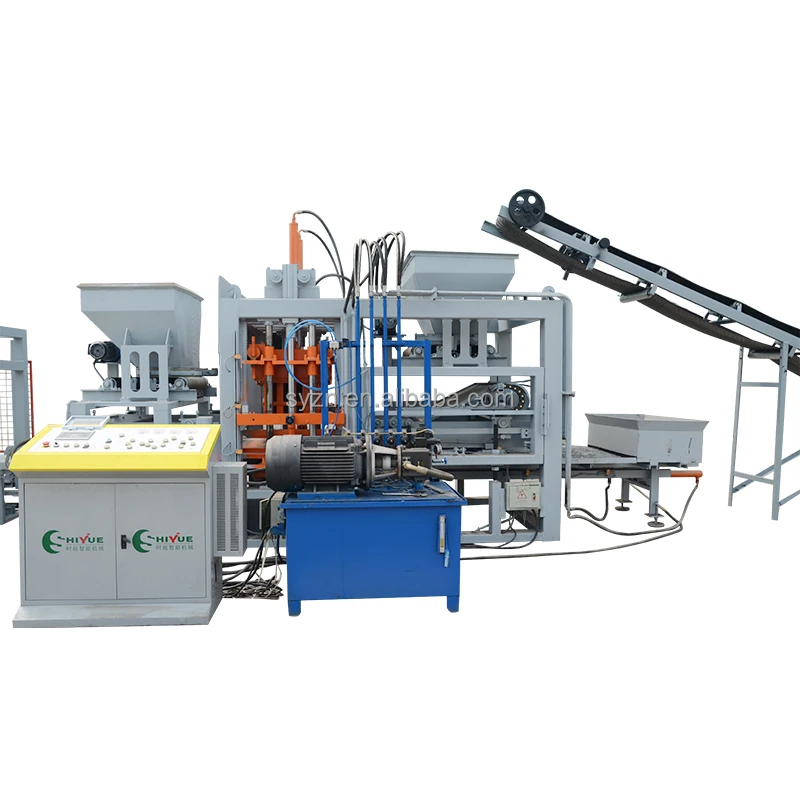
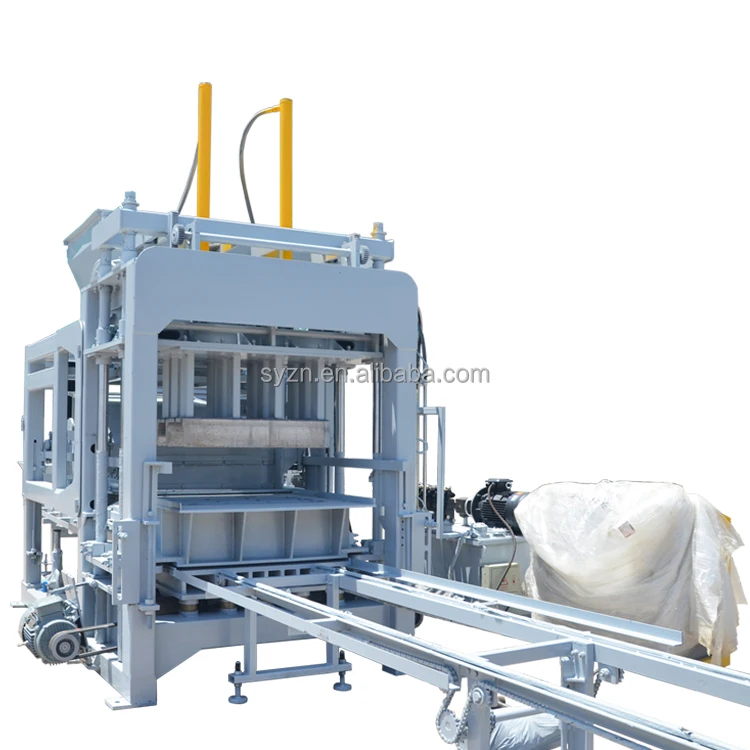
Configuration set against the buyer’s actual mix design — every QT7-15 block machine ships with vibration force, hydraulic pressure, and pallet size matched to the specific block format your market actually sells, not a catalogue default.
Technical Specifications
| Parameter | Value |
|---|---|
| Model | QT7-15 |
| Product Type | Automatic Concrete Block Making Machine |
| Dimension of Host Machine | 3200 × 2300 × 2750 mm |
| Weight of Host Machine | 6 Tons |
| Molding Area | 1150 × 700 mm |
| Workshop Area Required | 200 m² |
| Host Machine Power | 45 kW |
| Vibration Force | 100 kN |
| Pallet Size | 1150 × 700 × 25 mm |
| Voltage | 220 / 380 / 415 / 440 V (Customized) |
| Molding Period | 15 seconds per cycle |
| Vibration Method | Hydraulic + Platform Vibration |
| Vibration Frequency | 2800–4500 cycles/min |
| Control System | Original Siemens PLC with independently developed control program |
| Motor Brand | Germany SIEMENS or CE standard brand |
| Travel Switch | France Schneider and Japan Omron |
| Mould Heat Treatment | Carburizing treatment, 54–58 HRC, lifespan over 100,000 cycles |
| Welding Standard | Carbon dioxide protection welding, CE standard materials |
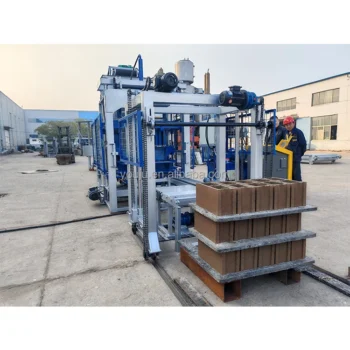
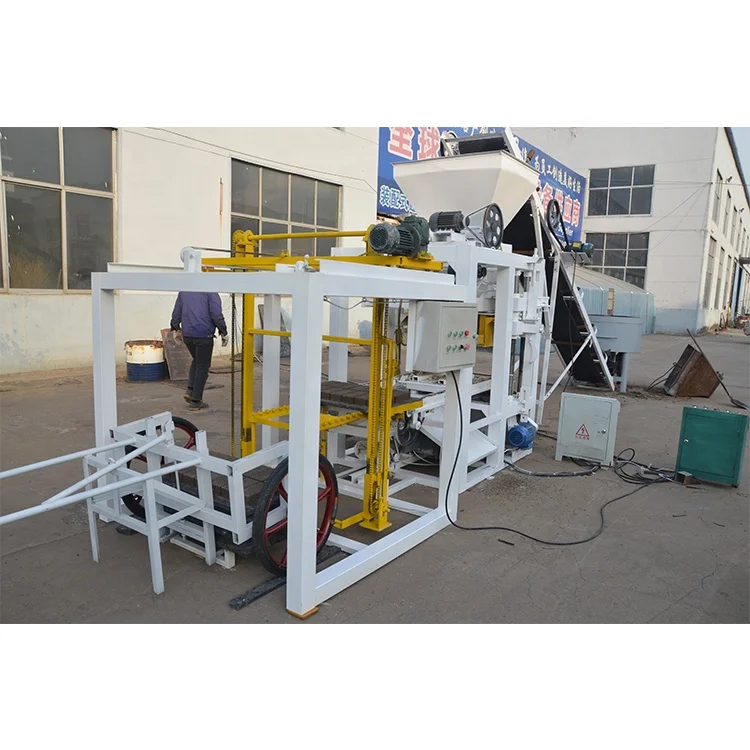
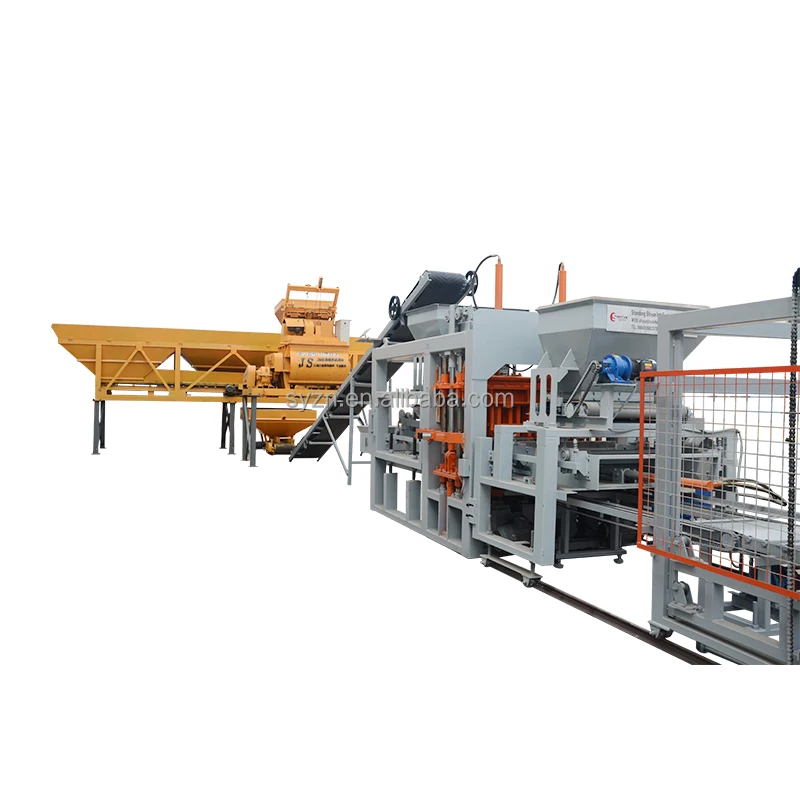
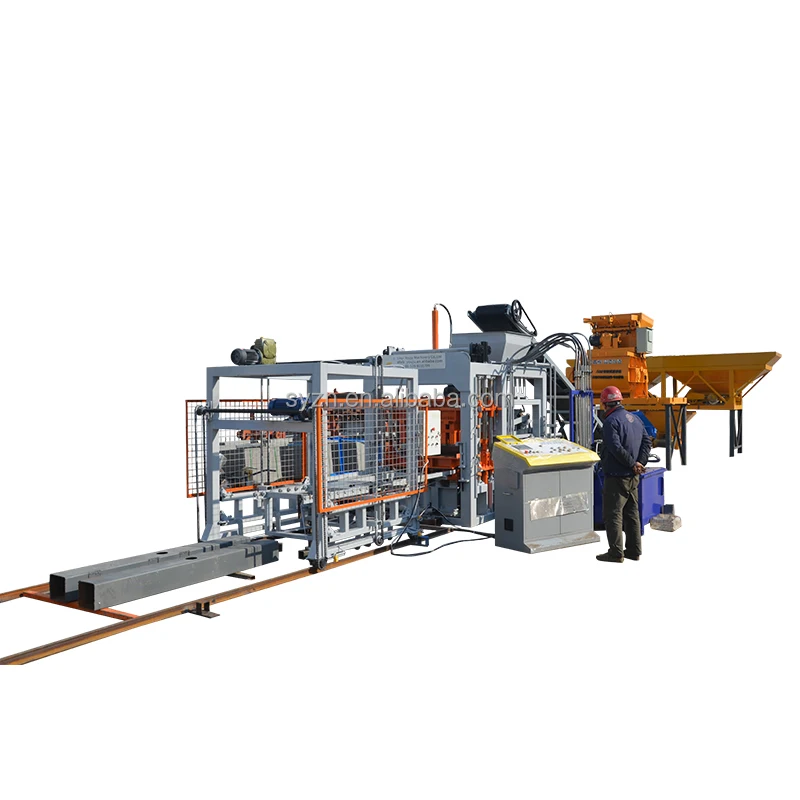
| Line Equipment Included | PLD1200 Batching Machine, JS500 Mixer, Conveyor Belt, Hydraulic Trolley, Pallet Feeder, Brick Receiver, SY-4 Stacker (3 kW) |
| PLD1200 Batching Capacity | 1200 L hopper, 4 × 2.5 m³ storage, 56 m³/h theoretical productivity |
| JS500 Mixer | 800 L charging / 500 L discharging, 25 m³/h production, 18.5 kW mixing motor |
| Color Paver Option | Color feeding system available as add-on |
| Standards | CE |
Application Suitability
| Application | Material or Output |
|---|---|
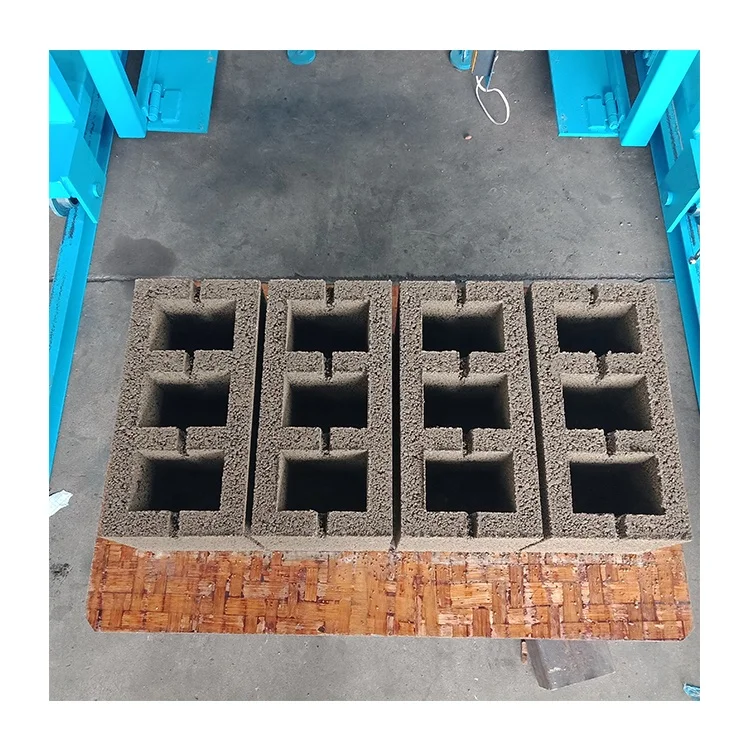
| Hollow block production | Crushed stone, river sand, cement, fly ash blends |
| Solid block production | Dense aggregate mixes for load-bearing walls |
| Paving block production | Fine aggregate and cement for interlocking driveway and walkway pavers |
| Color paver production | Face-mix pigments added via optional color feeding system |
What "One Molding Cycle in 15 Seconds" Actually Means for Your Output
The QT7-15 block machine specifications list a 15-second cycle, but that figure only translates to real daily output when the block format, mix design, and pallet are all aligned.
Many quotations in this industry quote cycles per hour without naming the block format behind the number. A hollow block and a paving block do not cure at the same speed, do not compress under the same hydraulic pressure, and do not release from the mould in the same time. I once saw a buyer in the Middle East receive a machine configured for river sand, only to discover his local supply was volcanic pumice — the vibration force could not consolidate the mix, and the first full batch of blocks cracked within hours of demoulding [NEED_CITE: block strength testing by format and aggregate type]. That is the gap between a catalogue number and a working plant.
Sizing the QT7-15 to the Block Format Your Market Sells
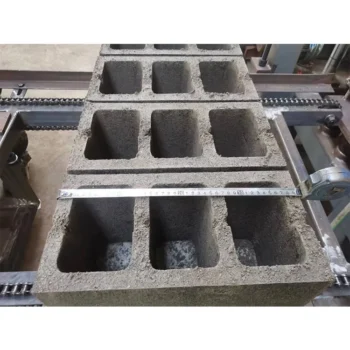
Every technical buyer who contacts me asks one question before all others: how many blocks per day. The honest answer starts with the format. The QT7-15 block machine specifications define a 1150 × 700 mm moulding area, which sets the maximum number of cavities per cycle for each block shape. A 400 × 200 × 200 mm hollow block fits a different cavity count than a 200 × 100 × 60 mm paving block, so the per-cycle yield changes even though the press itself is the same machine.
Mould, Pallet, and Press as One Matched System
What separates a working line from a frustrating one is whether the mould, pallet, and press were specified together. The QT7-15 uses a 1150 × 700 × 25 mm pallet, and every mould we supply is built to land on that exact surface. If a buyer’s curing yard uses a different pallet size, the forklift spacing, rack dimensions, and stacking height all shift — sometimes forcing a second investment in handling equipment nobody planned for [NEED_CITE: pallet standardisation in block curing operations]. We confirm pallet dimensions against the buyer’s existing curing setup before the order is finalized.
Reading the Specification Sheet Like a Plant Owner
The 100 kN vibration force works together with the hydraulic pressure to determine the green density of every block that leaves the press. Too little force on a coarse aggregate and the block crumbles at the edges; too much on a fine sand mix and the surface tears during demoulding. The 2800–4500 cycles/min frequency range is adjustable through the Siemens PLC, which is why we always ask for a sample of the buyer’s local aggregate before locking in the default parameters. The JS500 mixer discharges 500 litres per batch, feeding the press at a rate that keeps the hopper from running dry between cycles. Carburizing treatment on the mould surfaces — hardened to 54–58 HRC — is what keeps cavity dimensions stable across tens of thousands of cycles, so the blocks you produce in month six still match the blocks from day one.
The Hidden Cost of Skipping the Material Sample
I have watched a buyer lose an entire week of production because the vibration frequency was set for a limestone aggregate his plant would never see. The blocks passed the visual check on the line but failed the compressive test at the construction site. When the mould and mix are mismatched, the problem does not show up in the first hour — it accumulates quietly through wasted cement, rejected pallets, and customer complaints that arrive after the shipment has left the yard [NEED_CITE: aggregate variability effects on block compressive strength]. Asking for a material sample and running a test batch at the factory costs a few days up front and prevents weeks of downstream losses.
Why Buyers Source This Machine Through Our Workshop
We specify the QT7-15 as one matched system: press, mould, pallet, and handling line together, so nothing arrives out of alignment. Every configuration is set against the buyer’s actual mix design and target block format rather than pulled from a catalogue default. Mould drawings are provided for every format the buyer’s market sells, including custom designs to buyer-supplied dimensions. The automation level is selectable — a buyer can start with the standard pallet feeder and brick receiver, then add the SY-4 stacker or color feeding system later without replacing the host machine. Installation and commissioning include on-site operator training so the crew knows how to adjust vibration frequency and hydraulic pressure before the first production run.
Documentation & Verification
- Line layout showing QT7-15 footprint within the 200 m² workshop area
- Capacity calculation stating which block format each output figure assumes
- Mould drawing and format list for every cavity included in the order
- Pallet specification confirming 1150 × 700 × 25 mm dimensions and material grade
- Voltage, frequency, and PLC display language confirmation before production begins
- Factory test record on the buyer’s own block format before dispatch
Installation, Commissioning & Support
- Workshop area of 200 m² with level concrete floor for the 3200 × 2300 mm host footprint
- Dedicated power circuit matching the 45 kW host machine load at confirmed voltage and frequency
- Host machine shipped dismantled and reassembled on-site to fit standard container loading
- First-run parameter adjustment for vibration frequency and hydraulic pressure using buyer’s actual mix
- Operator training covering mould change procedure, PLC fault codes, and daily greasing points
- Wear parts and mould list supplied with reorder codes for every high-contact surface
Before You Send an Inquiry
Tell me which block format your market moves the most of — hollow, solid, or paver — and the daily volume you need to hit. I also need a sample or lab report of your local aggregate and cement type, because the QT7-15 block machine specifications can only be locked in once the mix is known. Confirm your site voltage, frequency, and the language you want on the PLC display so commissioning starts the day the machine is powered up.
Frequently Asked Questions
Q: What is the QT7-15 realistic daily output for hollow blocks versus pavers?
A: The 15-second molding period is the same across formats, but the number of cavities per cycle changes. A 400 × 200 × 200 mm hollow block yields fewer pieces per press stroke than a 200 × 100 × 60 mm paver on the same 1150 × 700 mm moulding area. We provide a per-format capacity table with every quotation so the daily output figure matches the block your plant will actually run.
Q: How long does a mould change take on the QT7-15, and what tools are needed?
A: The mould is bolted to the vibration platform and aligned with guide pins. A trained operator can complete a swap between standard formats using the spanners and alignment tools supplied with the machine. We quote the changeover time for each format pair in the proposal so buyers know whether a mid-shift swap is realistic or whether a second machine makes more sense.
Q: Which pallet size does the QT7-15 require, and how does it fit my curing yard?
A: The standard pallet is 1150 × 700 × 25 mm. Before confirming the order, we check this dimension against the buyer’s curing rack spacing, forklift fork width, and stacking height. If the existing yard uses a different pallet, we either adapt the mould layout or recommend a pallet upgrade so the handling chain stays consistent from press to truck.
Q: How is vibration force matched to my local aggregate on the QT7-15?
A: The 100 kN vibration force and 2800–4500 cycles/min frequency are adjustable through the Siemens PLC. We ask every buyer to send a sample of the local aggregate — river sand, crushed stone, volcanic pumice, or recycled concrete — and run a test batch at our workshop. The vibration parameters are then locked to that specific mix before the machine ships.
Q: What custom mould designs are available for the QT7-15 platform?
A: Any block format that fits within the 1150 × 700 mm moulding area can be tooled. We produce moulds from buyer-supplied drawings or design new cavity layouts based on the dimensions and wall thickness the buyer’s market requires. Every mould receives carburizing treatment to 54–58 HRC, so dimensional accuracy holds across extended production runs.