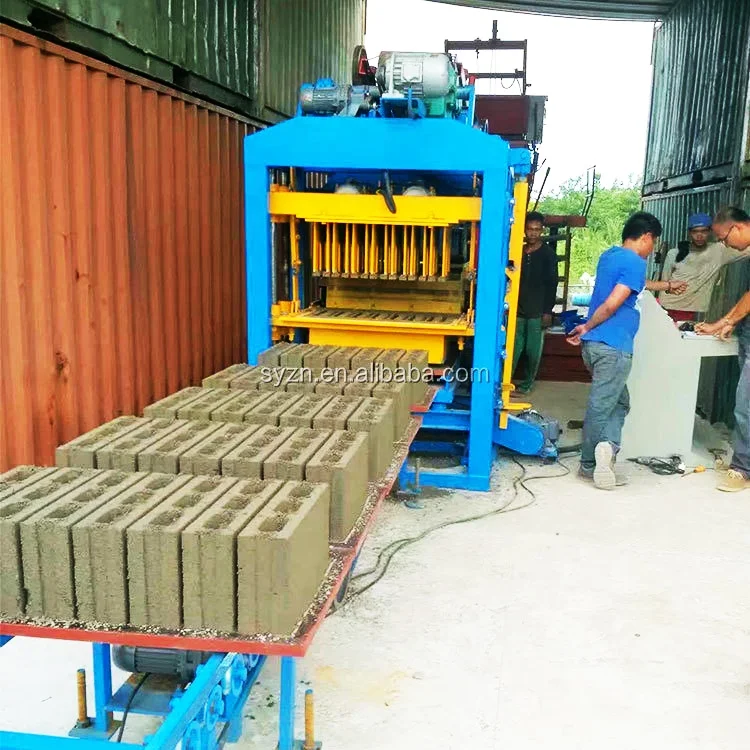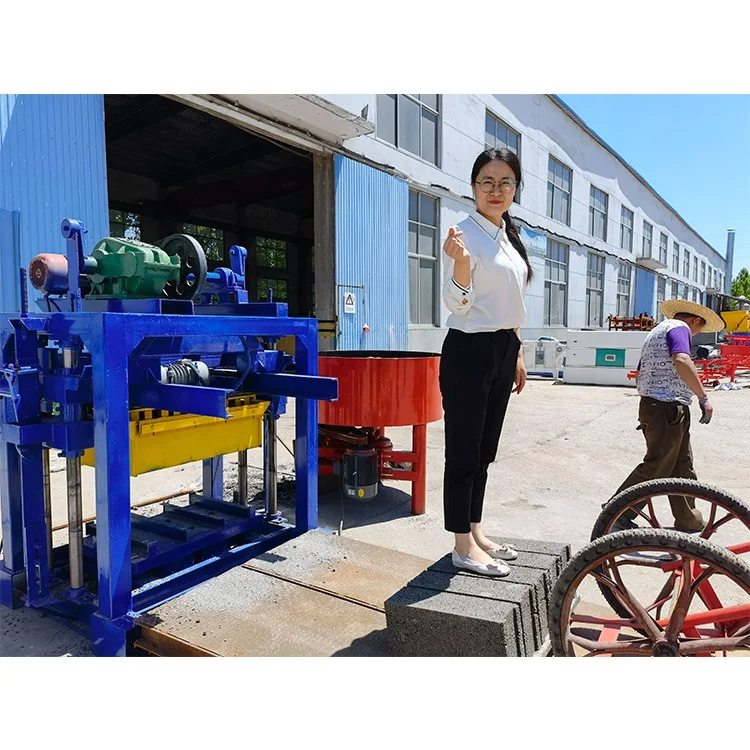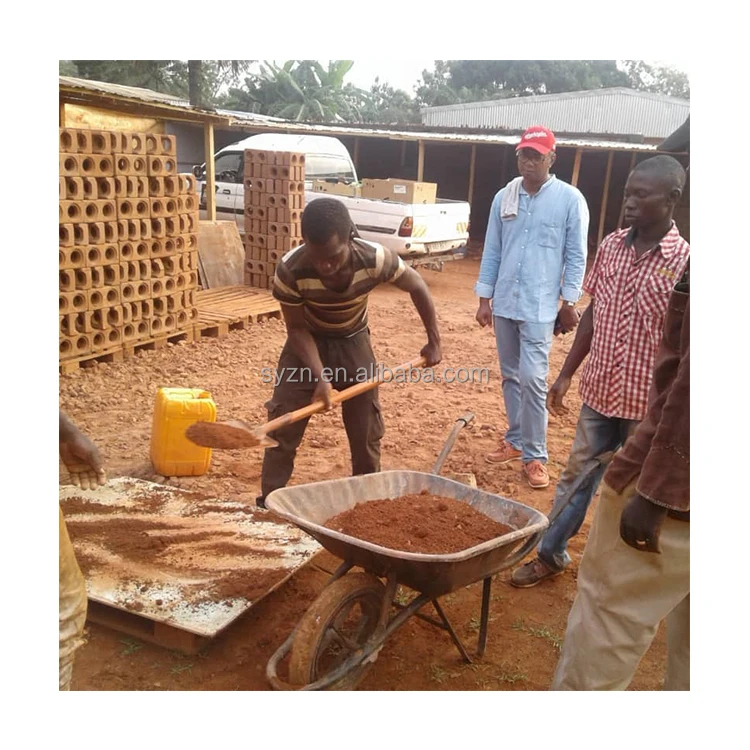
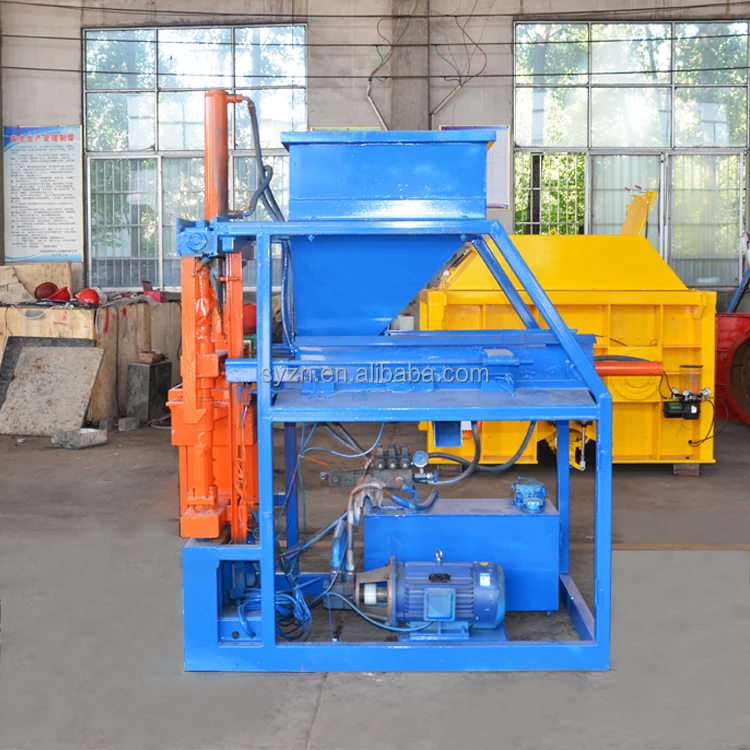
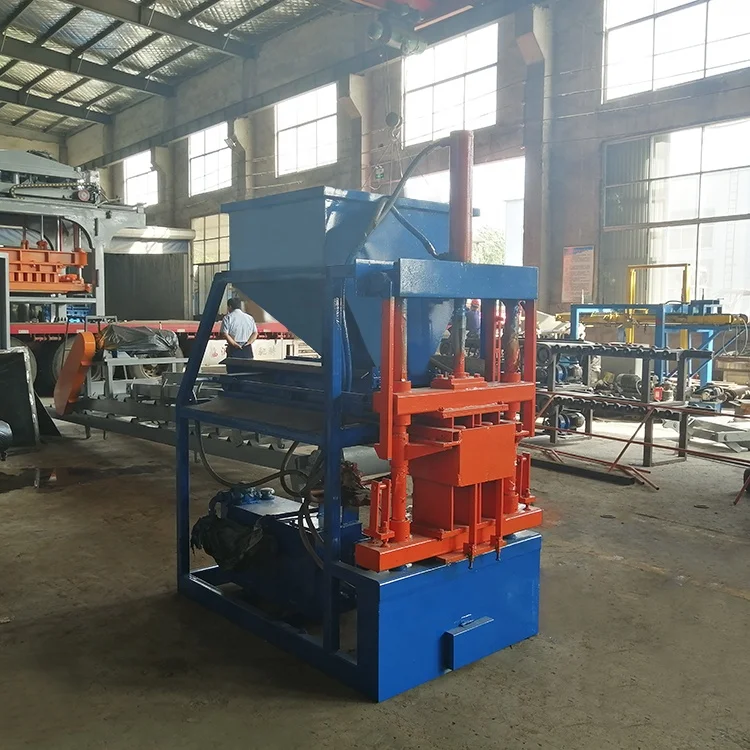

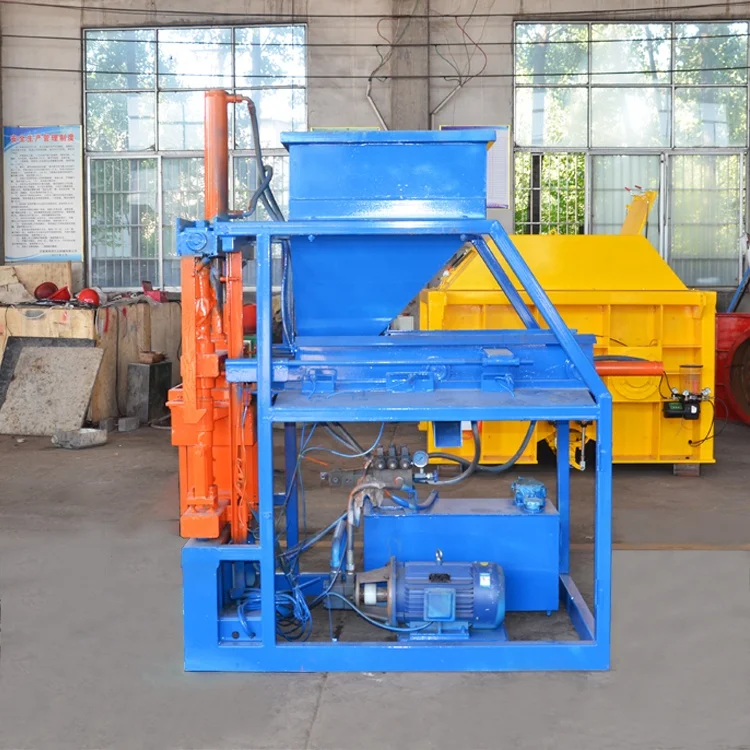
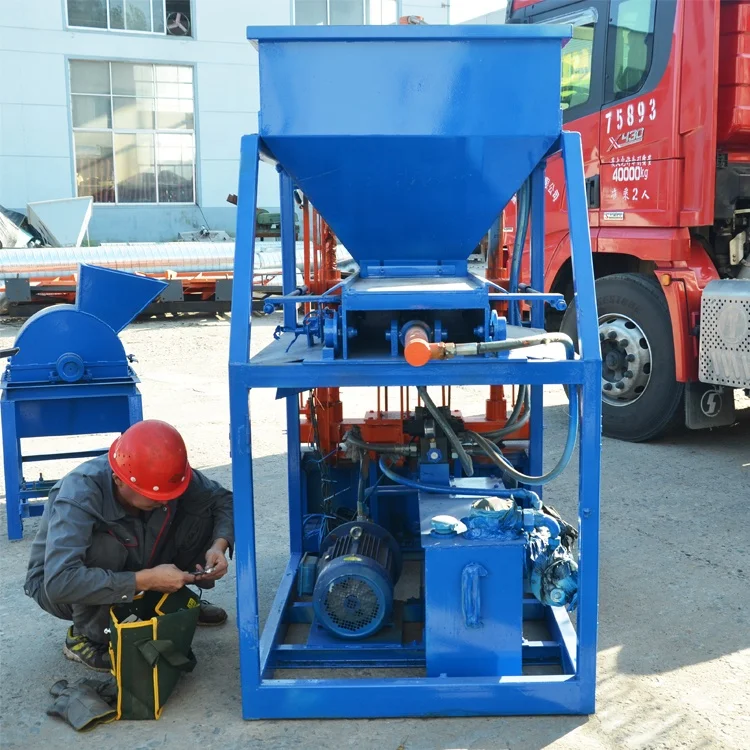
Description
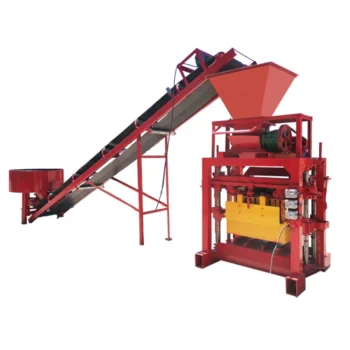
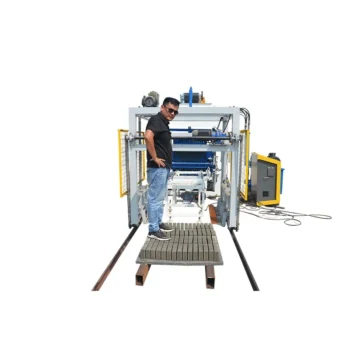
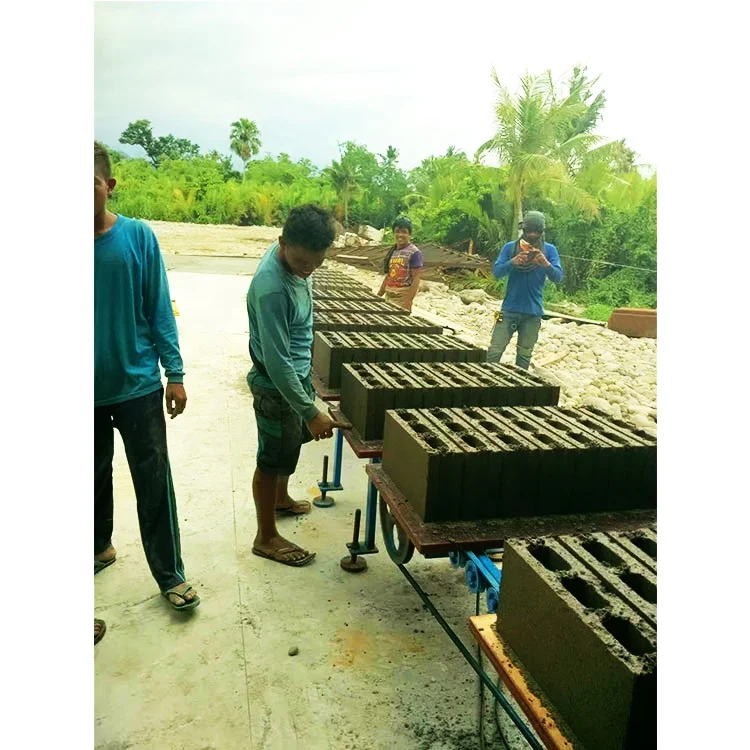
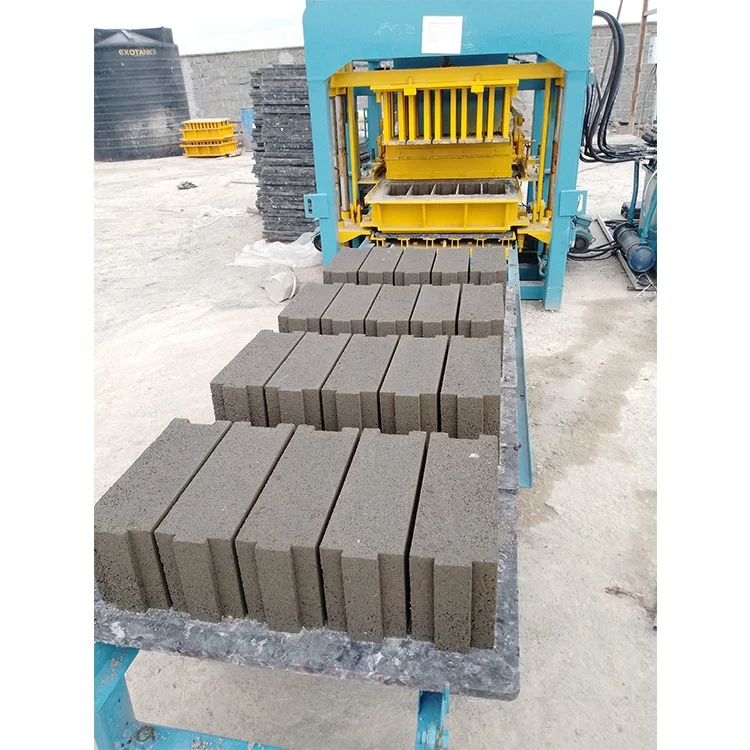
Configuration set against the buyer’s actual mix — the LY2-10 clay interlocking block machine is specified around your local soil, clay or cement blend and the exact block format your market sells, not a catalogue default.
Technical Specifications
| Parameter | Value |
|---|---|
| Model | LY2-10 |
| Product Type | Clay Interlocking Block Making Machine |
| Machine Power | 7.5 kW |
| Molding Cycle | 10 s |
| Capacity | 6,000 pcs / 8 h (basis not stated in source — confirm block format, material, thickness) |
| Raw Material Compatibility | Clay, soil, earth, mud, concrete, cement, fly ash |
| Overall Dimensions (L×W×H) | 1,300 × 1,800 × 2,400 mm |
| Automation Level | Semi-automatic |
| Bricks per Mould | 1 pc (per format table) |
| Mould Format Options | 300×150×100 mm, 250×125×75 mm, 230×220×115 mm |
| Machine Type | Clay and cement interlocking brick making machine |
Application Suitability
| Application | Material or Output |
|---|---|
| Small home business brick production | Local clay, earth and soil blends with cement binder |
| Sidewalk and pavement interlocking blocks | Cement-stabilised soil or concrete mixes |
| On-site block manufacturing for construction projects | Excavated site soil blended with cement |
| Startup block plants with limited investment | Fly ash, clay or mud with locally available aggregates |
| Interlocking bricks for local housing markets | Compressed earth and cement interlocking profiles |
What "6,000 Pieces per 8 Hours" Actually Assumes
The capacity figure only holds when the block format, mix design and cycle time are all aligned to a specific mould — change any one and the number moves.
I have watched buyers quote a headline output to their project manager, then discover on commissioning day that the figure assumed the smallest interlocking profile while their market actually demands the larger 300×150×100 mm format. The clay interlocking block machine specifications you see on paper must therefore state which mould and which material blend produced the number, otherwise the daily plan collapses before the first pallet is stacked [NEED_CITE: capacity calculation transparency in block machinery quotations].
Matching Mould Profile to Market Demand
The LY2-10 ships with three standard interlocking format options: 300×150×100 mm, 250×125×75 mm and 230×220×115 mm. Each format produces one piece per mould at a 10-second cycle, meaning hourly throughput stays consistent across profiles rather than inflating on the smallest block. Choosing the right profile starts with the wall thickness and interlock geometry your local builders specify, not the machine catalogue.
Raw Material Reality on the Ground
Clay content, sand ratio and moisture level all change how the mix flows into the mould cavity. A laterite-heavy soil in West Africa behaves differently from the sandy loam found in parts of Southeast Asia. The LY2-10 accepts clay, soil, earth, mud, concrete, cement and fly ash, but the actual compression result depends on confirming your mix before the machine is built. We ask for a sample and a basic sieve analysis so the vibration and pressure settings match what you can actually source [NEED_CITE: soil classification and stabilised earth block standards].
Reading the Specs That Matter
The 7.5 kW motor must deliver enough torque to complete each 10-second cycle without overheating in continuous summer shifts. Machine dimensions of 1,300 × 1,800 × 2,400 mm define the floor space and headroom needed, which matters when the unit sits inside a simple roofed shelter rather than a high-bay factory. Semi-automatic operation keeps the control logic simple enough for a first-time operator while still holding cycle timing consistent, so block density does not drift as the shift wears on. Pallet size is not listed in the source data, so curing rack spacing and forklift dimensions must be agreed before pallets are ordered.
The Cost of Skipping the Mix Conversation
Ordering on headline capacity alone leaves buyers discovering weak blocks or slow demoulding once the machine is bolted to the floor. When the local aggregate turns out to be finer than the default setting expected, the interlock edges chip during handling and the rejection pile grows [NEED_CITE: common causes of interlocking block rejection in small plants]. A voltage mismatch discovered after arrival can add weeks of electrician work before the first test cycle even runs.
Why Source the LY2-10 Through This Range
Block machinery is our single focus, so the press, mould, pallet and handling are specified as one matched system rather than assembled from separate suppliers. Mould design covers the interlocking profiles your market actually sells, and custom drawings are accepted when a local building code demands a non-standard geometry. Automation level is selectable, letting a buyer start with the semi-automatic LY2-10 and add automatic pallet feeding or stacking later. Installation support includes operator training so the crew understands cycle timing and mix adjustment from day one [NEED_CITE: block machine installation and commissioning best practices].
Documentation & Verification
- Capacity calculation stating the exact interlocking format and mix assumed for the 6,000 pcs / 8 h figure
- Mould drawing and format list confirming which of the three profiles are included
- Voltage, frequency and control language confirmation sheet signed before production
- Factory test record run on the buyer’s specified block size before dispatch
- Wear parts and mould availability list for first replacement planning
Installation, Commissioning & Support
- Floor slab must carry the 1,300 × 1,800 mm footprint plus pallet staging area
- Dedicated circuit sized for the 7.5 kW motor with voltage and frequency confirmed pre-shipment
- Machine arrives as a single skid; local forklift unloads and positions within the shelter
- First-day commissioning covers cycle timing, mix moisture and demoulding technique
- Operator training on mould change between the three interlocking formats
- Wear parts list supplied so spares are on shelf before the first replacement falls due
Before You Send the Inquiry
Confirm the interlocking block profile your local builders specify, the clay or soil type you plan to use and the daily output you need across an eight-hour shift. Share your site voltage, frequency and preferred control display language so electrical panels and PLC screens arrive ready for commissioning. If you already have curing racks or a forklift, send the pallet dimensions those systems accept so the pallet feed matches your existing layout.
Frequently Asked Questions
Q: How is the 6,000 pieces per 8 hours capacity verified, and which block format does it assume?
A: The figure appears across all three standard interlocking formats at a 10-second cycle, but the source does not state which mix design or block thickness was used during testing. We provide a capacity calculation document that names the exact format, material blend and moisture level assumed, so your daily plan is built on verified numbers rather than a headline claim.
Q: What mould formats are included, and can custom interlocking profiles be designed?
A: Three standard profiles ship with the LY2-10: 300×150×100 mm, 250×125×75 mm and 230×220×115 mm. If your local building code or market preference requires a different geometry, we accept buyer drawings and produce a custom mould that fits the same mounting pattern on the press.
Q: How does the machine handle different local clay and soil compositions?
A: We request a soil sample and basic sieve data before finalising machine settings. Clay content, sand ratio and moisture response all influence compression behaviour, so the vibration and pressure parameters are adjusted to your actual material rather than left at a factory default that may not suit your site.
Q: What voltage, frequency and control language options are confirmed before shipment?
A: Voltage and frequency are matched to your local grid supply, and the control display language is agreed during the quotation stage. This confirmation is documented in writing before production starts, preventing commissioning delays caused by mismatched electrical panels or unreadable screen text on arrival.