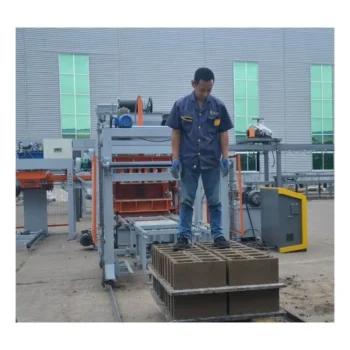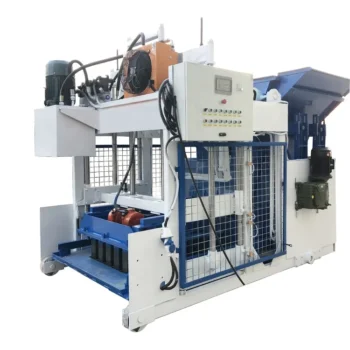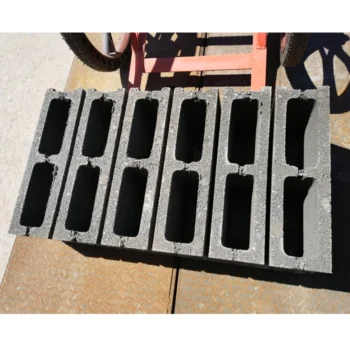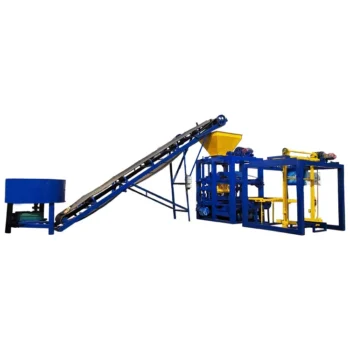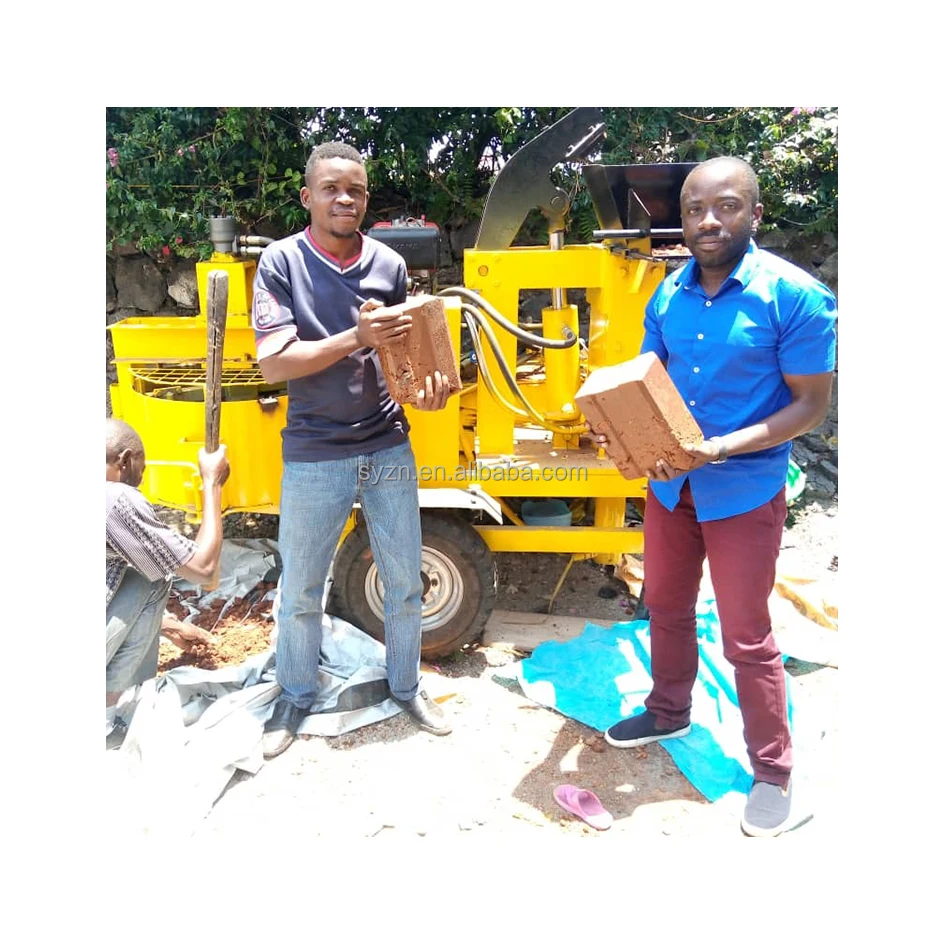
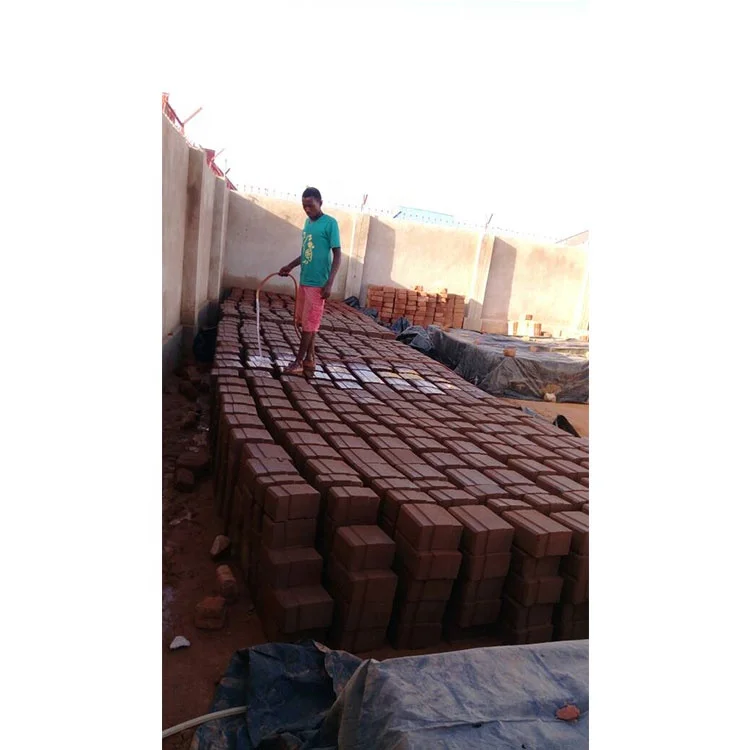
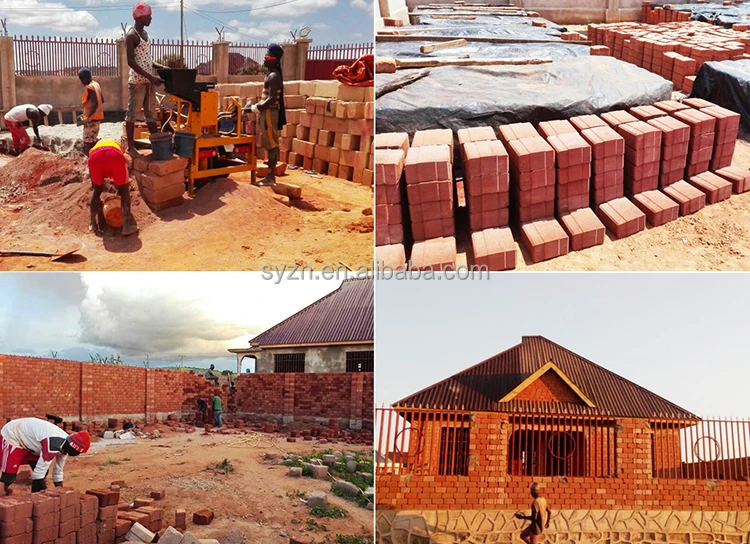
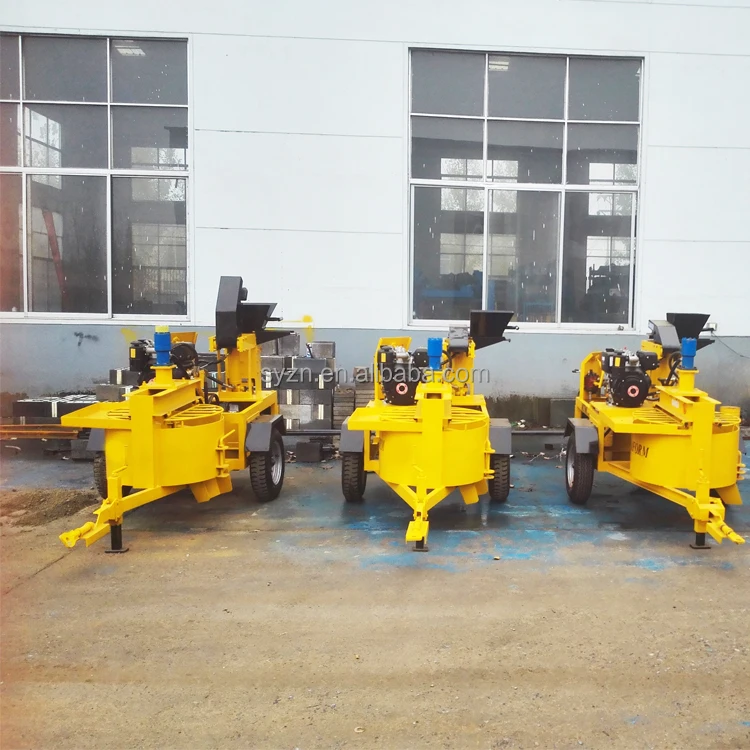
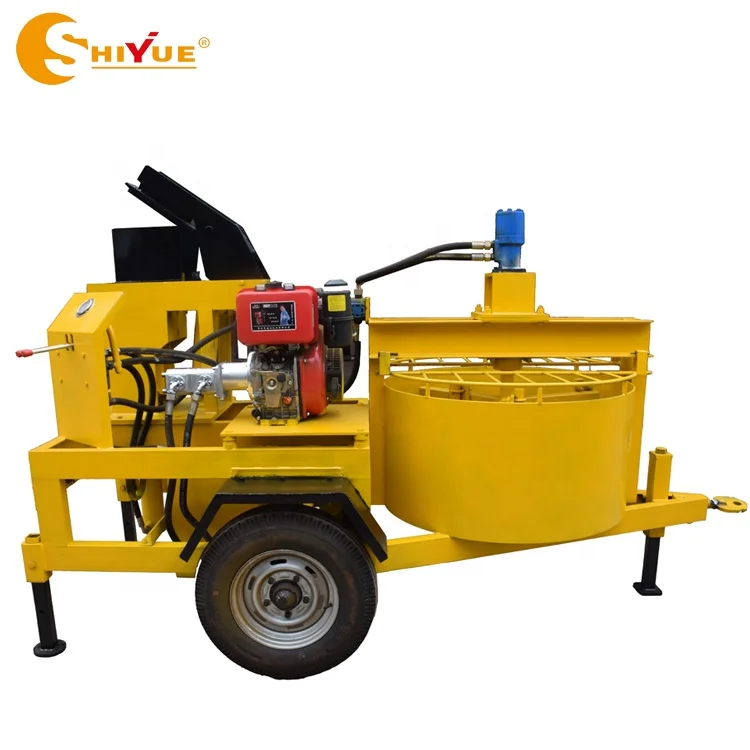

Description
Mould-Driven Output Matching — every cycle time and daily figure for the M7MI is tied to a named interlocking block dimension and cavity count so capacity is not a catalogue guess.
Technical Specifications
| Parameter | Value |
|---|---|
| Model | M7MI |
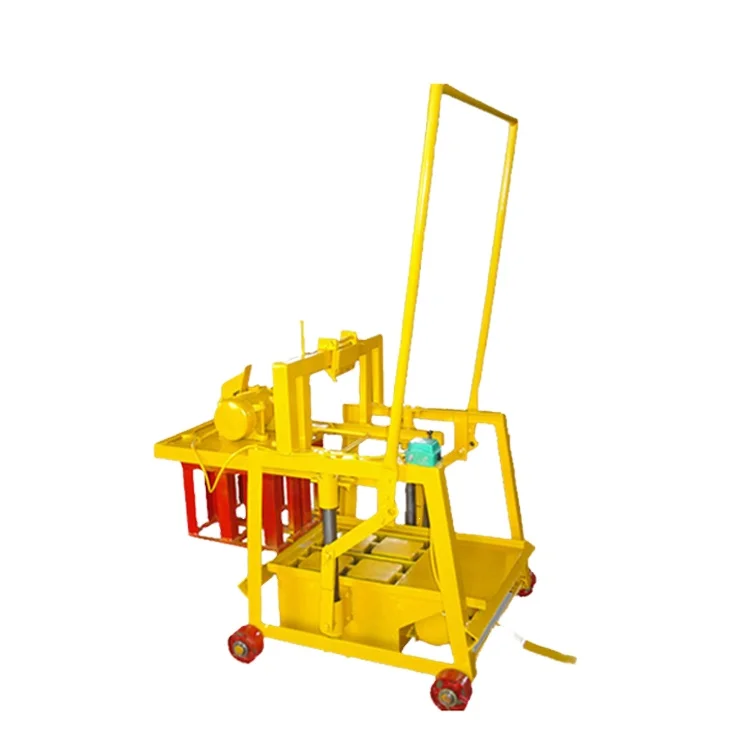
| Product Type | Hydraulic Clay Interlocking Brick Making Machine |
| Engine | Diesel Engine |
| Hydraulic Pressure | 16 MPa |
| Overall Dimensions (L×W×H) | 3200×1100×1500 mm |
| Net Weight | 1100 kg |
| Molding Cycle | 15–20 s |
| Productivity Example | 1600 pcs/8 hr based on 300×150×100 mm interlocking block, 1 pc/mould, 20 s cycle |
| Output Capacity | 2200 pcs/day (8 hours) (basis not stated in source — confirm block format / material / thickness) |
| Raw Material | Clay, soil, or concrete |
| Mould Format | Interlocking block (multiple formats via mould change) |
| Automation Level | Manual / semi-automatic |
| Power Source | Diesel |
Application Suitability
| Application | Material or Output |
|---|---|
| On-site interlocking brick production | Local clay or soil with cement stabilisation |
| Rural and off-grid building projects | Diesel-powered operation without grid electricity |
| Small-scale block plants in regions with unreliable power | Concrete or soil-based interlocking formats |
| First plant setup for local housing contractors | Multiple block profiles from a single mould set |
Why "2200 Pieces per Day" Needs a Block Format Attached
A daily output number without a named block size and cavity count is not a capacity — it is a guess.
I have watched buyers arrive at a workshop expecting the M7MI to run 2200 interlocking bricks every shift, only to find that figure was calculated on a smaller format than the one their market actually buys. When the real block is 300×150×100 mm at one piece per mould and a 20-second cycle, the honest number is closer to 1600 in an eight-hour day. The machine itself is not at fault — the quotation simply left out the assumptions [NEED_CITE: block machine capacity calculation standards by format]. The Hydraulic Clay Interlocking Brick Making Machine specifications must always state which block dimension, mould cavity count, and cycle time each output figure rests on, so the buyer can plan curing space, labour, and raw material around a number that survives contact with the job site.
Matching Mould Profile to the Local Market
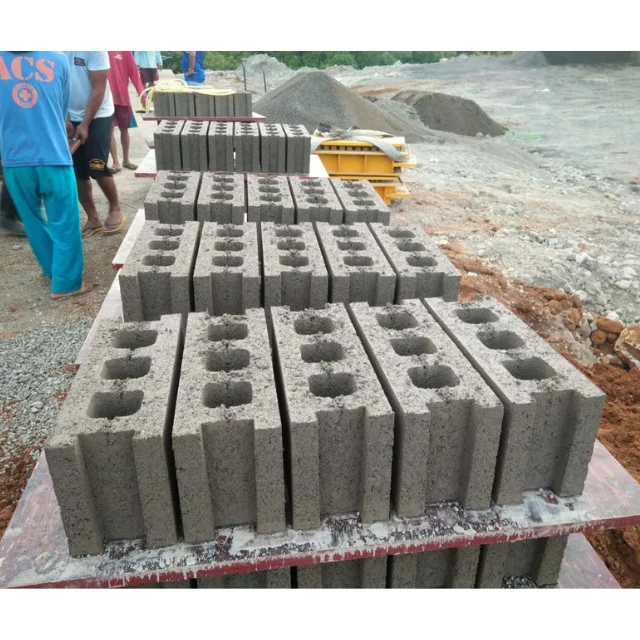
Interlocking blocks are not a single product. The profiles that sell in West Africa differ from those specified in North African housing tenders, and each profile changes how the mould fills, how long the press holds, and how many pieces come out per cycle. The M7MI accepts mould changes across multiple interlocking formats, which means the machine can follow market demand rather than forcing a single shape. What matters at the enquiry stage is identifying the exact profile the buyer’s customers expect and confirming that the mould drawing matches before production starts.
Diesel Power for Sites Without a Grid Connection
Many interlocking block projects are in locations where three-phase electricity is either unavailable or unreliable enough to stall a curing line mid-shift. The M7MI runs on a diesel engine, removing grid dependence entirely and allowing the machine to follow the project rather than waiting for infrastructure. This configuration suits construction contractors producing blocks directly on a building site and entrepreneurs setting up a first plant in areas where power supply cannot be guaranteed [NEED_CITE: off-grid construction equipment deployment in developing regions].
Reading the Pressure and Cycle Numbers Together
Hydraulic pressure at 16 MPa determines how tightly the clay or soil mix is compacted inside the mould cavity, but pressure alone does not guarantee block strength — the mix design and moisture content must be compatible with that pressure level. The 15–20 second molding cycle range reflects the variation across different interlocking formats and material conditions. A denser clay with higher moisture may need the longer end of the cycle to allow full compaction, while a leaner soil-cement mix can release faster. Understanding this relationship prevents the common mistake of quoting a single cycle time for all block formats the machine can produce.
The Cost of Skipping the Soil Sample
Sending a local clay or soil sample before the order is confirmed is the single step most buyers want to skip, and it is the step that causes the most expensive problems on arrival. A soil with high sand content will not compact at 16 MPa the same way a clay-rich sample does, producing interlocking blocks that crumble at the edges or fail to achieve the interlocking shear strength the market requires. When this surfaces after the machine is installed, the buyer faces either a costly material substitution or a mould redesign — both of which could have been avoided with a sample test against the proposed mix [NEED_CITE: soil stabilisation requirements for interlocking block production].
Why Buyers Source This Machine Here
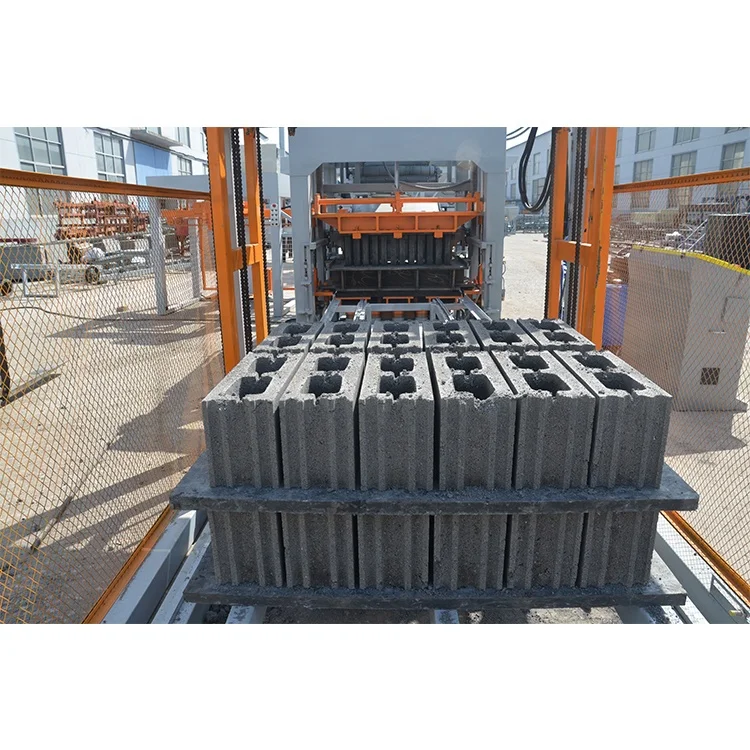
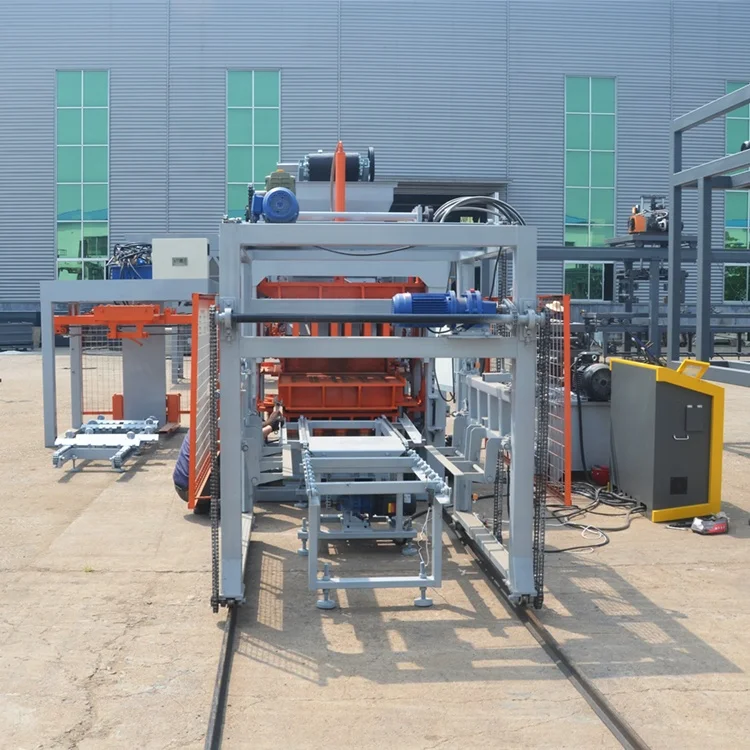
Block machinery is the single focus of this operation, so the M7MI is specified as a matched system — machine, mould, and pallet — rather than assembled from separate suppliers who have never met each other. Configuration starts from the buyer’s actual mix design and target block format, not from a catalogue default that may suit a different market. Mould design covers the interlocking profiles the buyer’s customers actually buy, with custom drawings available when a local standard differs from the stock range. The automation level is selectable, so a buyer can begin with manual pallet handling and plan a future upgrade without replacing the press. Installation support includes operator training on the specific block format and mix the buyer will run from day one.
Documentation & Verification
- Line layout and capacity calculation stating the interlocking block format assumed for each output figure
- Mould drawing and format list confirming included and custom interlocking profiles
- Machine specification sheet with hydraulic pressure, cycle time, and pallet size matched to curing area
- Factory test record demonstrating actual cycle time and block strength with the buyer’s proposed mix
- Operation and maintenance manual covering diesel engine service intervals and hydraulic system checks
- Wear parts and mould component list for first-year stocking
Installation, Commissioning & Support
- Flat concrete pad sized to the 3200×1100 mm footprint with curing area planned around pallet circulation
- Diesel fuel storage and ventilation arranged on site before machine arrival
- Mould change procedure trained on the specific interlocking formats included in the order
- Hydraulic system pressure verified at 16 MPa against buyer’s mix during commissioning
- Operator training on molding cycle adjustment within the 15–20 second range per block format
- First-year wear parts and hydraulic seal kit identified before shipment
What to Include in Your Enquiry
Send the target interlocking block profile and dimensions, the local clay or soil type with any available test data, and the daily output you need based on that specific format. State whether grid electricity is available at the site or if diesel is the only option, and describe the curing area you can allocate so pallet size can be matched accordingly.
Frequently Asked Questions
Q: How is daily output verified, and which block format is each capacity figure based on?
A: Every output figure we quote names the block dimensions, mould cavity count, and measured cycle time. For example, 1600 pieces in eight hours is based on a 300×150×100 mm interlocking block at one piece per mould with a 20-second cycle. If your target format differs, the capacity is recalculated before the order is confirmed.
Q: What local clay or soil properties are needed to achieve target interlocking block strength at 16 MPa?
A: The clay or soil must have enough fines content to bind under hydraulic compaction. High sand content reduces cohesion and may require cement addition or a different mould profile. We request a soil sample before finalising the configuration so the mix design is tested against the 16 MPa pressure rating.
Q: How long does a mould change take, and what formats can one M7MI produce?
A: Mould change time depends on the interlocking profile and operator familiarity, typically within a portion of one shift once the procedure is learned. The machine accepts multiple interlocking formats through its mould system, and the exact profile list is confirmed at the enquiry stage based on your market requirements.
Q: What are the pallet size and curing area requirements for the stated daily output?
A: Pallet dimensions are matched to the mould footprint and the curing space available on your site. The daily output figure assumes a specific pallet circulation rate, so we confirm your curing area layout before finalising pallet specifications to avoid bottlenecks after pressing.
Q: Which hydraulic wear parts and mould components should be stocked for the first year of operation?
A: The wear parts list covers hydraulic seals, mould wear surfaces, and diesel engine consumables. We provide a recommended first-year stock list based on the interlocking formats you will run and the local availability of standard hydraulic components in your region.