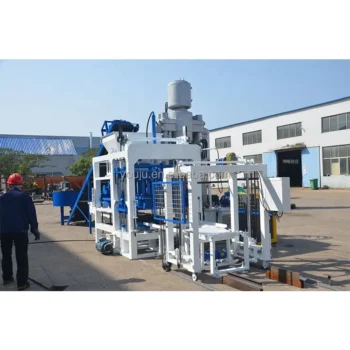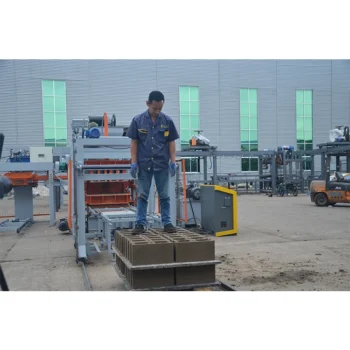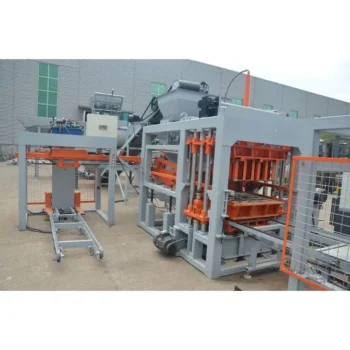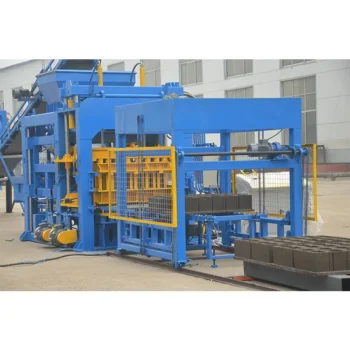
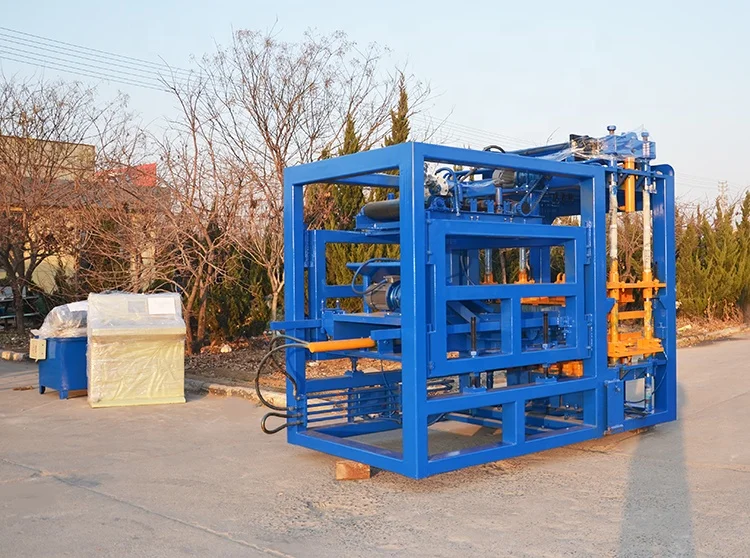
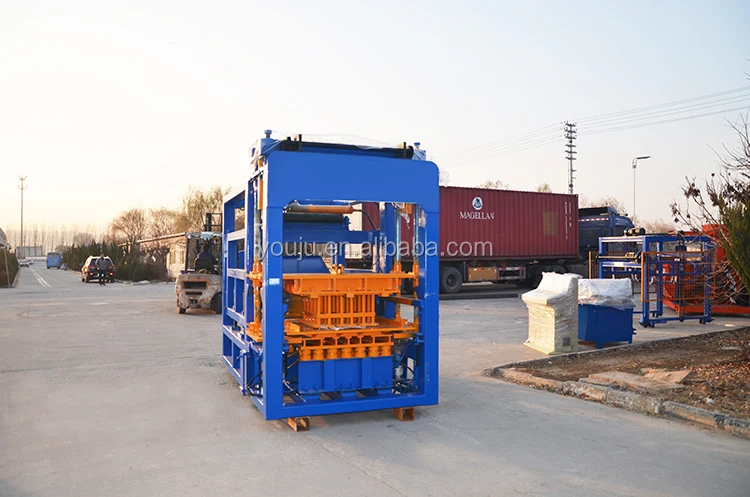
Description
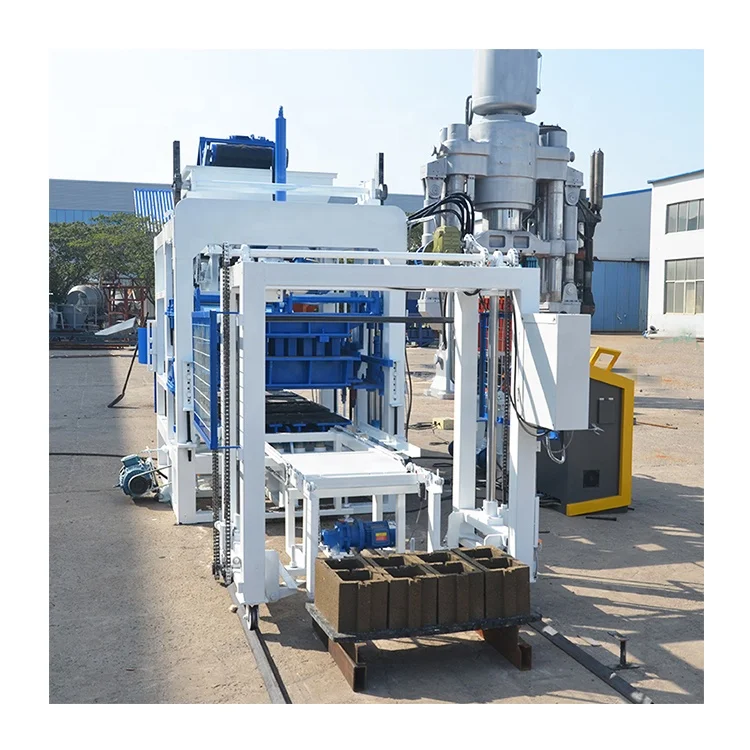
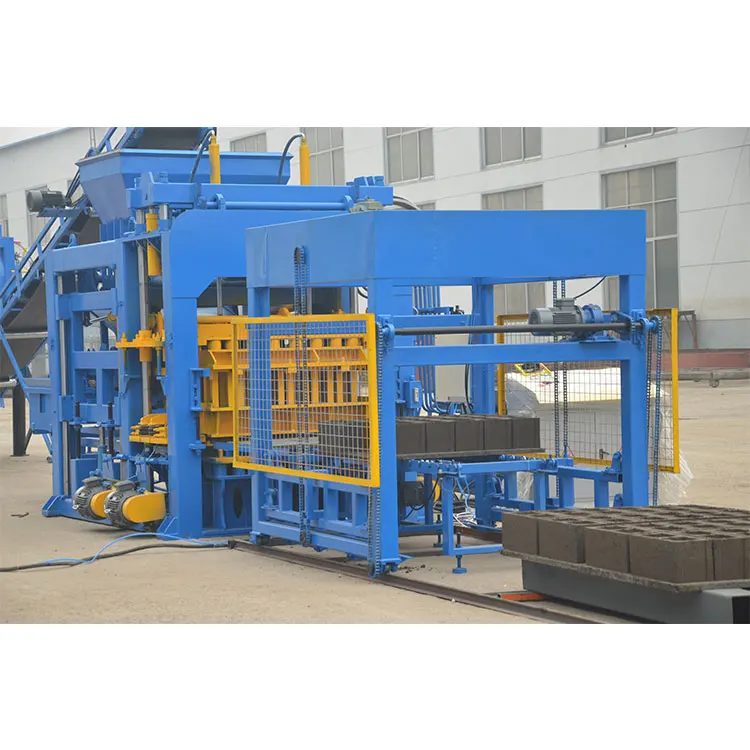
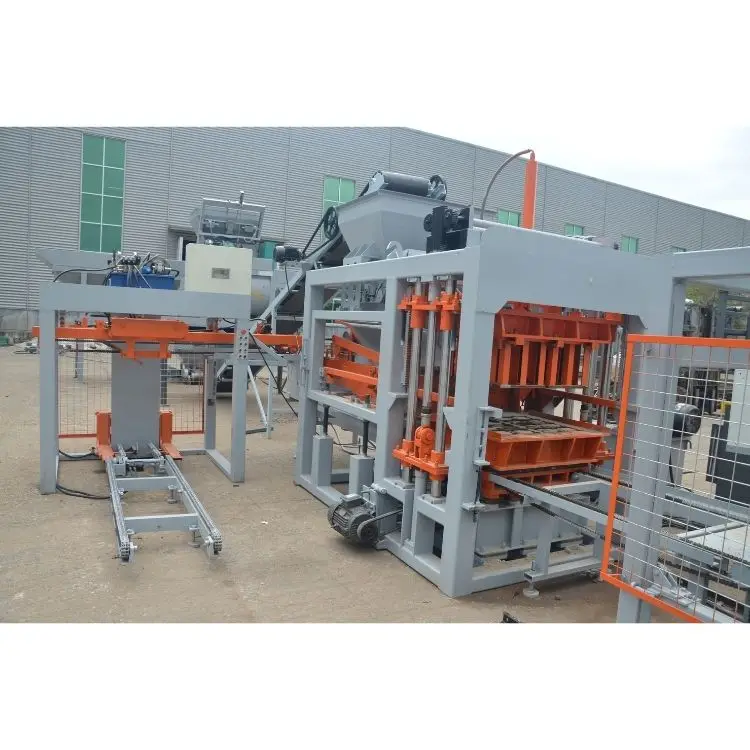
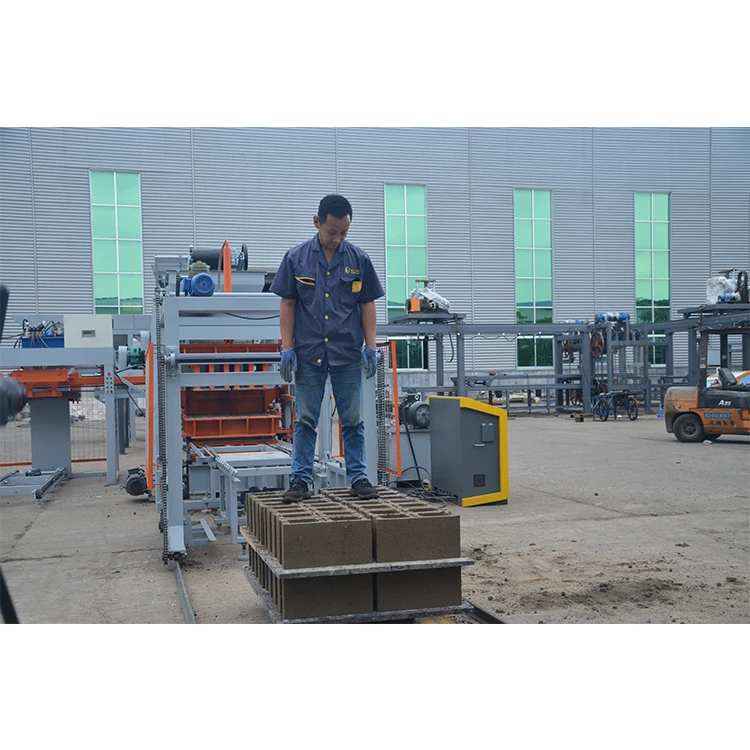
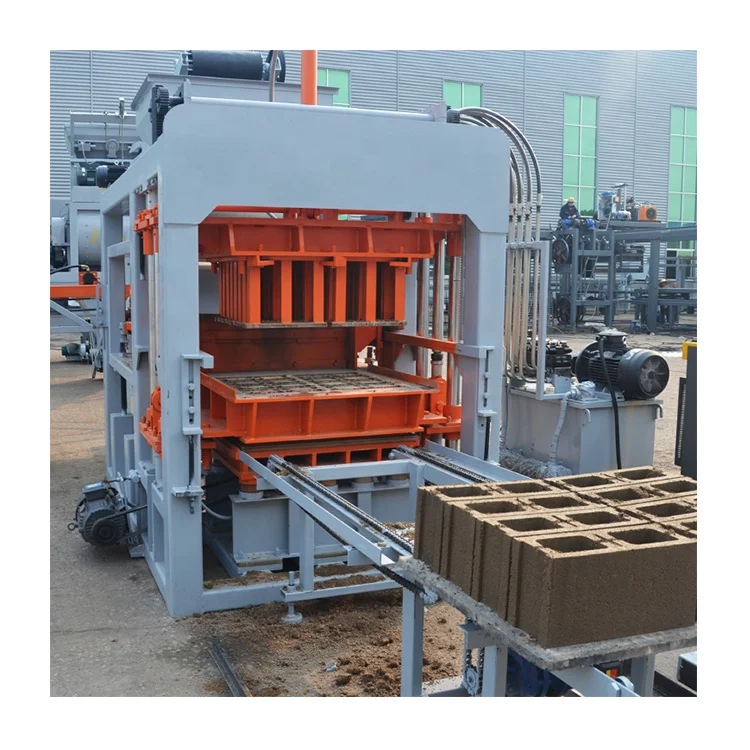
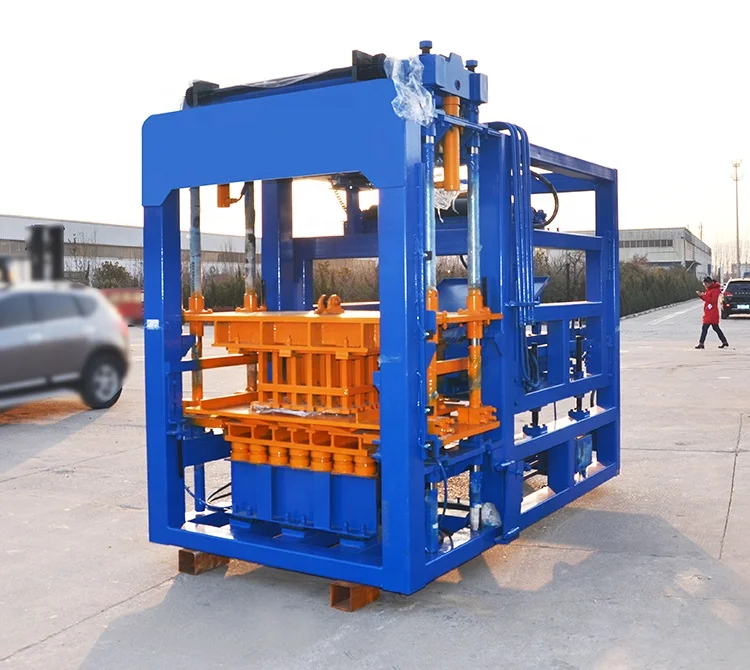
Capacity matched to the block format you actually sell — the QT6-15 block making machine specifications are configured against your target interlocking brick, hollow block, or paver, with cycle time and pallet size verified before the machine leaves the factory floor.
Technical Specifications
| Parameter | Value |
|---|---|
| Model | QT6-15 |
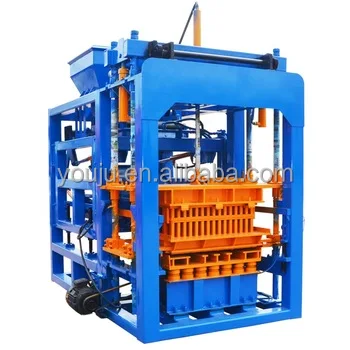
| Product Type | Automatic Interlocking Brick Block Making Machine |
| Molding Way | Vibration and hydraulic pressing |
| Rated Pressure | 21 MPa |
| Molding Cycle | 15 s – 20 s depending on block format |
| Pallet Size | 900 × 700 mm |
| Main Machine Weight | 6000 kg |
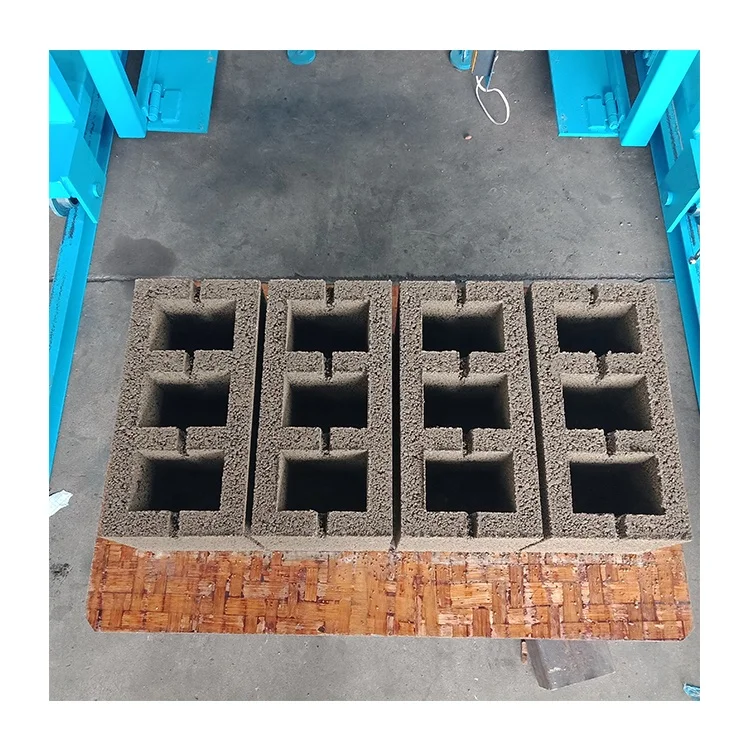
| Output Capacity (Hollow Block 400 × 200 × 200 mm) | 1440 pcs/h, 11520 pcs/8 h |
| Output Capacity (Paving Brick 200 × 100 × 60 mm) | 5040 pcs/h, 40320 pcs/8 h |
| Output Capacity (Solid Brick 240 × 115 × 53 mm) | 7680 pcs/h, 61440 pcs/8 h |
| Control System | PLC, MCC, or manual — basis to be confirmed with buyer |
| Voltage & Frequency | Customized to local supply — exact value to be confirmed |
| Automation Level | Automatic; simple line (mixer, conveyor, stacker) or full line (batching, silo, pallet loader) |
| Raw Materials | Cement, sand, fly ash, stone powder, slag |
| Mould Change | Supports hollow blocks, pavers, curbstones, pavement bricks, solid bricks |
| Warranty | 1 year, excluding wearing parts |
| Assembly State | Top cylinder removed for container loading |
| PLC Display Language | To be confirmed before production |
Application Suitability
| Application | Material or Output |
|---|---|
| Hollow block production for load-bearing and partition walls | Cement, sand, fly ash, crushed stone aggregate |
| Interlocking brick manufacturing for housing and paving projects | Cement mixed with stone powder or slag |
| Paving brick and sidewalk paver production | Cement, sand, fine aggregate blends |
| Curbstone and kerb production for road and infrastructure works | High-density cement and coarse aggregate mix |
| Solid brick output for masonry and infill applications | Cement, sand, fly ash, or slag-based blends |
| On-site block production for construction contractors | Locally sourced aggregate with cement binder |
What "Cycles per Hour" Actually Means for the QT6-15 Block Making Machine Specifications
Capacity is only honest when the block format is named next to the number.
Quoting a block machine by its cycle count alone tells you nothing about daily throughput until you know which mould is on the press and how many pieces that mould produces per cycle. A machine cycling every 15 seconds on a paving brick format delivers a very different output than the same machine running 400 mm hollow blocks on a 20-second cycle. The QT6-15 block making machine specifications on this page are therefore listed per format, so the number you plan your production around is the number you get on the floor. I have watched buyers sign off on a single capacity figure and then spend the first month trying to understand why their daily pallet count fell short — the format assumption was buried in a footnote [NEED_CITE: block machine capacity quoting practices and format assumptions in export machinery trade].
Matching Mould Format to the Product Your Market Sells
The QT6-15 block making machine supports hollow blocks, interlocking bricks, paving bricks, curbstones, and solid bricks through mould changes, and each format carries its own pieces-per-pallet count and cycle duration. Buyers who know exactly which format dominates their local market can size the press and the downstream curing area to that specific output rather than a catalogue average. Mould drawings are confirmed before production so the format list matches what the machine actually delivers on arrival.
Cycle Time Reality Across Different Block Formats
A 15-second cycle applies to lighter, smaller formats such as standard paving bricks, while the 20-second end of the range covers larger hollow blocks that need extended vibration to achieve full compaction. The QT6-15 block making machine specifications separate these clearly so a buyer running multiple formats can calculate a weighted daily output based on their actual production schedule [NEED_CITE: vibration cycle duration and block density relationship in hydraulic press forming]. This prevents the common situation where a plant plans for the fastest cycle and then discovers their primary product requires the slowest one.
Reading the Pressure and Vibration Numbers Together
The 21 MPa rated hydraulic pressure works in combination with the vibration table to compact the mix into the mould cavity. Pressure alone does not guarantee block strength — if the vibration force is insufficient for the buyer’s specific aggregate gradation, the block will have density variation from face to core. The 900 × 700 mm pallet size is selected to balance the number of pieces per cycle against the curing rack dimensions and forklift capacity the buyer already has on site, so pallets move from press to curing area without a handling bottleneck.
What Happens When Pallet Size Is Chosen Without the Buyer’s Input
A pallet specified only by the machine builder’s default may not match the curing rack spacing the buyer has already built, forcing a workshop modification that delays commissioning. Pallet material matters too — bamboo, PVC, and steel pallets each behave differently under repeated vibration and moisture exposure, and choosing the wrong one leads to premature warping or surface damage that marks every block produced. These are decisions that belong in the pre-shipment confirmation stage, not discovered on the first production day [NEED_CITE: pallet material selection and curing rack compatibility in block plant layout].
Why Configuration Confirmed Here Rather Than Assumed
Every QT6-15 block making machine is set against the buyer’s stated target format, local aggregate, and available voltage before the build starts, not assembled from a default catalogue line. Mould design covers the specific interlocking brick or paver profile the buyer’s market demands, including custom drawings when standard moulds do not match. The automation level is selectable — a buyer can begin with a simple mixer-and-conveyor line and add batching silos and automatic pallet loading later without replacing the press. Voltage, frequency, and PLC display language are confirmed in writing so the control panel reads correctly the first time the operator powers up, a lesson learned from machines that arrived with the wrong interface language and sat idle while firmware was pushed across unreliable connections. Documentation ships with the machine, including the factory test record run on the buyer’s specified block format.
Documentation & Verification
- Line layout drawing showing capacity calculation per stated block format
- Machine specification sheet with confirmed hydraulic pressure and pallet size
- Mould drawing and format list covering every block type ordered
- Voltage, frequency, and PLC display language confirmation sheet
- Factory test record run on buyer’s target block format before dispatch
- Operation and maintenance manual with wear parts and mould reference list
Installation, Commissioning & Support
- Foundation plan provided for the 6000 kg main machine weight and vibration load
- Power supply confirmed to match the buyer’s local voltage and frequency before wiring
- Top cylinder reassembled on site after container-load dismantling and positioning
- First production run supervised with cycle time verified per confirmed block format
- Operator training covers mould change procedure, PLC navigation, and daily maintenance
- Wear parts and mould list supplied so first replacements are identified before they are needed
Preparing a Detailed QT6-15 Inquiry
To move from general interest to an accurate configuration proposal, share the specific block format and dimensions you intend to produce, along with your target daily output and the raw materials available locally. Confirm your site voltage, frequency, and preferred control panel language. If you have existing curing racks, forklifts, or upstream mixing equipment, include those details so the pallet size and line layout are built around what you already operate.
Frequently Asked Questions
Q: How is output capacity verified and what block format is it based on?
A: Output is stated per format on this page — hollow block at 400 × 200 × 200 mm, paving brick at 200 × 100 × 60 mm, and solid brick at 240 × 115 × 53 mm each carry their own pieces-per-hour figure. The factory test record confirms actual output on the buyer’s chosen format before the machine ships.
Q: Which mould formats are available and how long does a mould change take?
A: The QT6-15 supports hollow blocks, interlocking bricks, paving bricks, curbstones, and solid bricks. Mould drawings are confirmed before production, and changeover time depends on the mould mounting system specified — this is documented in the operation manual so buyers can plan format rotation into their production schedule.
Q: How are pallet size and material chosen to match the buyer’s curing area?
A: The standard 900 × 700 mm pallet is confirmed against the buyer’s curing rack spacing and forklift capacity before production. Material options — bamboo, PVC, or steel — are discussed based on local humidity, vibration intensity, and expected pallet lifespan so the choice fits the actual plant environment.
Q: What voltage, frequency, and control language options are confirmed before shipment?
A: Voltage and frequency are customized to the buyer’s local supply and confirmed in writing before the electrical panel is built. The PLC display language is agreed at the same stage so the operator can read the interface from the first production day, avoiding firmware delays after arrival.
Q: How is the machine configured against the buyer’s local aggregate and mix design?
A: The buyer provides sample mix proportions and aggregate descriptions during the inquiry stage. The vibration force and hydraulic pressure settings on the QT6-15 are then adjusted so the compaction matches that specific blend, and the factory test runs on the confirmed mix before dispatch.