


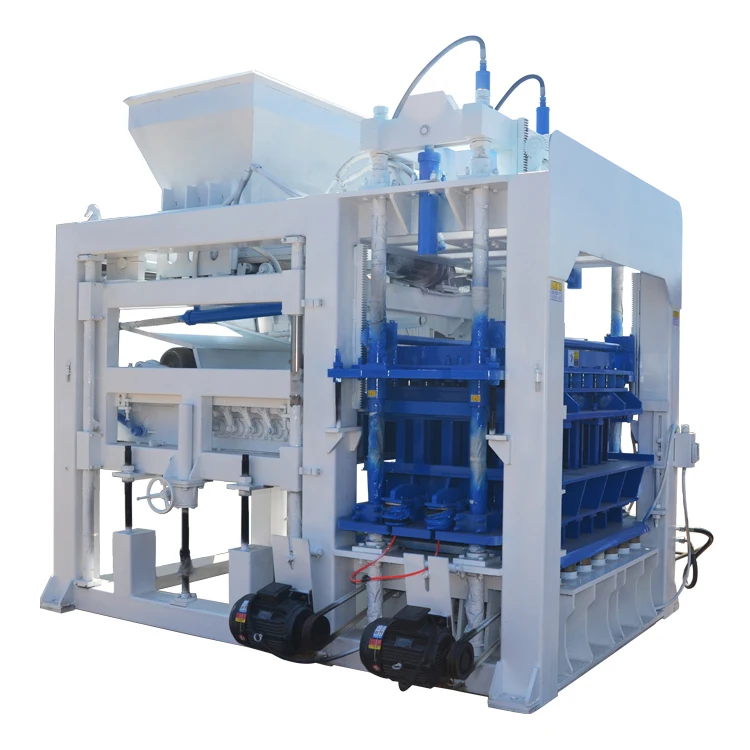
Description
Per-format capacity matched to local aggregate — The QT10-15 block machine specifications mould capacity are calculated against your target block format, cavity count, and cycle time, not a single misleading hourly figure.
Technical Specifications
| Parameter | Value |
|---|---|
| Model | QT10-15 |
| Product Type | Cement Block Making Machine |
| Control System | PLC control cabinet |
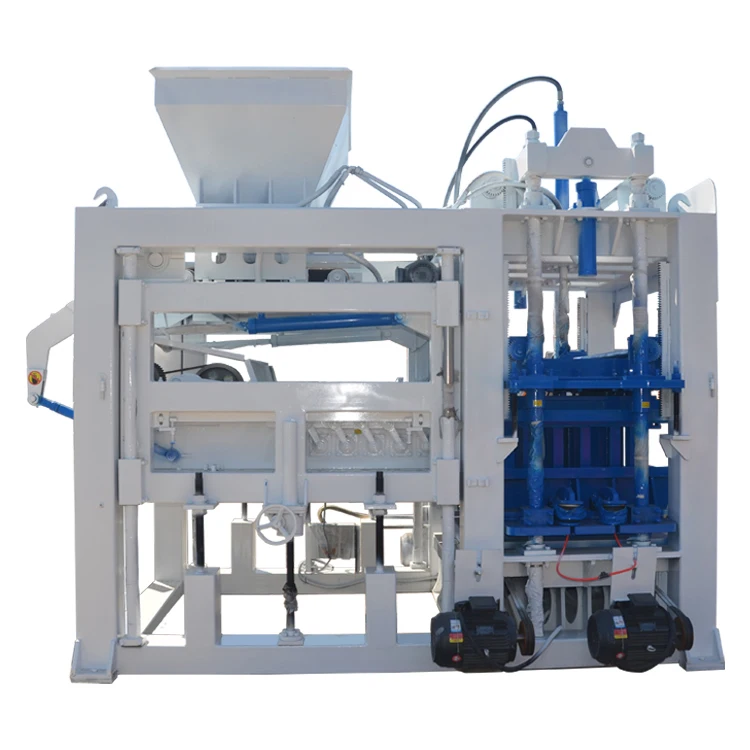
| Hydraulic System | Independent integrated hydraulic station |
| Vibration Mode | Vertical station mode resonance, automatic FM-AM |
| Mould Change | Simple replacement of mould for multi-format production |
| Automation Level | Automatic (pallet feeding, PLC controlled) |
| Cycle Time (Hollow Blocks & Solid Bricks) | 15-20 seconds |
| Cycle Time (Paving & Interlocking Blocks) | 20-25 seconds |
| Output: 400x200x200mm Hollow Block | 1800-2400 pcs/hour (15-20s cycle, 10 pcs/mould) |
| Output: 400x150x200mm Hollow Block | 2160-2880 pcs/hour (15-20s cycle, 12 pcs/mould) |
| Output: 240x115x53mm Solid Brick | 8928-11160 pcs/hour (15-20s cycle, 62 pcs/mould) |
| Output: 200x100x60mm Paving Block | 5184-6480 pcs/hour (20-25s cycle, 27 pcs/mould) |
| Output: 225×112.5x60mm Interlocking Block | 4032-5040 pcs/hour (20-25s cycle, 24 pcs/mould) |
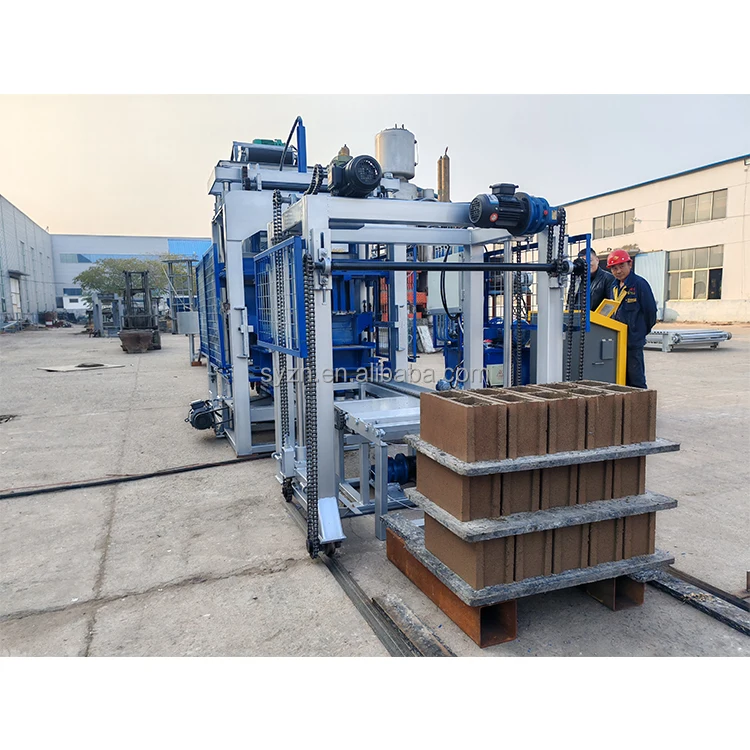
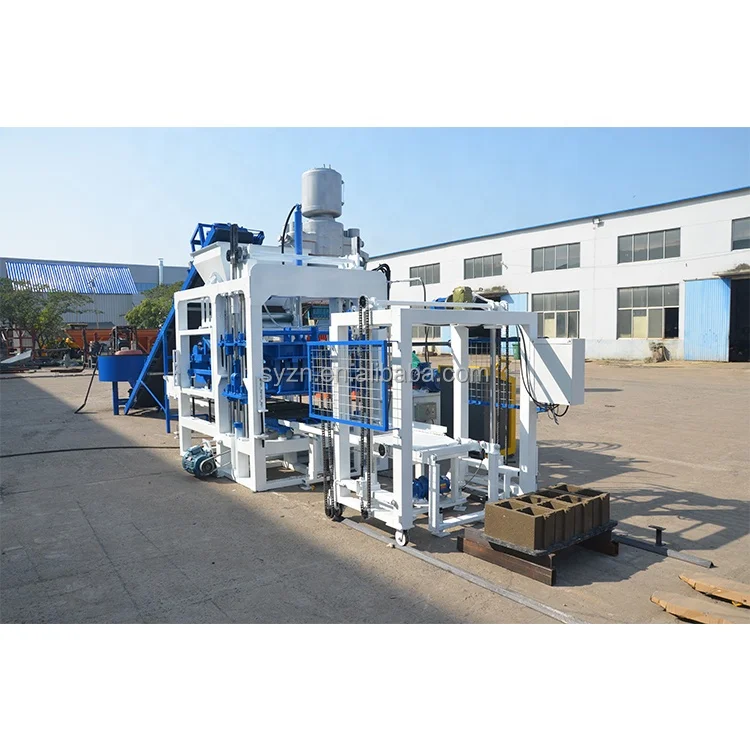
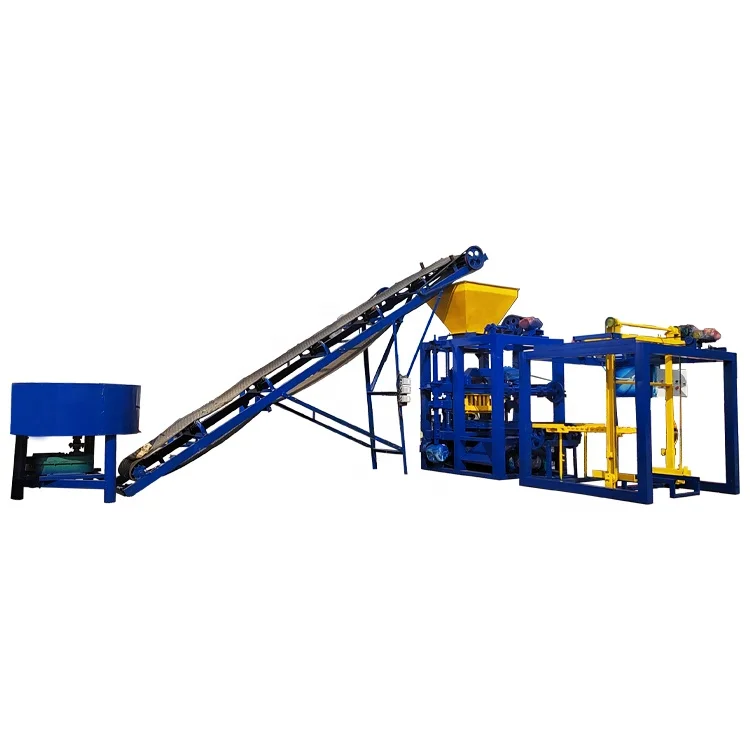
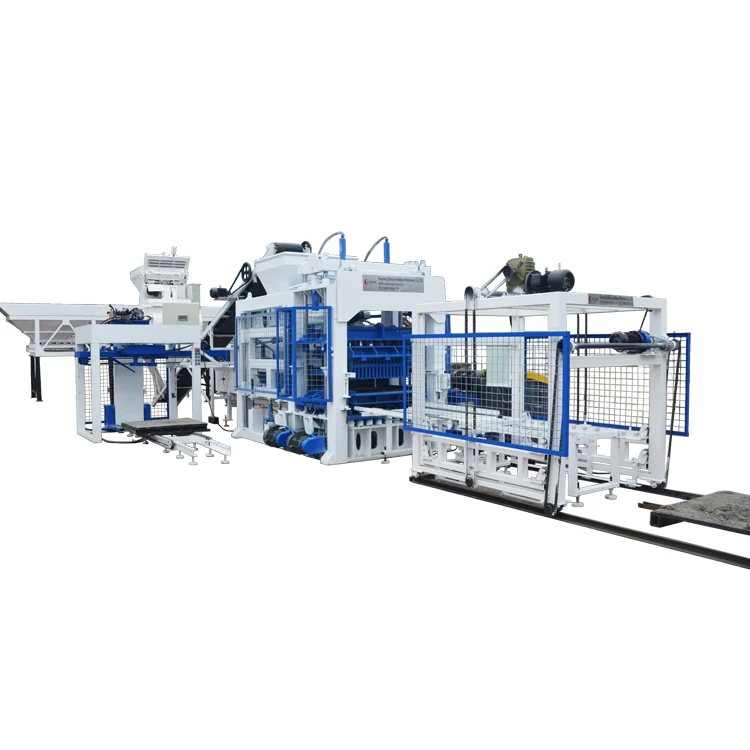
| Components Included | Pallet feed machine, block making machine, storage hopper, conveyor, hydraulic unit, PLC control cabinet |
| Assembly State | Factory assembled, requires on-site installation and commissioning |
| Voltage & Frequency | (basis not stated in source — confirm with buyer’s local supply) |
| Overall Dimensions | (basis not stated in source — confirm with manufacturer) |
| Rated Power | (basis not stated in source — confirm with manufacturer) |
| Warranty | 1 year for the whole machine (excluding spare parts) |
Application Suitability
| Application | Material or Output |
|---|---|
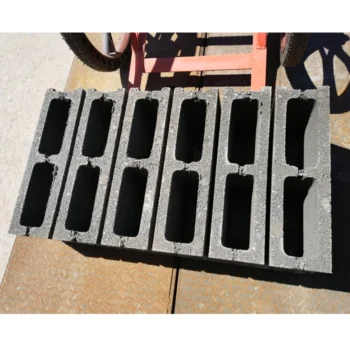
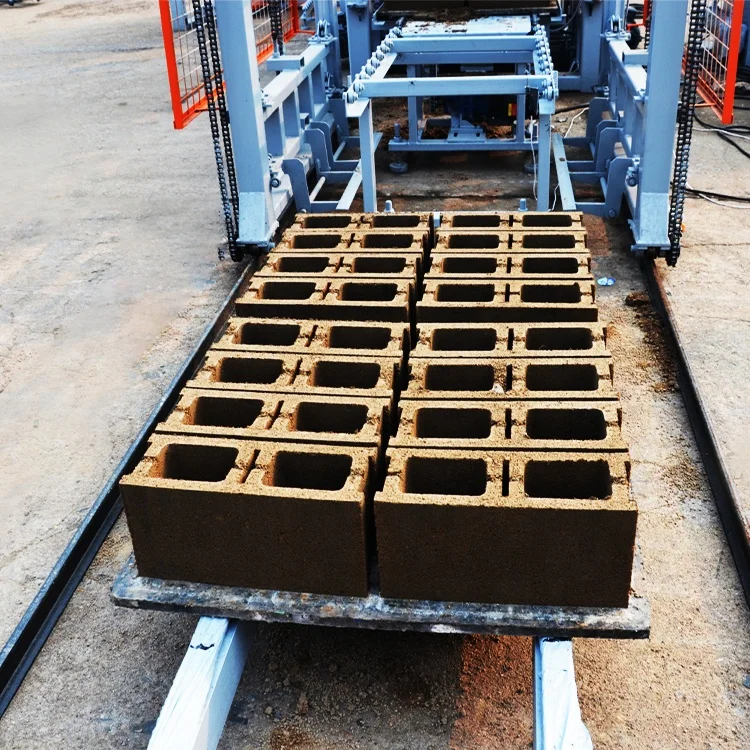
| Hollow Block Production | 400x200x200mm and 400x150x200mm formats using crushed stone, sand, and cement |
| Solid Standard Brick Production | 240x115x53mm format using local aggregate and cement mix |
| Paving Block Production | 200x100x60mm format for driveways, walkways, and commercial surfaces |
| Interlocking Block Production | 225×112.5x60mm format for retaining walls and landscape applications |
| Multi-cellular Brick Production | Various cellular formats based on specific mould configurations |
What "1800 Pieces per Hour" Actually Means for Your Plant
Capacity figures are only meaningful when tied to a specific block format, mould cavity count, and cycle time.
Many equipment quotations list a single hourly output number without stating which block format that figure assumes. When a technical buyer sizes a QT10-15 block machine based on an optimistic cycle time, real daily output often falls noticeably short of the quoted expectation. The vibration force and hydraulic pressure must also match the buyer’s specific mix design and local aggregate to maintain consistent block strength throughout production runs. [NEED_CITE: concrete block compressive strength testing standards by region]
Matching Vibration and Pressure to Your Mix Design
The QT10-15 uses vertical station mode resonance with automatic FM-AM vibration to achieve consistent compaction across different mix designs. The independent integrated hydraulic station isolates the hydraulic system from host vibration and dust contamination, which helps maintain pressure stability over extended production shifts. When the vibration frequency and hydraulic pressure are correctly matched to your local aggregate characteristics, block density remains uniform from the first pallet to the last.
Why Mould Format Determines Realistic Daily Output
Each block format requires a different cycle time and produces a different number of pieces per mould. A 400x200x200mm hollow block runs at 15-20 seconds per cycle with 10 cavities, while a 200x100x60mm paving block requires 20-25 seconds with 27 cavities. The QT10-15 block machine specifications mould capacity table above reflects these differences so buyers can calculate realistic daily output for their specific product mix. [NEED_CITE: typical block plant operating hours and shift patterns in export markets]
Reading the Specifications Without Being Misled
The independent integrated hydraulic station design prevents vibration from the press table from reaching sensitive hydraulic valves, reducing the risk of pressure fluctuation during the compaction phase. Vertical station mode resonance allows the system to automatically adjust frequency and amplitude based on the mould installed and the mix being processed. The PLC control cabinet manages pallet feeding, material distribution, and cycle timing as a coordinated sequence, so the press is never left waiting for the next pallet or material charge.
The Cost of Configuring for the Wrong Aggregate
When a block machine is configured for a standard river sand mix but the buyer’s local supply is volcanic ash, coral aggregate, or crushed limestone, the vibration force and hydraulic pressure settings no longer produce adequate compaction. Blocks may appear intact when demoulded but fail compressive strength tests after curing. Adjusting parameters on-site after arrival can take considerable time, delaying project timelines and requiring repeated test batches before acceptable strength is achieved. [NEED_CITE: aggregate variation effects on concrete block strength]
Why the Machine, Mould, and Pallet Are Specified as One System
The QT10-15 is designed so the machine, mould, pallet, and handling equipment are specified together rather than assembled from separate suppliers. Pallet size must align with the curing area layout and the forklift capacity the buyer already has on site. Mould design covers the formats the buyer’s market actually sells, including custom drawings when standard formats do not match local building codes. This matched-system approach prevents the situation where the press arrives but pallets are the wrong size for existing curing racks.
Documentation & Verification
- Line layout and capacity calculation stating the block format assumed for each output figure
- Mould drawing and format list confirming cavity count and dimensions before order placement
- Pallet specification detailing size, material, and compatibility with existing curing infrastructure
- Voltage and control language confirmation document to avoid commissioning delays after arrival
- Factory test record showing cycle times achieved on buyer’s specified block formats before dispatch
Installation, Commissioning & Support
- Foundation must accommodate the QT10-15 overall dimensions and dynamic loads from vibration (confirm with manufacturer for exact specifications)
- Voltage and frequency confirmation required before electrical cabinet wiring to match local supply standards
- Factory-assembled machine requires on-site installation and commissioning by qualified technicians
- PLC control cabinet display language configured to operator preference before shipment
- First production run includes parameter adjustment to match buyer’s local aggregate and mix design
- Wear parts and mould maintenance schedule provided with operation and maintenance manual
What Information Speeds Up Your Quotation
To prepare an accurate QT10-15 configuration, we need your target block formats with dimensions, required daily output per format, and a sample or description of your local aggregate. Share your existing curing area dimensions and forklift specifications so pallet size can be matched accordingly. Confirm your site voltage, frequency, and preferred PLC display language to ensure the electrical system is built correctly before shipment.
Frequently Asked Questions
Q: How is capacity calculated per block format and what cycle time is assumed?
A: Each capacity figure in the QT10-15 block machine specifications mould capacity table states the block format, mould cavity count, and cycle time range. Hollow blocks run 15-20 seconds per cycle while paving and interlocking blocks require 20-25 seconds. Daily output depends on your operating hours, shift pattern, and the proportion of each format in your production schedule.
Q: Which mould formats are available and what is the mould change time?
A: The QT10-15 supports hollow block, solid brick, paving block, interlocking block, and custom formats based on buyer drawings. The machine uses simple mould replacement for multi-format production. Mould change time depends on operator familiarity and whether quick-change hardware is specified. Request the mould format list and change procedure during the quotation stage.
Q: How is the machine configured to match my local aggregate and mix design?
A: Before quotation, we request a description or sample of your local aggregate so vibration frequency, amplitude, and hydraulic pressure can be matched to your material. The automatic FM-AM vibration system adjusts within its range, but baseline settings must be established during configuration. On-site commissioning includes parameter fine-tuning on your actual production mix.
Q: What pallet size does the QT10-15 require and how does it affect curing area layout?
A: Pallet size for the QT10-15 must be confirmed with the manufacturer based on the mould formats you plan to run. The pallet specification affects your curing rack spacing, forklift requirements, and floor space allocation. We confirm pallet dimensions against your existing curing infrastructure before order placement to avoid compatibility issues after delivery.
Q: What documentation confirms voltage, control language, and hydraulic specifications before shipping?
A: Before dispatch, you receive voltage and control language confirmation, hydraulic and electrical schematics, and a factory test record showing the machine running your specified block formats. These documents allow you to verify that the electrical cabinet matches your site supply and that the PLC display is in your preferred language before the machine arrives.