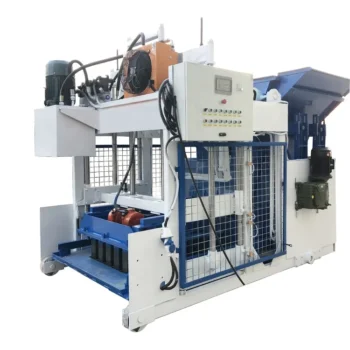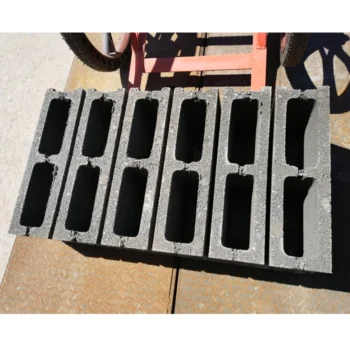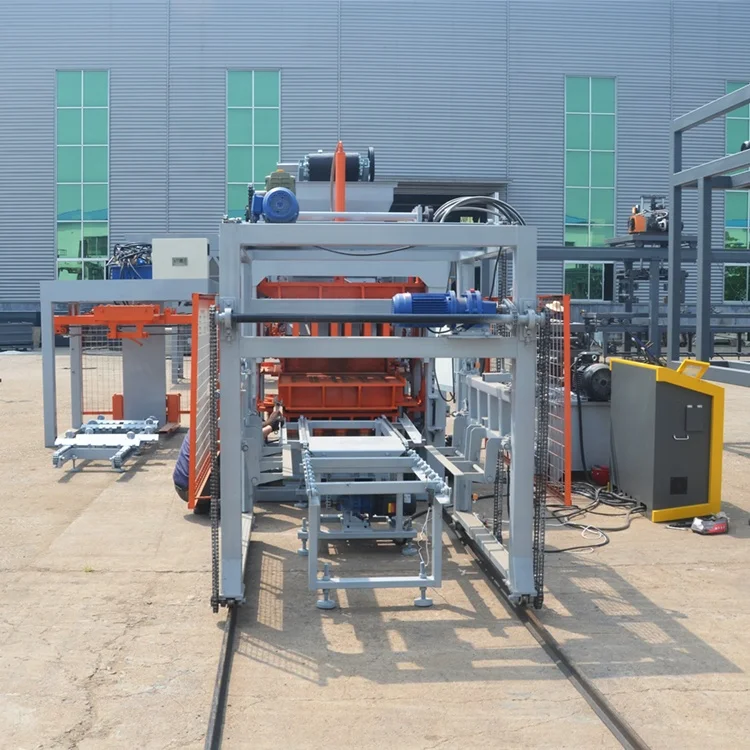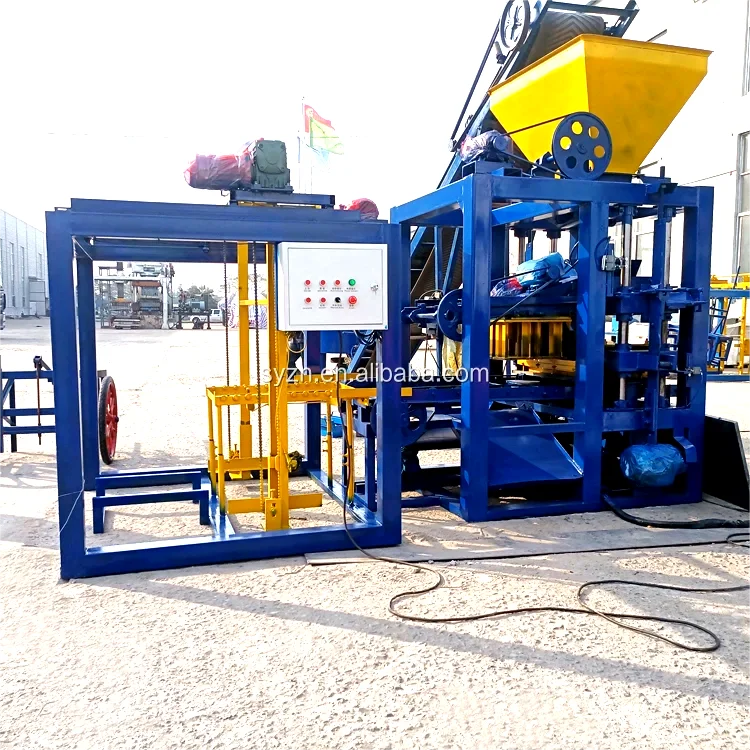


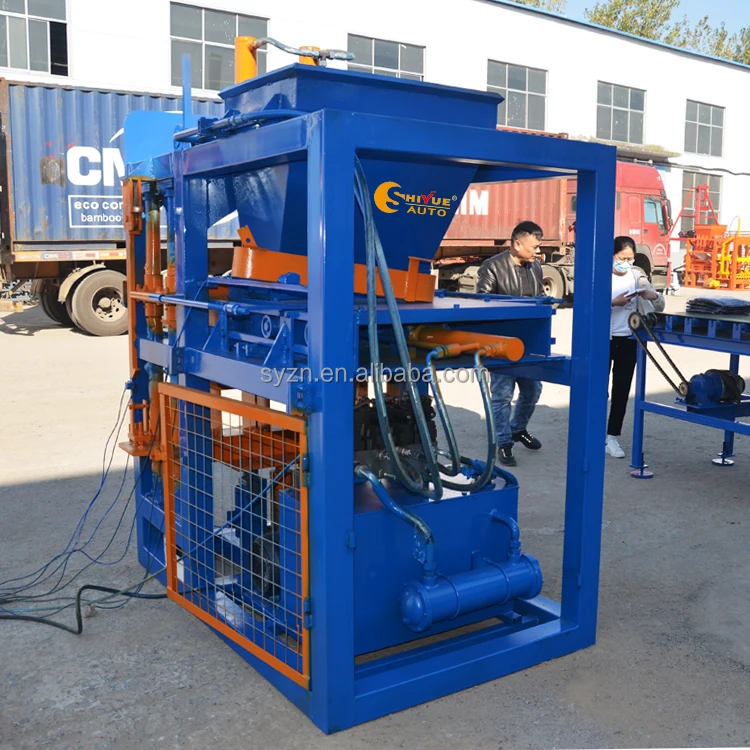
Description
Mould-First Configuration — every LY4-10 quotation names the exact interlocking brick profile and its measured cycle time before a daily output figure is ever written down.
Technical Specifications
| Parameter | Value |
|---|---|
| Model | LY4-10 |
| Product Type | Automatic Clay Interlocking Brick Making Machine |
| Rated Power | 11 kW |
| Control System | PLC control with integrated hydraulic system |
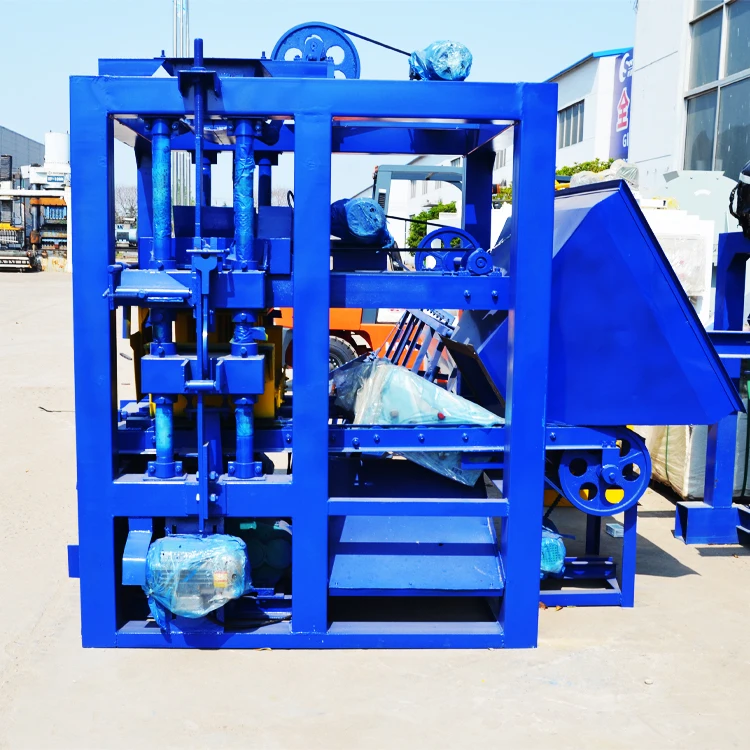
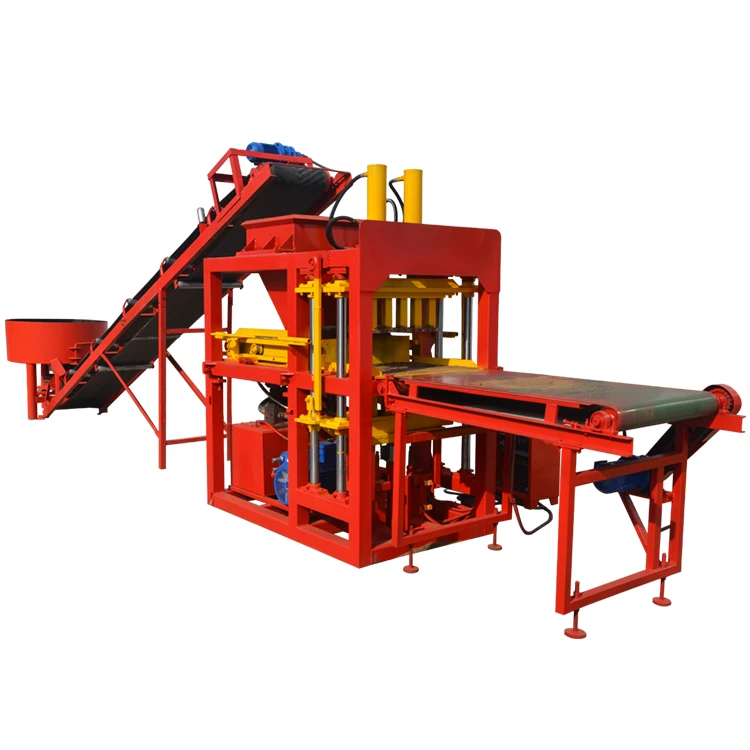
| Overall Dimensions | 2260 × 1500 × 2380 mm |
| Moulding Cycle | 10–15 s (basis not stated in source — confirm block format and material) |
| Output Capacity | 4 bricks per cycle (basis not stated in source — confirm interlocking format) |
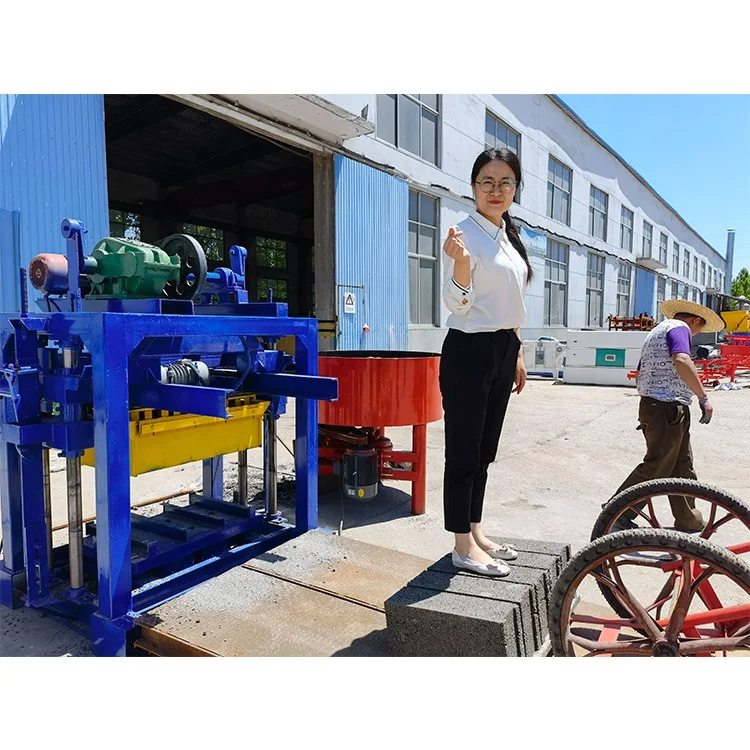
| Raw Materials | Clay, soil, earth, mud, concrete, cement, fly ash, water |
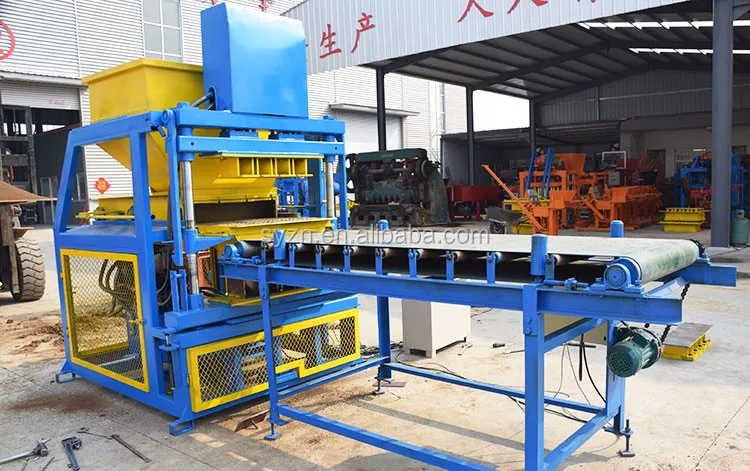
| Automation Level | Automatic material feeding, mould pressing, and mould lifting |
| Mould Format | Interlocking brick profiles, multiple formats available by mould change |
| Assembly State | Fully assembled machine |
Application Suitability
| Application | Material or Output |
|---|---|
| On-site interlocking brick production for housing projects | Clay or soil-cement blends sourced from the building site |
| Small block plant adding interlocking formats to an existing range | Cement, fly ash, and local aggregate mixes |
| Contractor producing walling bricks for a development compound | Mud and earth stabilised with a cement binder |
| First-time block entrepreneur entering the interlocking brick market | Any locally available blend of clay, sand, and water |
What "4 Bricks per Cycle" Leaves Out About Daily Output
The cycle time and output per cycle only become meaningful once the specific interlocking brick profile and your local mix design are defined.
Capacity claims on block machines are almost always quoted as a single number with no reference to the brick shape being pressed, the moisture content of the clay, or the curing schedule that follows. I once worked on a site where the buyer ordered a machine rated for a certain hourly output based on a standard solid block, only to find that the interlocking profile they actually sold required a longer pressing phase and a different mould closure sequence. The real daily output ended up well below expectation because the quotation had never been tied to their actual product. When sizing an automatic clay interlocking brick making machine specifications should always be validated against the buyer’s target format [NEED_CITE: block format and cycle time correlation in interlocking brick production].
Matching the Mould to the Interlocking Profile You Actually Sell
Interlocking bricks come in several profile families — dry-stack walling blocks, channel-lock paving formats, and tongue-and-groove structural units. Each profile changes the mould cavity depth, the pressing stroke, and the ejection sequence. The LY4-10 supports mould changes across these formats, which means the machine can follow your market demand rather than forcing you into a single product. The critical step is confirming which profiles are included at the quotation stage, because a mould drawing reviewed before production prevents mismatches that are expensive to correct once the steel is cut.
Why Your Local Clay Changes Everything About the Cycle
The automatic clay interlocking brick making machine specifications list a 10–15 second moulding cycle, but that range assumes a material behaviour that may not match your local deposit. Clay from one quarry can have twice the plasticity index of clay from the next valley, which affects how quickly the material fills the mould cavity under hydraulic pressure and how cleanly it releases during lifting. Sending a sample of your raw material for a bench test before finalising the hydraulic pressure setting is a step that avoids weeks of on-site adjustment after commissioning [NEED_CITE: effect of clay plasticity on hydraulic block pressing cycle time].
Reading the Numbers That Actually Matter
The 11 kW rated power drives both the hydraulic pump and the vibration system. In interlocking brick production, hydraulic pressure and vibration force must be balanced against the mix design: too much vibration with a wet clay blend causes segregation, while too little with a dry earth mix leaves weak zones at the interlocking teeth. The PLC control system allows operators to store different pressing recipes per mould, so when you switch from a walling block to a paving format the pressure, vibration duration, and feed stroke all adjust to the stored profile. The overall machine footprint of 2260 × 1500 × 2380 mm is compact enough for a site compound yet large enough to accommodate the full hydraulic cylinder stroke needed for deeper interlocking cavities.
The Cost of a Mould Change That Takes Half a Shift
When a machine is sold with the promise of format flexibility but the mould change procedure has not been specified, the reality on the factory floor can be very different. Bolts that require a full wrench set to remove, alignment pins that need manual tapping, and hydraulic hoses that must be disconnected and capped all add up to lost production time. I have seen operators spend most of a morning swapping from one interlocking profile to another, which effectively removes the flexibility the buyer paid for. The quotation should state the mould change method, the tools required, and the expected time so you can plan your production schedule honestly [NEED_CITE: mould change time impact on daily interlocking brick output].
Why Buyers Come Back for a Second Line
The LY4-10 is specified as a matched system where the machine, the interlocking moulds, and the hydraulic pressure setting are all chosen around the same target block format rather than assembled from a general catalogue. Mould drawings are confirmed with the buyer before steel cutting, so the interlocking profiles match what the local construction market actually demands. The automation sequence covers material feeding through to mould lifting, which removes the heaviest manual steps from the operator’s shift. Configuration is set against the buyer’s own mix design and aggregate source, not a default recipe. Installation support includes operator training on mould change procedures and PLC recipe storage.
Documentation & Verification
- Line layout showing the LY4-10 footprint with curing area and pallet flow marked
- Capacity calculation document stating the exact interlocking brick format assumed per cycle
- Mould drawing and profile list confirming included interlocking formats before production
- Hydraulic and electrical schematic for local maintenance teams and commissioning engineers
- Voltage, frequency, and PLC display language confirmation sheet signed before dispatch
- Factory test record run on the buyer’s specified brick format and material blend
Installation, Commissioning & Support
- Foundation pad sized to the 2260 × 1500 mm footprint with anchor bolt template provided
- Dedicated power circuit rated for the 11 kW load with correct voltage and frequency confirmed
- Machine arrives fully assembled; hydraulic lines and PLC panel connected on-site
- First production run supervised with pressing recipes stored in the PLC per mould format
- Operator training covers mould change sequence, hydraulic pressure adjustment, and fault codes
- Wear parts list with part numbers supplied at delivery for local sourcing of seals and liners
- Daily maintenance checklist based on the hydraulic system and vibration assembly intervals
What to Include with Your Inquiry
To move from a catalogue figure to a capacity number you can plan around, share the interlocking brick profile drawing or photograph you intend to produce, the daily volume your market absorbs, and the source and type of clay or cement blend available locally. Include your site voltage, frequency, and the PLC language your operators need. If you already run pallets and a curing yard, state the pallet dimensions and the space you have so the line layout can be matched to your existing handling setup.
Frequently Asked Questions
Q: What interlocking brick formats can the LY4-10 produce, and what is the realistic daily output per format?
A: The LY4-10 produces multiple interlocking profiles by changing moulds. Realistic daily output depends on the specific profile, the clay or cement blend, and the curing cycle. A capacity calculation document is prepared for each buyer stating the assumed format and its measured cycle time, so the daily figure reflects your actual product rather than a generic catalogue number.
Q: How does the hydraulic pressure match my local clay or cement mix design for target block strength?
A: Hydraulic pressure on the LY4-10 is adjustable through the PLC-controlled system. Before the machine is configured, a sample of your local clay or aggregate blend is tested to determine the pressure and vibration duration needed to reach your target compressive strength. The pressing recipe is then stored in the PLC for each mould format so operators simply select the correct programme at each changeover.
Q: What is the mould change procedure and time between interlocking formats?
A: The mould change involves releasing the clamping mechanism, lifting the current mould, and seating the replacement with alignment guides. The exact time depends on the number of hydraulic connections per mould. This procedure and its expected duration are stated in the quotation and demonstrated during operator training so you can schedule format changes within your production plan.
Q: Which voltage, frequency, and PLC language options are available for my market?
A: Voltage and frequency are confirmed before production to match your local grid. The PLC display language is agreed with the buyer so operators can read fault codes and recipe names without translation delays. A confirmation sheet covering these electrical details is signed off before the LY4-10 leaves the factory to avoid commissioning delays on arrival.
Q: What pallet size is required, and is it compatible with my existing curing area and handling equipment?
A: The pallet dimensions for the LY4-10 are selected based on the interlocking brick format and the number of cavities per mould. Before finalising, your existing curing rack spacing and forklift capacity are reviewed so the pallets fit your current yard layout. This prevents a situation where new pallets arrive but cannot be stacked or moved with the equipment already on site.