Description
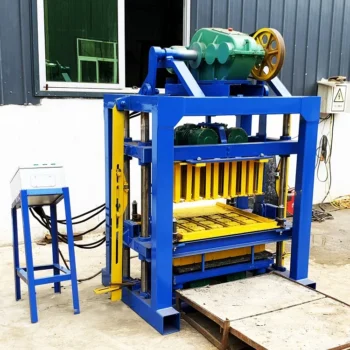
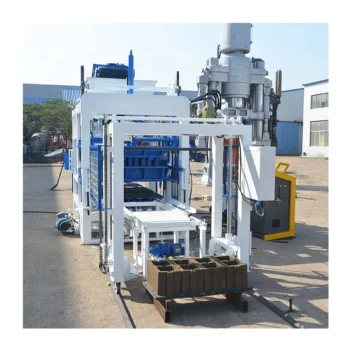
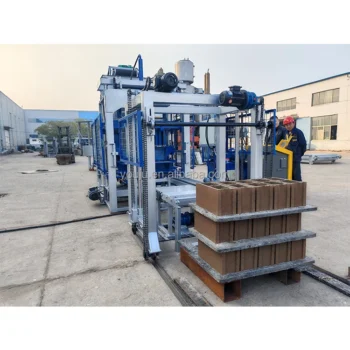
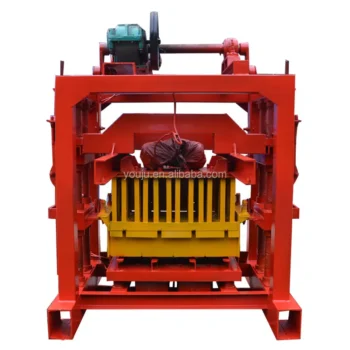
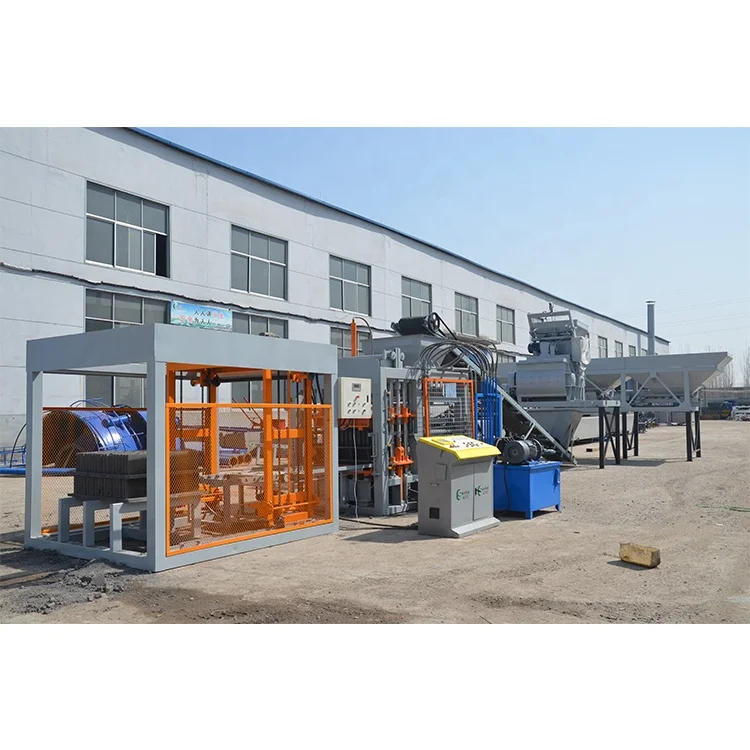
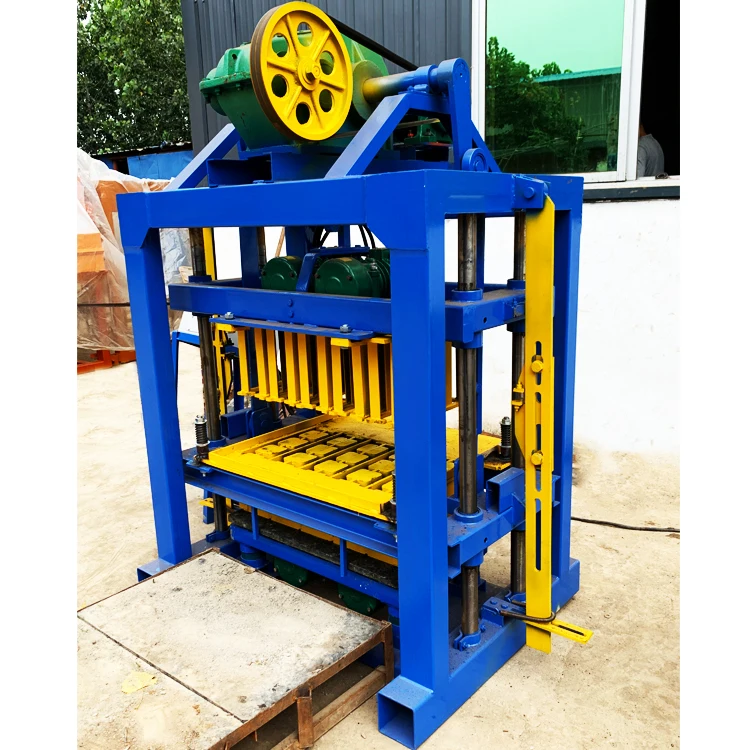
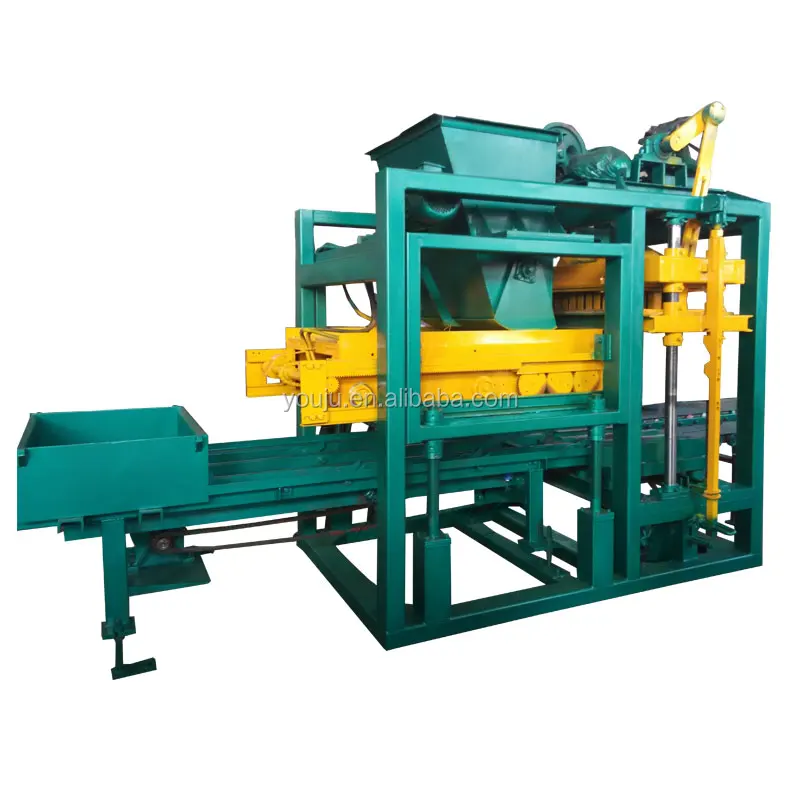
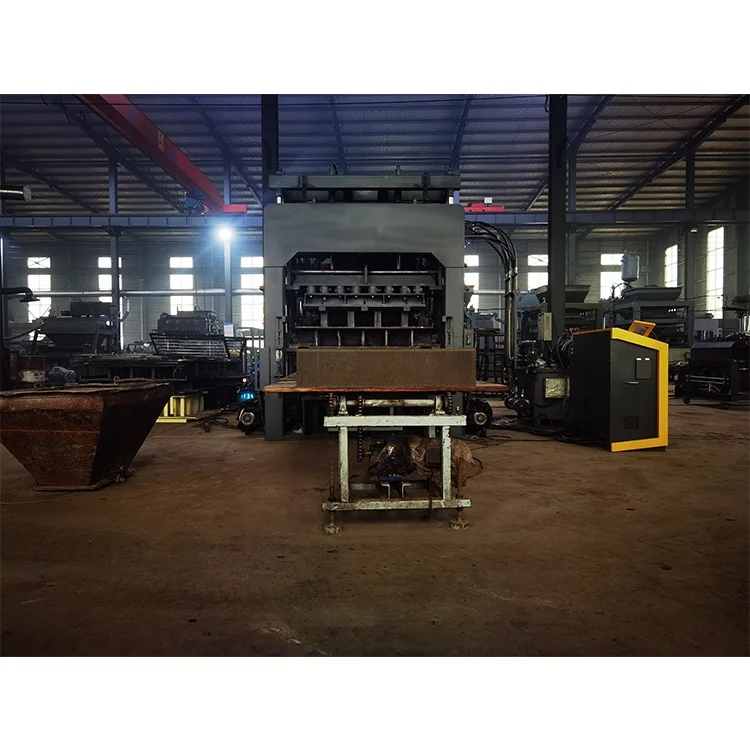
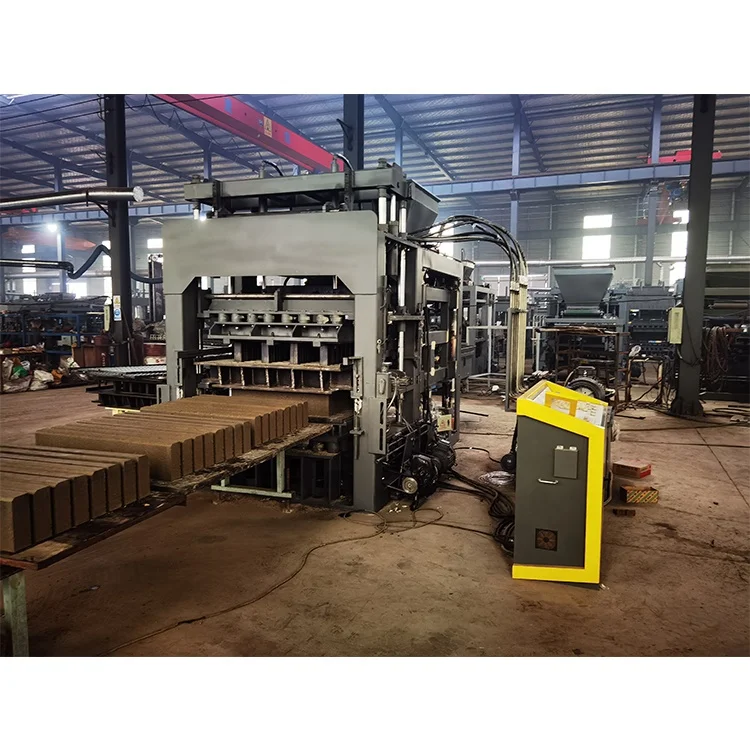
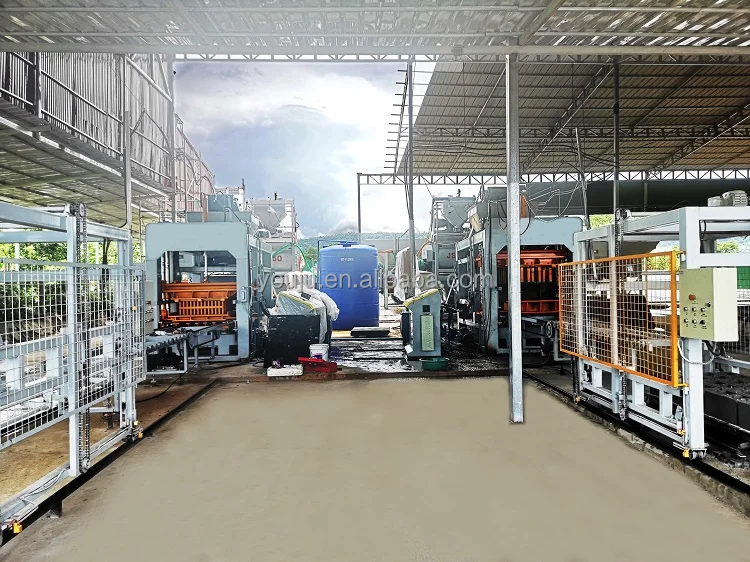
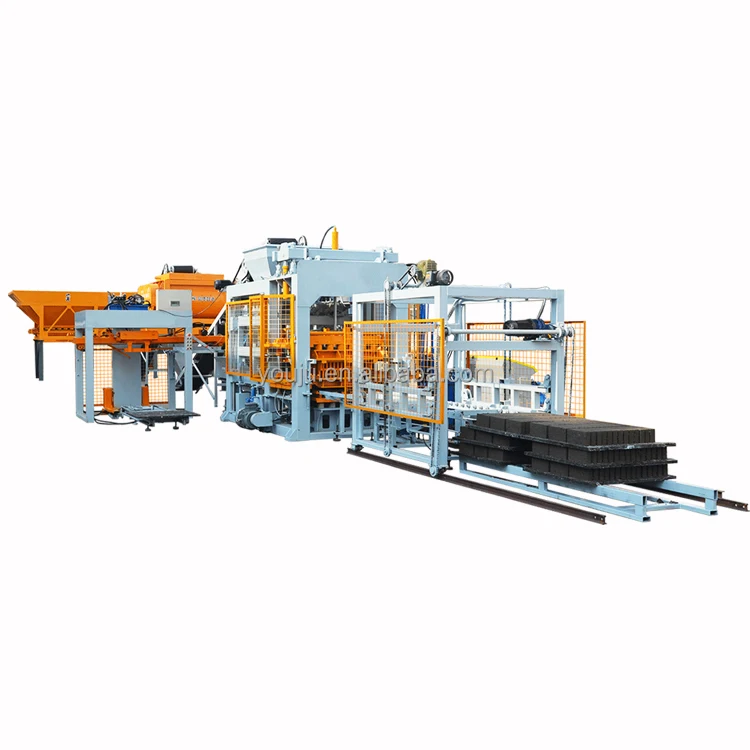
Matched to Your Format — The QT8-15 hydraulic block making machine is configured around the specific block dimensions, local aggregate and curing logistics you actually run, not a catalogue default that ignores your site conditions.
Technical Specifications
| Parameter | Value |
|---|---|
| Model | QT8-15 |
| Product Type | Hydraulic Block Making Machine |
| Overall Dimensions | 8300 × 1860 × 3000 mm |
| Rated Pressure | 21 MPa |
| Main Vibration Form | Platform Vibration |
| Vibration Frequency | 2800–4500 r/min |
| Vibration Force | 60 kN |
| Pallet Size | 950 × 900 mm |
| Molding Cycle | 15–25 s (basis not stated in source — confirm block format, material and thickness) |
| Overall Power | 55.5 kW |
| Demolding Method | Hydraulic |
| Total Mass | 9 T |
| General Water Consumption | 12 T/Day |
| Factory Area | 600 m² |
| Control System | PLC with human-machine interface |
| Automation Level | Fully automatic |
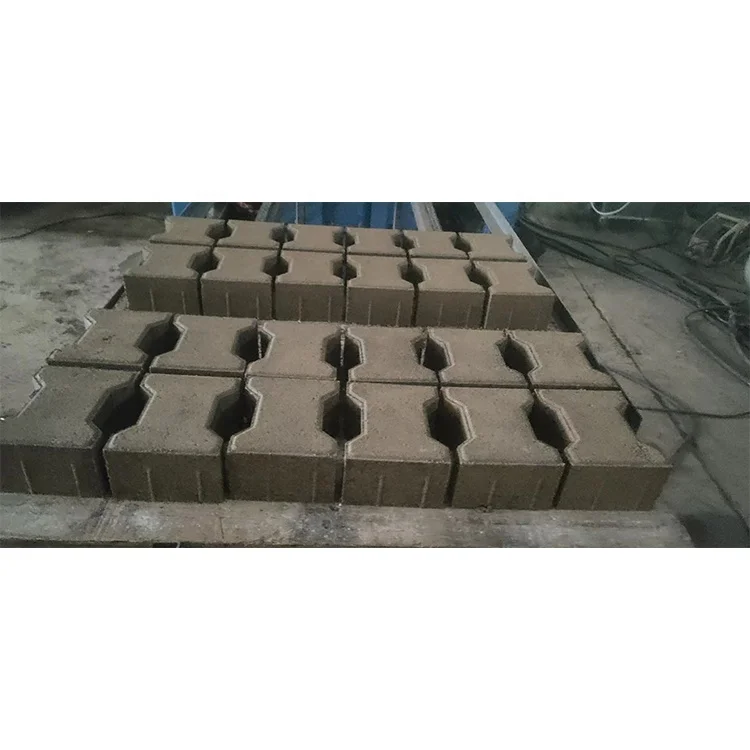
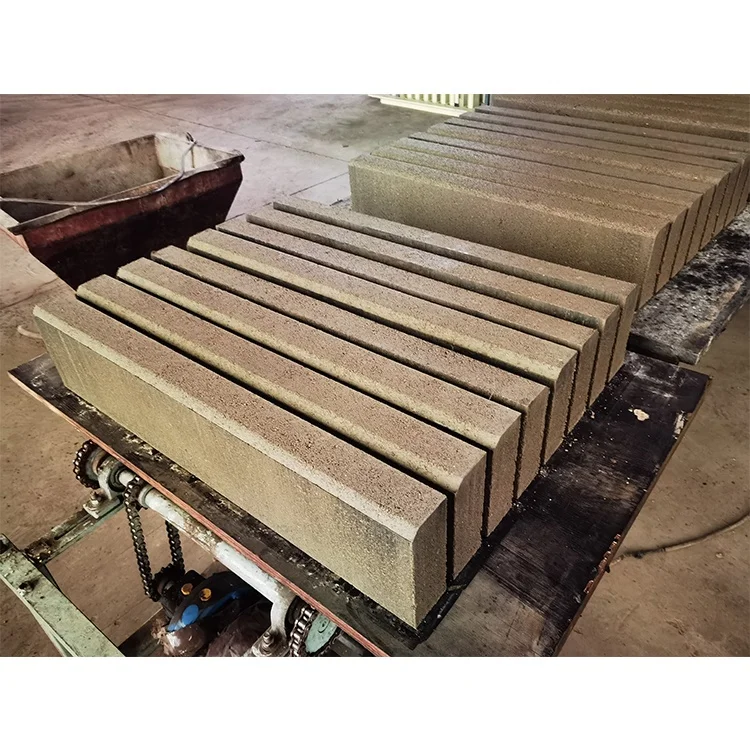
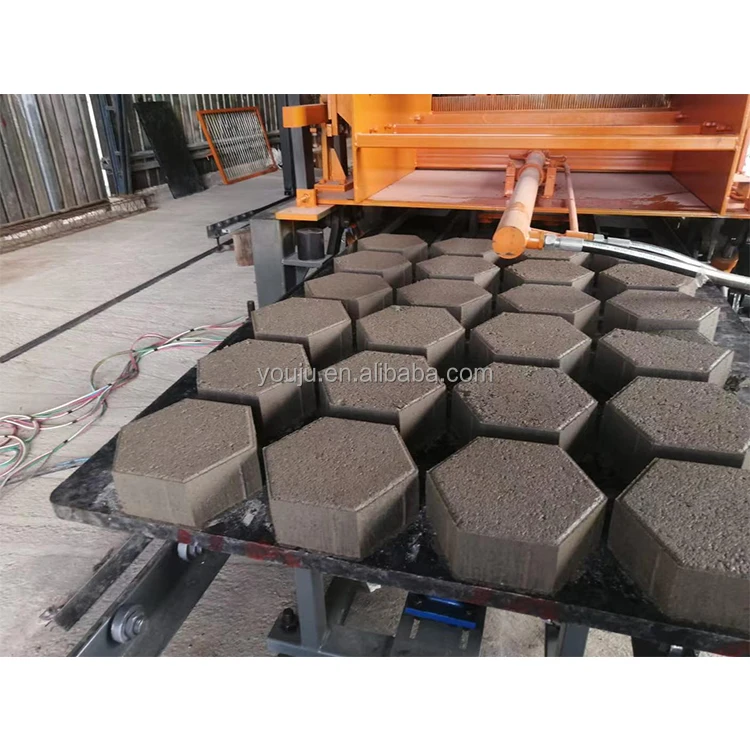
| Applied Products | Concrete blocks, hollow/solid blocks, pavers, interlocking blocks, curbstone, colored pavers |
| Raw Material | Crushed stone, sand, cement, dust, fly ash, gravel, slag |
Application Suitability
| Application | Material or Output |
|---|---|
| Hollow block production for wall construction | Crushed stone, sand, cement, fly ash |
| Solid block manufacturing for load-bearing structures | Gravel, sand, cement, slag |
| Interlocking paver production for driveways and walkways | Fine aggregate, cement, pigment for colored faces |
| Curbstone forming for road and pavement edging | Coarse aggregate, cement, high-pressure hydraulic compaction |
| Porous and permeable block production | Graded aggregate with controlled cement content |
What the QT8-15 Cycle Time Actually Means for Your Daily Output
A 15-second cycle on thin pavers and a 25-second cycle on tall hollow blocks produce very different daily totals — the QT8-15 hydraulic block making machine specifications must be read against the format you intend to sell.
I once watched a buyer celebrate a quoted cycle time, only to discover on commissioning that the figure assumed a 60 mm paver while his actual product was a 200 mm hollow block requiring nearly double the vibration dwell. His daily output fell well short of projection, and the curing racks emptied slower than planned. When you evaluate the QT8-15, every capacity discussion should name the block format, wall thickness and local aggregate before any number is written down. The vibration frequency range of 2800–4500 r/min exists precisely because different formats demand different energy inputs, and a single catalogue cycle time cannot represent them all. [NEED_CITE: block format impact on cycle time and daily output in stationary block machines]
Platform Vibration Tuned to Mould Geometry
The platform vibration system delivers 60 kN of force across the 950 × 900 mm pallet area, transferring energy through the mould box walls into the mix. On interlocking pavers with thin webs, the higher end of the frequency range compacts fine aggregate without cracking the surface detail. On hollow blocks with deep cavities, the lower frequency range drives the vibration deeper into the mix column, ensuring consistent density from face to core. The QT8-15 hydraulic block making machine specifications list this frequency band so that the vibration profile can be matched to the specific mould the buyer runs most often.
Pallet Size as a Logistics Decision, Not Just a Machine Parameter
The 950 × 900 mm pallet defines more than the press footprint. It determines how many blocks sit on each board, how the boards stack in the curing area, and whether the buyer’s existing forklift can handle a loaded rack. A mismatch here means either wasted curing space or a forklift upgrade the buyer did not budget for. Before the QT8-15 enters production, the pallet dimensions should be checked against the curing rack spacing and the handling equipment already on site. [NEED_CITE: pallet handling and curing area logistics in concrete block plants]
How Pressure, Vibration and Mix Design Intersect at the Press
The 21 MPa rated hydraulic pressure and 60 kN vibration force work together: pressure squeezes the mix from above while vibration rearranges particles from below. If the local aggregate is angular and coarse, higher vibration energy is needed to achieve full compaction; if the mix contains a high percentage of fly ash, the water demand shifts and the pressure curve must be adjusted. A machine set for one aggregate type will produce weak or chipped blocks on another. This is why the QT8-15 configuration must be validated against the buyer’s actual raw material source before the mould is finalized.
When the Wrong Configuration Reaches the Site
A buyer who skips the aggregate-to-vibration matching step often discovers the problem only after the first production run. Block edges chip during demoulding, compressive strength test results scatter across a wide range, and the operator spends shifts adjusting water content trying to compensate for a machine setting that was never correct for the material. The QT8-15 is capable of producing consistent output, but only when the vibration frequency, hydraulic pressure and mix design are aligned to the same target block. Fixing this after installation means re-tuning on site, which costs production time and raw material. [NEED_CITE: on-site re-tuning costs for block machines configured without aggregate validation]
Why Buyers Source This Machine Through a Format-First Approach
The QT8-15 is specified against the buyer’s actual block format and local aggregate, not selected from a catalogue page. Mould drawings are provided for every format the buyer’s market demands, including custom designs from buyer-supplied drawings. The automation level is selectable, allowing a plant to begin with semi-automatic pallet handling and add full automatic stacking later without replacing the press. Voltage, frequency and PLC display language are confirmed before production begins, preventing commissioning delays. The supporting equipment — raw material feeding, mixing, pallet circulation and curing rack handling — is specified as a matched line so cycle times align across every station.
Documentation & Verification
- Line layout with capacity calculation naming the assumed block format for each output figure
- Mould drawing and format list confirming every block type the quoted machine will produce
- Voltage, frequency and PLC display language confirmation sheet signed before production
- Factory test record with measured cycle times on the buyer’s specified format and mix
- Hydraulic and electrical schematic matching the as-built machine configuration
- Operation and maintenance manual in the buyer’s operator language
Installation, Commissioning & Support
- Foundation plan sized to the 8300 × 1860 mm machine footprint and 9 T operating mass
- Power supply confirmed for 55.5 kW total load with dedicated circuit and correct voltage
- Machine dismantled for container loading and reassembled on site with alignment verification
- First-run commissioning with vibration frequency and hydraulic pressure tuned to buyer’s mix
- Operator training covering PLC interface, mould change procedure and daily maintenance checks
- Wear parts and mould inventory list provided for first replacement planning
What We Need to Quote Accurately
To size the QT8-15 correctly, share the block format and dimensions your market sells most, the daily output target tied to that format, and the local aggregate type available at your site. Include your existing pallet size and curing rack dimensions if you plan to integrate with current handling equipment. Confirm the local voltage and frequency, along with the preferred PLC display language for your operator team.
Frequently Asked Questions
Q: How is the QT8-15 daily output calculated and which block format does it assume?
A: Daily output depends on the block format, mould cavity count and confirmed cycle time. The 15–25 second molding cycle range covers thin pavers at the short end and tall hollow blocks at the long end. We calculate output per named format so buyers see realistic numbers for the products they actually sell, not a single inflated figure.
Q: What pallet size does this machine use and how does it relate to my curing area?
A: The QT8-15 uses a 950 × 900 mm pallet. This dimension must align with your curing rack spacing and forklift capacity. We confirm pallet size against your existing handling equipment before production so loaded racks fit your curing area without requiring facility modifications.
Q: Can the molding cycle be confirmed for my specific block format and local aggregate?
A: Yes. The cycle time is validated during factory testing using the buyer’s specified block dimensions and a mix representative of local aggregate. The test record documents actual measured cycles, giving the buyer a confirmed figure rather than a catalogue range.
Q: What mould formats are available and how long does a mould change take on the QT8-15?
A: Moulds are available for hollow blocks, solid blocks, pavers, interlocking bricks and curbstones. Custom mould designs can be produced from buyer drawings. Mould change time depends on the format switch and operator familiarity; we provide training and quick-change hardware to keep changeovers within a practical window.
Q: How is vibration force and hydraulic pressure matched to my mix design for consistent block strength?
A: The 60 kN vibration force and 21 MPa hydraulic pressure are tuned together based on the buyer’s aggregate gradation and cement content. Coarse angular aggregate requires different energy input than fine fly ash mixes. We set the vibration frequency and pressure curve to match the confirmed mix before the machine leaves the factory.