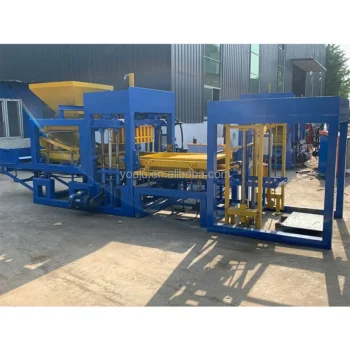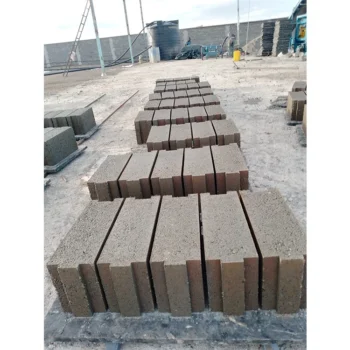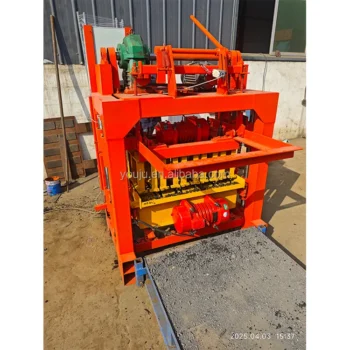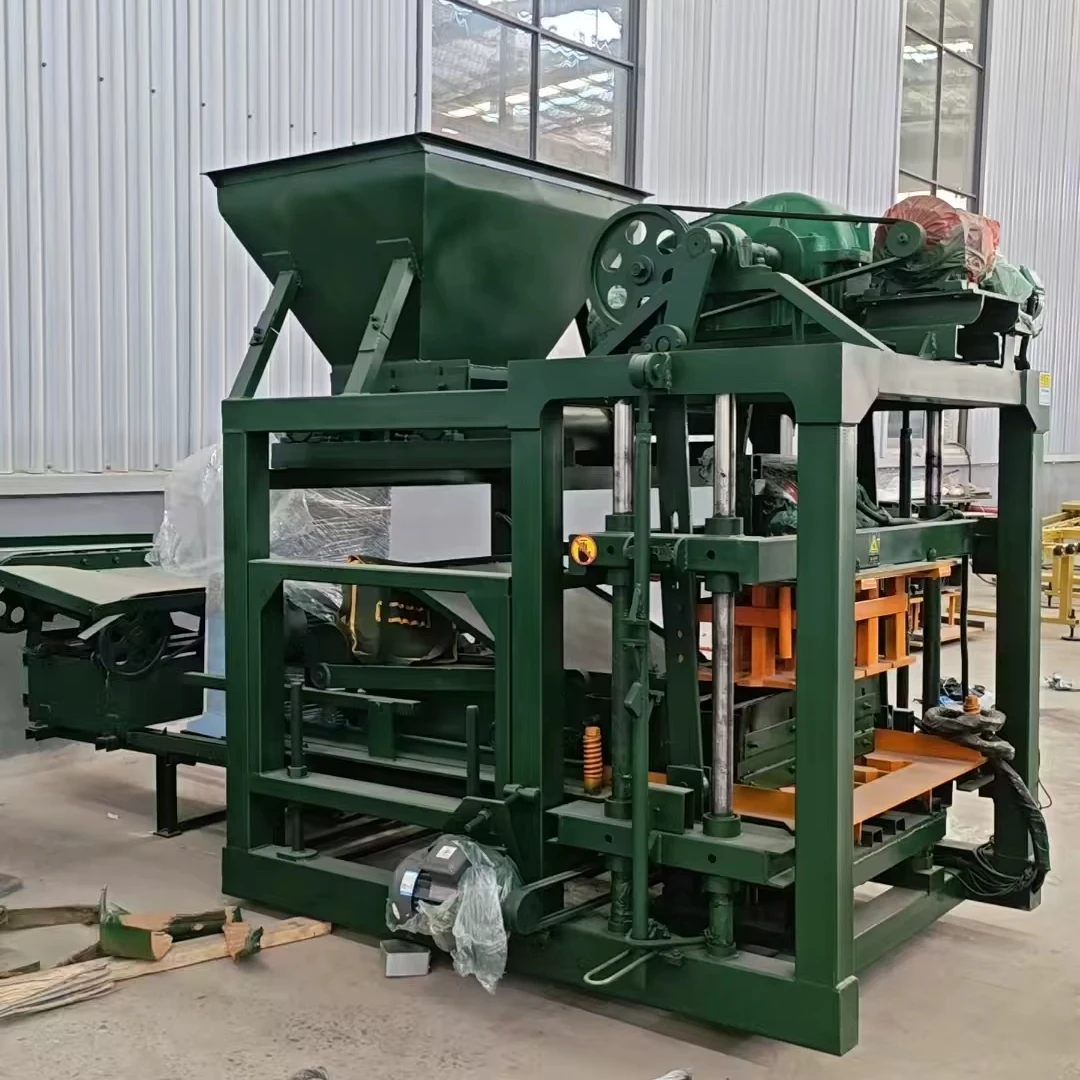
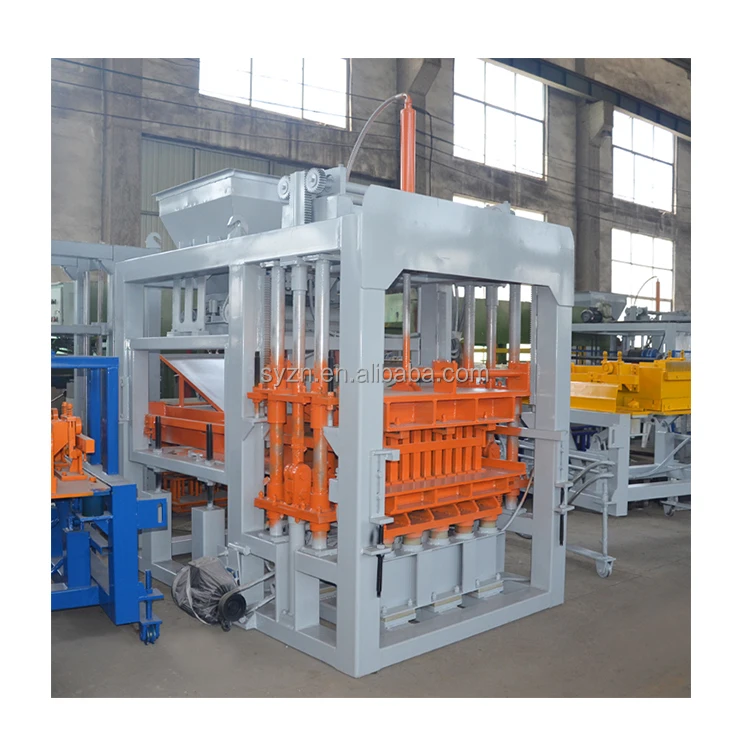
Description
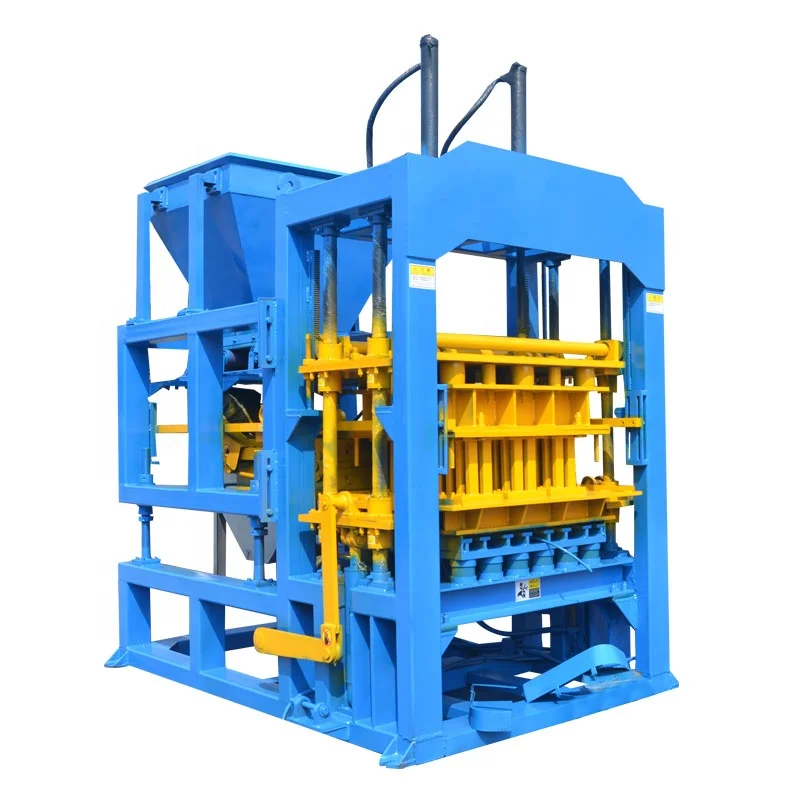
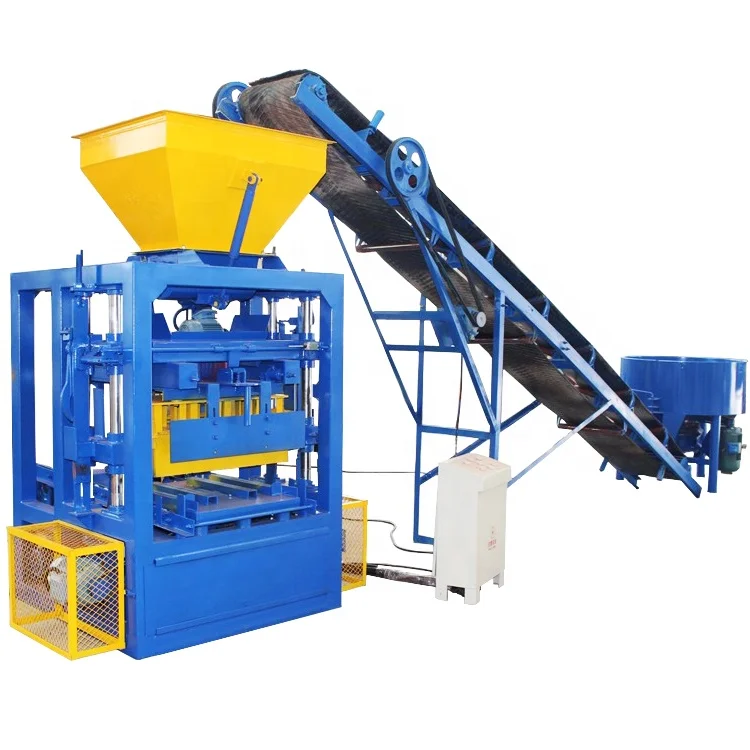
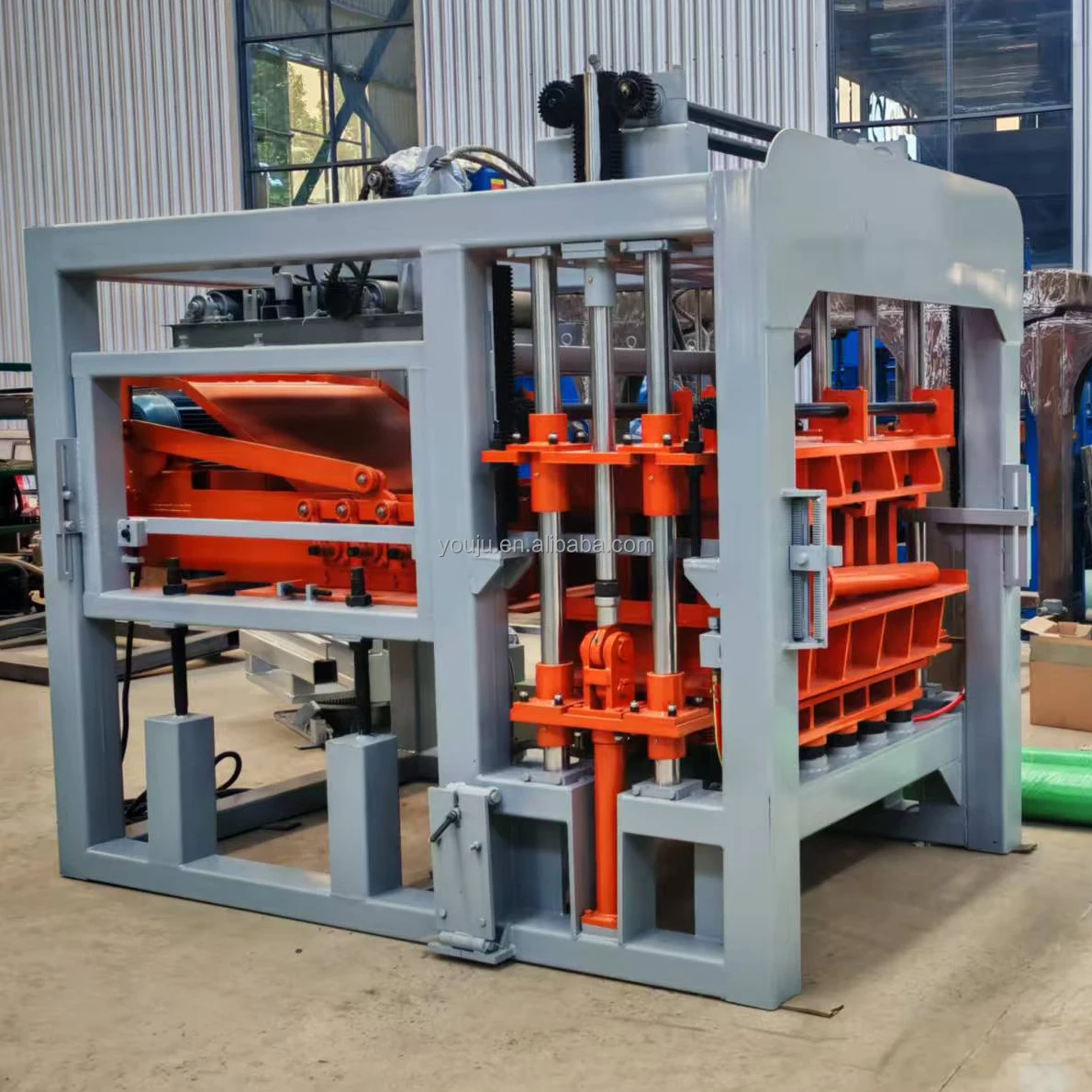
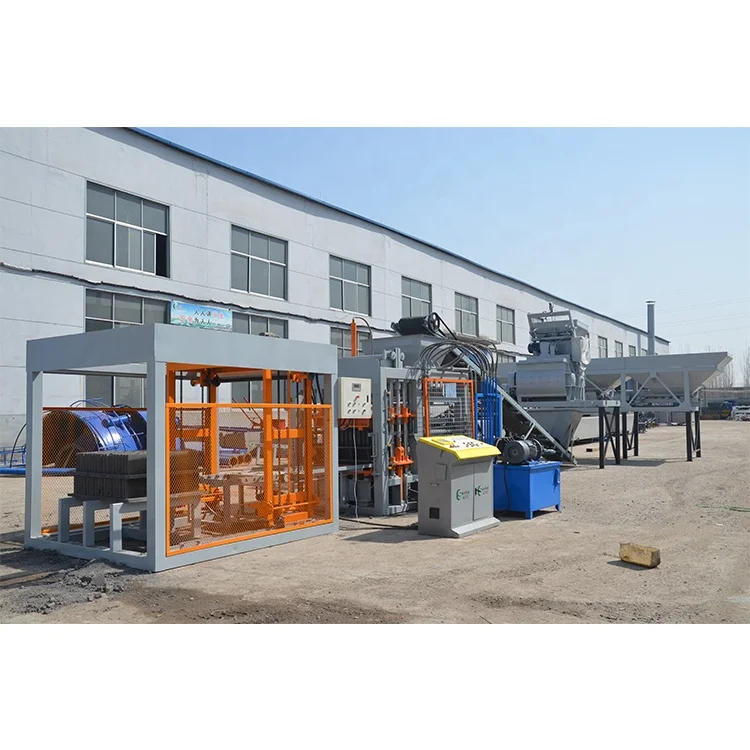
Single Focus Engineering — every parameter on the QT5-15 is matched to your actual block format and mix design, not pulled from a generic catalogue.
Technical Specifications
| Parameter | Value |
|---|---|
| Model | QT5-15 |
| Product Type | Fully Automatic Concrete Block Making Machine |
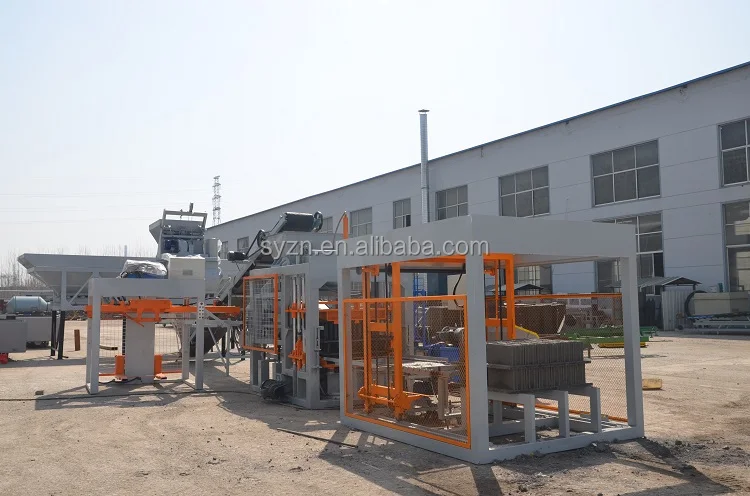
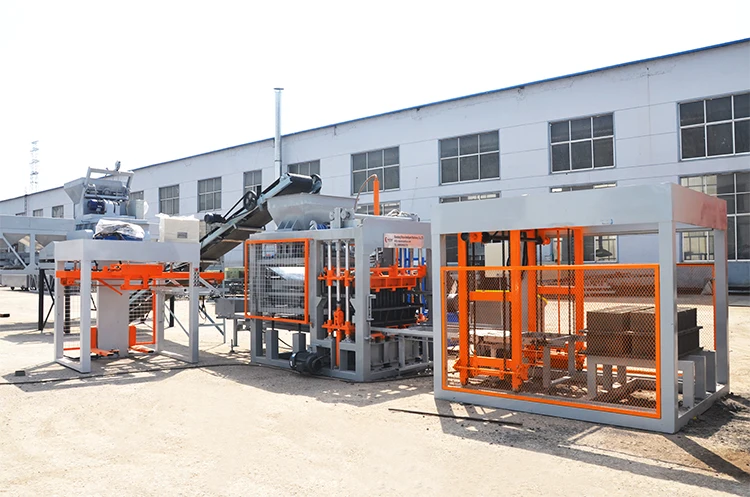
| Overall Dimensions | 7400 × 1950 × 2800 mm |
| Rated Pressure | 21 MPa |
| Main Vibration Form | Platform Vibration |
| Vibration Frequency | 2800 – 4500 r/min |
| Pallet Size | 1100 × 550 mm |
| Molding Cycle | 15 – 25 s |
| Overall Power | 26.5 kW |
| Demolding Method | Hydraulic |
| Automation Level | Fully Automatic |
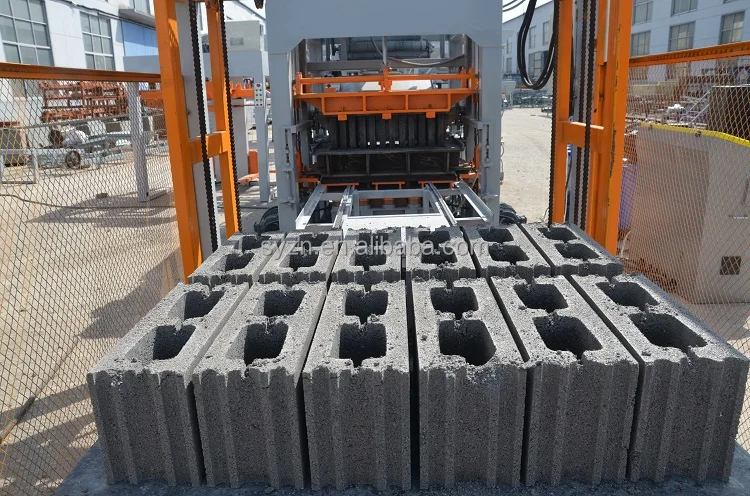
| Output: Hollow Block 400×200×200 mm | 5 pcs/mold, 16–20 s cycle, 1800 pcs/h |
| Output: Hollow Block 400×150×200 mm | 6 pcs/mold, 15–20 s cycle, 1300 pcs/h |
| Output: S-Paver 225×112.5×60 mm | 16 pcs/mold, 15–17 s cycle, 3700 pcs/h |
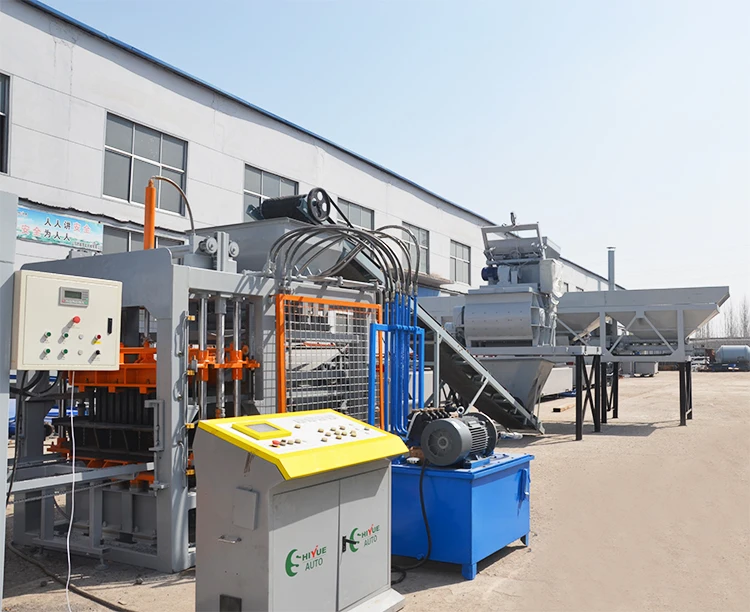
| Control System | PLC (brand and language options basis to be confirmed) |
| Voltage & Frequency | Configurable per destination market (basis to be confirmed) |
| Net Weight | Basis to be confirmed |
| Mould Change Time | Basis to be confirmed |
| Stacking Method | Basis to be confirmed |
| CE Declaration | Basis to be confirmed |
Application Suitability
| Application | Material or Output |
|---|---|
| Hollow block production for masonry walls | Crushed stone, sand, cement, fly ash blends |
| Solid block manufacturing for load-bearing structures | Gravel, cement, slag aggregates |
| Interlocking paver production for driveways and walkways | Colored concrete mixes with fine sand |
| Curbstone and kerb production for road projects | High-strength concrete with coarse aggregate |
| Porous and permeable block runs | Open-graded aggregate with reduced cement content |
What QT5-15 Concrete Block Machine Specifications Reveal About True Output
Capacity numbers are only meaningful when tied to the exact block format and cycle time being run.
I learned this the hard way on a project where a buyer received a machine quoted at a headline hourly figure. The sample blocks were pressed with clean river sand. On site, the buyer used volcanic aggregate with a completely different particle shape. The vibration force and hydraulic pressure settings were wrong for that mix, block strength dropped below standard, and daily output fell to roughly half the quoted number. The QT5-15 hollow block making machine capacity by format is listed above with cycle times stated per dimension, so you can calculate realistic daily runs before you commit [NEED_CITE: aggregate gradation and block compressive strength correlation].
Matching Vibration to Your Block Format
The platform vibration system on the QT5-15 operates across a 2800 to 4500 r/min frequency range. Lower frequencies work better for larger hollow blocks where the mix needs time to settle into deep cavities. Higher frequencies suit thinner pavers and interlocking bricks where rapid compaction produces a denser surface finish. The adjustable range means one machine handles multiple formats without sacrificing density on any single one, which matters when your market demands both hollow blocks and pavers from the same line.
Hydraulic Pressure and Demolding Consistency
The 21 MPa rated hydraulic pressure holds the mix under compression during the entire molding cycle. Hydraulic demolding then lifts the finished block off the pallet without the jolt that mechanical stripping causes. This matters most on tall hollow blocks where uneven release cracks the bottom course before curing even starts. When pressure and vibration are correctly matched to your aggregate and cement ratio, block-to-block strength stays within a narrow band across a full production shift [NEED_CITE: hydraulic press cycle and concrete block strength uniformity].
Reading the Specs That Actually Shape Your Daily Run
Pallet size at 1100 × 550 mm determines how many blocks cure per square meter in your yard and which forklift can handle a loaded rack. If your existing pallets or curing racks use a different dimension, you either adapt your yard layout or request a machine configured to your current setup. The 26.5 kW overall power draw tells your electrician the minimum transformer and dedicated circuit rating needed before the machine arrives. Molding cycle times between 15 and 25 seconds shift depending on block height and wall thickness — taller hollow blocks need longer vibration to fully compact the core, while flat pavers cycle faster. Understanding these relationships keeps your line balanced and prevents bottlenecks at the curing stage.
The Hidden Cost of Skipping the Mix Test
Ordering a block machine without testing your local aggregate first leads to problems that only appear after commissioning. The vibration settings dialed in at the factory for standard sand will not transfer directly to crushed volcanic rock, coral aggregate, or recycled demolition material. Blocks may look acceptable on the outside but fail compression tests because internal voids were never fully closed. Retooling the vibration frequency and pressure after arrival costs production days and sometimes requires a site visit from a technician, which delays your first commercial deliveries [NEED_CITE: on-site recommissioning costs for mismatched mix designs].
Why Technical Buyers Choose This Configuration
Block machinery is our single focus, which means the QT5-15 is specified as a matched system — machine, mould, pallet, and handling equipment are sized together rather than sourced separately. Configuration is set against your actual mix design and target block format, not a default catalogue entry. Mould design covers the hollow block, solid block, paver, interlocking brick, and curbstone formats your market sells, with custom drawings available for non-standard dimensions. Automation level is selectable so you can begin with semi-automatic pallet handling and add stacking later. Installation support includes operator training on your specific mix and format sequence.
Documentation & Verification
- Line layout showing capacity per block format with cycle time assumptions
- Mould drawing pack listing every block dimension the quoted moulds produce
- Pallet specification matched to your curing rack spacing and forklift load rating
- Voltage, frequency, and PLC display language confirmation sheet before production
- Factory test record using your submitted aggregate sample and target block format
- Hydraulic and electrical schematic for your maintenance team
Installation, Commissioning & Support
- Foundation plan sized to the 7400 × 1950 mm footprint and dynamic vibration load
- Dedicated circuit rated for the 26.5 kW overall power draw with correct voltage and phase
- Machine shipped in dismantled modules for container loading and reassembled on site
- First-run commissioning with vibration and pressure tuned to your local aggregate sample
- Operator training covering mould change procedure, PLC navigation, and daily maintenance checks
- Wear parts list with hydraulic seals and vibration motor brushes identified for first reorder
Preparing Your Inquiry
Tell us the exact block dimensions your market sells, the aggregate available locally, and the daily volume you need per format. Share your site voltage, frequency, and preferred PLC display language so the electrical and control package is confirmed before production starts. If you have existing curing racks or forklifts, provide the pallet dimensions they accept so the 1100 × 550 mm pallet size is validated or adjusted.
Frequently Asked Questions
Q: How is QT5-15 capacity calculated per block format?
A: Each output figure is based on a specific block dimension and its measured cycle time. For example, the 400×200×200 mm hollow block runs 5 pieces per mold at 16–20 seconds, yielding 1800 pieces per hour. Switching to a different format changes both mold count and cycle length, so the hourly figure shifts accordingly.
Q: Which mould formats fit the QT5-15 and how long does a change take?
A: Available moulds cover hollow blocks, solid blocks, pavers, interlocking bricks, and curbstones in various dimensions. Mould change time depends on the quick-release system configured for your line. We confirm the exact procedure and duration during the proposal stage so you know the format-switching cost in production time.
Q: How do I verify pallet size matches my curing area?
A: The standard pallet measures 1100 × 550 mm. Send us your curing rack dimensions and forklift load capacity so we confirm compatibility. If your existing system uses a different size, we adjust the pallet specification before production to avoid handling problems on site.
Q: What electrical and control options are available?
A: Voltage, frequency, and phase are configured to your destination market’s standard. The PLC display language is confirmed during the proposal so operators can navigate menus without translation delays. We document these settings in writing before the build begins.
Q: Can the machine run on my local aggregate?
A: Yes. We request a sample of your aggregate and your proposed mix design before finalizing vibration frequency and hydraulic pressure settings. A factory test run with your material confirms block strength and cycle time before the machine ships.