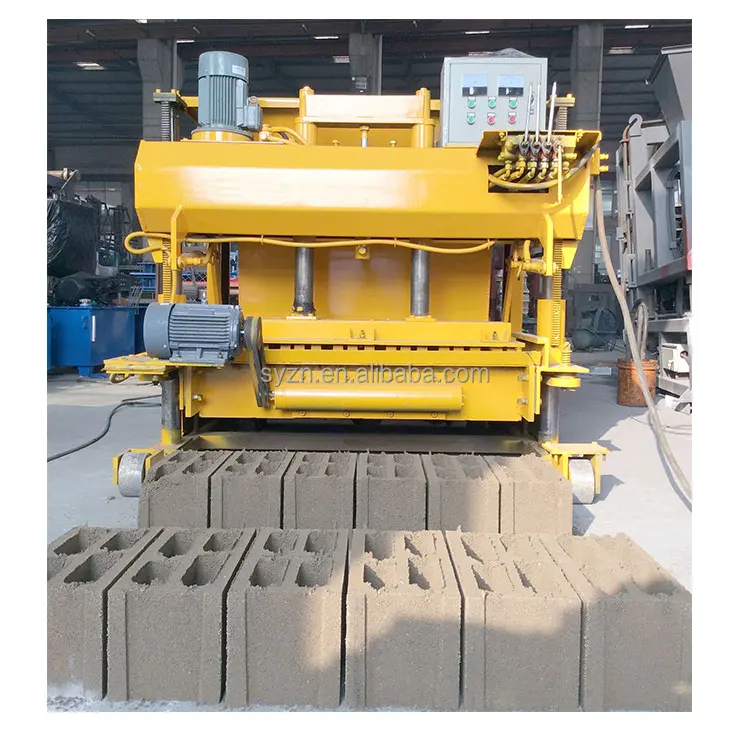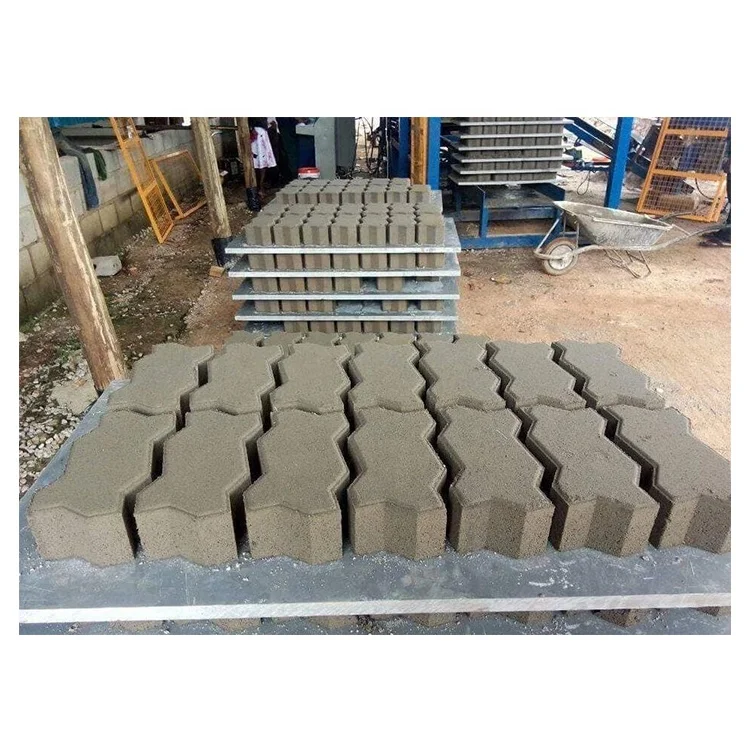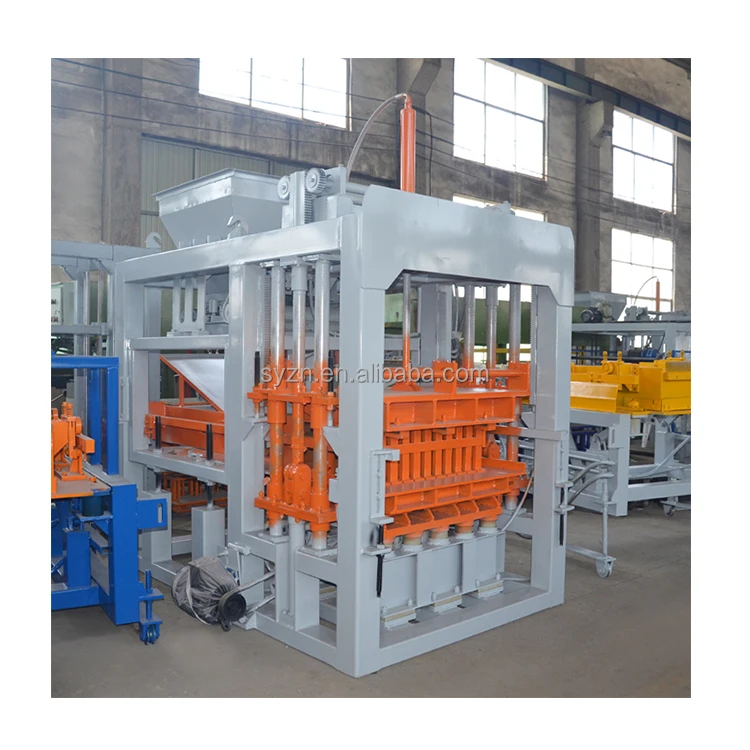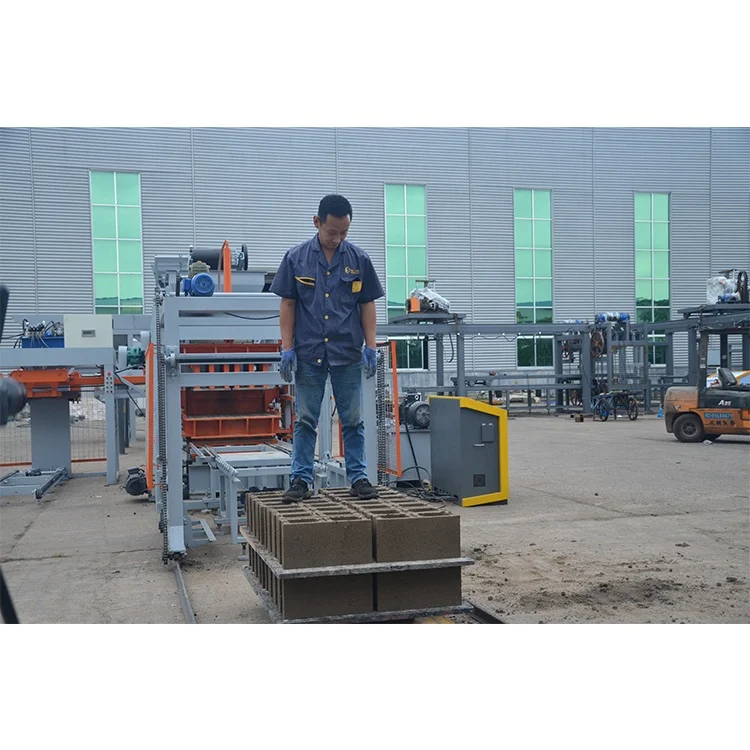
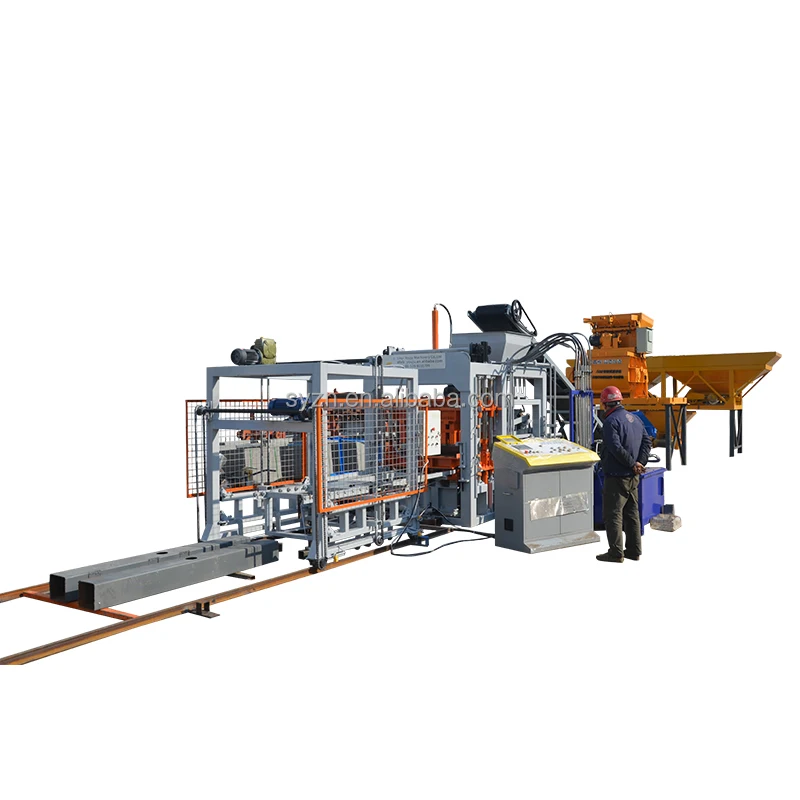
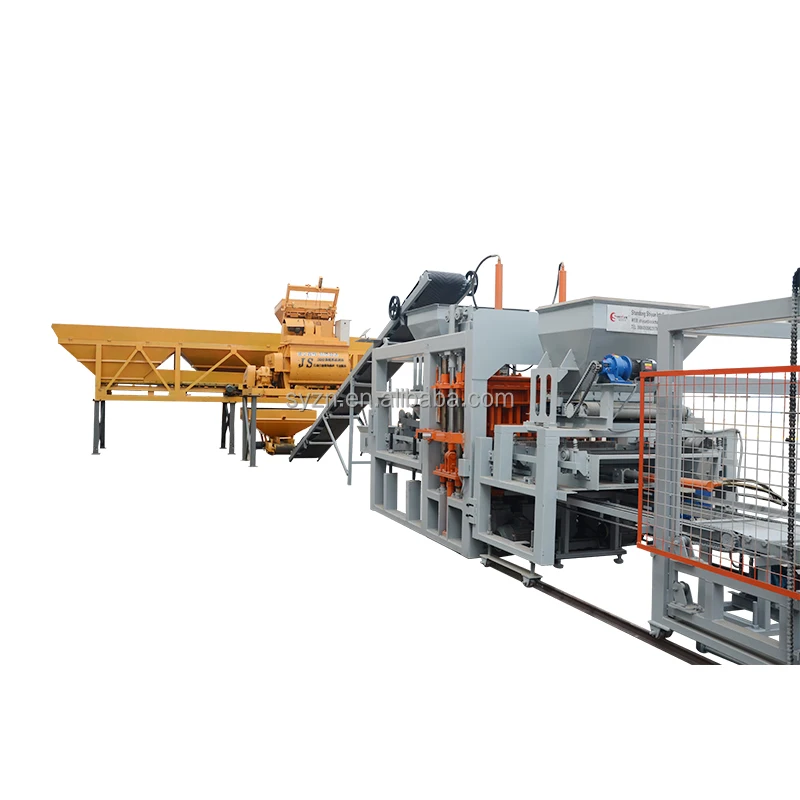
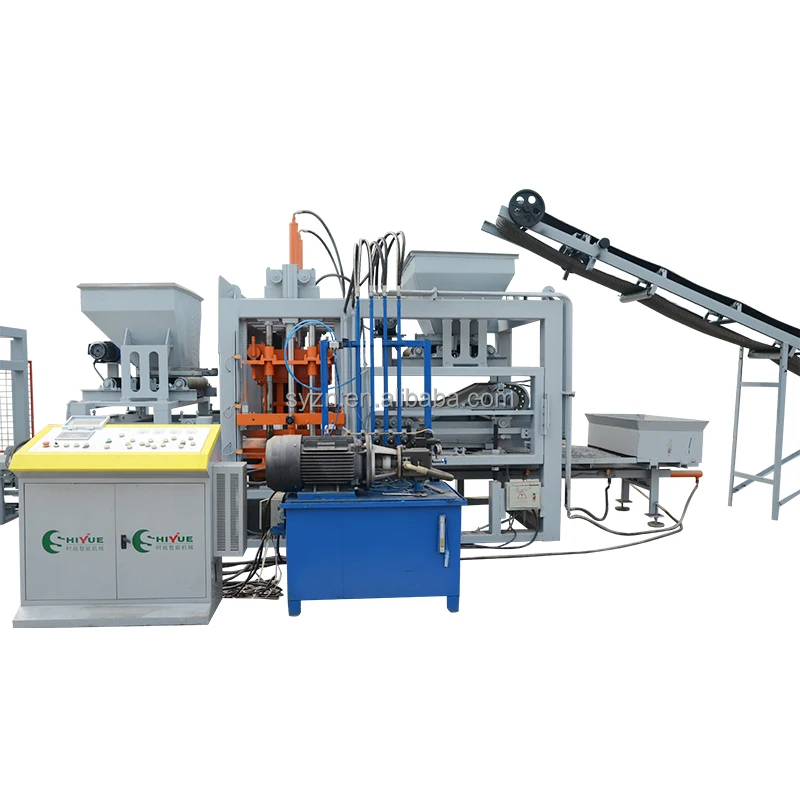
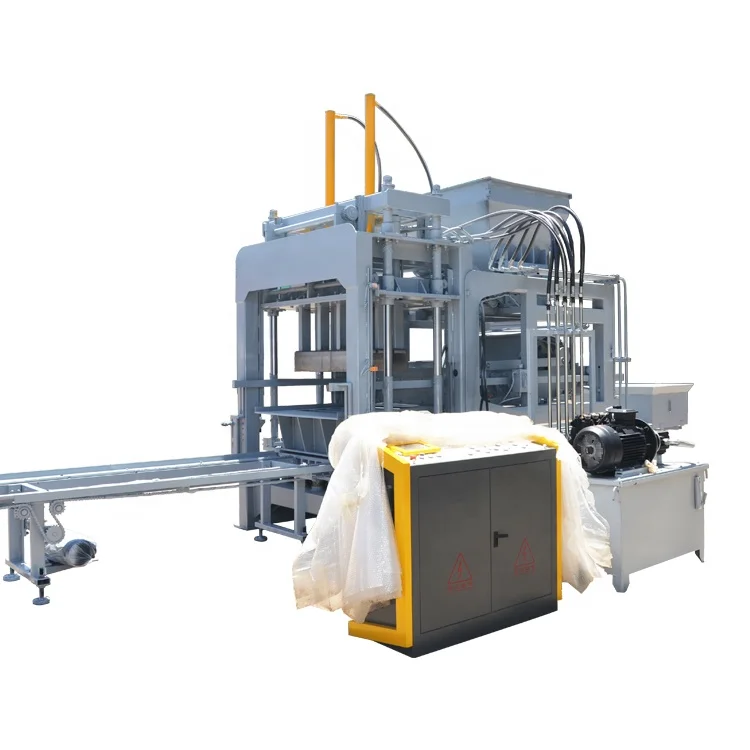
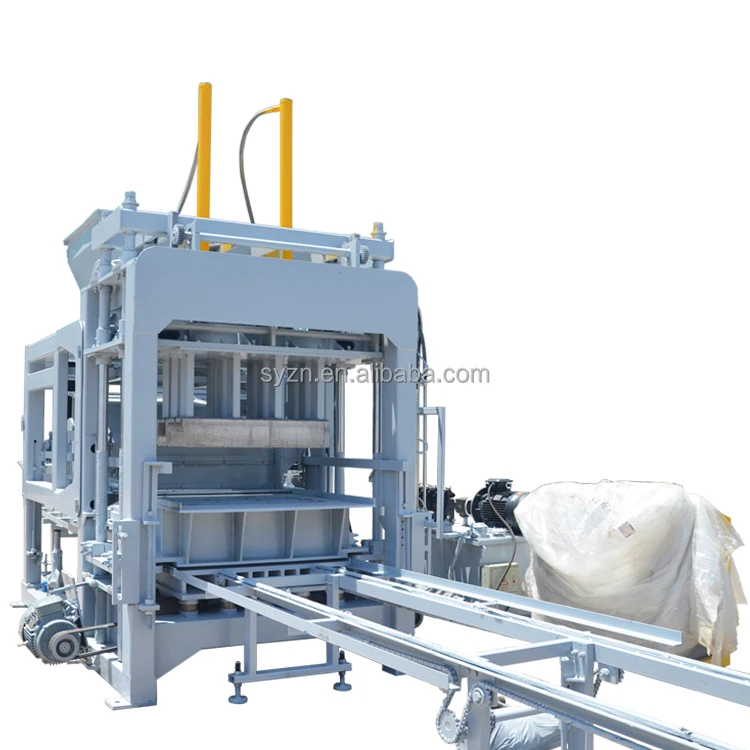
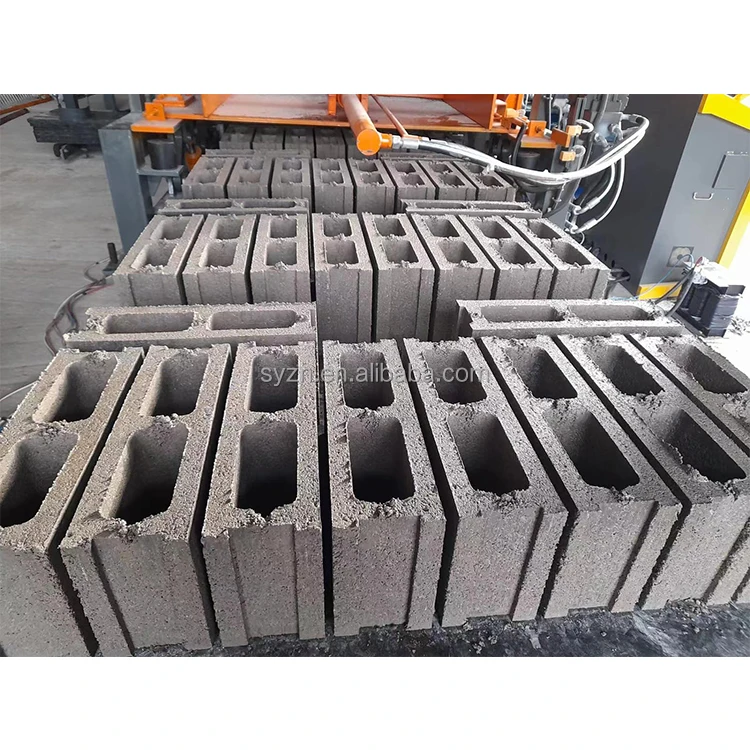
Description
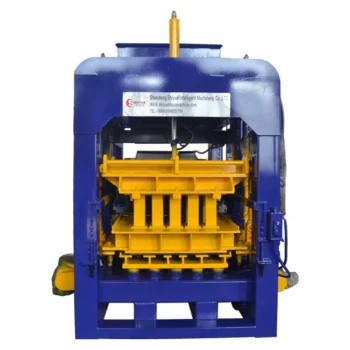
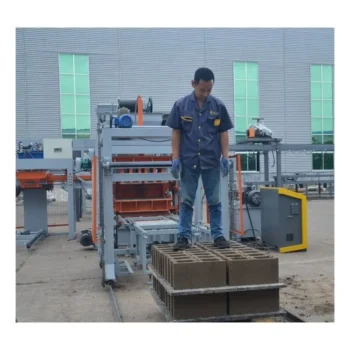
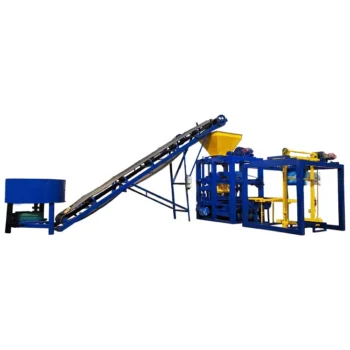
Honest capacity by block format — the QT7-15 block machine specifications are quoted per individual product type, so your daily output projection reflects the hollow blocks or pavers your market actually purchases, not a misleading single headline cycle.
Technical Specifications
| Parameter | Value |
|---|---|
| Model | QT7-15 |
| Product Type | Fully Automatic Hydraulic Block Making Machine |
| Pallet Size | 1150×700 mm |
| Molding Cycle | 15–20 s (basis not stated in source — confirm block format / material / thickness) |
| Overall Power | 45 kW |
| Vibration Force | 100 kN |
| Vibration Frequency | 0–60 Hz |
| Vibration Form | Platform Vibration |
| Demolding Method | Hydraulic |
| Total Mass | 8 T |
| Control System | PLC with touch screen interface |
| Automation Level | Fully Automatic |
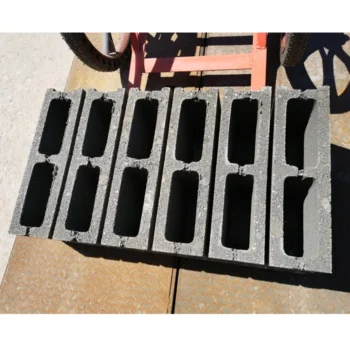
| Output Capacity (Hollow Block 400×200×200 mm) | 7 pcs/mould, 10,080–13,440 pcs/8 hr |
| Output Capacity (Hollow Block 400×150×200 mm) | 8 pcs/mould, 11,520–15,360 pcs/8 hr |
| Output Capacity (Rectangular Paver 200×100×60 mm) | 27 pcs/mould, 31,104–38,880 pcs/8 hr |
| Mould Change System | Quick replacement for multi-format production |
| Fault Diagnosis | Remote control and random testing via control system |
| Warranty | 1 year for whole machine (excluding spare parts) |
Application Suitability
| Application | Material or Output |
|---|---|
| Hollow block production | Crushed stone, river sand, cement, fly ash, volcanic ash aggregate |
| Solid block production | Dense aggregate mixes for load-bearing walls |
| Paving brick production | Fine aggregate surface layer with standard base mix |
| Interlocking brick | Cement-stabilized soil or standard concrete mix |
| Kerbstone and porous brick | Coarse aggregate with controlled water-cement ratio |
What "1,680 Pieces per Hour" Leaves Out About Block Machine Output
Capacity means nothing unless the block format behind the number is stated in writing.
Many quotations list a single cycle speed and leave buyers to assume that rate applies to every mould on the pallet. In reality, a 400×200×200 mm hollow block takes a different press cycle than a 60 mm thick paver, and the vibration frequency required for each is not interchangeable. I have watched buyers sign contracts based on a headline number, only to discover during commissioning that their primary product format runs slower than the quoted figure assumed. The QT7-15 block machine specifications on this page list output per format — 10,080–13,440 hollow blocks per 8-hour shift for the 400×200×200 mm size, 31,104–38,880 pavers for the 200×100×60 mm rectangle — so your revenue model starts from a real number, not a catalogue guess. [NEED_CITE: common causes of block machine output shortfall after commissioning]
Matching Vibration Force to Your Local Aggregate
The QT7-15 delivers up to 100 kN of platform vibration with a variable frequency range of 0–60 Hz. That range matters because different aggregates respond to different frequencies — fine river sand consolidates at higher frequencies, while crushed volcanic ash or lightweight aggregate needs a lower frequency with longer dwell time to avoid segregation. When we ship a machine without confirming the buyer’s local material, the first week on site is spent adjusting parameters that should have been set at the factory. Providing an aggregate sample and mix design before order lets us pre-set the PLC curves so the QT7-15 block machine specifications align with what your mixer actually delivers.
Pallet Size Determines Your Entire Curing Layout
The 1150×700 mm pallet is not just a press dimension — it defines the curing rack spacing, forklift tine width, and stacking pattern in your yard. A buyer who already operates a curing area designed for 900×600 mm pallets will find the QT7-15 pallets incompatible with existing racks, forcing a yard rebuild before the first block is produced. We confirm your current pallet handling equipment and curing area dimensions before finalizing the order, so the block line fits the site you already have. [NEED_CITE: block plant layout planning based on pallet dimensions and curing area]
Reading the Specs That Actually Affect Block Quality
Hydraulic pressure and vibration force must work together. The 100 kN vibration compacts the mix, but it is the hydraulic demolding system that holds the mould steady during that compaction and then strips the block without cracking green corners. If hydraulic pressure is too low relative to vibration, blocks emerge with density variation from top to bottom — strong on the press side, friable on the top face. The 45 kW overall power rating must also be read alongside your site voltage; undersized supply cables cause voltage drop under peak vibration load, which shortens motor life and produces inconsistent cycles. The PLC touch-screen control stores process parameters per mould, meaning once you dial in the correct frequency and pressure for a specific format, that recipe is recalled exactly on the next run rather than relying on operator memory.
The Hidden Cost of Skipping Format-Level Capacity Confirmation
When capacity is agreed on a single number without format breakdown, the buyer typically discovers the gap during the first production week. The 150 mm wide hollow block may run at the quoted rate, but the 200 mm version your market prefers takes longer per cycle, and your daily dispatch falls short of contractual commitments to distributors. Mould change time compounds the problem — if switching from hollow block to paver takes most of a shift, the format flexibility you paid for is effectively unusable for short runs. We state the cycle assumption alongside each output figure so these mismatches surface during the quotation stage, not after the container arrives. [NEED_CITE: mould change time impact on multi-format block production scheduling]
Why Source the QT7-15 Through a Format-Matched Approach
Block machinery is our single focus, which means the press, mould, pallet, and handling equipment are specified as one system rather than assembled from separate suppliers. Configuration is set against your actual mix design and target block format, not pulled from a catalogue default. Mould design covers the formats your regional market sells, and custom drawings are available when standard sizes do not match local building codes. Automation level is selectable — you can start with semi-automatic pallet handling and add stacking later as volume grows. Installation support includes operator training on mould change procedure and PLC parameter adjustment for each format in your production list.
Documentation & Verification
- Line layout with capacity calculation stating the block format assumed for each output figure
- Mould drawing and format list confirming available block sizes and change procedure
- Machine specification sheet covering pallet size, vibration force, and cycle time per format
- Voltage, frequency, and PLC display language confirmed in writing before production
- Factory test record run on your specified block format before dispatch
- Wear parts and mould compatibility list for first replacement planning
Installation, Commissioning & Support
- Foundation must support 8 T static mass plus dynamic vibration load across the 1150×700 mm pallet footprint
- Dedicated 45 kW circuit with confirmed voltage and frequency matching the PLC and motor nameplate
- Hydraulic unit and PLC cabinet ship separately and reconnect on site with labelled wiring
- First production run verifies stored PLC parameters against your local aggregate sample
- Operator training covers mould change sequence and parameter recall for each block format
- Wear parts list identifies hydraulic seals and vibration motor bearings for first stock order
What We Need Before Quoting
To size the QT7-15 correctly for your plant, share the primary block format your market buys, the local aggregate type you plan to use, and your target daily output per format. We also need your site voltage and frequency, preferred PLC display language, and whether existing curing racks or forklifts must be accommodated. If you are producing on a construction project timeline, provide the total block count and deadline so we can confirm the machine capacity covers it.
Frequently Asked Questions
Q: How is the QT7-15 output capacity verified, and what block format is each figure based on?
A: Each output figure on this page is tied to a specific block format — 10,080–13,440 pieces per 8-hour shift for 400×200×200 mm hollow blocks, and 31,104–38,880 for 200×100×60 mm pavers. We confirm the cycle time and mould cavity count behind every number before quotation, so your projection matches the product you will actually sell.
Q: Which mould formats are available for the QT7-15, and how long does a mould change take?
A: The machine supports hollow blocks, solid blocks, pavers, interlocking bricks, kerbstones, and porous bricks within the 1150×700 mm pallet envelope. Mould change uses a quick-replacement system, and the exact changeover time depends on the format pair being switched — we confirm this per your production schedule before order.
Q: How is vibration force matched to my local aggregate and mix design?
A: The 0–60 Hz variable frequency and 100 kN platform vibration are adjusted based on your aggregate sample and target block strength. We run test cycles with your mix data before shipment so the PLC stores the correct frequency and dwell time for each format from day one on site.
Q: What pallet size does the QT7-15 use, and is it compatible with my existing curing area?
A: The pallet size is 1150×700 mm. Before production, we verify this against your current curing rack dimensions, forklift tine spacing, and stacking equipment to confirm compatibility or advise on adjustments needed before the machine arrives.
Q: What voltage, frequency, and PLC language will the machine be configured for?
A: Voltage, frequency, and PLC display language are confirmed in writing before production begins. The 45 kW total power requirement must match your site supply, and the touch-screen interface is set to your preferred language so operators can read parameters and fault codes without translation delays.