
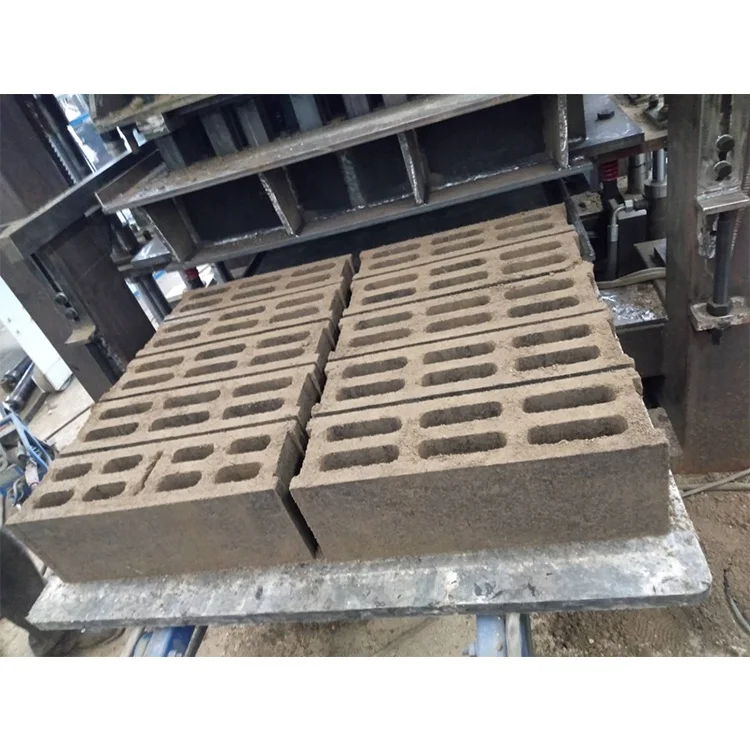


Description
Matched System Engineering — every QT6-15 specification is validated against your target block format, local aggregate profile, and curing infrastructure before the order is confirmed.
Technical Specifications
| Parameter | Value |
|---|---|
| Model | QT6-15 |
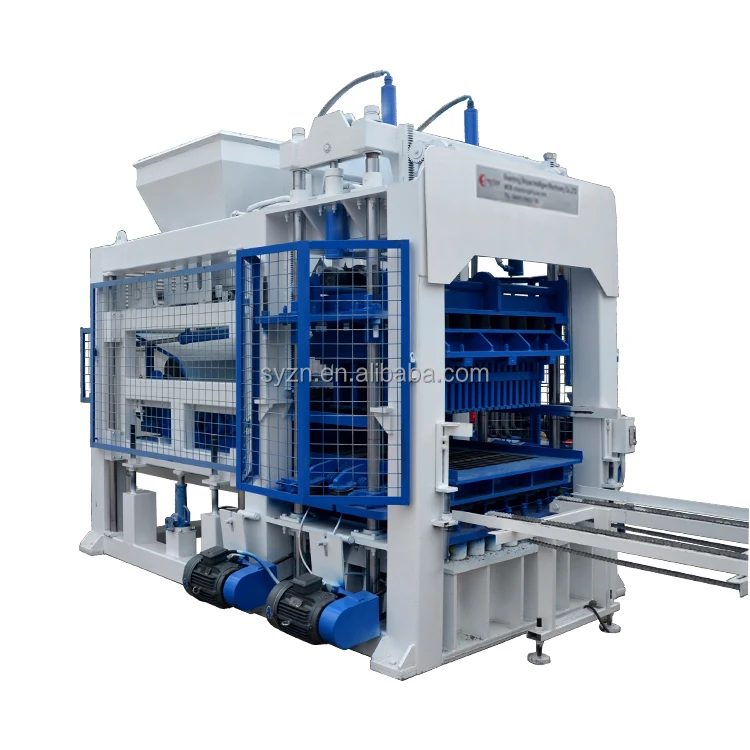
| Product Type | Automatic Hydraulic Block Making Machine |
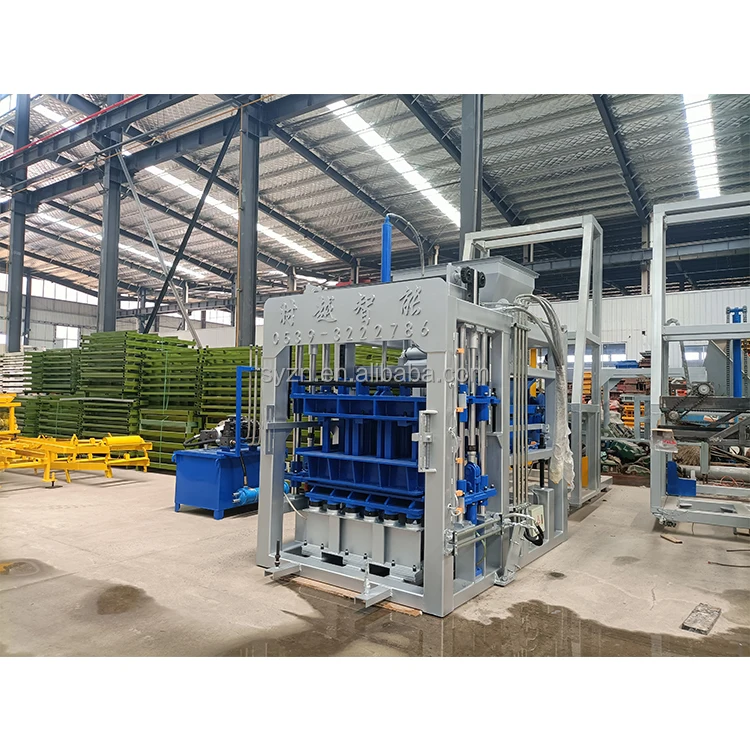
| Overall Dimensions (L×W×H) | 7350×1780×2950 mm |
| Rated Pressure | 16 MPa |
| Main Vibration | Platform vibration |
| Vibration Frequency | 4600 r/min |
| Pallet Size | 880×700 mm |
| Molding Cycle | 15–20 s |
| Overall Power | 30.5 kW |
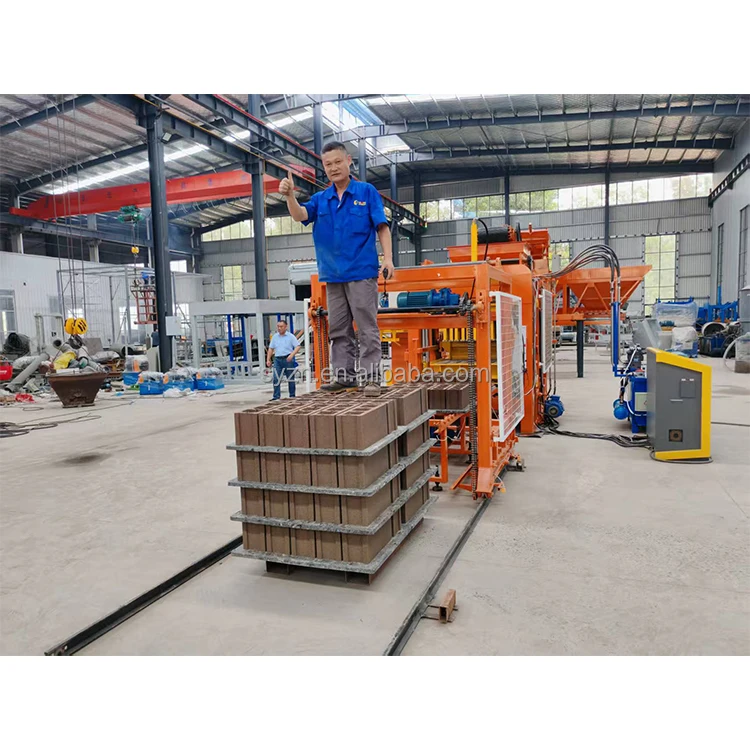
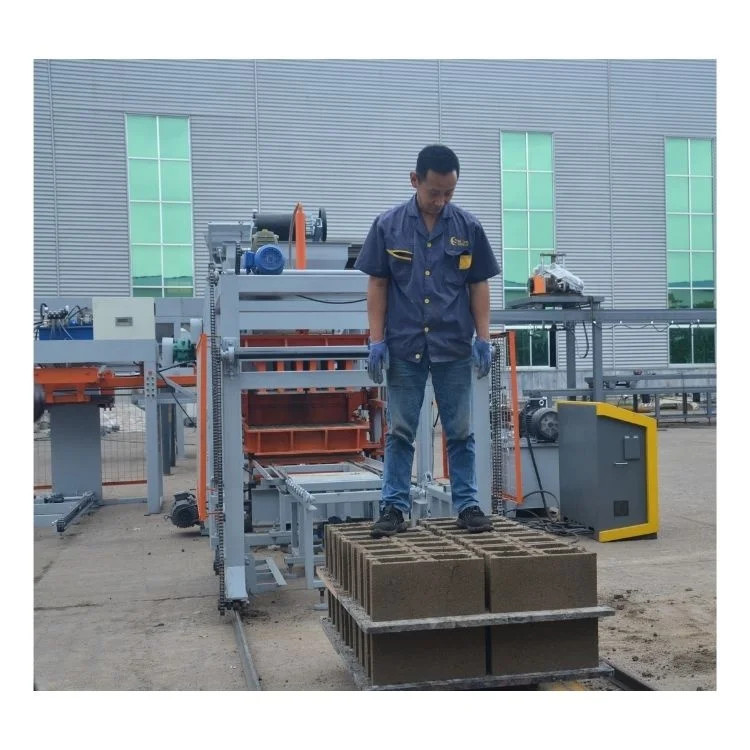
| Output — Hollow Block 400×200×200 mm | 6 pcs/mould, 1080 pcs/h, 8640 pcs/day (basis: 16–20 s cycle) |
| Output — Porous Brick 240×115×90 mm | 14 pcs/mould, 2800 pcs/h, 22400 pcs/day (basis: 15–18 s cycle) |
| Output — Standard Brick 240×115×53 mm | 30 pcs/mould, 6800 pcs/h, 54400 pcs/day (basis: 14–17 s cycle) |
| Raw Materials | Crushed stone, sand, cement, fly ash, cinder, slag, gangue, gravel, perlite, industrial waste |
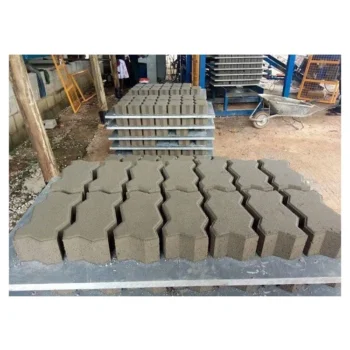
| Applied Products | Hollow blocks, solid blocks, porous bricks, paving stones, kerbstones, interlocking blocks, grass blocks, slope blocks |
| Mould Change | Interchangeable moulds for multiple formats; custom moulds per buyer drawings |
| Automation Level | Automatic |
| Voltage & Frequency | Configurable — confirm local supply (basis not stated in source) |
| Control System | PLC-based — confirm brand and display language (basis not stated in source) |
| Standards | CE, SGS, ISO 9001 |
| Warranty | One year |
Application Suitability
| Application | Material or Output |
|---|---|
| Hollow block production for building walls | Crushed stone, sand, cement — 400×200×200 mm format at 6 pcs per mould |
| Porous brick manufacturing for load-bearing masonry | Fly ash, slag, cement blend — 240×115×90 mm format at 14 pcs per mould |
| Standard solid brick for residential construction | Sand, cement, gravel — 240×115×53 mm format at 30 pcs per mould |
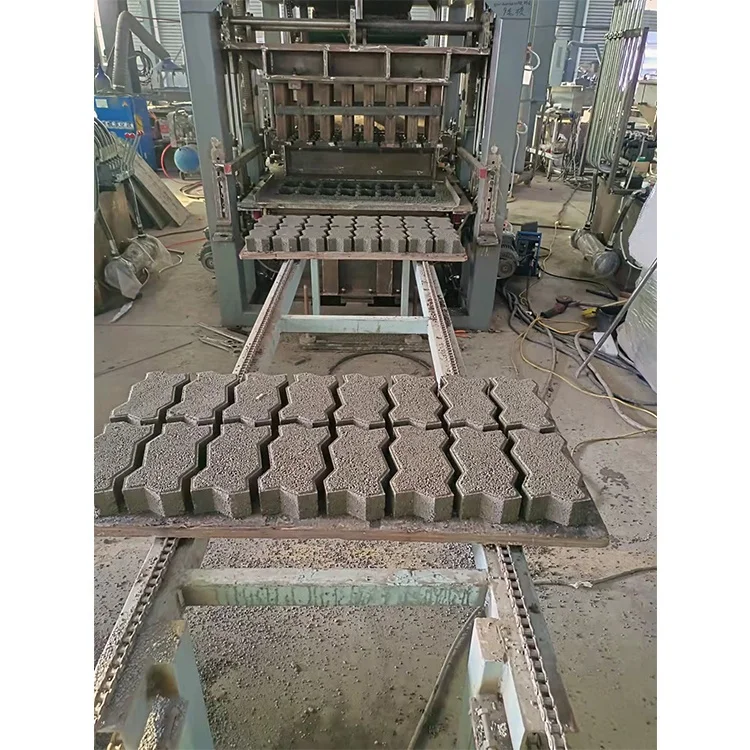
| Paving stone and kerbstone production | Crushed stone and cement with face mix option |
| Interlocking block for landscaping and slope protection | Local aggregate and cement — custom mould profiles |
| On-site production for housing development projects | Site-sourced aggregate blended with cement |
What "1080 Pieces per Hour" Actually Means on the QT6-15 Block Machine Specifications
The number only holds when the block format, cavity count, and cycle time are stated together — without that context, it is meaningless.
I remember a project in Nigeria where the buyer ordered based on a single capacity figure from a brochure. The local red soil had a high sand content that the machine vibration was never tuned for, and the actual daily output dropped to barely half of what was promised. The entire construction timeline slipped by two weeks. Since then, I insist on reviewing local aggregate samples before any QT6-15 block machine specifications are finalized [NEED_CITE: common causes of block machine output shortfall in West African construction projects]. The cycle time of 15–20 seconds on this machine varies by format, and the mould cavity count determines how many pieces drop per cycle. A blanket "pieces per hour" claim that omits these variables sets the buyer up for disappointment on the shop floor.
Matching Block Format to Mould Cavity and Cycle Time
The QT6-15 block machine specifications list three reference formats, each with its own cavity count and cycle range. Hollow blocks at 400×200×200 mm run 6 pieces per mould on a 16–20 second cycle, while standard bricks at 240×115×53 mm pack 30 cavities into a faster 14–17 second window. When you evaluate how to choose the right configuration, start from the format your market actually buys — not the one that produces the highest headline number.
The platform vibration at 4600 r/min works with the 16 MPa hydraulic pressure to compact the mix into each cavity. If your target product shifts from hollow blocks to interlocking pavers, the mould changes but the vibration and pressure baseline remain, keeping block density consistent across formats.
Pallet Sizing and Curing Area Alignment
The 880×700 mm pallet dimension on the QT6-15 is not arbitrary — it determines how many wet blocks travel to the curing area per trip and how they stack on your existing racks. Before confirming an order, the pallet size must be cross-checked against the curing space and the forklift tine width at the buyer’s plant [NEED_CITE: pallet compatibility standards in concrete block production]. A mismatch here means either the forklift cannot handle the loaded pallets or the curing racks sit half-empty, both of which erode the daily output the machine is capable of delivering.
How Pressure and Vibration Shape Block Density
The 16 MPa rated hydraulic pressure and 4600 r/min platform vibration work as a pair. The hydraulic ram applies static force from above while the vibration table shakes the mix into every corner of the mould cavity. If vibration dominates without enough pressure, the block surface finishes smooth but internal density stays low, leading to weak compressive strength. If pressure is too high relative to vibration, the mix locks up before filling thin-wall cavities, especially on porous brick formats where wall thickness is narrow. Getting this balance right depends on the specific aggregate grading and cement ratio in your local mix design. The pallet size of 880×700 mm also affects how evenly vibration transfers across the mould — a larger pallet would spread the energy thinner, which is why the QT6-15 holds this dimension as a fixed reference point.
The Hidden Cost of Skipping Format-Level Capacity Checks
When a buyer confirms a machine based on a single output number without checking which block format it assumes, the consequences compound quickly. The production schedule is built around the wrong figure, raw material orders arrive in the wrong volume, and the curing area is sized for an output that never materializes. On-site contractors producing for a single housing project face the tightest pressure — a two-week delay from underestimated cycle times can push past the penalty clause in a construction contract [NEED_CITE: construction delay penalties in project-based block production]. Taking the time to review QT6-15 block machine specifications format by format prevents this cascade before the purchase order is signed.
Why Sourcing the QT6-15 Through a Format-First Process Matters
Every configuration is set against your actual mix design and target block format rather than a catalogue default — the vibration frequency, hydraulic pressure, and mould cavity count are validated together before production starts. Mould design covers the formats your local market sells, with custom drawings available when standard options do not match. The pallet size and material are confirmed against your existing curing racks and forklift before the order is locked. Voltage, frequency, and PLC display language are agreed upfront so the machine commissions without delay on arrival. Block machinery is our single focus, which means the press, mould, pallet, and handling equipment are specified as one matched system rather than assembled from separate suppliers [NEED_CITE: benefits of single-source block line configuration].
Documentation & Verification
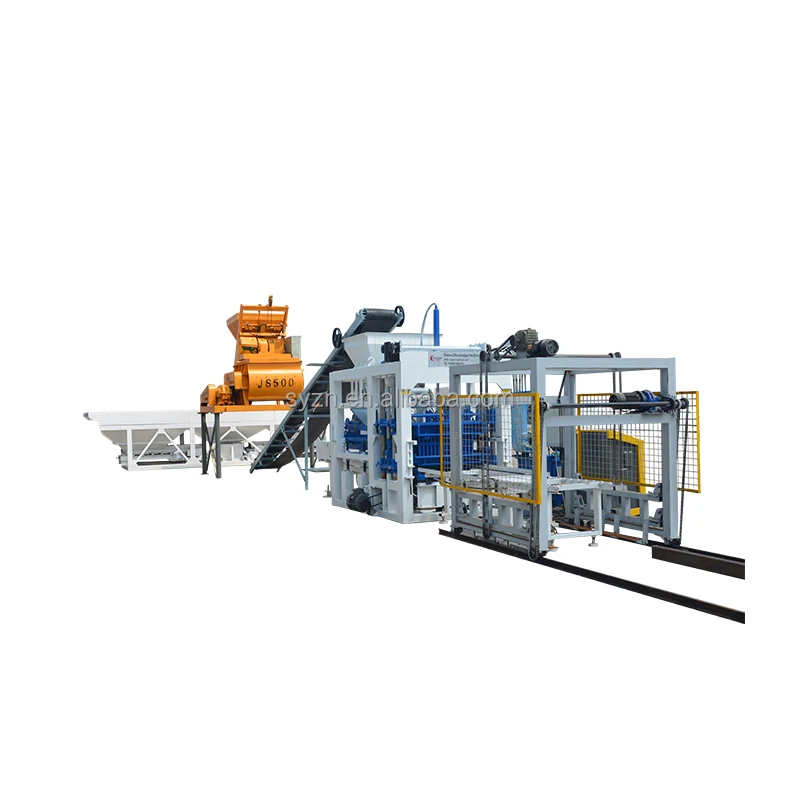
- Line layout drawing with capacity calculation stated per block format
- Mould drawing and format list showing cavity count and dimensions
- Hydraulic and electrical schematic matching confirmed voltage and frequency
- Factory test record on your target block format before dispatch
- CE declaration and SGS test documentation where applicable
- Operation and maintenance manual with wear parts list
Installation, Commissioning & Support
- Foundation must support 7350×1780 mm footprint with level tolerance for platform vibration alignment
- Dedicated 30.5 kW power circuit required, voltage and frequency confirmed before production
- Machine ships fully assembled for faster on-site positioning and connection
- First-run commissioning includes cycle time verification against your target block format
- Operator training covers mould change procedure and PLC navigation in agreed language
- Wear parts and mould replacement list provided with recommended reorder intervals
Before You Send the Inquiry
To move forward on QT6-15 block machine specifications, share your target block format with dimensions, the daily output you need, and a sample or description of the local aggregate you plan to use. Include your plant voltage and frequency, the pallet size your curing area currently handles, and any existing upstream or downstream equipment the line must connect with.
Frequently Asked Questions
Q: How is the QT6-15 output capacity calculated per block format?
A: Each capacity figure ties directly to a block size, mould cavity count, and cycle time. Hollow blocks at 400×200×200 mm produce 6 pieces per mould on a 16–20 second cycle, yielding 1080 per hour. Porous bricks and standard bricks have their own cavity and cycle figures listed in the specification table.
Q: Which mould formats come standard, and how long does a change take?
A: Standard moulds cover hollow block, porous brick, standard solid brick, and common paving formats. Custom moulds are built to buyer drawings for interlocking or specialty profiles. Mould change time depends on the format pair — confirm the specific changeover duration during the configuration stage to ensure it fits your production schedule.
Q: How do you match vibration and pressure to my local aggregate?
A: We review your aggregate sample data — particle size distribution, shape, and absorption — then set the 4600 r/min vibration and 16 MPa pressure balance accordingly. This ensures consistent block density and surface finish with your actual raw material rather than a laboratory reference mix.
Q: Can the 880×700 mm pallet work with my existing curing racks?
A: Pallet compatibility is verified before the order is confirmed. Share your curing rack dimensions, forklift tine width, and rack spacing so we can confirm the 880×700 mm pallet loads and stacks correctly within your current infrastructure without requiring plant modifications.
Q: How are voltage and PLC language confirmed before shipment?
A: During the configuration stage, we agree on your local voltage and frequency supply along with the PLC display language preferred by your operators. These are documented in the electrical schematic and tested at the factory before the machine is cleared for dispatch.