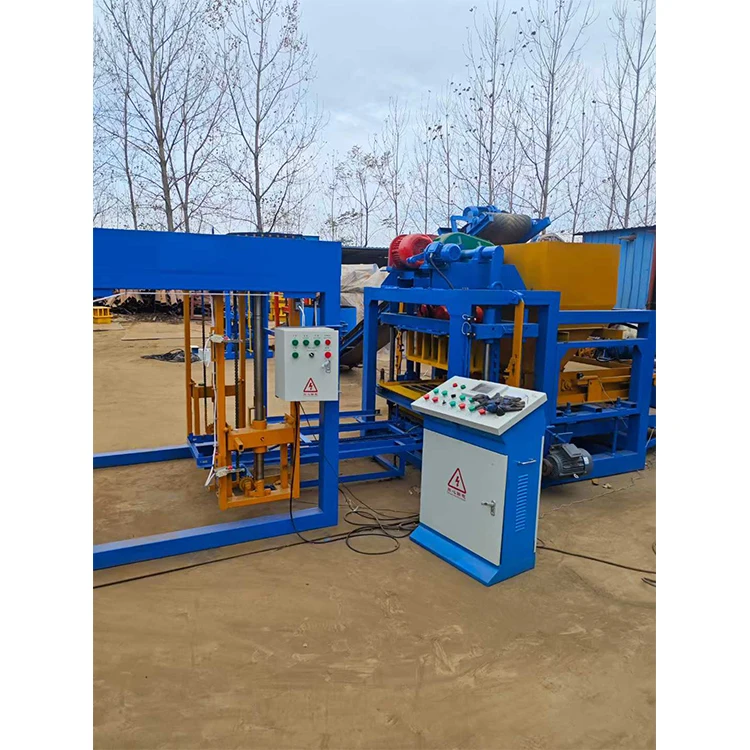
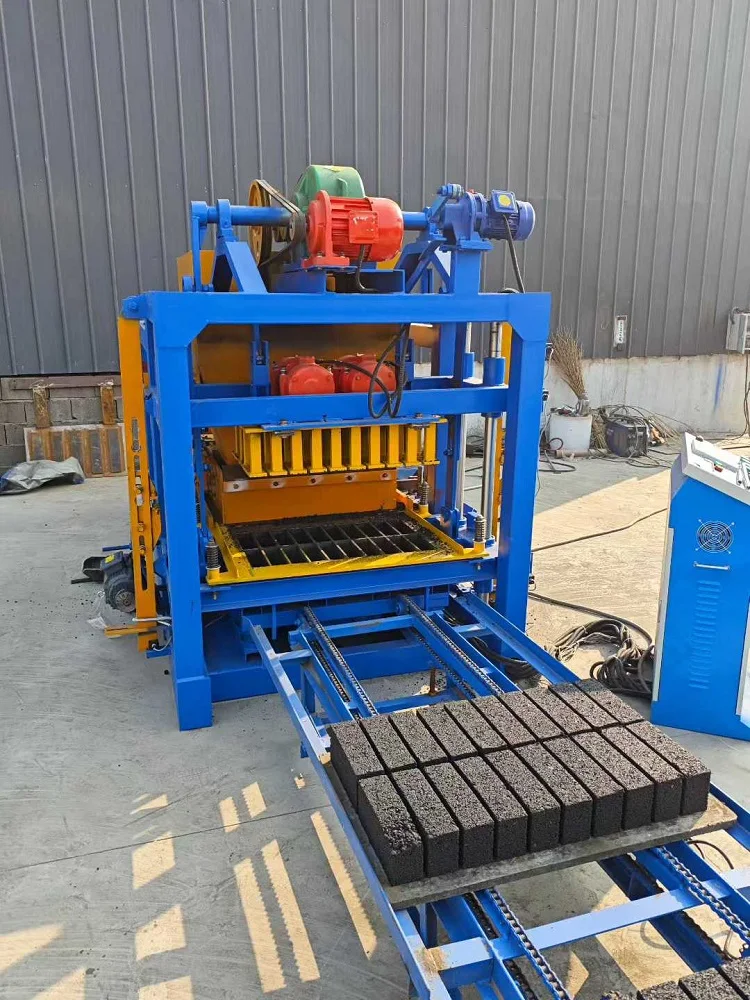
Description
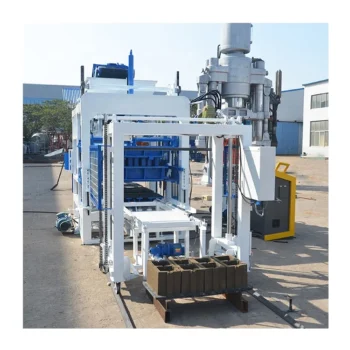
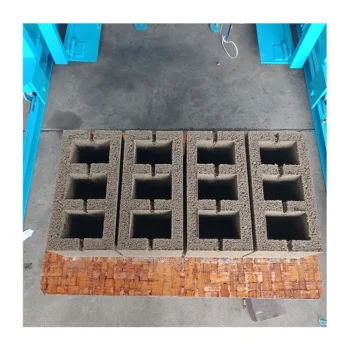
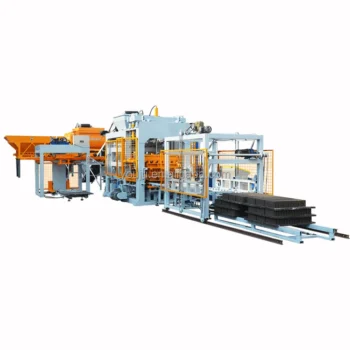
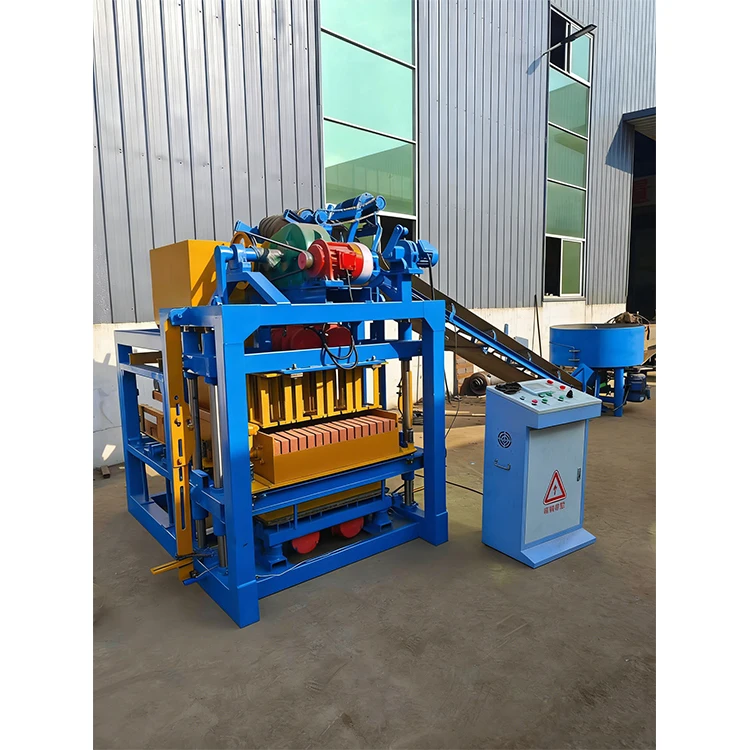
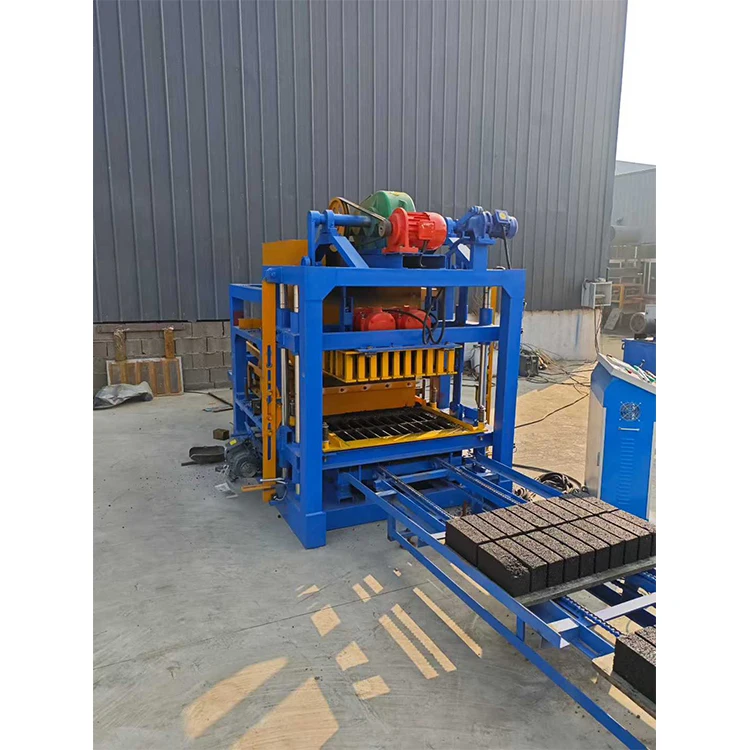
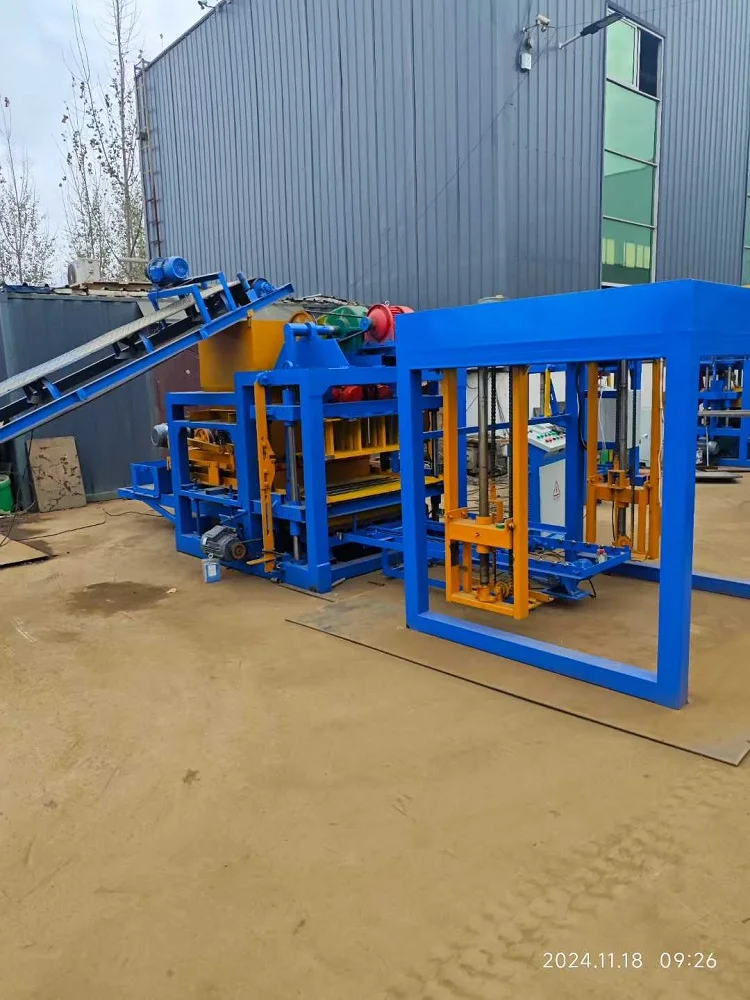
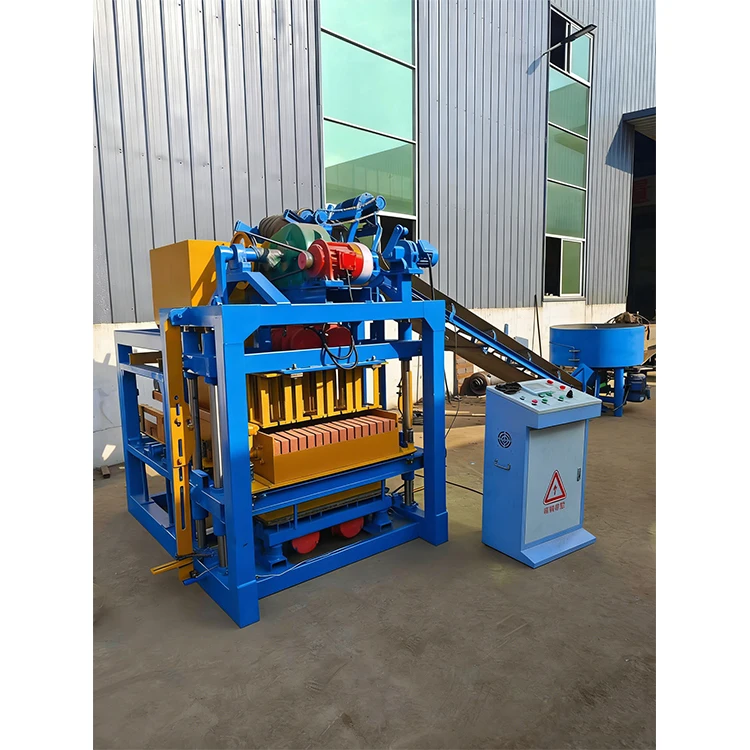
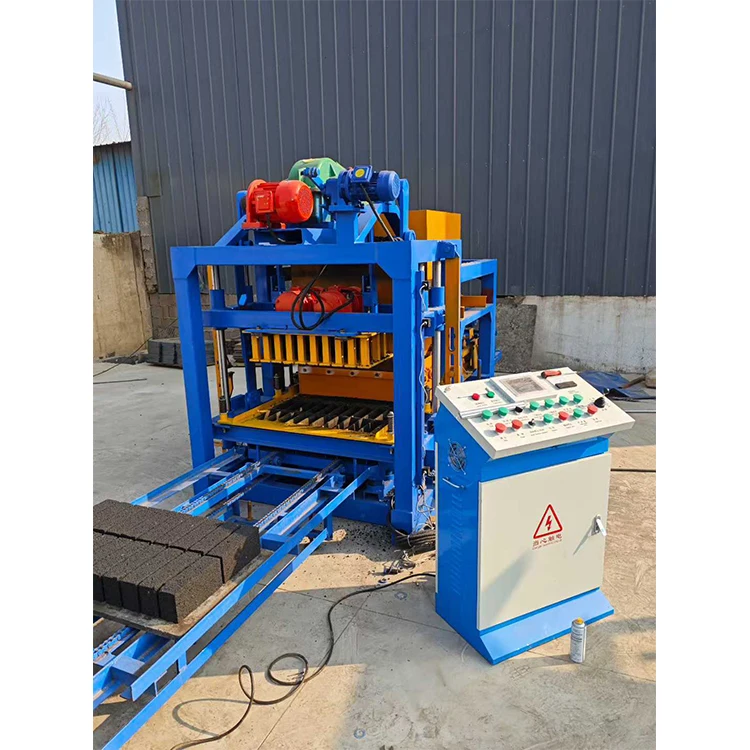
Configured to Your Market’s Formats — The QT4-25 automatic block making machine specifications are built around the hollow, solid, and paver blocks your buyers actually request, with cycle data and pallet sizing confirmed per format before the order is placed.
Technical Specifications
| Parameter | Value |
|---|---|
| Model | QT4-25 |
| Product Type | Automatic Concrete Block Making Machine |
| Control System | PLC controlled, fully automatic |
| Machine Power | 16.58 kW |
| Molding Cycle | 25 seconds (general cycle; per-format breakdown to be confirmed) |
| Output Capacity | 4600 pcs / 8 hours (basis not stated in source) |
| Machine Weight | 5000 kg |
| Overall Dimensions (L×W×H) | 6400 × 1500 × 2700 mm |
| Raw Materials | Concrete, sand, cement, fly ash, crushed stone, lime, water |
| Pallet Size | 850 × 480 mm |
| Voltage | Configured to buyer’s local voltage |
| Vibration System | Vibration motor with large vibration box |
| Automation Level | Fully automatic: pallet feeding, material feeding and scraping, block stacking |
| Motor Brand | Siemens |
| Frame Construction | Thickened steel frame |
| Warranty | One year with free parts supply |
Application Suitability
| Application | Material or Output |
|---|---|
| Medium-sized block factories | Mass production of hollow blocks, solid blocks, and paver stones from concrete and cement |
| Concrete product manufacturers | Multiple block formats processed from sand, fly ash, and crushed stone mixes |
| Building material production plants | Daily runs using locally sourced aggregate, lime, and water |
What "4,600 Blocks per Shift" Leaves Out
Output figures mean nothing unless the block format behind them is named.
When I shipped a QT4-25 to a plant in Southeast Asia, the buyer expected the quoted shift capacity to apply across every mould he planned to run. The 25-second cycle holds for a standard hollow block, but a heavier interlocking paver demands longer vibration and a different compaction sequence, pulling real daily output well below the headline number. This is the gap that leaves buyers short on their first production month [NEED_CITE: block cycle time variation by format and mix density]. Always ask for a per-format capacity breakdown before you sign.
Matching the Block Format to the Machine’s Cycle
The QT4-25 runs a 25-second general molding cycle, but that figure assumes a specific block weight and vibration profile. Hollow blocks with thin walls compact faster than dense paver stones that need extended vibration to reach target strength. When a buyer switches moulds without adjusting the PLC parameters, either the cycle wastes time on a simple block or the paver leaves the press under-compacted. Confirming the cycle time for each format you intend to produce ensures the QT4-25 automatic block making machine specifications reflect your actual production plan, not a catalogue average.
Why Pallet Size Dictates Your Curing Layout
The 850 × 480 mm pallet is the interface between the press and everything that follows. Your curing racks, forklift fork width, and stacking area must all accept that dimension before the machine arrives. I once saw a buyer in West Africa take delivery only to find his existing curing chamber was built for a different pallet standard, forcing him to rebuild the entire rack system [NEED_CITE: pallet standard compatibility in block curing operations]. Verify your downstream handling against this pallet size during the quotation stage.
Reading the Specifications That Matter
The 16.58 kW total machine power is distributed across the vibration motor, hydraulic feed system, and pallet conveyance. A higher vibration force improves compaction for dense pavers but requires a stiffer mix to avoid segregation. The thickened steel frame absorbs sustained vibration load over years of production, preventing the structural fatigue that loosens mould alignment on lighter frames. The Siemens motor specification matters for serviceability: replacement parts are available through regional distributors rather than requiring a direct shipment from the factory. The QT4-25 automatic block making machine specifications list the PLC as fully automatic, covering pallet feeding, material scraping, and stacking, which removes three manual handling stations from the line.
The Hidden Cost of a Mismatched Mix
When the vibration system is set for a mix the buyer cannot source locally, block strength drops and breakage rates climb through the curing period. A machine tuned for fine river sand will under-compact a blend based on crushed stone, producing blocks that crack under their own weight on the pallet. The cost shows up not in the machine price but in weeks of wasted cement, rejected batches, and customer returns [NEED_CITE: aggregate grading effect on block compressive strength]. Sending a sample of your local aggregate before the machine is built allows the vibration force and cycle timing to be adjusted in advance.
Why Buyers Source This Machine Here
Block machinery is the single focus of the production line, so the QT4-25, its moulds, pallets, and stacking equipment are specified as one matched system. Configuration is set against the buyer’s actual mix design and target block format rather than pulled from a catalogue default. Mould design covers the formats the buyer’s market sells, including custom drawings when standard options do not match local dimensions. The automation level allows a buyer to start with the fully automatic stacking system now and integrate upstream batching later. Installation support includes operator training on the PLC interface so the crew can manage mould changes and parameter adjustments independently.
Documentation & Verification
- Line layout stating the block format behind each capacity figure
- Mould drawing and format list for every block type in your order
- Pallet specification sheet matched to your curing method
- Voltage, frequency, and PLC language confirmation before production
- Factory test record on your requested block format before dispatch
Installation, Commissioning & Support
- Foundation pad must support 5000 kg machine weight plus dynamic vibration load
- Dedicated power circuit sized for 16.58 kW total draw with local voltage confirmed
- Machine arrives assembled; pallet stacker and feeder calibrated on site
- PLC parameters set per block format during first-week commissioning
- Operator training covers mould change procedure and cycle adjustment
- Wear parts list provided with one-year warranty coverage
Before You Request a Quote
To size the QT4-25 to your plant, send the block formats you intend to produce with target daily volumes for each. Include a sample or grading report of your local aggregate so the vibration system can be matched before build. State your site voltage, frequency, and preferred PLC display language to avoid delays at commissioning.
Frequently Asked Questions
Q: How is the 4,600 pcs per shift figure calculated, and which block format does it assume?
A: That figure is based on a 25-second cycle, but the source does not state which block format or mix it assumes. A standard hollow block may reach that number, while denser pavers will run slower. Request a per-format capacity table before confirming the order so your daily target aligns with reality.
Q: What mould formats are available for the QT4-25, and how long does a mould change take?
A: The machine accepts moulds for hollow blocks, solid blocks, and paver stones. Custom mould drawings are available for formats outside the standard range. Mould change time depends on the block format and operator familiarity, so confirm the procedure during commissioning training.
Q: How do I match pallet size 850 × 480 mm to my existing curing racks and forklift?
A: Measure your curing rack slot width and forklift fork spacing before ordering. If your existing equipment was built for a different pallet standard, you will need to adapt the racks or source matching pallets. Confirm this fit during the quotation stage to avoid rework after delivery.
Q: What mix design and local aggregate does the vibration system require for consistent block strength?
A: The vibration motor and large vibration box must be matched to your aggregate grading and cement ratio. Send a sample of your local sand or crushed stone so the vibration force and cycle timing can be adjusted during factory testing, preventing weak blocks on your first production run.
Q: What voltage, frequency, and PLC language will be configured before shipment?
A: The QT4-25 is built to your site’s exact voltage and frequency, and the PLC display language is set before the machine leaves the factory. Provide these details in writing during the order confirmation to ensure the control panel is readable for your operators on day one.