Description
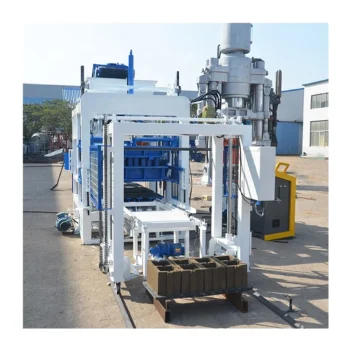
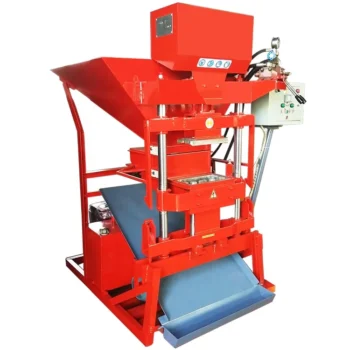
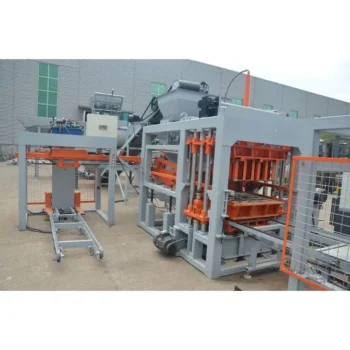
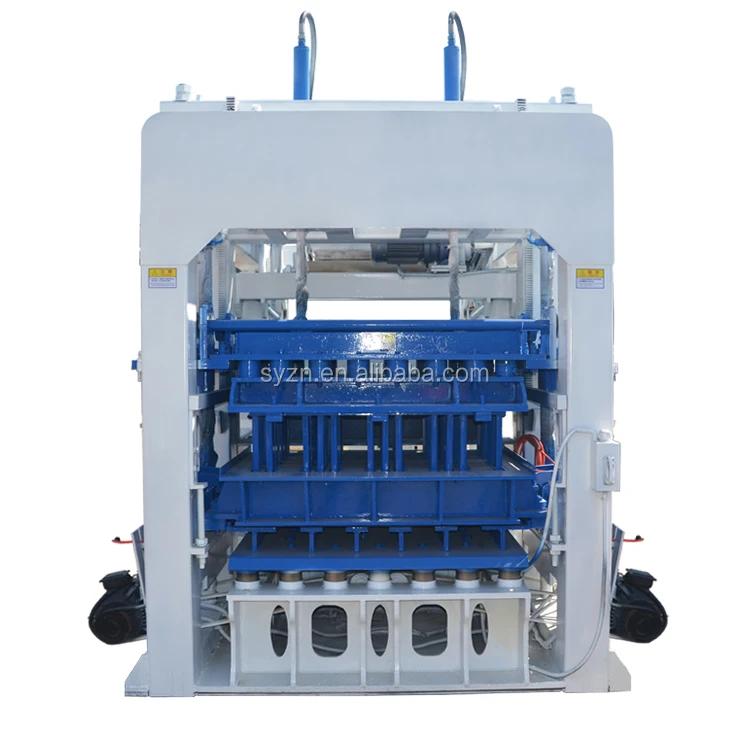
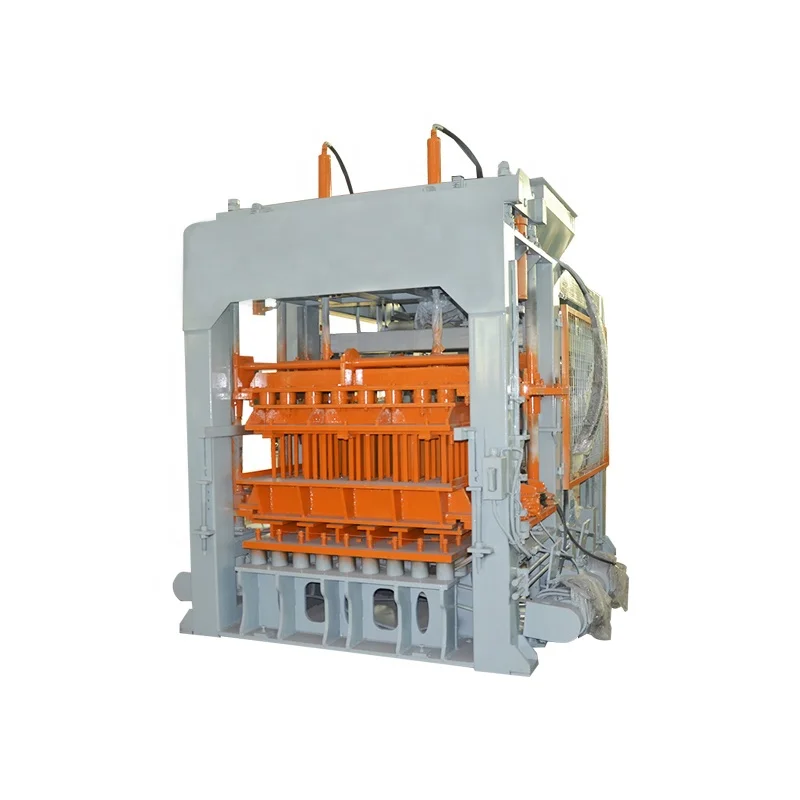
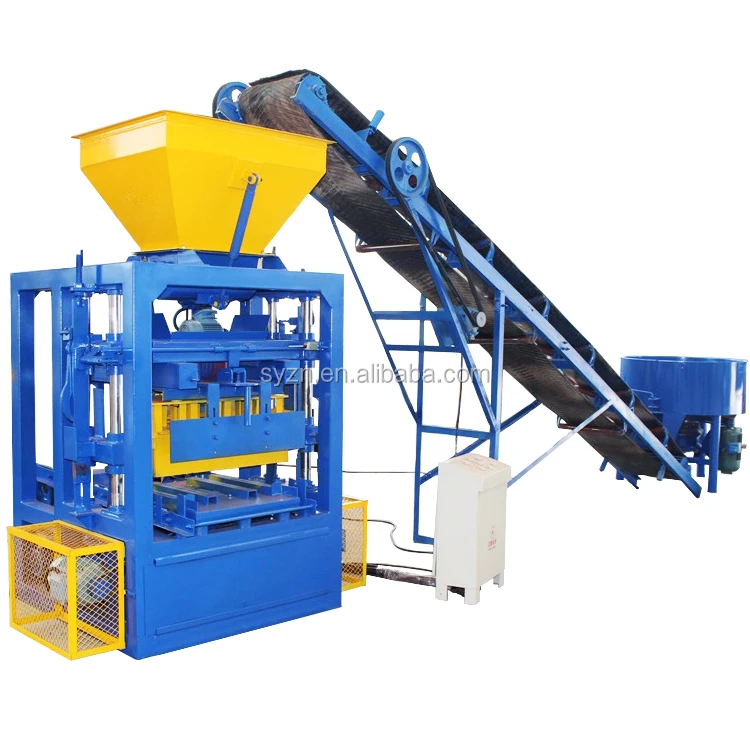
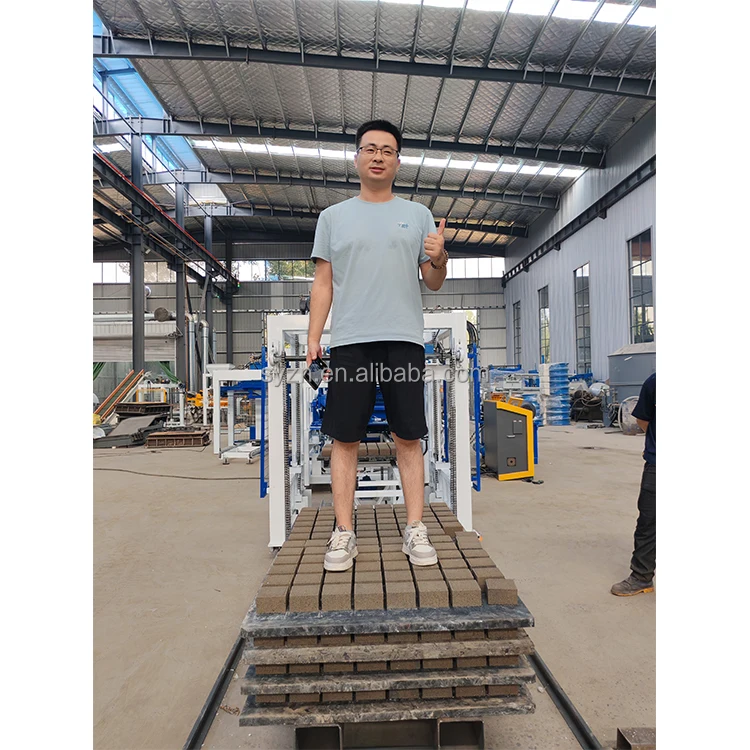
Matched system spec — the QMY10-15 is quoted with capacity per hollow block format and configured around your local aggregate, not a generic catalogue figure.
Technical Specifications
| Parameter | Value |
|---|---|
| Model | QMY10-15 |
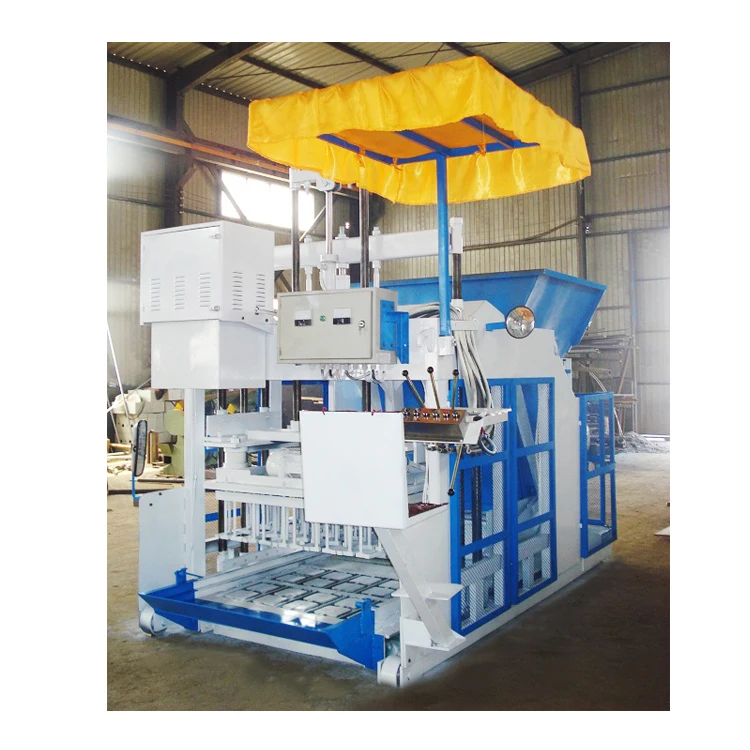
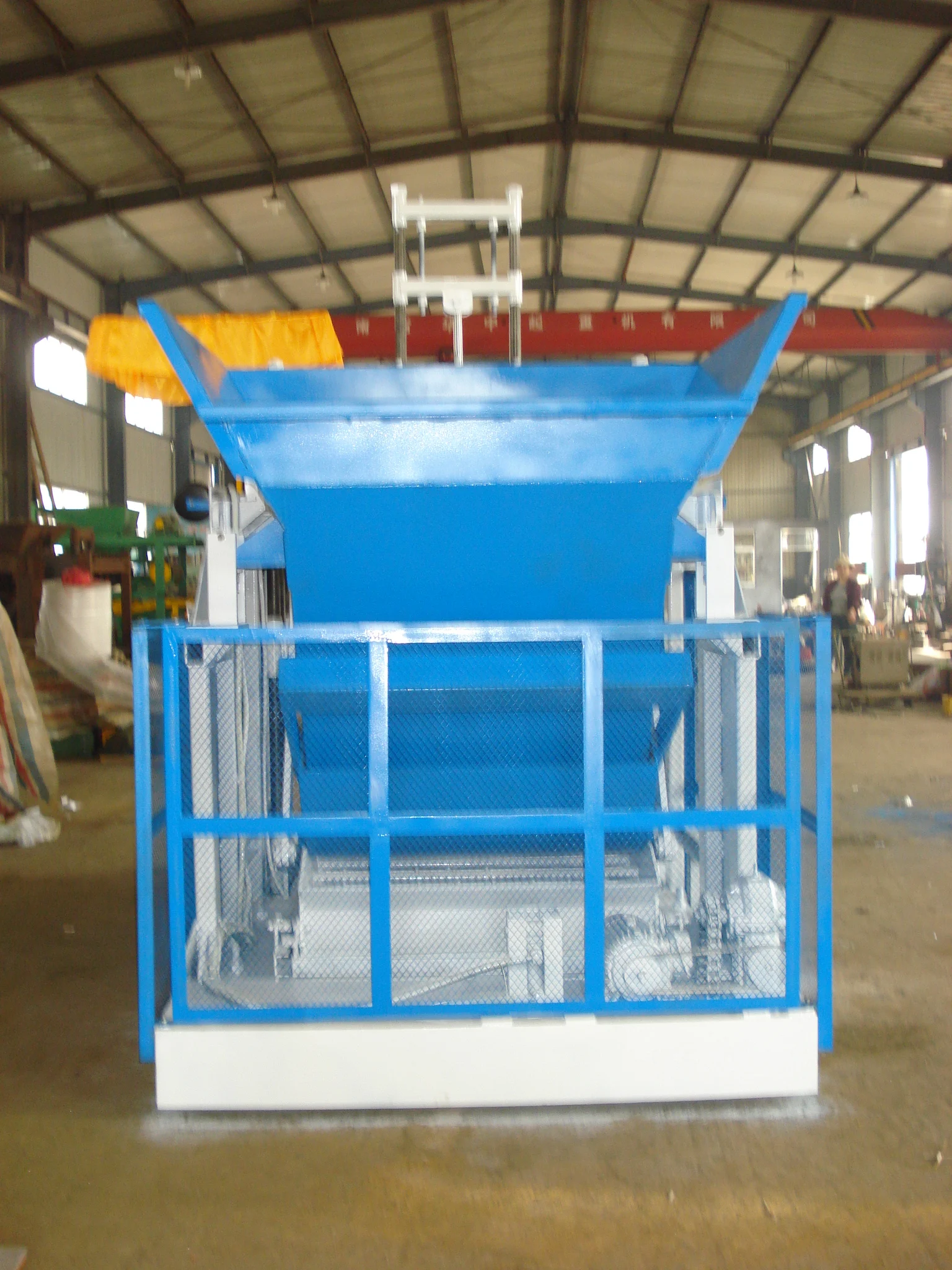
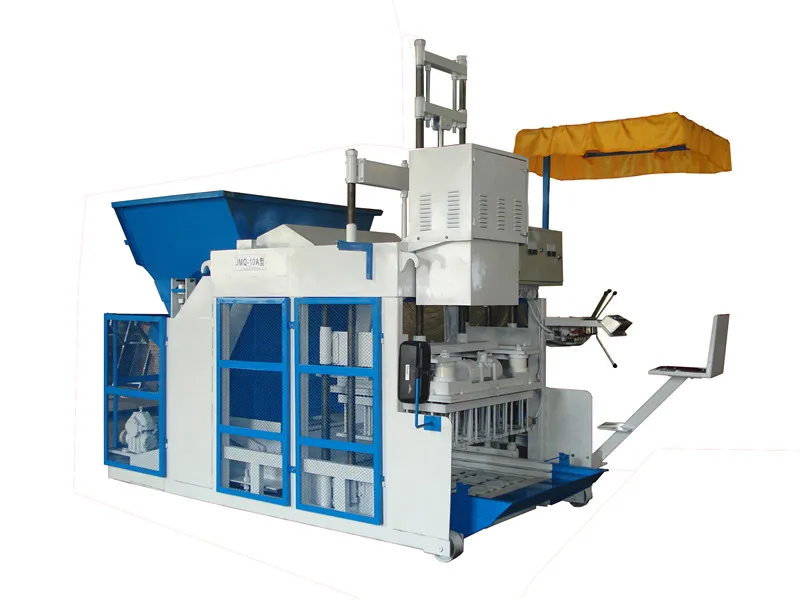
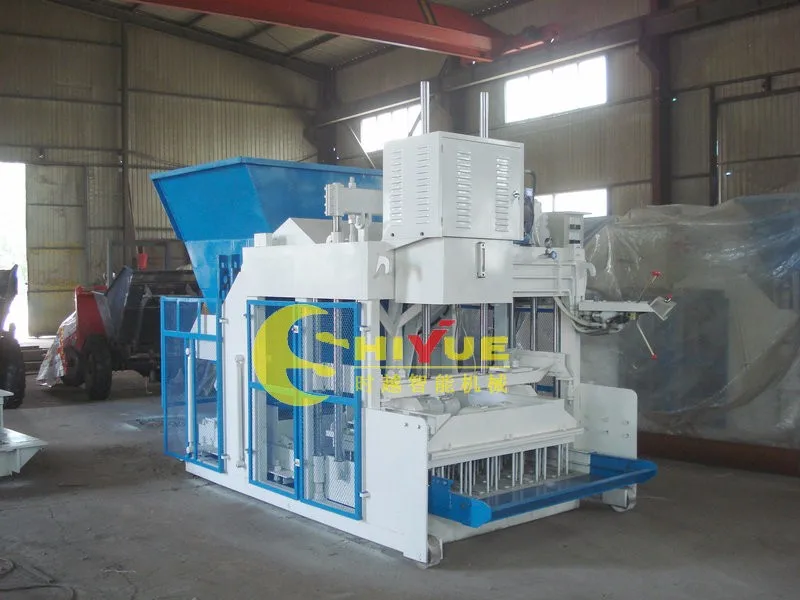
| Product Type | Mobile Hydraulic Block Making Machine |
| Machine Type | Mobile / egg-laying, palletless operation |
| Motor | Siemens motor |
| Hydraulic Pressure | Yes (MPa rating to be confirmed before order) |
| Vibration Force | Yes (kN rating to be confirmed before order) |
| Mould Heat Treatment | Heat-treated moulds for extended service life |
| Pallet Requirement | None — blocks laid directly on ground |
| Control System | To be confirmed (PLC or manual) |
| Voltage & Frequency | To be confirmed before production |
| Cycle Time | 15–20 seconds (basis: hollow block formats listed below) |
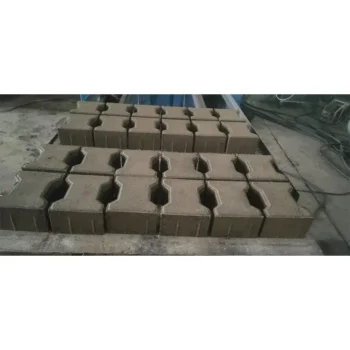
| 400×200×200 mm Hollow Block | 10 pcs/mould, 1,800–2,400 pcs/h, 14,400–19,200 pcs/8h |
| 400×150×200 mm Hollow Block | 12 pcs/mould, 2,160–2,880 pcs/h, 17,280–23,040 pcs/8h |
| 400×120×200 mm Hollow Block | 16 pcs/mould, 2,880–3,840 pcs/h, 23,040–30,720 pcs/8h |
| 400×100×200 mm Hollow Block | 18 pcs/mould, 3,240–4,320 pcs/h, 25,920–34,560 pcs/8h |
| Automation Level | Semi-automatic (mobile egg-laying, manual steering implied) |
| Stacking Method | Not applicable — blocks cured on ground |
Application Suitability
| Application | Material or Output |
|---|---|
| On-site hollow block production | Crushed stone, sand, cement, and water mix laid directly on compacted ground |
| Housing and development project supply | Multiple hollow block formats produced on the same site without pallet infrastructure |
| First-time block plant operation | Low-investment hollow block production using locally sourced aggregate |
| Contractor self-supply | Hollow blocks in 100 mm to 200 mm wall thickness produced adjacent to the building site |
What "1,800 Pieces per Hour" Actually Depends On
Output figures only hold when the block format, cycle time, and mix design are all stated together.
A mobile machine quoting a single hourly number hides the fact that a 400×200×200 mm hollow block and a 400×100×200 mm hollow block run at very different rates through the same QMY10-15 mobile block machine specifications. I have watched contractors plan a site around a headline capacity, then find that the 200 mm blocks their wall design requires cut actual daily output to roughly half what they budgeted for. The vibration force and hydraulic pressure must also suit the buyer’s local sand and stone — a mix with high clay content increases resistance in the mould box and can stress the vibration table base if the system was specified without a sample test [NEED_CITE: aggregate clay content effects on vibration table fatigue].
Palletless Operation and What It Removes from Your Cost
The QMY10-15 lays blocks directly on the ground in an egg-laying cycle, which removes pallet purchase, daily pallet handling, pallet storage space, and pallet replacement from the production equation. For a contractor starting a first block operation or working a remote housing site, this eliminates an entire layer of infrastructure that a stationary plant requires. The trade-off is that ground condition becomes a production variable — the curing surface must be level and compacted to prevent block deformation before initial set.
Matching Mould Formats to the Wall Thickness Your Market Sells
This machine covers four hollow block widths from 100 mm to 200 mm, which correspond to partition walls, standard structural walls, and insulated cavity walls in most building codes. The QMY10-15 mobile block machine specifications list each format separately because a site producing mainly 200 mm structural blocks will run a lower daily total than one running 100 mm partition blocks. Before ordering, the buyer should confirm which formats account for the majority of their sales so the mould set and spare mould inventory match actual demand [NEED_CITE: hollow block format demand ratios in residential construction markets].
How Pressure, Vibration, and Mix Design Interact on a Mobile Machine
Hydraulic pressure and vibration force work together to compact the concrete mix inside the mould cavity. On a palletless machine, the block must be dense enough to hold its shape the moment the mould lifts away — there is no pallet supporting the base during the critical first minutes. The Siemens motor drives the vibration system, and heat-treated moulds resist the abrasion caused by repeated cycling with coarse aggregate. However, the MPa rating of the hydraulic system and the kN rating of the vibration force must be matched to the specific sand, stone, and cement ratio the buyer will actually use. A specification built around a clean washed sand that the buyer cannot source locally will produce blocks with inconsistent density and edge crumbling.
The Cost of Skipping the Aggregate Sample Before You Order
When a mobile block machine arrives configured for a mix design that does not match local material, the buyer faces a choice between sourcing expensive imported aggregate or running a suboptimal mix that produces weak blocks and accelerates mould wear. I have seen sites where the vibration table base cracked within the first production season because the local sand contained high clay content, increasing resistance beyond what the standard hydraulic specification was built to handle. Block strength inconsistency then triggers rejections from project inspectors, and the buyer ends up paying for material changes and machine downtime simultaneously [NEED_CITE: concrete block compressive strength variability causes in field production].
Why Sourcing the Line as One System Matters Here
The QMY10-15 is specified as a matched unit — machine, mould, and heat-treated tooling come from a single supplier rather than assembled from separate sources, which means mould fit and vibration transmission are verified before dispatch. Configuration is set against the buyer’s actual mix and target block format, not a default catalogue setting. Mould design covers the formats the buyer’s market requires, and additional custom moulds can be produced to buyer drawings. The supplier provides installation support, operator training, and wear parts documentation so that the first mould change and the first spare parts order do not become production-stopping events.
Documentation & Verification
- Capacity calculation sheet stating which hollow block format each output figure assumes
- Mould drawing and format list covering all four standard sizes plus any custom additions
- Voltage, frequency, and control language confirmation record signed before production
- Factory test record run on a mix matching the buyer’s submitted aggregate sample
- Hydraulic and electrical schematic for on-site troubleshooting and local electrician reference
- Wear parts and mould list with part numbers for first-year stocking
Installation, Commissioning & Support
- Ground must be level, compacted, and cleared of debris before the QMY10-15 begins egg-laying operation
- Power supply must match confirmed voltage and frequency; generator sizing depends on Siemens motor kW rating
- Machine arrives partially assembled; on-site setup includes steering mechanism and vibration table alignment
- First production run should use the same mix submitted as a sample so settings match tested conditions
- Mould change procedure and time demonstrated during commissioning so operators can switch formats without extended downtime
- Heat-treated mould wear inspection schedule provided to track service life across each block format
What We Need to Quote the Right Configuration
To size the QMY10-15 correctly for your site, provide the hollow block formats you plan to produce, the daily output you need for each format, and a sample or analysis of your local sand and stone. Confirm your available voltage and frequency, whether you will run on grid power or a generator, and the control display language your operators require. If you already have curing area or material handling equipment on site, include those dimensions so the production layout can be planned around them.
Frequently Asked Questions
Q: How is capacity calculated for each hollow block format, and what does the cycle time assume?
A: Each capacity figure in the QMY10-15 mobile block machine specifications is based on a 15–20 second cycle for a specific block size. The calculation assumes a mix that fills and compacts within that window and a ground surface ready for continuous egg-laying. Actual daily output depends on operator pace, material feed consistency, and how many mould changes occur during the shift.
Q: What voltage options are available, and can the machine run on a generator?
A: Voltage and frequency are confirmed before production to match your site’s grid or generator supply. The Siemens motor can be wound for different voltage standards. On sites without grid power, the generator must handle the motor starting current, which exceeds running load. Confirm your generator capacity before ordering.
Q: How does local aggregate affect block strength on a palletless machine?
A: On a palletless machine, blocks must be self-supporting immediately after the mould lifts. High clay content in sand increases mix resistance and can produce uneven compaction. Submitting a local aggregate sample before ordering allows the hydraulic pressure and vibration force to be matched to your material, reducing the risk of weak or deformed blocks.
Q: How long does a mould change take, and can I add formats later?
A: Mould change time depends on the procedure demonstrated during commissioning. The QMY10-15 accepts custom moulds to buyer drawings, so additional formats can be added after the machine is in operation. Ordering spare moulds with the initial shipment avoids production gaps when the first replacement is needed.